Ravines Wine Cellars

The producer draws on terroir-driven winemaking traditions that place it alongside a small cohort of precision-focused houses. For those tracking serious wine in the region, it represents one of the more considered addresses in the current Geneva conversation.
Pearl is the En Primeur Club membership app — saves, bookings, and concierge access live there. Same editors, same standards.
- Address
- Geneva, New York, Vereinigte Staaten
- Directions
- Get directions
 Saves & bookings on Pearl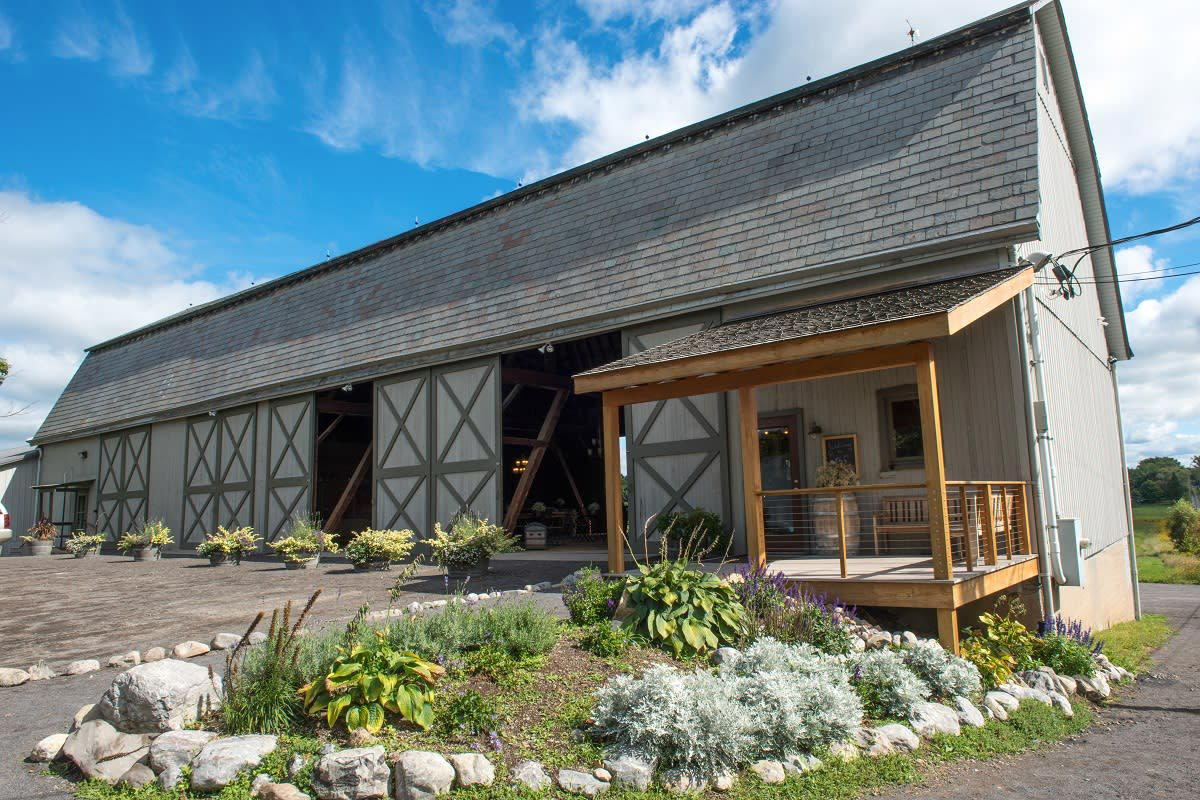
Where Geneva's Wine Ambition Meets the Land Beneath It
There is a particular quality of light in the wine regions that feed Geneva's cellar culture, cold mornings that give way to long, mineral-bright afternoons, the kind of diurnal rhythm that forces a vine to work slowly and accumulate structure rather than sugar. Ravines Wine Cellars is a winery in the Finger Lakes region. The name signals an orientation: ravines are geological features, not marketing conceits. They are places where water cuts through rock, where soil profiles shift in the space of a few metres, where terroir is not an abstraction but a physical reality that a winemaker either reads correctly or ignores at considerable cost.
That signal matters not because awards confer quality but because, in Geneva's complex wine geography, the Pearl tier functions as a shorthand for a particular kind of commitment: to process, to site, and to the patient kind of viticulture that doesn't resolve itself in a single vintage.
The Geneva Wine Context: Small Appellation, High Stakes
Geneva is the smallest of Switzerland's three major Lac Léman wine cantons, and it has long operated in the shadow of Vaud and Valais in terms of international recognition. That relative obscurity has had an interesting side effect: Geneva's producers have tended to develop without the commercial pressure that comes from an already-established export identity. The canton's roughly 1,400 hectares under vine support a range of styles, from the broad Chasselas-dominant tradition shared across the lake to more restrained, terroir-expressive work in specific sub-zones.
What separates the serious Geneva producers from the volume tier is typically a question of site specificity. The canton's geology is more heterogeneous than its modest size might suggest, gravel fans deposited by glacial outwash sit alongside clay-limestone slopes, and both interact differently with Geneva's relatively warm, protected microclimate. Producers who map their viticulture to those differences tend to make wines that read as distinctly Genevan rather than generically Swiss.
For a broader picture of where Ravines Wine Cellars sits within Geneva's wider hospitality and dining ecosystem, our full Geneva restaurants guide provides the necessary context.
Terroir as the Central Argument
One useful lens for understanding any serious wine producer is to ask what the land is actually saying and whether the cellar work is amplifying or obscuring that signal. In Geneva's case, the terroir argument tends to come down to two competing impulses: the older tradition of generous, approachable wines designed for the regional table, and a newer current of producers making wines with more structural tension, lower interventionism, and a longer-term aging calculus.
Ravines Wine Cellars, with its geological naming logic and its 2025 prestige recognition, positions itself within that second current. The ravine, as a landscape feature, creates natural drainage, temperature variation, and, critically, the kind of stressed growing conditions that reduce yield while concentrating the character of the fruit. Wines made from vines grown in such conditions tend to show more mineral precision and less immediate generosity than their flatter-terrain counterparts. They often require time in bottle before the structure integrates and the site-specific character becomes legible.
This is the conversation that connects Ravines Wine Cellars to a wider international comparable set. From the Burgundy-trained precision of houses like Accendo Cellars in St. Helena to the cool-climate Pinot work of Adelsheim Vineyard in Newberg, particularly compelling terroir-expressive producers share a commitment to letting the site determine the wine's character rather than retrofitting style to market demand. The same orientation runs through the Rhône-focused work at Alban Vineyards in Arroyo Grande and the Alsace precision of Albert Boxler in Niedermorschwihr, producers whose reputations rest on geological specificity rather than brand volume.
How Ravines Fits the Broader Premium Wine Map
Premium wine in the twenty-first century has bifurcated between high-production houses with strong export identities and small-to-medium producers whose reputations travel largely through the trade and through platforms like EP Club. It signals not a volume play but a depth play: these are producers whose work rewards close attention and whose allocation, in many cases, moves quickly among informed buyers.
Across that broader map, particularly instructive comparisons are often transatlantic. Adelaida Vineyards in Paso Robles and Alexander Valley Vineyards in Geyserville both operate in regions where terroir diversity is high and producer differentiation depends on the ability to read and communicate site character. Alpha Omega Winery in Rutherford makes the case for Napa Cabernet through a similar site-first argument. What connects these producers across continents is a shared conviction that wine's most durable value proposition is geological honesty rather than stylistic consistency.
That international context matters for Geneva because the canton's producers are increasingly read against a global comparable set rather than just a Swiss one. For comparison, the kind of rigorous prestige-tier standards applied here are the same ones used to evaluate houses as varied as Dom Pérignon in Champagne, Aldo Conterno in Monforte d'Alba, and All Saints Estate in Rutherglen, producers whose reputations span different traditions but whose commitment to site and craft is comparable in rigour.
Planning a Visit
Visitors to the region would do well to plan Geneva wine visits as part of a broader Lac Léman itinerary: the canton's compact size means that a focused two-day circuit can cover multiple Pearl-tier producers without significant travel. Given the 2025 prestige recognition, demand for visits and allocation access at this level of the Geneva producer tier tends to move faster than general tourism calendars account for, early contact is sensible practice. Other producers in the region worth researching alongside Ravines include those noted in our full Geneva guide, which covers the city's dining, drinking, and wine culture at neighbourhood level.
For wine travellers whose interest spans continents, the same methodical planning approach applies whether you are heading to Andrew Murray Vineyards in Los Olivos, Achaia Clauss in Patras, or a precision-tier Geneva producer. The calculus is consistent: identify the comparable set, confirm the booking window, and arrive with a clear sense of what the terroir argument is before the first glass is poured.
Recognition history
Dated appearances from independent guides and award organizations, with the underlying list record or original source where available.
Falstaff Winery - Listed
Falstaff
Continue exploring
More in Geneva
Wineries in Geneva
Browse all →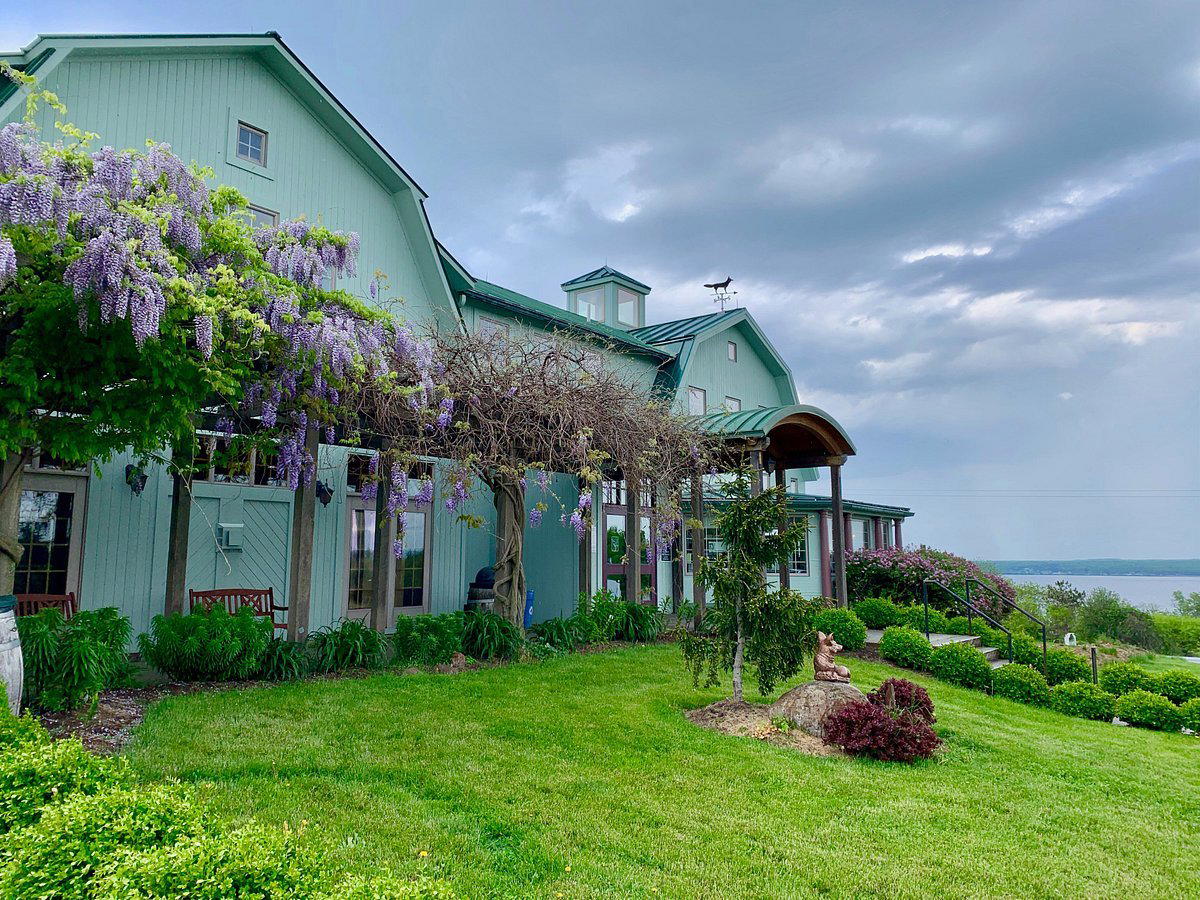
Bars in Geneva
Browse all →
Restaurants in Geneva
Browse all →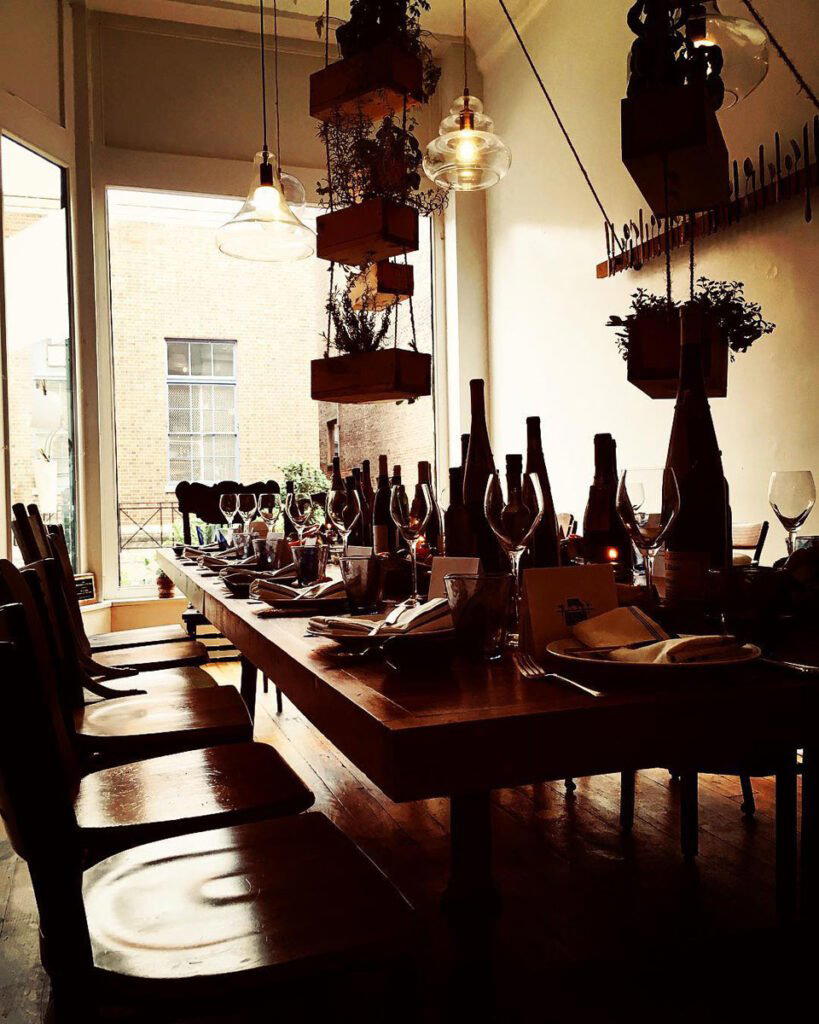

At a Glance
- Scenic
- Rustic
- Intimate
- Sophisticated
- Classic
- Family
- Group Outing
- Wine Education
- Special Occasion
- Historic Building
- Barrel Room
- Estate Grounds
- Private Tasting
- Sustainable
- Dry Farmed
- Vineyard
- Finger Lakes
- Riesling
- Chardonnay
- Gewürztraminer
- Pinot Noir
- Cabernet Franc
- Still White
- Still Red
- Sparkling
- Guided Tasting
- Wine And Food Pairing
- Barrel Room Tasting
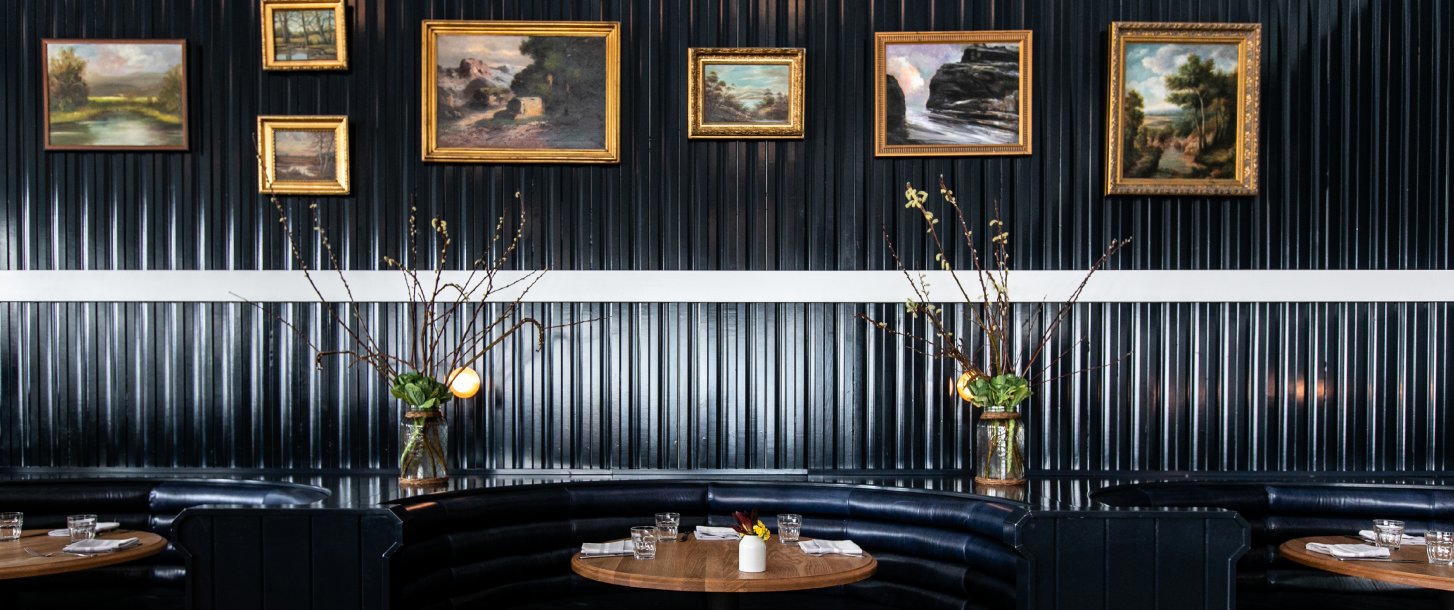
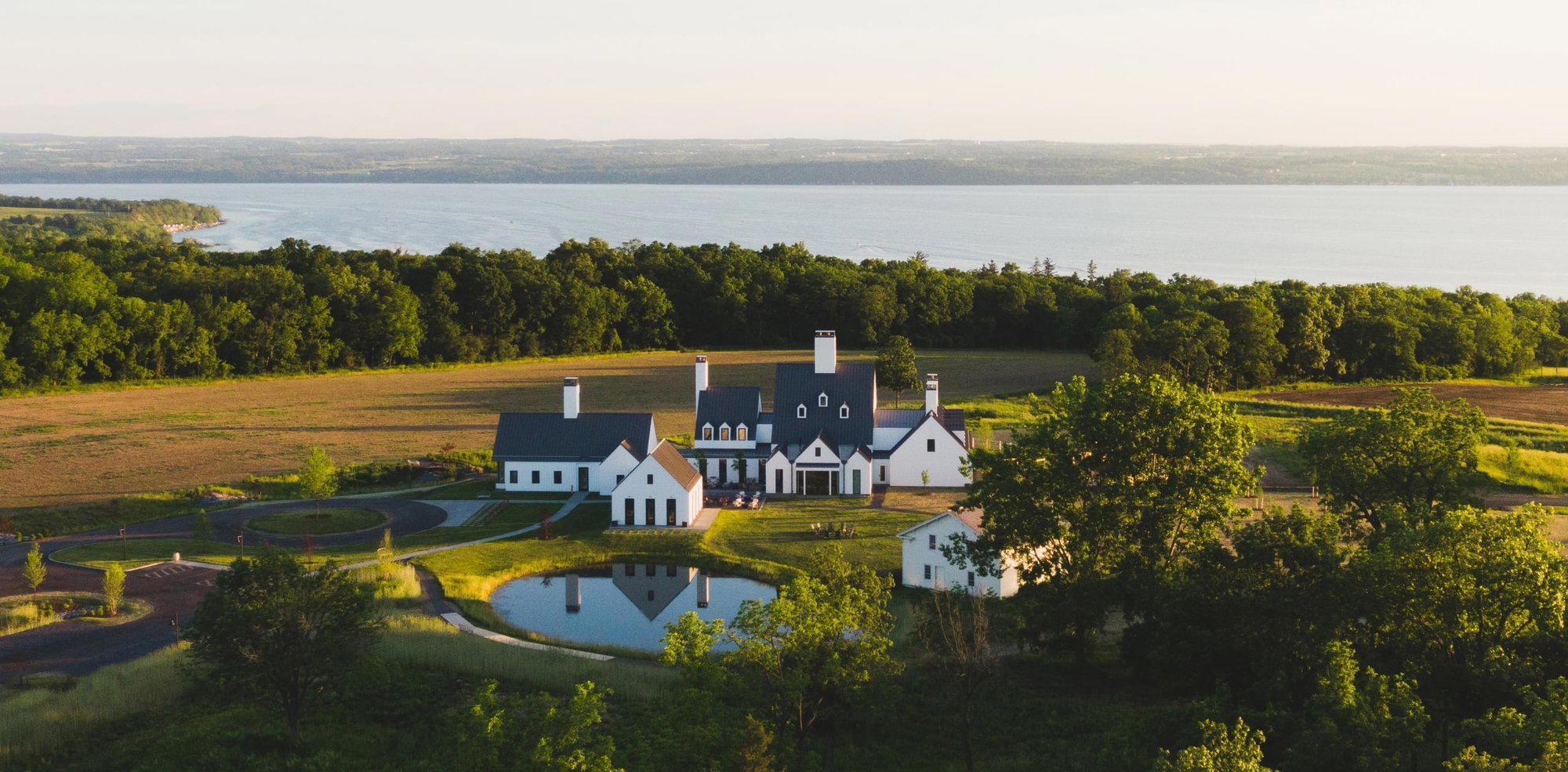
Refined, welcoming, and rustic, with a historic barn setting, high wooden beams, and a barrel-room tasting experience.