Quinta dos Murças - Esporão

Falstaff Winery - Listed
Quinta dos Murças - Esporão is a historic Douro DOC estate in Peso da Régua, combining guided tastings, vineyard tours and a small estate-stay format. Its strongest draw is agricultural: 48 hectares of organically certified vineyards, eight terroirs and a vertical vineyard dating to 1947, set within a working riverfront property rather than a conventional tasting room.

Pearl is the En Primeur Club membership app — saves, bookings, and concierge access live there. Same editors, same standards.

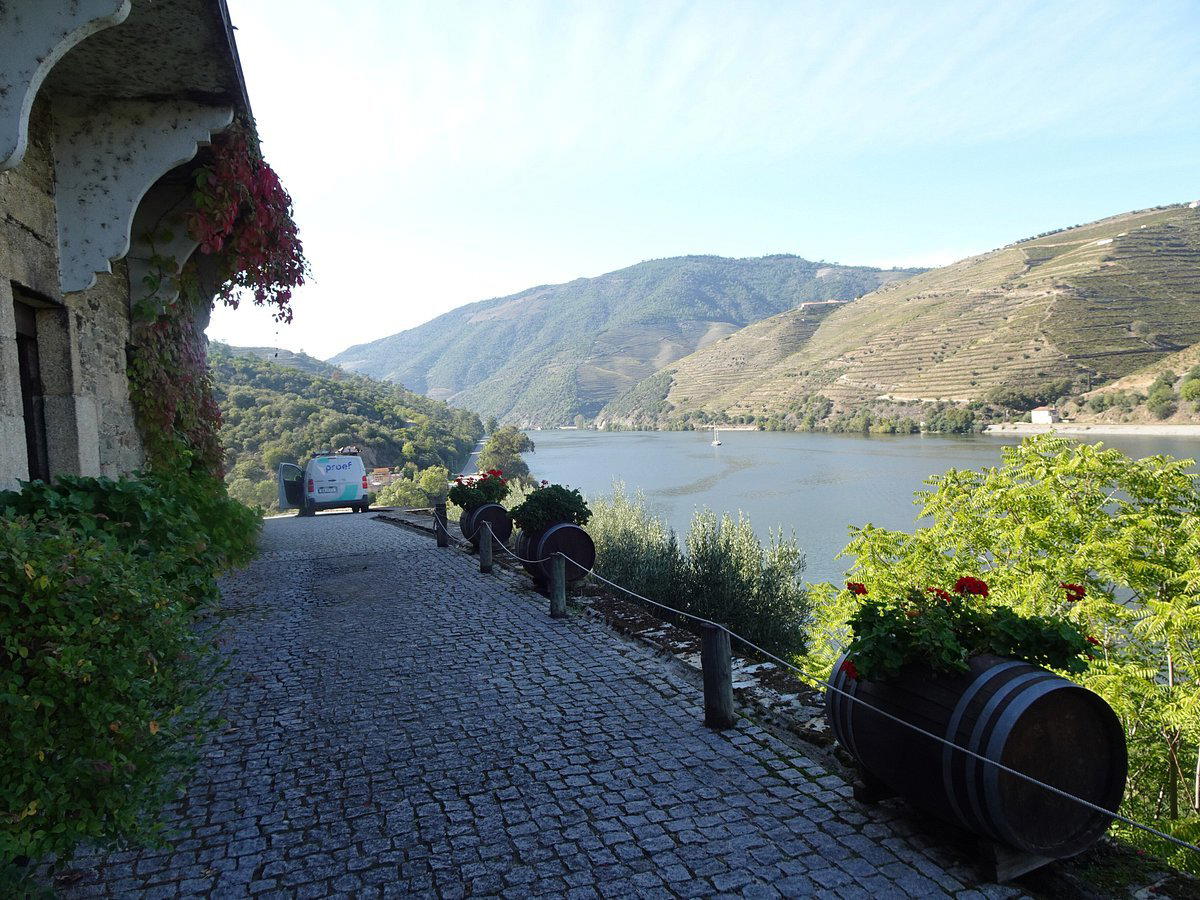
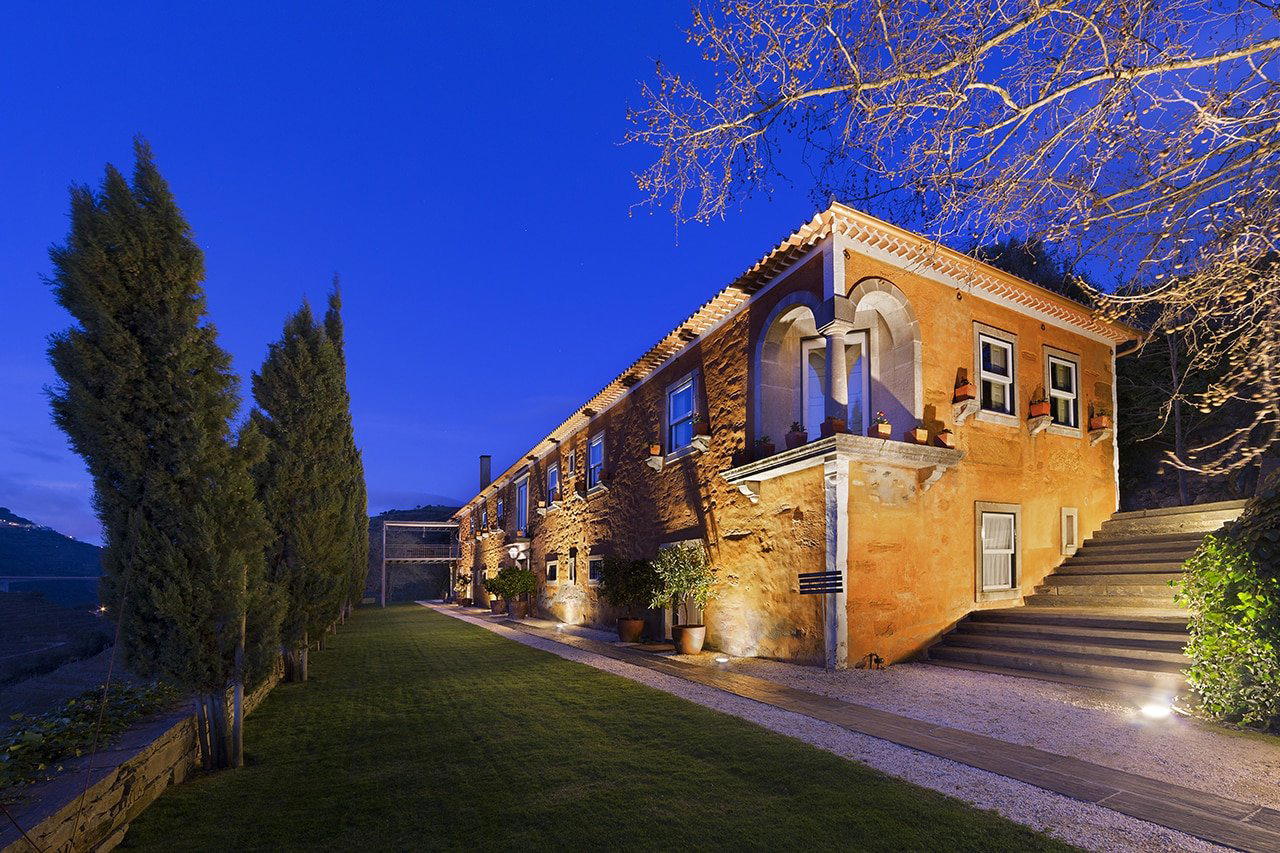
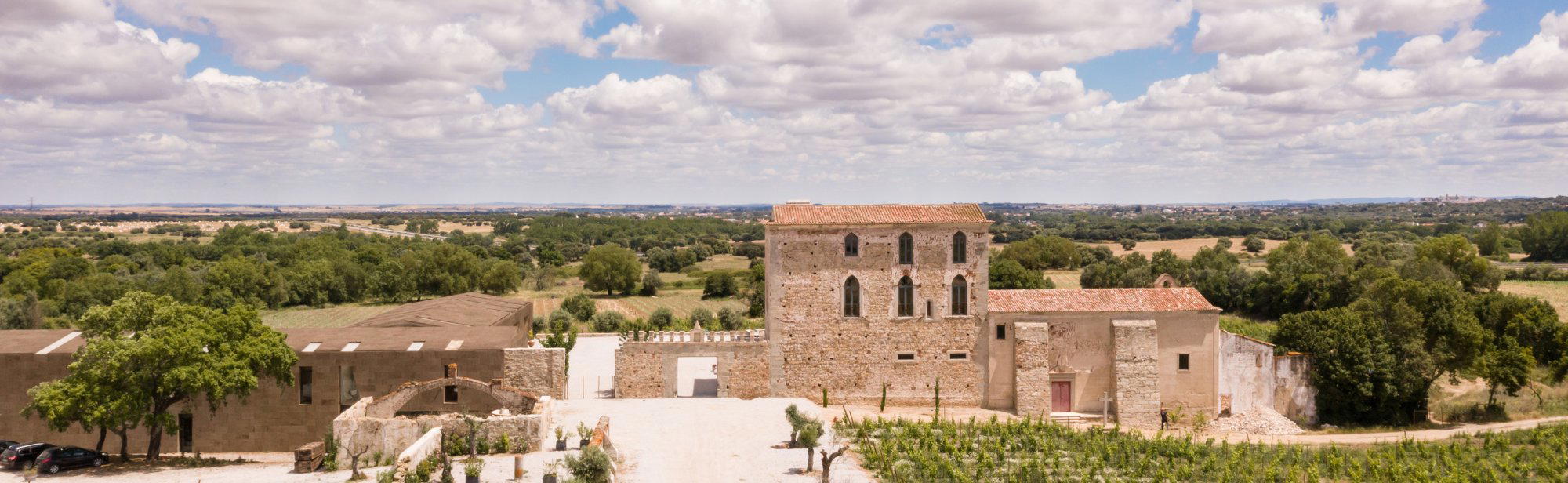
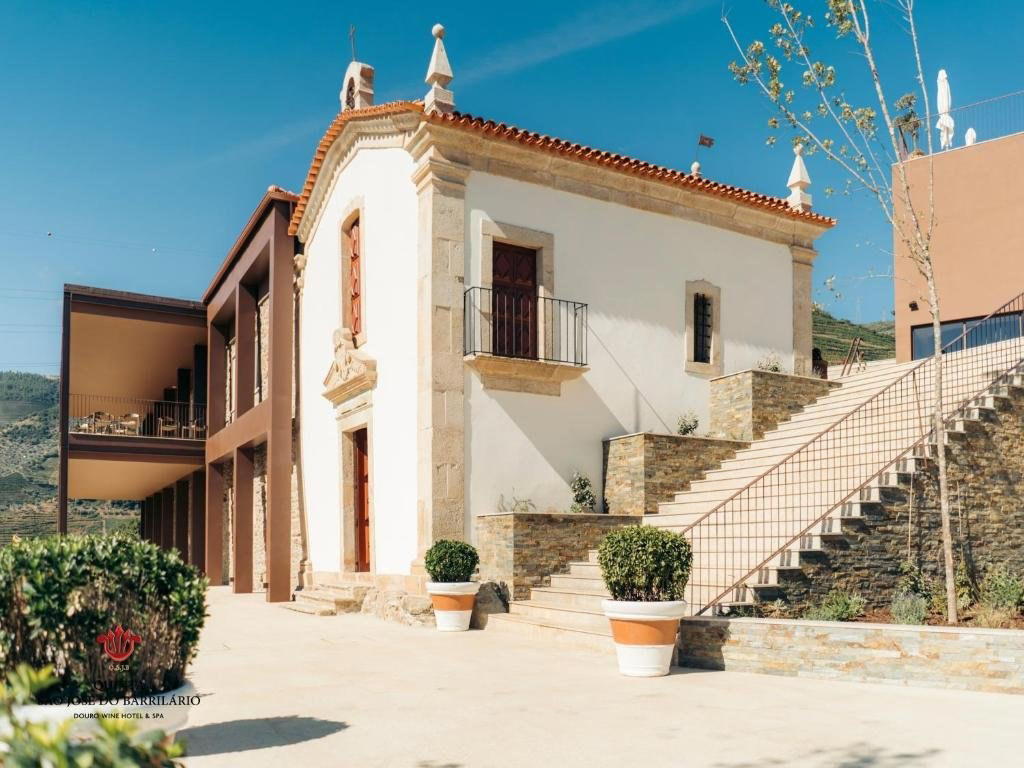
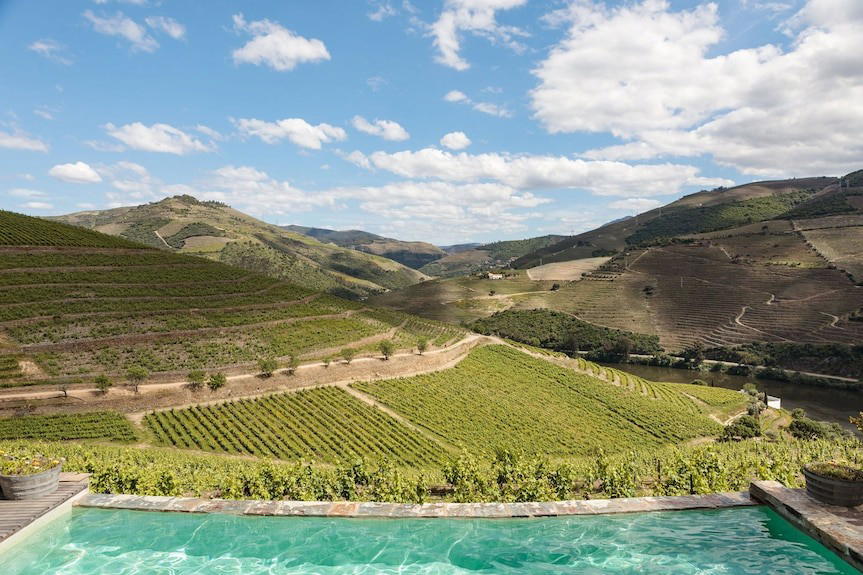
Douro wine tourism often begins with scale: terraces, river bends, steep vineyard geometry and estates that ask visitors to read the valley before the label. Quinta dos Murças - Esporão fits that land-first tradition. It is a historic wine-country estate on the right bank of the Douro River, with vineyards, olive groves and orchards around an early 19th-century manor house, gardens, pool and cellar. It is not tasting-room theatre; the point is the working farm, slope, river and agricultural choices that make a visit a lesson in place.
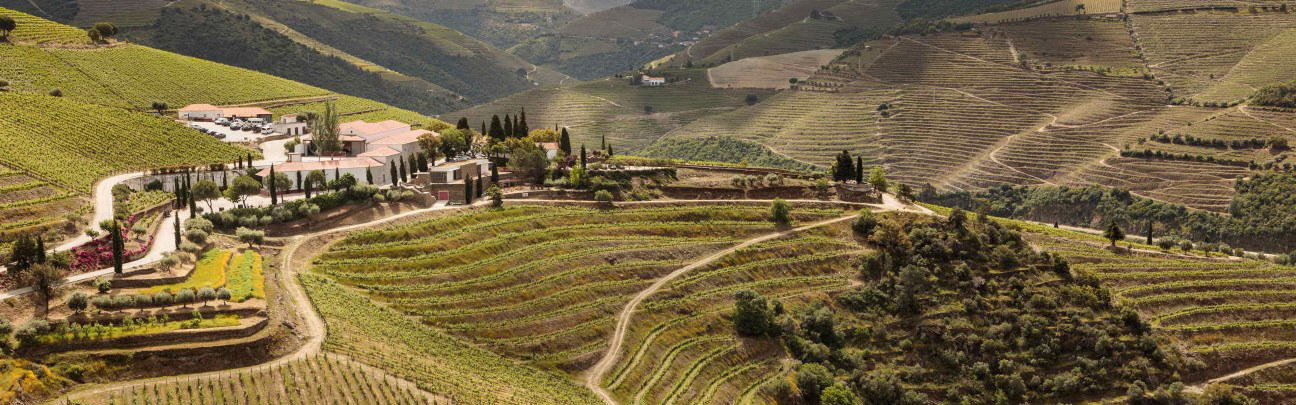
That matters in Peso da Régua, where wine visits can blur into cellars and pours. Here, the structure is unusually legible: 48 hectares of organically certified vineyards, eight terroirs and a claim to the Douro’s first vertical vineyard, established in 1947. These are not decorative facts. In a region where altitude, exposure and parcel orientation shape ripeness and structure, the estate lets visitors connect wine style to vineyard architecture rather than treating production as a backstage add-on.
A Douro estate where the vineyard is the main argument
The Esporão connection gives the property a wider Portuguese wine context, but the Douro identity stays specific. The estate works within Douro DOC and focuses on regional still and fortified wine varieties: Touriga Nacional, Touriga Franca, Tinta Roriz, Tempranillo, Tinta Francisca and Tinto Cão. The portfolio spans still red, still white, fortified and dessert styles, placing the visit inside the Douro’s shift from Port-dominated reputation to a broader still-wine conversation.
The production philosophy is plain: organic. That gives the estate a clearer position than many scenic wine properties, where landscape language can outrun farming detail. The scale is medium rather than industrial, with vineyards joined by olive groves and orchards, and the wine-tourism format reflects that mixed agricultural identity. Guided tastings, tour-and-tasting formats, private tastings and estate stays all support a slower model of visitation, where cellar and vineyard share one narrative.
1947 vertical vineyard is the anchor. In Douro terms, “vertical” is not just historical curiosity; it shows how growers have dealt with slope, access and sun exposure in a valley with little easy land. The eight-terroir framework adds a contemporary lens, making internal site variation central to how the estate explains itself. Read the place not as a room with wine flights, but as an estate using geography as its organizing principle.
The tasting format favors questions over spectacle
Hospitality is intimate and quiet, with a casual dress code and by-reservation visit model. The standard tour lasts 1h30, enough to move beyond a quick pour while still fitting a Douro itinerary. Tastings are offered in Portuguese, English, French and Spanish, making the estate accessible to international travelers without becoming a high-volume circuit.
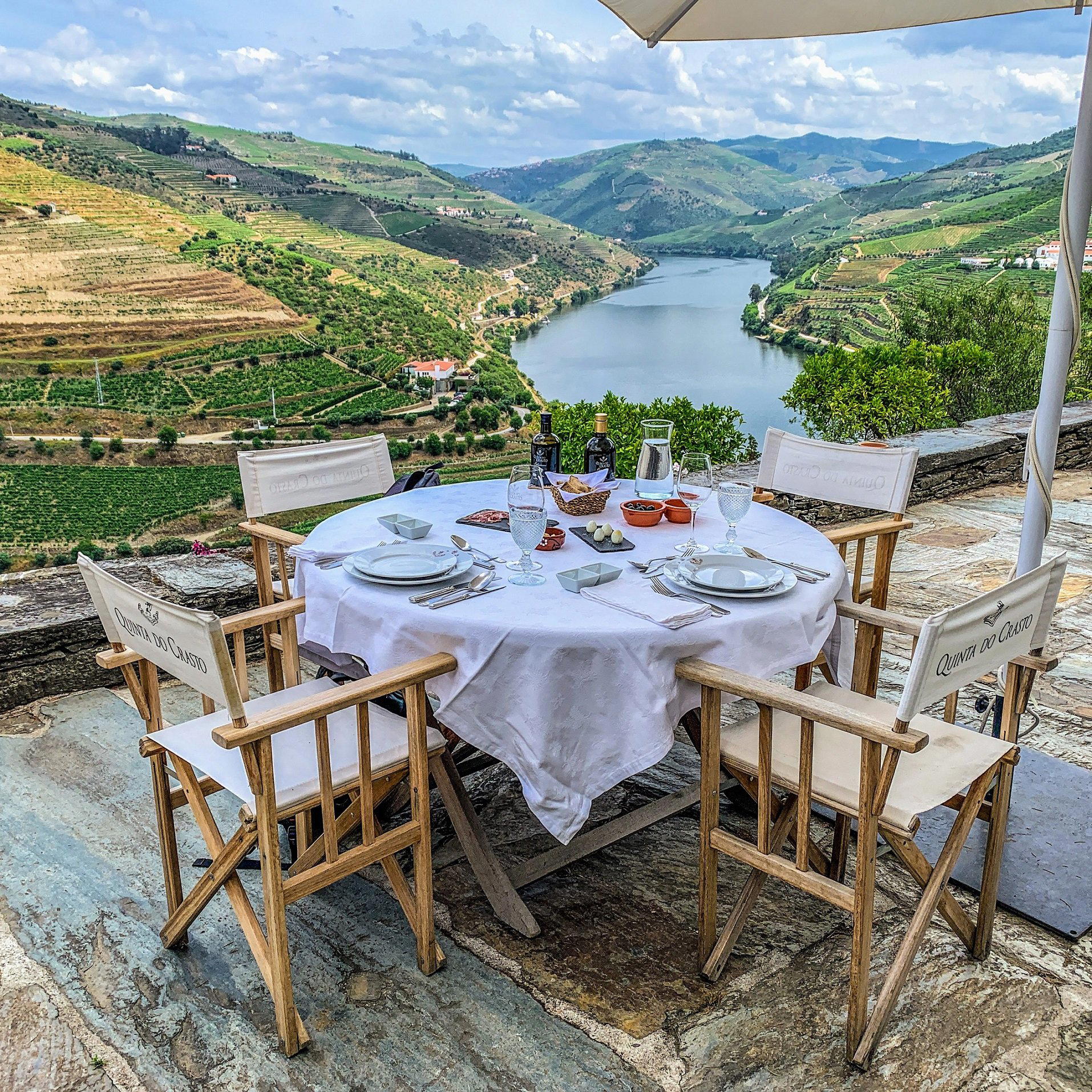
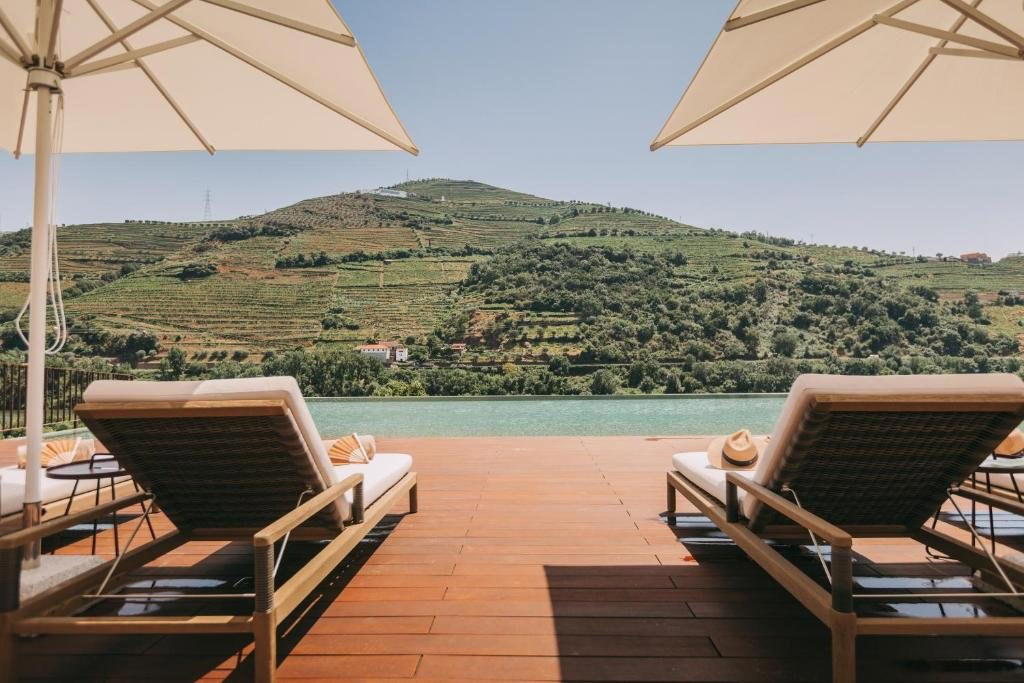
Food pairing is available, outdoor seating is part of the offer, and the setting favors vineyard, waterfront and mountain views. The tone suits wine education, romantic getaways, small group outings and low-key celebrations more than children or pet-led travel; the estate is not dog-friendly and is not positioned as child-friendly. Payment can be made by cash, credit card or debit card, and on-site parking is a practical advantage in a region where estate access can be awkward without a car.
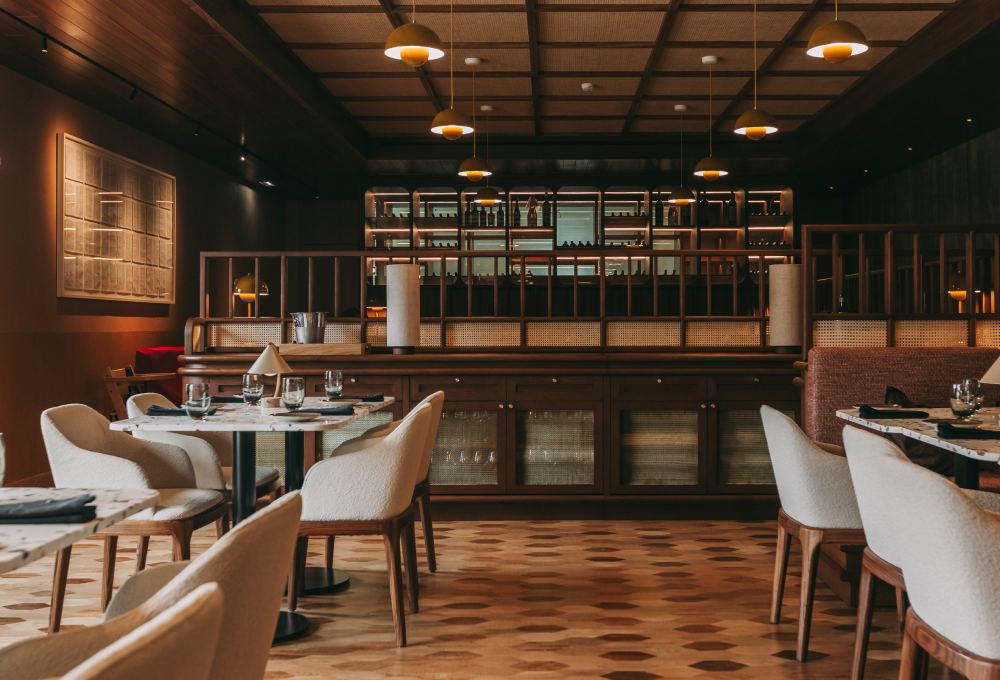
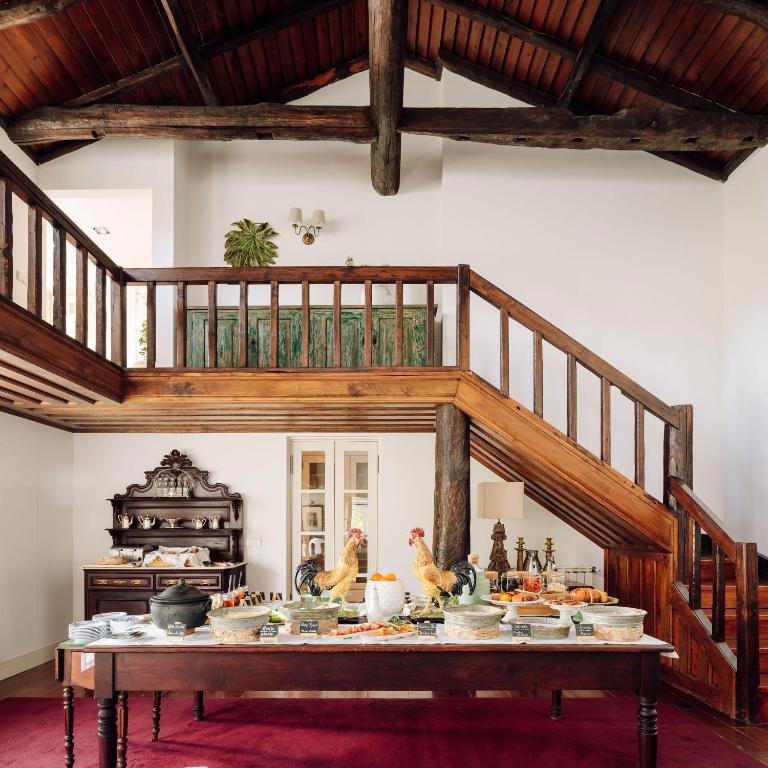
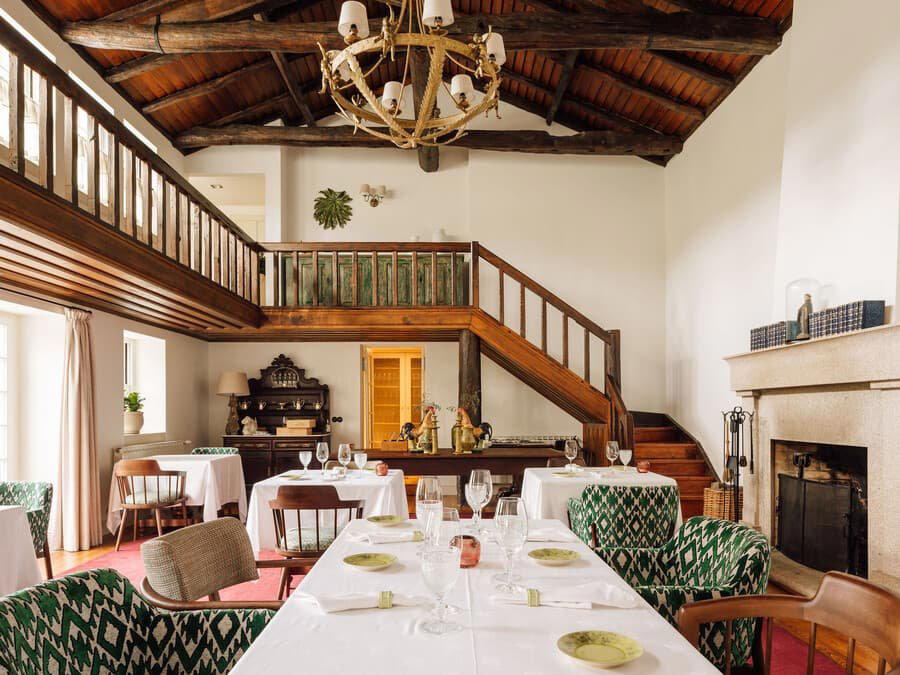
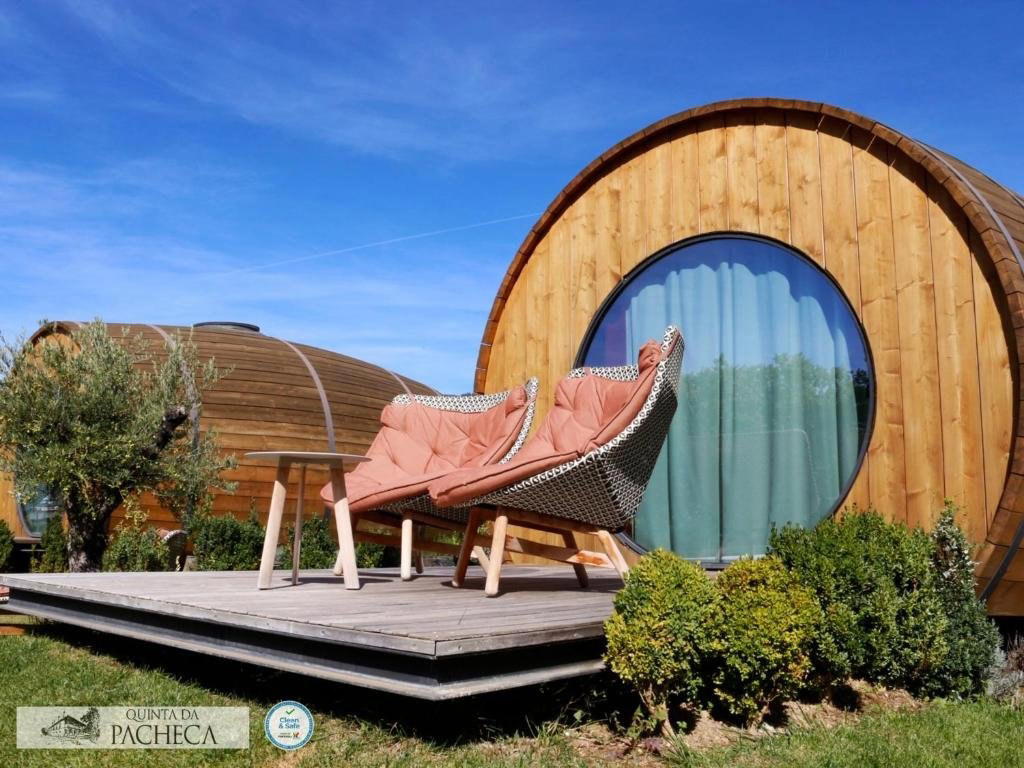
What separates this from a more commercial tasting stop is the estate-stay dimension. The manor-house atmosphere, quiet noise level and production setting make the property a winery-rural hospitality hybrid, where guests can treat the tasting as part of a longer stay rather than a scheduled interruption. That matters in the Douro: the valley rewards time, and estates with lodging let travelers understand how light, river and vineyard slope change across a day.
The wines should be approached through structure and origin rather than a search for one showpiece bottle. One named cuvée, Margem 2022, appears in visitor discussion, but the broader editorial interest is the terroir-led format: Douro varieties, organic farming and a tasting structure linking glass to ground. Travelers wanting a high-production hospitality machine may find it too quiet. For those who prefer guided context and a working agricultural setting, restraint is the point.
How to place it within a Peso da Régua wine itinerary
Peso da Régua is the practical base for many Douro wine days, and the estate’s Covelinhas setting belongs in the rural, river-facing category: better planned than attempted as a casual walk-in. Visits are by reservation, booking is recommended, and allocation status is open. Shipping is not listed as available, so travelers planning purchases should consider what they can carry or arrange separately.
For a Régua-focused wine day, use this estate when the goal is vineyard literacy rather than cellar collecting. Its strongest evidence is objective: Douro DOC, 48 hectares of organically certified vineyards, a 1947 vertical vineyard, eight terroirs, guided formats and multilingual tours. Those details make it a serious stop for travelers trying to understand the valley’s farming logic, not just its postcard surface.
For broader city planning, EP Club’s regional pages can separate wine estates from dining, hotels and evening drinking: Our full Peso da Régua wineries guide, Our full Peso da Régua restaurants guide, Our full Peso da Régua hotels guide, Our full Peso da Régua bars guide and Our full Peso da Régua experiences guide. Nearby winery research may also include Poças, Quinta de São Domingos, Quinta de Valbom, Quinta do Vallado and Rola Wines. For wider Portuguese and European wine browsing, see 1912Winemakers LDA in Porto, Adega Cartuxa (Fundação Eugénio de Almeida) in Évora, Adega Cooperativa de Borba in Borba, »der Steiner« Hans Steiner in Podersdorf am See and & Handwein in Mannheim.
Recognition history
Dated appearances from independent guides and award organizations, with the underlying list record or original source where available.
Falstaff Winery - Listed
Falstaff
Continue exploring
More in Peso da Régua
Wineries in Peso da Régua
All wineries in Peso da Régua →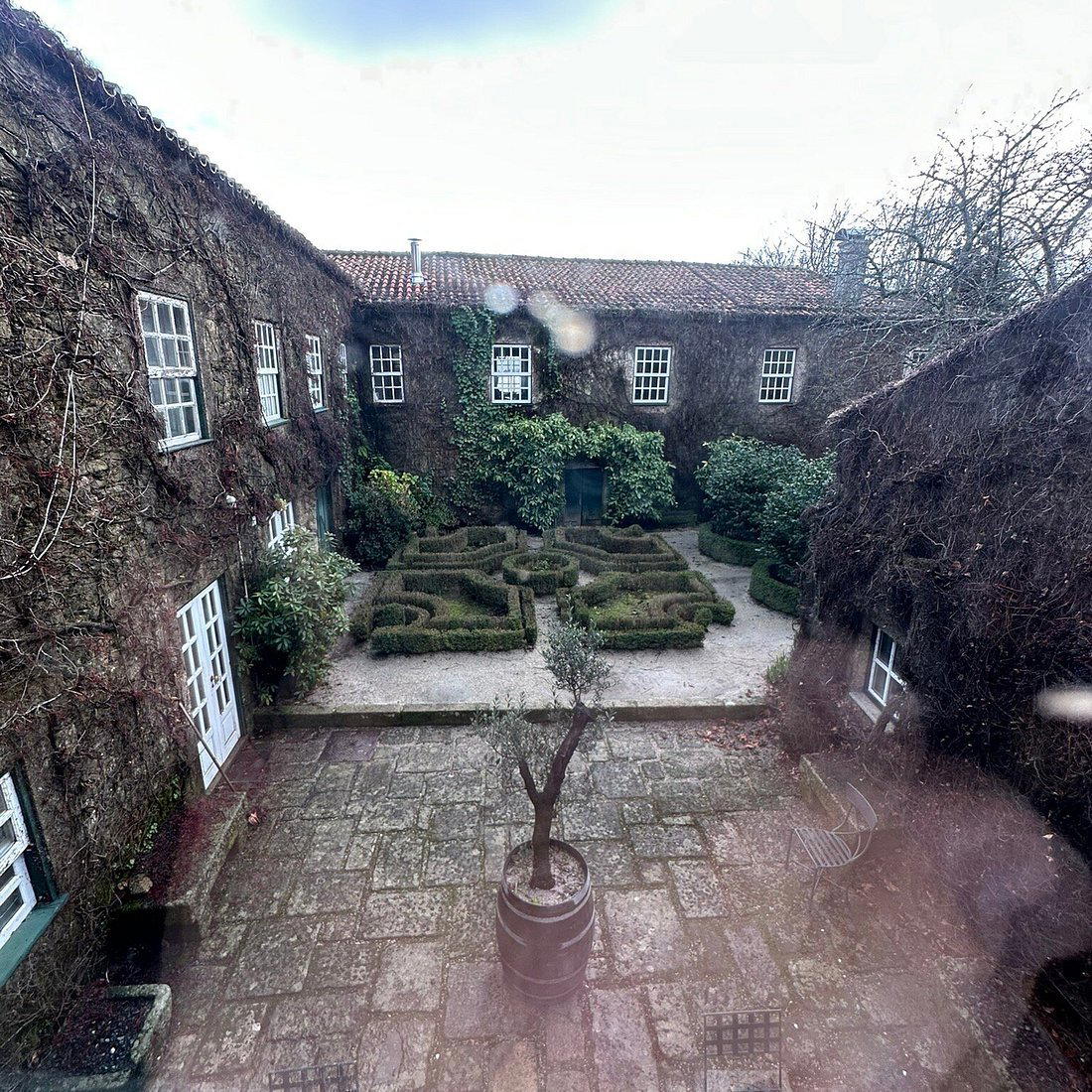
Bars in Peso da Régua
All bars in Peso da Régua →
Restaurants in Peso da Régua
All restaurants in Peso da Régua →
Details
- Romantic
- Scenic
- Rustic
- Cozy
- Intimate
- Romantic Getaway
- Wine Education
- Group Outing
- Special Occasion
- Solo Exploration
- Celebration
- Vineyard Tour
- Estate Grounds
- Panoramic View
- Historic Building
- Private Tasting
- Waterfront
- Organic
- Sustainable
- Vineyard
- Waterfront
- Mountain
- Touriga Nacional
- Touriga Franca
- Tinta Roriz
- Tempranillo
- Tinta Francisca
- Tinto Cão
- Still Red
- Still White
- Fortified
- Dessert
- Guided Tasting
- Tour & Tasting
- Private Tasting
- Estate Stay With Tastings
- Portuguese
- English
- French
- Spanish
Historic Douro wine estate with a warm, family-like welcome, tranquil riverfront setting, and intimate manor house atmosphere that blends rustic character with modern comfort, ideal for relaxed tastings and quiet stays.