
Falstaff Winery - Listed
Purple Hands Wines belongs to the smaller, site-led side of Barossa drinking: fruit-driven reds shaped by the cooler southern end of the valley rather than sheer regional weight. Founded in 2006 by Craig Stansborough and Mark Slade, the label is anchored by the Stansborough vineyard, with Shiraz joined by Mediterranean varieties including Montepulciano and Aglianico.

Pearl is the En Primeur Club membership app — saves, bookings, and concierge access live there. Same editors, same standards.
- Address
- 24 Vine Vale Rd, Tanunda SA 5352, Australia
- Hours
- Daily 11 am–5 pm
- Website
- purplehandswines.com.au
- Directions
- Get directions

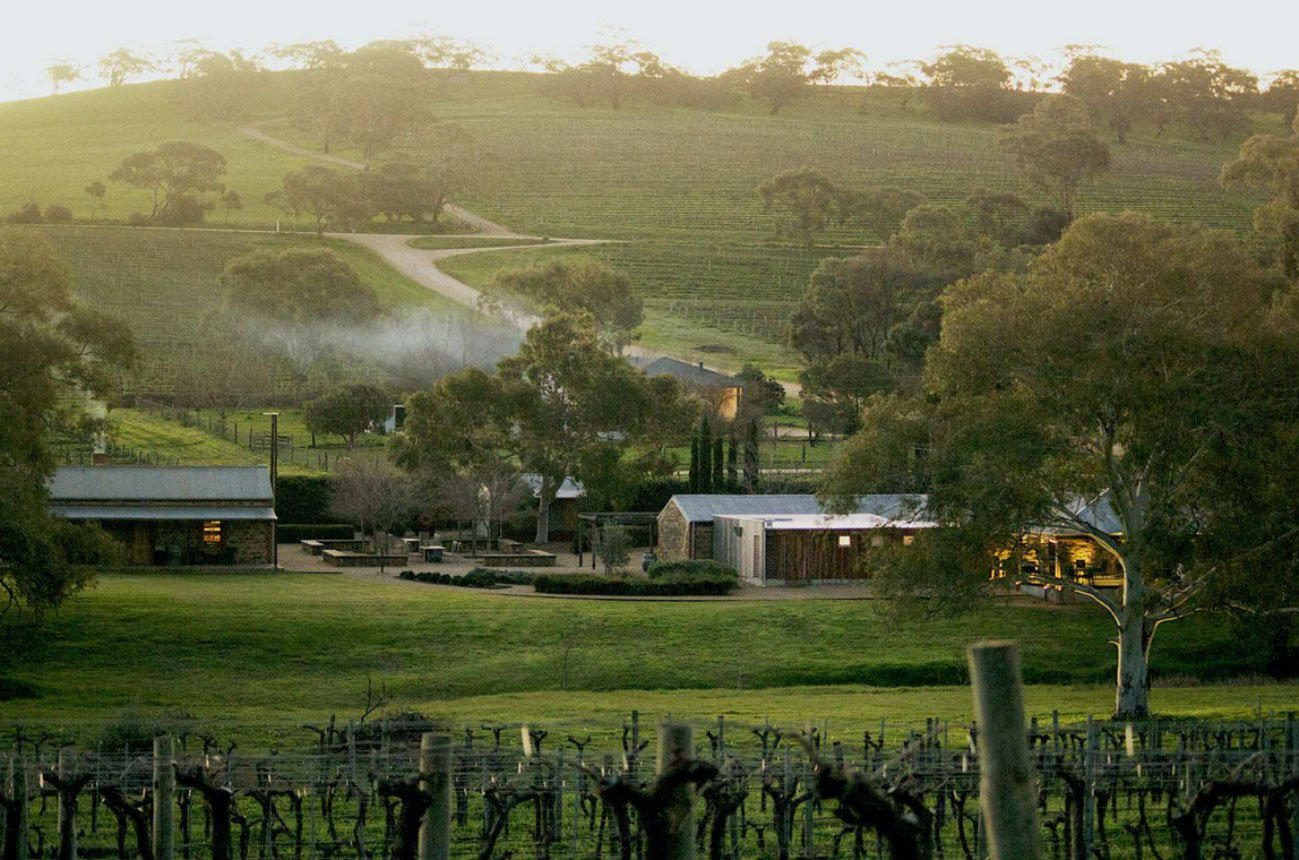
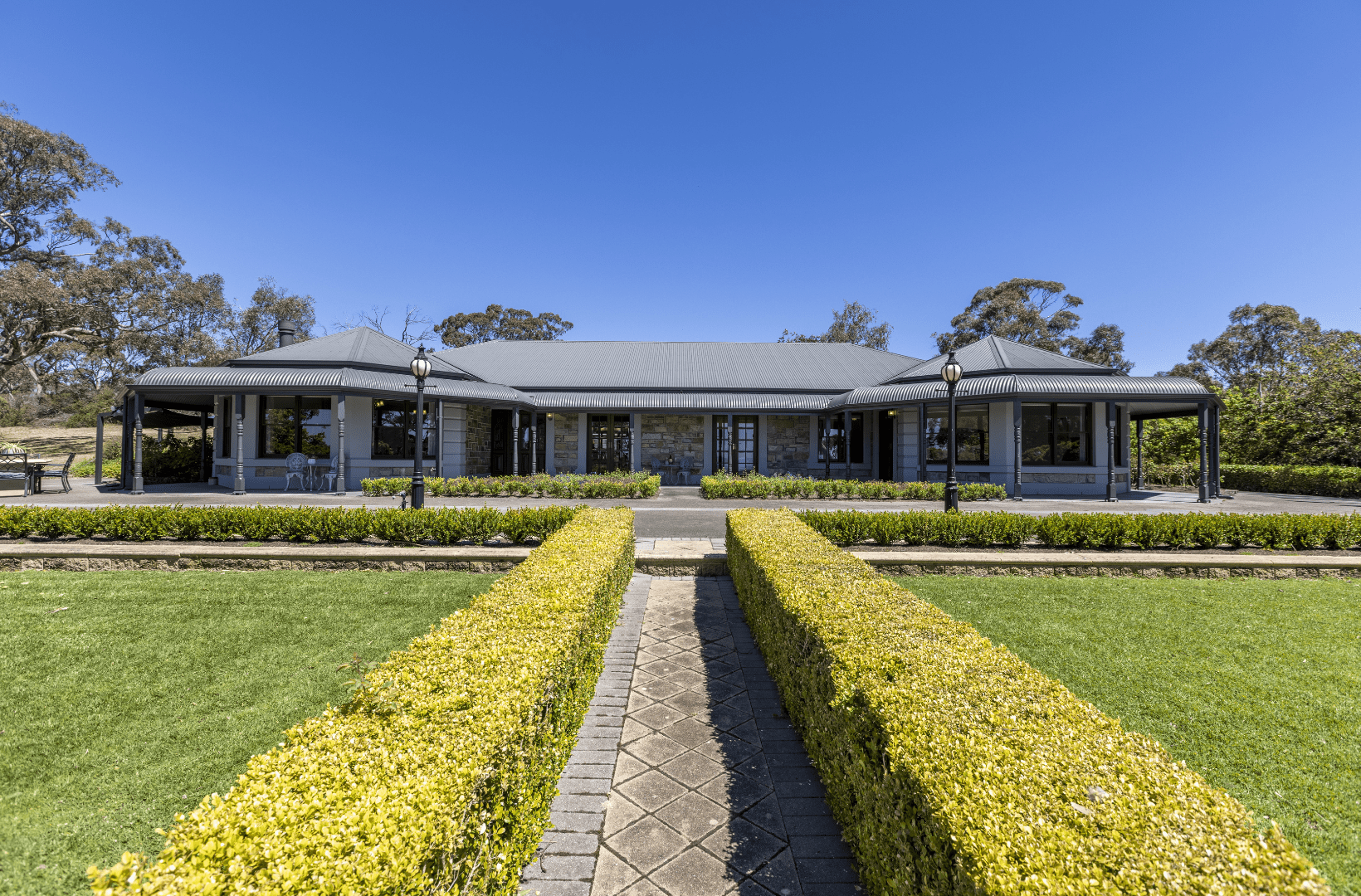
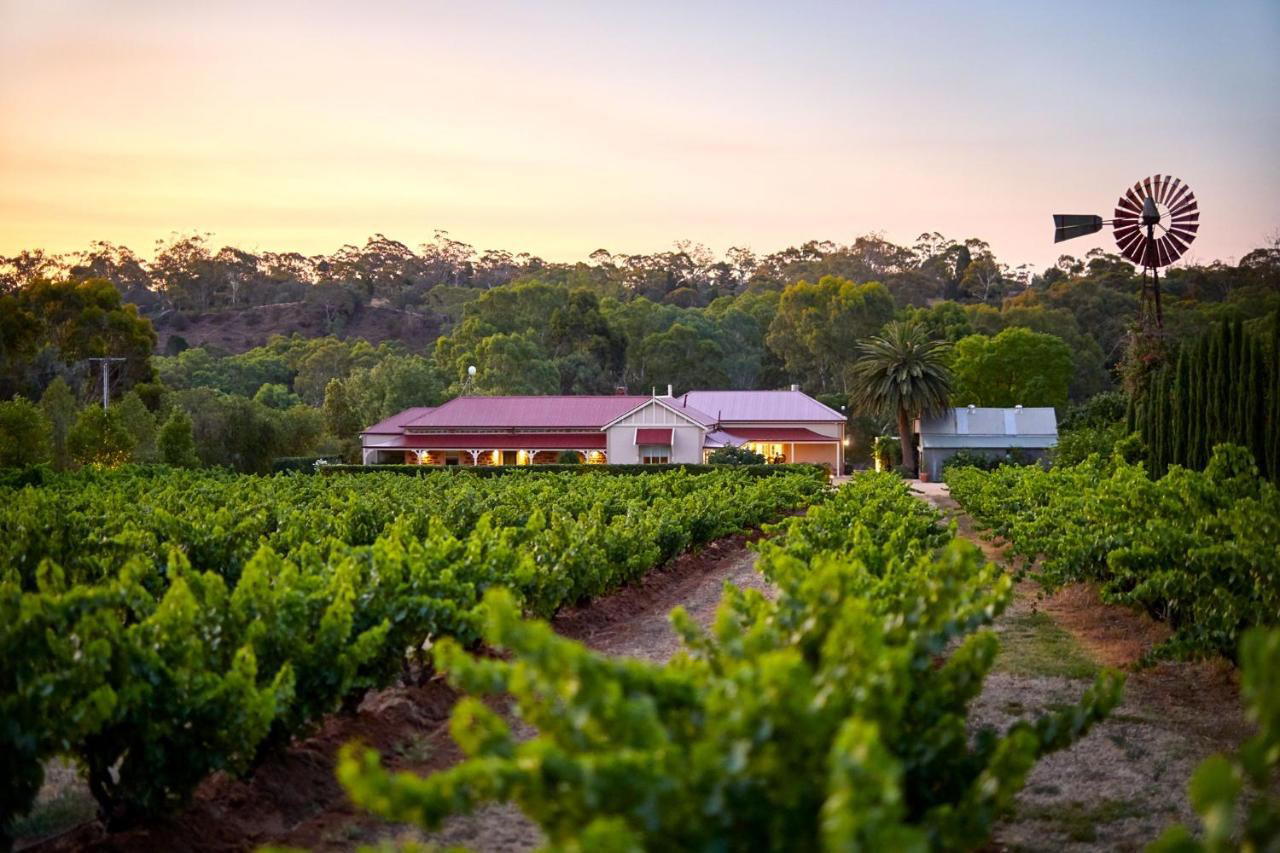
The Barossa is still shorthand for generous Shiraz, but that single idea flattens the region. Cooler southern sites, longer ripening windows and red-clay-over-limestone soils can pull the conversation toward texture, line and freshness. Purple Hands Wines is built around that argument. Its home vineyard, Stansborough, covers 32 acres in the southern Barossa, planted to Shiraz, Montepulciano and Aglianico on friable red clay over limestone. Those details matter because they explain why the wines are framed around fruit purity and elegance rather than volume alone.
Southern Barossa fruit, red clay over limestone, and a quieter reading of Shiraz
The producer’s origin story is small enough to be useful rather than decorative. In 2006, Craig Stansborough and Mark Slade began with just over a tonne of hand-picked Shiraz, crushed and barrel-fermented in a shed, yielding around 100 dozen bottles. That first batch gives context to the current identity: a Barossa label shaped by close handling, red-wine craft and a preference for balance over excess.
Shiraz remains the anchor because Barossa demands it, but the southern setting changes the emphasis. The Stansborough vineyard’s cooler position is used to support longer ripening, which in turn gives the wines room to develop flavour without relying only on ripeness. James Halliday Wine Companion has described the Shiraz and Grenache as sharing “a common theme of elegance” with “a voice distinctly different to that of mainstream Barossa.” That is the clearest outside recognition of the house style: not anti-Barossa, but less interested in the old caricature of bigness.
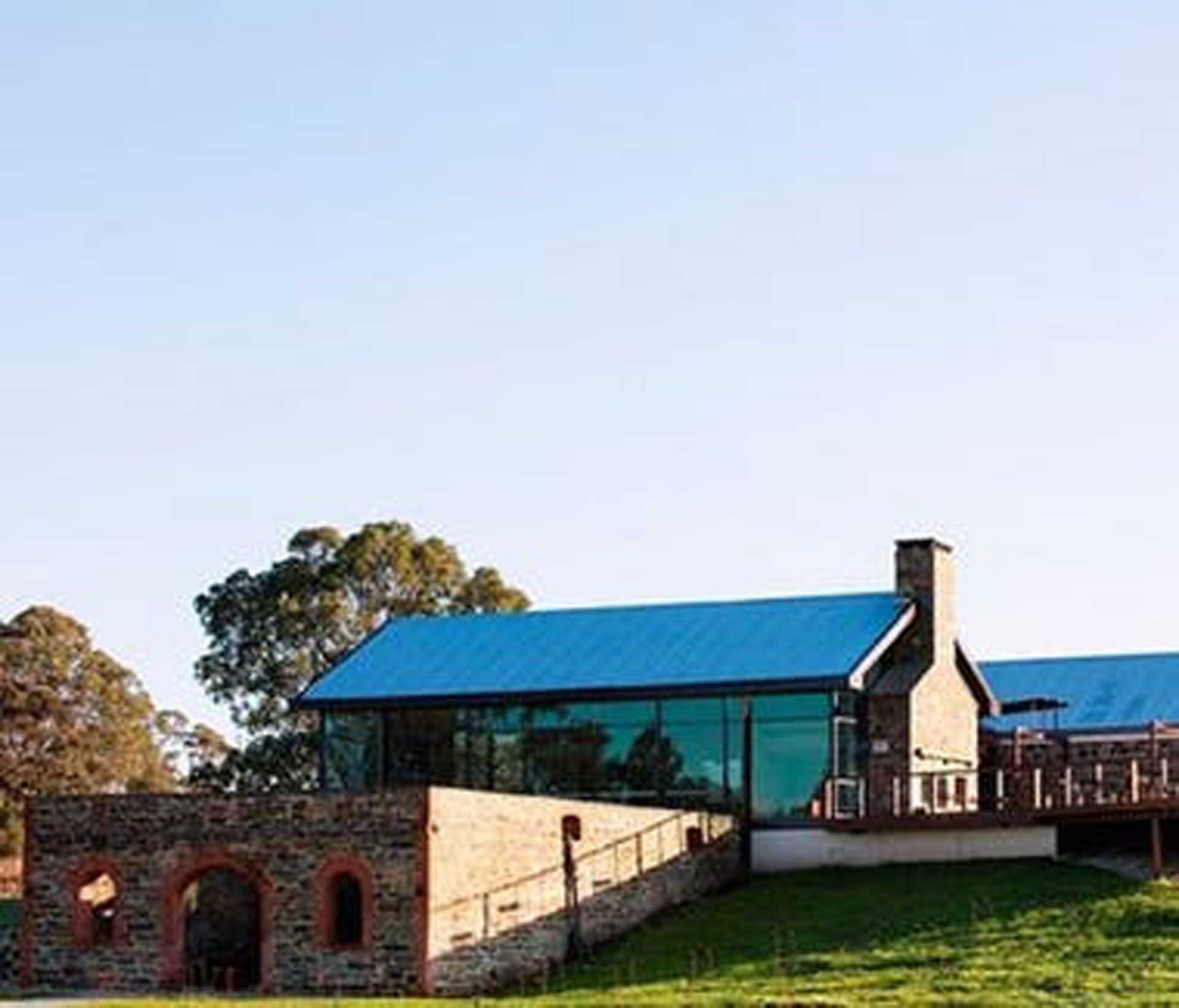
The inclusion of Montepulciano and Aglianico sharpens that position. These varieties are not novelty props in a warm Australian region; they make sense in a climate where Mediterranean grapes can hold structure and freshness. That matters because the experience is less about being guided through a single estate myth and more about reading style against place. A bar or seated tasting format gives the wines room to be understood as part of the Barossa’s smaller-producer tier, where vineyard source, variety choice and texture carry more weight than scale.
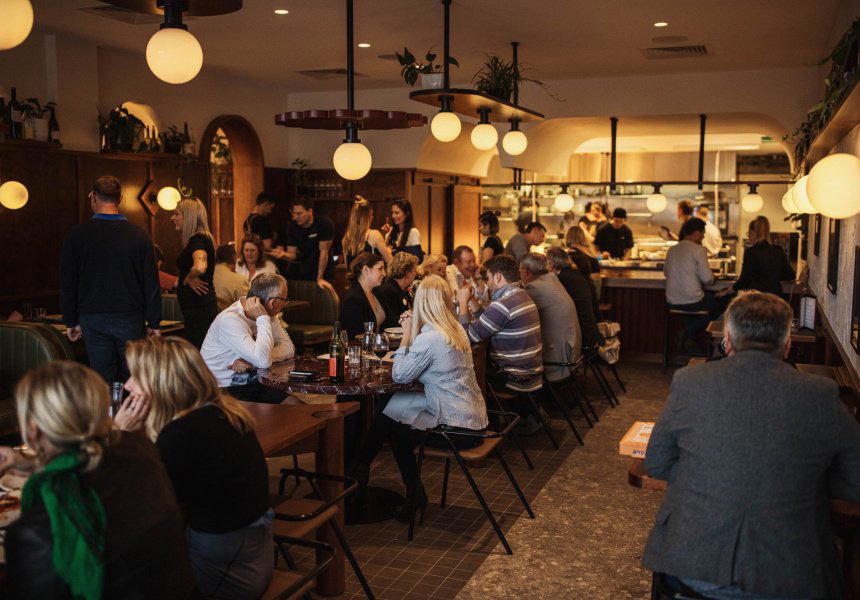
The mood is casual and conversational rather than formal. The useful approach is to treat the tasting as an exercise in southern Barossa contrast: start with the Shiraz context, then move into the Mediterranean varieties to see how the same regional warmth can be channelled differently. Food pairing is part of the broader hospitality offer, which makes the stop work for visitors who want more than a quick pour but do not need a highly choreographed cellar-door appointment.
Production scale reinforces the same reading. At around 5,000 dozen annually, this is small boutique Barossa, not a volume label with a heritage façade. The wines are positioned for early approachability while retaining cellar potential, a middle lane that suits drinkers who want fruit clarity now but do not want the structure stripped out for immediate softness. Purple Hands Wines belongs in the part of the day reserved for smaller producers and stylistic nuance, especially if the aim is to understand how Barossa can move from familiar Shiraz depth into more lifted, textural reds. The setting also suits group tastings and wine education, while the casual dress code and conversational noise level keep the experience relaxed rather than ceremonial. Wine Co, Glaetzter Wines PTY LTD, Magpie Estate, Seppeltsfield and Soul Growers each broaden the regional picture in different ways.
Readers tracking Australian wine more broadly can also compare the way regional identity shifts across producers and cities through 19 Crimes in Southbank, Accolade Fine Wines in Melbourne and Adelina Wines in Clare Valley. For a wider international lens on small wine addresses, EP Club also covers »der Steiner« Hans Steiner in Podersdorf am See and & Handwein in Mannheim.
Recognition history
Dated appearances from independent guides and award organizations, with the underlying list record or original source where available.
Falstaff Winery - Listed
Falstaff
Continue exploring
More in Tanunda
Wineries in Tanunda
Browse all →
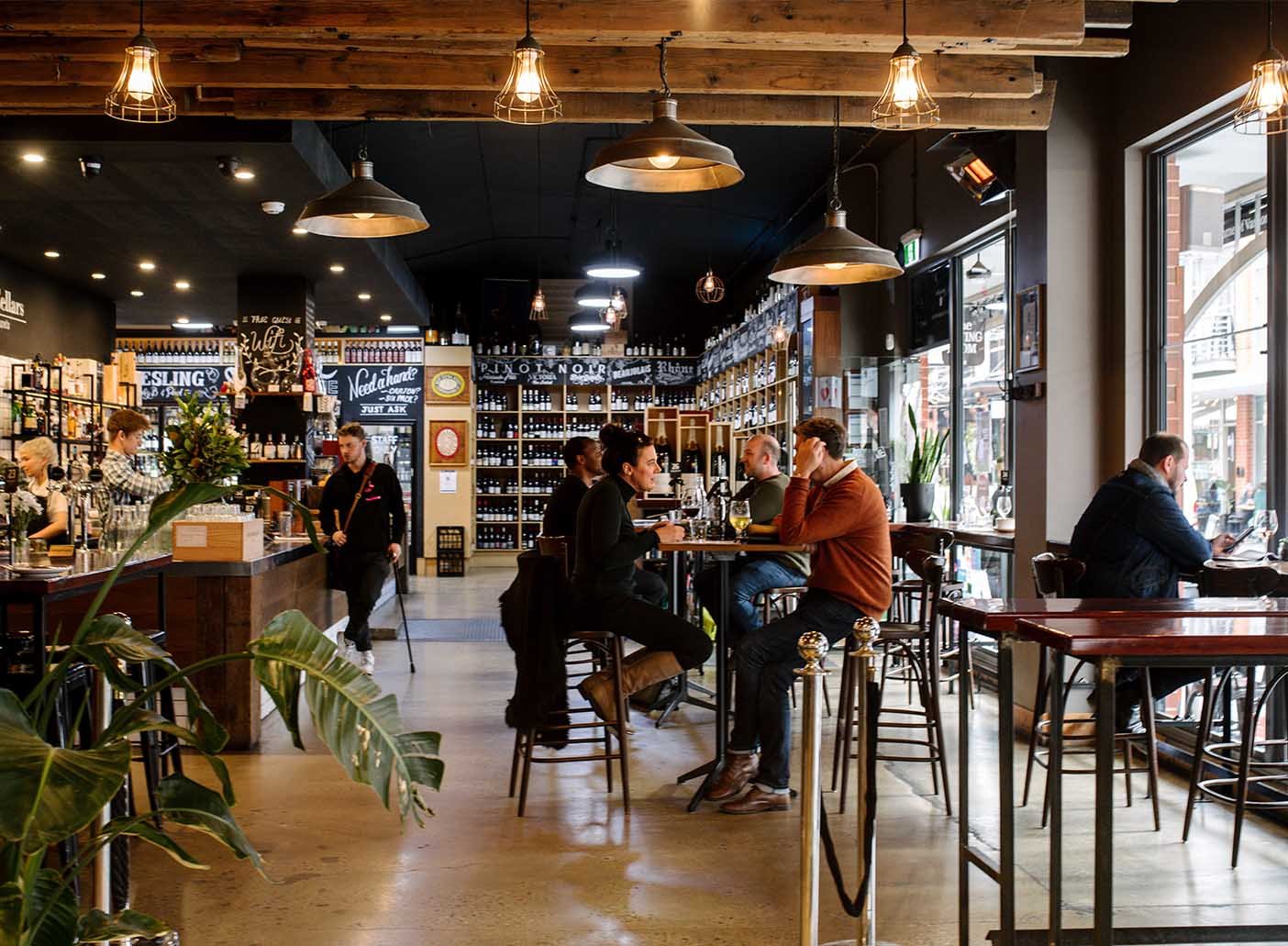
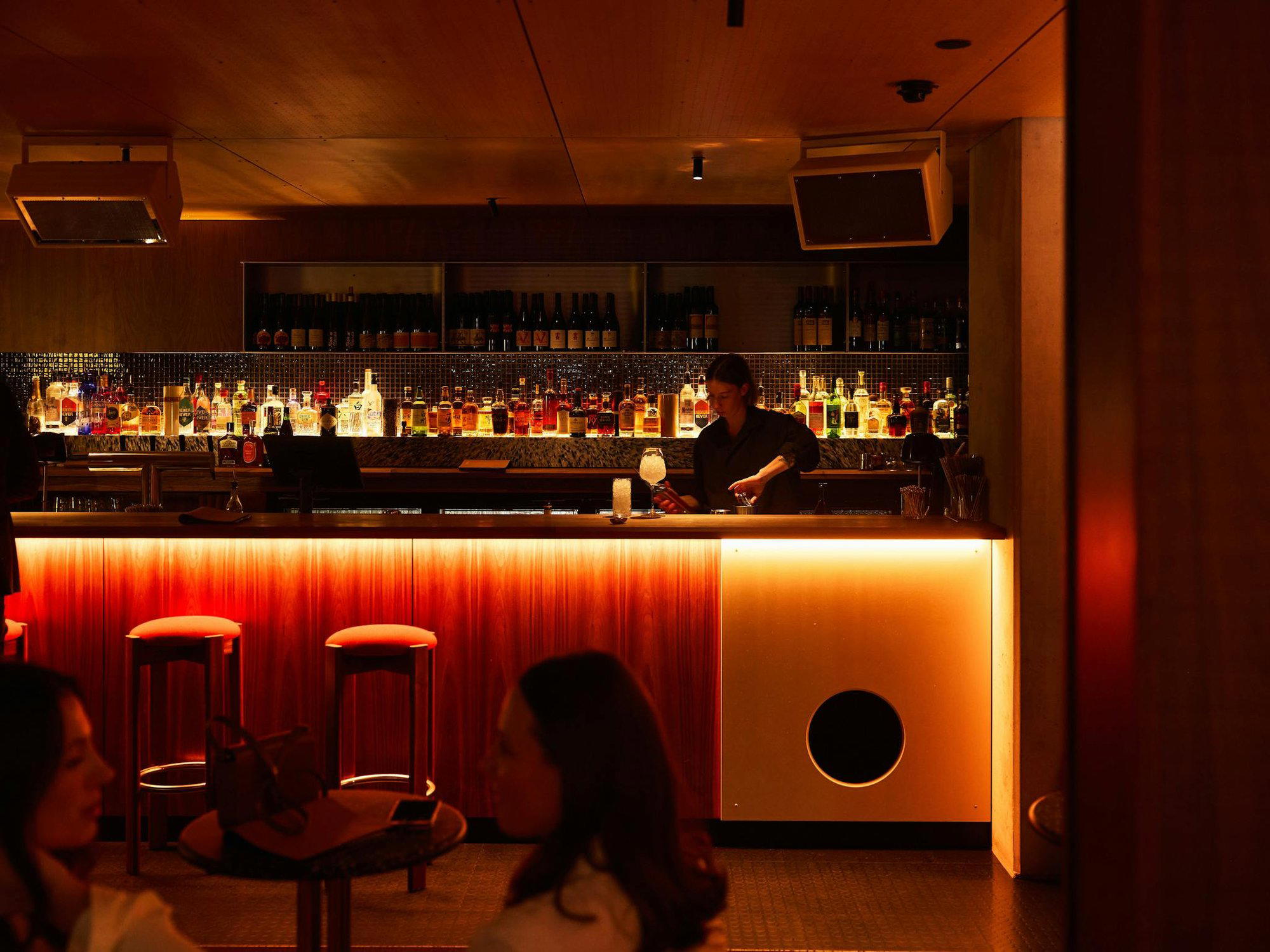
Bars in Tanunda
Browse all →
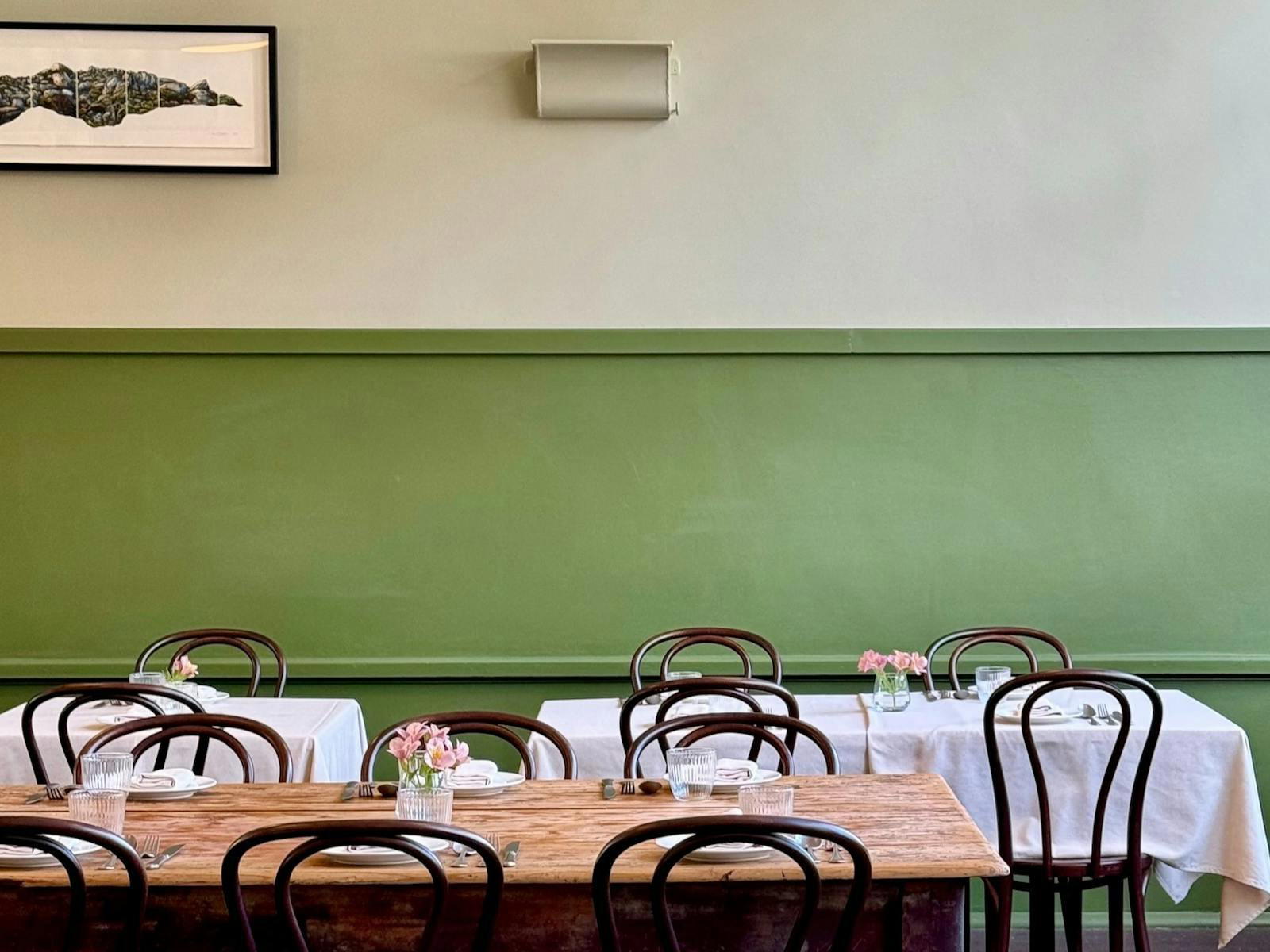
Restaurants in Tanunda
Browse all →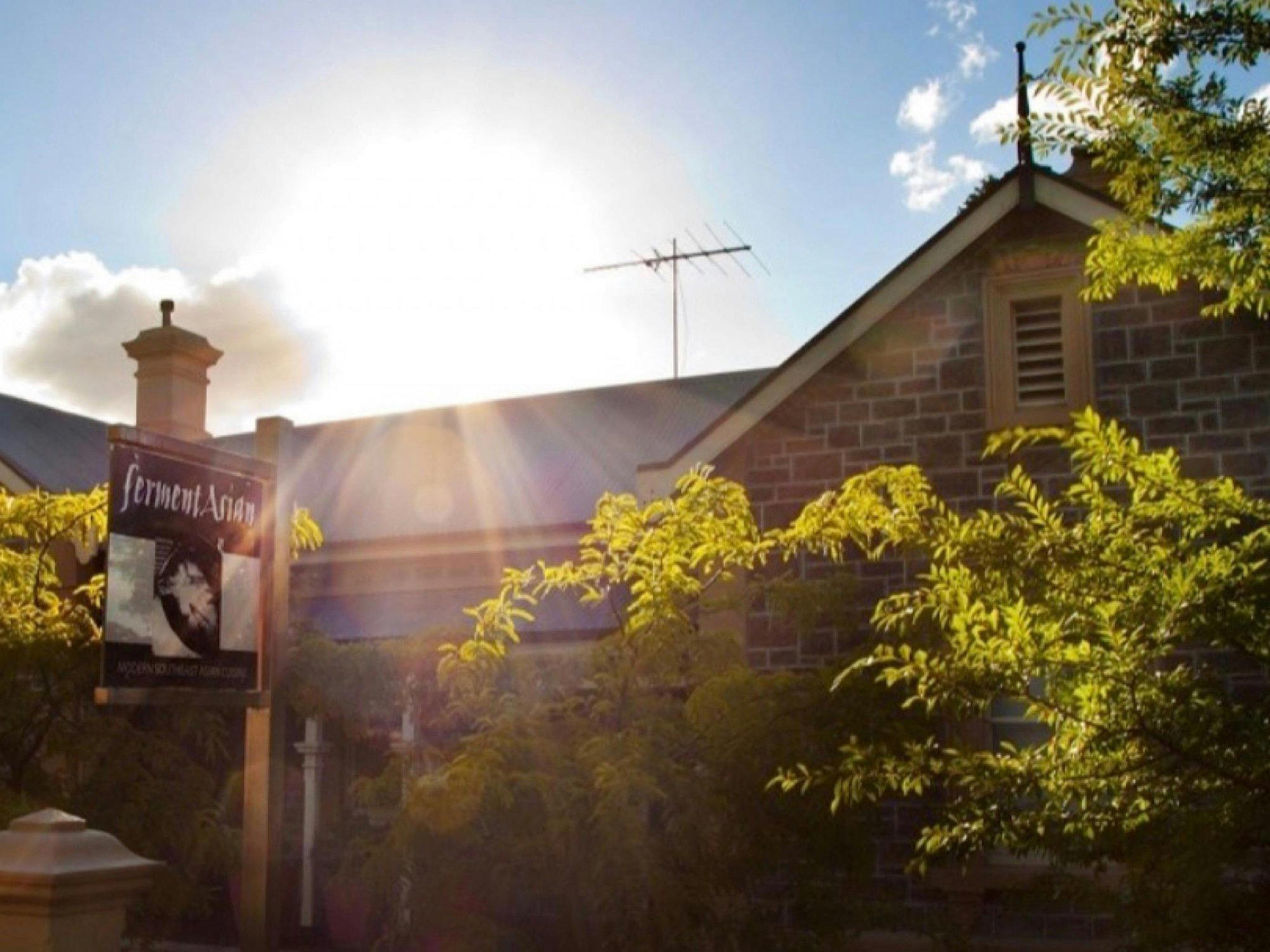
Details
- Rustic
- Classic
- Cozy
- Scenic
- Group Outing
- Wine Education
- Romantic Getaway
- Special Occasion
- Solo Exploration
- Estate Grounds
- Private Tasting
- Sustainable
- Vineyard
- Shiraz
- Grenache
- Cabernet Sauvignon
- Montepulciano
- Aglianico
- Still Red
- Still Rosé
- Still White
- Bar Tasting
- Seated Tasting
Current opening hours
- Monday
- 11 am–5 pm
- Tuesday
- 11 am–5 pm
- Wednesday
- 11 am–5 pm
- Thursday
- 11 am–5 pm
- Friday
- 11 am–5 pm
- Saturday
- 11 am–5 pm
- Sunday
- 11 am–5 pm
Hours can change for holidays and private events. Last verified .
Boutique Barossa producer showcased through the Artisans of Barossa tasting room, offering relaxed, contemporary Barossa Valley wines with a focus on fruit purity, elegance and a friendly, small‑producer feel.