Peter Falke

Peter Falke is a design-led Stellenbosch wine estate where Cape Dutch heritage, Helderberg mountain scenery, and a polished tasting-room format carry as much weight as the glass. The estate works across Chardonnay, Cabernet Sauvignon, Pinot Noir, Shiraz/Syrah, and Blanc de Noir, with a hospitality style built around quiet outdoor seating, garden views, and a premium but relaxed cellar-door rhythm.
Pearl is the En Primeur Club membership app — saves, bookings, and concierge access live there. Same editors, same standards.
- Address
- Stellenbosch, iTjhingalanga Kapa, Südafrika
- Directions
- Get directions
 Saves & bookings on Pearl
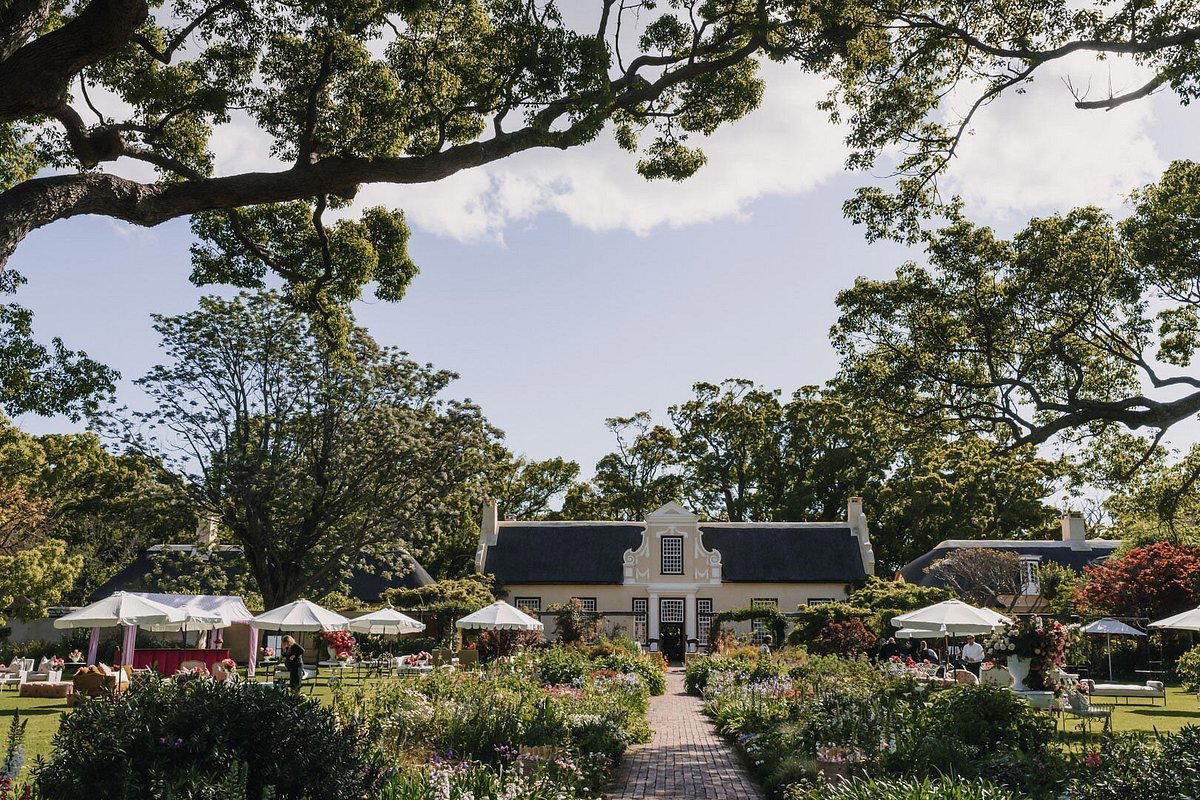
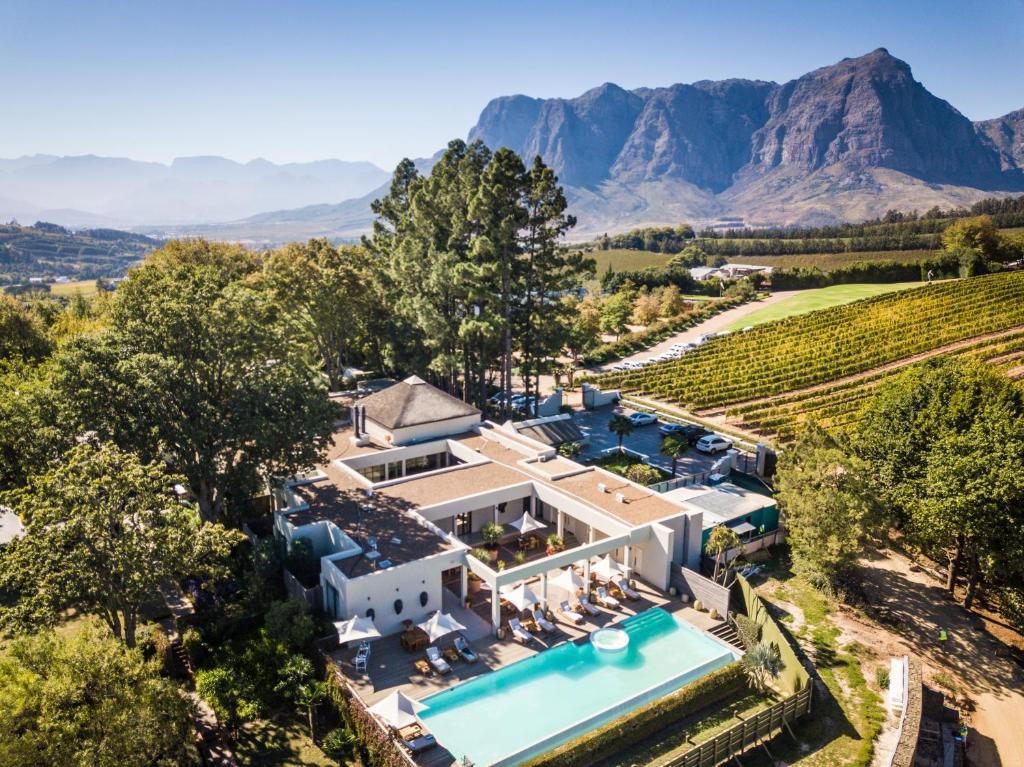
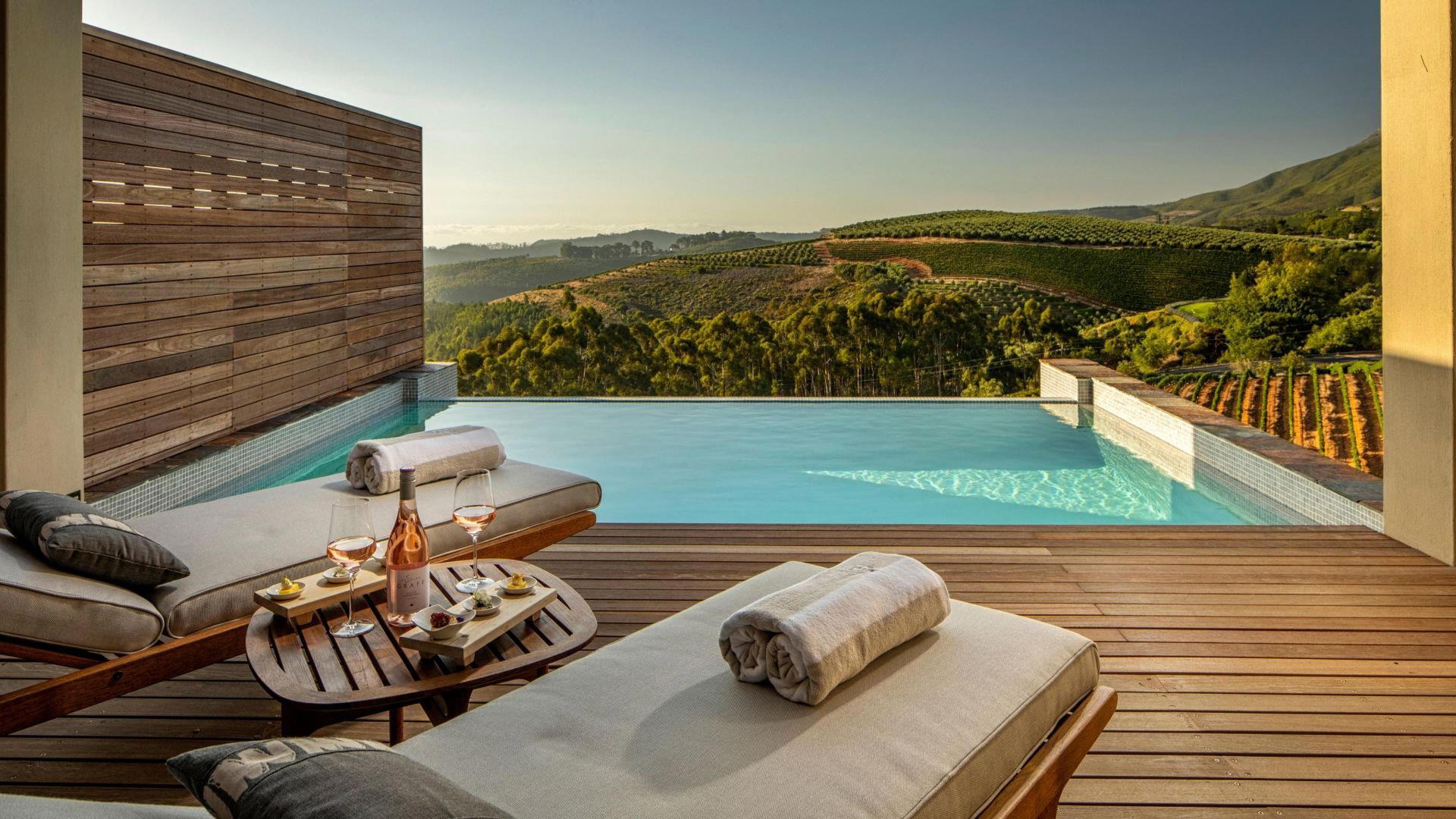
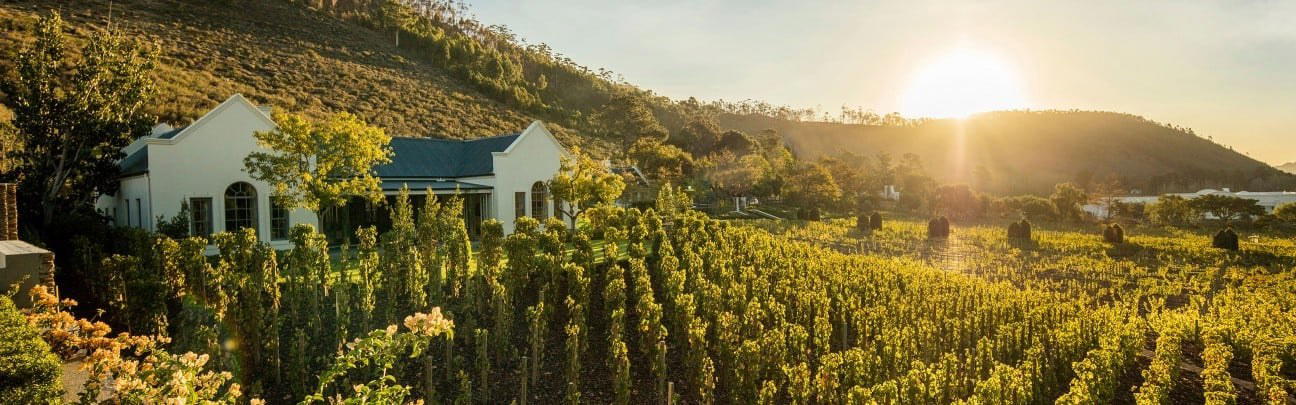
Bougainvillea, roses, lavender, vineyards, and the Helderberg slopes set the tone before the wine does. Stellenbosch has many cellar doors built around production scale or tasting-room efficiency; Peter Falke belongs to the more composed branch of the region, where the estate experience is read through architecture, gardens, and the pace of an afternoon outside. The Cape Dutch homestead gives the property its historical frame, while the contemporary tasting room and outdoor lounge move it into the design-conscious tier of Cape Winelands hospitality.
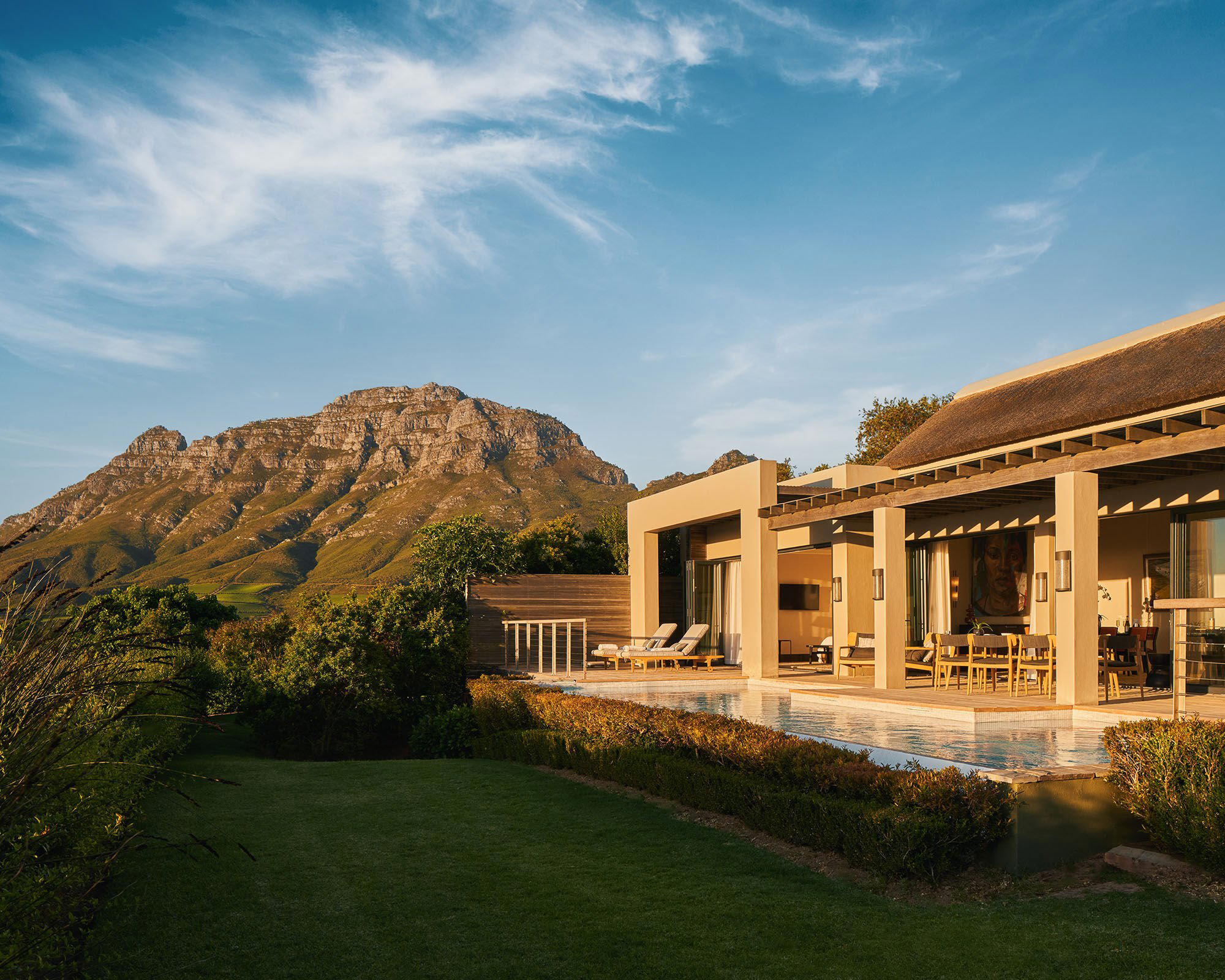
That matters in Stellenbosch because terroir here is rarely only a technical conversation about soils and blocks. The region’s premium identity is also visual and cultural: mountain faces, old farm buildings, cultivated gardens, and red-wine confidence all contribute to how visitors understand the glass. Peter Falke’s position on Groenvlei Farm, beneath the Helderberg, gives the estate a clear sense of place even without a heavily published vineyard dossier. The setting communicates calm, enclosure, and polish, which is why the tasting feels closer to a long sundowner stop than a brisk cellar-door appointment.
Helderberg scenery, Cape Dutch bones, and a tasting room built for lingering
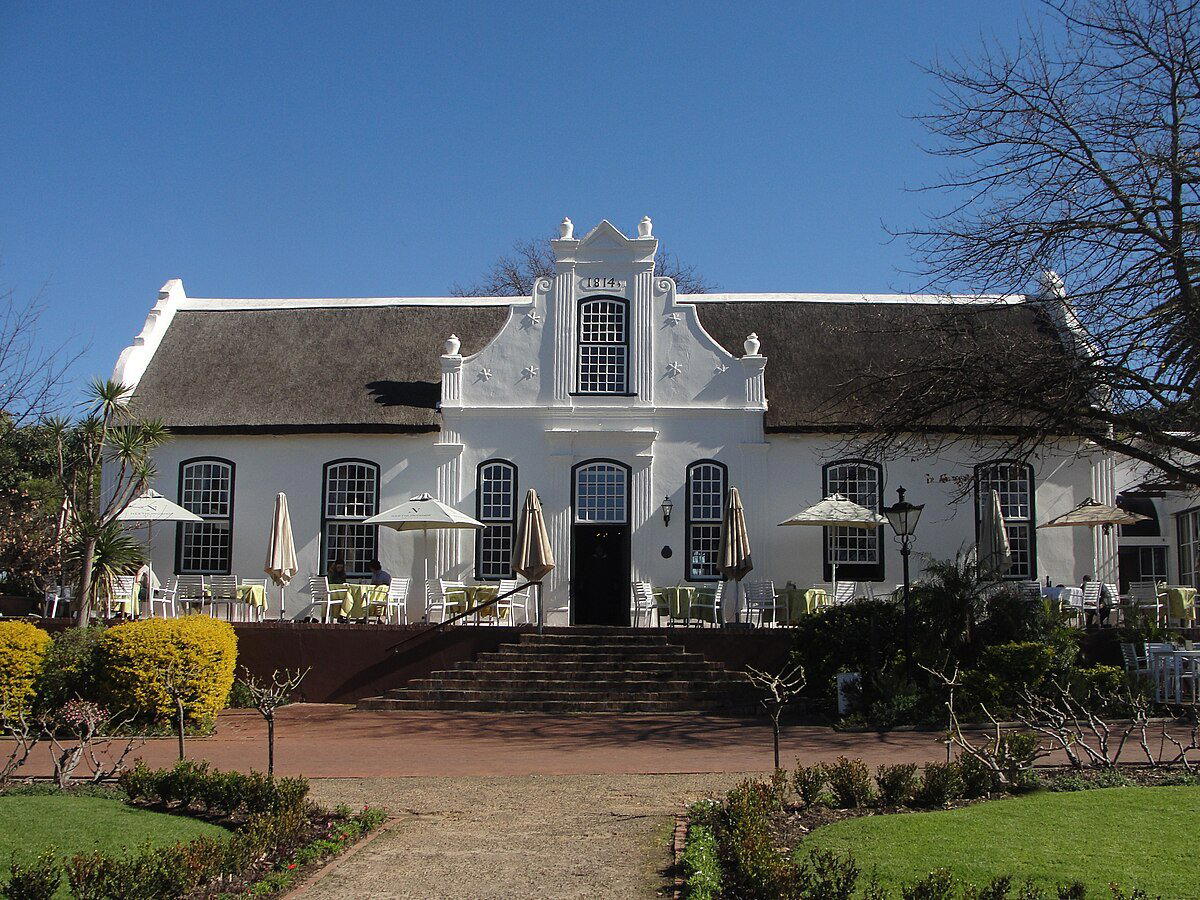
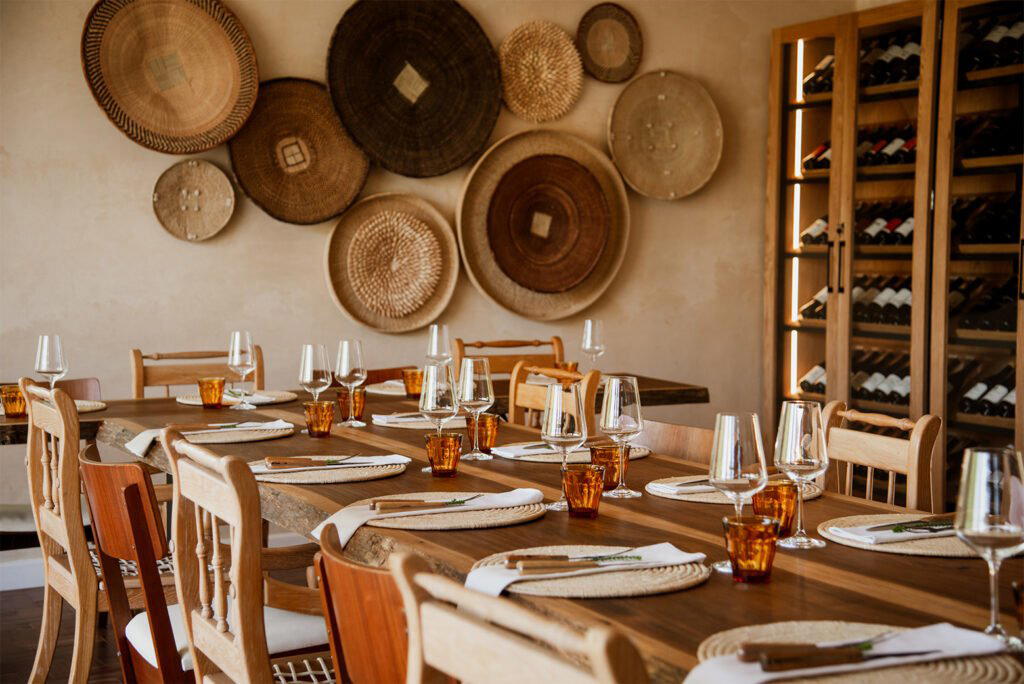
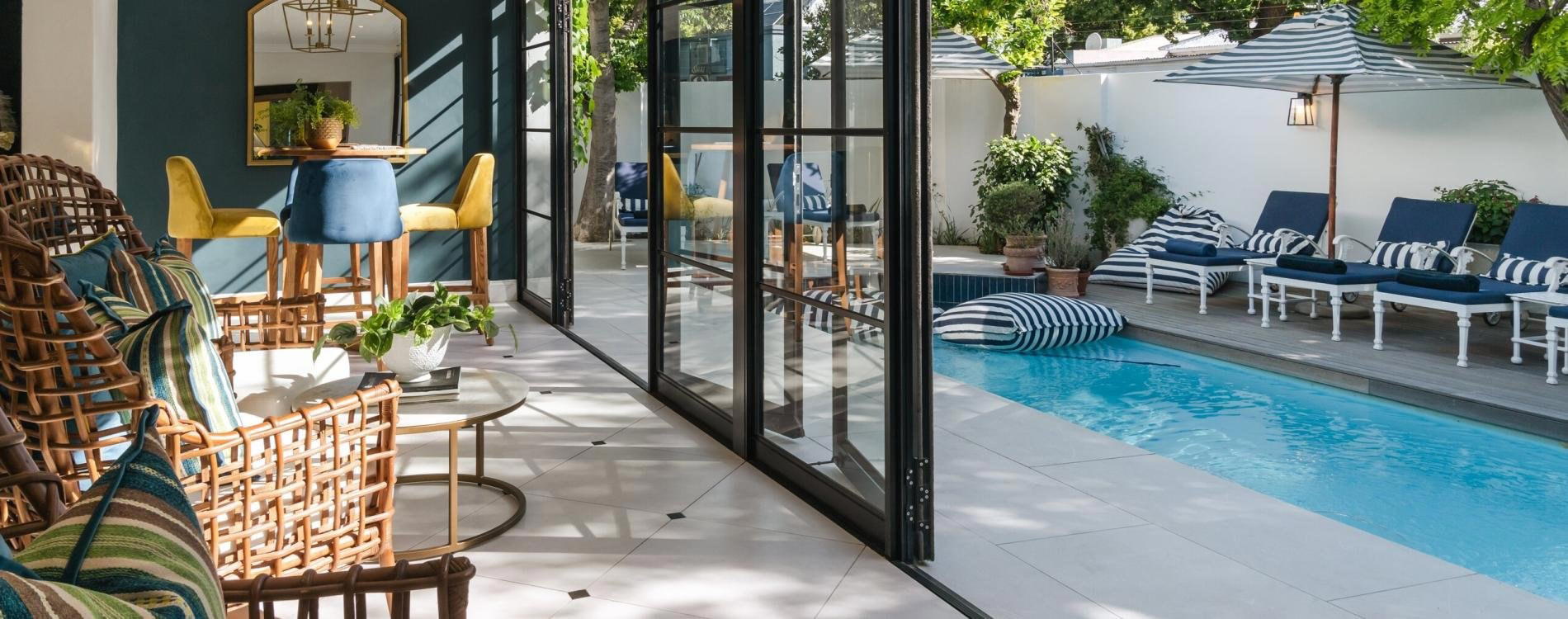
The strongest reading of Peter Falke is as a Stellenbosch estate where land and design share the workload. The property’s roots reach back to the 18th century, and the Cape Dutch buildings are not incidental decoration; they anchor the visitor experience in the agricultural history of the Cape. Against that, the modern tasting room and outdoor lounge create a deliberate contrast, less rustic farm stop than cultivated wine-estate salon.
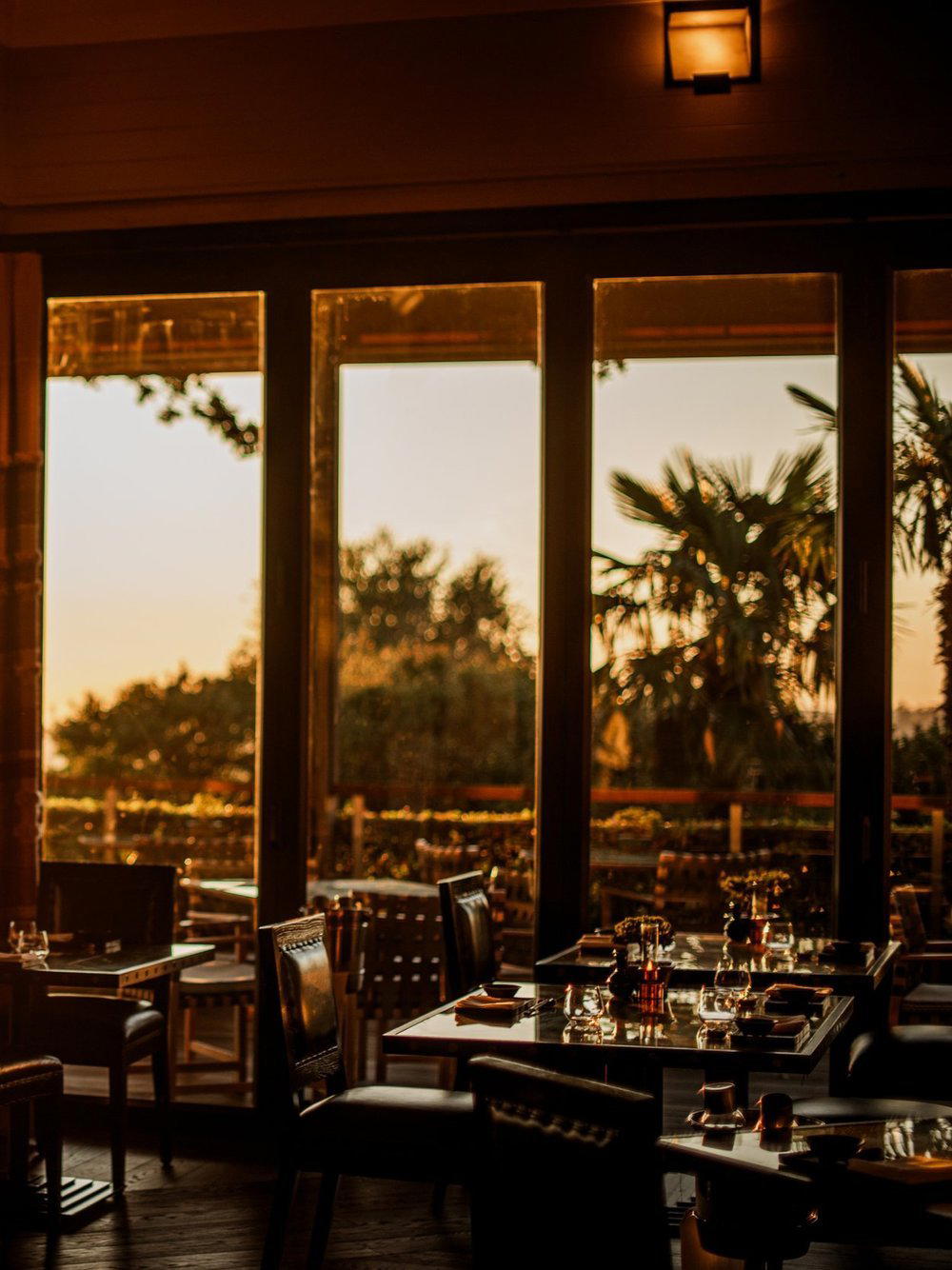
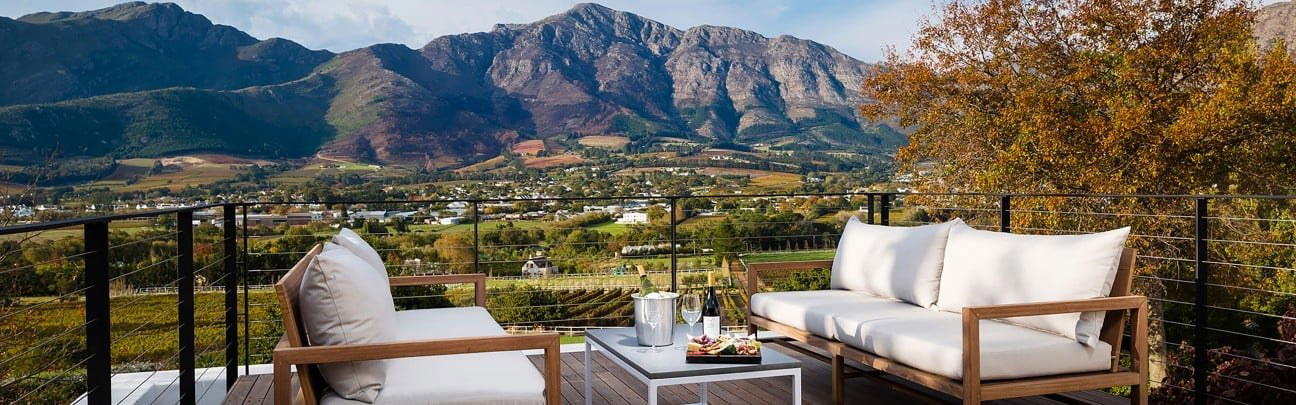
The estate opened under the winery’s ownership in 1995, after he acquired Groenvlei Farm. Danièle Falke’s interior-design background is part of the property’s public identity, and the detail is relevant because this is a winery where taste is expressed through setting as much as portfolio. The gardens, terrace seating, heritage architecture, and mountain views create a slow, quiet rhythm suited to visitors who prefer wine estates with atmosphere rather than technical cellar theatre.
Stellenbosch’s Helderberg area is closely associated with serious red-wine ambition, and the winery’s varietal spread fits that broader regional grammar. Cabernet Sauvignon and Shiraz/Syrah sit comfortably within the Cape’s established red-wine language, while Chardonnay, Pinot Noir, and Blanc de Noir broaden the experience beyond a single-minded Cabernet narrative. The estate does not need to behave like a production-first tasting room; its appeal is the combination of classic varietals, estate scenery, and a lounge format that makes the land legible to visitors.
A portfolio split between polished labels and sociable drinking
The wine range is organised around two named collections. The Signature Collection carries the more premium signal, with a mirrored label and a connoisseur-facing position. The PF Collection is framed for relaxed sociability, which is a useful distinction in a region where cellar doors often need to serve both collectors and groups settling in for the afternoon. The split gives the estate a clear portfolio architecture: one line for visitors looking for a more polished expression, another for easier drinking in the tasting-room setting.
The confirmed varietals give a concise view of the house style. Chardonnay and Pinot Noir bring freshness and structure into the mix; Cabernet Sauvignon and Shiraz/Syrah align the estate with Stellenbosch’s red-wine reputation; Blanc de Noir adds a lighter, rosé-adjacent register. Tasting options are priced at R90, R120, and R200, which places the experience in a premium but accessible cellar-door band for the region. Food is part of the rhythm rather than a separate restaurant proposition, with light lunch options such as cheese platters, charcuterie, flat breads, nachos, and salads supporting longer visits.
This is not the estate to choose if the goal is a deeply technical vineyard seminar with named blocks, barrel regimes, and cellar metrics foregrounded. It is better understood as a design-led wine stop where the glass is integrated into a wider Cape Winelands afternoon. For travellers building a broader Stellenbosch route, it pairs naturally with the region’s larger hospitality map: Our full Stellenbosch wineries guide is the wider reference point, while dining, hotel, bar, and activity planning sit in Our full Stellenbosch restaurants guide, Our full Stellenbosch hotels guide, Our full Stellenbosch bars guide, and Our full Stellenbosch experiences guide.
Where it fits in a wider Cape wine itinerary
Within a Stellenbosch itinerary, the winery works as the slower, scenery-led stop: a place for garden seating, a measured tasting, and a glass that makes sense against the Helderberg backdrop. The setting is quiet, the dress code leans smart casual, and the format suits groups, celebrations, families, and solo visitors who want estate atmosphere without turning the day into a formal tasting marathon. Outdoor seating is a central part of the appeal, so the experience is strongest when the weather supports time on the terrace.
The wider region rewards contrast. Visitors comparing estate personalities within Stellenbosch can place the winery alongside addresses such as Aaldering Estate, Alto Wine Estate, Asara Wine Estate, Bartinney, and Beyerskloof to understand how different properties balance varietal identity, views, food, and cellar-door pace. The broader South African and international context stretches further through 4G Wines in Kapstadt, A. A. Badenhorst Family Wines in Paardeberg, Alheit Vineyards in Hermanus, »der Steiner« Hans Steiner in Podersdorf am See, and & Handwein in Mannheim.
The editorial read is simple: come for a Stellenbosch tasting where terroir is expressed through mountain light, garden structure, Cape Dutch history, and a compact varietal range rather than through exhaustive cellar disclosure. In a region full of serious wine addresses, the winery’s strength is the way it turns place into tempo.
Recognition history
Dated appearances from independent guides and award organizations, with the underlying list record or original source where available.
Falstaff Winery - Listed
Falstaff
Continue exploring
More in Stellenbosch
Wineries in Stellenbosch
Browse all →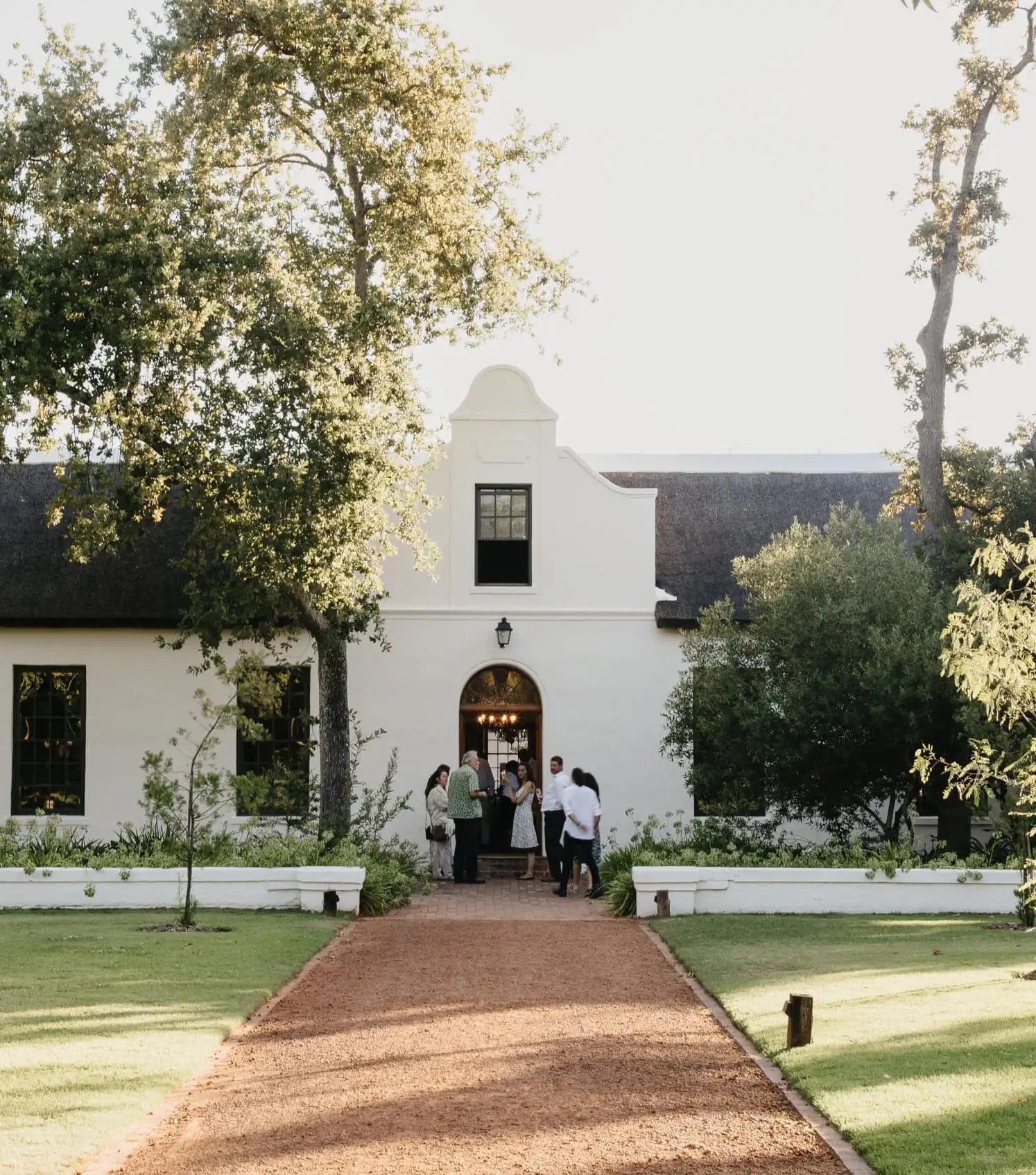
Bars in Stellenbosch
Browse all →
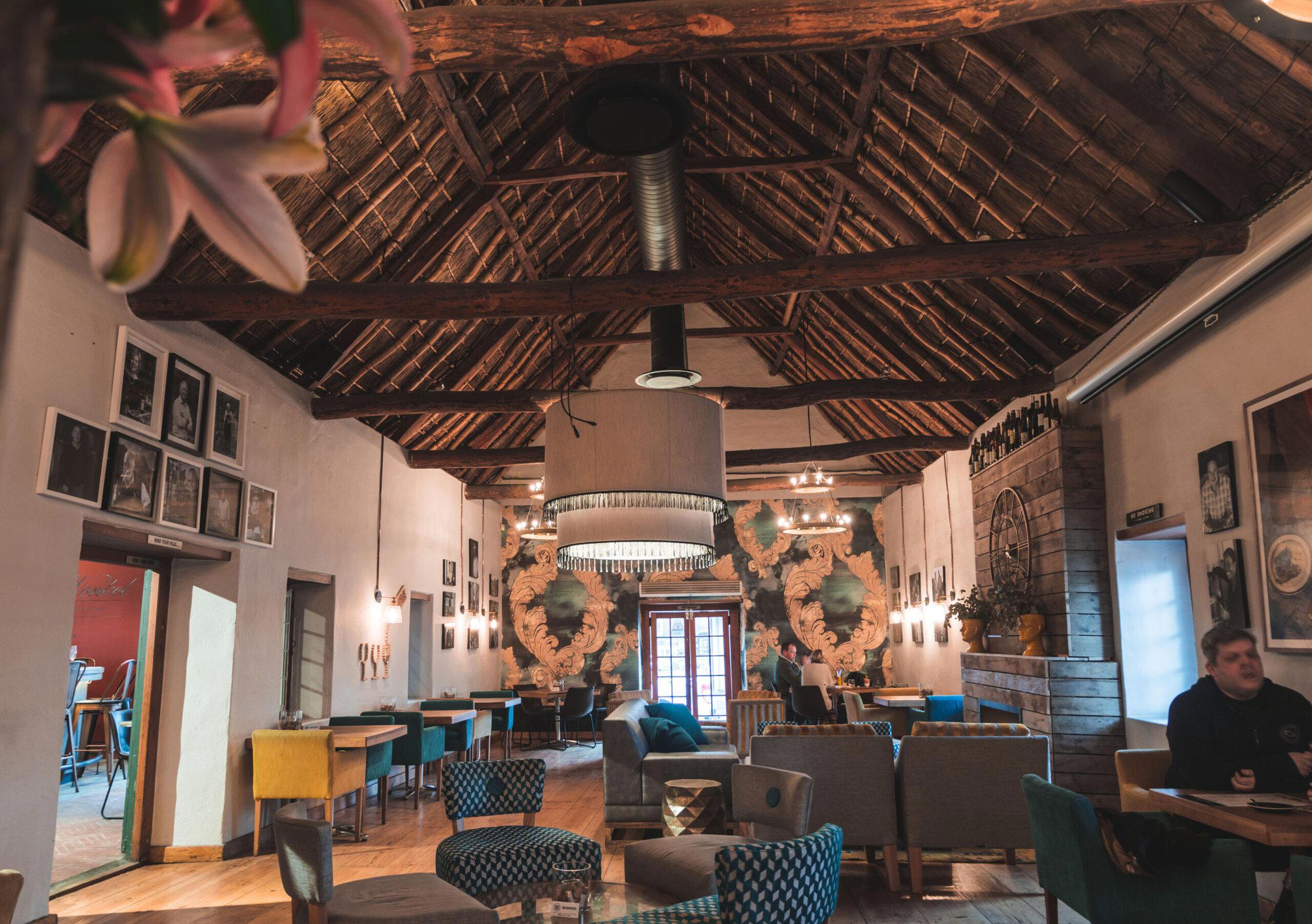
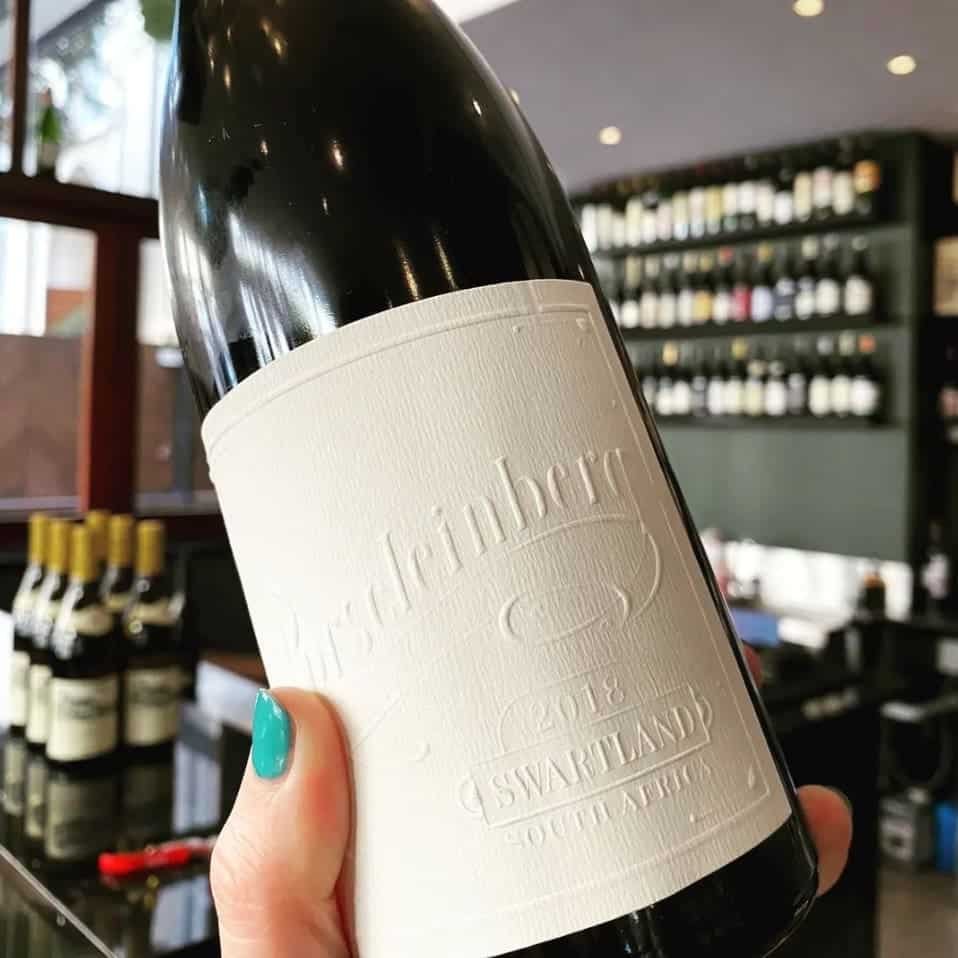
Restaurants in Stellenbosch
Browse all →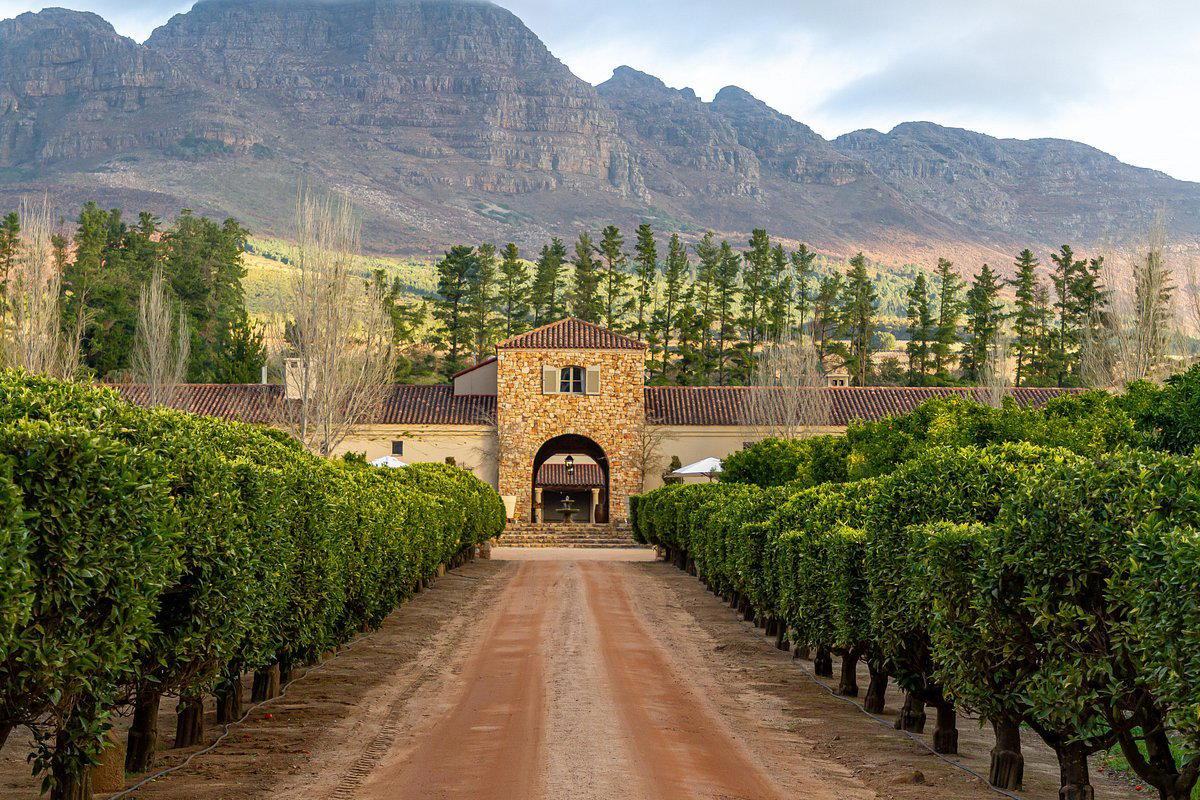
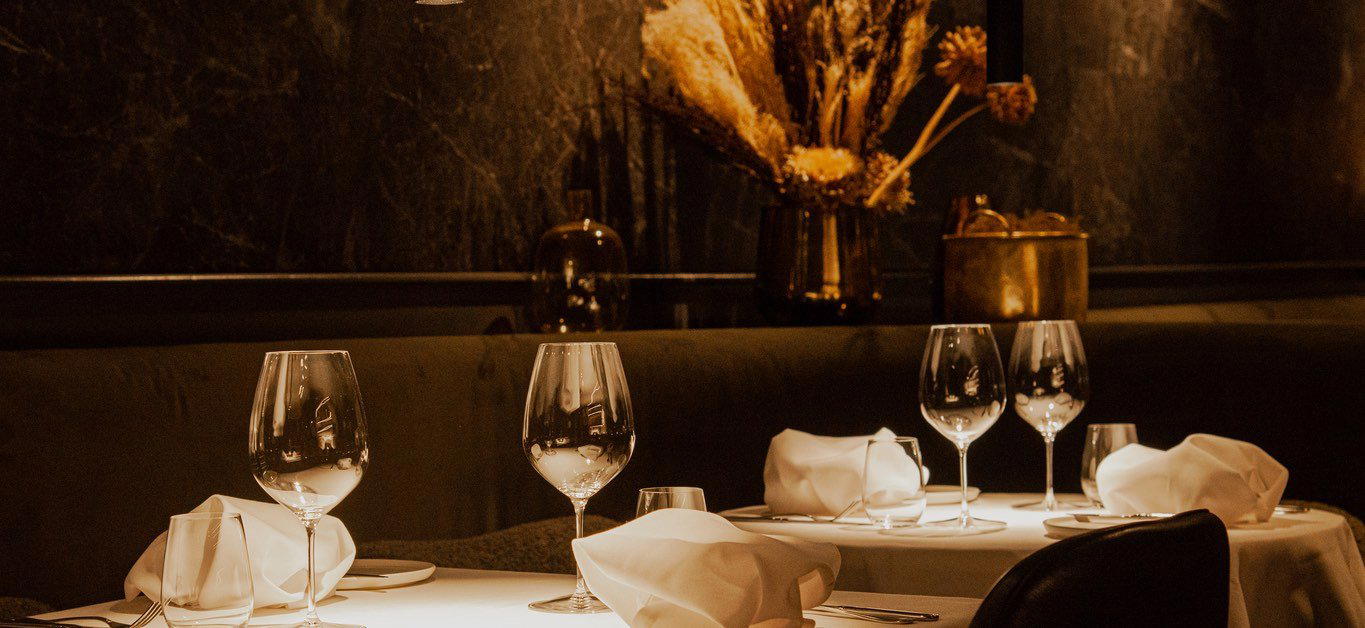
At a Glance
- Elegant
- Scenic
- Quiet
- Sophisticated
- Classic
- Group Outing
- Celebration
- Family
- Special Occasion
- Solo Exploration
- Garden
- Terrace
- Design Destination
- Estate Grounds
- Historic Building
- Mountain
- Vineyard
- Garden
- Stellenbosch
- Chardonnay
- Cabernet Sauvignon
- Pinot Noir
- Shiraz / Syrah
- Blanc De Noir
- Still White
- Still Red
- Still Rosé
- Standard Tasting
- Wine By The Glass
Elegant and serene, with a designer-led tasting room and a luxurious outdoor lounge set against bougainvillea, roses, lavender, and the Helderberg slopes.