
Parparoussis Winery operates from Polykastis on the outskirts of Patras, in the heart of the Peloponnese's northern wine corridor. A recipient of the Pearl 2 Star Prestige award in 2025, the winery positions itself within a peer set defined by serious varietal focus and regional identity rather than volume. For visitors to the wider Patras wine scene, it represents a considered stop in a city with deeper vinous credentials than its port-city reputation suggests.
 Discover on Pearl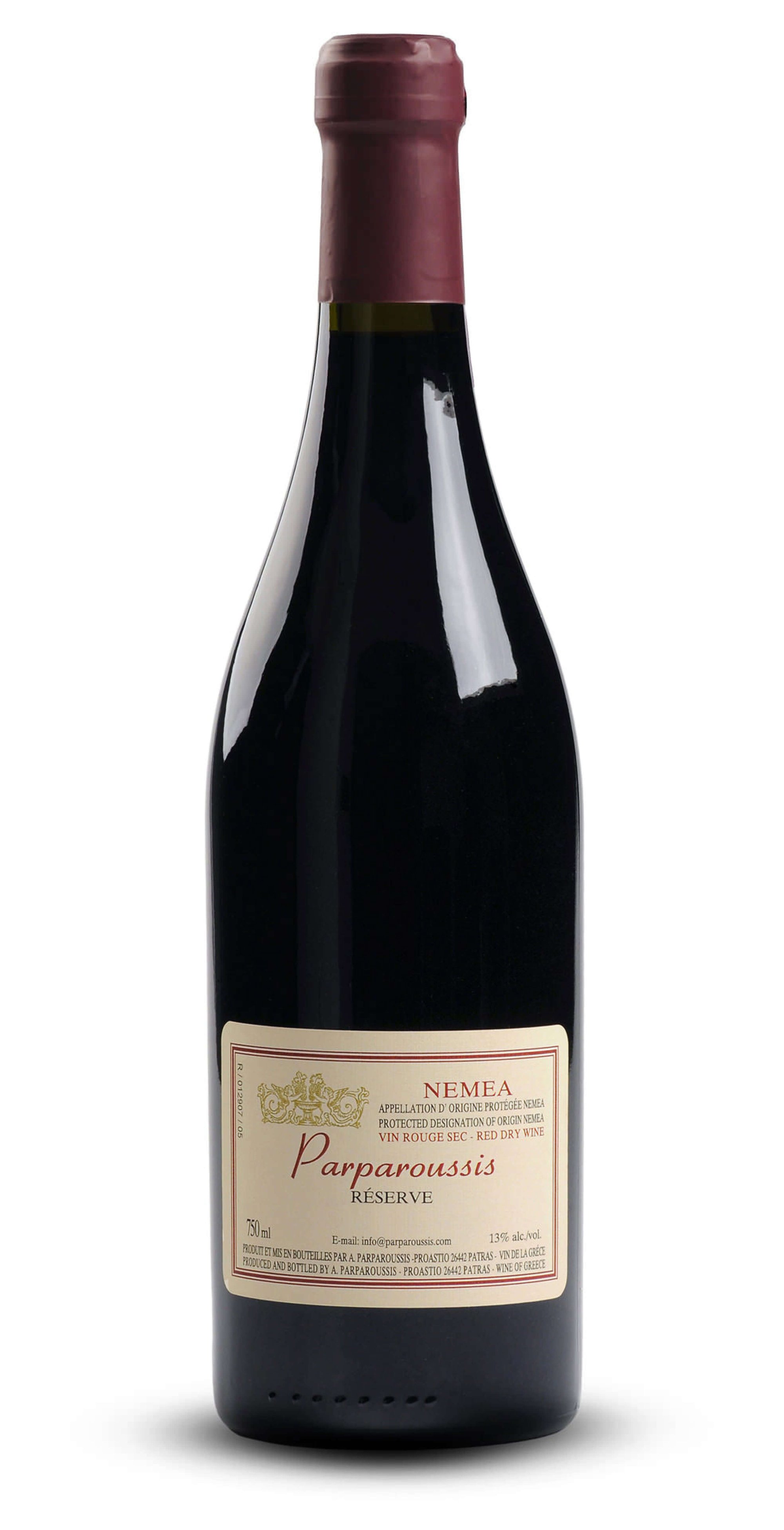
Patras and the Northern Peloponnese Wine Belt
Patras occupies an unusual position in Greek wine. Leading known internationally as a ferry port and gateway city, it sits at the northern edge of the Peloponnese on a stretch of coastline where the Ionian and Corinthian gulfs converge. That geography matters. The surrounding hillside terroirs — cooling sea breezes, limestone-dominant soils, significant diurnal temperature swings as you move inland — have long supported white grape varieties of real distinction, most notably Roditis, which thrives on the refined slopes above the city. The region's appellation structure reflects that specificity: Patras PDO and Muscat of Patras PDO are among Greece's oldest designated wine zones, with Mavrodaphne of Patras PDO covering one of the country's most recognisable fortified styles.
This is a wine region that has existed far longer than most drinkers outside Greece appreciate. The presence of Achaia Clauss , established in the nineteenth century and still operating on the hillside above the city , signals that winemaking here predates the modern Greek wine revival by over a century. What the current generation of producers has done is layer precision and varietal rigour onto that historic base, moving away from bulk production toward defined house styles with genuine regional character. Antonopoulos Vineyards is another name in this tier, applying detailed vineyard management to both the northern Peloponnese's white varieties and broader Peloponnesian reds.
The shortlist, unlocked.
Hard-to-book tables, cellar releases, and concierge-planned trips.
Get Exclusive Access →Where Parparoussis Sits in That Peer Set
Parparoussis Winery, based in Polykastis on the outskirts of Patras, belongs to the more focused end of this regional spectrum. The winery received a Pearl 2 Star Prestige rating in 2025, a recognition that places it within a cohort of producers operating above entry-level regional output , houses where technical ambition and varietal definition matter more than production scale. In a region where Roditis can too easily be reduced to neutral, high-volume white wine, producers in this tier treat it as a variety with genuine textural and aromatic potential, particularly when sourced from older vines at elevation.
The Pearl 2 Star Prestige designation, awarded in 2025, provides a useful calibration point. It places Parparoussis alongside producers across Greece whose work has attracted specialist attention without necessarily carrying the name recognition of the country's most heavily exported labels. For the wine-focused traveller arriving in Patras, that distinction matters: the winery represents a style of engagement that rewards prior knowledge and a willingness to approach the visit on the producer's own terms rather than through the lens of a mass-market tasting experience.
The Patras Context: Spirits, Distilleries, and a Broader Drinking Culture
Patras is not only a wine city. The same regional traditions that produced Mavrodaphne , a rich, fortified red aged through an oxidative solera-adjacent process , also gave rise to a distinctive local spirit culture. Loukatos Distillery and Notos Distillery both operate in the city, representing the distillate side of that same grape-based production heritage. Tentoura, the spiced liqueur traditionally associated with Patras, has its own producers: Papadimitriou Distillery (Tentoura Kastro) is among the names keeping that hyperlocal tradition alive.
Understanding this fuller picture changes how you approach a wine visit to Patras. The city's drinking culture is layered in ways that a single winery visit cannot fully capture. A half-day spent between a winery like Parparoussis and one of the distilleries covers more of what makes this corner of the Peloponnese distinctive than a route focused exclusively on wine production. For anyone building an itinerary, our full Patras restaurants guide provides broader context on where eating, drinking, and producer visits connect across the city.
Reading Parparoussis Against the Wider Greek Wine Map
Greece's wine geography is fragmented in ways that make regional comparisons useful. The northern Peloponnese operates on different terms from, say, Nemea to the south , where Acra Winery works within one of Greece's most structured red wine appellations , or from Amyntaio in northern Macedonia, where Alpha Estate has built its reputation on high-altitude Xinomavro with a precision that draws direct comparison to cool-climate European benchmarks.
The Patras area's strength is in whites and fortifieds rather than reds, and producers here who pursue that identity with seriousness occupy a niche that remains underrepresented on international wine lists. Roditis in particular sits in an awkward commercial position globally: well-known enough in Greece to have a large, undifferentiated market, but specialist enough at its better end to reward the kind of focused producer attention that a winery like Parparoussis, with its 2025 Pearl 2 Star Prestige recognition, appears to apply.
Elsewhere across Greece, producers working within distinct regional identities include Anatolikos Vineyards in Xanthi, operating in Thrace with varieties that barely register on mainstream wine radar, and Abraam's Vineyards in Komninades, working in a similar niche-regional mode. Aoton Winery in Peania near Athens represents the Attica approach to the same question , how Greek producers outside the headline appellations build credibility through precision rather than appellation prestige. Aiolos Winery in Palaio Faliro and Akrathos Newlands Winery in Panagia each operate with similarly defined regional positioning.
For reference, the format discipline and allocation-led models seen at international producers like Accendo Cellars in St. Helena or the established heritage of Aberlour in Speyside represent very different ends of the prestige-producer spectrum, but they share with Parparoussis a common characteristic: credentialled recognition as a signal of positioning within a competitive peer set rather than mass-market visibility.
Planning a Visit to Polykastis
Parparoussis Winery is located in Polykastis, a short distance from central Patras. Patras itself is easily reached by road from Athens along the E65 motorway, a drive of roughly two hours, and the city has both ferry connections and a regional airport. Visitors arriving by train from Athens have a direct service, though journey times are longer than the motorway route. The winery's address at Polykastis, Patra 264 42 places it on the city's western periphery, and a car is the most practical option for reaching it, particularly if combining the visit with other producers in the surrounding hills.
No booking details, hours, or pricing are published in the current venue record for Parparoussis. Visitors should confirm arrangements directly before travelling. This is consistent with smaller, production-focused Greek wineries that tend to handle visit bookings through direct contact rather than online reservation systems. Arriving without a confirmed appointment at wineries in this tier is generally not advisable; the same applies to most of the smaller producers operating in the northern Peloponnese corridor.
Polykastis, Patra 264 42
+30 261 042 0334
Price Lens
Comparable venues for orientation, based on our database fields.
Access the Cellar?
Our members enjoy exclusive access to private tastings and priority allocations from the world's most sought-after producers.
Get Exclusive AccessThe shortlist, unlocked.
Hard-to-book tables, cellar releases, and concierge-planned trips.
Get Exclusive Access →