Opstal Estate and Restaurant

Opstal Estate and Restaurant frames Rawsonville wine country through Slanghoek Valley soil, Chenin blanc, and a working-farm style of hospitality. The seven-generation estate dates to 1847 and combines tastings, seasonal dining, picnics, accommodation, events, and outdoor access, with the Carl Everson Single Vineyard Chenin blanc carrying multiple 5-star Platter awards.
Pearl is the En Primeur Club membership app — saves, bookings, and concierge access live there. Same editors, same standards.
- Address
- Rawsonville, iTjhingalanga Kapa, Südafrika
- Directions
- Get directions
 Saves & bookings on Pearl
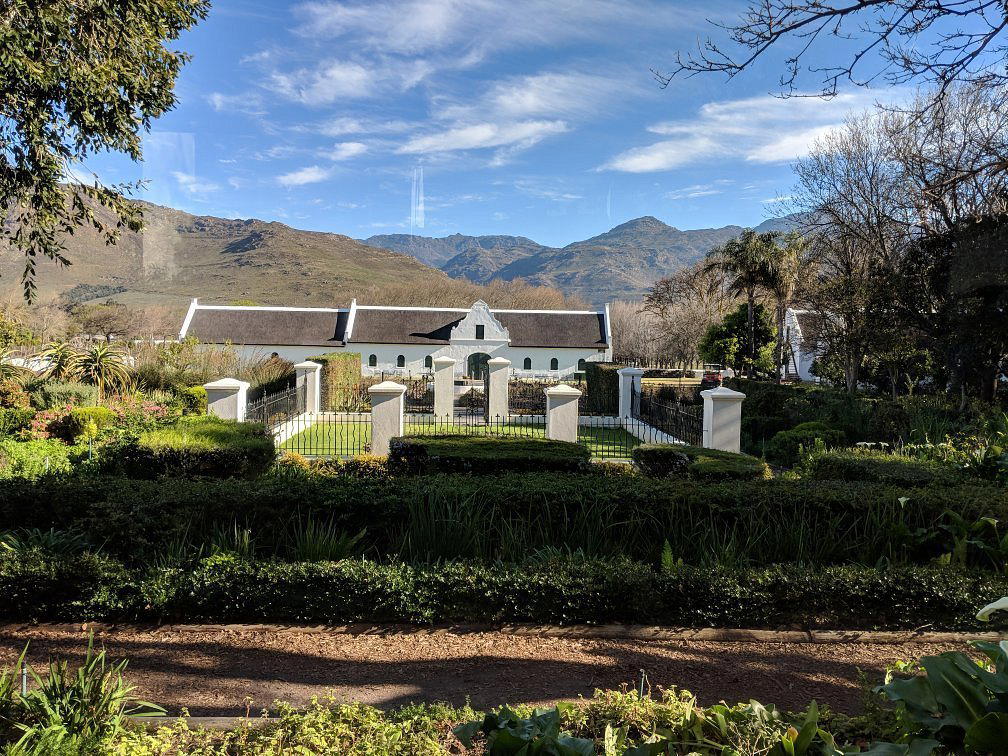
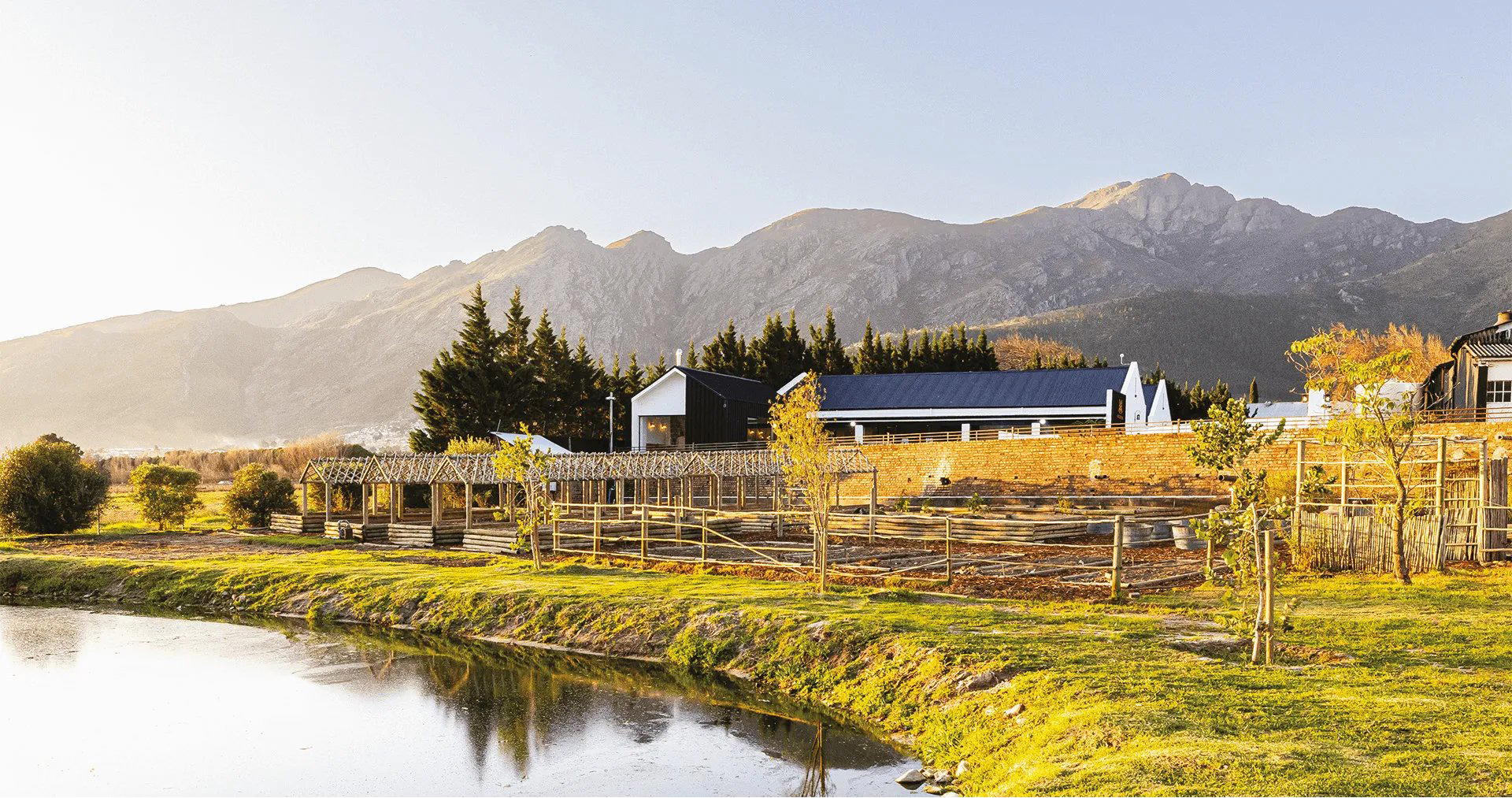
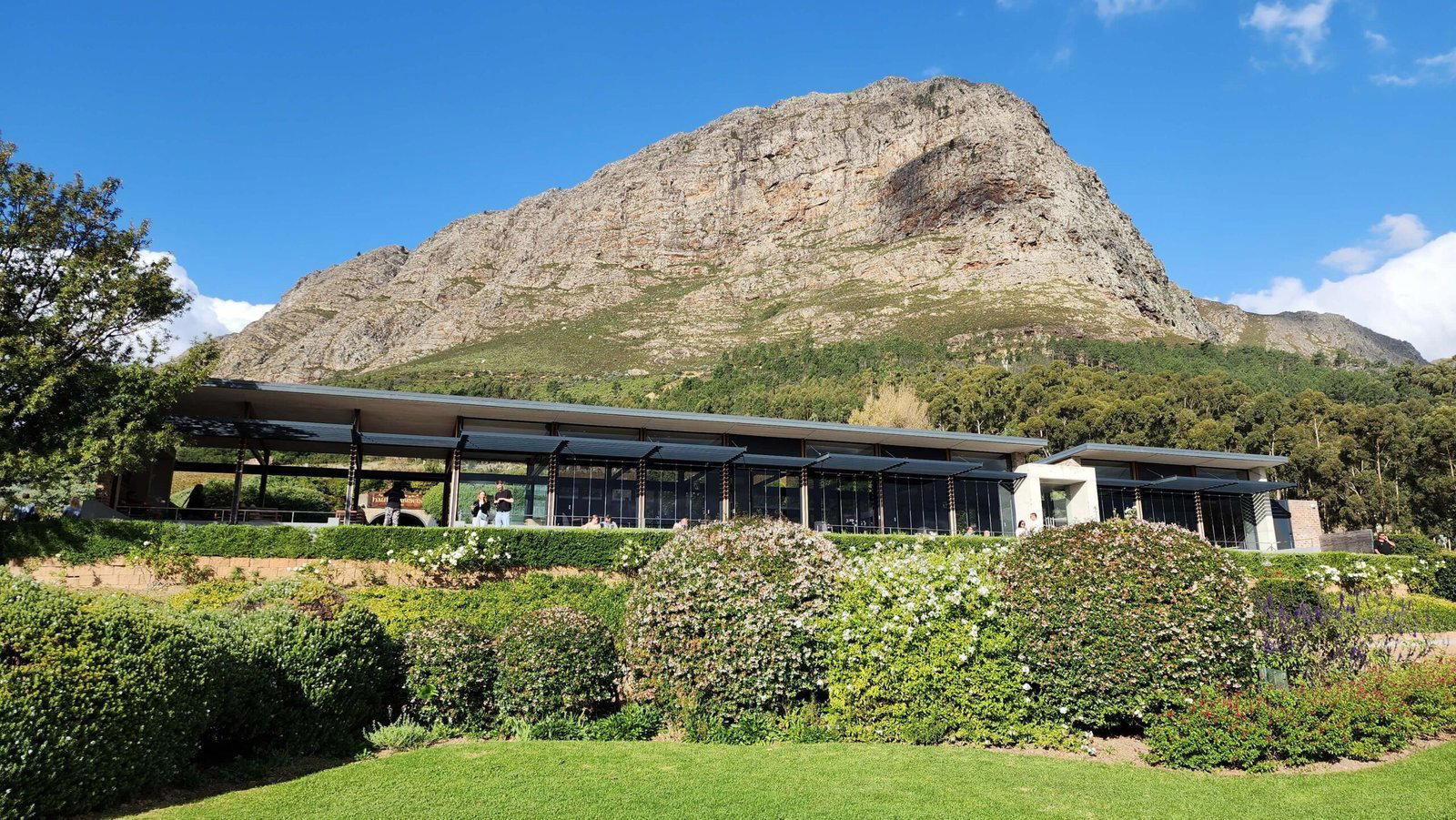
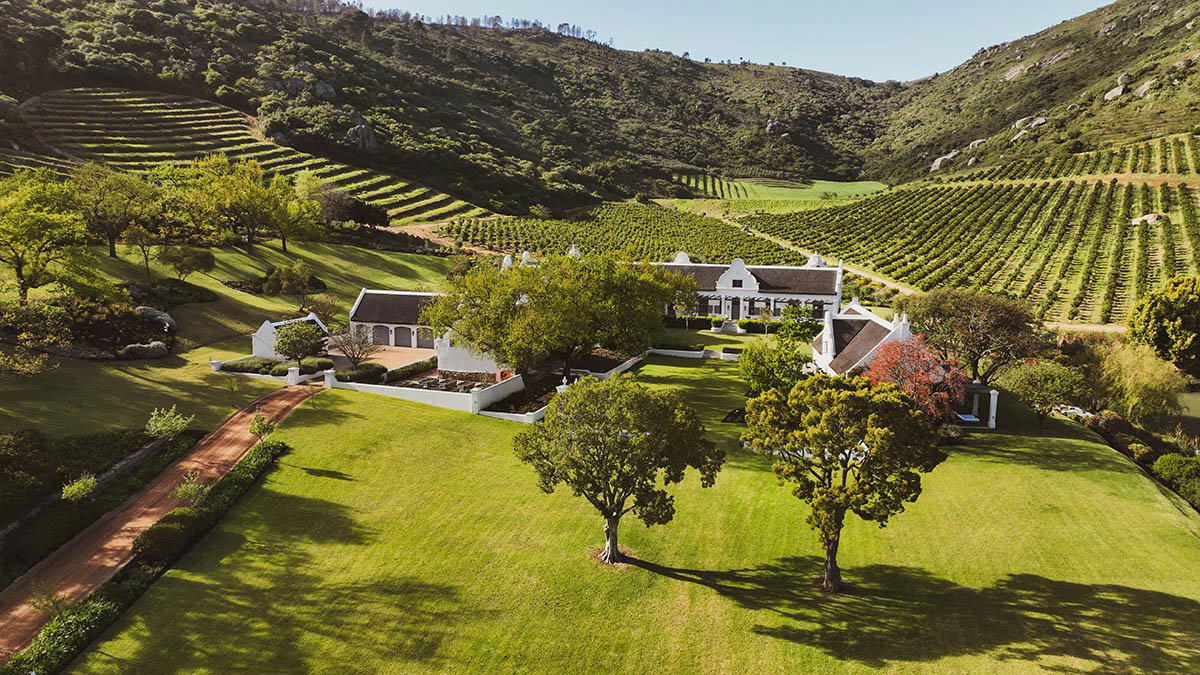
Approaching wine estates in the Slanghoek Valley, the first argument is made by the land: vines held between mountain slopes, garden edges, farm buildings, and the slower rhythm of agricultural space. Opstal Estate and Restaurant belongs to that Rawsonville tradition, where the restaurant is not a detached dining room but part of a working wine farm shaped by Chenin blanc, family continuity, and a landscape that pulls visitors outdoors before it asks them to sit down.
The relevant context here is Breedekloof rather than the more polished Cape Winelands circuit. This part of wine country rewards estates that can make place legible without overdesigning the experience. Opstal’s strength is that it joins several modes of hospitality, tasting room, restaurant, picnics, events, accommodation, and outdoor activity, into one farm-based visit. For broader planning around the area, start with our full Rawsonville wineries guide, then cross-check dining through our full Rawsonville restaurants guide and stays through our full Rawsonville hotels guide.
Slanghoek soil is the main story, with Chenin blanc doing the talking
South African Chenin blanc has moved far beyond the old shorthand of volume and value. At the serious end, single-vineyard bottlings have become a way of proving that site, age, farming, and restraint can carry as much meaning as grape variety. Opstal Estate and Restaurant sits squarely in that conversation through the Carl Everson Single Vineyard Chenin blanc, a Heritage Range wine with multiple 5-star Platter awards. That recognition matters because Platter remains one of South Africa’s key independent reference points for domestic wine quality.
The estate’s portfolio is organized with unusual clarity. Sixpence is the approachable range, Estate is positioned for classical food-friendly drinking, and Heritage carries the premium wines, including the Carl Everson Chenin. That ladder gives the tasting experience a useful shape: visitors can read the estate from casual bottle to more site-specific statement rather than treating the range as a flat list. The stated emphasis on site identity and drinkability also keeps the wines anchored in farm language rather than luxury theatre.
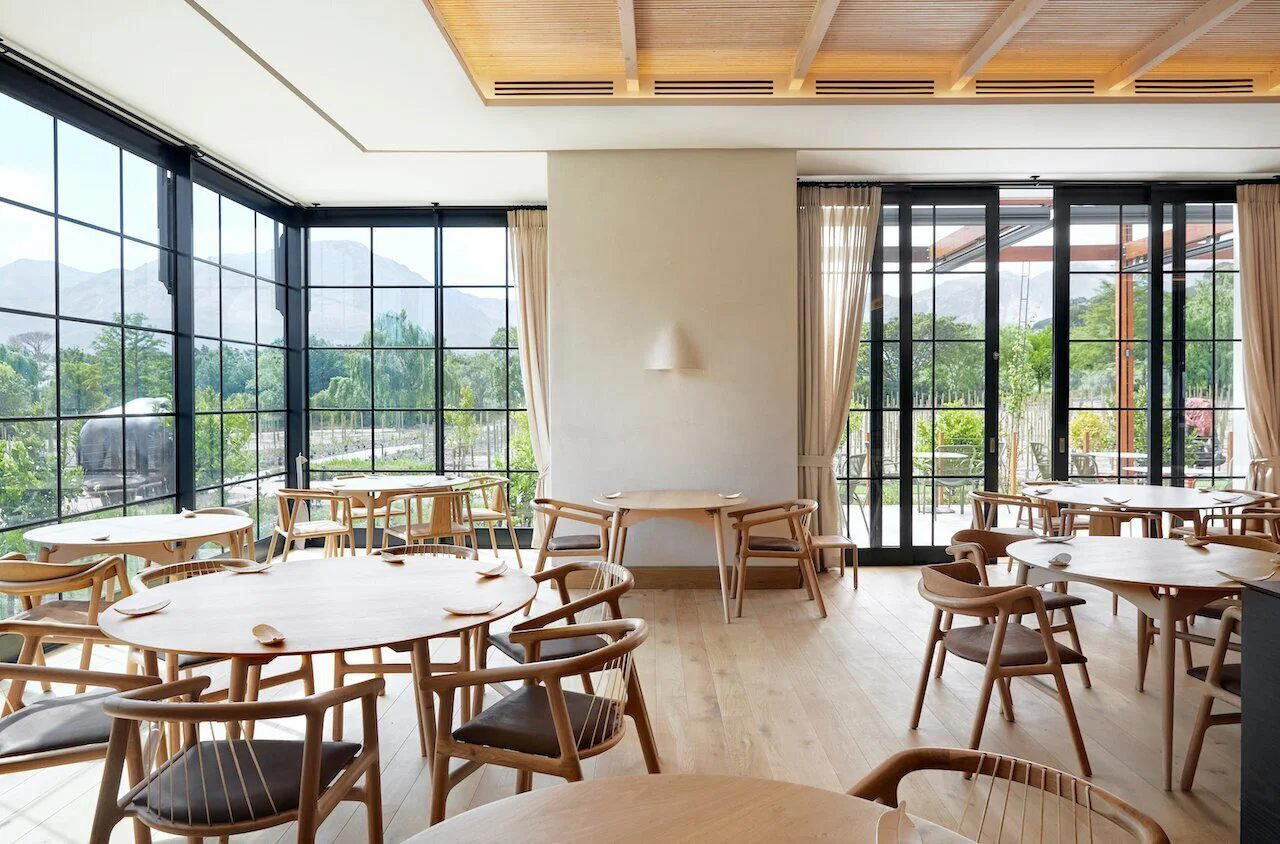
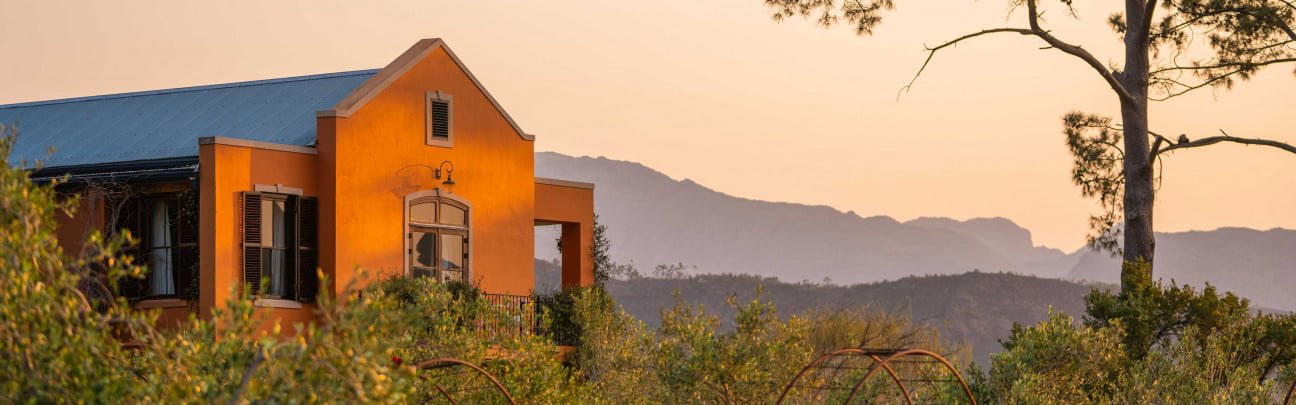
Place is not decorative here. The farm’s setting stretches between the Badsberg and Slanghoek mountains, a geography described by the estate as giving it varied terroir. Hot summers and cold winters add further seasonal contrast. Those details are not technical vineyard analysis, but they explain why the property’s wine identity keeps returning to soil, slope, and valley climate. In a region where Chenin blanc is a calling card, Opstal’s argument is that the grape should read as Slanghoek first and varietal second.
A farm visit rather than a chef-driven restaurant performance
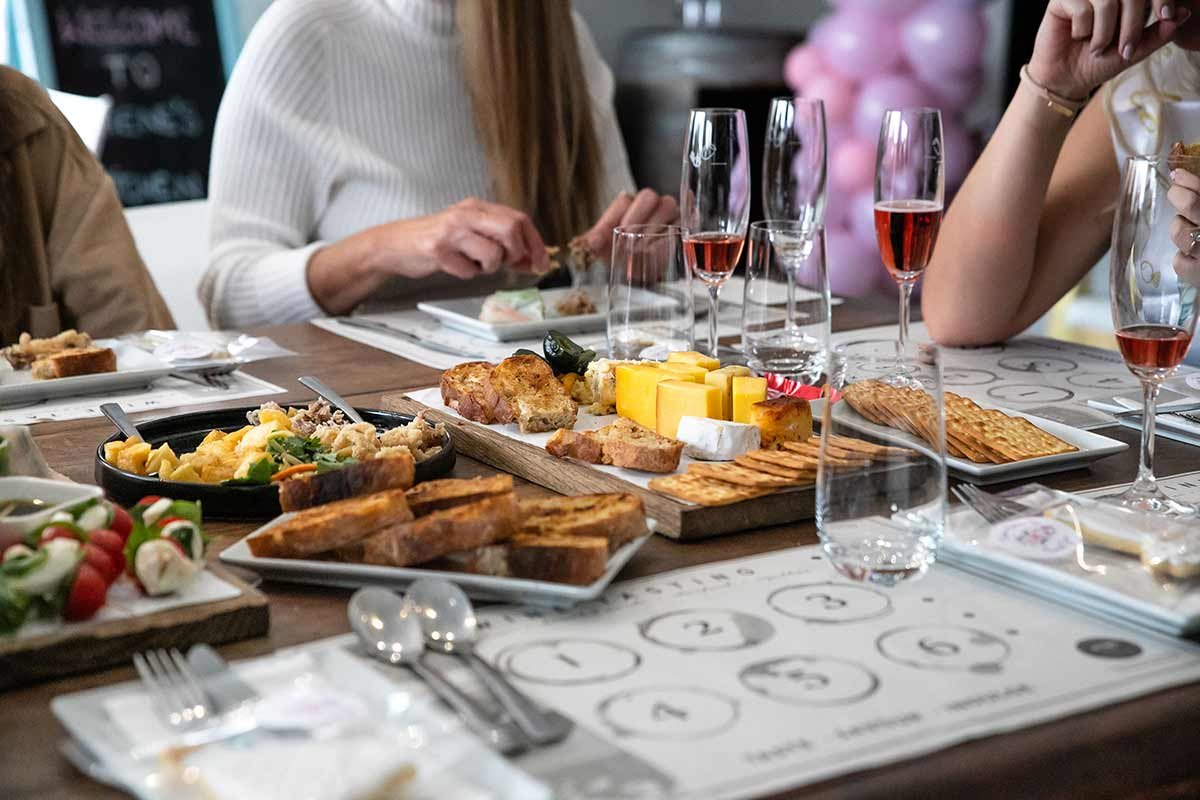
The restaurant side is better understood as estate hospitality than as a standalone culinary stage. Food service, wine tasting, food pairings, platters, picnics, wedding facilities, conference use, and accommodation all sit within the same visitor ecosystem. That matters for expectations: the appeal is not a chef biography, a tightly scripted tasting menu, or urban dining-room polish. It is the way food, wine, gardens, vineyard views, and family-farm heritage make one another more coherent.
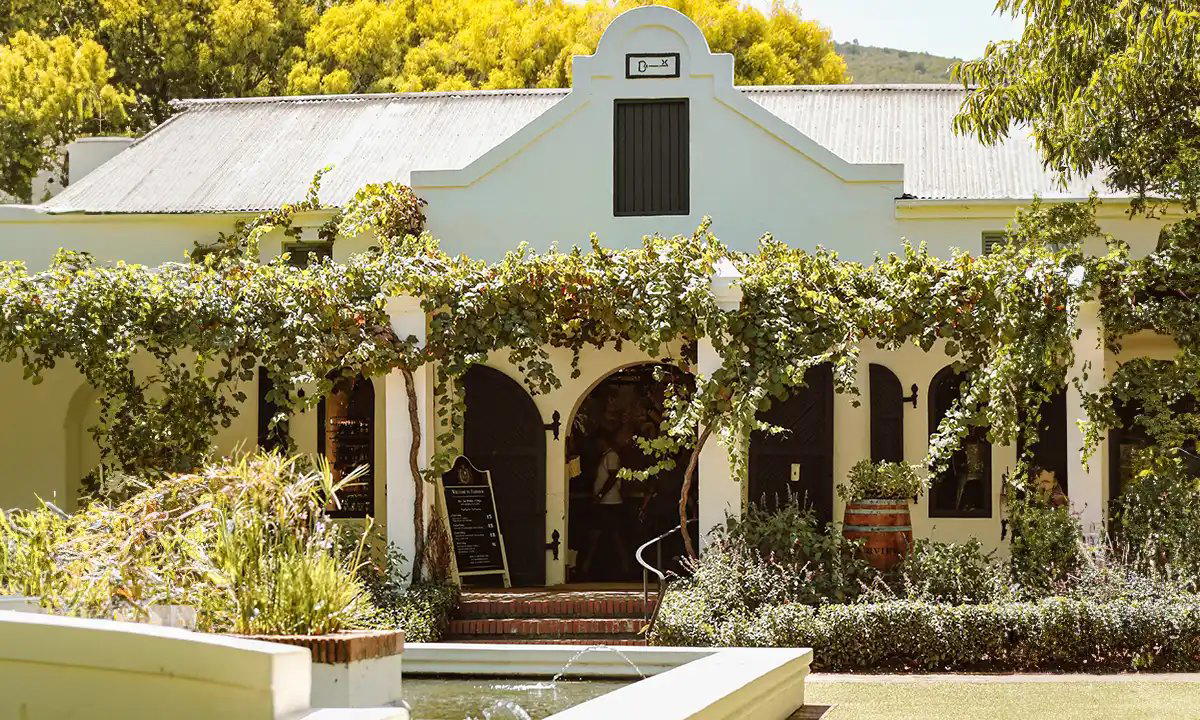
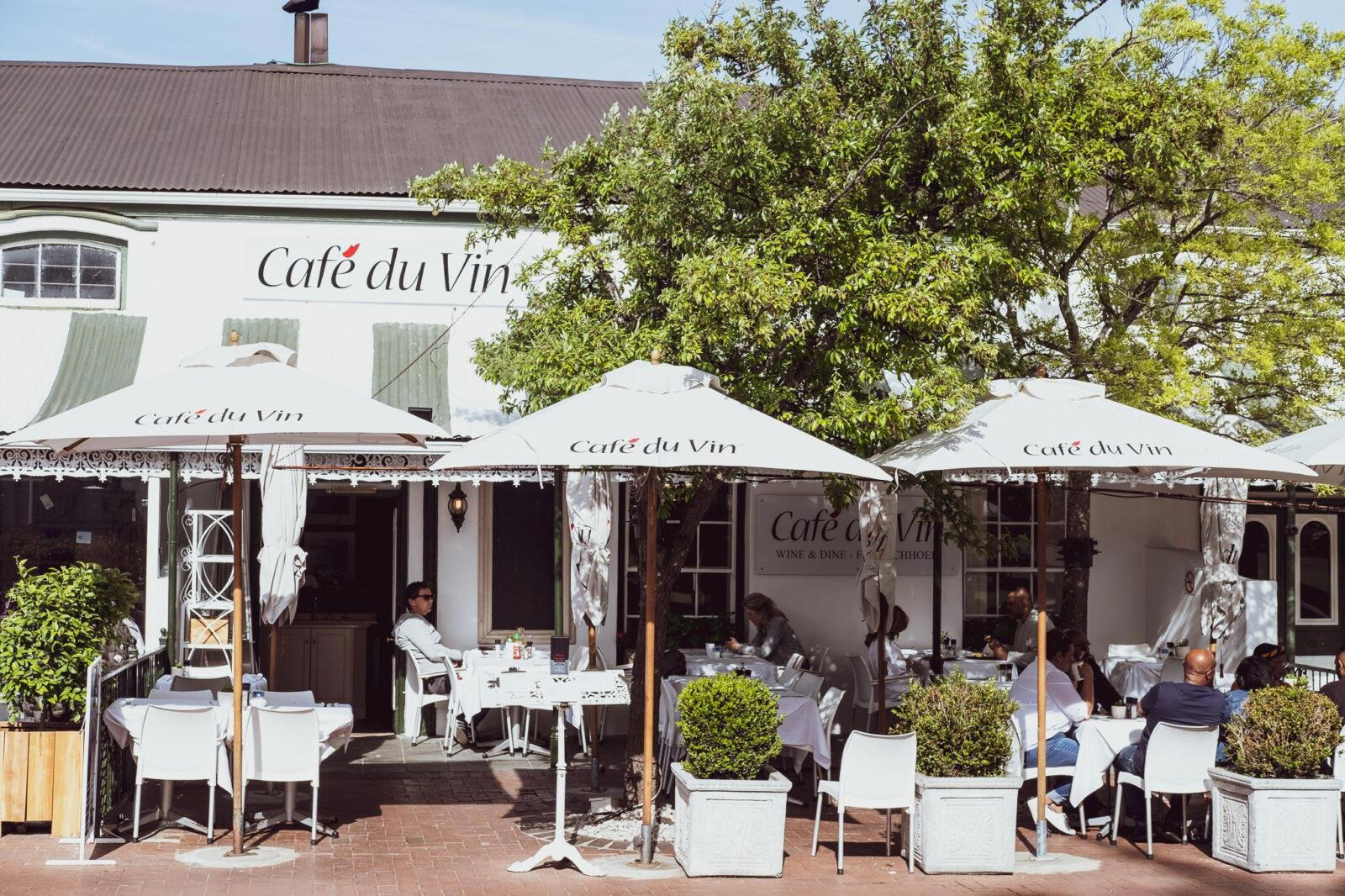
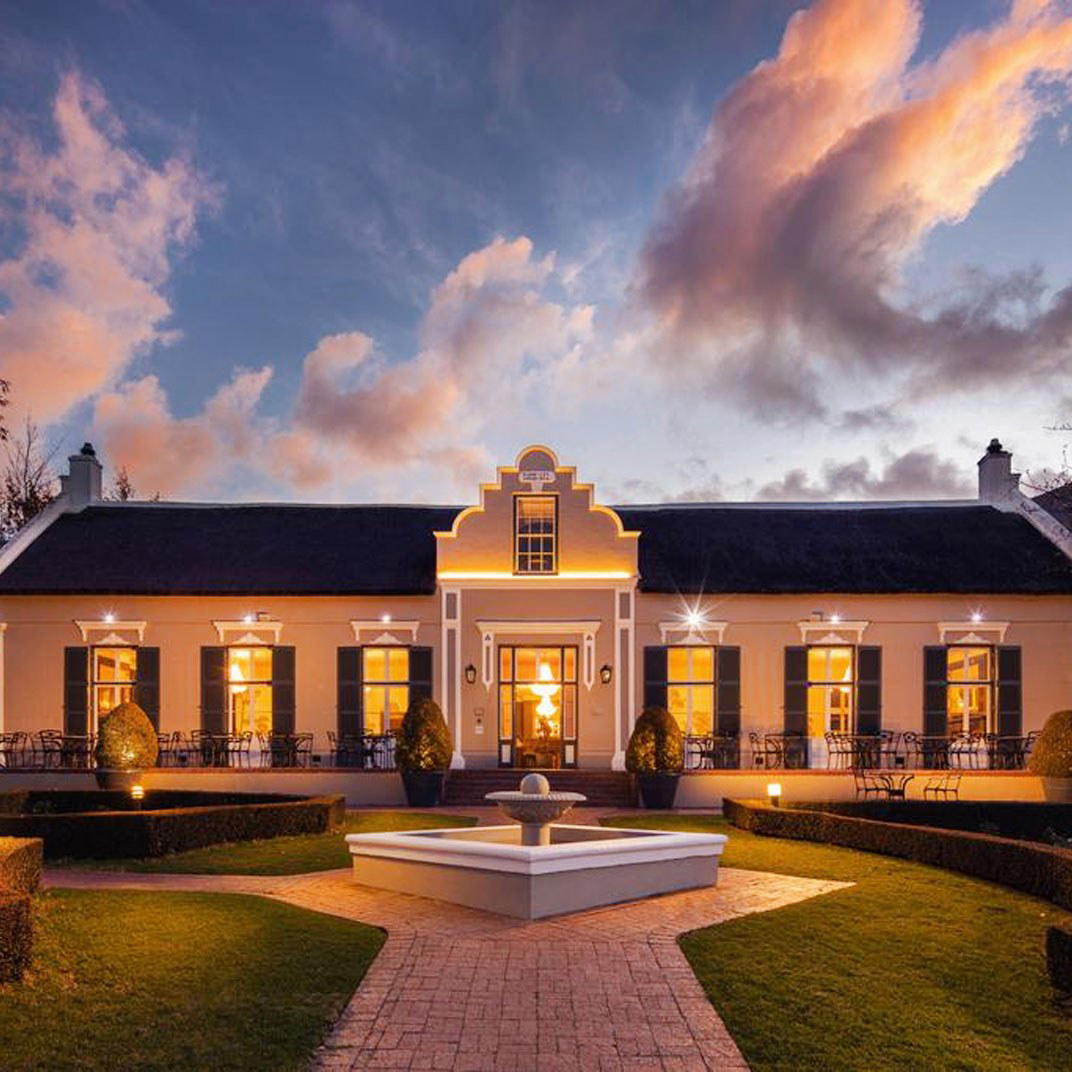
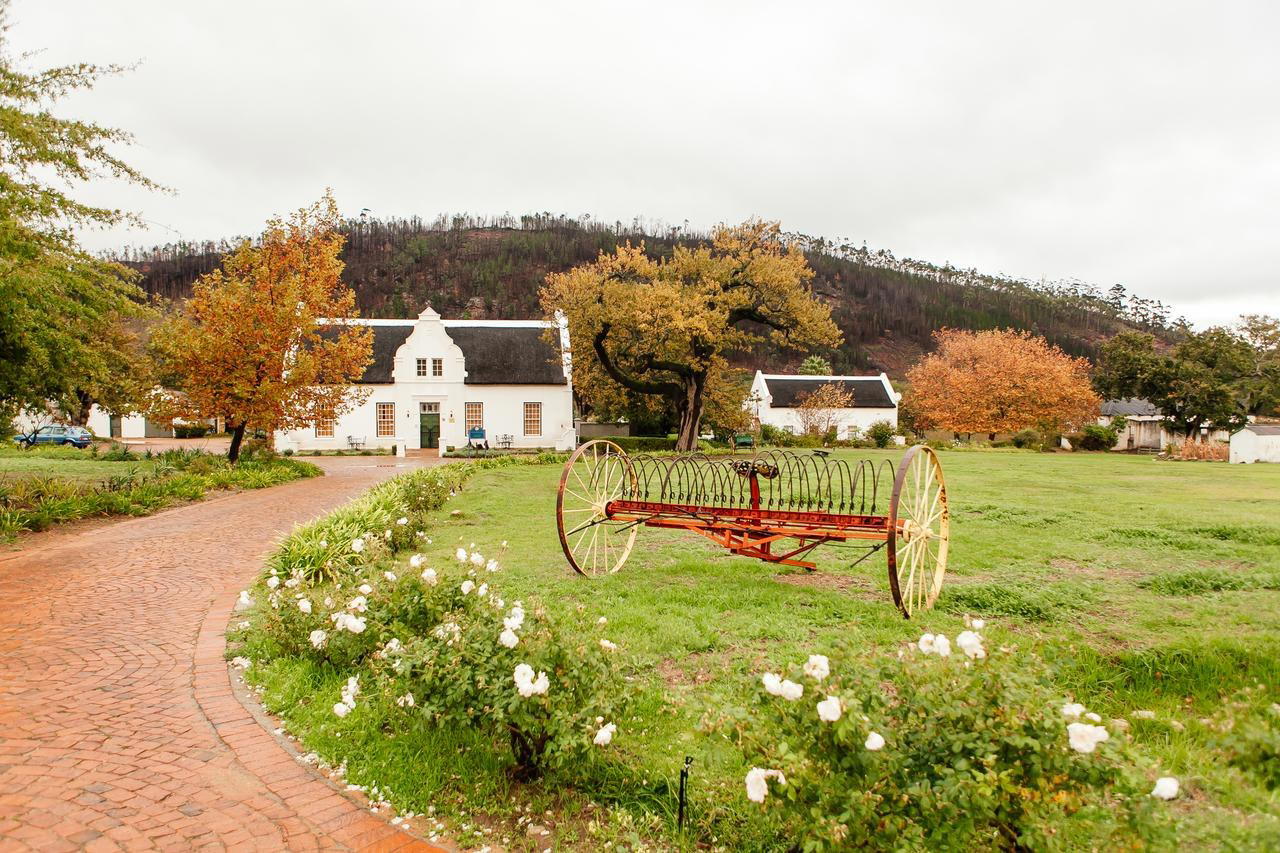
The estate dates its family ownership to 1847, with seven generations tied to the property. In wine tourism, long ownership can easily become sentimental packaging; here it works better as context for continuity. A farm that has to host children, dogs, groups, couples, wedding parties, wine drinkers, and outdoor guests needs a broader hospitality grammar than a narrow cellar-door model. The country-chic, rustic, conversational atmosphere suits that mixed use. It is relaxed without being shapeless, and scenic without relying only on the view.
For travellers using Rawsonville as a base, the estate also fits a wider itinerary that may include outdoor time and other wine-country stops rather than a single dining reservation. The wider EP Club map is useful for sorting the rest of the day: our full Rawsonville experiences guide covers activities, while our full Rawsonville bars guide is better for after-tasting planning. Readers building a broader Cape or South African wine route can also compare different regional styles through 4G Wines in Kapstadt, A. A. Badenhorst Family Wines in Paardeberg, Aaldering Estate in Stellenbosch, Alheit Vineyards in Hermanus, Allée Bleue in Groot Drakenstein, Allesverloren in Riebeeck West, Anthonij Rupert in Franschhoek, and Babylonstoren in Simondium. For a wider international cellar lens, see »der Steiner« Hans Steiner in Podersdorf am See and & Handwein in Mannheim.
Who this estate suits
Opstal is strongest for travellers who want wine country to feel like land, not only labels. The combination of tasting room, food pairing, picnics, outdoor seating, vineyard and mountain views, child-friendly access, dog-friendly access, and on-site parking makes it practical for groups without reducing it to a generic group venue. Couples get the slower countryside register; families get space and flexibility; wine-focused visitors get a Chenin-led estate with Platter-recognised credentials.
The critical distinction is scale of ambition. This is not trying to mimic a city restaurant in the vines. Its credibility comes from estate coherence: heritage since 1847, a medium-scale production identity, a Breedekloof setting, and a flagship Chenin blanc that gives the wine programme a clear centre of gravity. For Rawsonville, that is the more persuasive proposition: a working farm where the restaurant, tasting, and landscape all point back to the same soil.
Recognition history
Dated appearances from independent guides and award organizations, with the underlying list record or original source where available.
Falstaff Winery - Listed
Falstaff
Continue exploring
More in Rawsonville
Wineries in Rawsonville
Browse all →
Bars in Rawsonville
Browse all →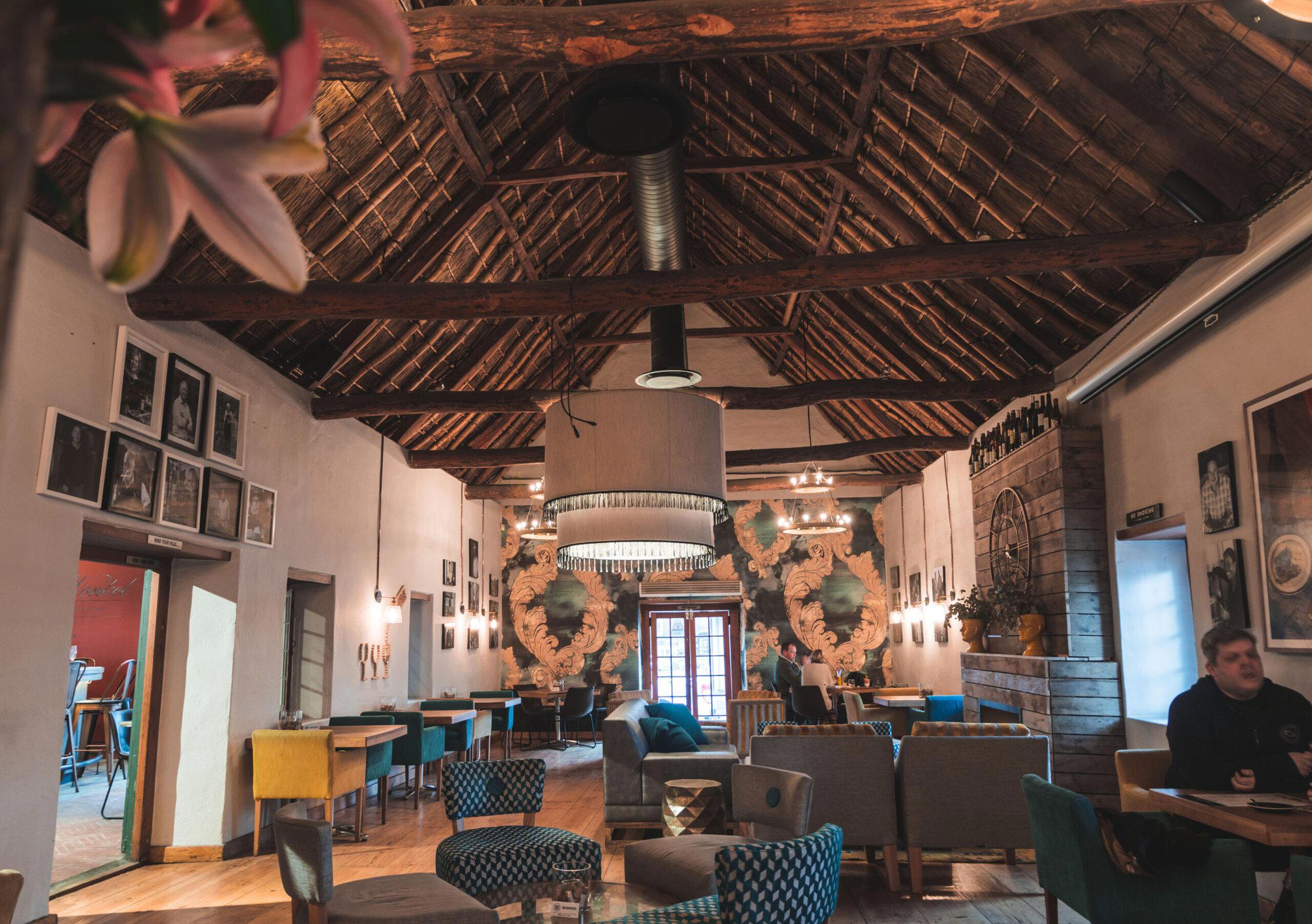
Restaurants in Rawsonville
Browse all →
At a Glance
- Scenic
- Rustic
- Cozy
- Classic
- Family
- Group Outing
- Corporate Event
- Special Occasion
- Romantic Getaway
- Estate Grounds
- Picnic Area
- Vineyard Tour
- Historic Building
- Vineyard
- Mountain
- Garden
- Breedekloof Wine Route
- Chenin Blanc
- Still White
- Still Red
- Tasting Room
- Wine And Food Pairing
A relaxed, country-chic wine estate atmosphere with scenic mountain-and-vineyard surroundings, seasonal dining, and a heritage feel rooted in a seven-generation family farm.