
Monte Cillario suits Verona travelers who want Valpolicella in a cellar setting rather than a polished showroom. The draw is architectural as much as vinous: sixteenth-century rock-cut rooms, a small family-owned estate model, and tastings focused on Amarone, Valpolicella Classico, local whites, and the red-grape grammar of Corvina, Corvinone, and Rondinella.
Pearl is the En Primeur Club membership app — saves, bookings, and concierge access live there. Same editors, same standards.
- Address
- Verona, Veneto, Italien
- Directions
- Get directions
 Saves & bookings on Pearl
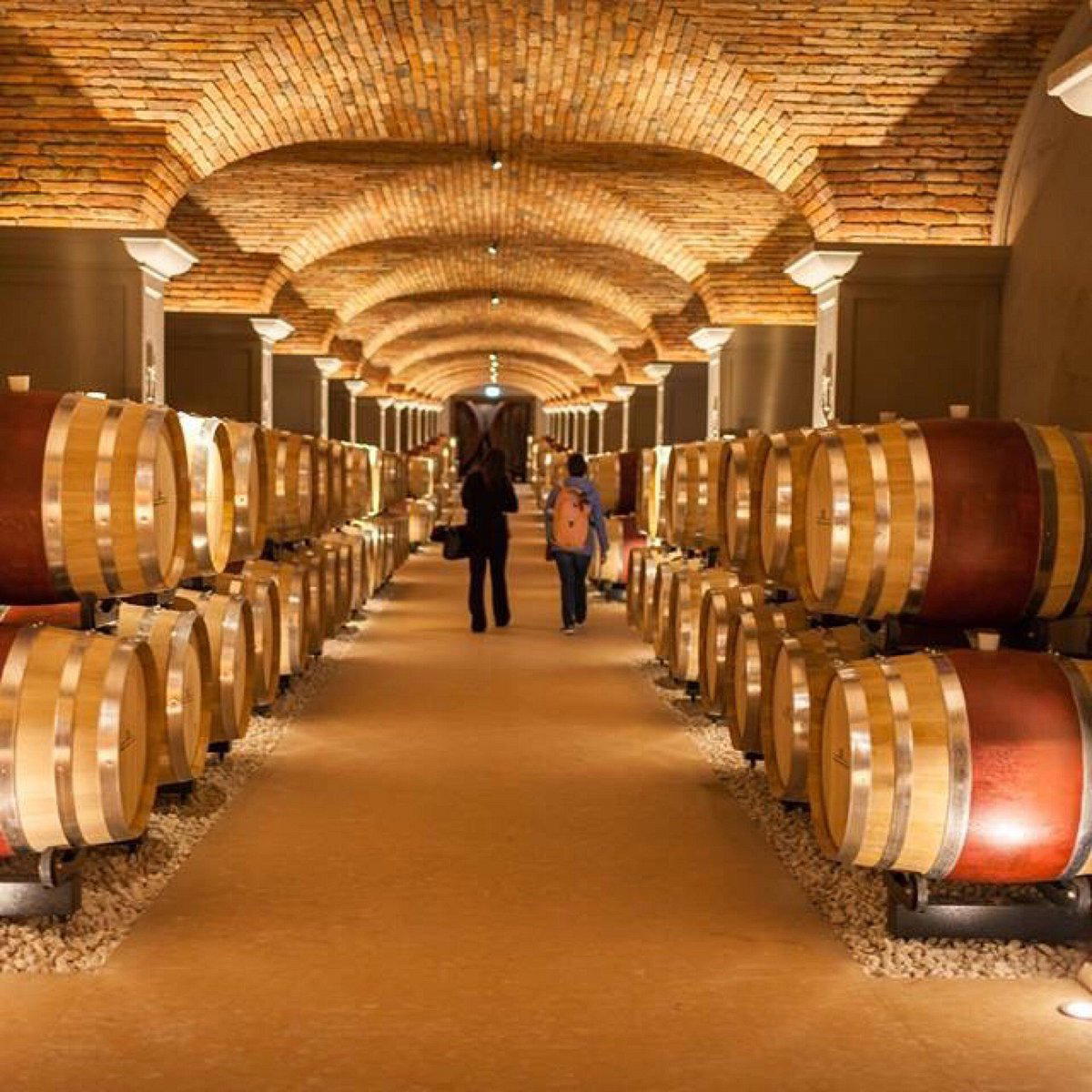
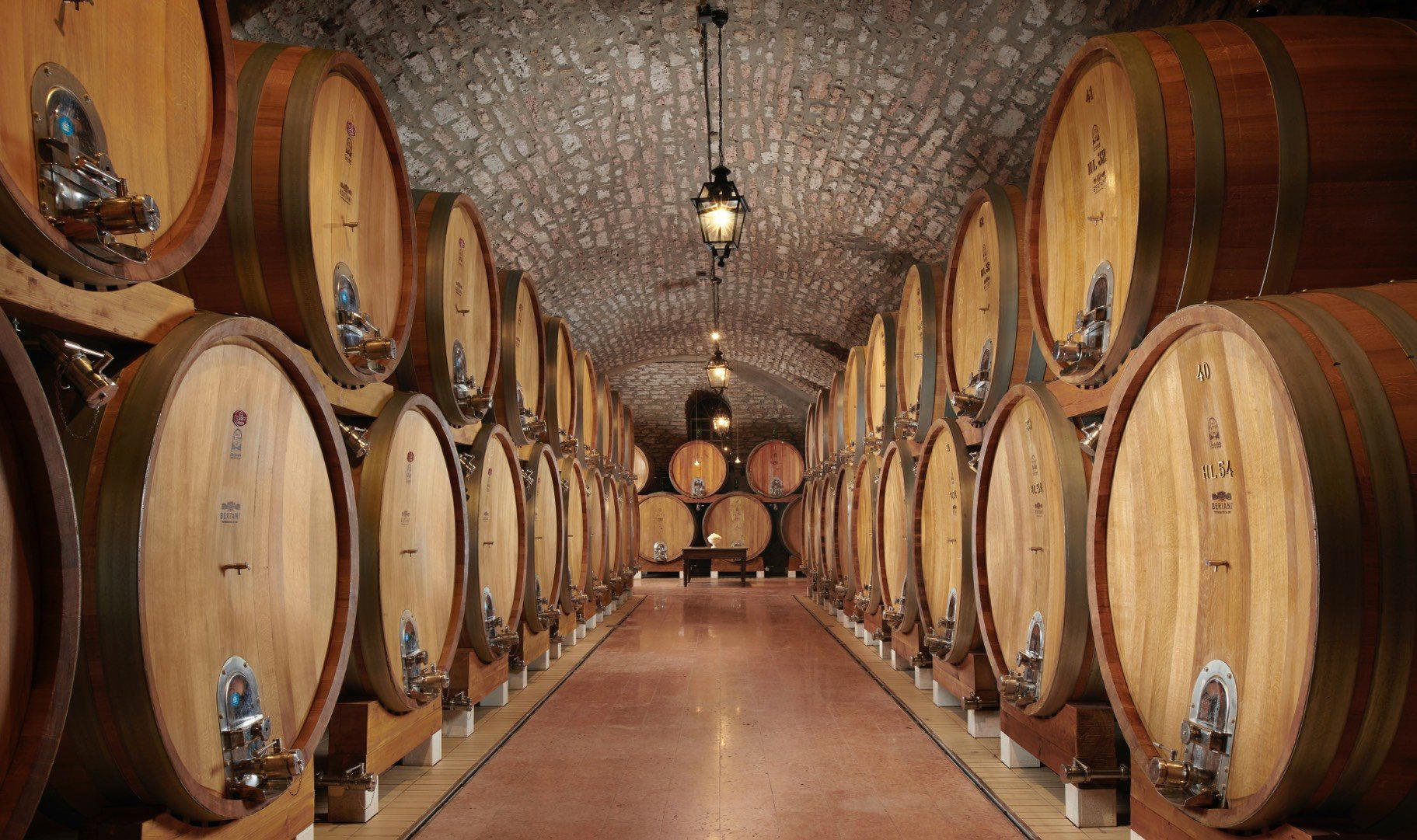
The first argument for Monte Cillario is made underground. In Verona, the encounter is grounded in atmosphere: tasting rooms carved into rock beneath the city, set within authentic sixteenth-century cellars. That setting matters because it gives the visit a strong sense of history and enclosure. Rather than relying on a long list of unsupported claims, the clearest way to understand Monte Cillario is through what is known: a historic, intimate cellar environment in Verona that highlights traditional Valpolicella reds and local whites.
Monte Cillario is best approached as a focused Verona wine stop rather than as a broad dining or resort-style experience. The available information points to a classic, scenic, cozy, rustic, romantic atmosphere, with the feel of a. The emphasis is on the room, the stone, the age of the cellar, and the local wine context.
Rock-cut cellars put Valpolicella's architecture into the tasting
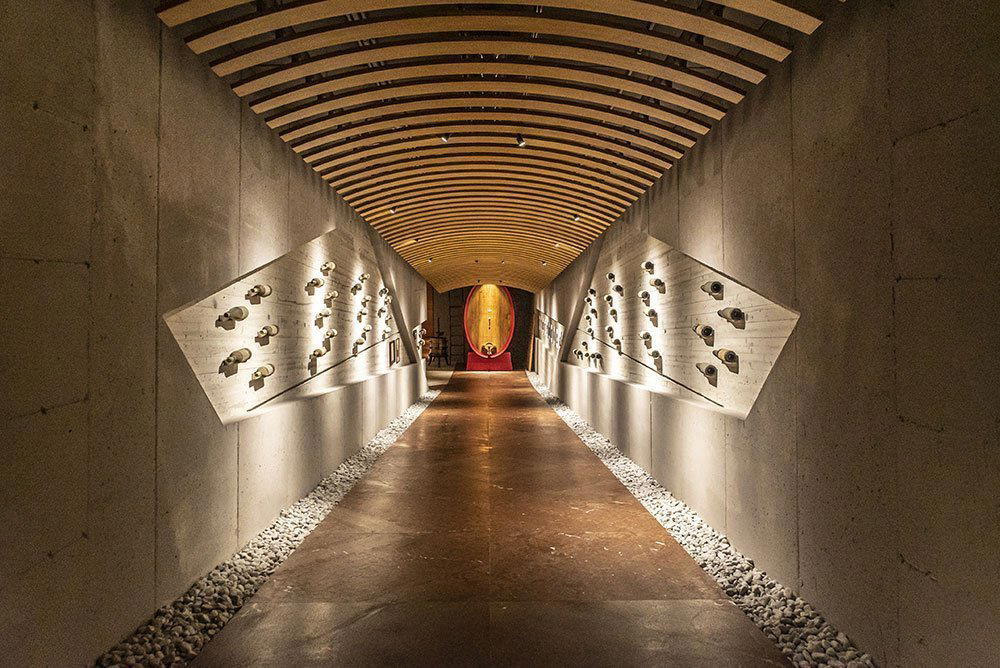
For the winery, particularly reliable distinction is architectural and atmospheric. The tasting rooms are described as being carved into rock beneath Verona, in authentic sixteenth-century cellars. That is a meaningful part of the experience because it connects the wines to a physical sense of age, coolness, and regional continuity. Visitors looking for a polished checklist of amenities should keep expectations simple; the strongest confirmed appeal is the historic cellar setting itself.
The Valpolicella reference is also central, but it should be kept precise. The winery highlights traditional Valpolicella reds and local whites. That is enough to position it within Verona’s wine identity without inventing a full portfolio, naming grapes, or promising particular bottlings. The visit reads as a way to encounter local wine in a distinctive cellar environment, not as a guaranteed survey of every category associated with the region.
That restraint is useful for planning. A traveler choosing the winery should be choosing atmosphere and place: rock-cut rooms, sixteenth-century character, and a Verona setting. The grounded reason to go is the combination of historic cellar architecture and a local wine focus.
A small-format visit, with education built into the room
The confirmed description suggests an intimate and cozy mood. Words such as classic, scenic, rustic, romantic, and all point toward a visit where the surroundings do much of the work. It is reasonable to expect the cellar itself to shape the tone: close, atmospheric, and historically resonant. What should be avoided is turning that atmosphere into unsupported operational claims. No exact tasting duration, language availability, reservation rule, payment method, parking situation, child policy, pet policy, seat count, or tour format is in the supplied facts.
For that reason, the practical advice is simple: treat the winery as a Verona venue with a $$ price marker and a confirmed historic cellar identity. If timing, access, group size, accessibility, food availability, or dietary needs matter, those details should be checked directly before visiting.
Within a Verona itinerary, the winery fills a particular role. Other dining and drinking plans in the city may offer meals, aperitivo, or a broader hospitality experience, but the winery is most clearly framed around local wine in a memorable cellar setting. It is a good fit for travelers who want a romantic, rustic, and historically charged stop rather than a venue defined by extras.
How to place it in a wider Veneto wine route
The winery can be placed in a wider Verona or Veneto wine route as the cellar-atmosphere stop. Its identity is not built on awards, rankings, a famous chef, a precise production scale, or a named hospitality format. It is built on place: Verona, sixteenth-century rock-cut cellars, traditional Valpolicella reds, and local whites. That makes it useful for visitors who want one wine experience where the architecture and mood are as important as the glass.
When comparing it with other wine venues, keep the comparison general. Some places may emphasize vineyard views, large tastings, food service, or a broad commercial portfolio. The winery’s confirmed appeal is narrower and more specific: an atmospheric historic cellar beneath Verona. That narrower promise is also its strength. Strong expectation is not spectacle or exhaustive programming, but a classic, cozy, intimate setting tied to the local wine culture of Valpolicella.
Recognition history
Dated appearances from independent guides and award organizations, with the underlying list record or original source where available.
Falstaff Winery - Listed
Falstaff
Continue exploring
More in Verona
Wineries in Verona
Browse all →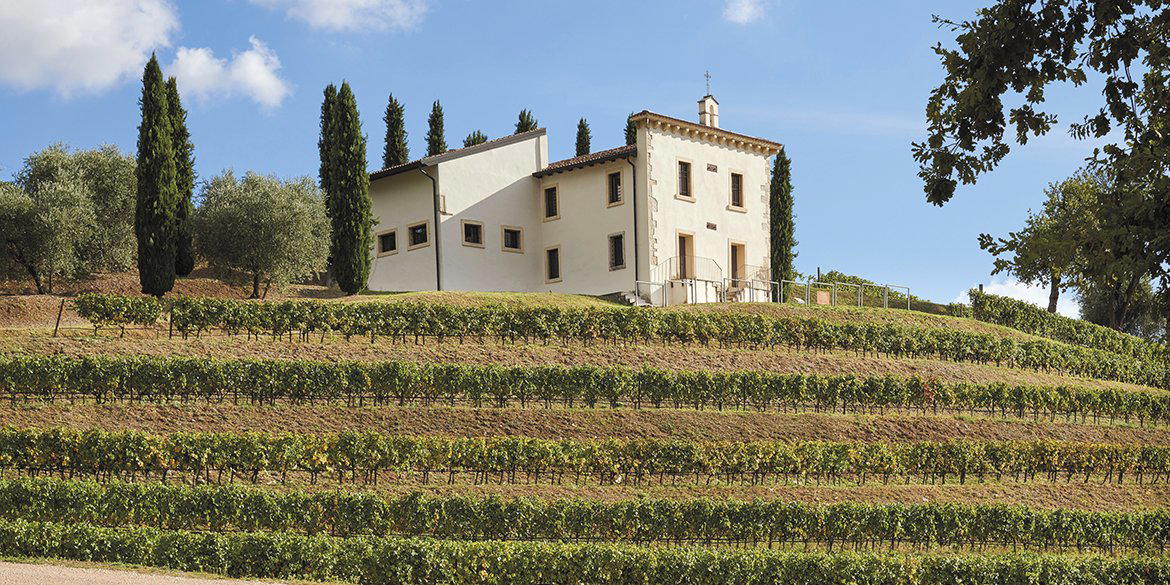
Bars in Verona
Browse all →
Restaurants in Verona
Browse all →
At a Glance
- Classic
- Scenic
- Cozy
- Rustic
- Romantic
- Intimate
- Group Outing
- Wine Education
- Romantic Getaway
- Special Occasion
- Solo Exploration
- Cave Tasting
- Historic Building
- Private Tasting
- Sustainable
- Street Scene
- Vineyard
- Valpolicella
- Corvina
- Corvinone
- Rondinella
- Still Red
- Still White
- Dessert
- Standard Tasting
- Vertical Tasting
- Private Tasting
Atmospheric and historic, with tasting rooms carved into rock beneath Verona in authentic sixteenth‑century cellars that highlight traditional Valpolicella reds and local whites.