Bronco Wine Company

Bronco Wine Company is a Ceres-based producer where California wine reads through scale rather than cellar-door theater. The Central Valley setting, family ownership since 1973, extensive vineyard holdings, and Charles Shaw legacy make it a study in value-driven American wine production, with appointment-based access rather than a boutique tasting-room model.
Pearl is the En Primeur Club membership app — saves, bookings, and concierge access live there. Same editors, same standards.
- Address
- Ceres, California, Vereinigte Staaten
- Directions
- Get directions
 Saves & bookings on Pearl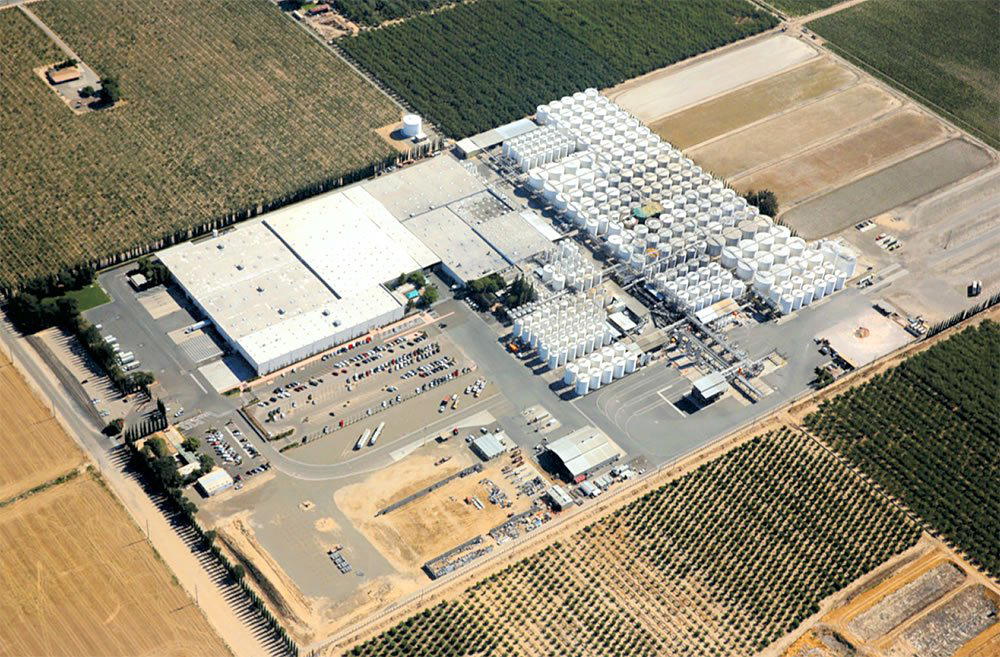
Bronco Wine Company in Ceres is best understood as a large, production-centered wine operation rather than a boutique tasting room experience. The picture is practical and value-focused: industrial-scale facilities, vineyards, and an atmosphere shaped by production rather than luxury hospitality. For travelers, that makes the venue useful as a look at wine made at scale, with price sensitivity and operational efficiency as part of the story. It is a place to think about the mechanics behind widely accessible wine: the coordination of vineyard sources, production spaces, and a business model that emphasizes reach and affordability. Instead of reading it primarily as a leisurely stop built around atmosphere, it makes more sense to read it as a working wine address where the operating scale is central to the identity.
Wine production at industrial scale
The defining feature here is scale. Bronco Wine Company is described as a large, industrial-scale but still family-owned wine producer, with a setting centered on production facilities and vineyards. That is a different kind of wine address from a small estate built around intimate tastings or a highly designed visitor experience. The appeal is not in the suggestion of exclusivity, but in the visibility of a production mindset: wine as something organized, managed, and delivered efficiently across a broad operation.
That distinction is important for setting expectations. A boutique winery often asks visitors to focus on quiet surroundings, personal storytelling, small-lot identity, or a carefully staged hospitality rhythm. Bronco Wine Company points in another direction. Its character comes from size, movement, and practical purpose. The presence of vineyards and production facilities gives the venue a grounded, workmanlike frame, and the industrial quality is part of what makes it notable. For travelers interested in how wine exists beyond the small-estate ideal, that can be useful context.
The safest way to frame the winery is as a practical, value-focused producer in Ceres with an industrial, well-known, and lively character. Those words matter because they keep the description anchored in what is known. Practical suggests an operation built around function. Value-focused points toward accessibility and price awareness. Industrial describes the production setting. Well-known and lively capture a sense of recognizable presence and active operation without turning the venue into something it is not. Together, they describe a wine producer whose identity comes from output, efficiency, and scale more than from ornamental hospitality.
What the operation says about value-focused wine
The winery’s positioning is tied to production, vineyards, and value. That matters because not every wine destination is organized around scarcity, luxury, or a polished hospitality script. Some are better read through the logistics of making wine efficiently and at scale. In that sense, the venue can broaden a visitor’s understanding of wine country by showing a different side of the industry: the side concerned with volume, consistency, access, and the practical systems that allow wine to reach a wide market.
For visitors comparing different kinds of wine experiences, the winery represents the production-led end of the spectrum. It is useful precisely because it does not need to fit the familiar image of a secluded tasting room or an estate centered on ceremony. Its relevance comes from the way it illustrates another model of wine production, one where the story is less about rarity and more about organization. That can be especially helpful for travelers who want a fuller picture of the region’s wine landscape, including the less romantic but highly consequential parts of the business.
In Ceres, the venue’s appeal is its direct industrial identity: practical, well-known, lively, and centered on the business of wine production. The price indicator is $, reinforcing the value-focused impression without requiring unsupported claims about specific bottles, menus, tours, or services. This is an important boundary to keep in mind. The low price signal supports the broad reading of the company as value-oriented, but it should not be stretched into assumptions about particular offerings. Particularly accurate understanding stays with the bigger picture: a large-scale, family-owned producer whose public identity is closely tied to production and affordability.
For Ceres planning, keep expectations broad and verify current visitor details directly with the winery. Other dining and travel options in Ceres can help round out an itinerary, but the core reason to consider the winery is its role as a large-scale, family-owned wine producer with a practical production atmosphere. It is best approached with curiosity about how wine is made and organized at scale, rather than with expectations borrowed from smaller, hospitality-first wineries. That mindset makes the venue easier to place within a broader trip and helps avoid reading the industrial character as a shortcoming.
Readers comparing wine travel styles should use the winery as an example of scale, production, and value rather than rarity or boutique hospitality. The contrast is useful: this is a wine address that explains reach and practicality more than ceremony. Its place in a Ceres itinerary is therefore less about staged luxury and more about perspective. By emphasizing production facilities, vineyards, family ownership, and a value-focused identity, the winery offers a direct lens on a substantial part of the wine world: the part where efficiency, access, and operational scale are not background details, but the central story.
Recognition history
Dated appearances from independent guides and award organizations, with the underlying list record or original source where available.
Falstaff Winery - Listed
Falstaff
Continue exploring
More in Ceres
Wineries in Ceres
Browse all →
Bars in Ceres
Browse all →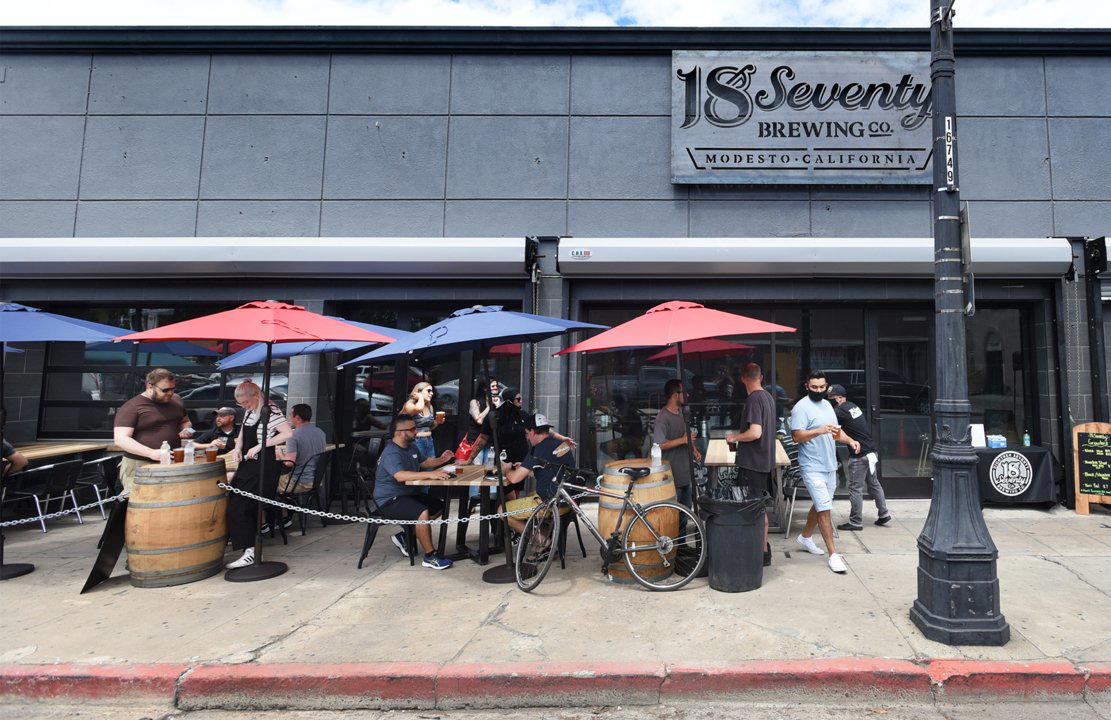
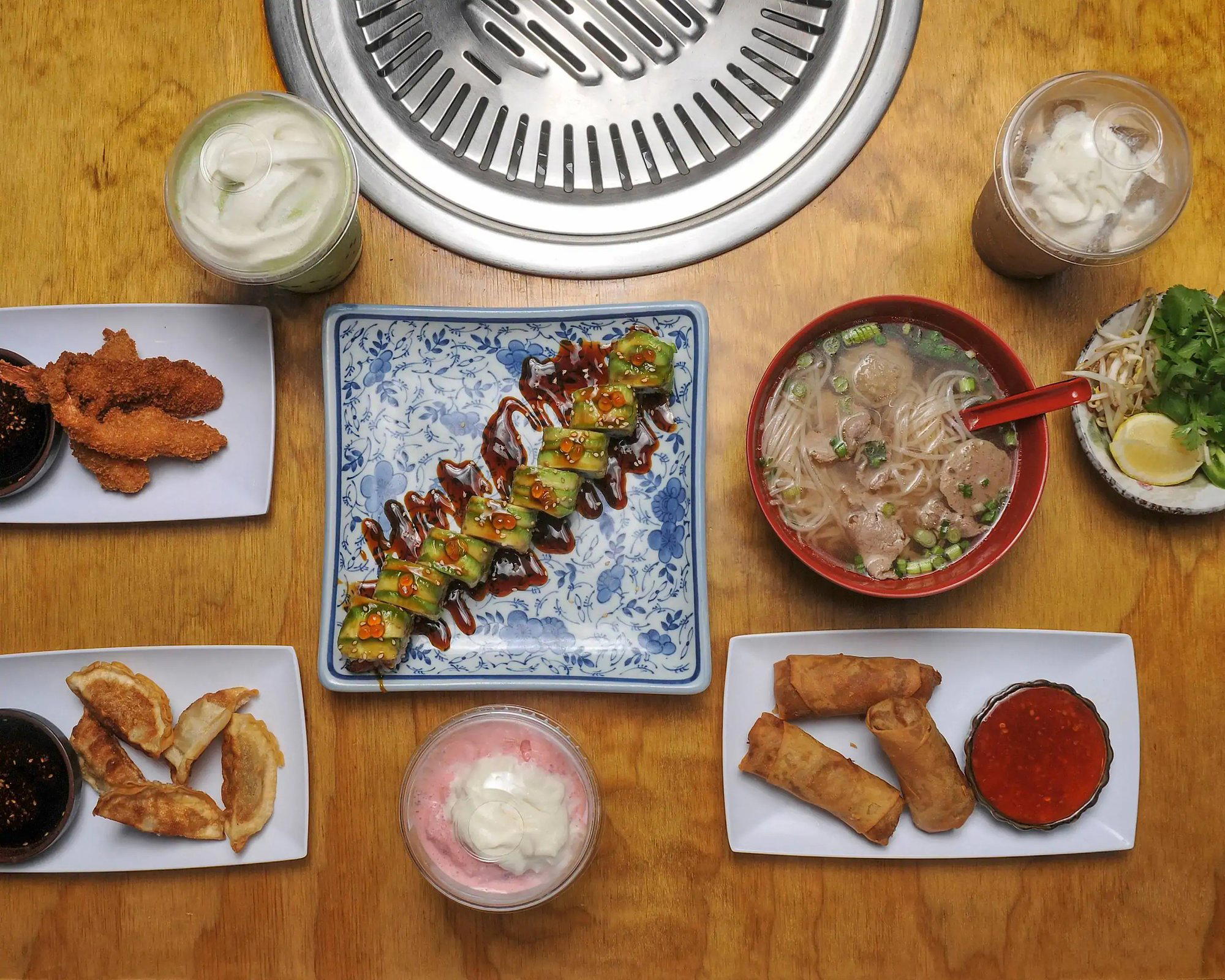
Restaurants in Ceres
Browse all →

Hotels in Ceres
Browse all →
At a Glance
- Industrial
- Well Known
- Lively
- Group Outing
- Corporate Event
- Wine Education
- Estate Grounds
- Sustainable
- Vineyard
- Central Valley AVA
- Chardonnay
- Cabernet Sauvignon
- Zinfandel
- Merlot
- Sauvignon Blanc
- Pinot Grigio
- Still Red
- Still White
- Still Rosé
- Sparkling
- Dessert
Large, industrial-scale but still family-owned wine producer with a practical, value-focused atmosphere centered on production facilities and vineyards rather than a boutique tasting room experience.