McBride Sisters Winery
The winery operates within a regional scene defined by cooler inland valleys and strong independent producer culture, making Ukiah a credible base for serious viticulture away from Napa's commercial density.

Mendocino County's Wine Identity, and Where McBride Sisters Fits
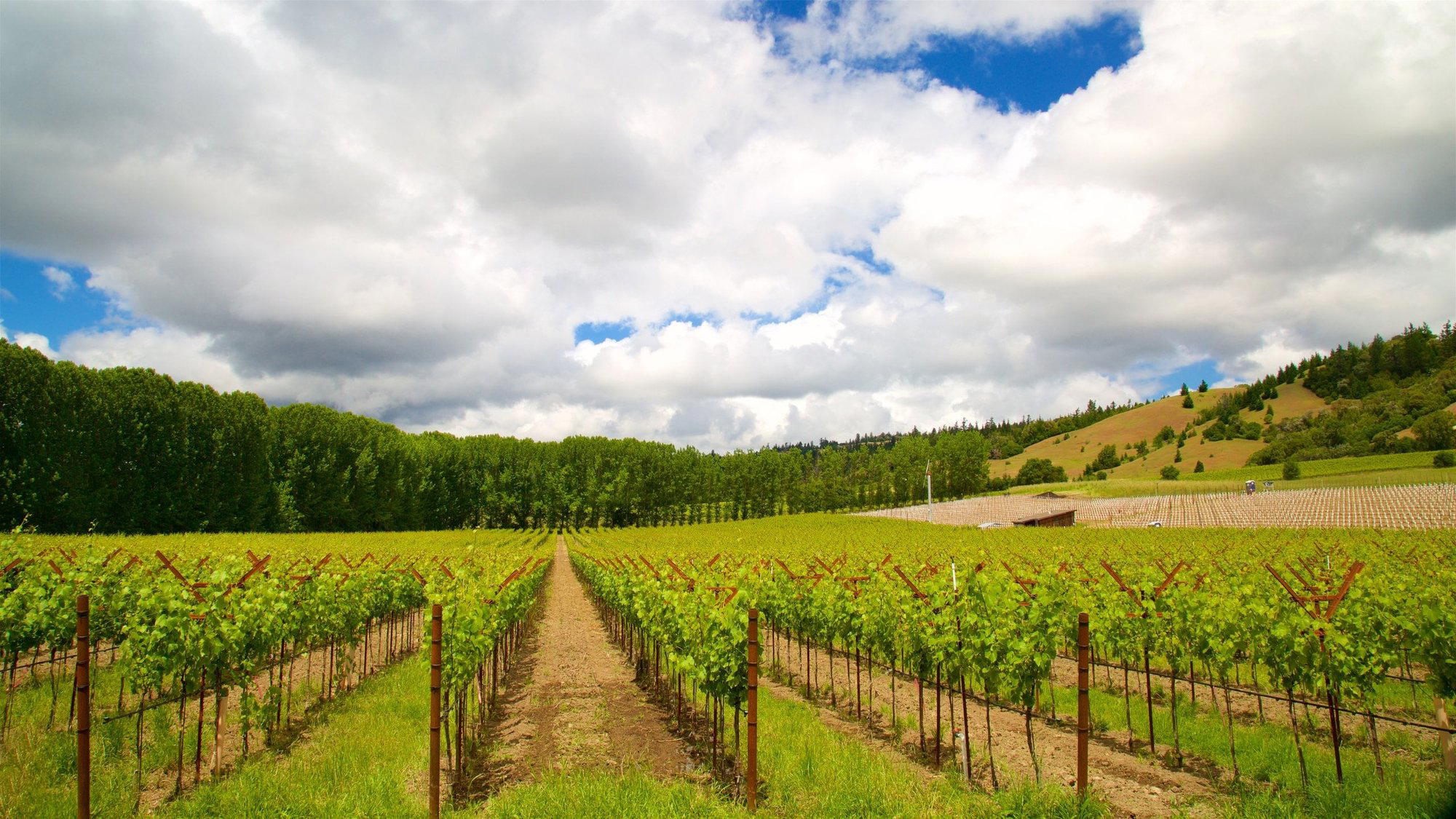
Northern California's wine geography fractures along fault lines that have little to do with fame and a great deal to do with altitude, fog, and the patience of the producers who chose to work there. Mendocino County, and Ukiah specifically, sits in a position that wine insiders have long understood but casual visitors tend to overlook: inland enough to accumulate heat during the growing season, yet surrounded by ridgelines that moderate temperature swings and preserve acidity in ways the warmer Napa floor rarely allows. That climatic argument has attracted a particular kind of producer, one less interested in brand recognition and more focused on what the fruit itself is doing across the growing season.
McBride Sisters Winery operates within that tradition. In a county where independent wineries range from backyard-scale operations to more established appellations, a formal prestige designation separates producers with consistent, verifiable quality from those coasting on regional goodwill. For a winery based in Ukiah, that distinction carries particular weight, because Mendocino has not historically had the critical mass of starred or awarded producers that Sonoma or Napa deploy as shorthand for seriousness.
The broader Ukiah scene rewards this kind of patience. Producers like Chiarito Vineyard and Dunnewood Vineyards have built their reputations quietly in the same geography, while operations like Lost In The Cellar represent a newer generation finding serious footing in the region. Even the distilling side of the local drinks scene, represented by Charbay Distillery and Germain-Robin Distillery, reflects Mendocino's appetite for craft production with real technical depth. McBride Sisters sits in that broader community, carrying Ukiah's independent spirit into a nationally recognized quality conversation.
The Cellar Logic: Aging and What Happens After Harvest
In California wine production, the decisions that define a wine are rarely made at harvest. They happen in the cellar, across months or years, in the accumulation of small choices about oak, time, and what a particular vintage needs to become itself. This is the part of winemaking that receives the least attention from consumers focused on grape varieties and vintage years, but it is where a producer's philosophy becomes legible in the glass.
For a winery earning prestige-level recognition in 2025, the cellar program is the mechanism behind that credential. California's warm-climate Cabernet and Zinfandel traditions have historically favored extended barrel aging, often in American oak with generous extraction, but a quieter movement toward restrained oak influence, shorter barrel contact, and blending decisions built around tension rather than weight has been gaining ground across the state. That shift is visible in how certain Mendocino producers are positioning their wines relative to the Napa cabinet: not as aspirational versions of the same thing, but as a different argument entirely about what California red wine can be.
The comparison is instructive. At the prestige end of California Cabernet, producers like Accendo Cellars in St. Helena and Alpha Omega Winery in Rutherford operate on extraction-forward models built for long aging in significant oak programs. By contrast, Mendocino producers working in cooler corridors tend to produce wines where the cellar's role is preservation and integration rather than transformation. The barrel program is gentler, the aging often shorter, and the blending decisions are made to amplify fruit character rather than build structural weight. Whether McBride Sisters takes that approach specifically is not verifiable from available data, but the regional tradition they are working within favors it.
Across the broader California wine map, this same tension between extraction-forward and site-expressive cellar philosophies plays out at producers as different as Adelaida Vineyards in Paso Robles and Adelsheim Vineyard in Newberg on the Oregon side of the Pacific Northwest conversation. The direction of travel, across nearly all of these regions, is toward more transparency in the cellar, less new oak, more attention to fermentation character, and blending decisions that prioritize balance over power. McBride Sisters, earning its 2025 prestige credential at a moment when that shift is still consolidating, is entering the recognized quality conversation at a meaningful inflection point.
California's wine geography is wide enough that a single prestige credential requires context to mean anything.
For comparison, producers earning similar recognition in more established appellations are navigating a denser competitive field. Alexander Valley Vineyards in Geyserville and Andrew Murray Vineyards in Los Olivos both operate in regions where prestige-level producers are more numerous, and the differentiation required to hold recognition is correspondingly higher. Ukiah and Mendocino County offer a different proposition: lower producer density at the prestige tier means that earning recognition here signals something about a winery's genuine quality rather than its ability to market within an already-established regional brand.
The international frame is worth noting briefly. Prestige-level production in lesser-publicized regions is a pattern visible globally, from producers like Achaia Clauss in Patras on Greece's Peloponnese coast to established houses like Aberlour in Scotland, where craft depth in a quieter region carries its own authority. McBride Sisters participates in that broader story: a producer earning formal recognition in a region that hasn't fully entered the mainstream wine conversation, and doing so on quality grounds.
Planning a Visit to Ukiah's Wine Scene
Ukiah sits approximately two and a half hours north of San Francisco on US-101, making it a viable day trip from the Bay Area or a natural anchor for a longer Mendocino County itinerary. The town functions as the county seat and has a working, un-touristy character that distinguishes it from more polished wine country destinations further south. Given the winery's 2025 prestige recognition, demand for tastings may be higher than the area's lower profile would suggest, so advance contact is the pragmatic approach.
The our full Ukiah restaurants and wine guide covers the broader local scene, including food options and other producers worth pairing with a McBride Sisters visit. The surrounding Mendocino County wine corridor, extending toward Anderson Valley to the west and Redwood Valley to the north, offers enough serious production to fill a weekend of focused tasting without retracing ground. Alban Vineyards in Arroyo Grande offers a useful southern California reference point for visitors building a longer California wine circuit, but Ukiah's own cluster of independent producers justifies the trip on its own terms.
Frequently asked questions
What's the vibe at McBride Sisters Winery?
McBride Sisters Winery sits in Ukiah, the inland core of Mendocino County, where the wine culture runs quieter and more producer-focused than in Napa or Sonoma. Expect the focus to be on the wines themselves rather than resort-style amenities.
What wines is McBride Sisters Winery known for?
Mendocino County's wine identity leans on cool-climate varietals shaped by Pacific fog influence and elevation, which tends to favour structured whites and restrained reds. check the venue's official channels for current lineup details.
What makes McBride Sisters Winery worth visiting?
Ukiah's position in inland Mendocino County gives it a distinct growing environment compared to coastal appellations, which is reflected in the style of wines produced here. For travellers already moving along the US-101 corridor, it represents one of the more credentialled stops in the region.
How far ahead should I plan for McBride Sisters Winery?
Ukiah is roughly two and a half hours north of San Francisco, so building winery visits into a planned overnight itinerary is a practical approach.
Is McBride Sisters Winery connected to the broader McBride Sisters wine brand?
The McBride Sisters name is associated with a Black women-founded wine company that has drawn national attention for its market presence across multiple California appellations. For specifics on how the Ukiah winery relates to the wider label portfolio, confirm directly with the producer.
Any tips before I go to McBride Sisters Winery?
Ukiah lacks the dense tasting-room infrastructure of Healdsburg or Yountville, so arriving with confirmed plans rather than browsing on arrival makes sense.
Request a visit to McBride Sisters Winery
Tell us when you would like to go and how many people, and we put the request to the estate and reply to you by email.
Continue exploring
More in Ukiah


Details
- Quiet
- Sophisticated
- Intimate
- Solo Exploration
- Wine Education
- Red Blend
- Still Red
- Tasting Room
Quiet, deliberate, and quality-focused, with a measured, terroir-driven atmosphere rather than a flashy tasting-room vibe.