
Mauro Molino belongs to the La Morra side of Barolo: family-run, Nebbiolo-led, and grounded in named vineyard work rather than cellar theatrics. The estate’s range moves from cru Barolo, including Conca, Gancia and Gallinotto, into Barbera, Dolcetto, Arneis and Langhe Nebbiolo, giving visitors a compact lesson in how Piedmont changes by hill, soil and grape.

Pearl is the En Primeur Club membership app — saves, bookings, and concierge access live there. Same editors, same standards.

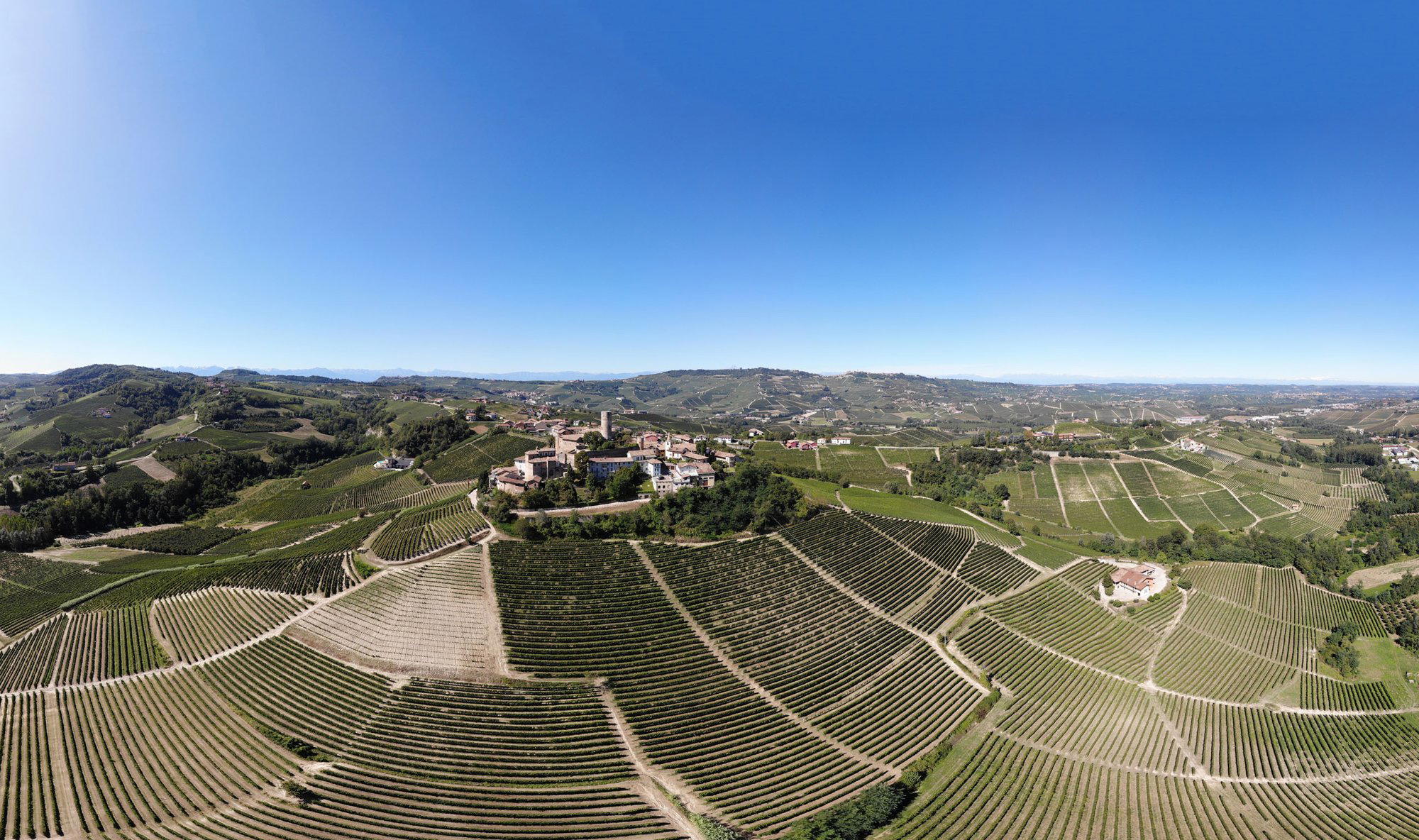
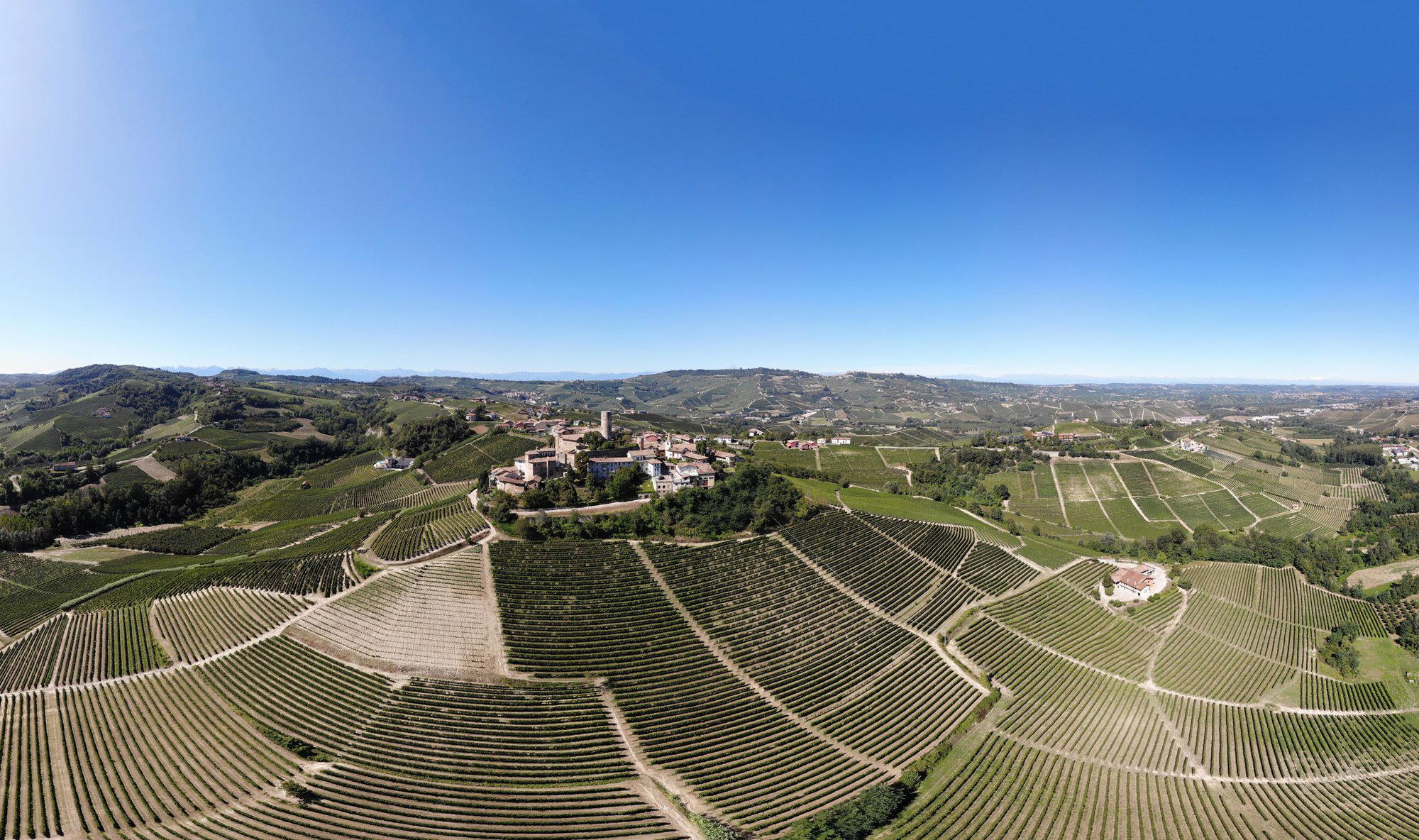
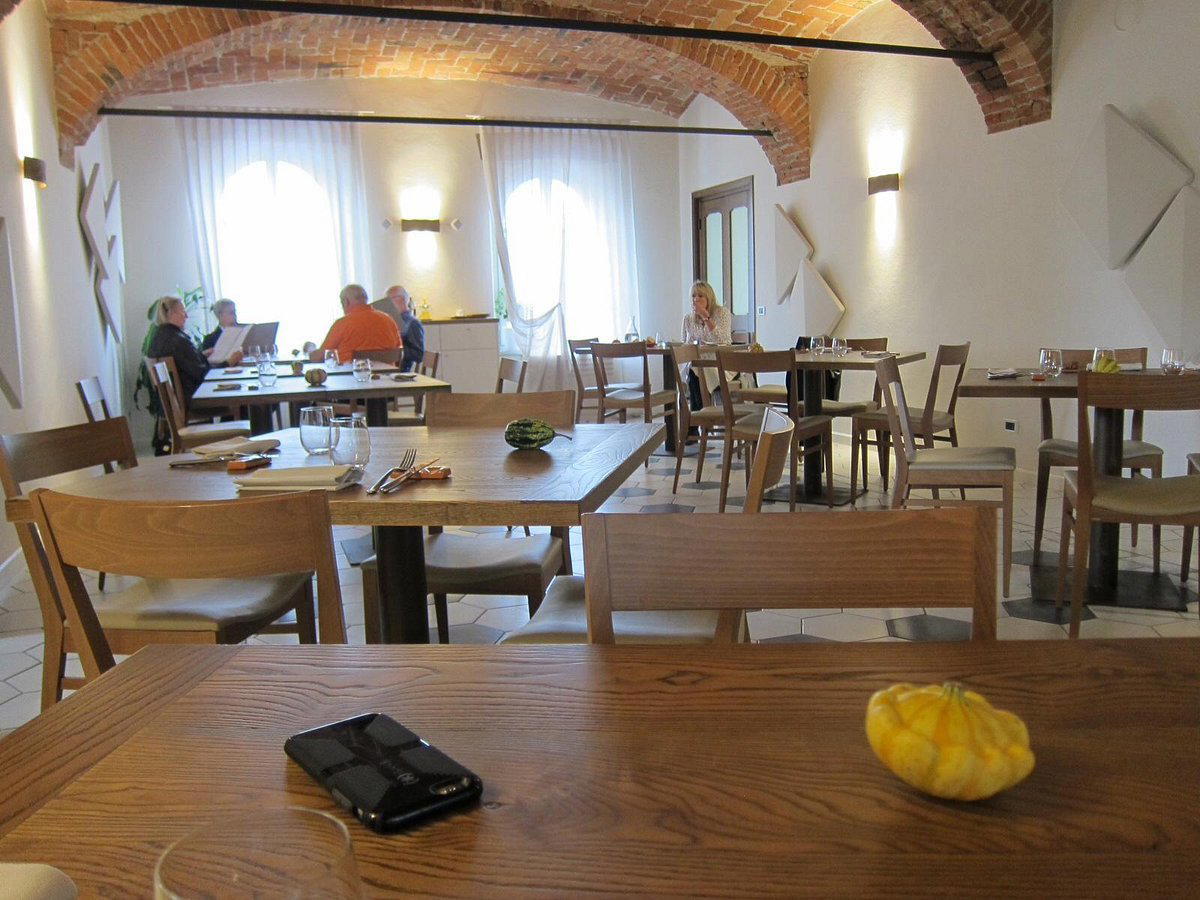
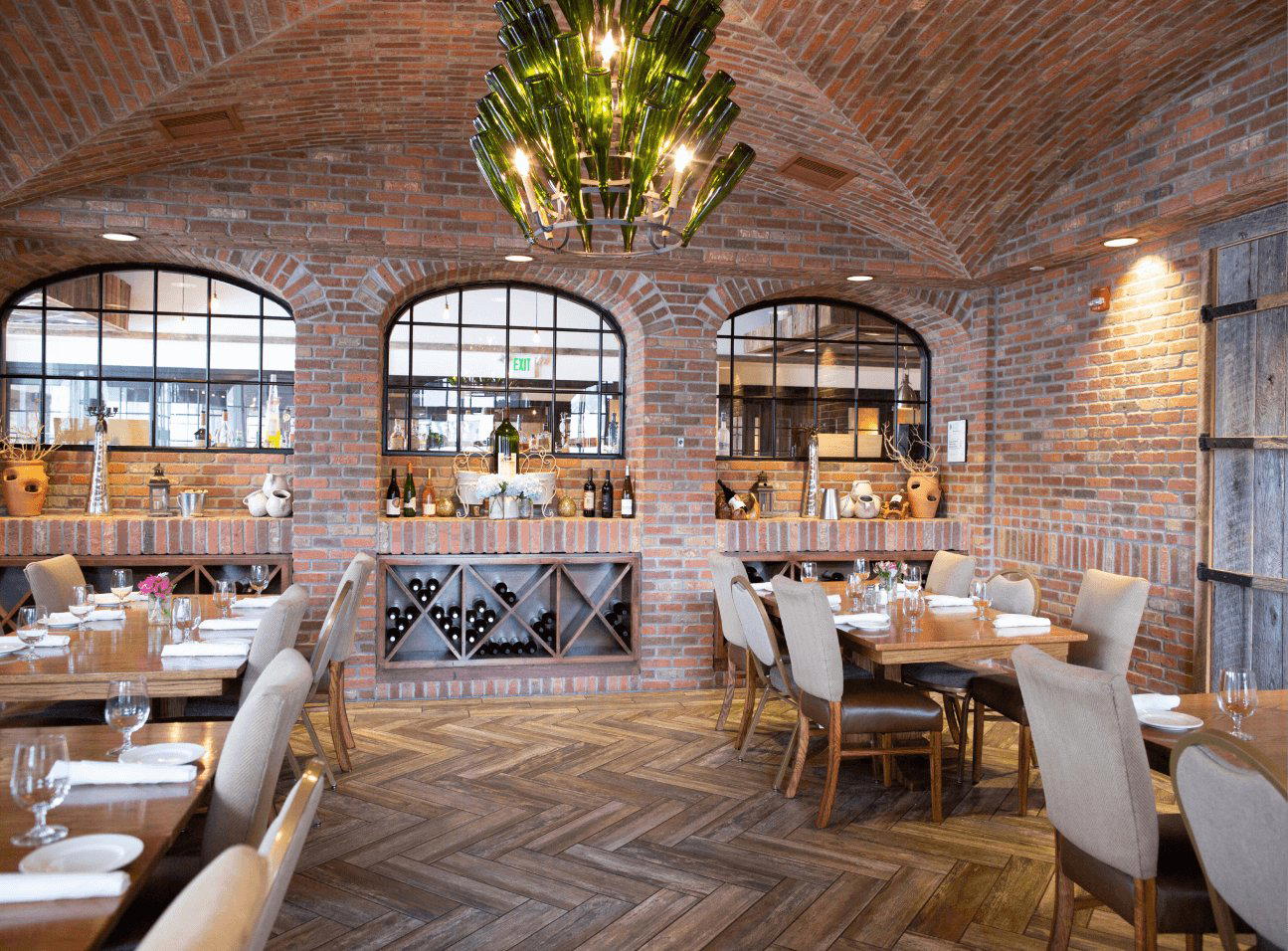
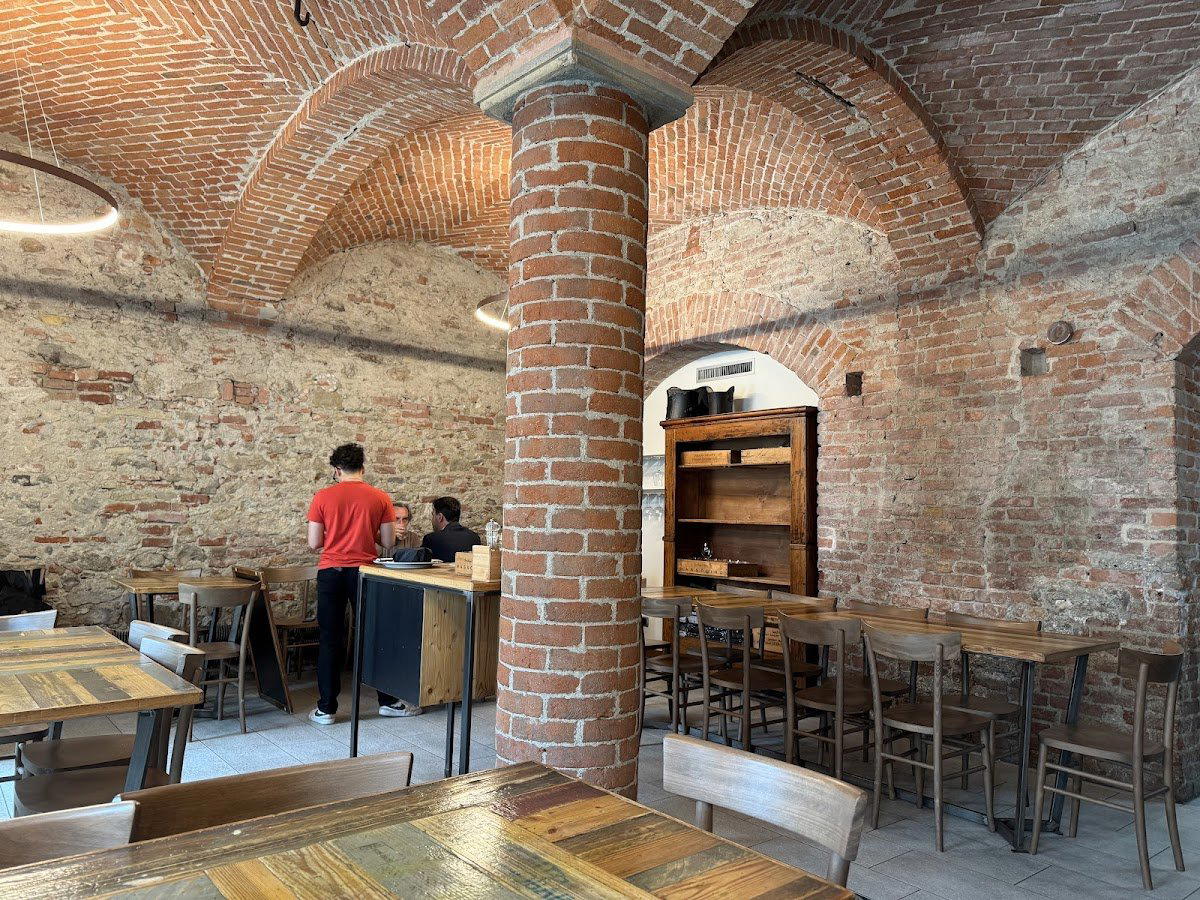
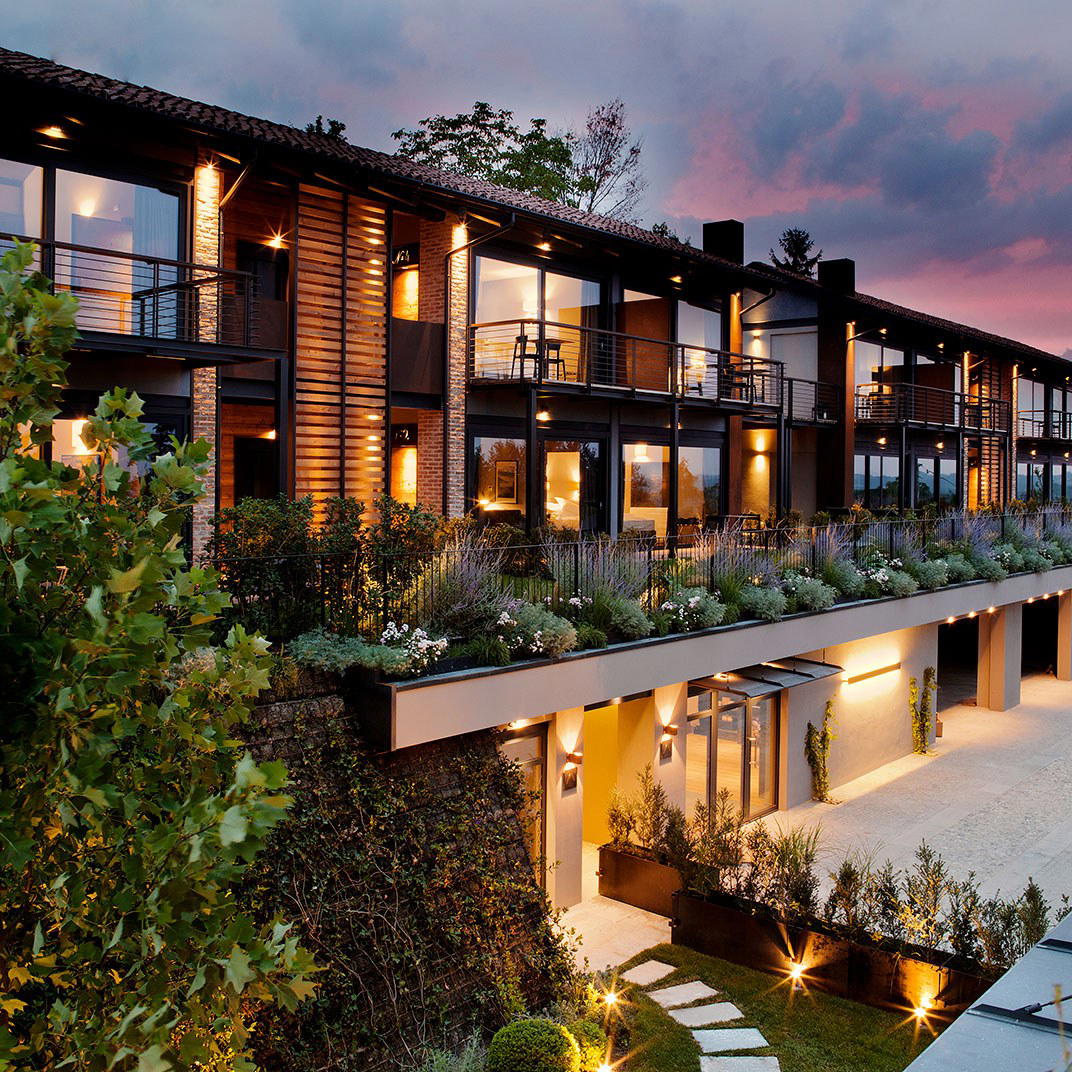
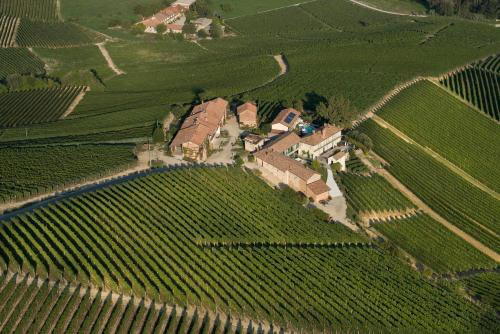
Annunziata has the quieter rhythm of La Morra wine country: vineyard rows, farm buildings, and the sense that Barolo is read parcel by parcel rather than announced with grandeur. Mauro Molino fits that register. The atmosphere is traditional and family-run, but not frozen in nostalgia. This Piedmont estate places cru Barolo, regional reds and sustainable vineyard practice inside one argument: land is not backdrop, but working material.
La Morra matters in Barolo because the village often gives Nebbiolo a different shape from the firmer, more tannic reputation attached to parts of the appellation. Mauro Molino’s identity is tied to that reading of place, especially through holdings and bottlings associated with Conca, Gancia and Gallinotto. The estate began its modern Barolo chapter with Mauro Molino’s first Barolo in 1982, after decades of family history in the area. That date is less biography than a marker of a wider Langhe pattern: small family estates moving from inherited mixed farming toward site-specific bottlings with export relevance.
La Morra terroir, read through cru Barolo and regional Piedmont reds
The strongest reason to pay attention here is the estate’s Piedmont map. Barolo DOCG sits at the center, but the portfolio does not treat prestige as beginning and ending with one appellation. Nebbiolo for Barolo remains the serious spine, while Barbera, Dolcetto, Arneis, Chardonnay, Merlot and Cabernet Sauvignon fill out a broader regional picture. The range gives context: Barolo is the high-definition lens, but the surrounding wines show how the family interprets clay, sand, exposure and village identity across the Langhe, Roero and Monferrato.
Conca is the emotional and historical anchor, linked to the small parcel from which Mauro made his first Barolo. Gancia and Gallinotto widen the La Morra story, with Gallinotto especially interesting as a recovered cru in the Berri area. In collector language, these names are not decorative. They signal the modern Barolo economy of single-site meaning, where vineyard identity, MGA awareness and family stewardship help define value as much as cellar technique.
The estate’s work outside Barolo is just as revealing. Barbera d’Alba draws on Annunziata and Guarene, while Barbera d’Asti “Leradici” connects the family line to Costigliole d’Asti. Langhe Nebbiolo from Guarene gives a more open expression of the grape, shaped by sandy soils rather than full Barolo structure. Dolcetto from Dogliani keeps another Piedmont tradition in view. The portfolio is not random; it is a practical regional grammar, moving from village prestige to everyday drinking without losing place.
Steel, large cask and sustainability without performance
The cellar points toward clarity rather than heavy-handed styling. Dolcetto, Barbera d’Alba and several other wines see stainless steel for freshness and direct varietal expression. Langhe Nebbiolo spends time in large, mostly neutral French oak casks, while Barbera d’Asti “Leradici” ages in a large 52-hectoliter French oak cask after stainless-steel fermentation. The choices are not radical, but telling. Small new-oak drama is not the point; the wines are built to keep grape and site legible.
That approach aligns with the vineyard work. The estate is associated with sustainable practice, including pheromone use, manure fertilization and grass between rows. These are concrete agronomic choices, not a lifestyle slogan. In Barolo, where climate pressure and land prices raise the stakes of every vineyard decision, this farming reads as environmental and commercial discipline. Soil health, pest management and exposure are not abstractions when the product depends on how Nebbiolo behaves in a specific year.
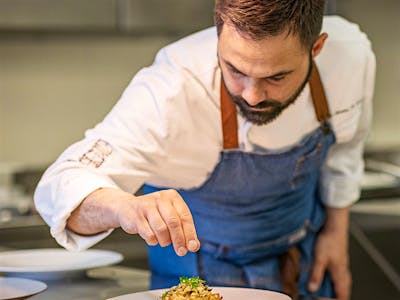
The winery’s training as an oenologist and agronomist gives the estate a technical foundation, but the key point is how that expertise has been applied. The family has expanded across sites without becoming a faceless regional label. Matteo and Martina Molino, who joined the business in the 2000s, represent the generational handoff familiar across the Langhe: inherited vineyard culture paired with sharper communication, cleaner hospitality and a more international understanding of how Barolo is bought and discussed.
How to place it in a La Morra wine itinerary
Within La Morra, the winery is strongest for travelers who want tasting framed by vineyard identity rather than spectacle. The visit format is guided and educational, with English and Italian both part of hospitality, and the tone is quiet, rustic and polished enough for serious wine drinkers without becoming formal. It suits solo exploration, small groups and anyone trying to understand why La Morra’s cru names matter in the wider Barolo conversation.
The estate also bridges serious Barolo study and a broader Piedmont cellar. Visitors focused only on cru Nebbiolo will find the necessary markers in Conca, Gancia and Gallinotto. Travelers building regional context get more: Barbera from Alba and Asti zones, Dogliani-linked Dolcetto, Langhe Nebbiolo, and a family red blend, Dimartina, that includes Barbera, Merlot, Cabernet and Nebbiolo. That breadth makes the tasting more instructive than a narrow prestige flight.
For a wider La Morra itinerary, place it alongside nearby winery research rather than treating any single stop as the whole lesson. EP Club’s La Morra wine coverage includes Agostino Bosco, Agricola Gian Piero Marrone, Alberto Voerzio, Aurelio Settimo and Azienda Agricola Alessandria Crissante. For trip structure beyond cellars, use our full La Morra wineries guide, then cross-check dining, lodging and after-hours options through our full La Morra restaurants guide, our full La Morra hotels guide, our full La Morra bars guide and our full La Morra experiences guide.
Travelers extending the cellar theme beyond Piedmont can also track how regional identity shifts elsewhere in Europe, from 3GP SRL in Treviso and 47 Anno Domini in Trebaseleghe to A Mano Wine in Noci, »der Steiner« Hans Steiner in Podersdorf am See and & Handwein in Mannheim. The winery’s lesson remains specifically Langhe: the more closely the tasting follows the hills, the more persuasive the wines become.
Recognition history
Dated appearances from independent guides and award organizations, with the underlying list record or original source where available.
Falstaff Winery - Listed
Falstaff
Continue exploring
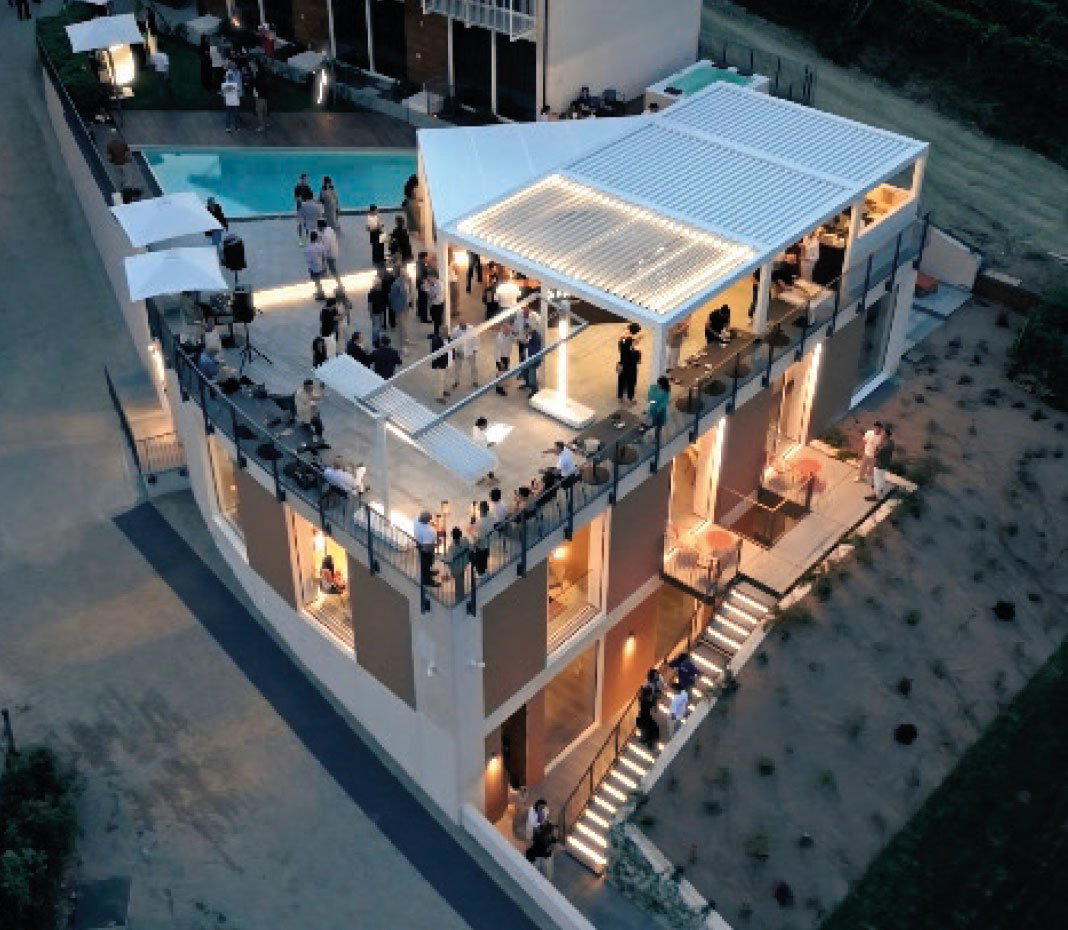
More in La Morra
Wineries in La Morra
Browse all →
Bars in La Morra
Browse all →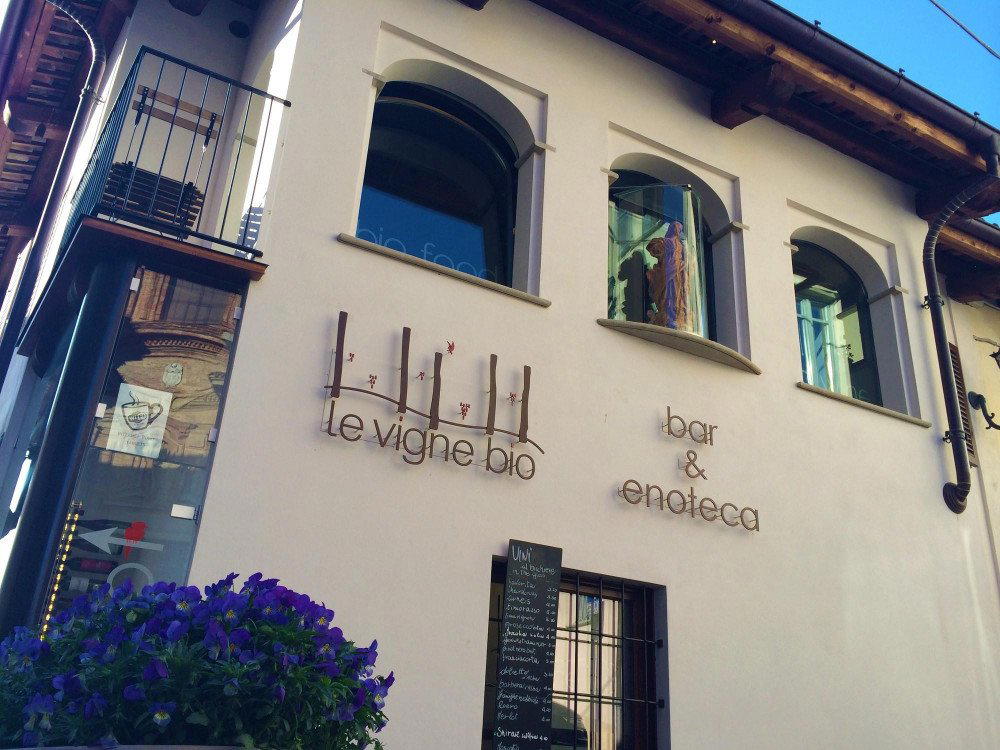
Restaurants in La Morra
Browse all →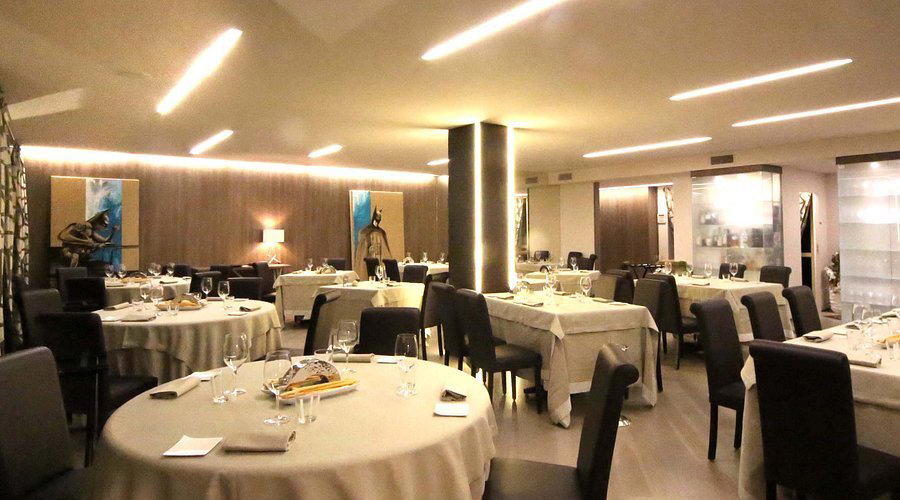
At a Glance
- Classic
- Quiet
- Rustic
- Sophisticated
- Wine Education
- Special Occasion
- Solo Exploration
- Group Outing
- Private Tasting
- Historic Building
- Vineyard Tour
- Sustainable
- Vineyard
- Barolo DOCG
- Nebbiolo
- Barbera
- Dolcetto
- Arneis
- Chardonnay
- Merlot
- Cabernet Sauvignon
- Still Red
- Still White
- Classic Tasting
- Guided Tasting
Traditional family winery atmosphere with a dynamic, quality-focused outlook and a strong sense of terroir and heritage.