Les Héritiers du Comtes Lafon

Les Héritiers du Comtes Lafon belongs to the wine-first side of Burgundy travel: a biodynamic Chardonnay estate in Milly-Lamartine, tied to limestone and clay-limestone slopes rather than polished visitor theatre. Its interest lies in Mâcon-Milly-Lamartine AOC identity, single-site white Burgundy, and the Lafon family’s decision to treat the southern Mâconnais with serious domaine discipline.
Pearl is the En Primeur Club membership app — saves, bookings, and concierge access live there. Same editors, same standards.
- Address
- Milly Lamartine, Bourgogne-Franche-Comté, Frankreich
- Directions
- Get directions
 Saves & bookings on Pearl
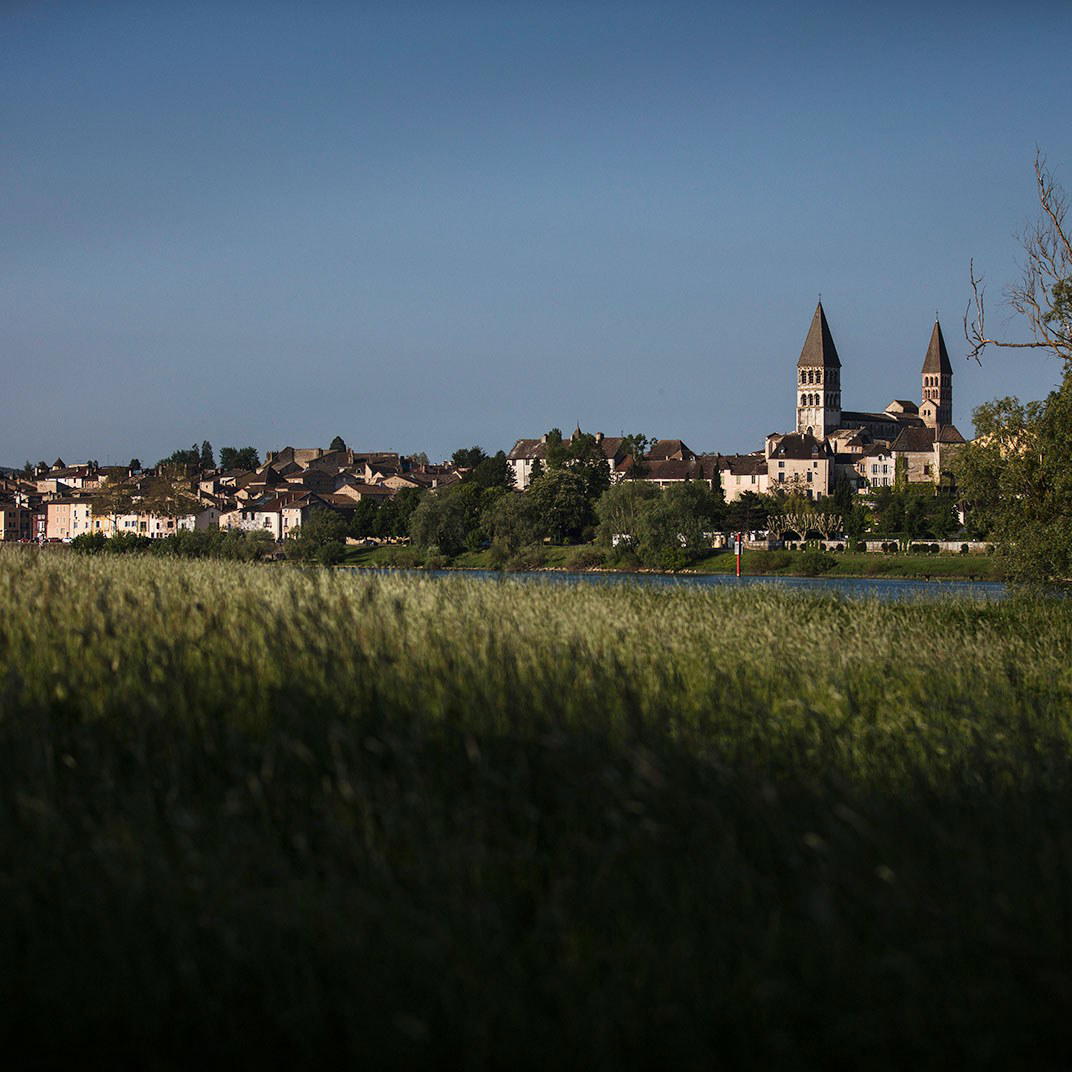
Above Milly Lamartine, Les Héritiers du Comtes Lafon is best understood as a working biodynamic wine estate rather than a polished visitor-center experience. The identity is focused and rural: a production-oriented domaine in the hills above Milly Lamartine, centered on precise, terroir-driven Chardonnay. That makes the place easier to understand when approached through its essential elements rather than through the language of destination hospitality.
That limited but useful frame is enough to set expectations. This is not a page to inflate with hospitality details, invented tasting formats or unsupported production statistics. The grounded picture is simpler: Les Héritiers du Comtes Lafon is a biodynamic estate where the wine story is tied to place, farming and Chardonnay rather than to a formal tourism setup. The restraint is part of the accuracy: the domaine can be described confidently as wine-led, rural and site-conscious without stretching beyond what is known.
Terroir-driven Chardonnay in the hills above Milly Lamartine
A reliable way to read Les Héritiers du Comtes Lafon is through its stated focus on precise, terroir-driven Chardonnay. Without parcel, altitude or appellation specifics, the editorial emphasis should stay broad: the domaine belongs to the hills above Milly Lamartine and presents Chardonnay through a site-conscious, biodynamic lens. In that sense, Chardonnay is not treated here as a generic category, but as the central thread through which the estate’s identity is communicated.
That restraint matters. Wine writing can quickly become over-specific, but unsupported details about cuvées, vineyard names, production size or cellar decisions should not be treated as fact here. What is is the estate’s production-oriented character and its focus on Chardonnay with a strong sense of place. The phrase “terroir-driven” should be read carefully: it points to a wine identity rooted in site and farming, not to a license for adding technical detail.
Biodynamics belongs in the assessment because it is part of the identity of the venue. Here it should be understood as a farming and production signal, not as lifestyle decoration or a guarantee of a particular visitor experience. The useful takeaway is that winery presents itself around biodynamic work and terroir-driven Chardonnay in a rural Milly Lamartine setting. That combination gives the estate a clear editorial shape even when the available visitor-facing information remains deliberately limited.
A working domaine, not a polished wine-tourism set
The experience should be framed as rural and production-oriented. Some wine destinations build their appeal around hospitality design, lounges or a highly managed visitor circuit. The winery is better described, on information, as a working biodynamic estate where the emphasis remains on the wine and the place rather than on a formal visitor-center model. That distinction keeps the description close to the domaine’s apparent character: practical, agricultural and centered on production.
That distinction is useful for planning. Visitors should not assume a restaurant-style service format, a full tasting-room program, food pairings, group entertainment or other hospitality features unless they confirm them directly with the estate. The grounded description supports a quieter expectation: hills above Milly Lamartine, Chardonnay, biodynamic farming and a rural production atmosphere. In practical terms, the appeal is less about curated spectacle and more about the presence of an estate whose meaning comes from vineyard, cellar and place.
The practical reading is therefore careful and limited. Treat it as a wine-estate entry whose value lies in its domaine identity, not as a conventional leisure venue with a long list of confirmed facilities. That approach is fairer to readers and fairer to the estate, because it avoids turning a working domaine into something it has not been shown to be.
Where this Chardonnay-focused estate fits into a wider plan
For readers building a wine-focused itinerary, the useful comparison is not to invent a list of named peers, but to understand the format honestly. The winery is grounded here as a biodynamic Chardonnay estate in Milly Lamartine, with a rural, working feel. Other dining or travel options in Milly Lamartine can be considered separately, but they should not be used to imply services at the domaine. Keeping those categories separate helps preserve the distinction between a wine estate and the broader travel experience around it.
Within that narrow frame, the estate’s appeal is clear. It is for people interested in Chardonnay, biodynamic production and a less polished, less touristic expression of wine country. It is especially suited, as an editorial subject, to readers who value the relationship between grape, farming method and setting more than a checklist of amenities.
The editorial case for the winery is therefore specific and restrained. Go for a Milly Lamartine biodynamic wine-estate context, for terroir-driven Chardonnay, and for a rural production atmosphere where the vineyard and domaine identity remain the main event. The strongest description is not the longest or most embellished one, but the one that keeps the estate’s focus intact.
Recognition history
Dated appearances from independent guides and award organizations, with the underlying list record or original source where available.
Falstaff Winery - Listed
Falstaff
Continue exploring
More in Milly Lamartine
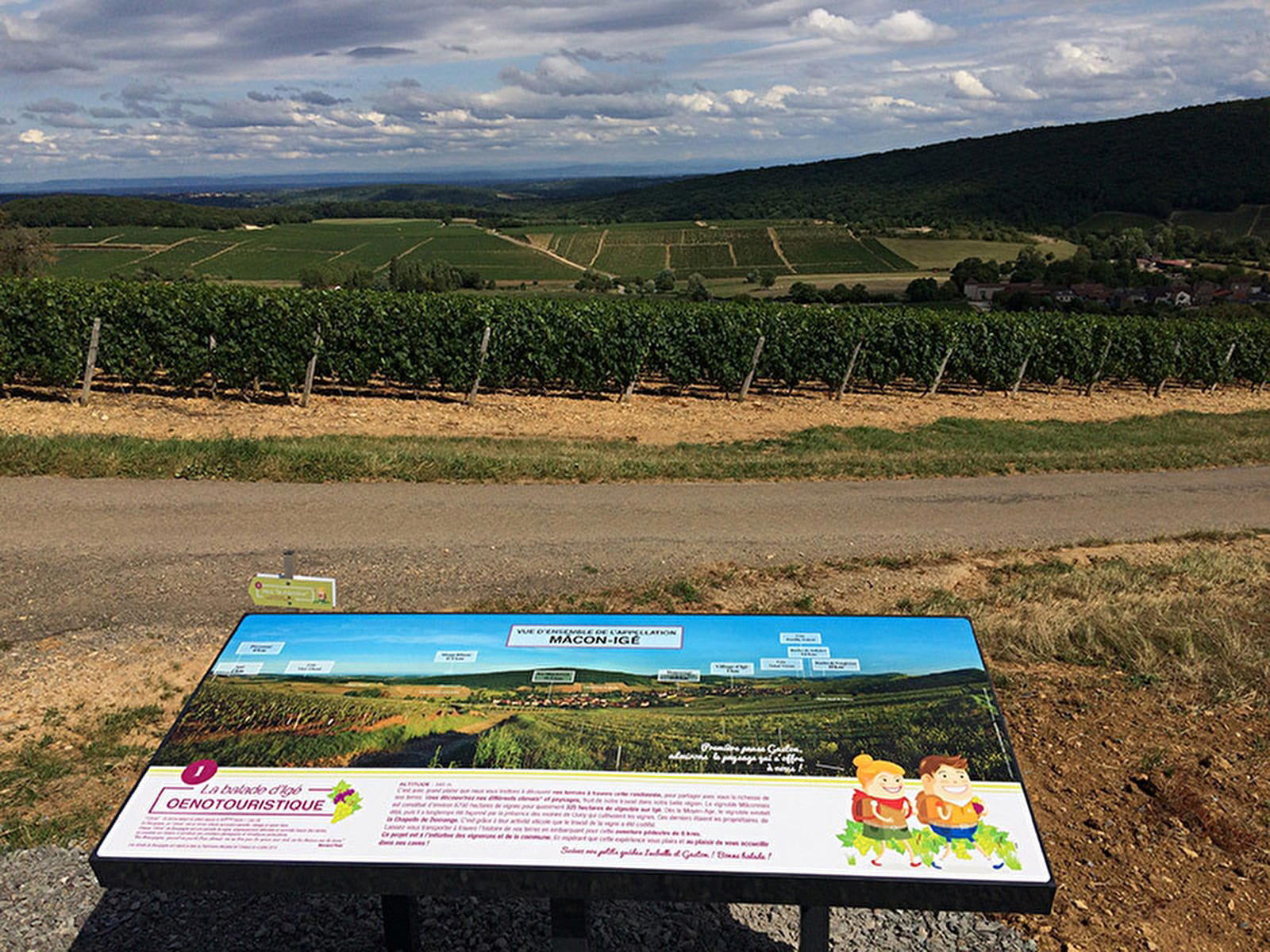
Wineries in Milly Lamartine
Browse all →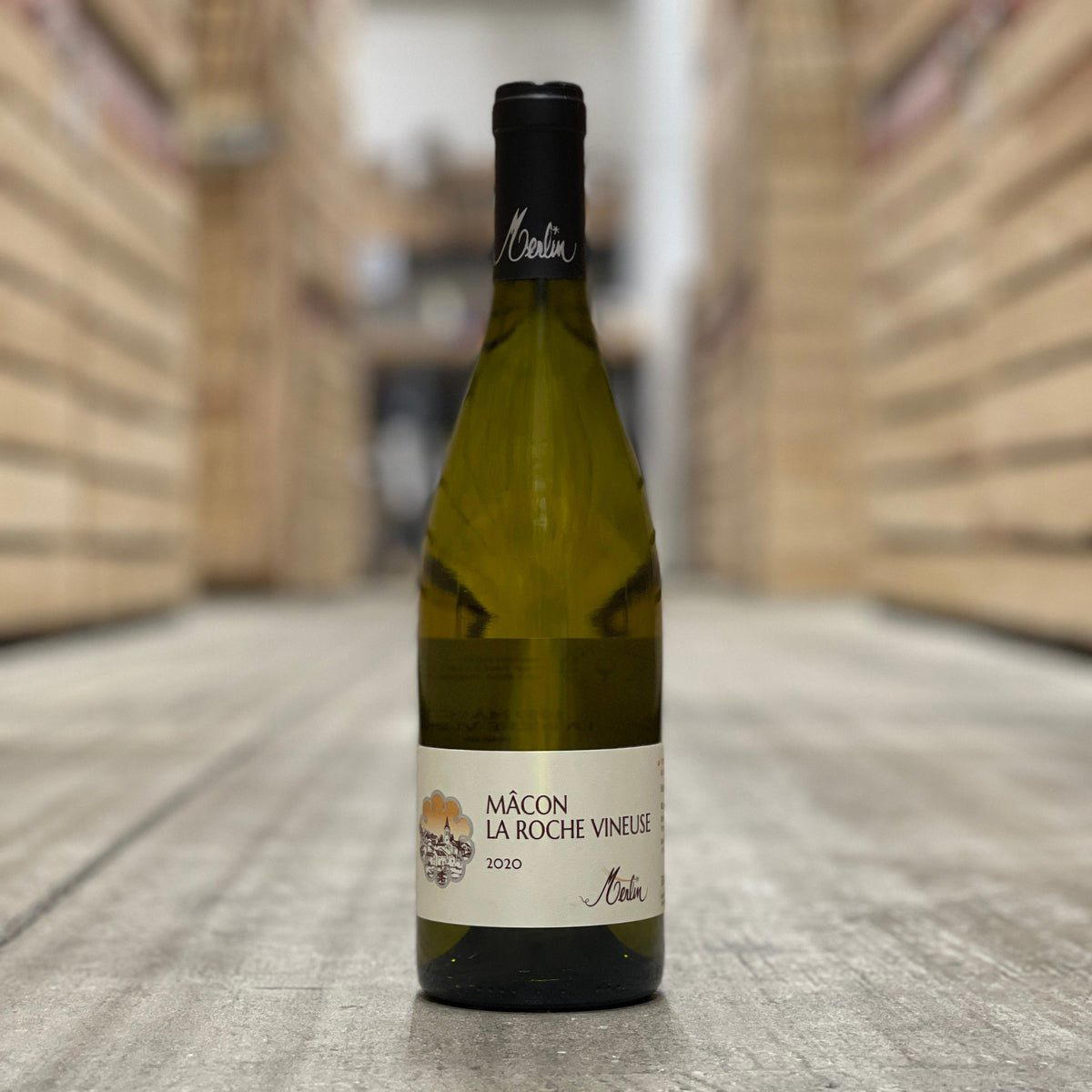
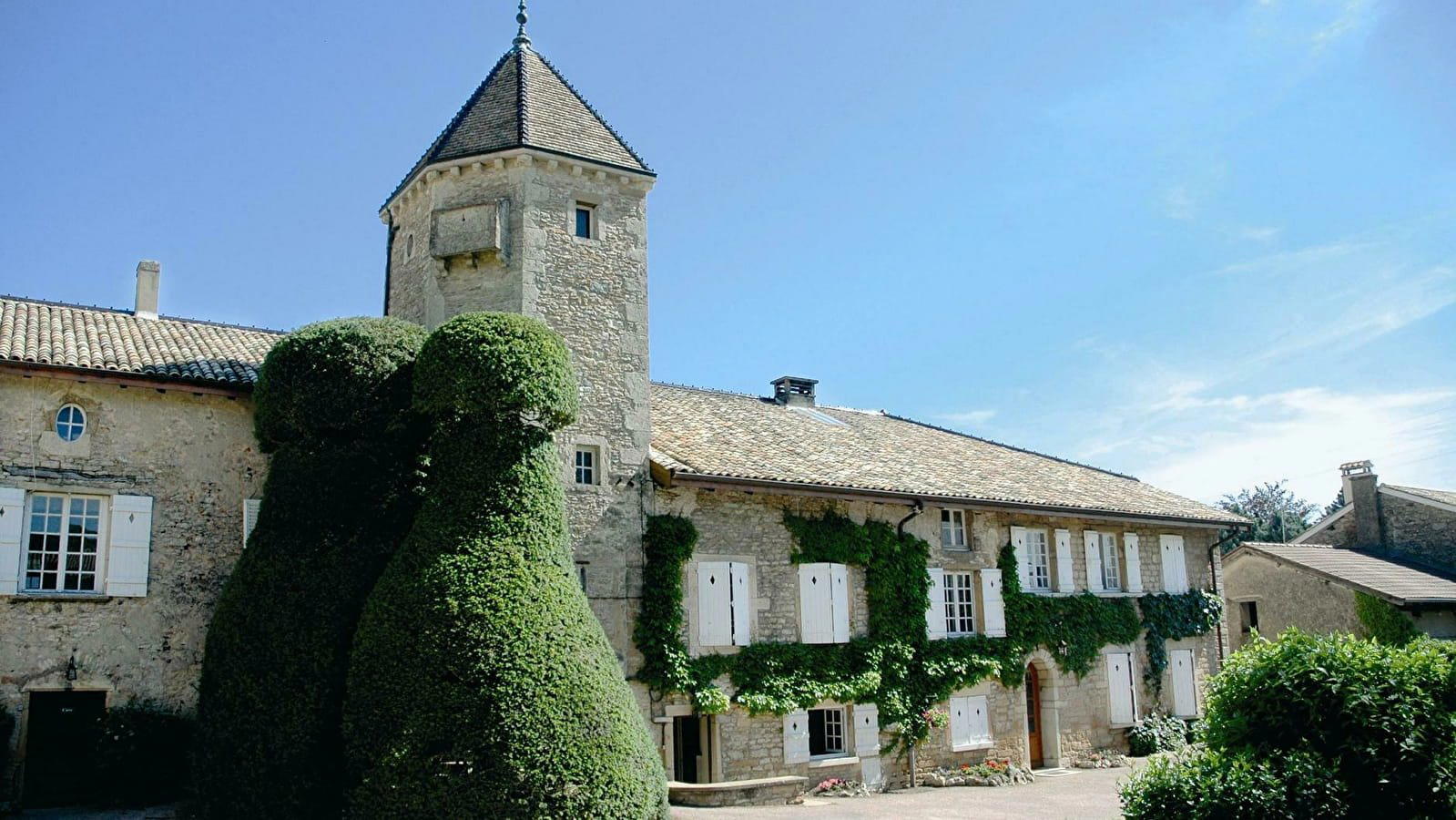
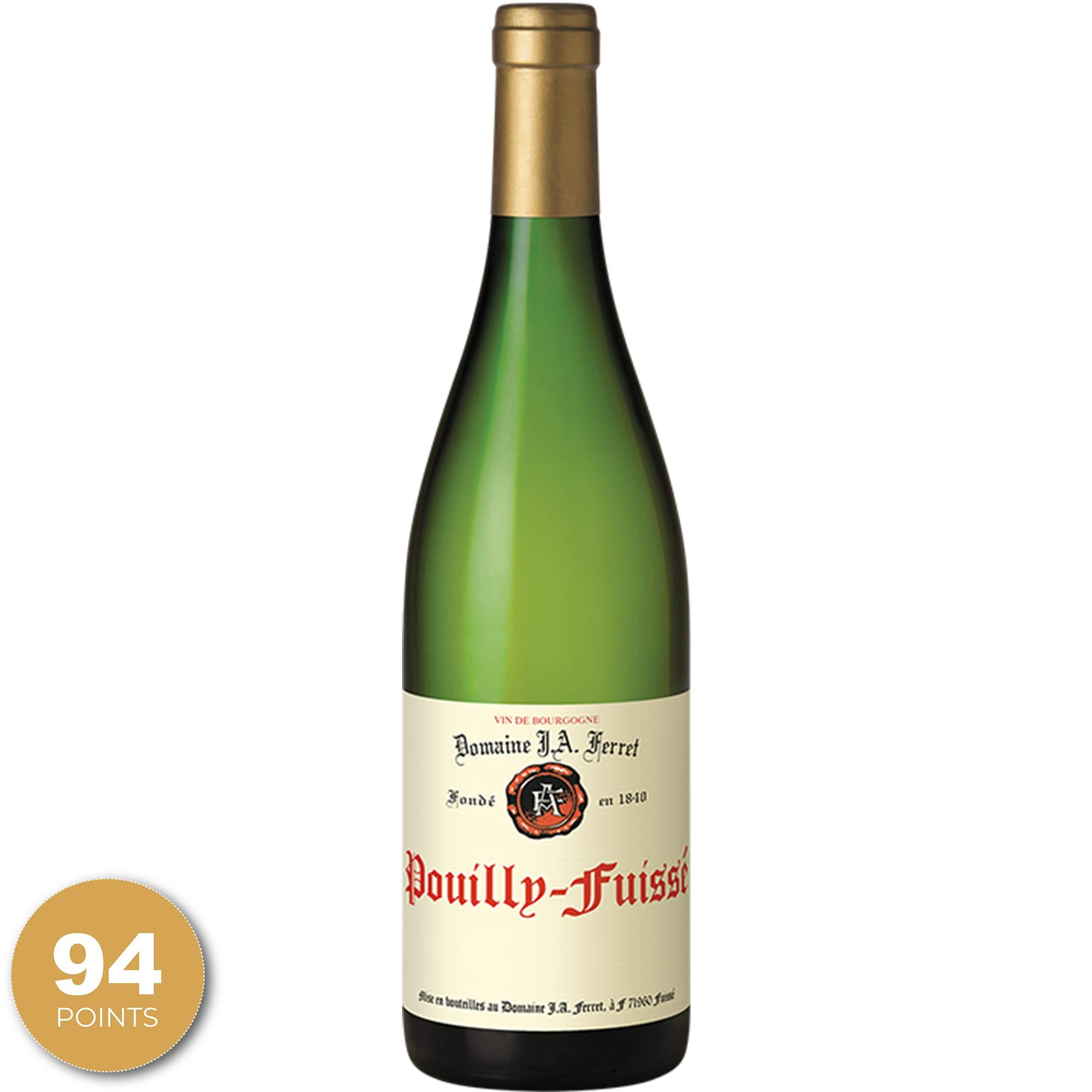
Restaurants in Milly Lamartine
Browse all →
At a Glance
- Scenic
- Rustic
- Quiet
- Solo Exploration
- Wine Education
- Organic
- Biodynamic
- Sustainable
- Vineyard
- Mountain
- Mâcon Milly Lamartine AOC
- Chardonnay
- Still White
Working biodynamic wine estate in the hills above Milly-Lamartine, focused on precise, terroir-driven Chardonnay rather than a formal visitor center experience; the feel is rural and production-oriented rather than polished or touristic.