La Cappuccina

La Cappuccina reads Soave through basalt, Garganega and long organic practice rather than cellar theatrics. The Tessari family estate in Monteforte d’Alpone works across still whites, frizzante, Recioto and a red blend, with a chapel dating to 1725 and certified organic viticulture since 1991 giving the visit a distinctly agricultural frame.
Pearl is the En Primeur Club membership app — saves, bookings, and concierge access live there. Same editors, same standards.
- Address
- Monteforte d'Alpone, Veneto, Italien
- Directions
- Get directions
 Saves & bookings on Pearl
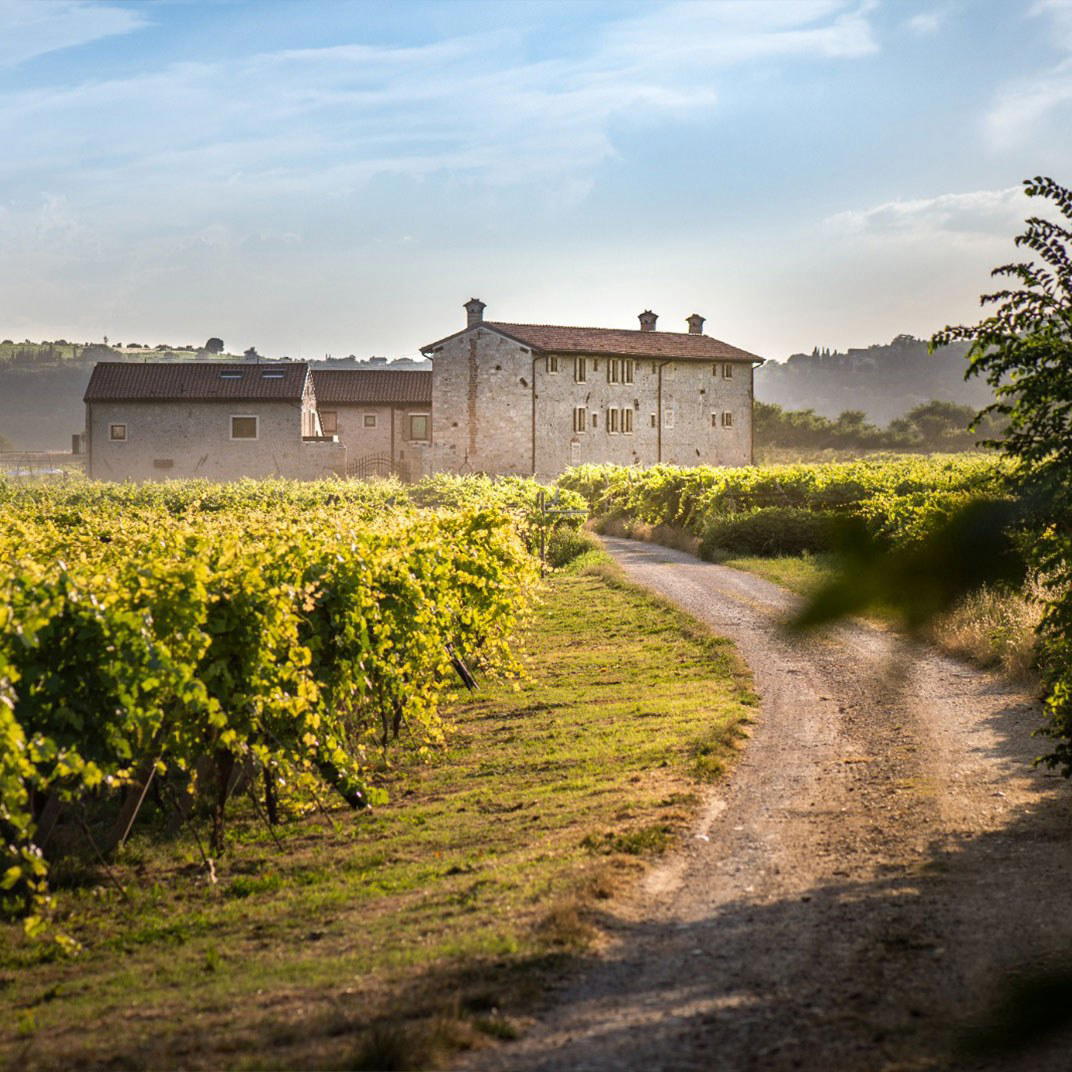
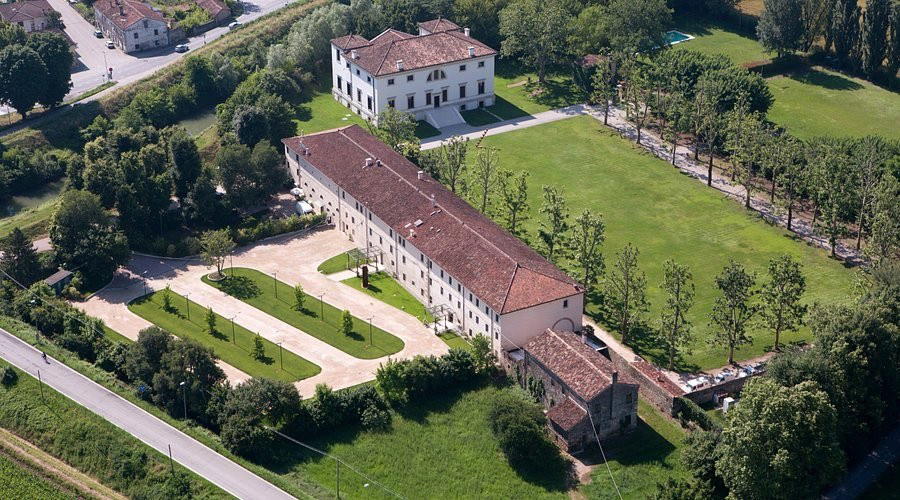
Approaching La Cappuccina means entering a quieter register of the Soave hills: basaltic vineyards, a historic family estate, and a consecrated 18th-century chapel anchoring the property’s sense of time. Monteforte d'Alpone is not just a backdrop here; it is central to the estate’s rural character, shaping how the place is read before any practical detail is considered. The mood is rustic, scenic and intimate rather than polished or urban, with the surrounding countryside doing much of the work that a more formal venue might leave to presentation.
La Cappuccina is best understood as a tranquil farm estate focused on organic, sustainable winegrowing. The picture is intentionally simple: a family property in the hills, shaped by vineyards, historic architecture and a classic countryside atmosphere. Rather than relying on claims about specific bottles, programs or services, the estate’s appeal rests on place, farming and setting. That restraint is part of its usefulness for travelers: it offers a clear sense of where they are, without needing the experience to be framed as something more elaborate than a quiet wine-country estate.
Basaltic vineyards and a classic rural setting
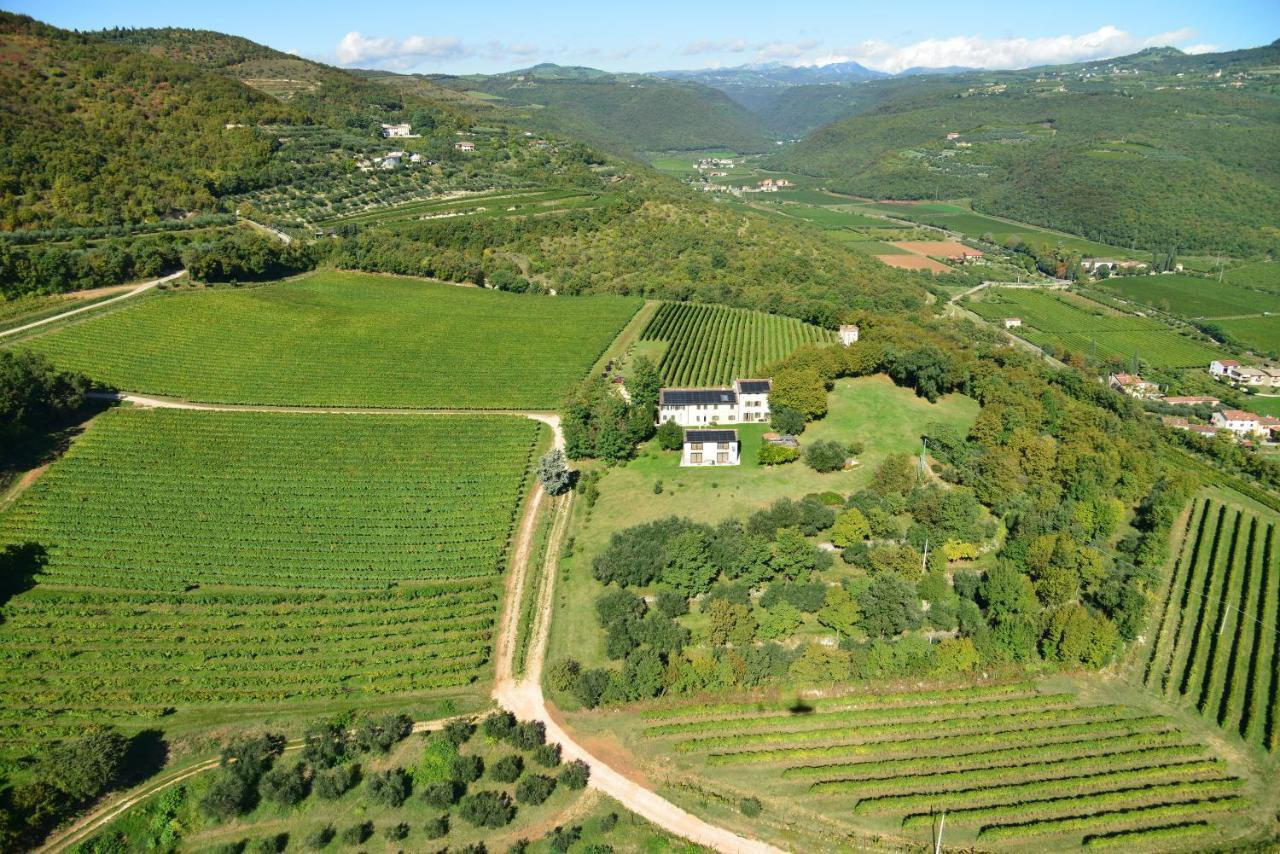
The strongest grounded detail at La Cappuccina is its landscape. The estate is set among basaltic vineyards in the Soave hills, giving the property a scenic, agricultural identity. Its character is quiet and hidden-gem-like, with a rural farm atmosphere that suits visitors looking for a more contemplative sense of Monteforte d'Alpone. In this context, the vineyards are not just scenery; they are the organizing feature of the visit, the element that connects the property to the slopes, soils and visual rhythm of the surrounding hills.
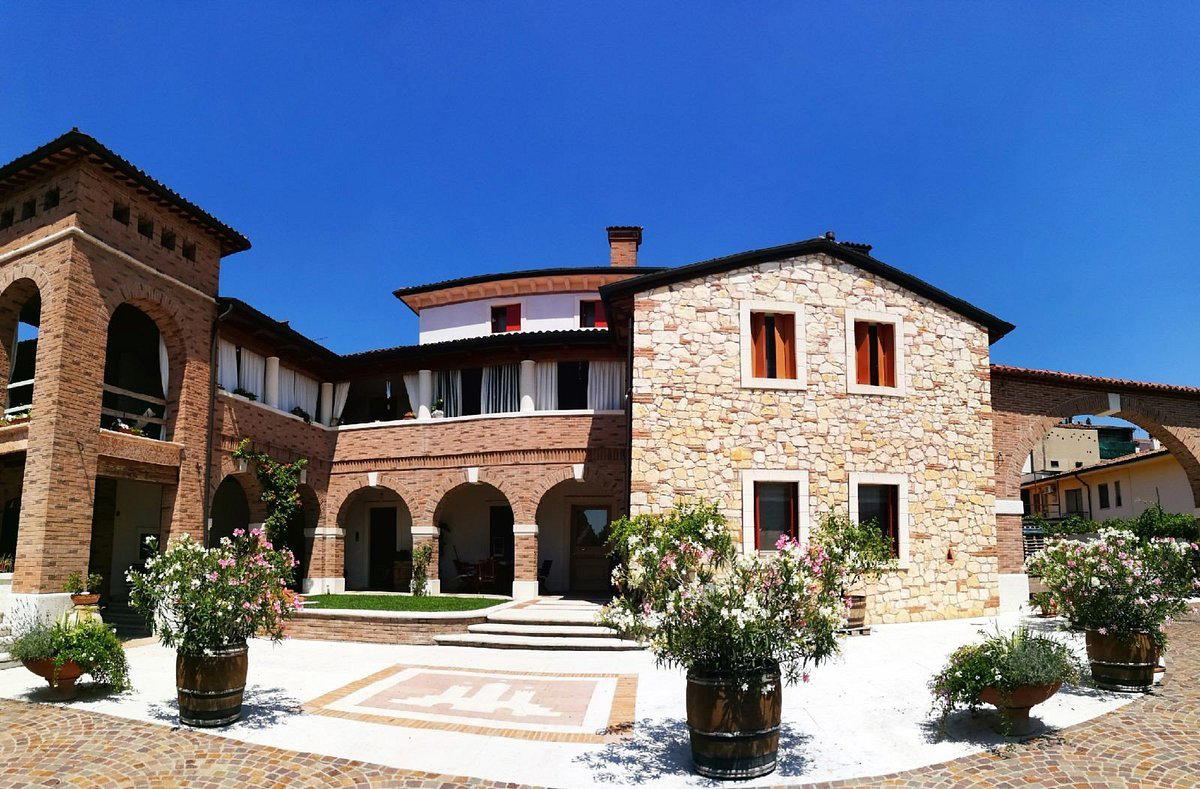
The consecrated 18th-century chapel adds a historic dimension to the estate. It gives the property a sense of continuity without needing to overstate the public record with dates, names or production details. The impression is of an old family estate where architecture, vineyard land and countryside calm work together. The chapel also helps explain why the setting feels anchored rather than merely picturesque: it introduces a note of permanence and quiet ceremony into an otherwise agricultural landscape.
Specific claims about grapes, cuvées, production methods, visit formats or reservation rules should be checked directly with the estate before planning around them. That caution matters because the strongest available picture of the winery is atmospheric and place-based, not a detailed operational guide.
Organic farming as a long-term Soave-hills position
The winery’s identity includes organic, sustainable winegrowing. That matters because the estate is presented less as a high-gloss hospitality address and more as a working rural property. The emphasis is on land, farming and the quiet character of the Soave hills. Organic focus, in this reading, is not treated as a marketing flourish but as part of the estate’s broader posture: measured, agricultural and closely tied to its environment.
The farm atmosphere is part of the draw. Basaltic vineyards, historic estate features and the chapel create a setting that feels classic and intimate. For travelers comparing different types of countryside venues in Monteforte d'Alpone, the winery is distinctive for its combination of rural calm, organic focus and scenic vineyard surroundings. It is the kind of place whose appeal depends less on spectacle than on the cumulative effect of hillside setting, family-estate character and the feeling of being slightly removed from busier circuits.
What should not be assumed is equally important. Anyone planning a visit should confirm practical details directly before going. That includes treating the estate’s atmosphere as the reliable starting point, while leaving specifics about access, structure and availability to current information from the property itself.
How to read the visit in Monteforte d'Alpone
The winery suits readers looking for a quiet estate atmosphere in Monteforte d'Alpone rather than a busy social venue. The confirmed character is rustic, scenic, classic and intimate, with a hidden-gem quality rooted in its rural farm setting. It is best approached as a place to understand through its landscape and restraint: basaltic vineyard scenery, an old-estate mood and the presence of the chapel create a slower, more reflective frame.
Within Monteforte d'Alpone, the useful comparison is not a detailed venue ranking but a broader understanding of local countryside and wine-estate settings. Other dining or hospitality options in Monteforte d'Alpone may offer a different kind of experience, but the winery’s appeal is specifically tied to its organic family estate identity, basaltic vineyards and historic chapel. Its value lies in that coherence: each confirmed element points back to a rural, sustainable and quietly scenic sense of place.
For a broader plan, treat the winery as a place-led stop in the Soave hills and verify current visit details directly. Its draw is focused and coherent: Monteforte d'Alpone, sustainable winegrowing, basaltic vineyard scenery, a tranquil rural farm atmosphere and the presence of a consecrated 18th-century chapel. Read on those terms, it is not trying to be everything at once; it is a calm expression of a family estate in its hillside setting.
Recognition history
Dated appearances from independent guides and award organizations, with the underlying list record or original source where available.
Falstaff Winery - Listed
Falstaff
Continue exploring
More in Monteforte d'Alpone
Wineries in Monteforte d'Alpone
Browse all →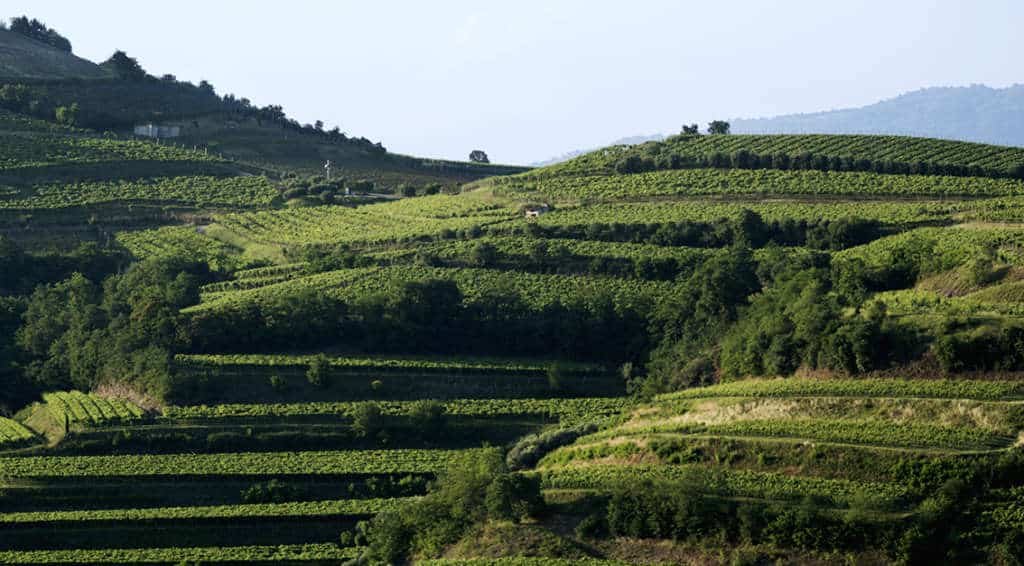
Bars in Monteforte d'Alpone
Browse all →
Restaurants in Monteforte d'Alpone
Browse all →
At a Glance
- Rustic
- Scenic
- Classic
- Intimate
- Wine Education
- Group Outing
- Romantic Getaway
- Solo Exploration
- Special Occasion
- Estate Grounds
- Vineyard Tour
- Historic Building
- Organic
- Sustainable
- Vineyard
- Garden
- Soave DOC / Soave Classico DOCG
- Garganega
- Trebbiano Di Soave
- Pinot Grigio
- Cabernet Sauvignon
- Carmenère
- Merlot
- Still White
- Still Red
- Sparkling
- Dessert
- Skin Contact
- Standard Tasting
- Vineyard Tour
- Estate Visit
Historic organic family estate in the Soave hills with a consecrated 18th‑century chapel, basaltic vineyards and a tranquil, rural farm atmosphere focused on sustainable winegrowing.