
Falstaff Winery - Listed
Karnerhof Manfred Karner is a family-run Rust winery rooted in Burgenland’s cellar-door culture, with a traditional winzerhof, cellar tastings, seated tastings and a Rathausplatz wine bar with terrace seating. The draw is less design theatre than regional wine hospitality: still red, white and rosé wines, sparkling wine, German-language hosting and a lineage dated to 1622.

Pearl is the En Primeur Club membership app — saves, bookings, and concierge access live there. Same editors, same standards.
- Address
- Rust, Burgenland, Österreich
- Directions
- Get directions

Rust’s wine culture is closely tied to regional wine, traditional hospitality and a sense of place. Karnerhof Manfred Karner fits that context as a family-run winery in Rust with a classic Burgenland feel. The picture is direct and deliberately uncomplicated: cellar and tasting rooms, a rustic atmosphere and a visit centered on wine rather than design spectacle. For anyone trying to understand the local wine landscape, that simplicity is part of the point, because the venue reads as rooted in its surroundings rather than packaged as a destination concept.
For travelers, the appeal is not an elaborate claim about awards, rankings or a high-concept format. It is the chance to experience a traditional Rust wine setting where tastings, regional character and hospitality are the main draw. The value lies in the combination of place and manner: a family-run setting, a cozy atmosphere and a focus on regional wine that does not need to be dressed up with unnecessary narrative. It is best approached with curiosity about Rust itself and about the kind of wine hospitality that feels connected to everyday local tradition.
Rust wine hospitality without design theatre
The atmosphere is classic, rustic, scenic and cozy, with the emphasis on regional wine and direct hospitality. Karnerhof Manfred Karner is best understood as a traditional family-run winery rather than a design-focused destination. That distinction matters, because the visit should not be framed around architecture, theatrical presentation or a heavily staged experience. Its appeal is quieter: the feeling of being in a local winery environment where the surroundings, the cellar setting and the tasting rooms support the wine rather than compete with it.
The tasting context includes cellar and tasting rooms. Beyond that, the details should be kept simple: this is a Rust wine stop for visitors who want a grounded Burgenland feel and a setting connected to local wine culture. The confirmed picture is not about a large list of additional features, but about the essential elements that many travelers look for in a regional winery visit: a place to taste, a sense of local character and hospitality that feels personal rather than formal. In that way, the modest description is useful, because it keeps expectations aligned with what is actually known.
Because the confirmed information is limited, it is better not to overstate the format, specific bottlings, service details or any broader drinks program. The reliable editorial read is that Karnerhof Manfred Karner offers a classic Rust winery experience centered on regional wine and hospitality. That makes restraint important in describing it. Rather than implying a fixed structure or a particular tasting style, the fairer view is to see it as a traditional family-run venue where the core experience is shaped by the winery setting itself. Visitors looking for polish, spectacle or a heavily curated concept may find the description too understated; visitors looking for a direct Burgenland wine stop are more likely to understand its appeal.
The Rust setting
Karnerhof Manfred Karner is in Rust, where the Burgenland wine context shapes the visit. The setting is part of the attraction: rustic, scenic and rooted in a traditional winery atmosphere. In this kind of venue, location is not just a line of practical information; it informs how the experience should be read. Rust provides the regional frame, while the winery’s family-run identity and traditional character give the visit its tone. The result is a place that belongs naturally within a wine-focused itinerary rather than standing apart as a separate lifestyle concept.
The strength for travelers is the combination of a family-run identity, cellar and tasting rooms, and a classic regional feel. It is a venue to approach as a wine-focused stop rather than as a restaurant, hotel or design-led tasting salon. That helps set the right expectation before arrival: the purpose is not to look for a broad hospitality complex, but to spend time with the wine culture of the area in a setting that appears direct, cozy and locally grounded. For travelers moving through Burgenland, that clarity can be useful, because it distinguishes the venue from places where the main draw is food, accommodation or elaborate interior staging.
Plan around the confirmed basics: Rust, regional wine, cellar and tasting rooms, and a cozy traditional atmosphere. Those are enough to explain the venue’s role without stretching beyond the available facts. The attraction is not built on a long list of extras, but on the familiar strengths of a traditional winery visit: locality, hospitality, atmosphere and the chance to taste wine in a context connected to its region.
A useful stop for Burgenland winery context
The editorial case for Karnerhof Manfred Karner is strongest when the reader is looking for a classic Rust winery rather than a trophy-led destination. There are no confirmed awards, scores or rankings to foreground. That absence should not be treated as a weakness, but it should shape the way the venue is presented. The most accurate emphasis is on context and character: a family-run winery, a rustic and scenic feel, and a visit centered on regional wine. It is a place to understand through its fit within Rust’s wine culture, not through external markers of prestige.
That makes it a sensible option for visitors who value rustic setting, regional wine and family-run hospitality. The better expectation is not spectacle; it is a direct encounter with Rust’s traditional wine culture. For the right traveler, that directness is exactly the appeal. Karnerhof Manfred Karner belongs in consideration when the goal is to experience a grounded Burgenland wine stop with cellar and tasting rooms, a cozy atmosphere and a clear sense of place, while keeping the focus on the wine and the hospitality around it.
Recognition history
Dated appearances from independent guides and award organizations, with the underlying list record or original source where available.
Falstaff Winery - Listed
Falstaff
Continue exploring
More in Rust
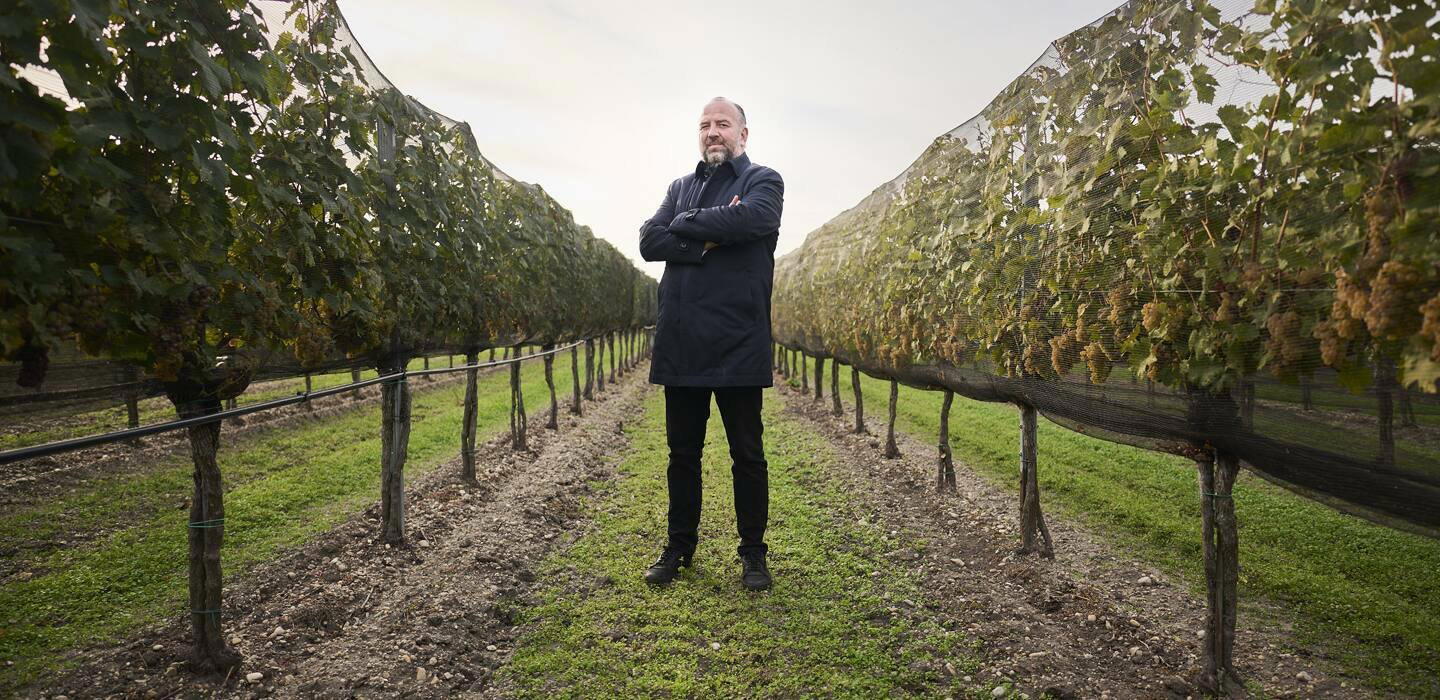
Wineries in Rust
Browse all →
Bars in Rust
Browse all →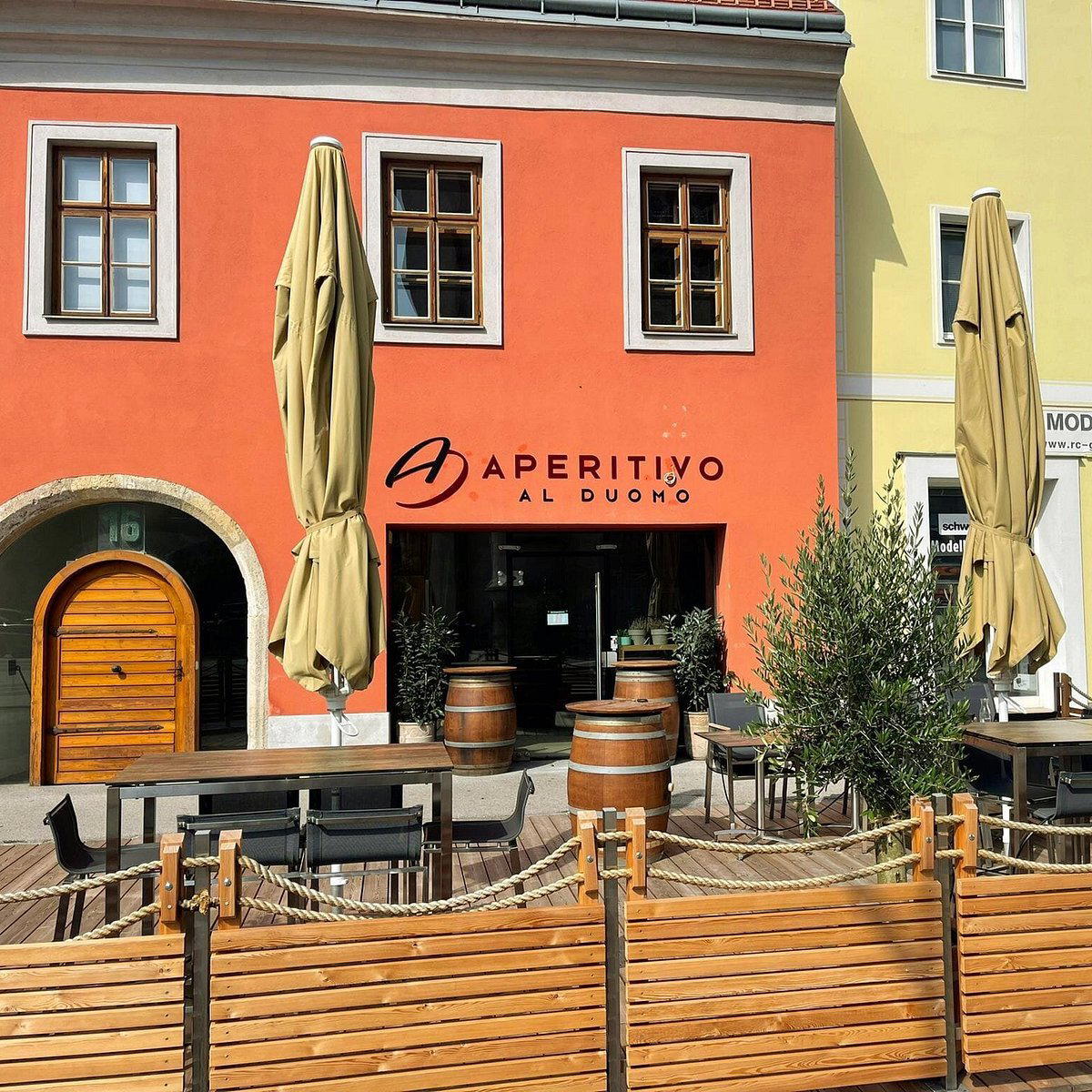

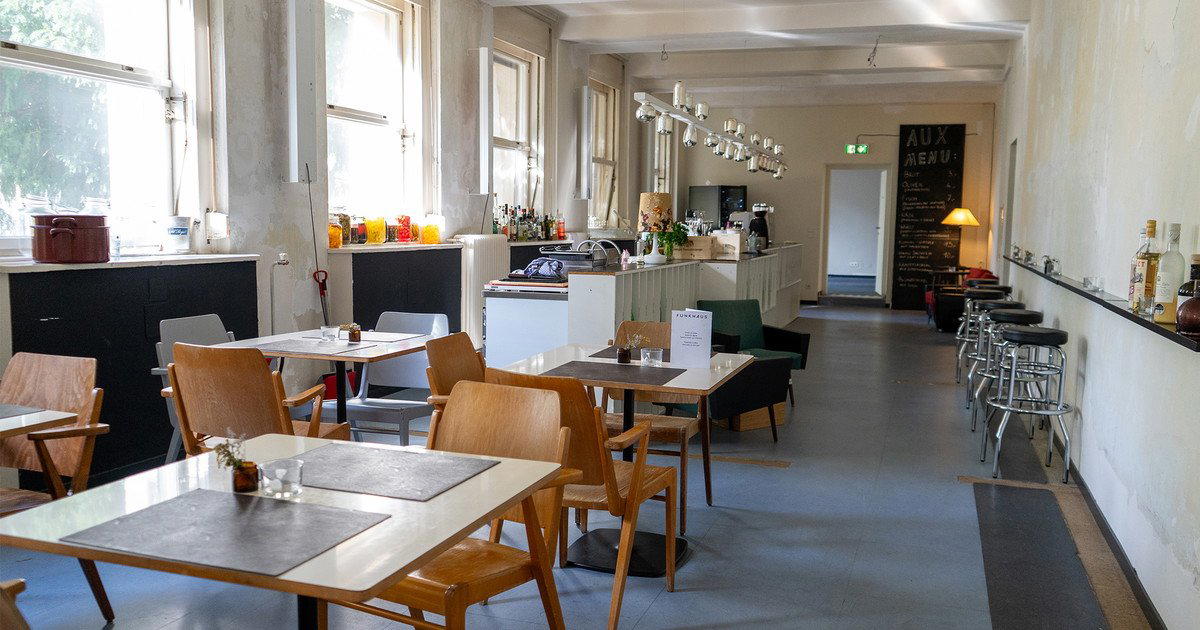
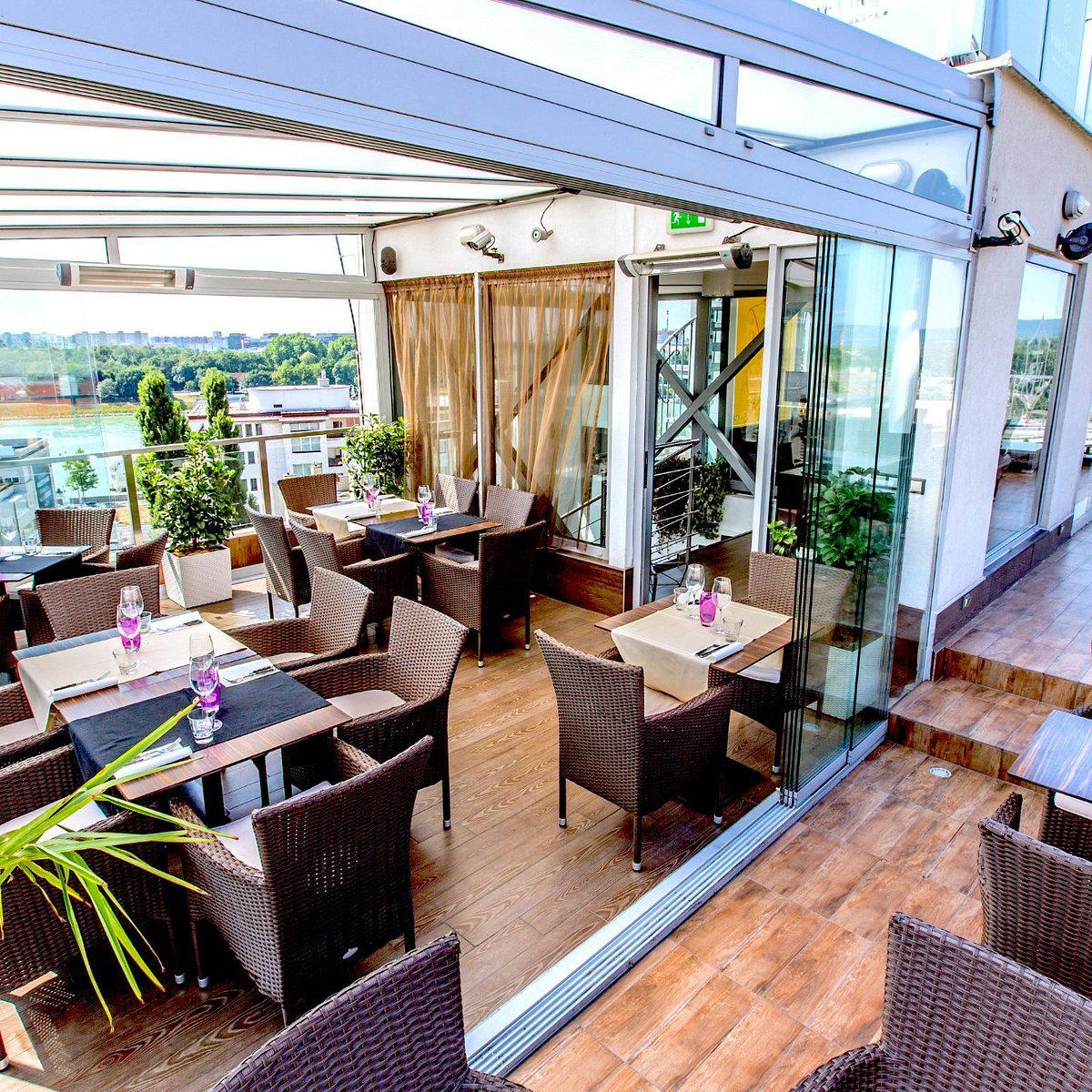
Restaurants in Rust
Browse all →
Details
- Classic
- Rustic
- Scenic
- Cozy
- Group Outing
- Wine Education
- Celebration
- Solo Exploration
- Barrel Room
- Estate Grounds
- Historic Building
- Street Scene
- Still Red
- Still White
- Still Rosé
- Sparkling
- Cellar Tasting
- Seated Tasting
- Wine Bar Flights
- German
Family-run Rust winery with a traditional Burgenland feel, offering tastings in cellar and tasting rooms; atmosphere is classic and rustic rather than design-focused, centered on regional wine and hospitality.