
Falstaff Winery - 3 Stars
Juan Gil belongs to the serious end of Jumilla’s Monastrell conversation: dry-farmed old vines, chalk-and-limestone soils, and a house style built around dense red fruit, oak structure, and accessible pricing. The estate’s Silver Label gives the clearest read on its identity, while the wider Gil family portfolio, including Clio and El Nido, places the name in a more ambitious Spanish wine context.

Pearl is the En Primeur Club membership app — saves, bookings, and concierge access live there. Same editors, same standards.
- Address
- Jumilla, Murcia, Región de, Spanien
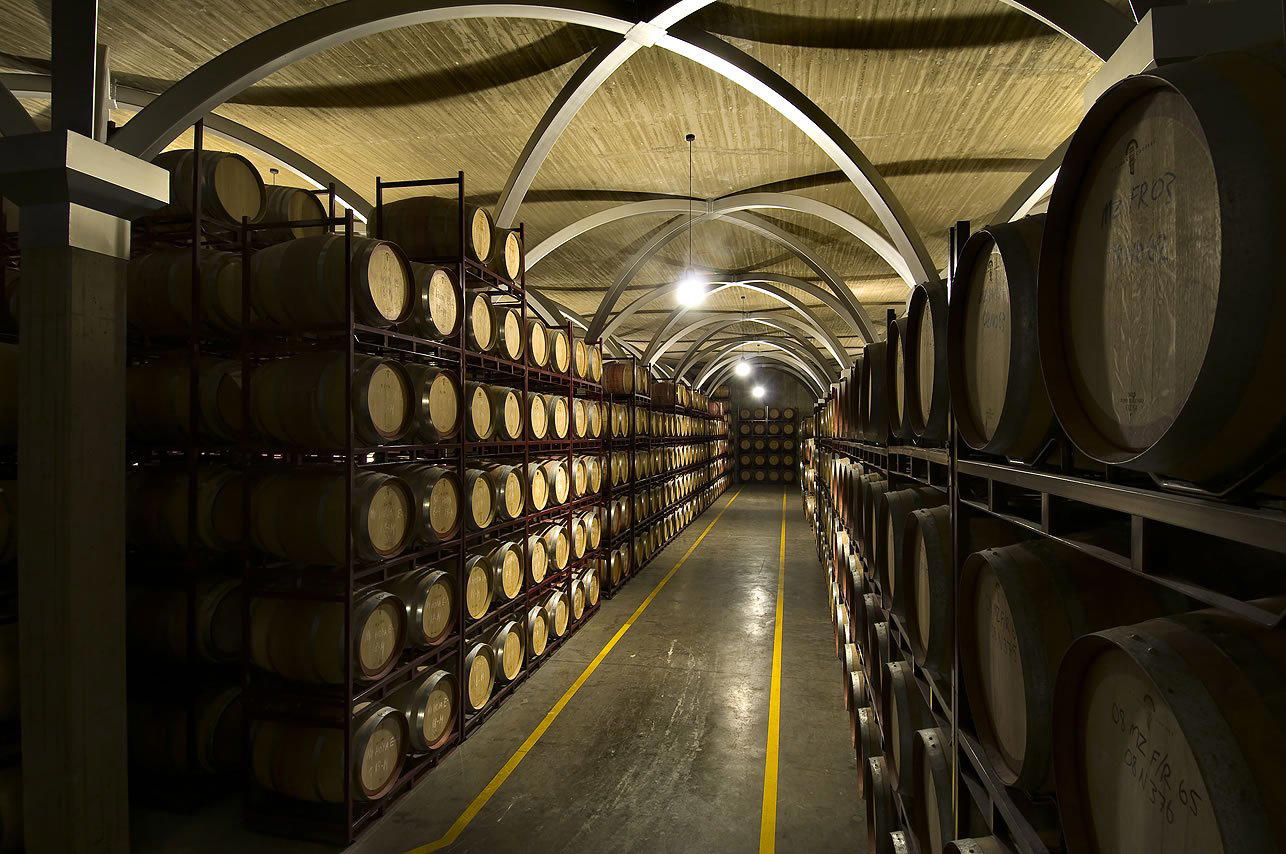
Jumilla is strongly associated with Monastrell, and Juan Gil belongs squarely in that context. The picture is of a family-owned estate in Jumilla producing bold, rich Monastrell wines, with an emphasis on serious, expressive wine style rather than a hospitality-led ambience. In other words, the central reason to understand the venue is not a long list of services or visitor amenities, but the way its identity sits within one of Spain’s most recognisable Monastrell settings.
Its character is described as classic, rustic, quiet, and sophisticated, with the wine itself carrying the main point of interest. That combination gives the entry a restrained tone: it points toward substance, concentration, and regional expression rather than spectacle or a broad lifestyle experience.
Monastrell as the core reason to know Juan Gil
Juan Gil’s strongest identity is its focus on bold, rich Monastrell from Jumilla.
That makes Juan Gil useful for travelers and wine buyers who want a clear entry point into Jumilla’s richer red-wine profile. The emphasis is not on a restaurant-style experience or a heavily described visitor format, but on a family-owned estate whose name is closely tied to Monastrell. For someone trying to understand Jumilla through its wines, that clarity is valuable because it keeps the attention on grape, place, and style.
The style cues are important: classic, rustic, quiet, and sophisticated. Those words suggest a venue where the appeal is measured and wine-focused rather than theatrical. If you are comparing options in Jumilla, Juan Gil should be approached as a serious Monastrell producer rather than as a broad leisure or dining destination. The expected interest is therefore in the character of the wines and the estate’s regional identity, not in unsupported assumptions about a more elaborate visitor scene.
A Jumilla estate with a serious, expressive profile
The price level for Juan Gil is $$. Within that framing, the estate’s appeal comes from the combination of family ownership, Jumilla identity, and a bold Monastrell style. Keeping the profile within those limits helps the guide remain useful without implying information that has not been established.
That restraint matters because Juan Gil is a wine estate, not a venue whose guide entry should be padded with unsupported details. What can be said confidently is that it represents a rich, expressive side of Jumilla Monastrell and that its atmosphere is described as quiet, rustic, classic, and sophisticated. Those descriptors give a sense of tone: grounded rather than showy, traditional in feel without being casual in ambition, and polished enough to be considered seriously by readers focused on wine.
For planning purposes, treat this as a focused wine stop in Jumilla. Confirm any practical details directly with the venue before arranging a visit, especially if you need current information on access, tastings, hours, or services. That approach is especially important here because the reliable information in this entry is centred on identity and style, not on logistics. The most accurate way to use the listing is to see it as a marker for Monastrell-focused Jumilla wine, then verify the practical side before committing time to a visit.
How to place it in a Jumilla wine itinerary
Juan Gil fits best into a Jumilla itinerary for travelers interested in Monastrell and in a more serious, production-minded wine identity. The description does not support claims about specific visit length, walk-in policy, tasting format, or hospitality programming, so those details should be checked directly before making plans. As an itinerary component, it is strongest when the purpose of the day is to understand the region’s red-wine character rather than to build a schedule around dining, entertainment, or general sightseeing claims.
For context in the city, compare Juan Gil with other Jumilla dining and wine options generically, rather than relying on unsupported named comparisons. Its distinguishing points are its family-owned estate identity, its bold and rich Monastrell focus, and its classic, rustic, quiet, sophisticated character. Those points are enough to separate it conceptually from venues where the emphasis might fall more heavily on meals, service format, or visitor programming, even without making any direct claims about those alternatives.
In a wider Spanish wine itinerary, Juan Gil can be understood as a Jumilla reference point for Monastrell. For readers mapping regions and styles, that makes the venue a focused expression of what they are likely seeking from this part of Spain: a clear, wine-led encounter with Jumilla’s Monastrell identity.
Recognition history
Dated appearances from independent guides and award organizations, with the underlying list record or original source where available.
Falstaff Winery - 3 Stars
Falstaff
Details
- Classic
- Rustic
- Quiet
- Sophisticated
- Group Outing
- Special Occasion
- Wine Education
- Private Tasting
- Design Destination
- Organic
- Dry Farmed
- Monastrell
- Still Red
- Private Tasting
- Guided Tasting
Family-owned Jumilla estate producing bold, rich Monastrell wines; the sourced material emphasizes a serious, expressive wine style more than a hospitality-driven ambience.