
Falstaff Winery - 5 Stars
Casa Castillo is a terroir-led Jumilla estate where Monastrell, Garnacha and Syrah are shaped by dry-farmed limestone and gravel soils on the Sierra del Molar. The appeal is not polished wine tourism; it is the chance to understand why southeastern Spain’s heat, altitude and old-vine traditions can produce reds with structure, freshness and a clear Mediterranean signature.
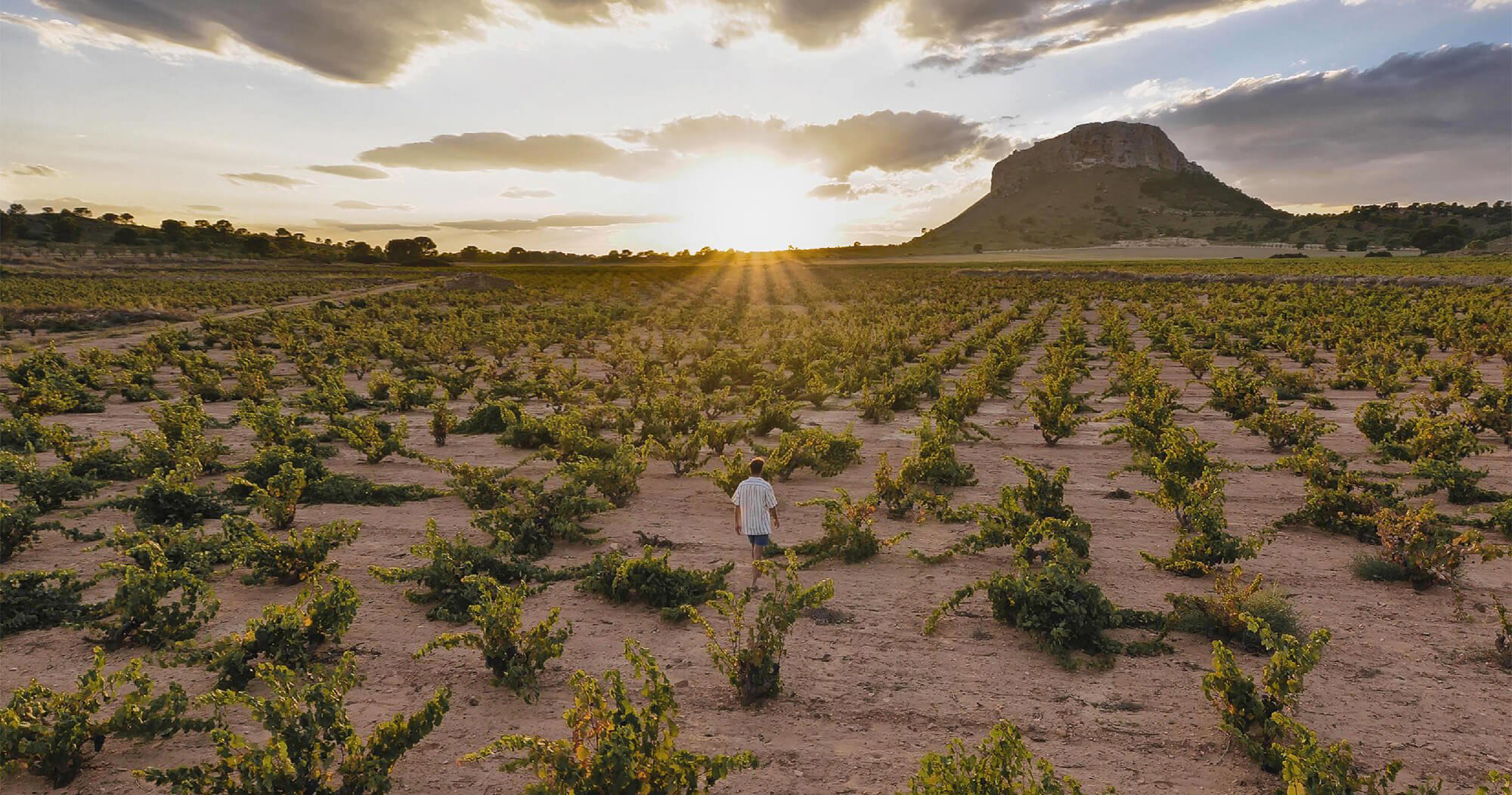
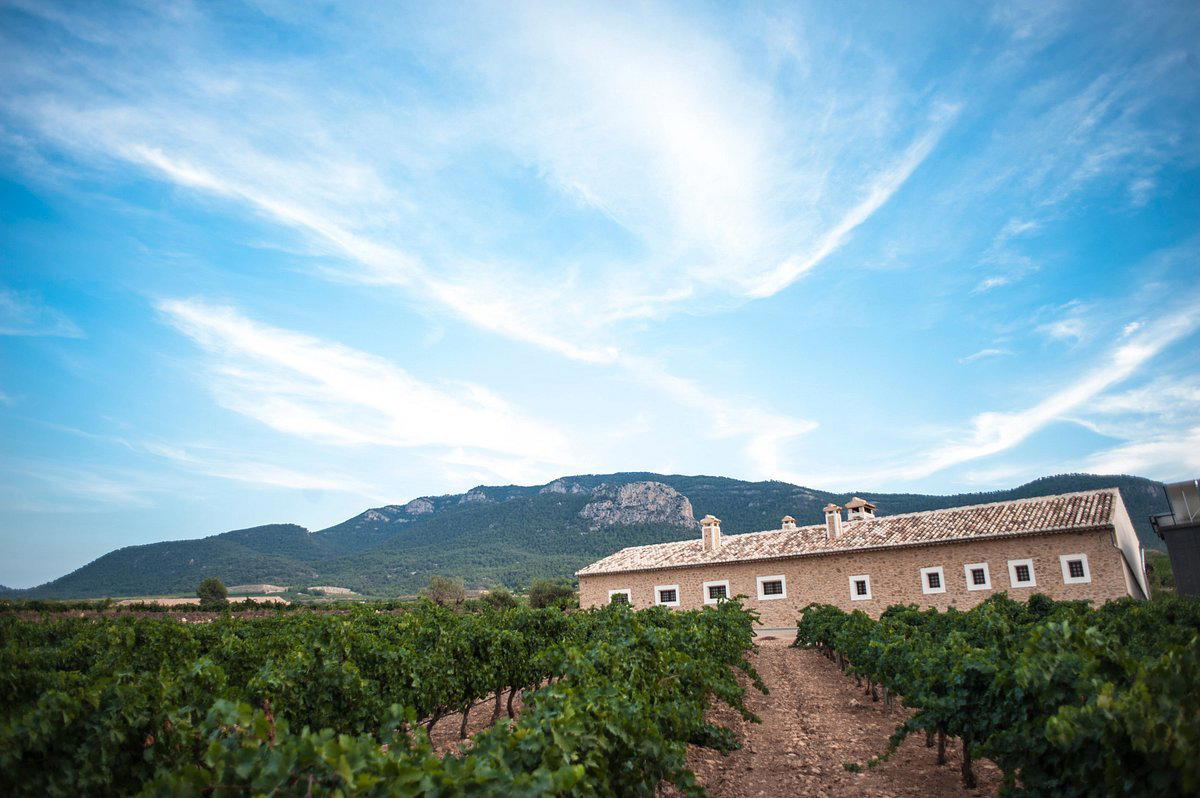
Casa Castillo in Jumilla is best understood through its setting: a historic Mediterranean estate on the rocky, sun-drenched slopes of Sierra del Molar. The surrounding range of vines, almond and olive trees, pine and scrubland gives the place a rustic sense of arrival, with the focus placed on terroir-driven, elegant wines rather than on a polished tourism spectacle.
That context is the most reliable way to frame the venue. The picture is not one of a restaurant-style listing with a long menu, formal service promises or a catalogue of visitor amenities. It is a countryside estate in Jumilla whose appeal comes from the landscape, the agricultural surroundings and the way the wines are presented as expressions of place.
Wine, landscape and a rustic estate setting
The essential draw at Casa Castillo is the relationship between wine and terrain. Sierra del Molar gives the estate a strong visual and environmental identity: rocky slopes, dry Mediterranean light, vines set among almond and olive trees, and the texture of pine and scrubland around the property. For travellers, that means the atmosphere is more grounded and rural than glossy or urban.
The public page should not claim a particular grape mix, vineyard altitude, soil composition, farming certification, production method, founding year, bottle hierarchy, score or award unless those details are separately confirmed. What can be said with confidence is that Casa Castillo is presented as a Jumilla estate where the wine experience is tied closely to terroir, elegance and the surrounding Mediterranean landscape.
This makes it a strong fit for visitors who care about setting as much as polish. The estate’s character is rustic, but not casual in the sense of being unfocused. Its identity is serious and place-led: rocky ground, sun, vines and a restrained, countryside feel.
What to expect from the experience
Expect a venue shaped by its estate environment. Casa Castillo is in Jumilla, and its description points to a quiet, agricultural Mediterranean setting rather than a built-up dining or nightlife experience. The mood is rural and terroir-focused, with the wines at the centre of the visit.
Travellers should therefore treat the practical side as something to confirm directly before going. That is especially important for countryside wine estates, where the appeal may be strong but the logistics can vary.
The price level is listed as $$, which gives a broad indication without naming a specific tasting fee, bottle price or dining spend. Any more exact pricing would be unverified. The safest planning approach is to use $$ as a general guide and confirm current costs with the venue if price is important to the visit.
How to place it within a Jumilla itinerary
Casa Castillo suits travellers who want Jumilla through the lens of landscape and wine rather than a high-gloss hospitality complex. It is the kind of stop to build into a slower countryside plan: leave time for the approach, the views and the sense of being in an estate environment shaped by vines, almond and olive trees, pine and scrubland.
For a broader trip, compare Casa Castillo with other dining and wine-related options in Jumilla generically rather than assuming they offer the same experience. Some venues may be more urban, more food-led or more casual; Casa Castillo’s identity is specifically that of a rustic Mediterranean estate focused on elegant, terroir-driven wines.
The most useful way to plan is to separate confirmed atmosphere from unconfirmed operational detail. Confirm timing, access and any visit requirements directly, then build the rest of the day around Jumilla. Casa Castillo’s role in that itinerary is clear: it offers a strong sense of place on the slopes of Sierra del Molar, where the landscape is not background decoration but central to the appeal.
Frequently asked questions
Is Casa Castillo more low-key or high-energy?
Casa Castillo reads as low-key and estate-focused. Its setting is a historic Mediterranean estate on the rocky, sun-drenched slopes of Sierra del Molar, surrounded by vines, almond and olive trees, pine and scrubland.
What's the address for Casa Castillo?
Casa Castillo is located in Jumilla.
What's the pricing like at Casa Castillo?
Pricing at Casa Castillo is listed as $$.
What should I know about Casa Castillo before I go?
Expect a rustic Jumilla estate setting focused on terroir-driven, elegant wines.
How hard is it to get in to Casa Castillo?
Before visiting Casa Castillo in Jumilla, confirm current opening times and visit requirements directly with the venue.
Who is Casa Castillo best for?
Casa Castillo suits travellers interested in a rustic Mediterranean estate setting, vineyard landscape and terroir-driven wines in Jumilla.
Recognition history
Dated appearances from independent guides and award organizations, with the underlying list record or original source where available.
Falstaff Winery - 5 Stars
Falstaff
Request a visit to Casa Castillo
Tell us when you would like to go and how many people, and we put the request to the estate and reply to you by email.
Continue exploring
More in Jumilla
Wineries in Jumilla
All wineries in Jumilla →
Restaurants in Jumilla
All restaurants in Jumilla →
Details
- Rustic
- Scenic
- Classic
- Well Known
- Sophisticated
- Romantic Getaway
- Group Outing
- Solo Exploration
- Wine Education
- Special Occasion
- Estate Grounds
- Vineyard Tour
- Historic Building
- Private Tasting
- Organic
- Biodynamic
- Dry Farmed
- Sustainable
- Vineyard
- Mountain
- Garden
- Monastrell
- Garnacha
- Syrah
- Still Red
- Estate Tasting
- Single Vineyard Focus
- Red Wine Flight
- Private Tasting
- Spanish
- English
Historic Mediterranean estate on the rocky, sun-drenched slopes of Sierra del Molar, surrounded by vines, almond and olive trees, pine and scrubland; the feel is rustic yet focused on terroir-driven, elegant wines rather than a polished tourism facility.