
Falstaff Winery - Listed
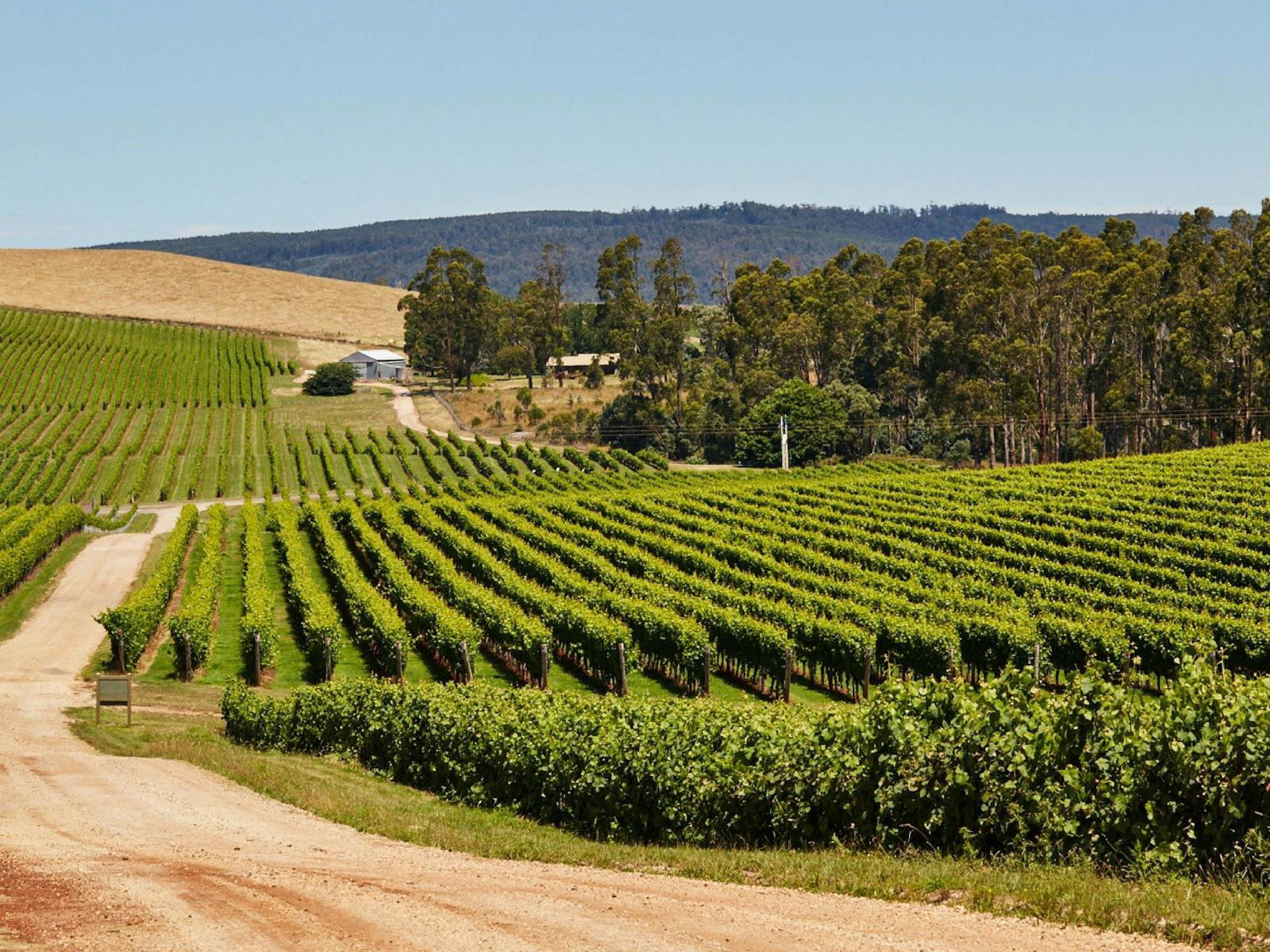
Josef Chromy is a Relbia estate winery shaped around cool-climate Tamar Valley wine, heritage architecture and destination dining. The 61-hectare vineyard, original 1880s homestead cellar door, hatted restaurant and lakeside event setting make it a wine-country stop with more structure than a casual tasting room.

Pearl is the En Primeur Club membership app — saves, bookings, and concierge access live there. Same editors, same standards.
- Address
- Relbia, Tasmania, Australien
- Directions
- Get directions
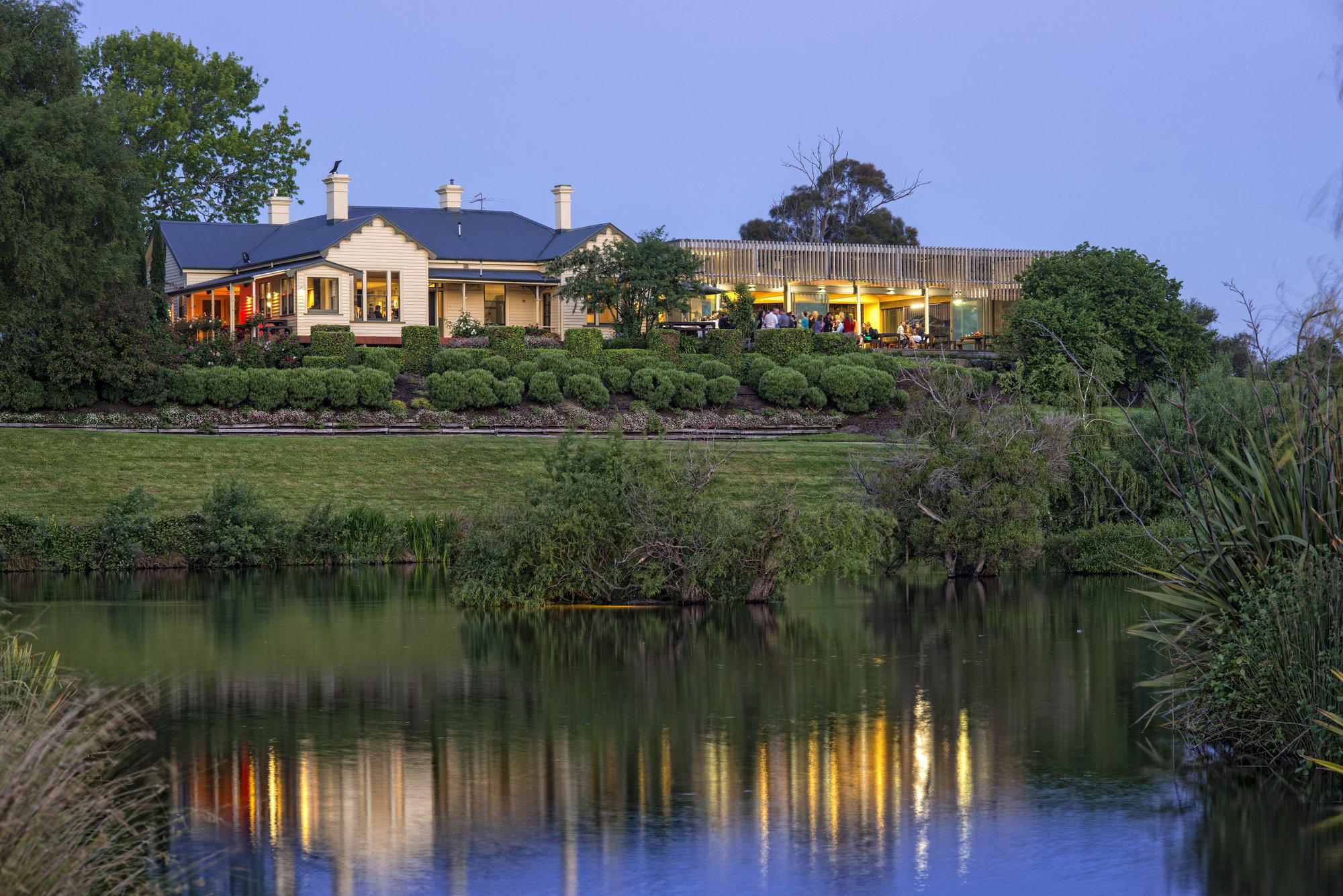
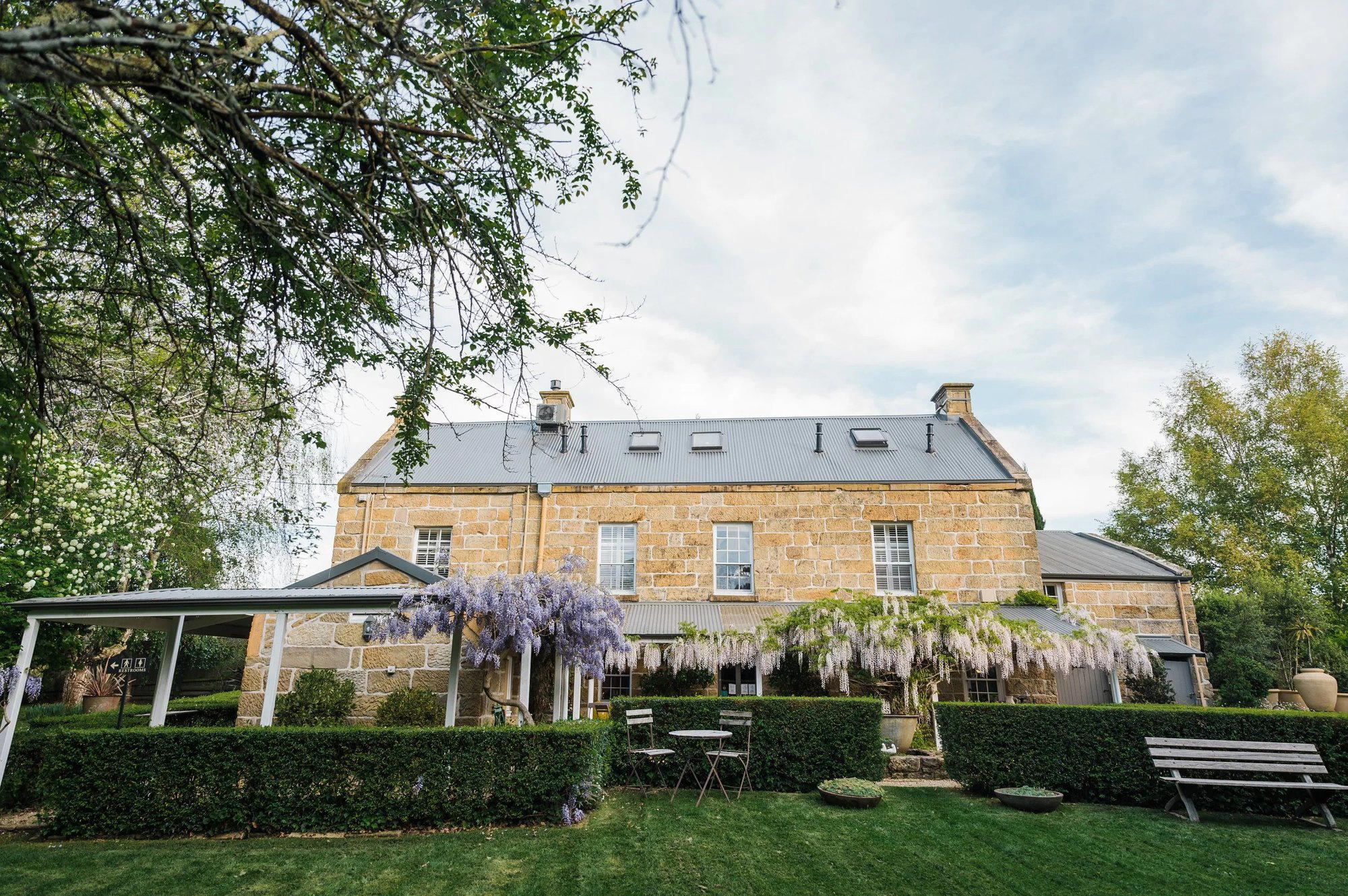
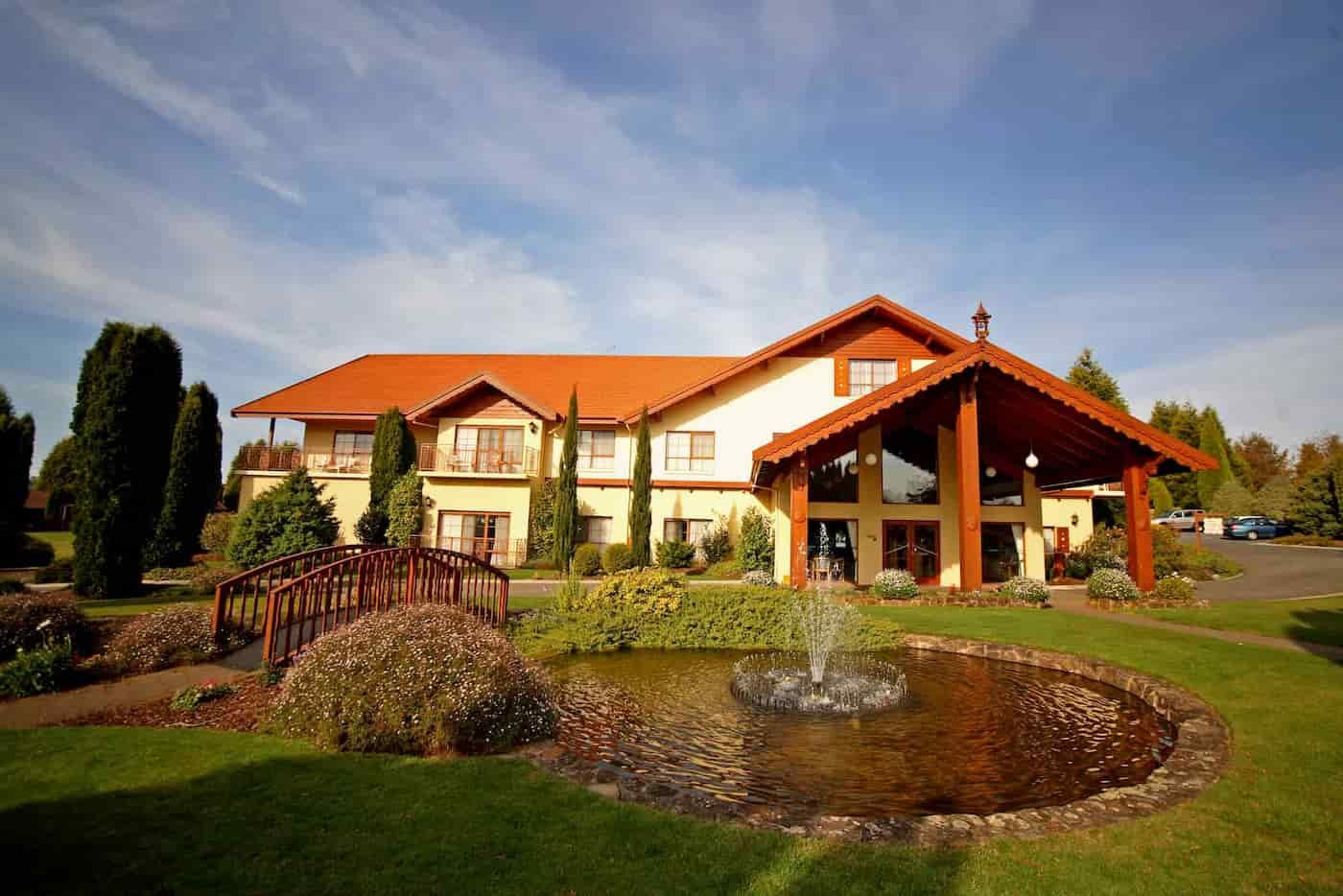
Approach in Relbia and the estate format is immediately clear: vineyard, gardens, water, then the older homestead that frames the cellar-door experience. Tasmania’s premium wine tourism has moved beyond the simple tasting bench, and Josef Chromy sits in the more complete version of that shift, where cool-climate wine, regional produce, heritage buildings and event-ready grounds are designed to work as one visit rather than separate attractions.
The useful lens here is terroir rather than spectacle. Tamar Valley wine relies on climate discipline: acidity, fragrance and fruit precision matter more than volume or weight. The estate’s 61-hectare vineyard, with growing, winemaking and bottling handled on site, gives the operation a tighter link between place and finished bottle than wineries built around bought fruit or off-site production. That matters in Tasmania, where vintage variation is not background noise but part of the point.
Cool-climate Tamar Valley wine with a complete estate format
Australian wine regions often split hospitality into two camps: production-led cellars where the wine does the talking, and estate destinations where the grounds, dining room and events program carry equal weight. Josef Chromy belongs to the second camp, but the production signals keep it from becoming a generic country-house lunch address. Chardonnay and Pinot Noir anchor the named varietal focus, both logical for Tasmania’s cooler conditions, and the estate has recognition that supports that positioning: an International Trophy for Chardonnay at the Decanter World Wine Awards in 2013, 5 Red Star status in James Halliday’s 2020 Wine Companion and success at the 2019 Tasmanian Wine Show.
Those awards are not decorative facts; they explain the competitive set. In Tasmania, premium credibility is often built through cool-climate varieties, consistency in show judging and the ability to host serious wine visitors without losing the sense of place. A listed 2021 Pinot Noir at A$45 places at least part of the portfolio in a mid-premium lane rather than an ultra-luxury allocation model. The wine club and shipping availability add a direct-to-consumer structure around the estate, useful for travelers who want the visit to continue after leaving Relbia.
The tasting options also point to a broader educational format: seated flights, cellar-door bar tasting, wine-and-lunch experiences, a sparkling-focused tour and a behind-the-scenes tour are all part of the estate vocabulary. The tour duration is listed at one hour, which suggests a manageable visit rather than a half-day commitment. English is the listed tour language, and the visit type allows walk-ins, though reservations are recommended for a smoother experience, especially when pairing wine with lunch.
The homestead, gardens and hatted restaurant turn the tasting into a regional meal
The dining component is where the estate’s hospitality ambitions become more than scenic framing. A hatted restaurant in a winery setting changes the rhythm of a visit: wine is not simply poured before lunch, it becomes part of a regional table. Chef Nick Raitt is associated with the kitchen, but the broader point is Northern Tasmania’s produce culture, which has given winery restaurants a practical advantage over city dining rooms: proximity to growers, dairy, seafood routes and orchard country.
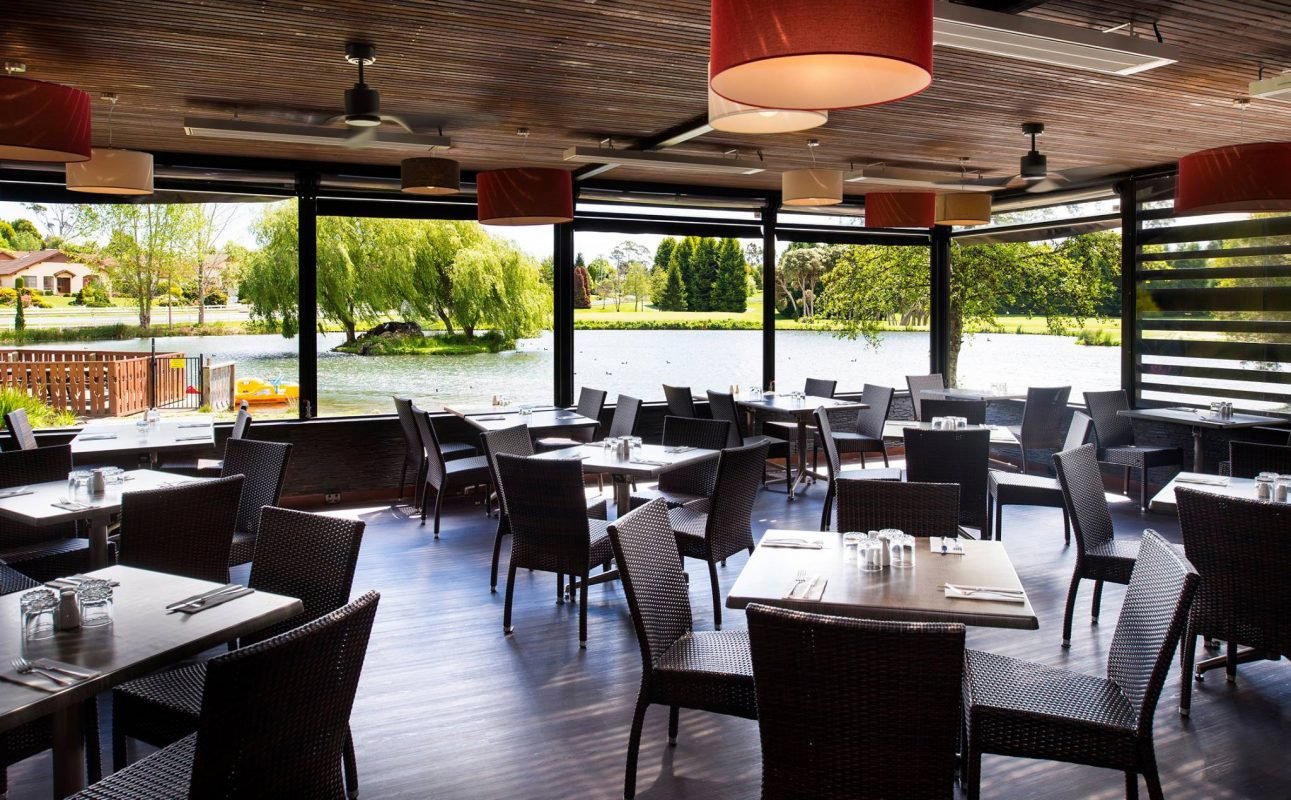
Room’s appeal rests on restraint. Smart casual dress, conversational noise and a refined but relaxed service style indicate a place calibrated for celebration without turning stiff. Outdoor seating, gardens, vineyard views and water-facing elements extend the visit beyond the glass. The lakeside pavilion and private-event infrastructure also explain why the property draws weddings, corporate groups and celebrations; this is a medium-capacity estate built to absorb more than individual tastings.
For travelers building a wider Relbia itinerary, the estate works as the wine-and-lunch anchor rather than a quick detour. Readers comparing categories can use Our full Relbia wineries guide for the regional wine map, then cross-check dining, stays and evening plans through Our full Relbia restaurants guide, Our full Relbia hotels guide, Our full Relbia bars guide and Our full Relbia experiences guide. For a broader Australian wine-country scan, contrast different models through 19 Crimes in Southbank, Accolade Fine Wines in Melbourne, Adelina Wines in Clare Valley, Alice Springs Brewing Co in Alice Springs, Alkina Estate in Greenock, Alkina Wine Estate in Barossa Valley, All Saints Estate in Rutherglen and Allegiance Wines in Alstonville. European cellar-door formats can be compared through »der Steiner« Hans Steiner in Podersdorf am See and & Handwein in Mannheim.
How to read the visit: heritage first, then wine, then lunch
The estate opened in 2004, but its guest identity is built around an original 1880s homestead, which gives the property a longer visual memory than its modern operating date. That distinction is useful: the wine program belongs to contemporary Tasmania, while the cellar-door setting gives the experience a historic frame. In a region where wine tourism competes with wilderness, farm-gate produce and short-break itineraries from Launceston, that combination gives the estate unusual breadth.
The practical read is simple. This is better suited to visitors who want a composed wine-country session than to those chasing a fast counter pour. On-site parking, food pairing, group suitability and multiple tasting styles make it workable for couples, small groups and corporate itineraries. It is not listed as dog friendly or child focused, so the natural fit is adult wine travel, celebrations and visitors who want the vineyard, the glass and the meal to connect.
Recognition history
Dated appearances from independent guides and award organizations, with the underlying list record or original source where available.
Falstaff Winery - Listed
Falstaff
Continue exploring
More in Relbia
Wineries in Relbia
Browse all →
Bars in Relbia
Browse all →
Restaurants in Relbia
Browse all →
Details
- Scenic
- Elegant
- Romantic
- Well Known
- Rustic
- Sophisticated
- Special Occasion
- Romantic Getaway
- Group Outing
- Corporate Event
- Wine Education
- Celebration
- Estate Grounds
- Garden
- Vineyard Tour
- Historic Building
- Private Tasting
- Waterfront
- Vineyard
- Garden
- Waterfront
- Chardonnay
- Pinot Noir
- Still Red
- Still White
- Sparkling
- Seated Tasting Flights
- Cellar Door Bar Tasting
- Wine And Lunch Experience
- Sparkling Focused Tour
- Behind The Scenes Tour
- English
Elegant Tasmanian estate setting combining an original 1880s homestead, lakeside pavilion and established gardens, with a hatted restaurant offering high-standard service and refined yet relaxed dining that showcases local produce and the region’s culinary heritage.