Isola delle Falcole

Isola delle Falcole is a tiny Chianti Classico estate in Greve in Chianti, founded in 2015 and shaped around south-facing, high-elevation galestro soils. Its scale is part of the point: just over 10,000 bottles across three labels, with Sangiovese at the centre and a quiet, vineyard-led style rather than a large visitor apparatus.
Pearl is the En Primeur Club membership app — saves, bookings, and concierge access live there. Same editors, same standards.
- Address
- Greve in Chianti, Tuscany, Italien
 Saves & bookings on Pearl
Isola delle Falcole is a small, up-and-coming Chianti Classico estate in Greve in Chianti, best understood through its personal, passionate feel rather than through a large visitor infrastructure. The picture is deliberately focused: an estate associated with southern exposure, terroir-driven wines, and the kind of intimate visit that suits travellers who want to slow down and understand a specific place. In that sense, the appeal is less about breadth and more about attention. This is the sort of address to approach with curiosity about the estate itself, the position of its vineyards, and the way a smaller producer can give a visit a more concentrated, place-led character.
Southern exposure and the Chianti Classico argument
For Isola delle Falcole, the strongest grounded detail is the vineyard emphasis. The estate is presented around southern exposure and wines shaped by terroir, which gives the page a clear frame without needing to invent technical specifics about soil, altitude, production, or cellar practice. Southern exposure is therefore not a decorative phrase here, but the central piece of confirmed context: it is a reliable way to talk about the estate’s identity without overstating what is known.
That makes the appeal relatively direct. Rather than positioning Isola delle Falcole as a large-scale tourism stop, it is better described as a compact Chianti Classico estate with a personal, site-led identity. The useful lens is not a long checklist of facilities, labels, or hospitality formats, but the relationship between the vineyard and the wines. For travellers, this also changes the rhythm of expectation. The point is not to arrive looking for a broad circuit of activities, but to pay attention to how the estate presents its place within Greve in Chianti and within the Chianti Classico landscape.
What can be said with confidence is that winery belongs in Greve in Chianti and carries the feel of a small, passionate producer rather than a broad commercial operation.
A focused estate rather than a broad visitor circuit
The cost level for the winery is $$$. Beyond that, specific claims about bottle counts, individual labels, grape varieties, founding dates, named owners, tasting formats, shipping, parking, languages, or food pairings are not confirmed here and should not be assumed. Keeping those boundaries clear is especially important for a small estate, where visitor arrangements and practical details can be more personal, more variable, or simply less publicly defined than at larger operations.
For visitors, that means a useful approach is to view the winery as a small Chianti Classico estate where any visit or tasting, if offered, is likely to be intimate and centered on the vineyard’s southern exposure and terroir-driven wines. Confirm current availability, format, and practical arrangements through the estate’s official channels before planning around it. That confirmation should be treated as part of the experience rather than an afterthought, because the value of this kind of stop depends on matching expectations to what the estate is actually offering at the time.
Greve in Chianti has a broad range of dining, wine, and hospitality options, but the winery is most naturally framed as a focused estate stop rather than as part of a high-volume cellar-door circuit. Nearby planning can extend through Our full Greve in Chianti wineries guide, with broader trip structure through Our full Greve in Chianti restaurants guide, Our full Greve in Chianti hotels guide, Our full Greve in Chianti bars guide, and Our full Greve in Chianti experiences guide. Those broader guides are useful for building the rest of the day around the visit, while keeping the winery in its proper role: a specific, small-estate reference point within the wider Greve in Chianti setting.
A small-estate visit, not a cellar-door circuit
The appeal here is the possibility of a personal, place-focused encounter in Greve in Chianti. The description points to a small, up-and-coming Chianti Classico estate with a passionate feel, so the safest expectation is modest scale and a focus on the vineyard rather than an extensive tourism program. That modesty should be read as part of the attraction, not as a limitation, for travellers who prefer a quieter, more concentrated way of engaging with Chianti Classico.
The grounded reason to consider the winery is simpler: a small estate in Greve in Chianti associated with southern exposure and terroir-driven wines. That is enough to give the venue a clear identity, provided the visit is approached on those terms. It is not necessary to add unsupported detail for the estate to make sense; its appeal rests on the combination of place, scale, and a vineyard-led description.
For broader context, compare it with other Greve in Chianti options generically rather than relying on unsupported claims about facilities or accolades. The winery is the key named reference here, and particularly accurate planning advice is to confirm current visit details directly before going. Travellers who do that will be better positioned to appreciate the estate for what is actually known: a small, passionate Chianti Classico address in Greve in Chianti, framed by southern exposure and a terroir-driven point of view.
Recognition history
Dated appearances from independent guides and award organizations, with the underlying list record or original source where available.
Falstaff Winery - Listed
Falstaff
Continue exploring
More in Greve in Chianti
Wineries in Greve in Chianti
Browse all →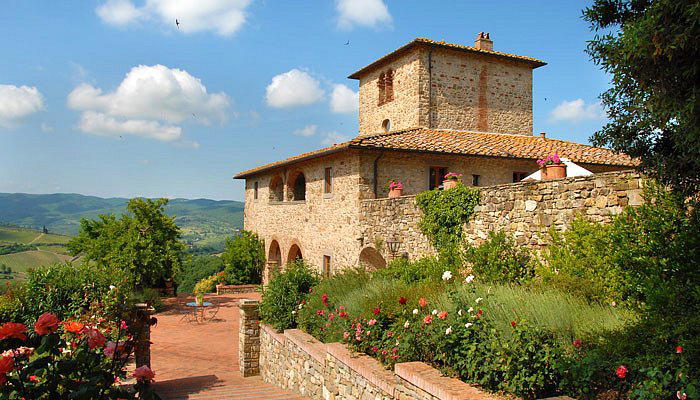
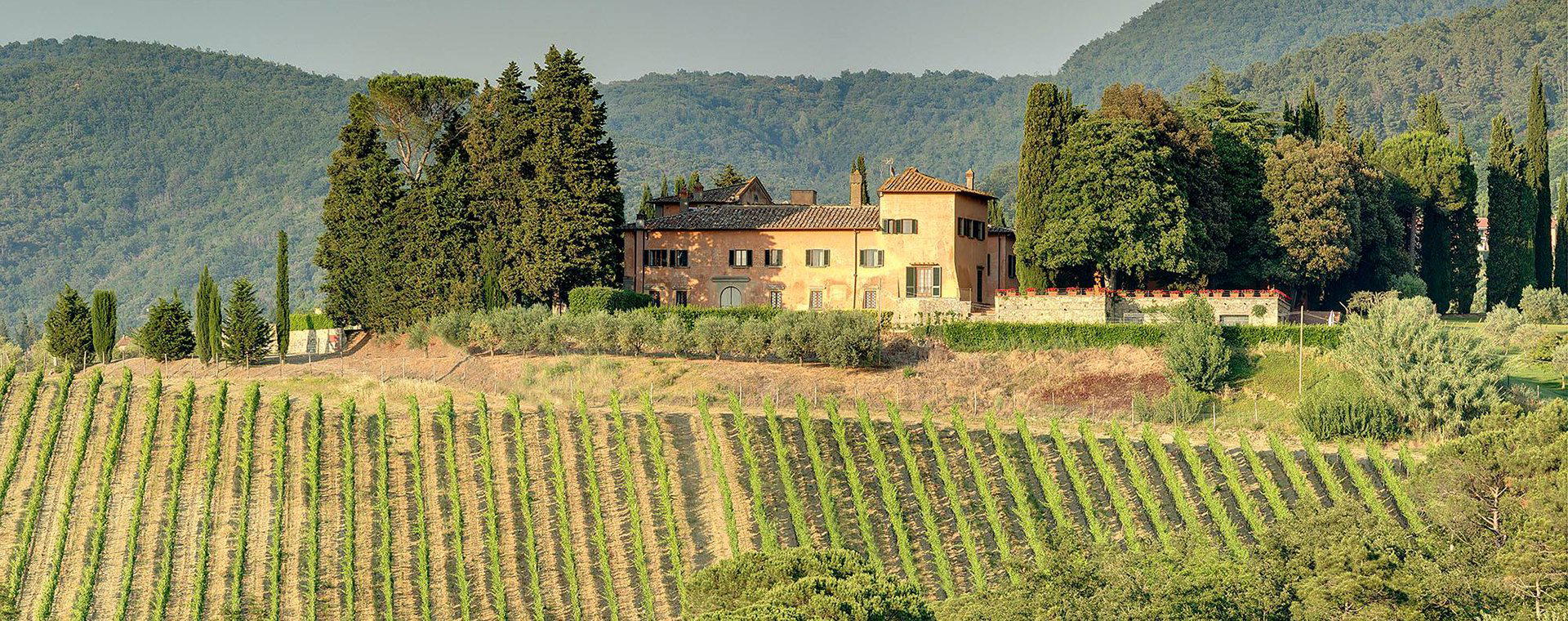
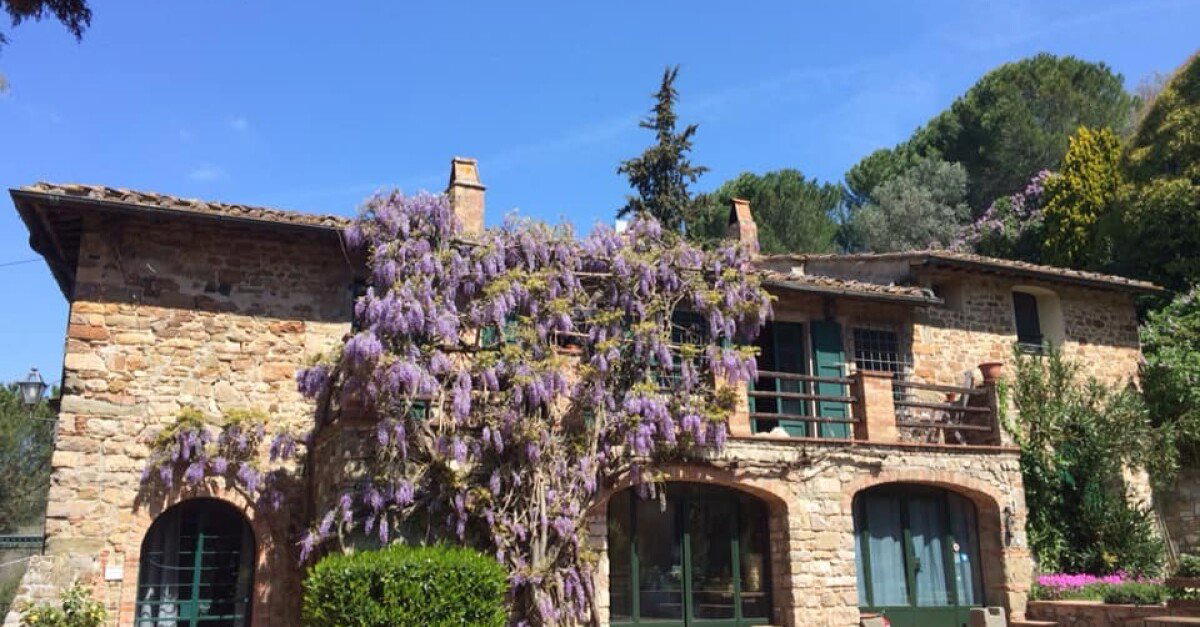
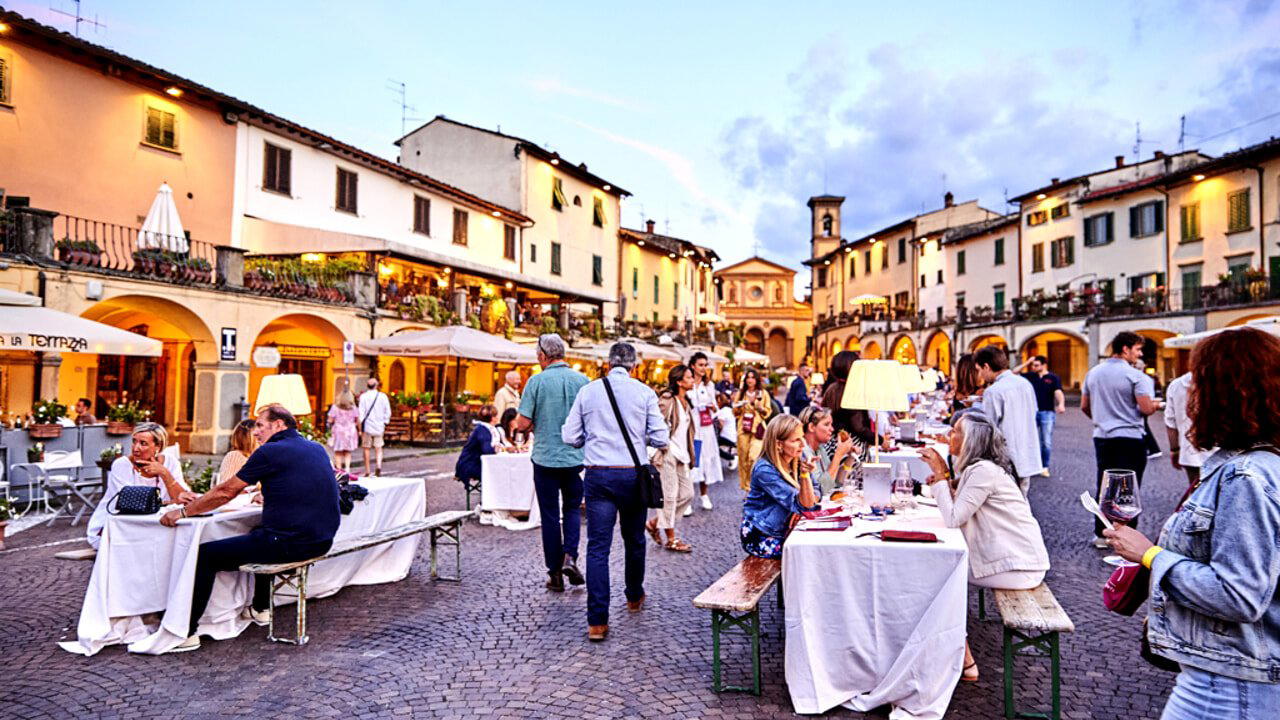
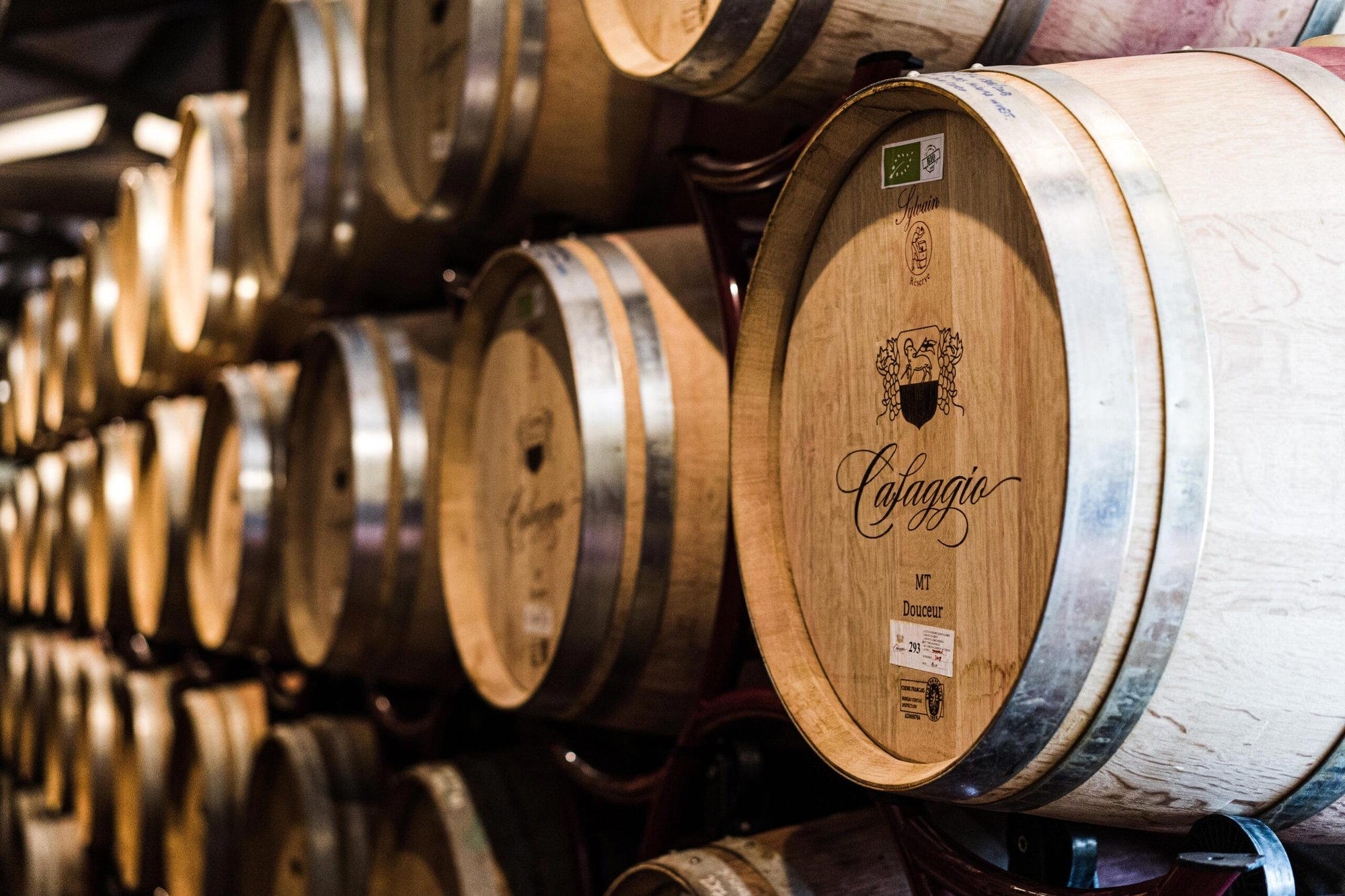
Bars in Greve in Chianti
Browse all →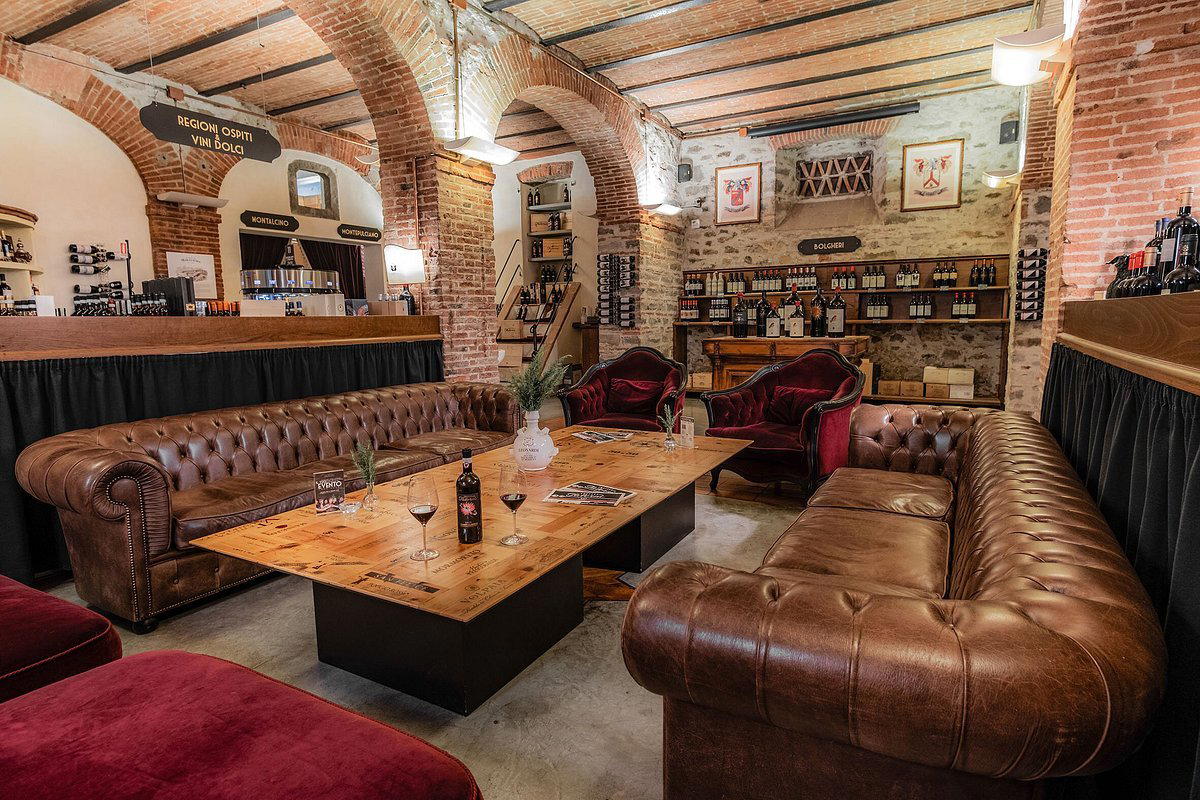
Restaurants in Greve in Chianti
Browse all →
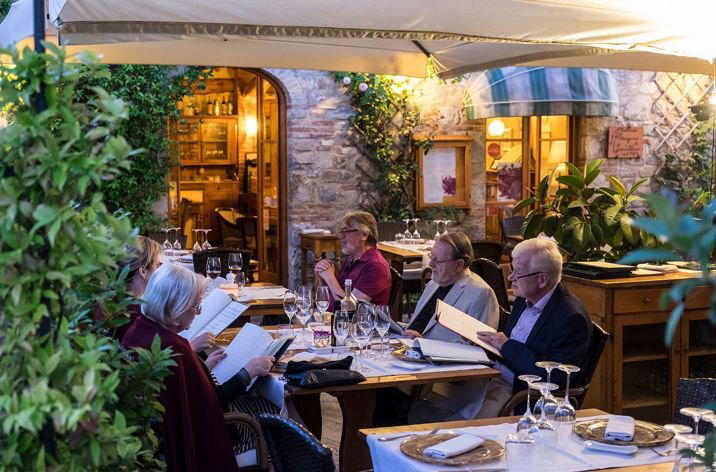
At a Glance
- Scenic
- Rustic
- Intimate
- Classic
- Romantic Getaway
- Group Outing
- Wine Education
- Special Occasion
- Solo Exploration
- Estate Grounds
- Vineyard Tour
- Private Tasting
- Organic
- Sustainable
- Vineyard
- Mountain
- Chianti Classico DOCG
- Sangiovese
- Colorino
- Canaiolo
- Ciliegolo
- Malvasia
- Trebbiano
- Merlot
- Still Red
- Seated Tasting
- Paired Tasting Menu
- Private Tasting
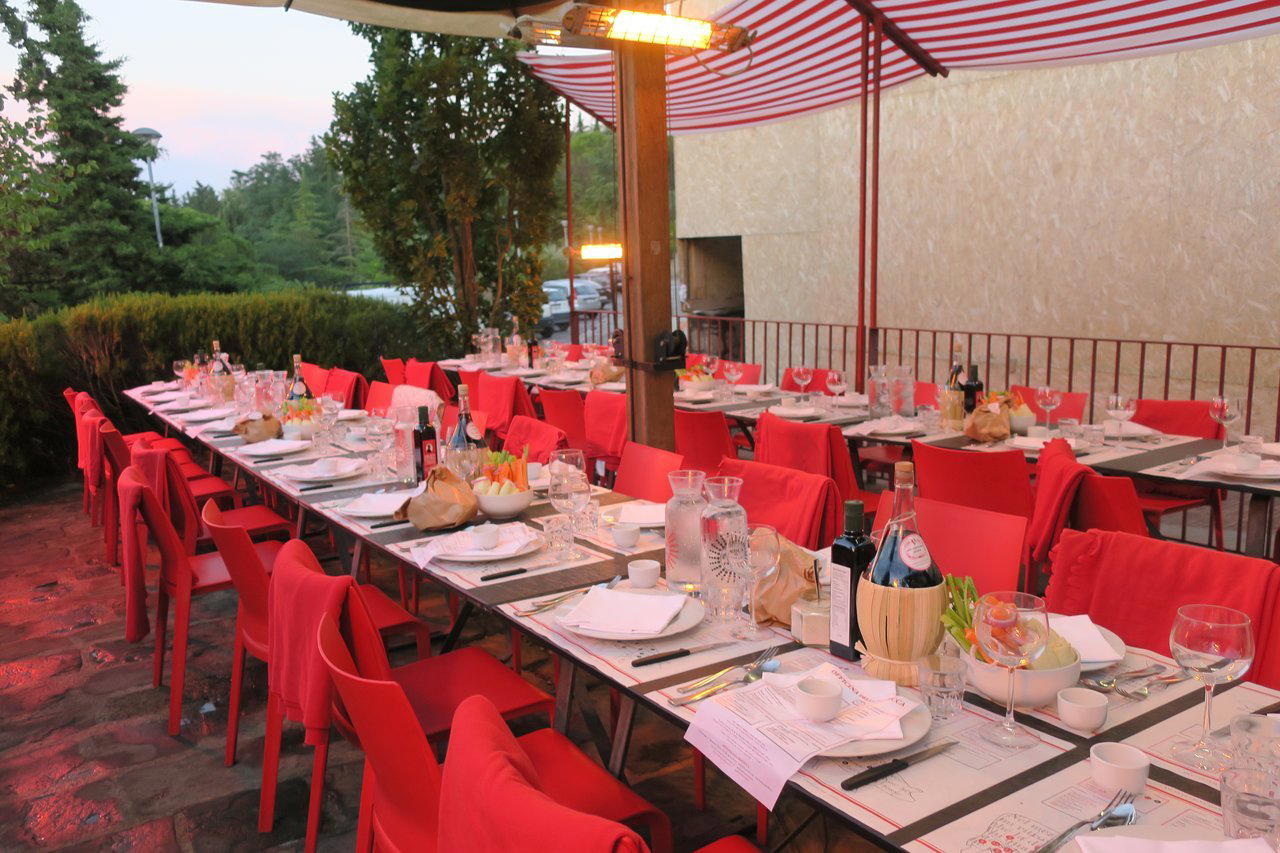
Small, up‑and‑coming Chianti Classico estate with a personal, passionate feel; visits and tastings (where offered) are likely intimate, focused on the vineyard’s southern exposure and terroir-driven wines rather than a large tourism infrastructure, giving a quiet, authentic countryside atmosphere.