Harper’s Rest
Harper's Rest operates in Healdsburg, one of Sonoma County's most wine-forward towns, where the Alexander Valley and Dry Creek AVAs shape both the glass and the table. Positioned within a dining scene that takes terroir seriously, it draws from the region's deep agricultural roots and its tradition of pairing seasonal California cooking with estate-grown wines from the surrounding hills.

Pearl is the En Primeur Club membership app — saves, bookings, and concierge access live there. Same editors, same standards.
- Address
- Healdsburg, United States
- Directions
- Get directions
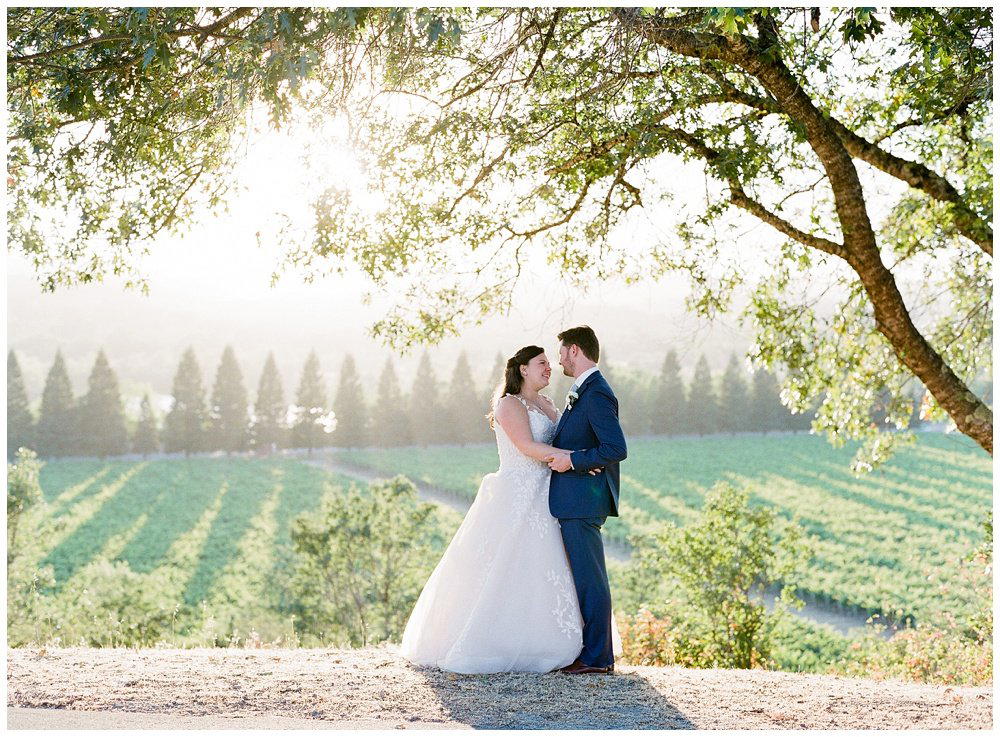
Where the Sonoma Hills Set the Agenda
Healdsburg sits at the convergence of three American Viticultural Areas — Alexander Valley, Dry Creek Valley, and the Russian River Valley — and that geographic fact governs almost everything about how the town eats and drinks. The warm days and cool marine-influenced nights produce a range of varieties that few California wine towns can match, from Dry Creek's structured Zinfandels to Russian River Pinot Noir and Alexander Valley Cabernet. Restaurants and tasting rooms here don't merely reference the land; they're shaped by it, and the better dining addresses understand that the wine list is part of the editorial argument the kitchen is making.
Harper's Rest occupies this context in Healdsburg, a town where the central plaza functions as a kind of social clearing house between winery appointments and dinner reservations. The surrounding blocks have seen a gradual consolidation around quality over the past decade, with operators who take sourcing and regional identity seriously displacing more generic dining. That shift mirrors what has happened in the vineyards: a move from volume toward expression.
Terroir at the Table: What the Land Brings
The concept of terroir rarely stays in the vineyard in Sonoma County. Chefs working in towns like Healdsburg have long used the same vocabulary of place that winemakers use, asking where the olive oil comes from, which ranches supply the lamb, how the coastal fog affects the growing calendar for the produce arriving each week. The result is a regional dining culture that functions almost as an extension of the agricultural system rather than a separate hospitality layer sitting on top of it.
That alignment between land and plate matters when assessing any serious restaurant in the Healdsburg area. The leading Dry Creek producers, such as Dry Creek Vineyard and Bella Vineyards and Wine Cave, have spent decades arguing that the gravelly benchland soils north of town produce Zinfandel with a mineral precision most domestic examples lack. A dining room that sources its wine list from this understanding rather than from generic California branding is working with a different set of assumptions, and a more demanding one.
Alexander Valley, whose alluvial floor and hillside exposures favor Cabernet Sauvignon and Chardonnay, adds a further dimension. Alexander Valley Vineyards in Geyserville and Jordan Vineyard and Winery represent the more structured, age-worthy side of the appellation, producing wines that reward the kind of long meals where the bottle evolves across multiple courses. For a restaurant committed to terroir expression, the proximity of these estates is a practical resource as much as a philosophical one.
The Healdsburg Dining Context
Healdsburg's restaurant scene has matured into a two-tier structure. The upper register includes destination-level tasting menus and wine-forward rooms that attract visitors flying in from San Francisco and further afield. Below that sits a cluster of more accessible but still serious neighborhood spots drawing on the same agricultural network. The distinction matters for a visitor planning a day around winery visits: the format of the meal, its pacing, and the depth of the wine program all depend on which tier a given restaurant occupies.
California wine country dining, more broadly, has shifted away from the heavy, butter-rich idiom that dominated the 1990s toward something lighter and more vegetable-forward, even when the protein is still central. That shift tracks what the wines themselves have done, moving toward lower alcohol, brighter acidity, and less extraction in many of the region's most respected cellars. The J Vineyards and Winery sparkling program, for instance, represents a commitment to tension and precision that would have seemed contrarian in Sonoma two decades ago. Restaurants adapting to that shift need kitchens capable of cooking to the wine rather than around it.
For broader context on the full range of dining and drinking options across the city, the EP Club Healdsburg guide maps out where Harper's Rest sits relative to the wider scene and what other formats are worth building an itinerary around.
Regional Comparisons Worth Making
Healdsburg's wine identity is specific enough that comparisons with other California wine regions illuminate what makes it distinct. Accendo Cellars in St. Helena and Alpha Omega Winery in Rutherford represent Napa's more polished, collector-oriented axis, wines built around power and precision at premium price points. Sonoma, and Healdsburg in particular, has historically positioned itself differently: more varied in its grape palette, less monocultural than Napa's Cabernet dominance, and more willing to embrace regional varieties at accessible prices.
That contrast shapes what a thoughtful restaurant in Healdsburg should be doing with its wine list. Lambert Bridge Winery offers a useful local benchmark, Dry Creek estate wines produced with a focus on the appellation's particular character rather than on conforming to a national premium red template. Further afield, operations like Adelaida Vineyards in Paso Robles and Alban Vineyards in Arroyo Grande demonstrate how California's Rhone-varietal commitment has deepened over the past two decades, producing wines with the kind of site specificity that pairs well with regionally-minded cooking.
Oregon's Willamette Valley offers another instructive contrast. Adelsheim Vineyard in Newberg has spent decades building the case for cool-climate Pinot Noir grown with Burgundian discipline. That model, appellation identity earned over time, not declared, is one that Healdsburg's leading producers have absorbed and adapted to their own warmer, more variable conditions. Andrew Murray Vineyards in Los Olivos takes a different approach again, focused on Syrah with a distinctly Californian warmth. The range of reference points speaks to the breadth of the American wine conversation a well-curated Healdsburg list can anchor itself within.
Planning a Visit
Healdsburg is approximately 70 miles north of San Francisco via US-101, making it accessible as a day trip but better suited to an overnight stay given the density of worthwhile wine appointments and the quality of dinner that the town now supports. The central plaza area concentrates most of the dining and many of the tasting rooms, reducing the need for a car once you've arrived. Weekend visits, particularly during harvest in September and October, require advance planning: restaurant reservations and tasting appointments at sought-after producers fill weeks ahead. Spring and early summer offer a somewhat quieter window while still providing access to the full range of current releases.
How It Stacks Up
| Venue | Cuisine | Price | Awards |
|---|---|---|---|
| Harper’s RestThis venue — the venue you are viewing | This venue | $30–50 | Not listed |
| Bella Vineyards and Wine Cave | Not listed | $10–20 | Not listed |
| Ferrari-Carano Vineyards and Winery | Not listed | $30–50 | Falstaff Winery - Listed |
| Verite | Not listed | $50–100 | Falstaff Winery - Listed |
| Dry Creek Vineyard | Not listed | $30–50 | Falstaff Winery - Listed |
| J Vineyards & Winery | Not listed | $150–200 | Falstaff Winery - Listed |
Continue exploring
More in Healdsburg
Wineries in Healdsburg
Browse all →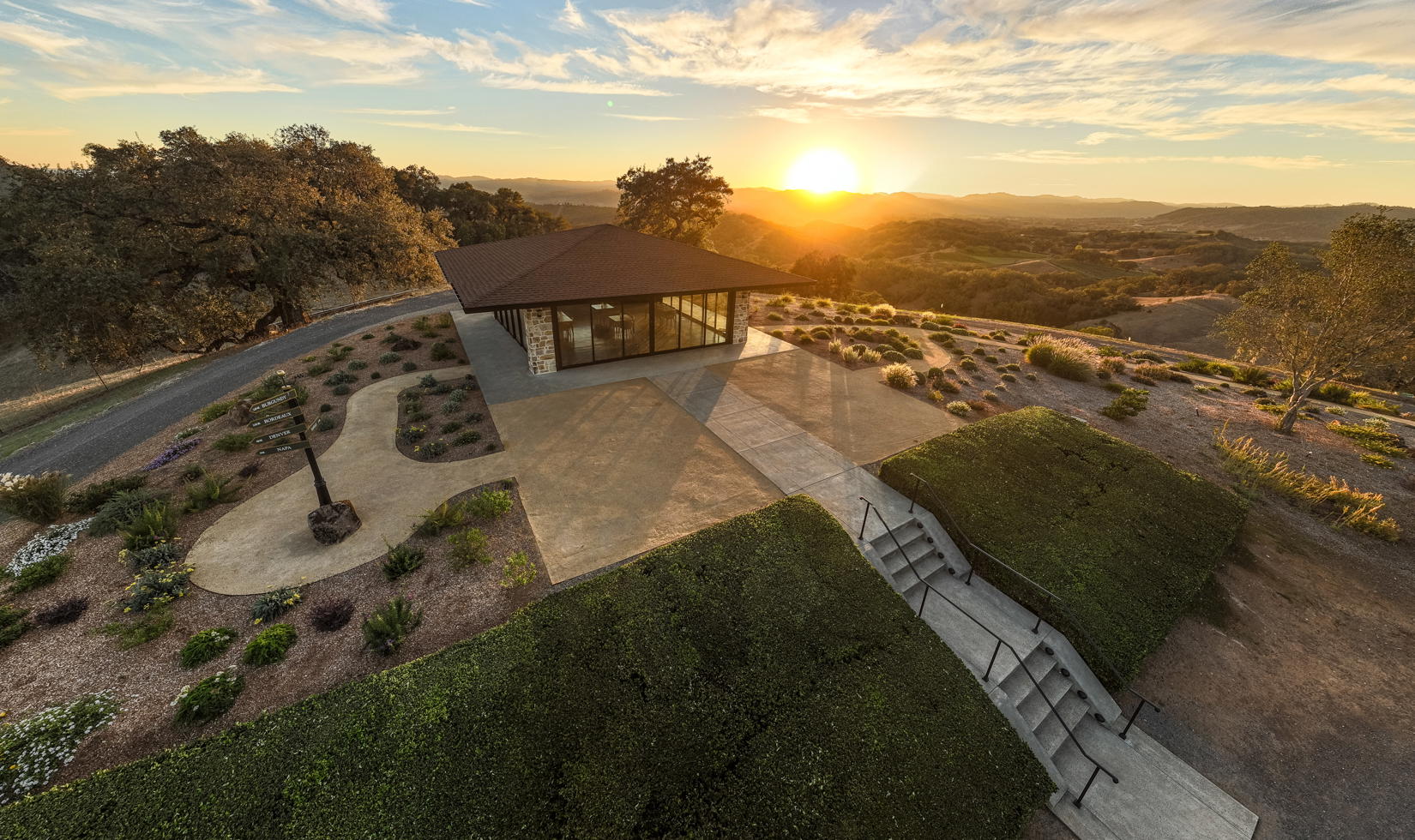
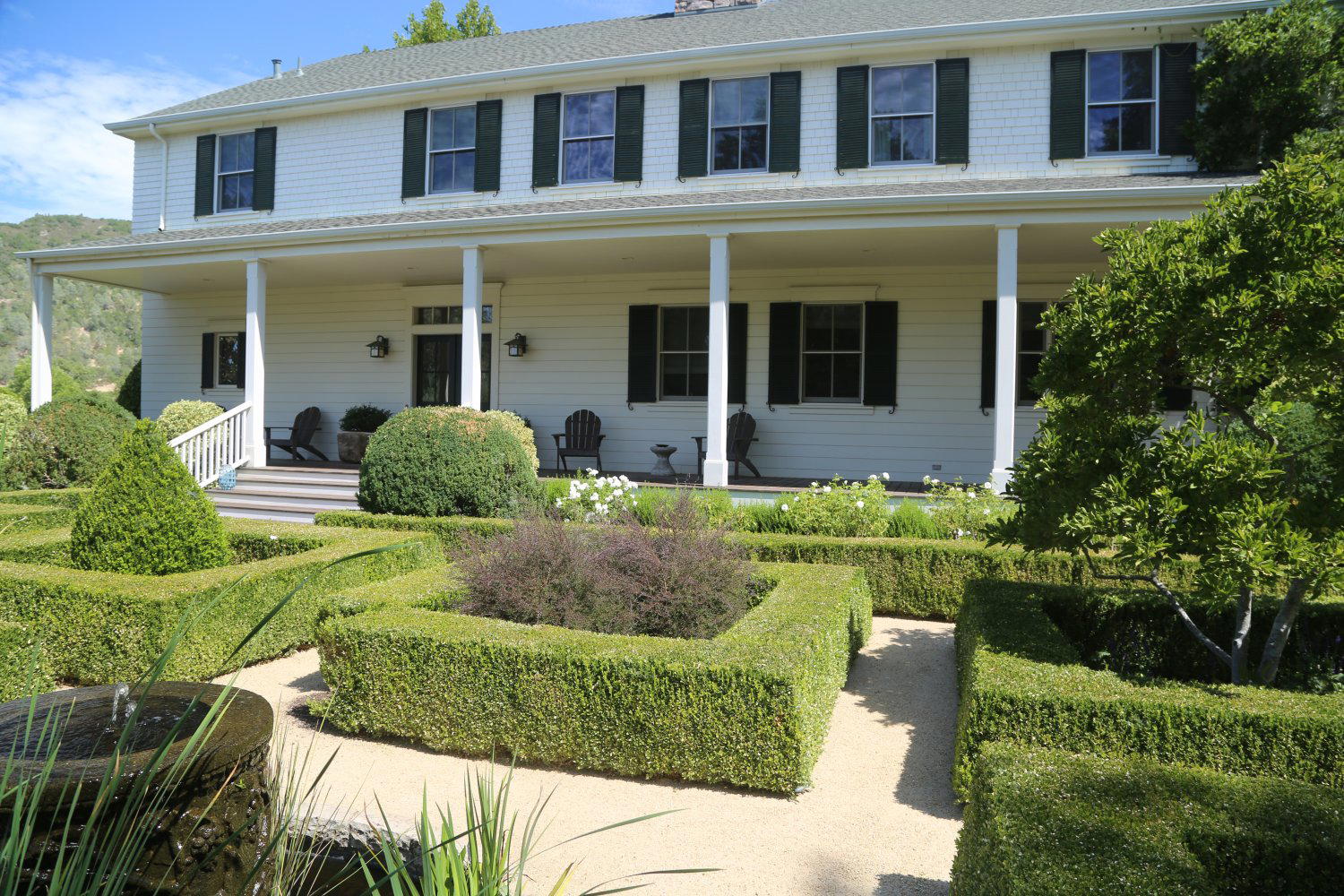
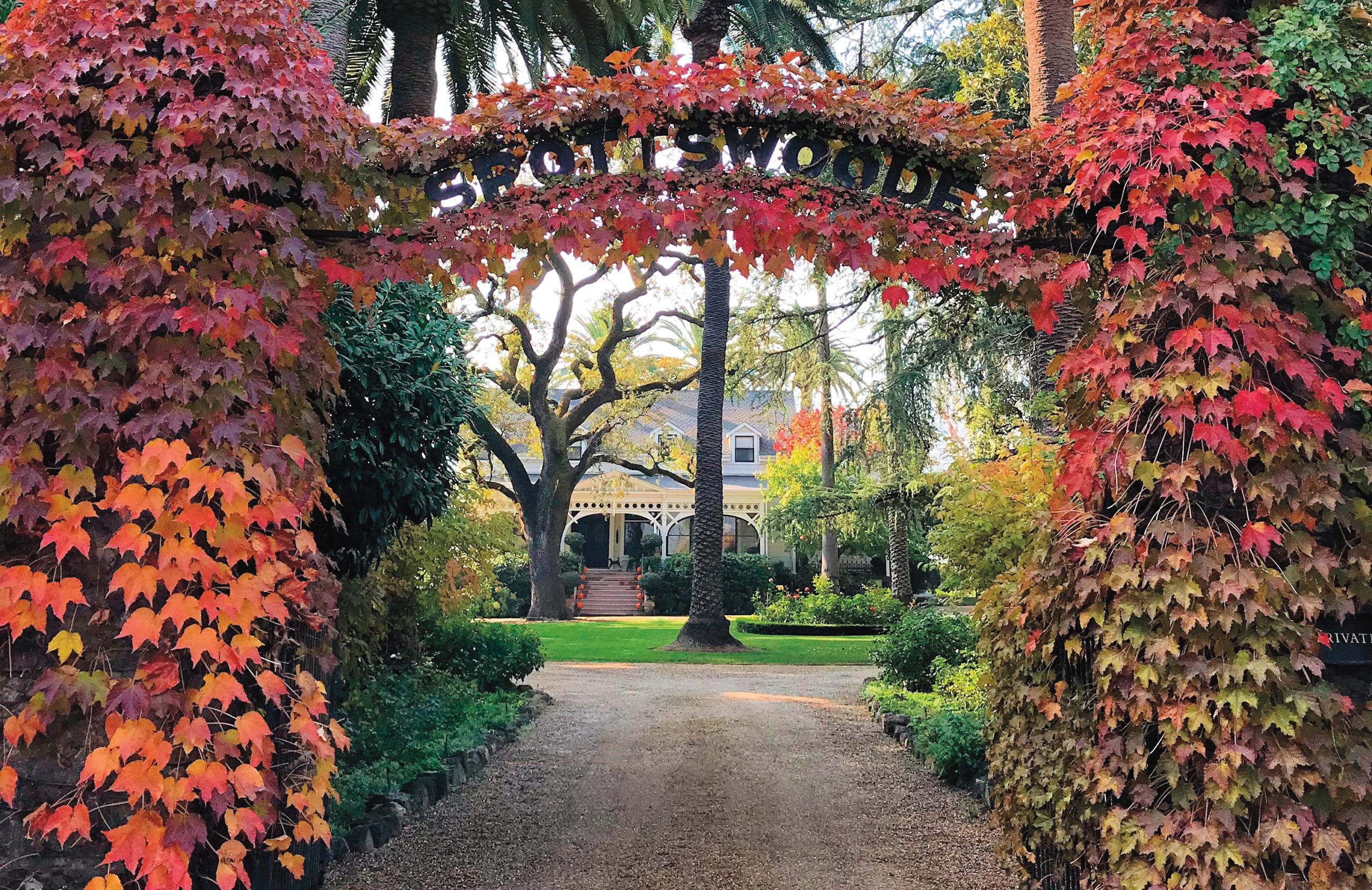
Bars in Healdsburg
Browse all →
Restaurants in Healdsburg
Browse all →
Details
- Rustic
- Scenic
- Elegant
- Intimate
- Romantic Getaway
- Special Occasion
- Group Outing
- Vineyard Tour
- Estate Grounds
- Terrace
- Panoramic View
- Organic
- Vineyard
- Mountain
- Garden
- Pinot Noir
- Chardonnay
- Still Red
- Still White
- Seated Tasting
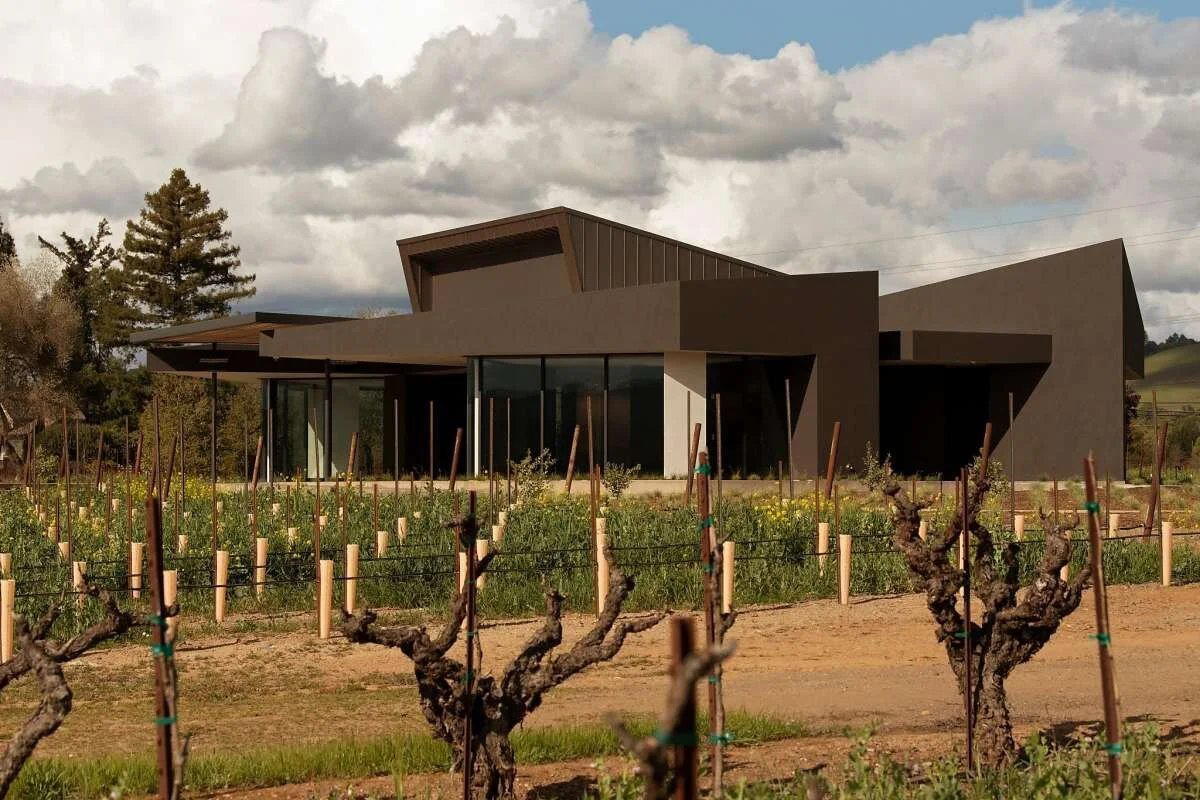
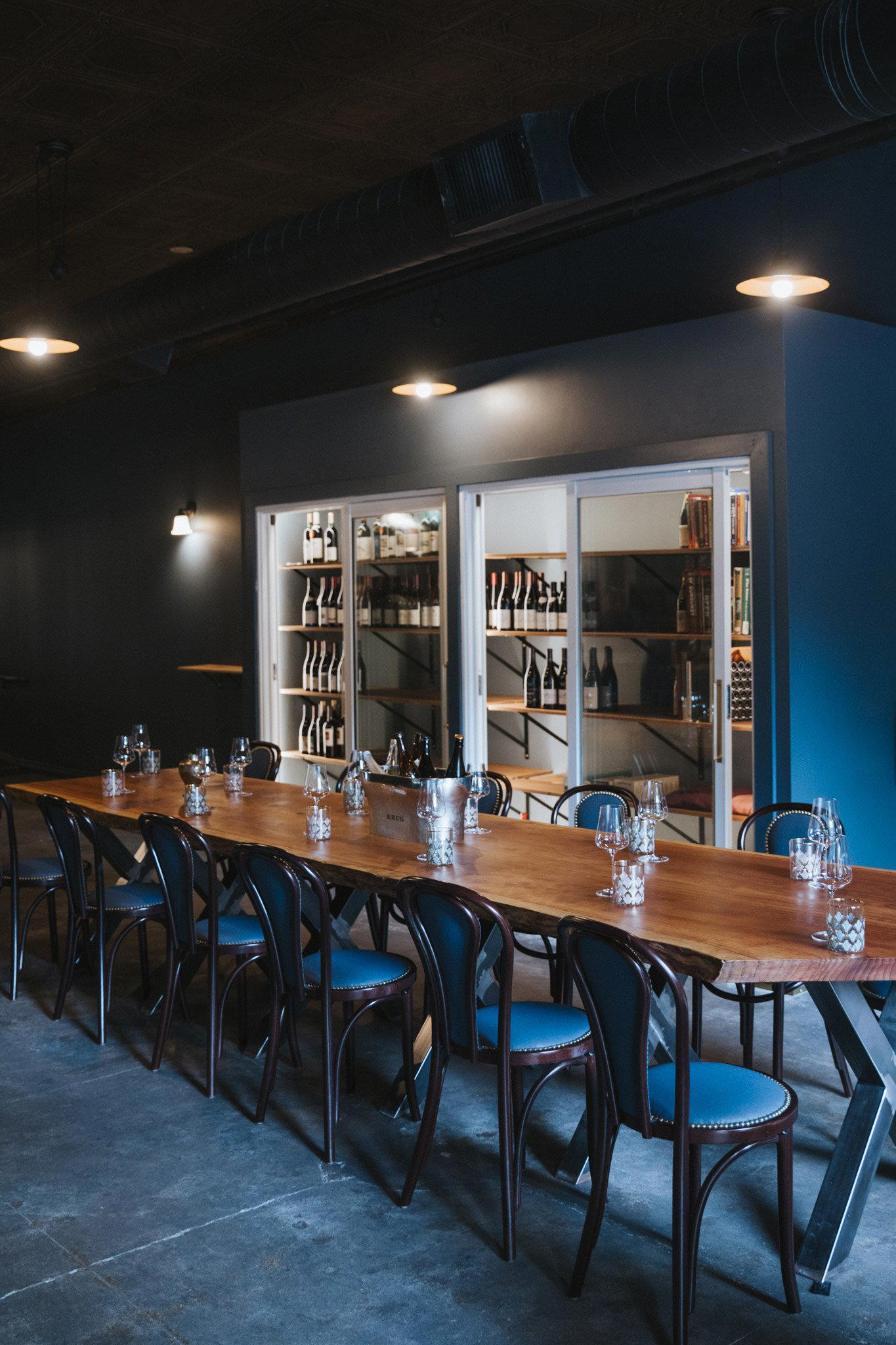
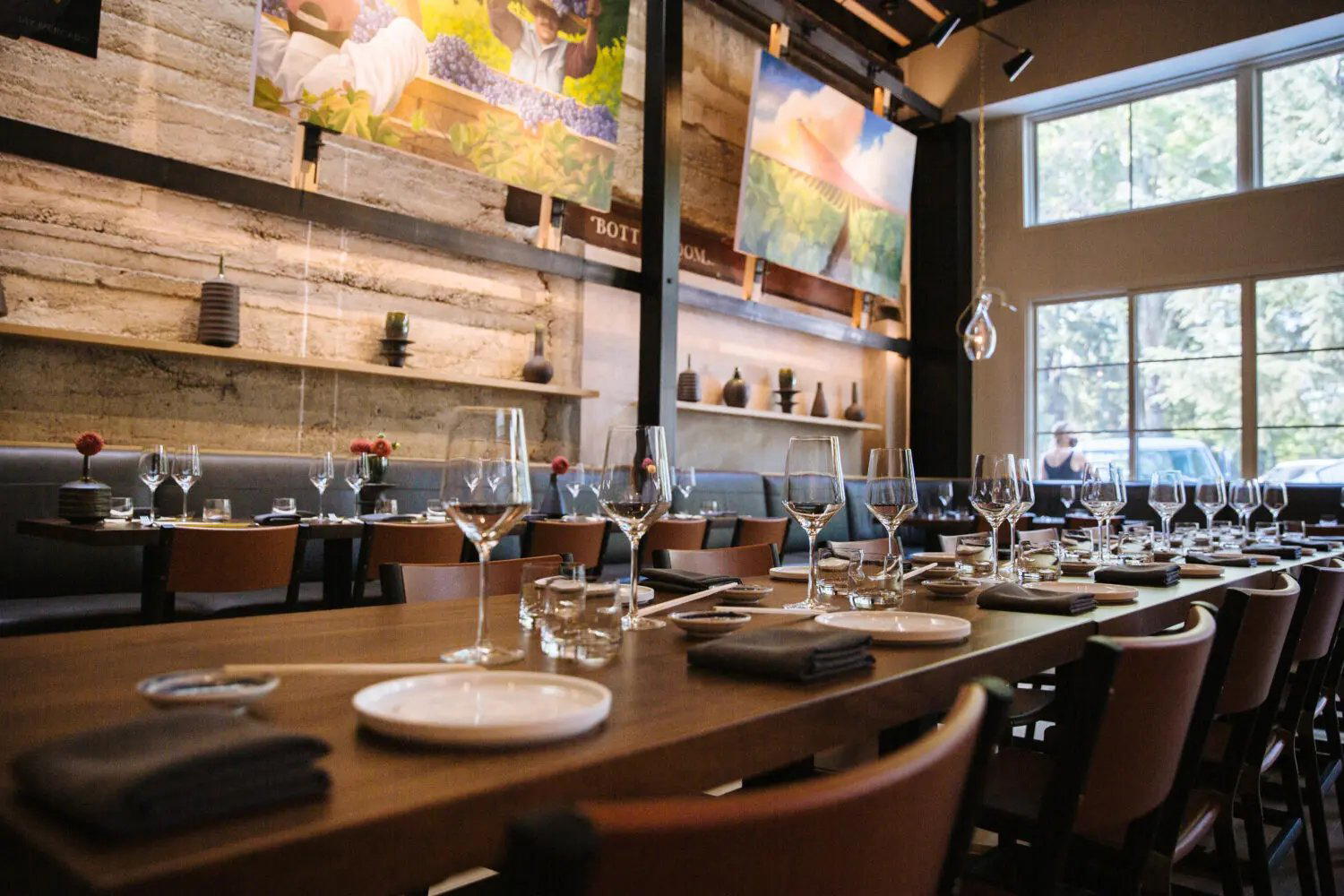
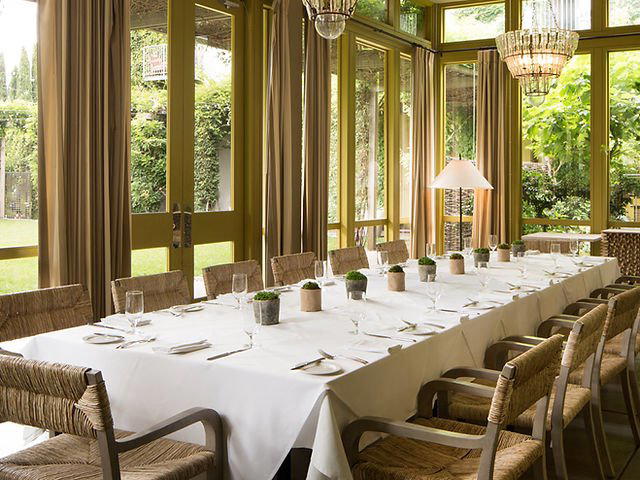
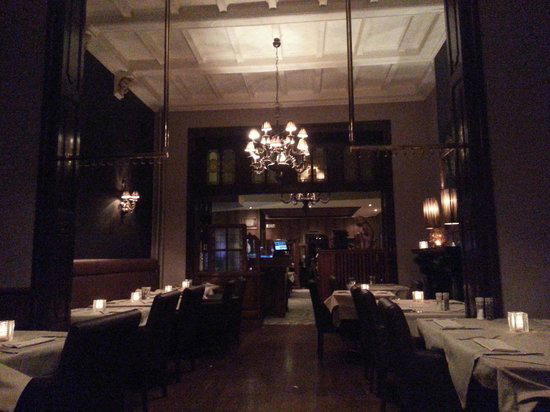
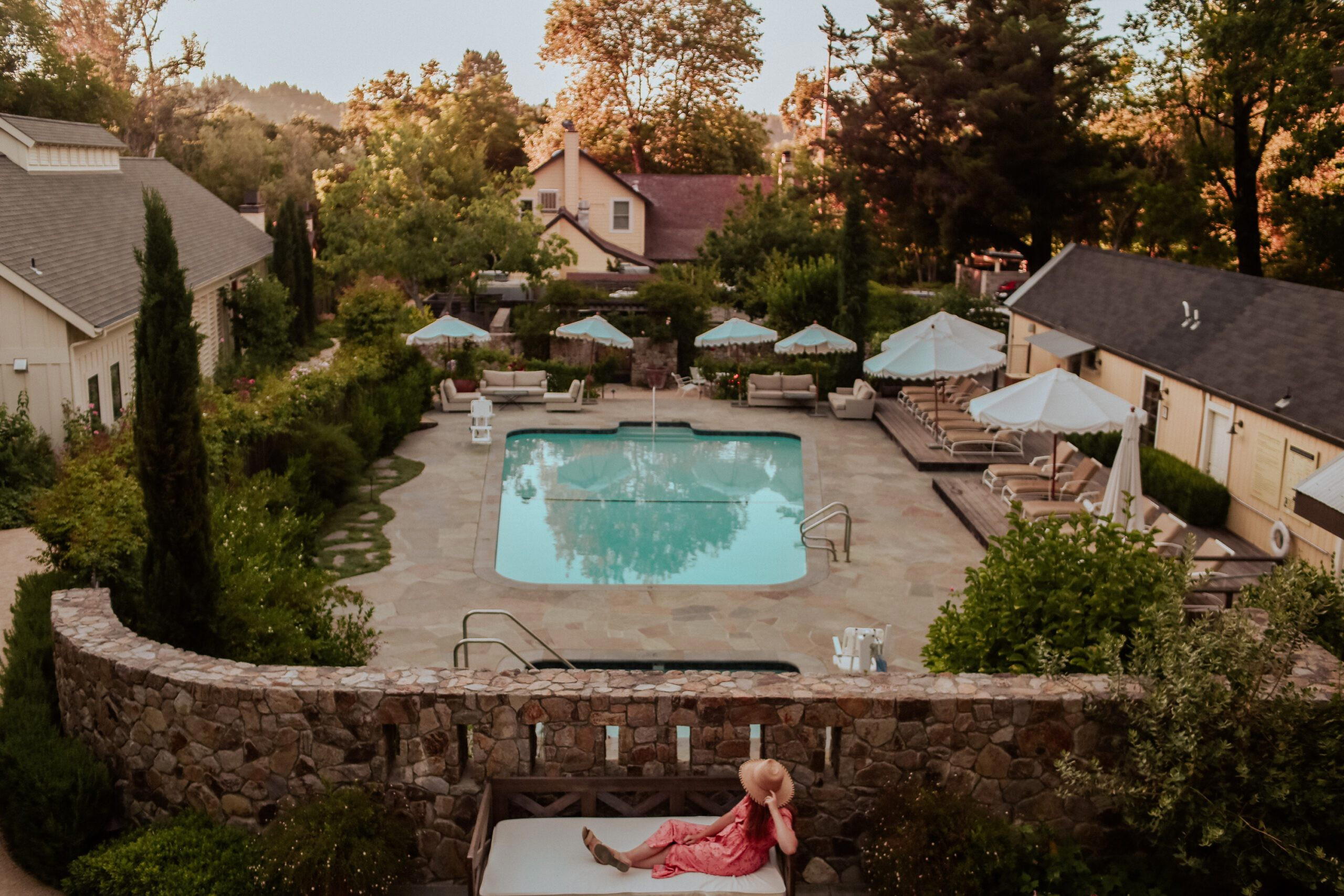
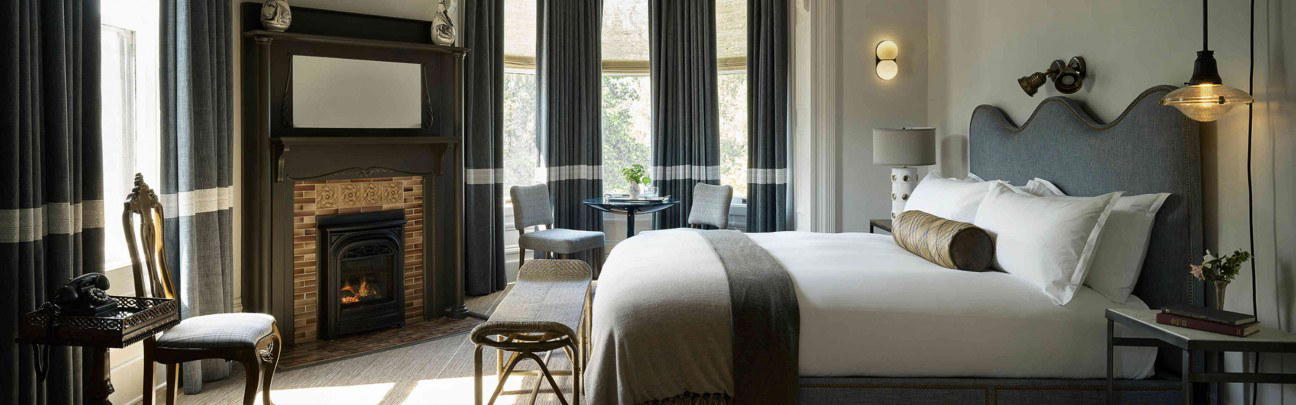
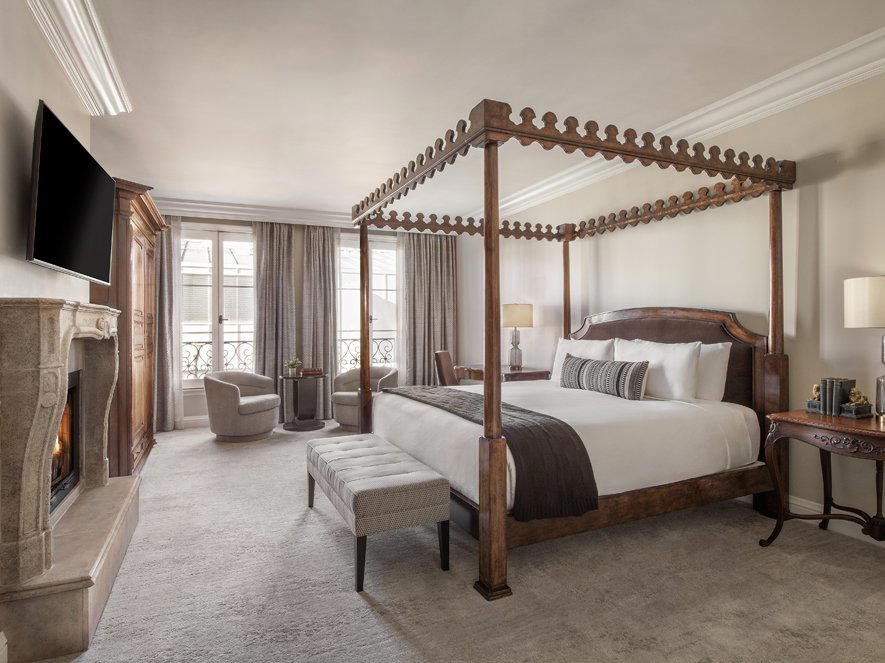
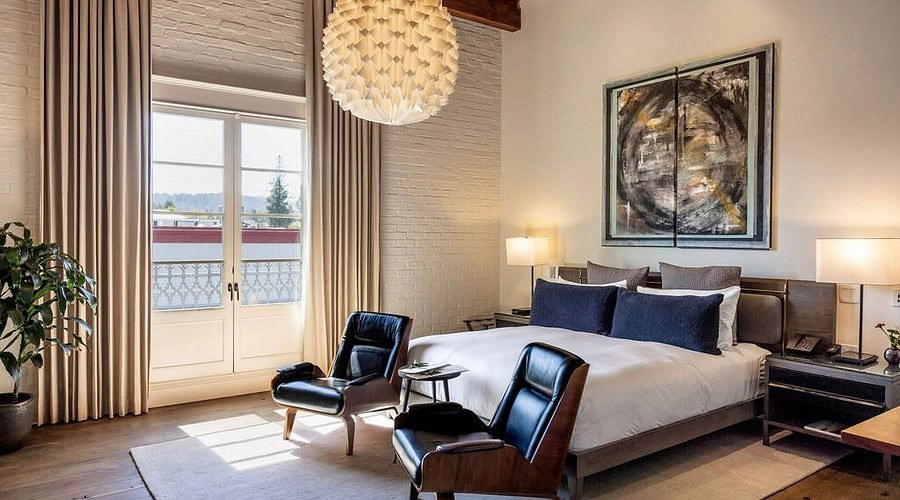
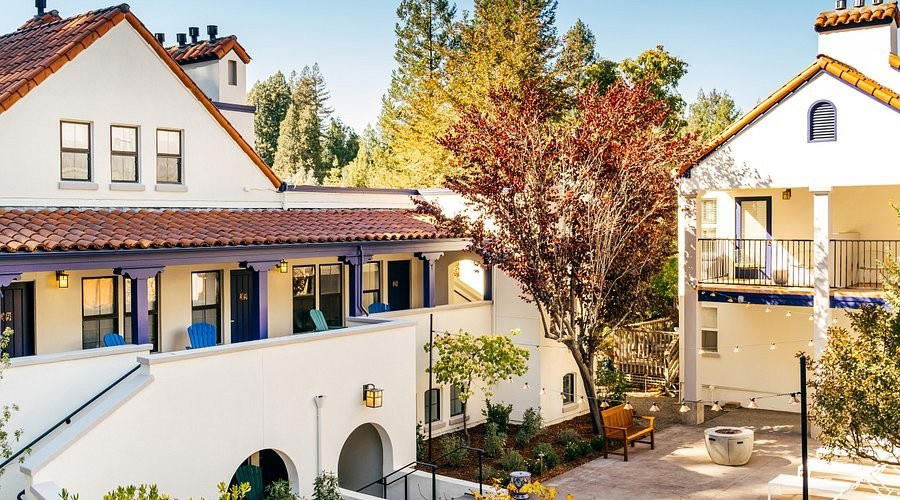
Serene and refined wine country atmosphere with sweeping vineyard views, century-old oak trees, and natural gardens creating an intimate, high setting.