Guido Rivella

Guido Rivella belongs to the small-production side of Barbaresco, where vineyard work and cru identity carry more weight than visitor theatrics. The estate works about 3.5 hectares, draws heavily from Montestefano, and produces roughly 12,500 bottles a year, with Guido Rivella’s 47 years as winemaker for Angelo Gaja giving the wines serious technical authority.
Pearl is the En Primeur Club membership app — saves, bookings, and concierge access live there. Same editors, same standards.
- Address
- Barbaresco, Piedmont, Italien
 Saves & bookings on Pearl
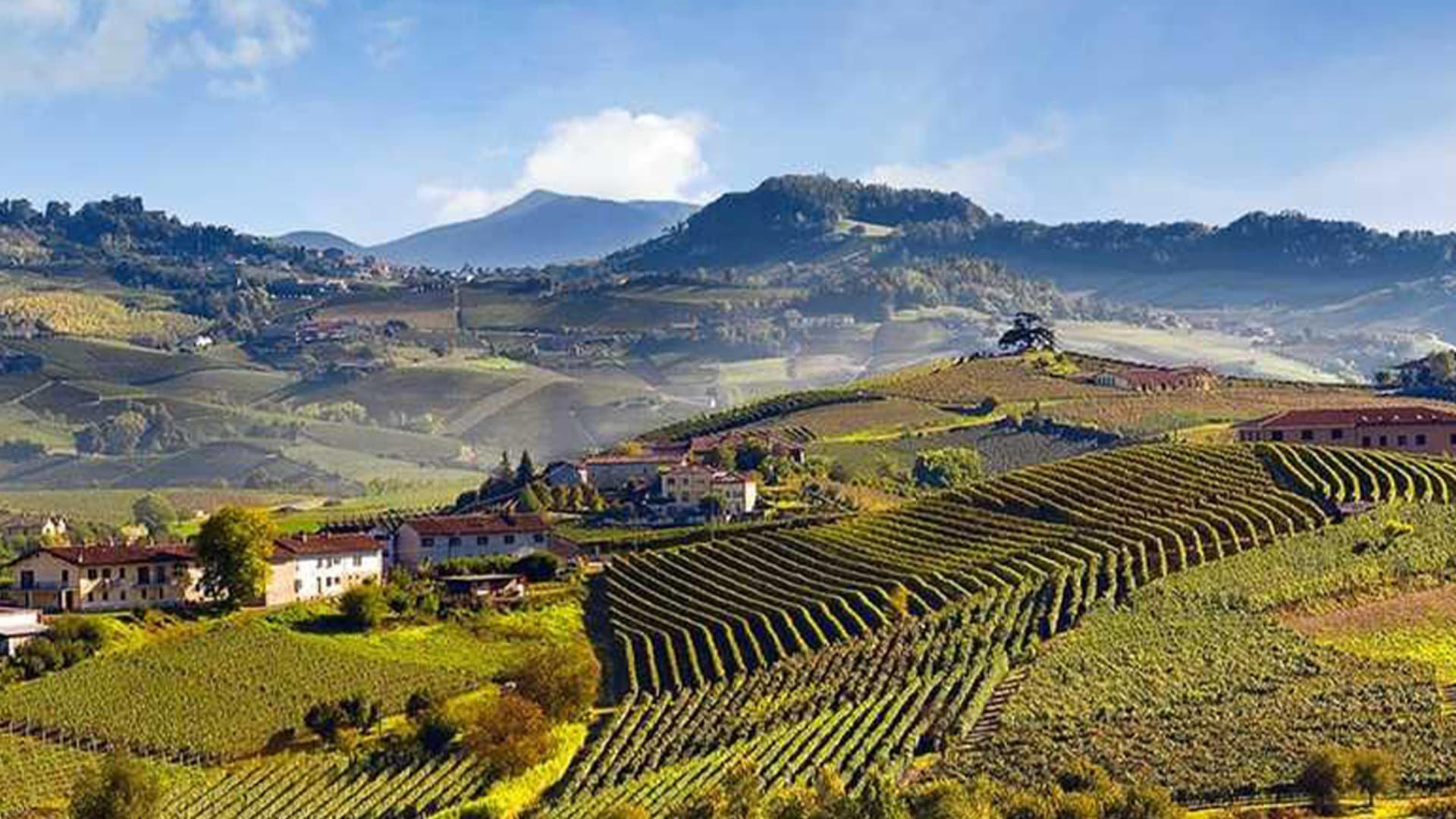
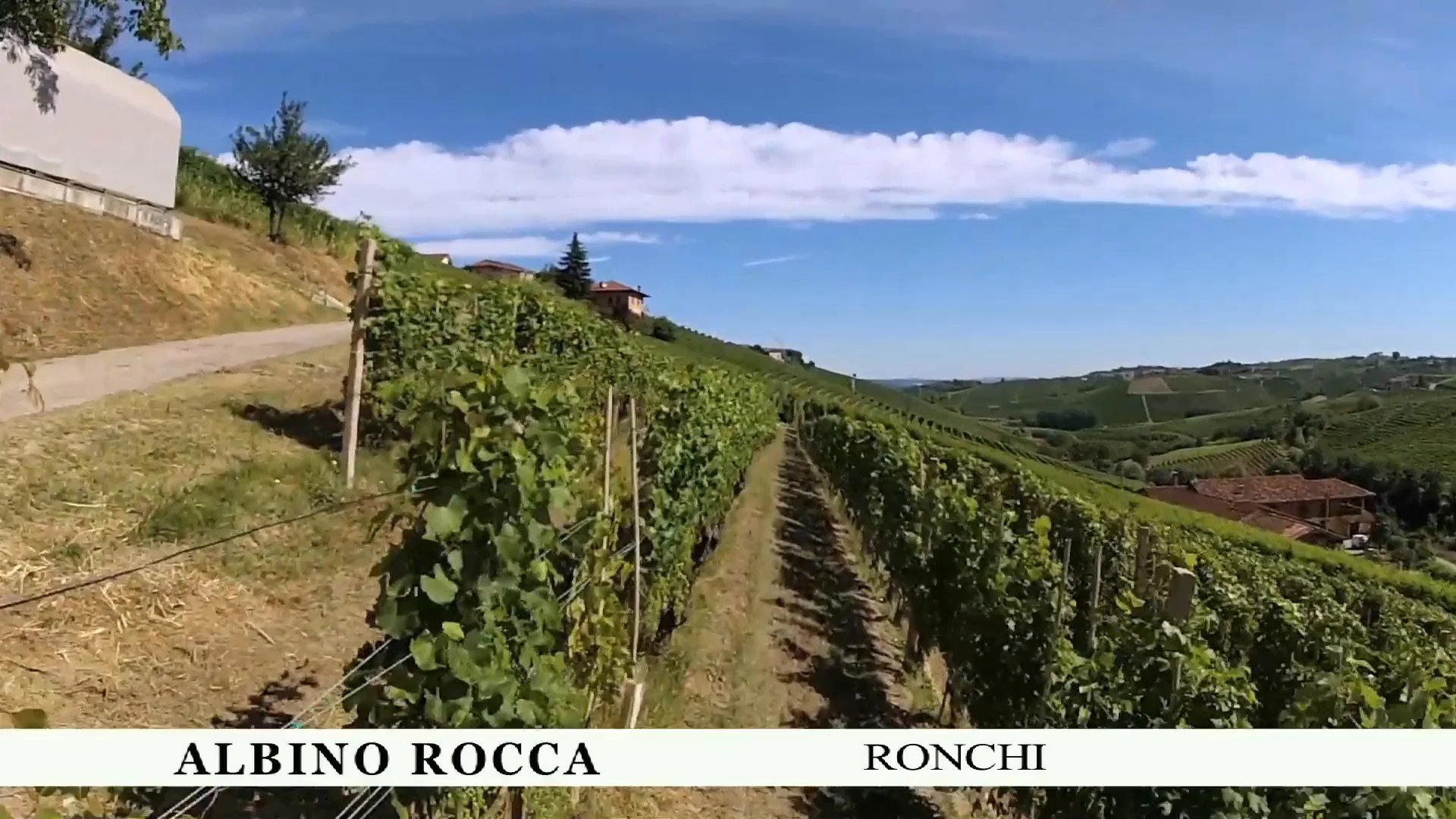
Guido Rivella is best understood as a small, family-run Barbaresco estate rather than a design-led visitor venue. The picture is deliberately narrow: a classic, elegant, scenic Piedmontese setting, a traditional cellar feel, and a producer identity centered on precision, vineyard work, low-intervention choices, and perfectionist winemaking. For readers planning around Barbaresco, that is the useful frame. This is a wine address to approach for its estate character and its careful, vineyard-first philosophy, not for a long list of confirmed hospitality features.
Because those details are not confirmed here, the safest guide is to treat Guido Rivella as a focused Barbaresco estate with a traditional Piedmontese personality and to confirm any practical arrangements directly before visiting.
A Barbaresco estate defined by vineyard focus
What can be stated with confidence is that Guido Rivella’s identity is tied to precision and vineyard work. In a region where small differences of site, exposure, vintage, and farming can matter greatly, that emphasis is central to how the estate should be read. The guide-worthy point is not spectacle or scale; it is the sense of a compact, family-run producer whose reputation rests on careful work rather than a visitor-facing concept.
The estate’s style is also described as low-intervention and perfectionist. That combination suggests a producer concerned with letting vineyard character remain central while keeping standards exacting. The grounded takeaway is broader but still meaningful: the winery belongs in a classic Barbaresco itinerary for travelers who care about the connection between landscape, cellar tradition, and careful winemaking.
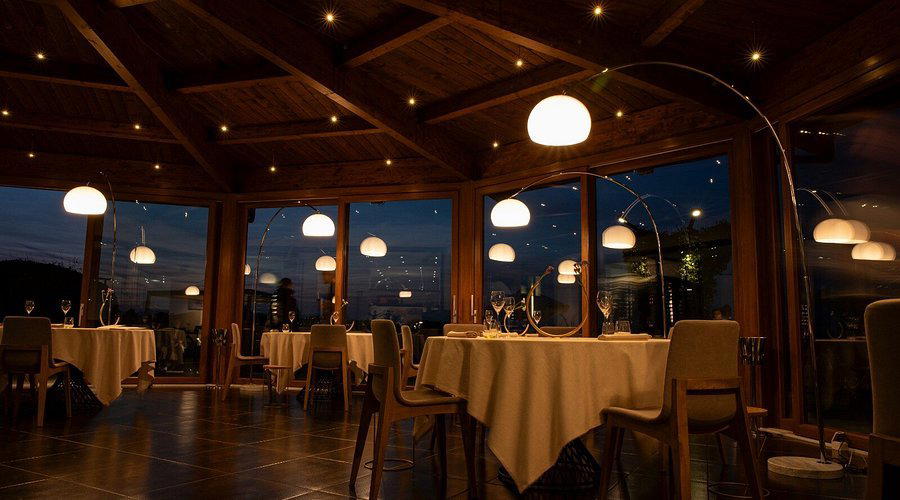
The atmosphere is part of that identity. The winery is not presented as a design-driven experience. The description points instead to a traditional Piedmontese cellar feel, with a scenic and elegant setting. For visitors, that means expectations should be calibrated toward quiet seriousness and estate character rather than amenities, restaurant-style service, or a polished hospitality complex.
A classic, elegant Barbaresco profile
The winery is listed in the $$$ price tier. Any specific budget planning should therefore be checked directly with the estate or current booking source before making plans.
The editorial reason to include the winery is its classic Barbaresco profile. The estate is family-run, small in feeling, and rooted in a traditional cellar sensibility. Those qualities make it a strong fit for travelers who prefer understated wine addresses: places where the appeal is not a large hospitality program but the impression of a producer working carefully within a historic wine landscape.
The more accurate planning note is that winery is a wine-focused Barbaresco estate whose appeal lies in precision and vineyard work. If you need specific access information, confirm it directly before you go.
How to place Guido Rivella in a Barbaresco itinerary
For a Barbaresco trip, the winery works well as a focused estate reference point. It suits travelers interested in classic Piedmontese wine culture, scenic vineyard country, and a producer identity shaped by careful, low-intervention winemaking.
In practical terms, plan with flexibility. The confirmed price category is $$$, but no specific fee or product pricing. The confirmed atmosphere is classic, elegant, scenic, traditional, and family-run, but no exact tour structure or tasting format. Those limits are not drawbacks; they simply mean the estate should be approached as a specialist wine stop whose details should be checked at the source.
Compared with more hospitality-forward wine destinations, the winery’s appeal is quieter. The language points to a producer focused on precision and vineyard work, with a traditional cellar feel and a perfectionist approach. That is the essential reason to keep it on a Barbaresco list: it represents the kind of small, serious estate where the landscape and cellar identity matter more than a branded experience.
For readers building a broader plan, pair the winery with other dining or wine stops in Barbaresco only after confirming current availability and logistics. One reliable editorial summary is simple: the winery is a small, family-run Barbaresco estate with a classic, elegant, scenic character, a traditional Piedmontese cellar feel, and a focus on precise, low-intervention winemaking.
Recognition history
Dated appearances from independent guides and award organizations, with the underlying list record or original source where available.
Falstaff Winery - Listed
Falstaff
Continue exploring
More in Barbaresco
Wineries in Barbaresco
Browse all →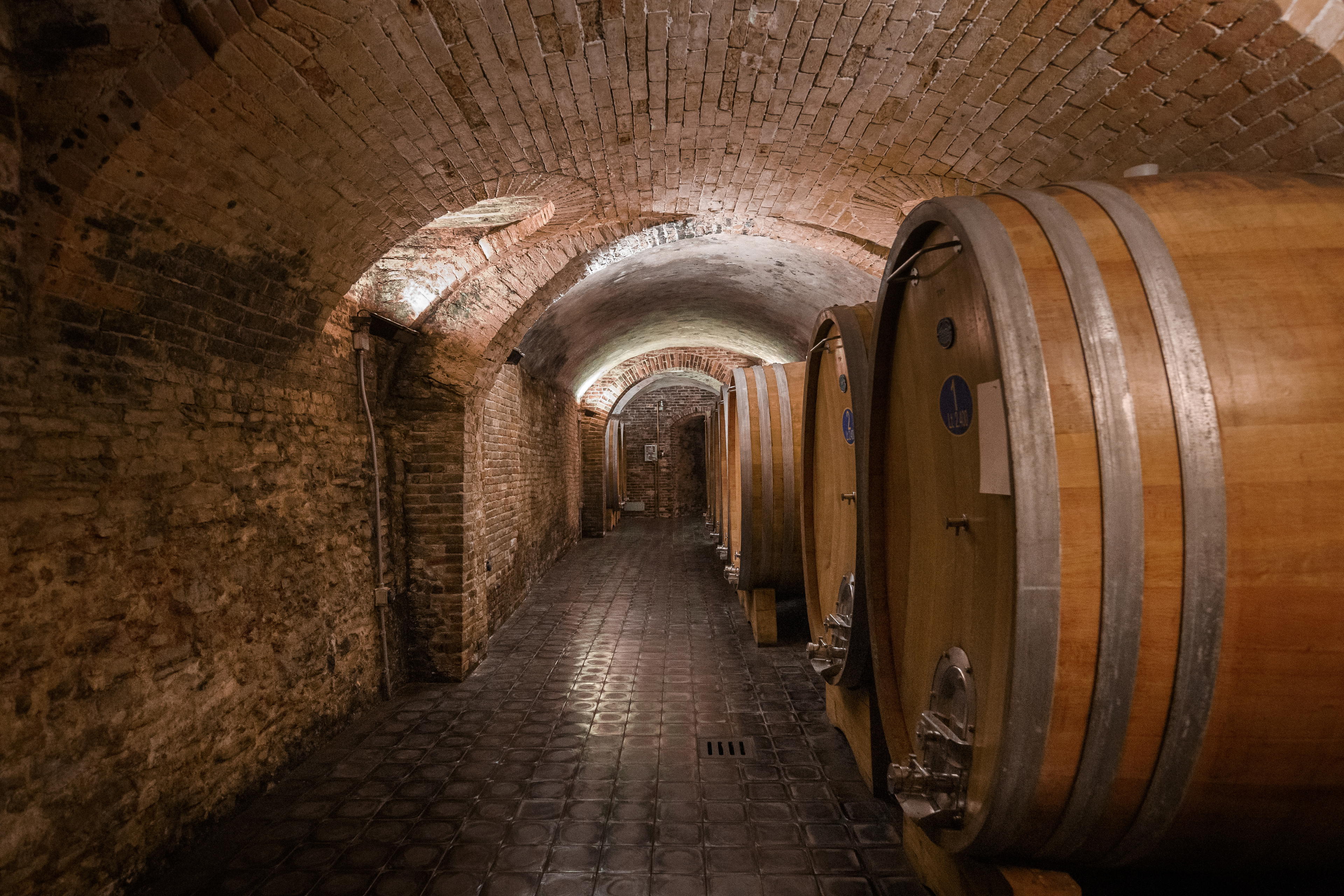
Bars in Barbaresco
Browse all →
Restaurants in Barbaresco
Browse all →
At a Glance
- Classic
- Elegant
- Scenic
- Intimate
- Sophisticated
- Wine Education
- Romantic Getaway
- Group Outing
- Solo Exploration
- Special Occasion
- Estate Grounds
- Vineyard Tour
- Private Tasting
- Organic
- Vineyard
- Mountain
- Barbaresco DOCG
- Nebbiolo
- Barbera
- Still Red
- Seated Tasting
- Guided Tasting
- Vineyard Tour
Small, family-run Barbaresco estate focused on precision and vineyard work, with a traditional Piedmontese cellar feel and low-intervention, perfectionist winemaking rather than a design-driven visitor experience.