
Grandes Pagos is better read as an intellectual map of Spanish terroir than as a conventional winery visit in Madrid. The association gathers estate-led producers around single-vineyard identity, older-vine heritage, and the tension between innovation and tradition, making it strongest for travelers who want Spanish wine explained through place rather than through a polished cellar-door routine.
Pearl is the En Primeur Club membership app — saves, bookings, and concierge access live there. Same editors, same standards.
- Address
- Madrid, Comunidad de, Spanien
 Saves & bookings on Pearl
Madrid is not vineyard country in the obvious sense: the capital gives wine its tables, cellars, importers, critics, and collectors rather than rows of vines outside the door. Grandes Pagos fits that urban role. Its Madrid presence functions less like a rural tasting room and more like a quiet institutional point of entry into Spanish estate wine, where the subject is not hospitality theatre but the way soil, vine age, altitude, grape variety, and regional memory shape what ends up in the glass.
That distinction matters. Spain’s wine identity is often flattened abroad into a handful of famous regions and familiar grape names, while the country’s estate-led producers work across a far broader spectrum: Atlantic whites, inland reds, Mediterranean blends, high-plateau vineyards, old bush vines, and single-property bottlings that resist a generic national style. Grandes Pagos de España was founded in 2003 and has built its reputation around that more granular argument. D Magazine described the group in 2016 as an esteemed wine-growing association and noted that it had reached 28 wineries, a useful signal of both selectivity and breadth.
Spain's terroir argument, assembled from estates rather than one cellar
The key to understanding Grandes Pagos is that it is an association, not a single production site. Its members produce under their own labels, in their own regions, with their own viticultural choices. The unifying idea is estate identity: wines tied to specific properties rather than a broad appellation shorthand. In practice, that means the association is making a case for Spain through vineyards first, then grapes, then region.
The spread of member regions gives the idea force. Toro, Ribera del Duero, Rías Baixas, and Rueda point to sharply different climates and drinking traditions: continental power, Duero structure, Atlantic acidity, and Castilian white-wine precision. The association’s public language turns repeatedly around great vineyards, innovation with tradition, and environmental harmony, but the more interesting point is structural. By refusing to act like a single branded winery, the winery lets Spain’s fragmentation become its argument.
Old-vine material sits close to the center of that argument. The D Magazine account referenced 100-plus-year-old vineyards, and one member example, Numanthia, was described through a vine-age hierarchy: Termanthia from 100-plus-year-old Tinta de Toro vines, Numanthia from 50–75-year-old vines, and Termes from younger 15–30-year-old vines. That example should not be mistaken for a template across every member, but it shows the kind of thinking the association values: vineyard age, parcel distinction, and estate segmentation as tools for explaining quality.
The experience is educational, quiet, and built for people who ask better questions
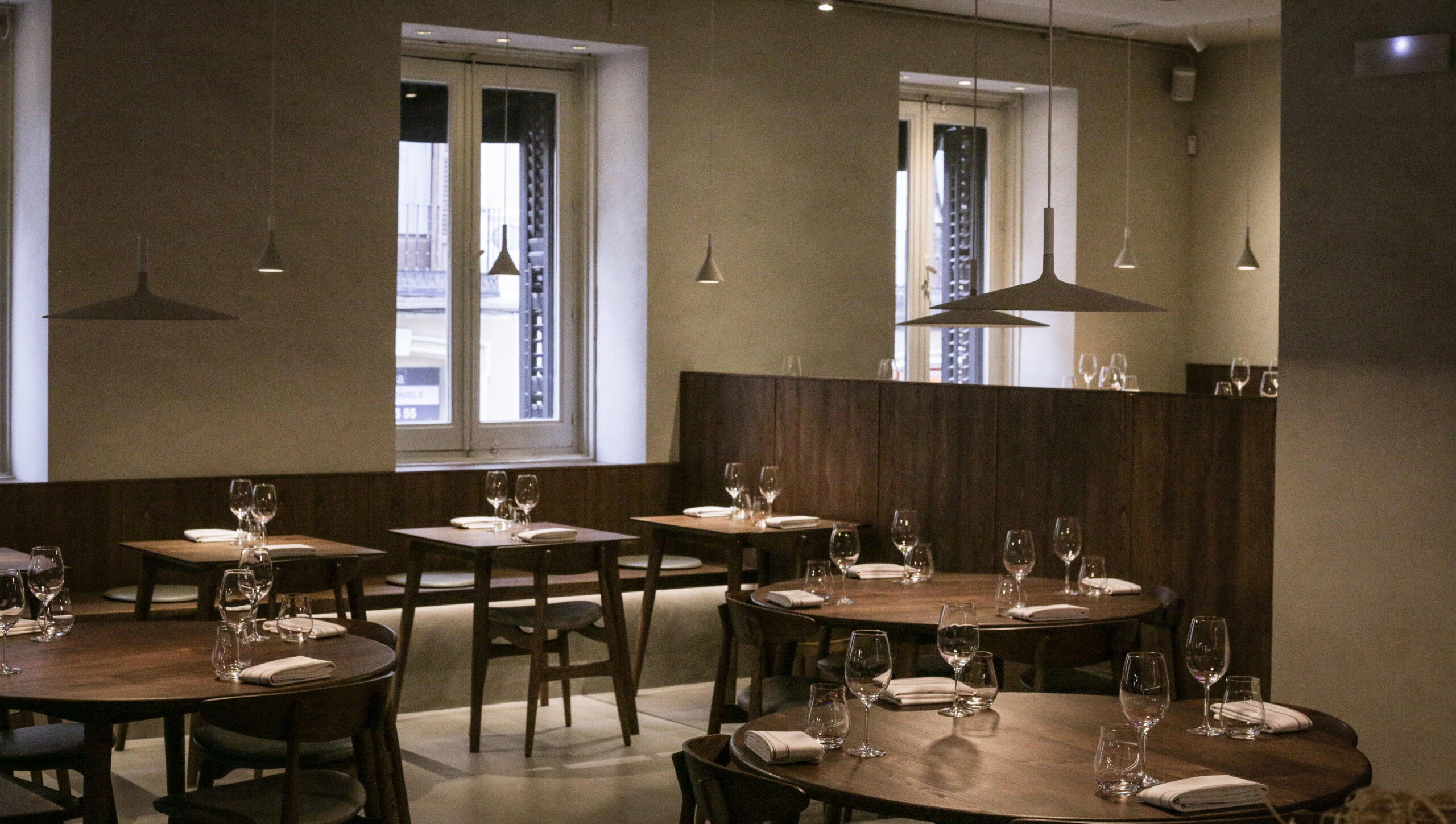
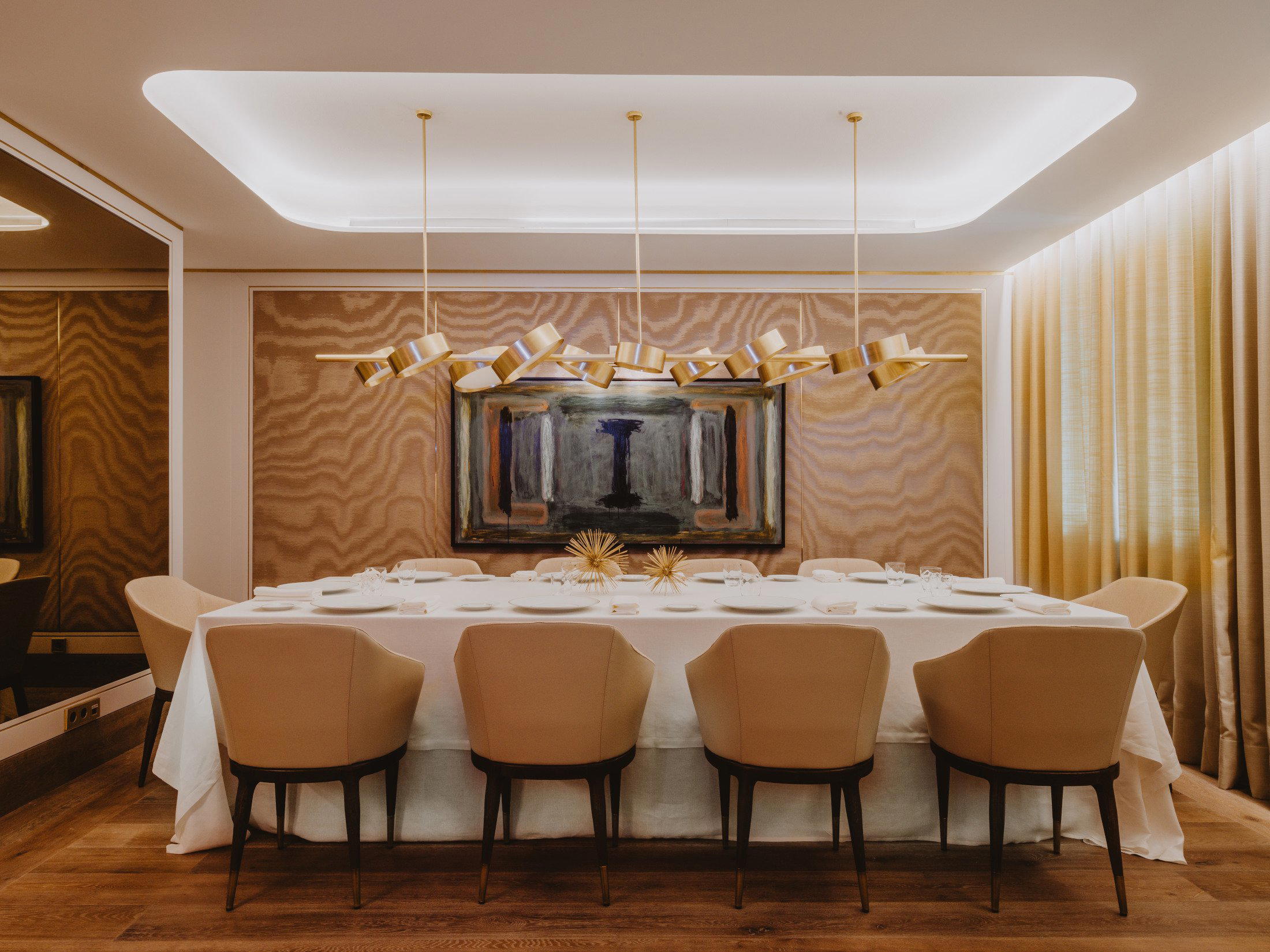
The atmosphere implied by the format is controlled and cerebral. This is not the visitor-center version of wine culture, with a shop-first flow and a scenic terrace as the main event. The tone is sophisticated, quiet, and educational, with guided and private tastings forming the relevant format. English and Spanish are listed for tours, and the overall visit type is appointment-led, which suits a group whose value lies in interpretation as much as pouring.
The main draw is not a flagship cuvée or a photogenic estate entrance. It is access to a cross-section of Spanish estate thinking: still reds, still whites, and sparkling wines seen through the lens of site rather than category. For travelers already eating and drinking seriously in Madrid, that can be more useful than another bottle list. The association helps explain why a Rías Baixas estate and an inland red-wine property can belong to the same conversation without tasting remotely alike.
There is also a sustainability thread, though it is better understood as a stated philosophy than a checklist of certifications. The association’s emphasis on harmony with the environment and estate-grown production aligns with land stewardship, especially when old vineyards and specific sites are treated as assets to preserve rather than raw material to standardize. That framing is credible at the association level, but the practical farming details belong to the individual estates.
How to place it within a Madrid wine itinerary
Madrid’s strength for wine travelers is density of context. Restaurants, bars, shops, and cultural programming compress Spain’s regions into a capital-city conversation. The winery belongs in that matrix as an interpretive stop: a way to understand why estate identity has become such a serious counterweight to simple appellation branding. It is particularly relevant before or after meals in the city, when the same regional names start appearing on lists with more meaning.
Use it as the wine-education anchor, then build outward. For venue planning in the city, EP Club’s broader Madrid coverage is a practical next step: Our full Madrid wineries guide, Our full Madrid restaurants guide, Our full Madrid bars guide, Our full Madrid hotels guide, and Our full Madrid experiences guide. Those guides help turn a tasting-led appointment into a fuller capital itinerary rather than an isolated wine stop.
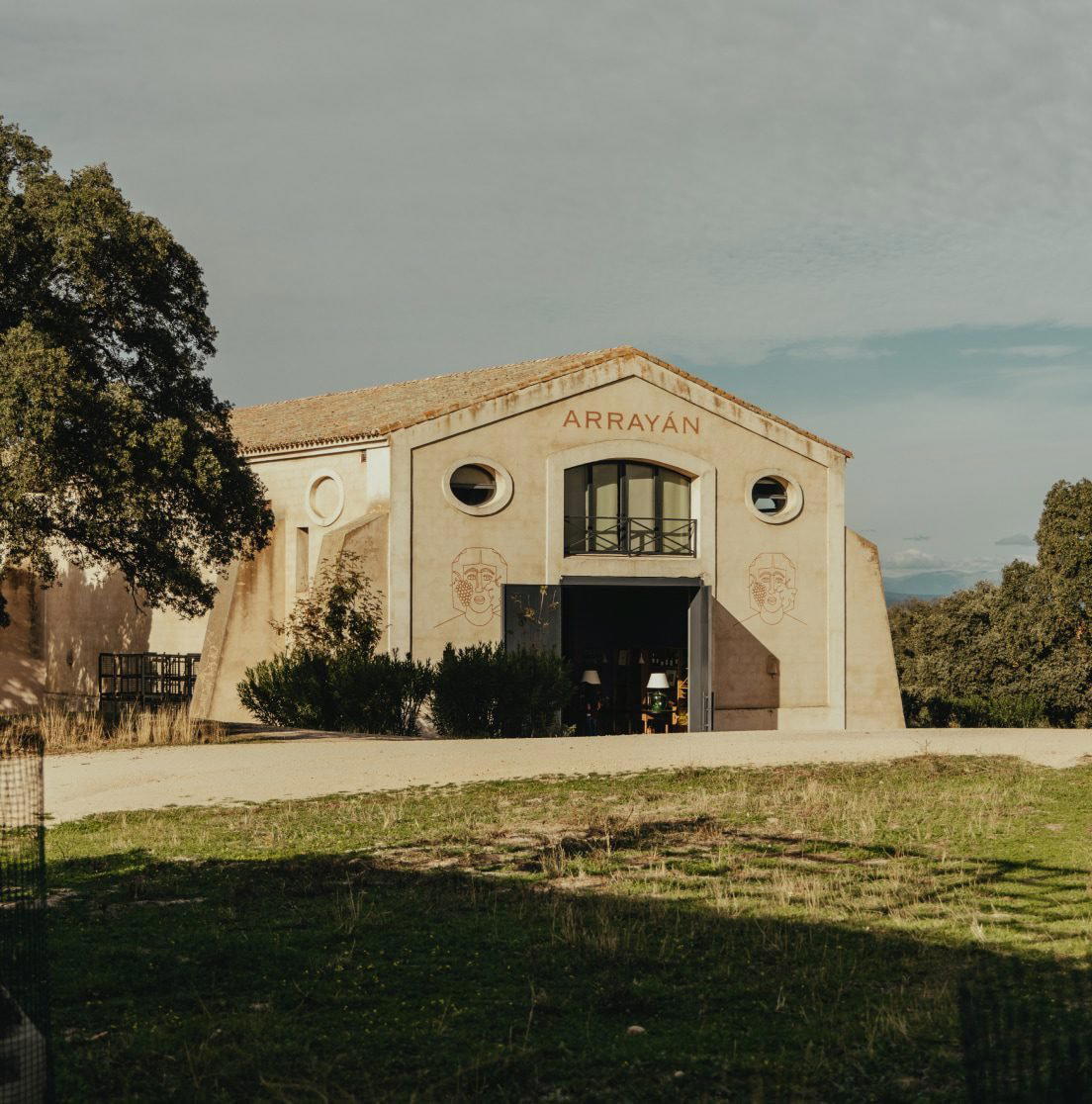
Readers comparing Madrid-based wine entries can also look at Atlan & Artisan, Baša vino, Bodega Valleyglesias, Bodegas Arrayán, S.L. and Bodegas Bernabeleva. For a wider Spanish and European frame, continue with 3 Ases Bodegas y Viñedos in Quintanilla De Arriba, 4Kilos Vinícola in Felanitx, Aalto Bodegas y Vinedos in Quintanilla De Onesimo Valladolid, »der Steiner« Hans Steiner in Podersdorf am See, and & Handwein in Mannheim.
The editorial verdict is simple: the winery is for travelers who want Spanish wine to become more legible. Its value is not spectacle, volume, or a single dramatic cellar. It is the discipline of seeing Spain through estates, vineyards, and the tension between local specificity and national ambition.
Recognition history
Dated appearances from independent guides and award organizations, with the underlying list record or original source where available.
Falstaff Winery - Listed
Falstaff
Continue exploring
More in Madrid
Wineries in Madrid
Browse all →
Bars in Madrid
Browse all →
Restaurants in Madrid
Browse all →



At a Glance
- Sophisticated
- Quiet
- Modern
- Wine Education
- Corporate Event
- Design Destination
- Sustainable
- Still Red
- Still White
- Sparkling
- Guided Tasting
- Private Tasting
Terroir-focused and intellectually oriented, with an emphasis on the personality of single vineyards, innovation, and tradition rather than a polished visitor-center feel.