

Established in 1841 and awarded a Pearl 3 Star Prestige rating in 2025, González Byass is the bodega that defined the global identity of Jerez sherry. The Tío Pepe estate in Old Town Jerez combines nineteenth-century winery architecture with guided cellar experiences, placing it firmly in the tier of Spanish wine destinations where history and terroir are inseparable from the glass.
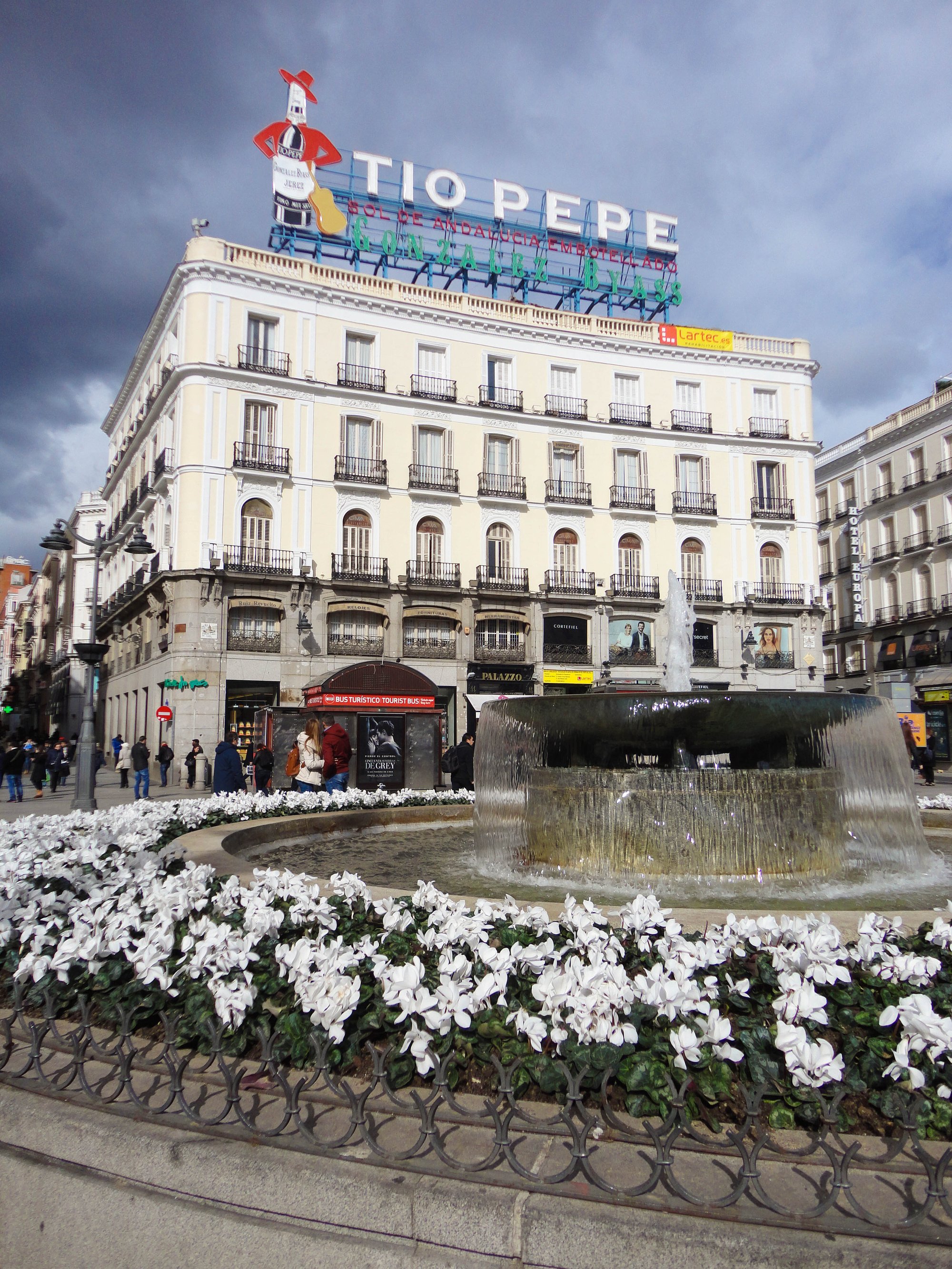
Where Albariza Soil Meets Atlantic Air: The Terroir Behind Tío Pepe
Sherry country runs on a geological accident. The chalky white albariza soils of the Jerez Superior zone — the most prized classification within the Denominación de Origen Jerez-Xérès-Sherry — absorb winter rainfall like a sponge and release it slowly through the brutal Andalusian summer. Combined with the levante, the hot dry easterly wind that accelerates grape desiccation, and the poniente off the Atlantic that keeps things from tipping into extremity, the terroir around Jerez produces conditions found nowhere else on the Iberian peninsula. Palomino Fino, the grape that accounts for the overwhelming majority of sherry production, expresses that terroir most clearly in its driest form: Fino and Manzanilla. González Byass and its Tío Pepe label sit at the centre of that tradition, not as an exception to it but as one of its most durable expressions.
The bodega was established in 1841, which places it at the beginning of sherry's Victorian-era ascent in British export markets. The name Tío Pepe , Uncle Joe, a reference to José Ángel de la Peña, the uncle of founder Manuel María González , started as a dry white Fino and grew into one of the most recognised sherry labels internationally. That trajectory matters when reading González Byass against the broader sherry category: this is not a boutique operation working in a niche register, but one of the houses whose scale and continuity have shaped what the outside world understands sherry to be. The EP Club Pearl 3 Star Prestige rating awarded in 2025 reflects the bodega's position at the leading of the prestige tier for winery visits in Spain.
The Physical Experience: Nineteenth-Century Architecture as Cellar Document
Arriving at C. Manuel María González 12 in the heart of Old Town Jerez, the scale of the González Byass estate communicates something that smaller, newer bodegas cannot replicate: the built record of an industry at its height. The site includes nineteenth-century cottages originally constructed for winery workers, cathedral-scale aging bodegas with whitewashed walls and high vaulted ceilings, and the layered geography of a working estate that has accumulated structure across nearly two centuries. The temperature differential between the sun-heated streets of Jerez and the interior of the aging bodegas, where humidity and shadow do their work on maturing sherry, is immediate and instructive. You understand, physically, why Fino needs the cool and the flor , the layer of indigenous yeast that protects the wine from oxidation , when you spend time in these spaces.
The Hotel Bodega Tío Pepe operates within this estate, converting the winery worker cottages into guest accommodation. That format , hospitality integrated into a functioning production site , places González Byass in a category that Spanish wine tourism has developed unevenly. The comparable model in Ribera del Duero would be [Abadía Retuerta in Sardón de Duero](https://www.enprimeurclub.com/wineries/abada-retuerta-sardn-de-duero-winery), where a twelfth-century monastery anchors a hotel within a working estate. In Rioja, [CVNE (Cune) in Haro](https://www.enprimeurclub.com/wineries/cvne-cune-haro-winery) and [Bodegas Ysios in Laguardia](https://www.enprimeurclub.com/wineries/bodegas-ysios-laguardia-winery) represent architectural-led winery visits, though without the overnight option embedded in the cellar itself. For Jerez, staying inside the González Byass estate is not a hotel choice with a winery nearby , it is a different kind of immersion, one where the subject of your visit surrounds you at six in the morning before the tour groups arrive.
The Solera System and What It Means to Drink Time
Fino sherry is among the most terroir-transparent wines produced anywhere in Spain, and understanding why requires grasping the solera system. Unlike vintage wine, which captures a single year's growing conditions, sherry produced through solera blending draws from barrels stacked across multiple years , the youngest wine fed into the top tier, fractional portions drawn from each successive layer down to the oldest stock at the floor. The result is a wine that carries average age rather than a single vintage, and that maintains stylistic consistency across decades while still expressing the conditions of its environment. González Byass operates soleras that date back to the nineteenth century, which means a glass of Tío Pepe Fino contains fractional traces of wine produced generations ago.
That continuity is a different kind of terroir argument than the one made by single-vineyard producers in Burgundy or the Priorat. [Clos Mogador in Gratallops](https://www.enprimeurclub.com/wineries/clos-mogador-gratallops-winery) makes a case for a specific plot of schist and clay in the Priorat; González Byass makes a case for the accumulated interaction of albariza soil, Atlantic climate, indigenous yeast, and time. Neither argument is more valid than the other , they are simply different expressions of what place means in wine. The solera system rewards patient visitors: bodegas reward this education. Walking the aging cellars here is an exercise in understanding a winemaking logic that has no real equivalent in still wine production.
González Byass Within the Spanish Winery Visit Tier
Spain's premium winery visit circuit now spans several distinct appellations and formats. In Penedès, [Codorníu in Sant Sadurní d'Anoia](https://www.enprimeurclub.com/wineries/codornu-sant-sadurn-danoia-winery) offers architectural heritage on a comparable scale through its Gaudí-designed cellars. In Ribera del Duero, [Bodegas Protos in Peñafiel](https://www.enprimeurclub.com/wineries/bodegas-protos-peafiel-winery) and [Arzuaga Navarro in Quintanilla de Onésimo](https://www.enprimeurclub.com/wineries/arzuaga-navarro-quintanilla-de-onsimo-winery) anchor the appellation's visitor offer. [Bodegas Vivanco in Valle de Mena](https://www.enprimeurclub.com/wineries/bodegas-vivanco-valle-de-mena-winery) brings a dedicated wine culture museum to Rioja. González Byass sits in the prestige tier across all of these, with the 2025 Pearl 3 Star Prestige rating aligning it with the upper bracket of the EP Club's Spain winery rankings. What distinguishes it from those northern counterparts is the category itself: sherry remains significantly less visited as a wine destination than Rioja or Ribera del Duero, which means González Byass draws a more internationally specialist audience even at its scale.
For visitors building a broader Andalusian wine itinerary, González Byass is the logical anchor. No other bodega in Jerez combines the historic estate scale, the hotel option, the depth of solera stock, and the international name recognition in the same way. The visit here sets a reference point against which smaller Jerez producers , the artisan bodegas working in more limited registers , can be usefully compared. See [our full Jerez wineries guide](https://www.enprimeurclub.com/wineries/jerez) for that broader context.
Planning a Visit to González Byass
The González Byass estate sits at Calle Manuel María González 12 in the Old Town, within walking distance of Jerez's cathedral and the main tapas corridors of the historic centre. Guided tours of the aging bodegas and vineyards run regularly; booking ahead is advised, particularly in spring and autumn when wine tourism to Jerez peaks. The Hotel Bodega Tío Pepe allows guests to experience the estate outside tour hours, which changes the rhythm of the visit considerably. Those planning a wider Jerez stay should consult [our full Jerez hotels guide](https://www.enprimeurclub.com/hotels/jerez), [our full Jerez restaurants guide](https://www.enprimeurclub.com/restaurants/jerez), and [our full Jerez bars guide](https://www.enprimeurclub.com/bars/jerez) for the surrounding context. Jerez operates at a different pace from Seville or Málaga; building two to three days allows enough time to pair the González Byass visit with smaller bodegas, flamenco, and the city's distinctive tapas culture. For the full picture of what Jerez offers beyond wine, [our full Jerez experiences guide](https://www.enprimeurclub.com/experiences/jerez) covers the wider programme.
Frequently Asked Questions
- What's the atmosphere like at González Byass (Tío Pepe)?
- The atmosphere is determined by the architecture: high-vaulted, whitewashed aging bodegas that date to the nineteenth century create a cool, cathedral-like quiet inside, contrasting sharply with the heat of the Jerez streets outside. The scale is significant , this is a major historic estate, not a boutique cellar , and the Hotel Bodega accommodates guests within converted winery worker cottages, giving overnight visitors a more private relationship with the site.
- What wines is González Byass (Tío Pepe) known for?
- The house built its international identity on Tío Pepe Fino, a dry white sherry from Palomino Fino grapes grown on albariza soils, produced under flor yeast via the solera system. Founded in 1841, González Byass operates soleras that span generations, and the broader range extends across the principal sherry styles. The 2025 Pearl 3 Star Prestige award from EP Club places the bodega at the upper tier of Spain's winery visit category.
- What makes González Byass (Tío Pepe) worth visiting?
- The combination of historic estate scale, operating soleras with nineteenth-century stock, and the integrated hotel option within the bodega grounds creates a depth of engagement that most wine tourism destinations in Spain cannot match. The 2025 EP Club Pearl 3 Star Prestige rating reflects this position. For those whose primary interest is Spanish wine, Jerez and González Byass address a fundamentally different wine logic , the solera, the flor, the albariza , than the red wine appellations of the north.
- How far ahead should I plan for González Byass (Tío Pepe)?
- For day-visit tours, booking several weeks ahead is prudent in high season (spring and autumn). If you intend to stay at the Hotel Bodega Tío Pepe, plan further ahead: accommodation embedded within a working historic bodega of this profile fills on a different timeline than standard Jerez hotels. The EP Club Pearl 3 Star Prestige status (2025) signals demand at the prestige tier.
- What is the historical significance of the Tío Pepe solera, and can visitors see it?
- The González Byass solera system includes barrels dating to the nineteenth century, meaning the fractional blending process has been running continuously since the bodega's founding era of 1841. Guided tours of the aging bodegas allow visitors to walk through the stacked solera tiers and understand the system in physical terms. This is one of the few places in the sherry region where the layered depth of a near-two-century solera can be observed directly, making it a reference-point visit for anyone seriously interested in how sherry differs structurally from vintage wine.
Side-by-Side Snapshot
These are the closest comparables we have in our database for quick context.
| Venue | Cuisine | Price | Awards | Notes |
|---|---|---|---|---|
| González Byass (Tío Pepe) | Pearl 3 Star Prestige (2025); Delve into the wonderful world of sherry at the Hotel Bodega Tío Pepe, in the heart of Old Town Jerez. Nineteenth century cottages originally for winery workers; Created in 1841 by the founder of González Byass and named after his Uncle Joe, Tío Pepe started out as a dry white Fin; Created in 1841 by the founder of González Byass and named after his Uncle Joe, Tío Pepe started out as a dry white Fin; Created in 1841 by the founder of González Byass and named after his Uncle Joe, Tío Pepe started out as a dry white Fin; Created in 1841 by the founder of González Byass and named after his Uncle Joe, Tío Pepe started out as a dry white Fin; Created in 1841 by the founder of González Byass and named after his Uncle Joe, Tío Pepe started out as a dry white Fin | This venue | ||
| Pingus | ||||
| Abadía Retuerta | ||||
| Arzuaga Navarro | ||||
| Bodegas Protos | ||||
| Bodegas Vivanco |
Access the Cellar?
Our members enjoy exclusive access to private tastings and priority allocations from the world's most sought-after producers.
Access the Concierge