Georgas Family

Falstaff Winery - Listed
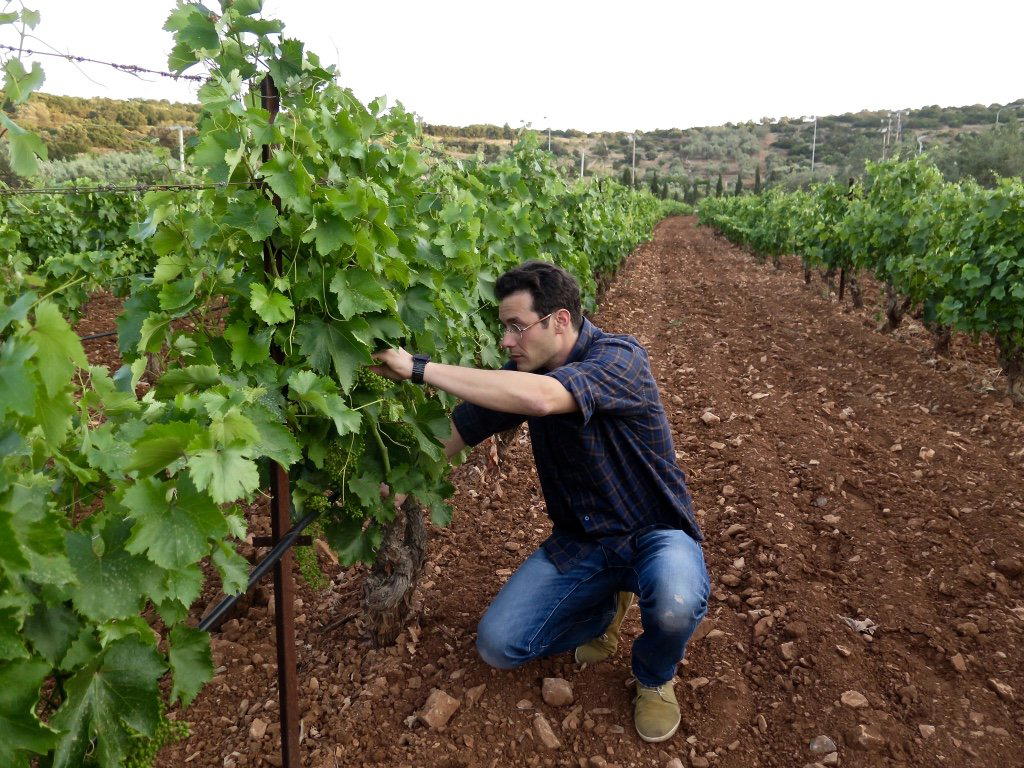
Georgas Family puts Attica’s old wine country into a small-scale, appointment-led frame in Spata Artemida. The draw is not spectacle but a compact organic estate, roughly 5 hectares, working with Savatiano and other Greek varieties through a natural-wine lens shaped by Mesogaia’s dry, vineyard-lined terrain.

Pearl is the En Primeur Club membership app — saves, bookings, and concierge access live there. Same editors, same standards.
- Address
- Spata-Artemida, Attikí, Griechenland
- Directions
- Get directions

Georgas Family is a small, family-run organic winery in Spata Artemida, set within the historical viticultural zone of Spata. Its appeal is modest rather than showy: a rustic, intimate setting that connects traditional Attican winegrowing with a modern natural-wine approach. The venue’s character comes from that balance. It is rooted in a place with an established wine identity, but it is not framed as a polished, high-gloss attraction. Instead, it reads as a compact local producer where the scale, setting, and farming philosophy matter as much as the glass itself.
For travelers looking beyond the most obvious stops in Spata Artemida, Georgas Family gives the area a clearer wine identity. The picture is deliberately simple: a hidden-gem winery with a classic village feel, rooted in local wine culture rather than luxury hospitality. That simplicity is useful. It helps position Georgas Family not as a catch-all entertainment venue, but as a focused stop for visitors who want Spata Artemida to feel connected to land, vines, and the older winegrowing patterns of Attica.
Spata wine country through an organic, natural-wine lens
Georgas Family is best understood as part of Spata’s long winegrowing context. The winery is described as organic, family-run, and connected to traditional Attican viticulture, while also taking a contemporary natural-wine approach. That combination is the central reason to pay attention: the place is not presented as a grand estate, but as a small producer shaped by its setting. Its identity depends on continuity rather than scale, and on a sense that wine here is tied to a specific local landscape rather than to a generalized lifestyle concept.
That organic and natural-wine framing also gives the winery a more contemporary edge without separating it from tradition. In editorial terms, the interest lies in how those ideas sit together: family scale, local wine heritage, and a more current way of thinking about wine. The result is not described as formal or theatrical. It is more grounded, with the emphasis placed on Spata’s viticultural background and on the winery’s role within that background.
What can be said with confidence is that Georgas Family belongs to the quieter side of Spata Artemida: rustic, modest, intimate, and closely tied to the area’s wine heritage. Those descriptors are important because they set expectations in the right direction. This is the kind of place that should be approached for its atmosphere and context as much as for any single feature. The value is in seeing a small producer within a historic wine zone, not in looking for the trappings of a large destination venue.
That restraint is part of the editorial case. Georgas Family reads less like a polished destination built around spectacle and more like a local winery whose identity depends on place, family scale, organic winegrowing, and a natural-wine sensibility. It belongs in the Spata Artemida conversation because it sharpens the area’s wine story, giving travelers a more specific reason to think of Spata not only as a practical stop, but as a place with its own viticultural texture.
A modest village setting rather than a grand hospitality complex
The atmosphere at Georgas Family is described as rustic, classic, intimate, and slightly hidden-gem in character. Visitors should expect a small family-run winery in Spata Artemida, not an urban bar, restaurant, or large resort-style wine venue. That distinction matters. The appeal is not based on breadth of facilities or a resort atmosphere, but on the feeling of being close to a local wine tradition in a setting that remains deliberately modest.
The grounded reason to include Georgas Family on a Spata Artemida itinerary is its identity as a small organic winery in a historic local winegrowing zone. It gives the area a different rhythm from more standard dining or drinking plans, especially for travelers who respond to places with a strong sense of origin. Rather than presenting Spata Artemida through generic hospitality, Georgas Family offers a narrower and more place-specific lens: the winery, the village feel, the Attican wine context, and the family-run character.
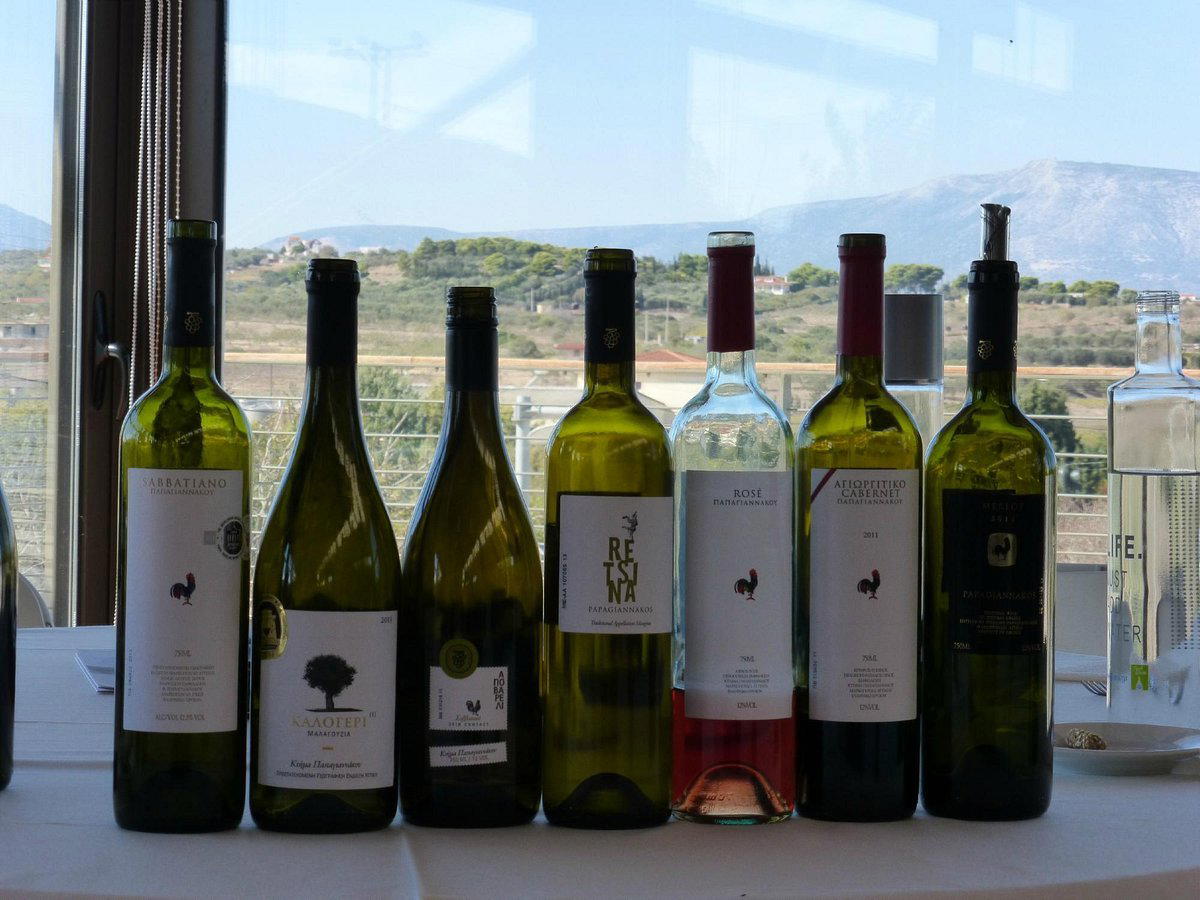
Within the area, it offers a more place-specific alternative to generic Spata Artemida dining or drinking plans. The strength of Georgas Family is not an advertised award, a documented tasting-menu format, or a confirmed list of wines; it is the combination of family scale, organic winegrowing, traditional Attican roots, and a modern natural-wine outlook. That makes the venue feel editorially useful without needing to overstate it. Its importance comes from what it represents in the local landscape, not from a long checklist of hospitality claims.
For travelers who value quiet, local producers, Georgas Family is a compelling Spata Artemida stop precisely because it keeps the focus narrow. It presents the area through wine, village setting, and continuity with Attican viticulture, without needing to be framed as a large-scale wine tourism complex. In that sense, its modesty is not a limitation but the point: Georgas Family offers a simple, rooted way to understand Spata Artemida’s wine character, with enough texture to feel distinctive and enough restraint to remain true to its small-winery identity.
Recognition history
Dated appearances from independent guides and award organizations, with the underlying list record or original source where available.
Falstaff Winery - Listed
Falstaff
Continue exploring
More in Spata Artemida
Wineries in Spata Artemida
Browse all →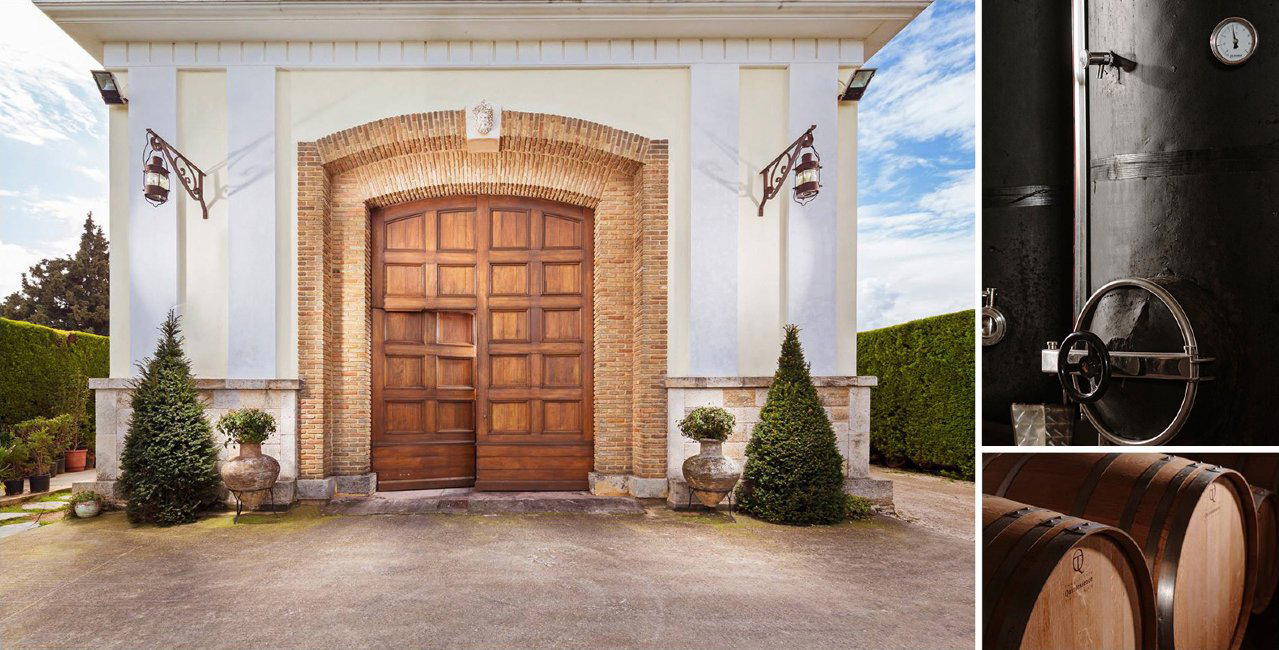
Bars in Spata Artemida
Browse all →
Restaurants in Spata Artemida
Browse all →


Details
- Rustic
- Classic
- Intimate
- Group Outing
- Wine Education
- Solo Exploration
- Vineyard Tour
- Organic
- Biodynamic
- Dry Farmed
- Savatiano
- Assyrtiko
- Malagousia
- Mandilaria
- Agiorgitiko
- Merlot
- Syrah
- Still White
- Still Red
- Sparkling
- Orange
- Skin Contact
A small, family-run organic winery in the historical viticultural zone of Spata, combining traditional Attican winegrowing with a modern natural-wine approach in a modest village setting.