
Falstaff Winery - Listed
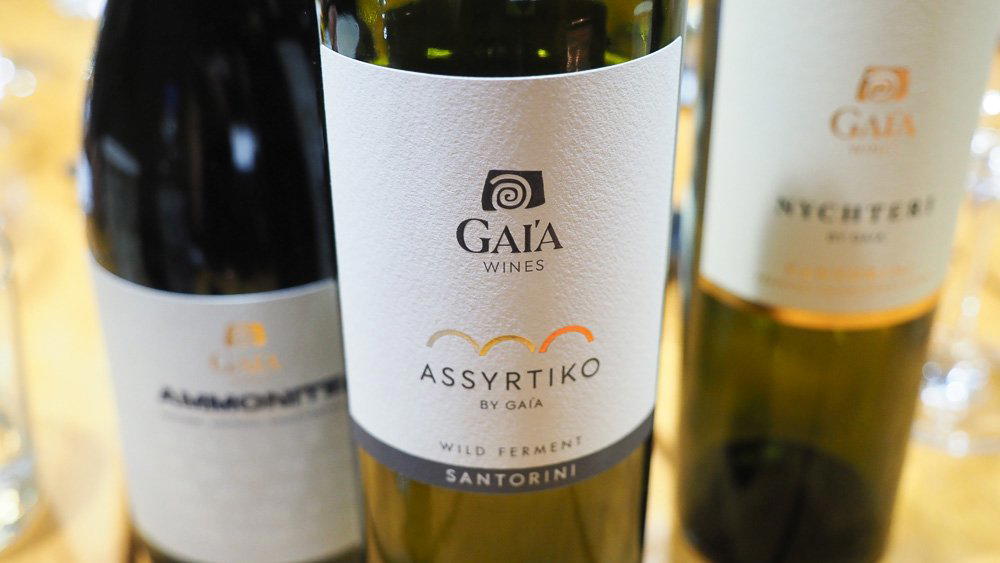
Gaia Wines operates from Koutsi in the Nemea appellation, one of Greece's most consequential red wine zones, where Agiorgitiko's tannic depth and the plateau's limestone-clay soils converge into wines of clear regional character. Visitors to Greece's Peloponnese wine corridor will find Gaia a useful reference point for understanding what Nemea's altitude and terroir can produce.

Pearl is the En Primeur Club membership app — saves, bookings, and concierge access live there. Same editors, same standards.
- Address
- Koutsi 205 00
- Phone
- +30 2746 022057
- Website
- gaiawines.gr
- Directions
- Get directions
What Nemea's Plateau Does to a Grape
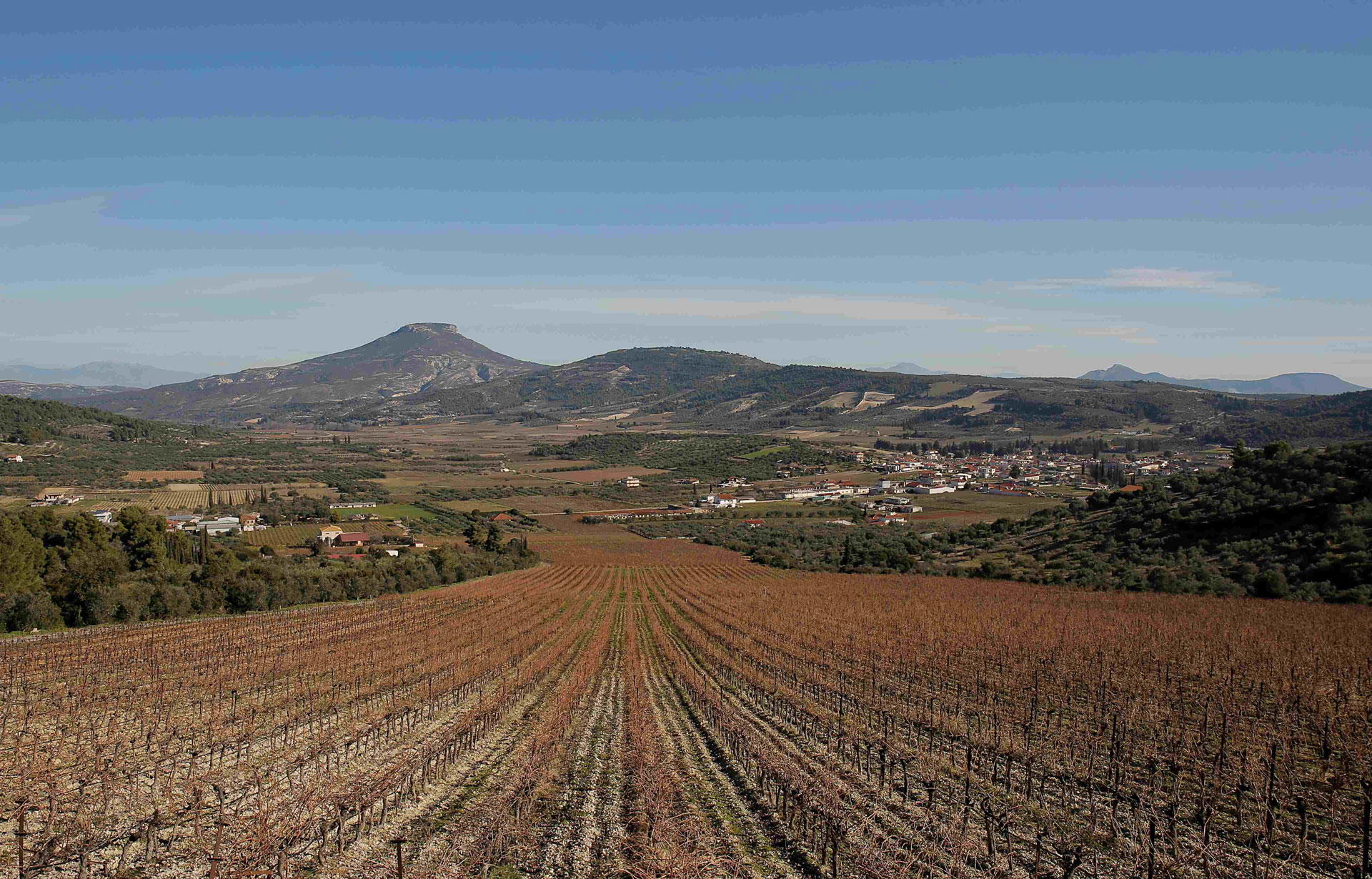
Koutsi sits at roughly 800 metres on the Nemea plateau in the northern Peloponnese, and the elevation is not incidental to anything poured here. At that altitude, warm daytime temperatures drop sharply after sunset, slowing ripening and preserving the kind of natural acidity that lower-elevation Nemea vineyards routinely lose to heat accumulation. The soils shift between limestone and clay depending on aspect, and that variation is precisely what gives Agiorgitiko — the region's defining red grape — its range: structured tannins from the limestone fractions, mid-palate weight from clay retention. For context on what the broader Koutsi zone offers, see our full Koutsi restaurants and venues guide.
Nemea is one of the few appellations in Greece that commands international recognition almost entirely on the back of a single indigenous variety. Agiorgitiko (Saint George) is planted across the PDO zone at elevations ranging from around 250 metres near the valley floor to above 900 metres on the upper plateau. The differences between those sites are pronounced enough that producers working plateau fruit are effectively making a different category of wine from their valley-floor counterparts: less jammy, more mineral-edged, longer in the finish.
The Appellation in European Context
Greek wine has spent the last two decades repositioning from bulk production toward variety-specific, terroir-articulate labels capable of competing on the international fine wine market. Nemea was central to that shift. The appellation received PDO status in 1971, making it one of Greece's earlier formally delimited zones, but serious quality investment followed later. Today, producers in the Nemea corridor sit in a recognisable European peer conversation alongside other Mediterranean appellations built on indigenous varieties: Sicilian Nerello Mascalese, Sardinian Cannonau, the structured reds of the Rhône's southern reaches. The argument Nemea makes, that altitude-grown Agiorgitiko can carry complexity and ageing potential without relying on international varieties, is now credible enough that wine buyers in London, New York, and Tokyo are paying attention.
Across the Peloponnese wine corridor, that kind of structured recognition differentiates a small group from the larger population of functional but undistinguished estates. Producers in a comparable position in the Greek wine scene include Semeli Estate, also based in Koutsi, which provides a useful internal reference point for what the plateau's top tier looks like. For contrast with Peloponnese producers working outside the Nemea zone, Achaia Clauss in Patras represents the region's older, history-laden production tradition.
Limestone, Clay, and What They Ask of the Winemaker
Terroir expression in winemaking is partly about restraint: what you don't do in the cellar matters as much as what you do. Plateau Nemea vineyards produce fruit that doesn't need correction the way lower-elevation, sun-concentrated grapes sometimes do. The natural acid balance and tannin structure give the winemaker something to work with rather than compensate for. The leading plateau Agiorgitiko releases show this: the grape's characteristic sour cherry and dried herb register comes through without being buried under extraction or new oak.
Understanding that balance helps explain why altitude-focused Nemea producers occupy a distinct position from estates working the full PDO range. The fruit dictates a certain approach, and producers who respect it end up making wines that read clearly as Koutsi plateau rather than generic Nemea red. That specificity is increasingly what international buyers and critics are looking for when they engage with Greek wine, not simply that it's from Greece, but that it could only have come from a specific hillside at a specific elevation with a specific soil profile. Gaia Wines, in its 2025 Prestige tier positioning, is operating at the level where that conversation is relevant.
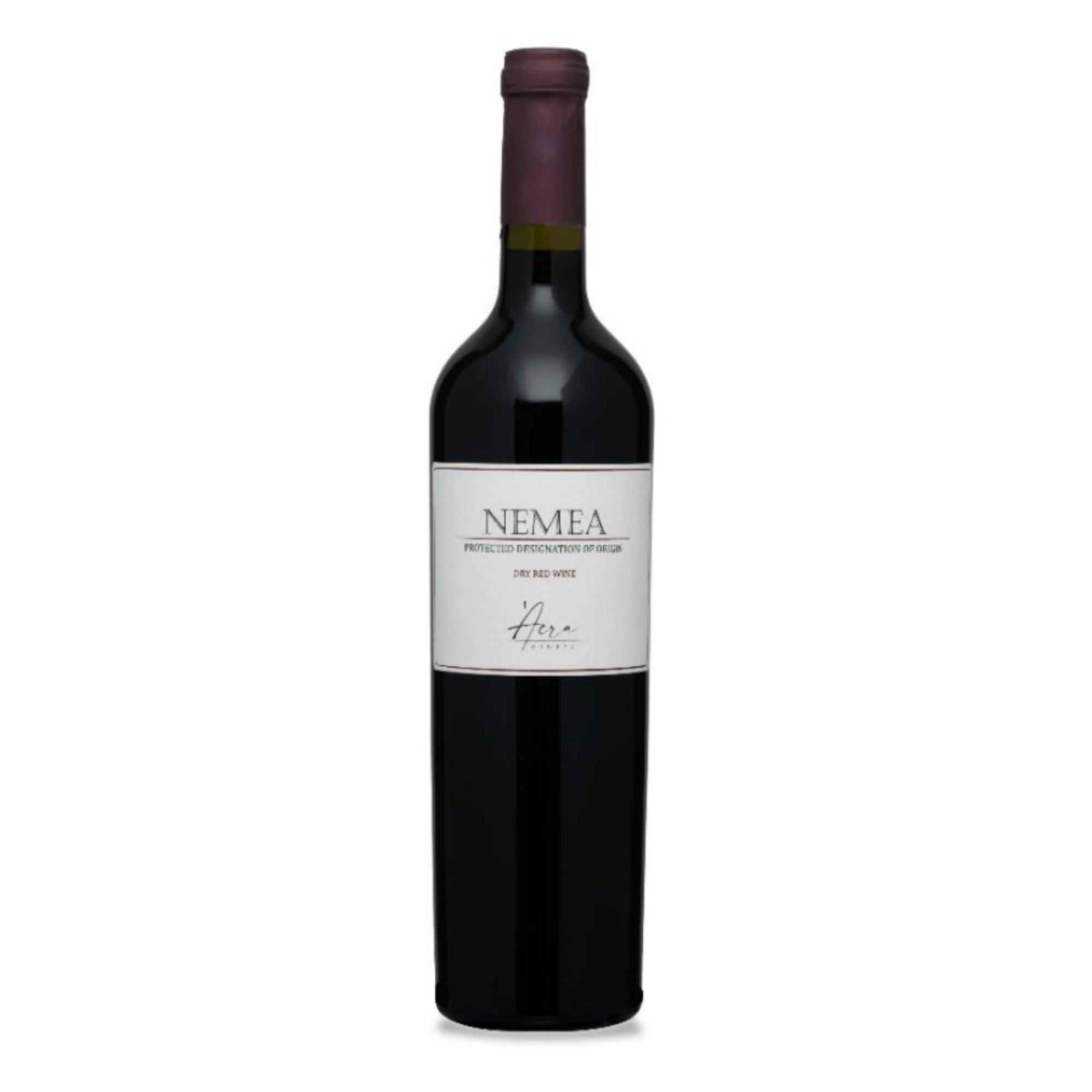
Other producers across Greece working with similar terroir specificity and indigenous variety focus include Acra Winery in Nemea and, further north in the PDO belt, Alpha Estate in Amyntaio, which has built its reputation on Xinomavro in a different mountain-influenced appellation. Artisans Vignerons de Naoussa in Stenimachos offers another reference point for what altitude and indigenous varieties can produce in the Greek context.
Getting There and Practical Orientation
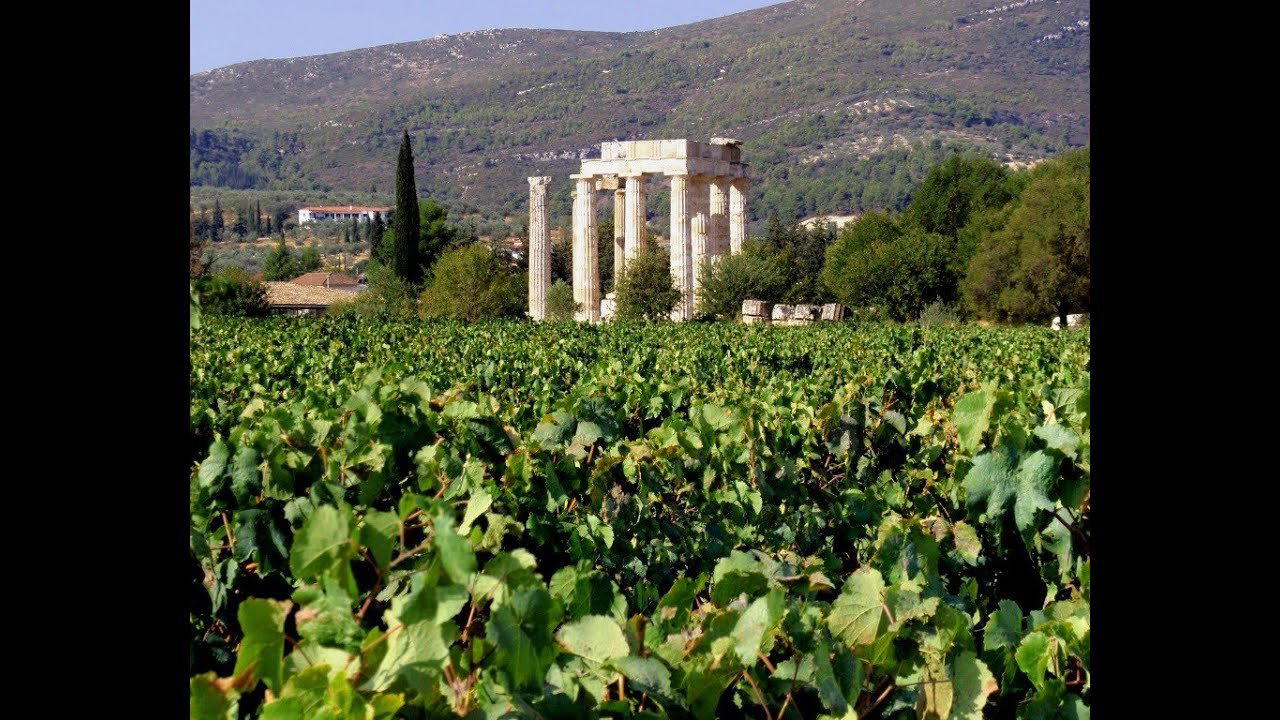
Koutsi is accessible from Nemea town, itself about 30 kilometres southwest of Corinth and reachable within 90 minutes from Athens by car via the E65. The plateau sits above the valley floor, and the drive up gives a clear visual sense of why elevation matters here: the landscape shifts from broad agricultural flatness to tighter, cooler vineyard terrain as the road climbs. Most visitors to the Nemea zone base themselves either in Nemea town or in Corinth for the day, combining winery visits with the broader archaeological and agricultural character of the northern Peloponnese.
The estate address is listed as Koutsi 205 00. Planning a route through the Peloponnese that takes in multiple producers is the practical approach: Abraam's Vineyards in Komninades and Aoton Winery in Peania are among the producers worth building into a wider Peloponnese and Attica circuit.
For those extending a Greece wine itinerary beyond the Peloponnese, the contrast with island-appellation producers is instructive. Artemis Karamolegos Winery in Santorini illustrates how volcanic soil and maritime exposure produce an entirely different kind of terroir argument from Koutsi's limestone plateau. Anatolikos Vineyards in Xanthi and Akrathos Newlands Winery in Panagia extend the picture into northern Greece's increasingly active wine regions. For producers from beyond Greece included in EP Club's wider coverage, Accendo Cellars in St. Helena and Aberlour in Aberlour represent the Napa and Speyside ends of the spectrum, useful for calibrating what prestige-tier production looks like across very different wine cultures. Aiolos Winery in Palaio Faliro and Apostolakis Distillery in Volos round out the picture of what the broader Greek producer landscape covers in terms of geography and style.
How It Stacks Up
Comparable venues nearby, for context on price, style, and recognition.
| Venue | Cuisine | Price | Awards | Notes |
|---|---|---|---|---|
| Gaia WinesThis venue — the venue you are viewing | Agiorgitiko, Assyrtiko | Not listed | Falstaff Winery - Listed | Not listed |
| Semeli Estate | Agiorgitiko, Moschofilero | Not listed | Not listed | Koutsi |
| Helion Distillery | Winery | Not listed | Not listed | Athens |
| Verino Distillery | Moschofilero | Not listed | Not listed | Argos |
| Magna Distillery | Winery | Not listed | Not listed | Drama |
| Palivou Estate | Agiorgitiko, Moschofilero | $20–30 | Falstaff Winery - Listed | Ancient Nemea |
Recognition history
Dated appearances from independent guides and award organizations, with the underlying list record or original source where available.
Falstaff Winery - Listed
Falstaff
Continue exploring
More in Koutsi
Wineries in Koutsi
Browse all →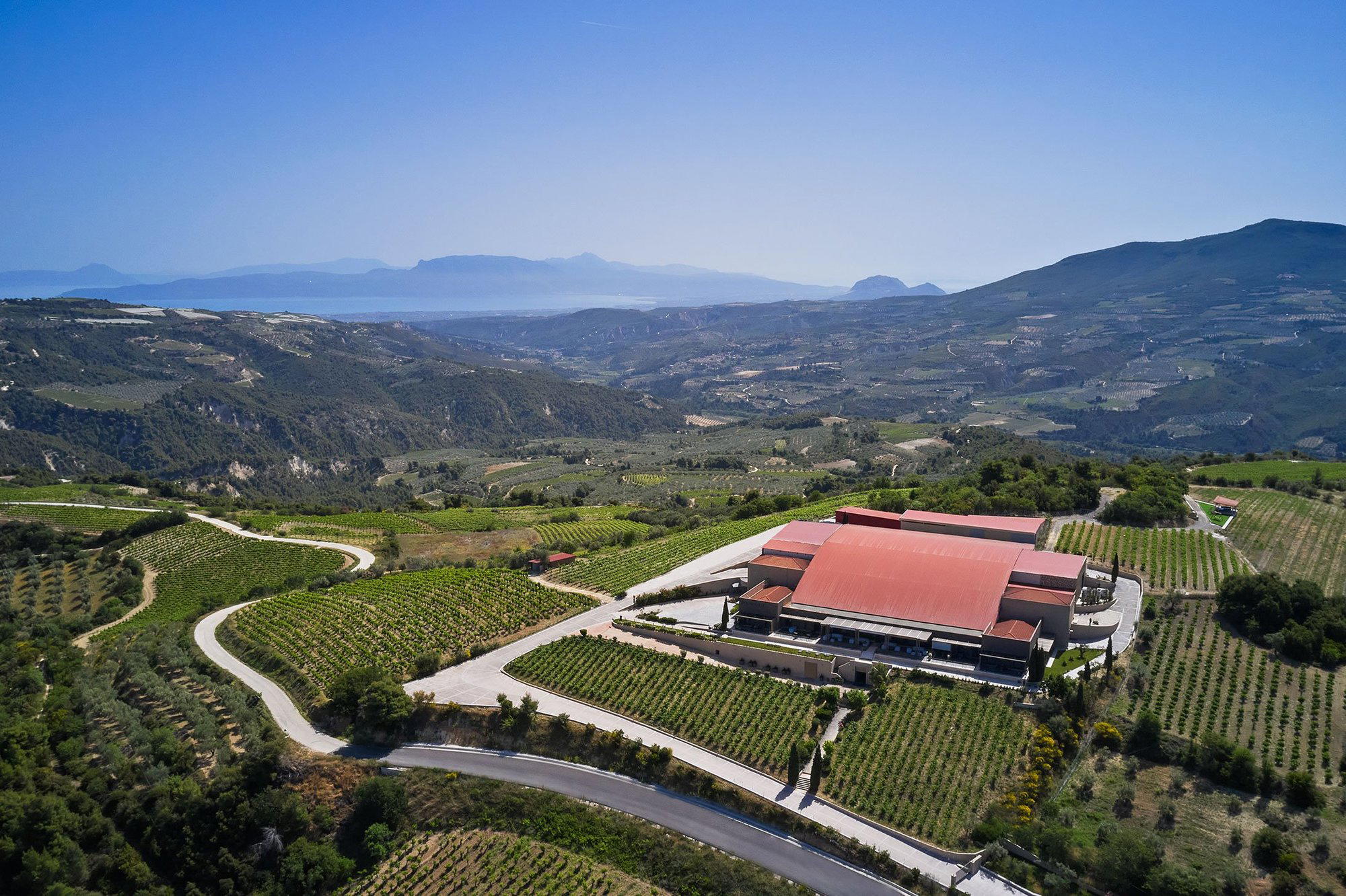
Restaurants in Koutsi
Browse all →
Hotels in Koutsi
Browse all →
Details
- Rustic
- Scenic
- Elegant
- Wine Education
- Solo Exploration
- Vineyard Tour
- Panoramic View
- Mountain
- Vineyard
- Agiorgitiko
- Assyrtiko
- Still Red
- Still White
- Private Tasting
- English
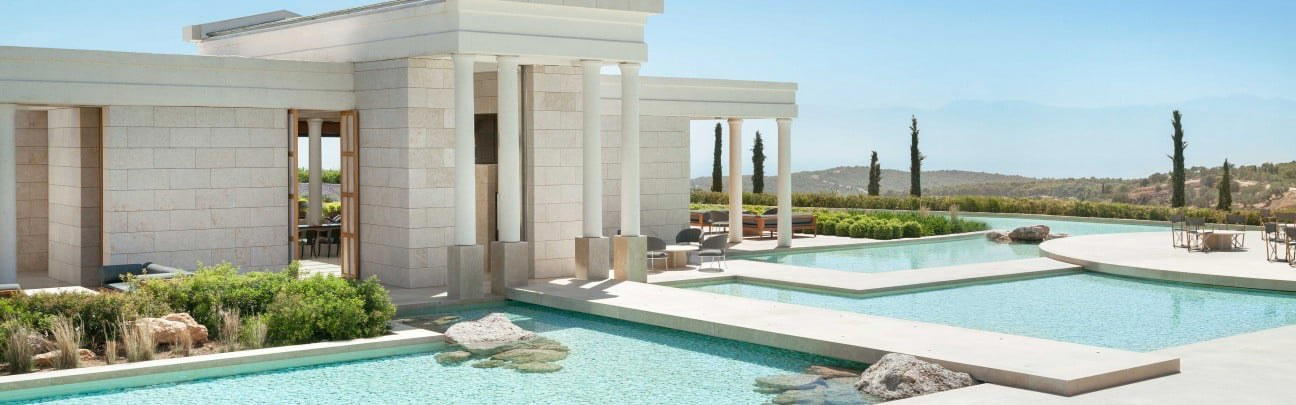
Contemporary industrial building offering magnificent panoramic views, with a welcoming and knowledgeable tasting atmosphere in the cellar.