
Falstaff Winery - Listed
Fyrmonia Organic Winery is a small family-run cellar in Ruban, set in a rebuilt village farmhouse with an underground tasting cellar and rear terrace. Its interest lies in a tightly local vineyard identity: about 3 hectares farmed around the Fűr/Rúbaň hill, with Kékfrankos, Pinot Noir, Riesling, Sauvignon Blanc and Yellow Muscat shaping an intimate, terroir-led tasting format.

Pearl is the En Primeur Club membership app — saves, bookings, and concierge access live there. Same editors, same standards.
- Address
- Rúbaň, Bourgogne-Franche-Comté, Frankreich
- Directions
- Get directions

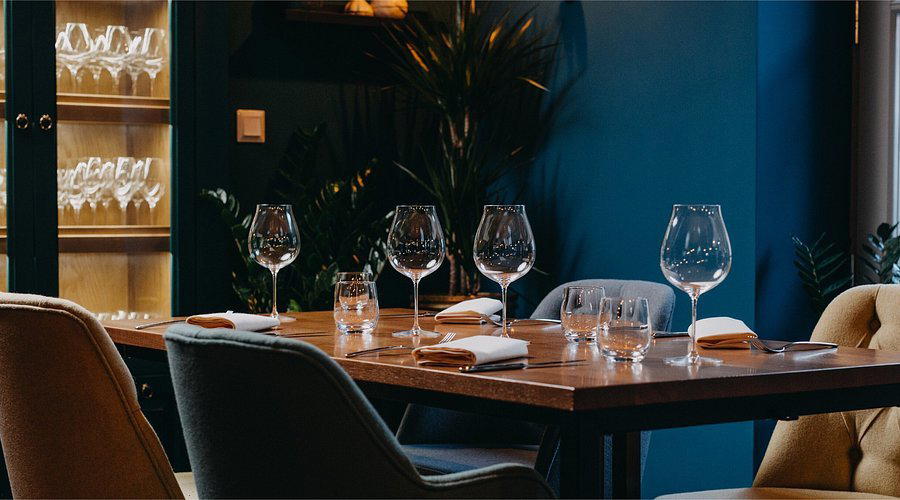
Fyrmonia Organic Winery is a small family-run organic winery in Ruban, set in a rebuilt traditional farmhouse near the Château Rúbaň estate. Its appeal is domestic and intimate rather than grand or showroom-like: the tasting space is centred around the kitchen, with a cellar beneath the house and a terrace behind it. Those details matter because they define the venue more clearly than any broader claims could. The picture is of a modest, lived-in winery environment where the building, the household scale and the immediate setting do much of the work.
Because the public details are limited, the safest way to understand Fyrmonia Organic Winery is through its setting and atmosphere. This is a Ruban winery with a homely farmhouse character, not a venue whose confirmed profile rests on published scores, named dishes, a detailed menu, or a documented awards record. In editorial terms, that makes restraint important: the venue can be described confidently as small, organic, family-run and rooted in its rebuilt farmhouse, but it should not be inflated into something more formal than the available information supports.
The farmhouse setting gives the visit its editorial centre
Fyrmonia Organic Winery is best approached as a small Ruban organic winery with a strong sense of place. The information supports the farmhouse setting, the family-run character and the intimate cellar-and-terrace layout, but it does not confirm specific grape varieties, production figures, wine scores or an official awards history. The confirmed facts therefore point less toward technical comparison and more toward the feeling of arrival: a winery encountered through a traditional farmhouse rather than through a large public-facing complex.
That makes the venue more useful for travellers who want a grounded, low-key winery visit than for those comparing formal accolades or a heavily documented wine list. The draw is the setting: a rebuilt traditional farmhouse, a kitchen-centred tasting space, a cellar under the house and a terrace behind it. Each of those elements suggests a compact visit shaped by proximity and domesticity, where the surroundings are part of the experience rather than a neutral backdrop. The mention of the Château Rúbaň estate nearby also helps place the winery geographically, but the character described here remains its own: modest, intimate and farmhouse-led.
For planning purposes, avoid relying on assumptions about exact wines, bottle counts, vineyard size, tasting duration or languages. The confirmed profile is narrower and simpler: Fyrmonia Organic Winery is a small organic winery in Ruban with an intimate farmhouse atmosphere. That narrowness is not necessarily a weakness; it simply means the venue should be approached on the terms that are actually supported. If those terms appeal, the winery reads as a gentle, characterful stop rather than a checklist destination built around extensive published detail.
The tasting format is closer to a village table than a showroom
The most reliable description of the experience is domestic and personal. The kitchen-centred tasting space suggests hospitality at a human scale, while the cellar beneath the house and terrace behind it give the visit a sense of place without needing to frame it as a formal restaurant or large visitor centre. The emphasis is on closeness: to the house, to the cellar, to the terrace and to the family-run scale implied by the venue’s description.
It is therefore better to describe the venue generally: a small family-run winery suited to visitors who value atmosphere and a farmhouse setting. This wording keeps the promise realistic. It allows for the appeal of an organic winery visit in Ruban without adding unsupported specifics about the tasting sequence, food pairings, cellar contents or the range of wines. The likely editorial fit is for someone who prefers a quieter, more personal stop and is comfortable with a venue whose public profile is concise rather than highly packaged.
Price is listed as $$, but other practical details should be confirmed directly before visiting. That is especially important because the available description does not establish the kind of operational information travellers often need in advance. Rather than filling those gaps with guesses, the more accurate approach is to treat the listing as an invitation to verify details while keeping the core expectation clear: a small organic winery in a farmhouse setting, not a large-scale hospitality operation with every element publicly documented.
How to place it in a Ruban itinerary
Fyrmonia Organic Winery fits a Ruban itinerary as an intimate organic-winery stop in a rebuilt traditional farmhouse near the Château Rúbaň estate. Its strongest features are the family-run scale, homely atmosphere, kitchen-centred tasting space, cellar under the house and terrace behind it. Those features make it easiest to position as a softer, slower part of a day in the area, particularly for travellers who respond to place, architecture and personal scale as much as to formal wine credentials.
For broader planning, compare it with other dining and hospitality options in Ruban generically, keeping in mind that the confirmed information for Fyrmonia Organic Winery is concise. It is a venue to consider for its small farmhouse character rather than for claims about rankings, production scale, specific wines or formal awards. In other words, the best reason to include it is not because it can be heavily benchmarked, but because its described identity is clear: organic, family-run, intimate, and anchored in a rebuilt traditional farmhouse close to the Château Rúbaň estate.
Recognition history
Dated appearances from independent guides and award organizations, with the underlying list record or original source where available.
Falstaff Winery - Listed
Falstaff
Continue exploring
More in Ruban
Wineries in Ruban
Browse all →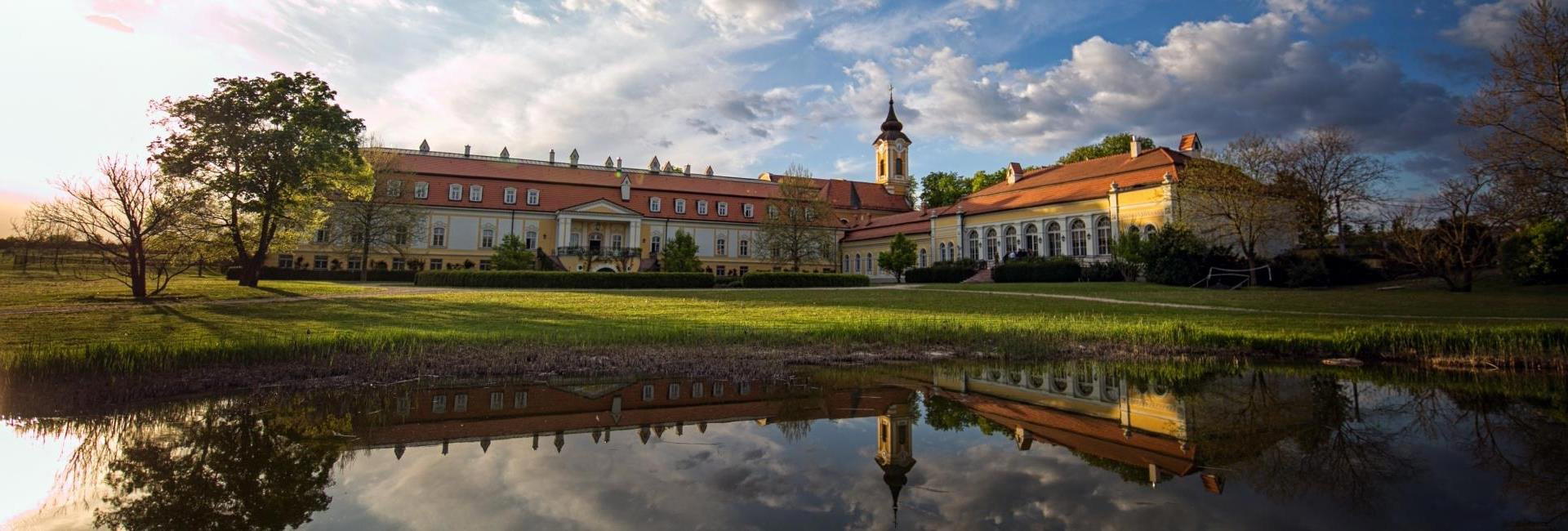
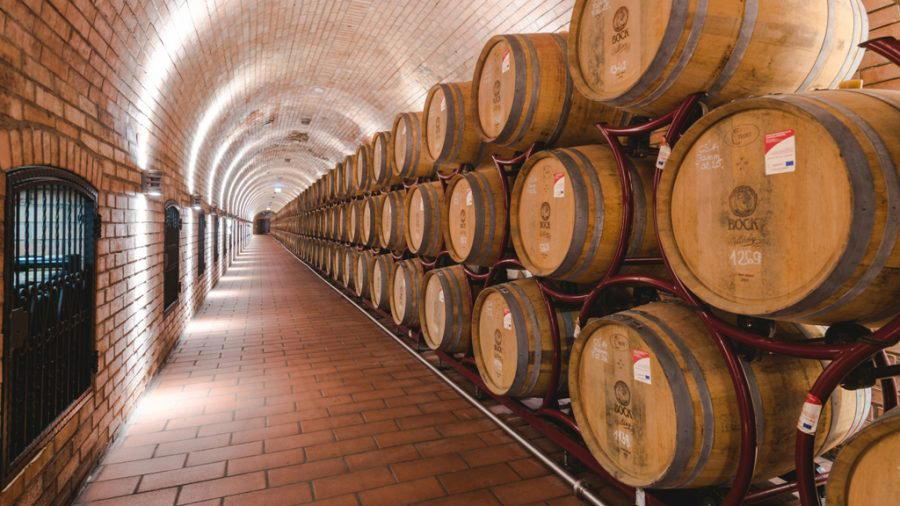
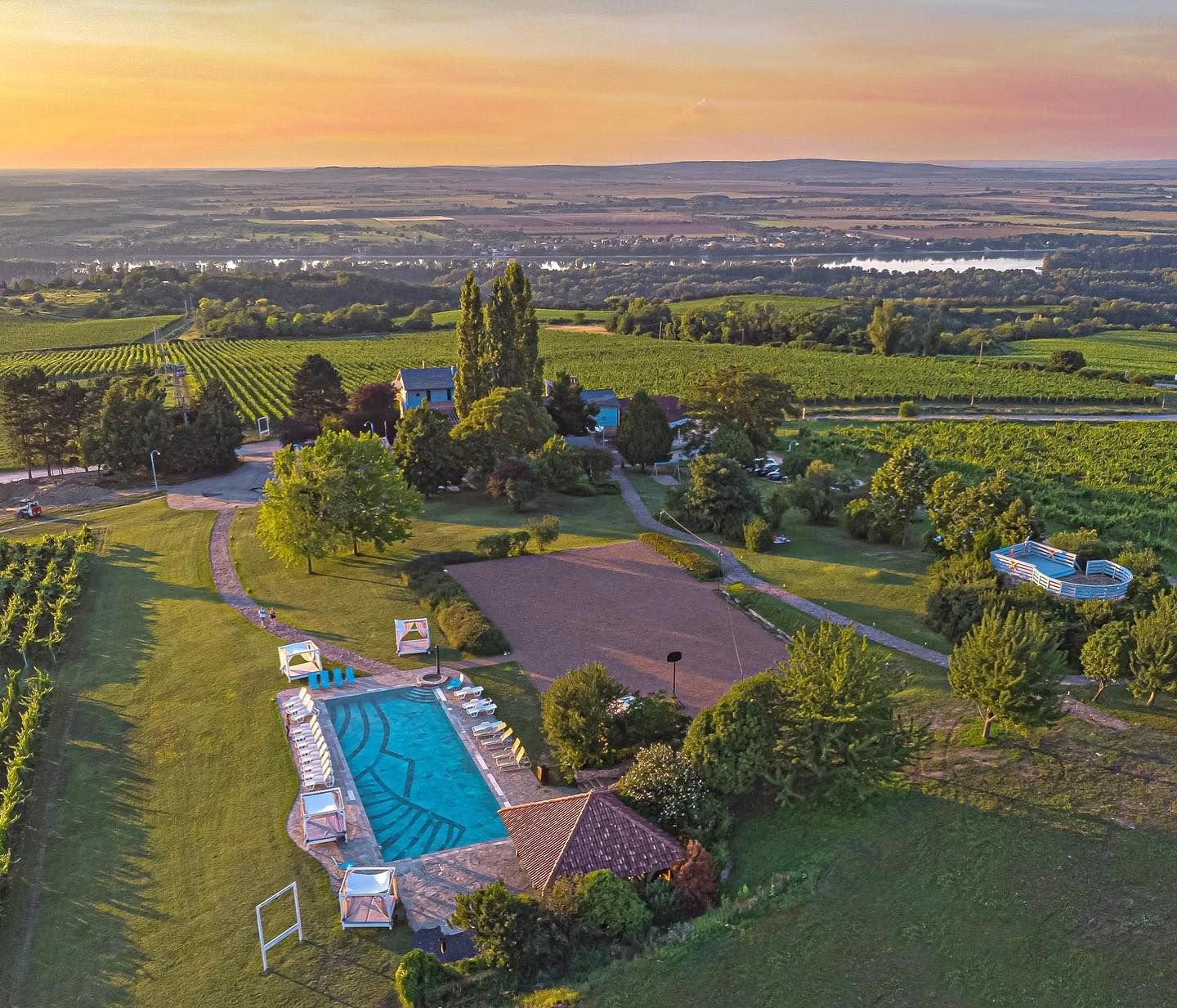
Bars in Ruban
Browse all →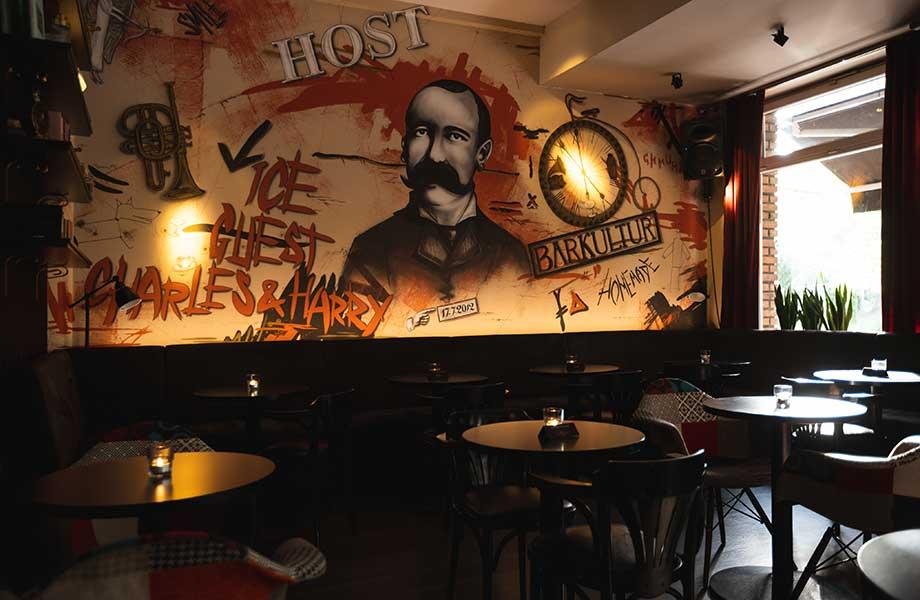
Restaurants in Ruban
Browse all →
Hotels in Ruban
Browse all →
Details
- Cozy
- Rustic
- Intimate
- Scenic
- Group Outing
- Wine Education
- Romantic Getaway
- Solo Exploration
- Special Occasion
- Terrace
- Historic Building
- Private Tasting
- Estate Grounds
- Organic
- Vineyard
- Street Scene
- Kékfrankos (blaufränkisch)
- Pinot Noir
- Riesling
- Sauvignon Blanc
- Sárgamuskotály (yellow Muscat)
- Still Red
- Still White
- Still Rosé
- Sparkling
- Dessert
- Cellar Tasting
- Terrace Tasting
- Guided Tasting
- Hungarian
- Slovak
Small family-run organic winery in a rebuilt traditional farmhouse near the Château Rúbaň estate, offering a homely, intimate atmosphere with a kitchen-centered tasting space, cellar under the house, and terrace behind it that work well for relaxed tastings and small cultural events.