
Falstaff Winery - Listed
Château Belá is a Baroque château estate in Belá where southern Slovak wine country is read through Riesling, parkland, and a country-house hotel format. The draw is not only the tasting, but the way a 20-hectare vineyard, Danube-side climate, and historic estate setting make the Štúrovo region feel legible in a single stop.

Pearl is the En Primeur Club membership app — saves, bookings, and concierge access live there. Same editors, same standards.
- Address
- Belá, Južnoslovenskávinohradnícka oblasť, Nitriansky kraj, Slovakia
- Directions
- Get directions
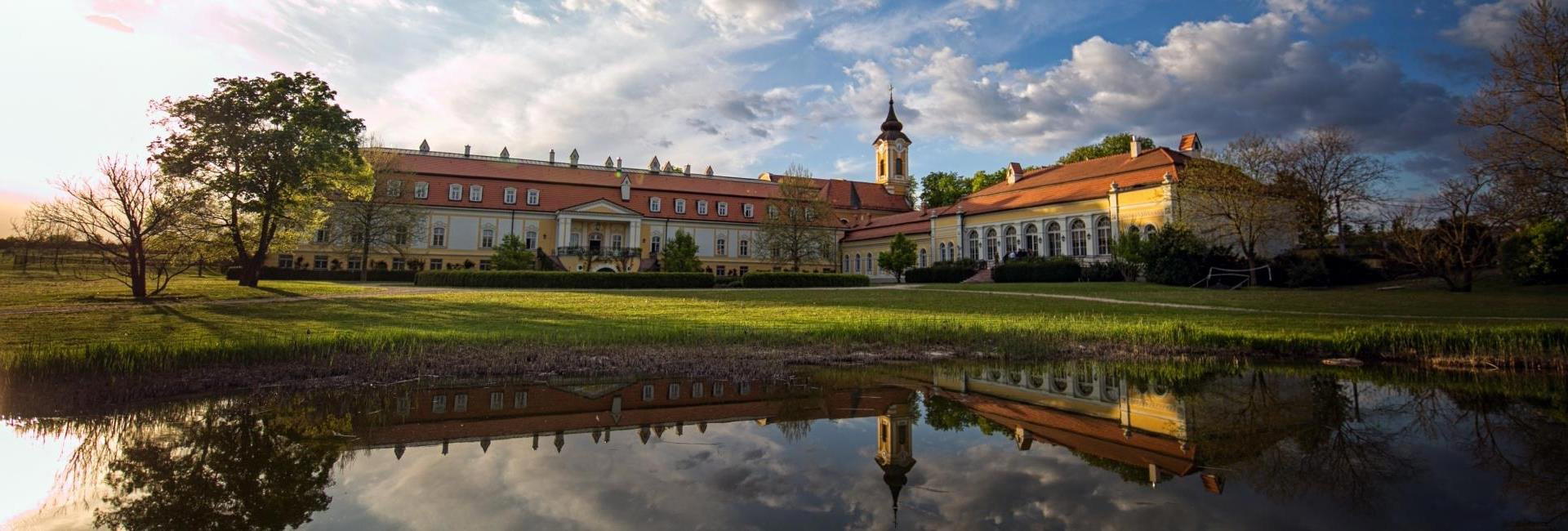
The approach to Château Belá sets the terms before the first glass: vineyard land, parkland, and a restored Baroque estate rather than an urban tasting room. In southern Slovakia, where the Danube and the Hungarian border pull the wine culture toward Central Europe as much as toward the Carpathians, this kind of estate format matters. It gives Riesling room to be read in context, not as a label on a shelf but as part of a warmer, borderland viticultural zone.
Slovakia’s premium wine conversation is often overshadowed by better-known neighbours, yet the Štúrovo region has the ingredients serious white wine requires: warmth, river influence, and soils that can carry acidity as well as ripeness. Château Belá puts those conditions into a polished hospitality frame, with a 44-room château hotel, landscaped grounds, vineyard tastings, and a production story that began in 2000. The result is a rare Slovak estate where wine tourism, heritage architecture, and bottle credibility sit in the same field of view.
Riesling as the estate's argument for southern Slovakia
The estate’s vineyard scale is modest rather than industrial: 20 hectares, with 16 hectares planted to Riesling. That allocation tells the reader where the seriousness lies. In many Central European regions, Riesling competes with a broader roster of aromatic whites; here it becomes the defining lens for the site, supported by Grüner Veltliner, Breslava, and Cabernet Sauvignon rather than diluted by them.
The winemaking partnership also gives the project a sharper edge than the château setting alone would suggest. Egon Müller’s Riesling pedigree and Miroslav Petrech’s long regional experience connect international technique with local farming knowledge, a combination that helped move the estate beyond picturesque wine tourism. The 2001 Rizling rýnsky became the first Slovak wine entered in Wine Spectator, an important marker for a country still fighting for space in premium European wine discussions.
Terroir expression here is best understood through climate and proportion. Štúrovo sits among Slovakia’s warmer wine-growing areas, with summers commonly in the 26°C to 30°C range, and the estate works with sustainable viticulture and hand-harvested fruit. Riesling in this setting is not trying to mimic the Saar or Wachau. The point is a Slovak reading of the grape: ripeness from the south, acidity held by site and handling, and a mineral line that gives the wines their structure.
The portfolio extends beyond dry white wine. Still white, still red, and dessert styles are part of the estate’s range, including sweet straw wines and ice wines. Cabernet Sauvignon plays a supporting but telling role: in a region associated more readily with whites, its presence underlines how warm this corner of Slovakia can be. The more persuasive reason to visit, however, remains the Riesling acreage and the way the estate uses it as a claim for Štúrovo’s fine-wine potential.
A château format that changes the tasting rhythm
Wine estates attached to hotels can go soft, turning production into scenery. Château Belá avoids that trap because the vineyard and tasting formats are not decorative add-ons. Guided tastings, sommelier-led sessions, estate wine tastings, vineyard touring, garden time, and historic interiors create a slower rhythm than a cellar-door stop. The setting is quiet, formal enough to suit the wines, and rural enough to keep the tasting anchored in place.
The Baroque architecture gives the estate its visual authority, but the stronger editorial point is how the built environment alters the visitor’s attention span. A tasting room in a city asks for quick assessment; a château estate asks for sequence. Grounds first, vines second, glass third. That sequence is useful for a grape like Riesling, whose differences often come from site, exposure, and farming rather than obvious cellar theatrics.
The estate is also unusually broad in occasion without losing its wine focus. It works for romantic stays, celebrations, family travel, group outings, corporate events, and private tastings, helped by outdoor space, vineyard and garden views, and a quiet noise profile. That does not make it casual. The price tier sits at the luxury end of the local spectrum, and the atmosphere leans smart, composed, and country-estate rather than rustic.
For wider trip planning, Belá is better treated as a wine-country base than a quick city detour.
How to read the wider wine map
Château Belá sits inside a broader Central European wine route where borders matter less than climate, grape movement, and producer ambition. For travellers extending the lens beyond Belá, the regional picture becomes more interesting when seen across smaller producers and nearby countries: Bobulles Samuel Hacaj in Senkvice, Bóna Winery in Nove Zamky, Bott Frigyes in Komarno, Chowaniec & Krajčírovič in Svätý Jur, and Csernus Winery in Balog Nad Iplom all help show how varied the Slovak and borderland conversation has become.
That wider circuit can also stretch toward producers such as Frtus Winery in Rybnik, Juran z Modry in Modra, LIMBAVIN in Limbach, »der Steiner« Hans Steiner in Podersdorf am See, and & Handwein in Mannheim. Read this way, Château Belá is not an isolated château fantasy. It is a polished, Riesling-led argument that southern Slovakia belongs in the Central European fine-wine discussion.
Recognition history
Dated appearances from independent guides and award organizations, with the underlying list record or original source where available.
Falstaff Winery - Listed
Falstaff
Continue exploring
More in Bela
Wineries in Bela
Browse all →
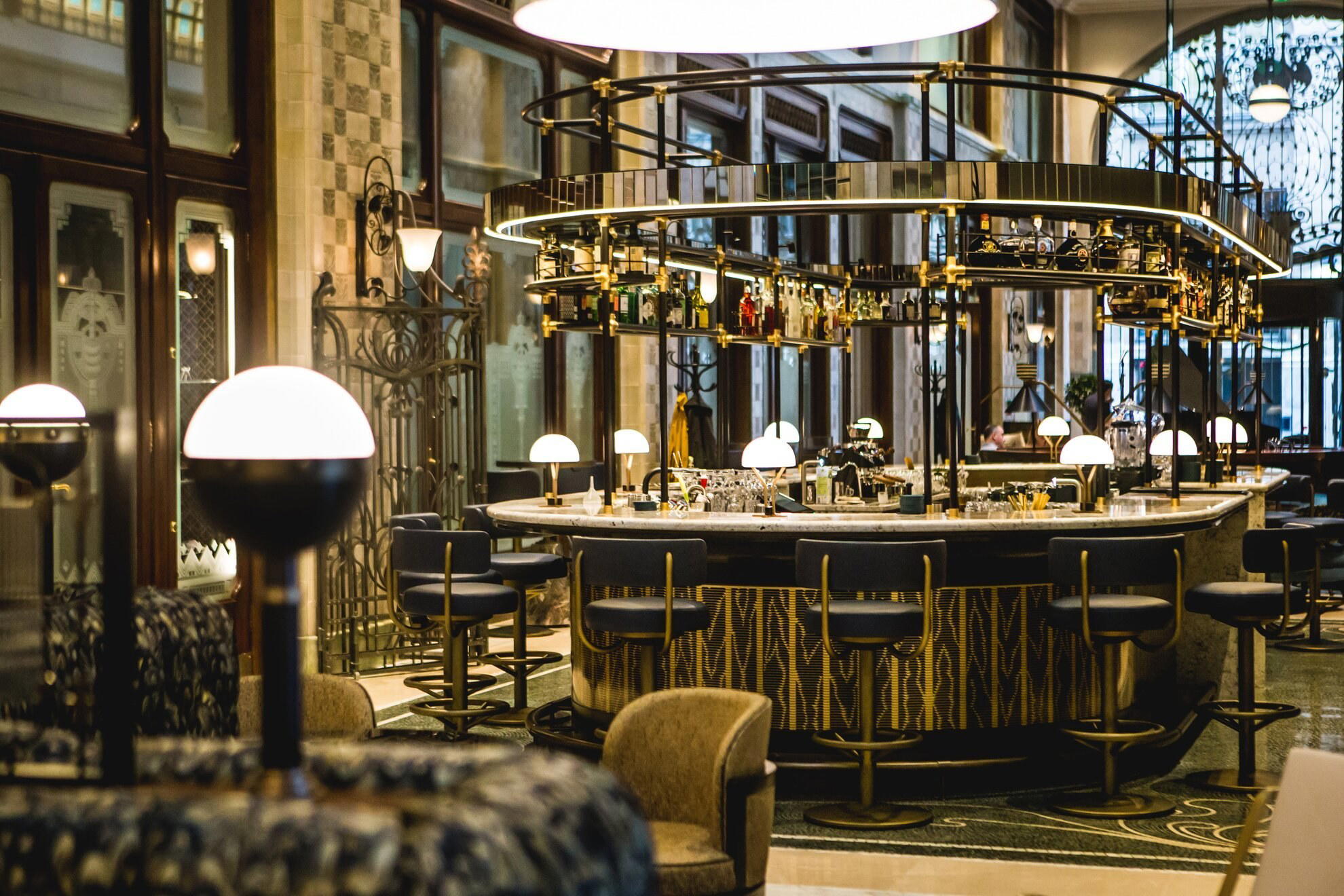
Bars in Bela
Browse all →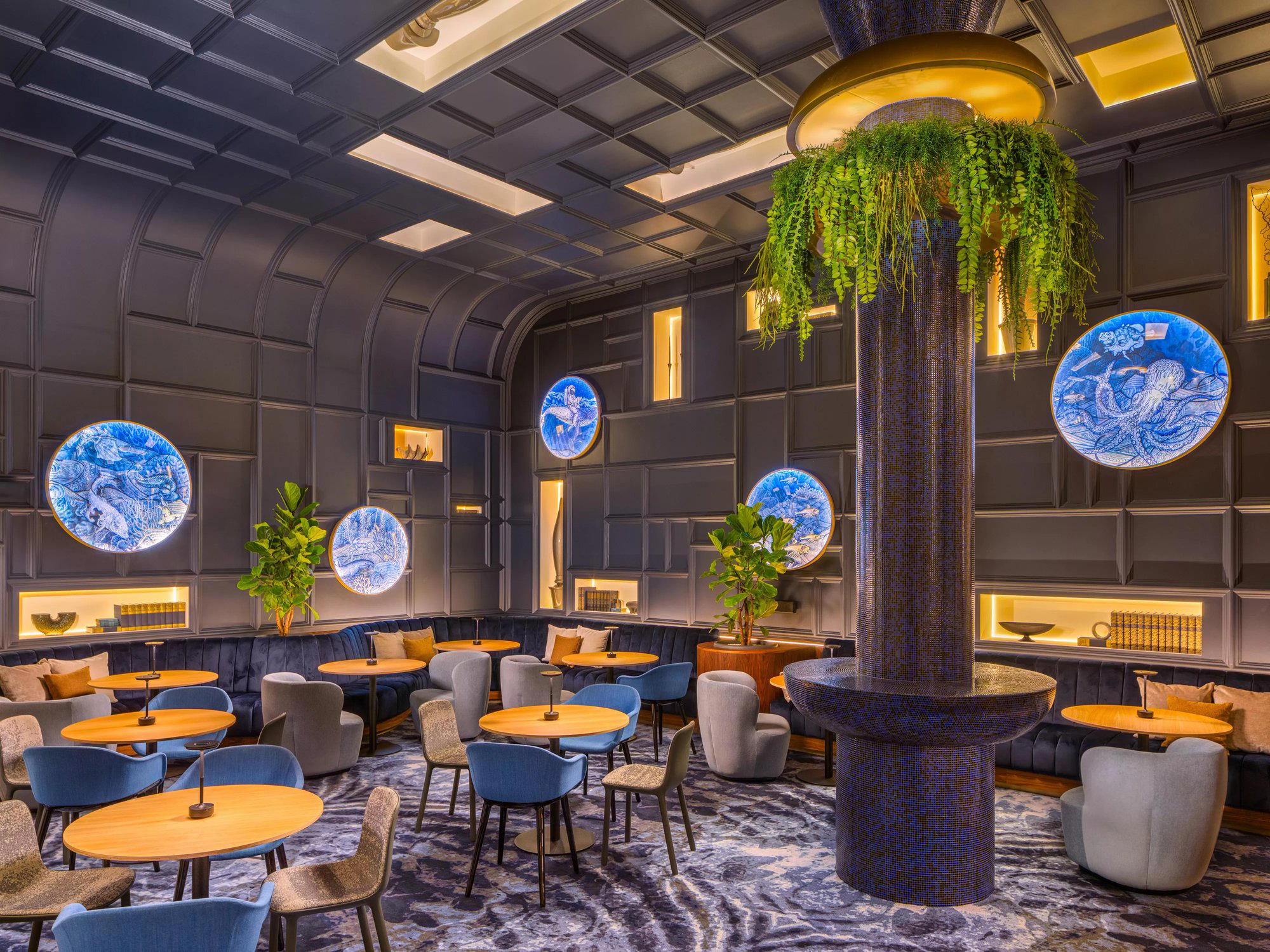
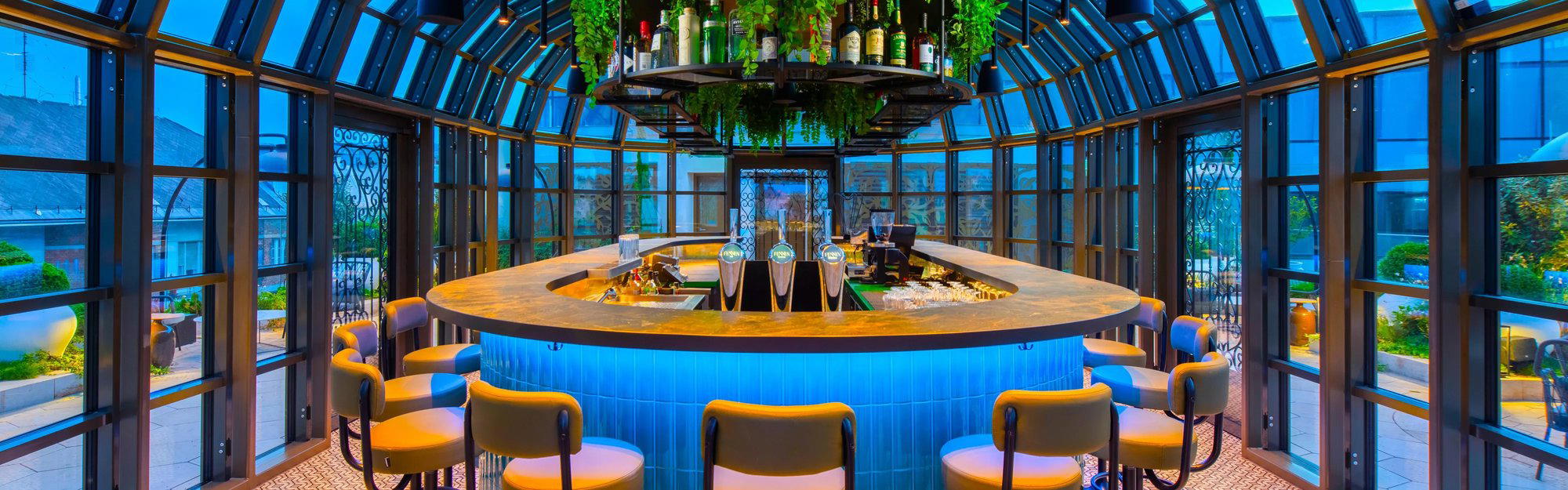
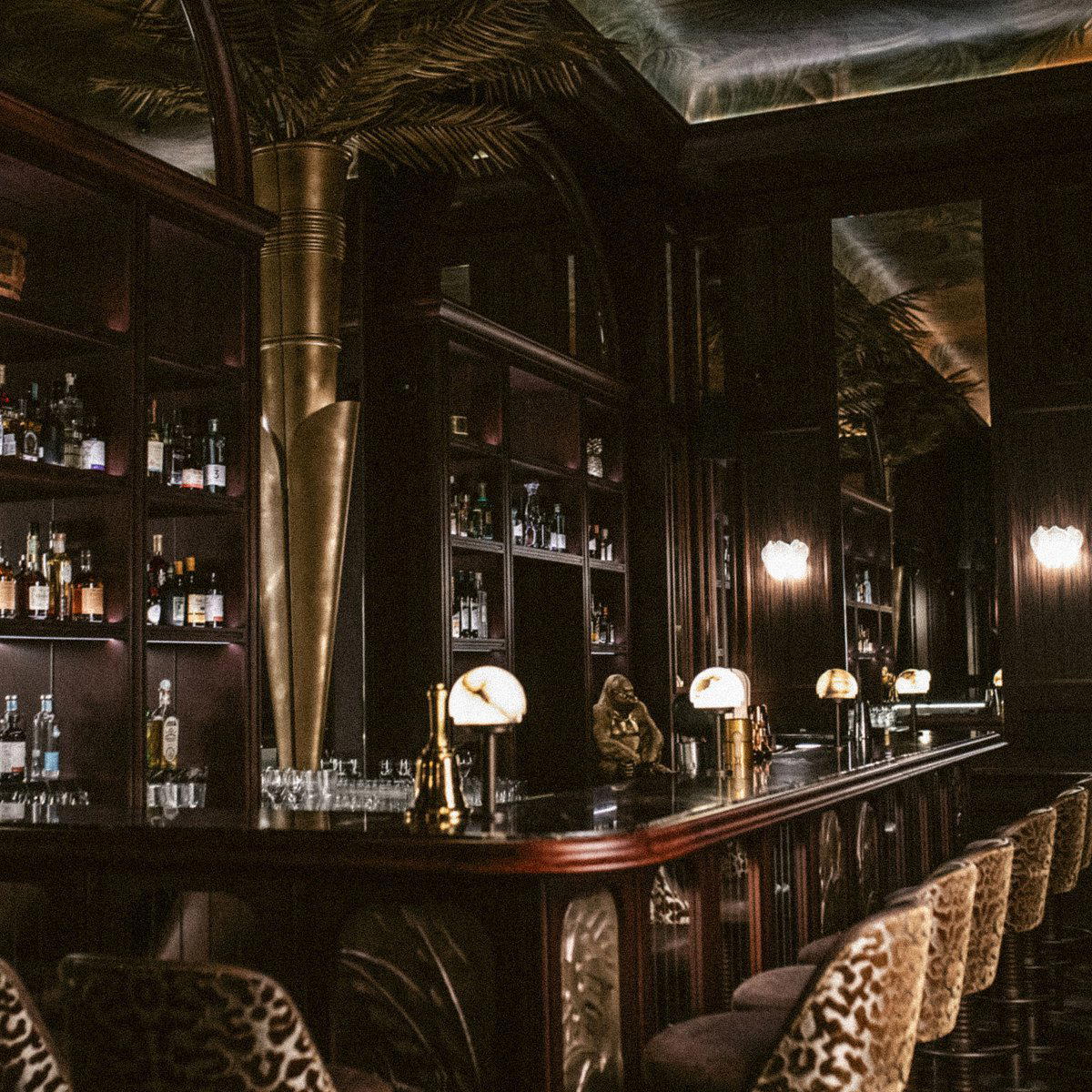
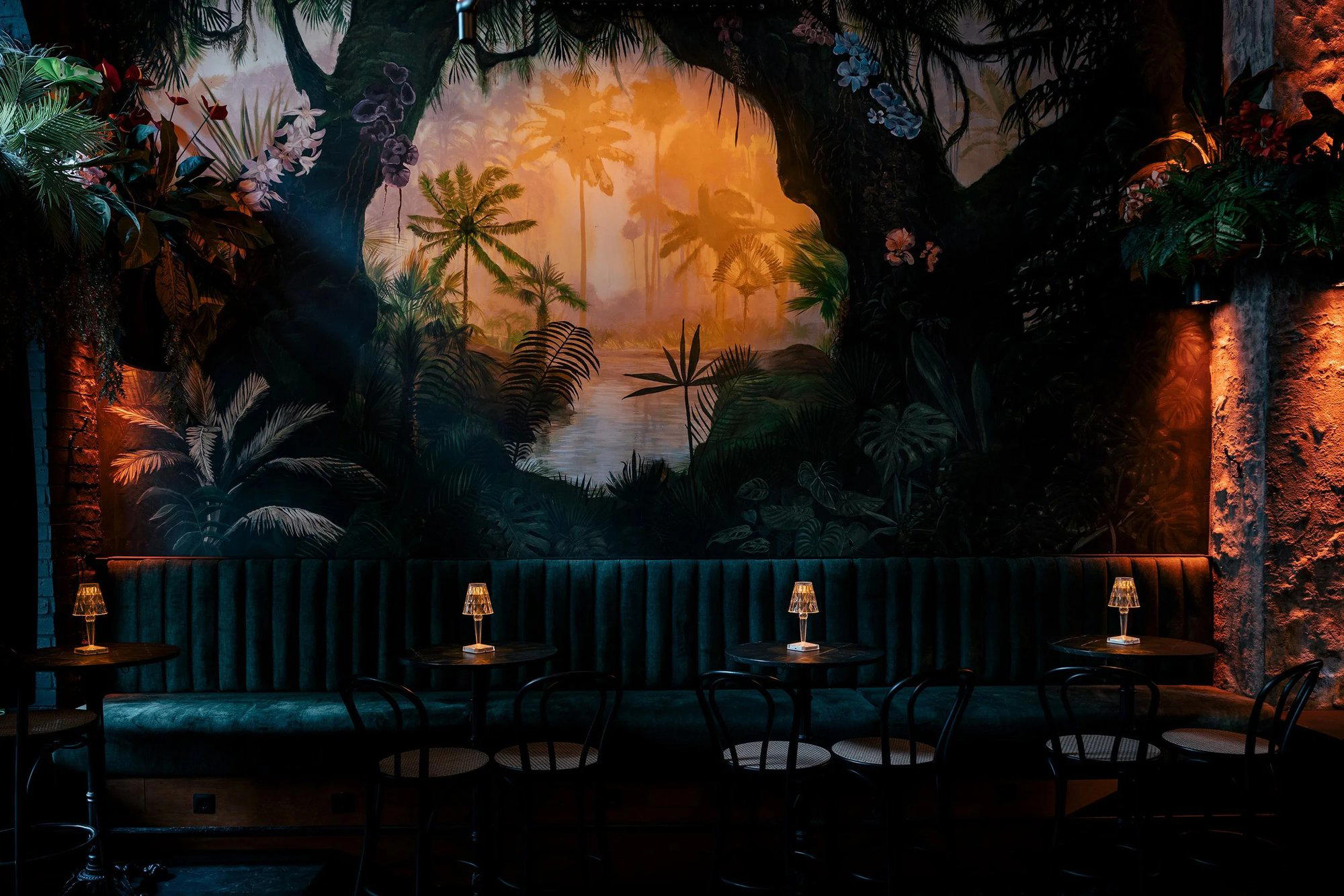
Restaurants in Bela
Browse all →
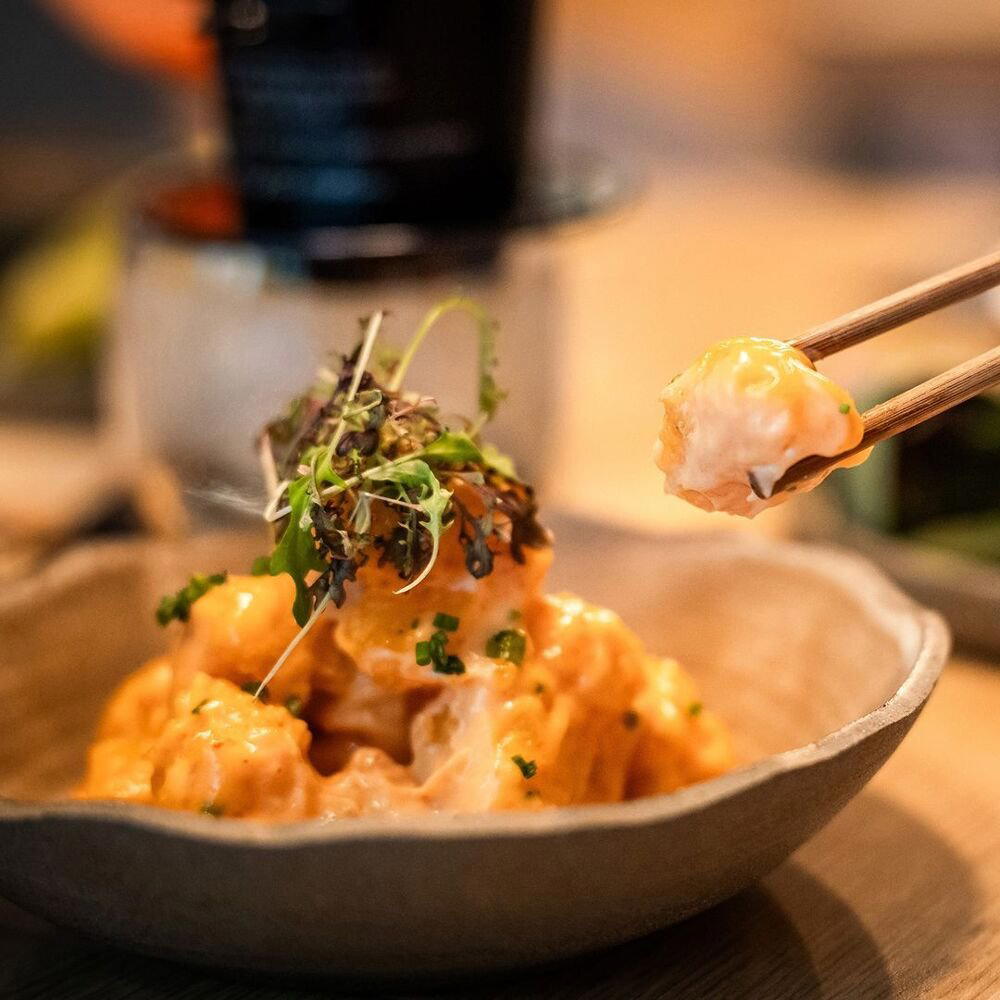
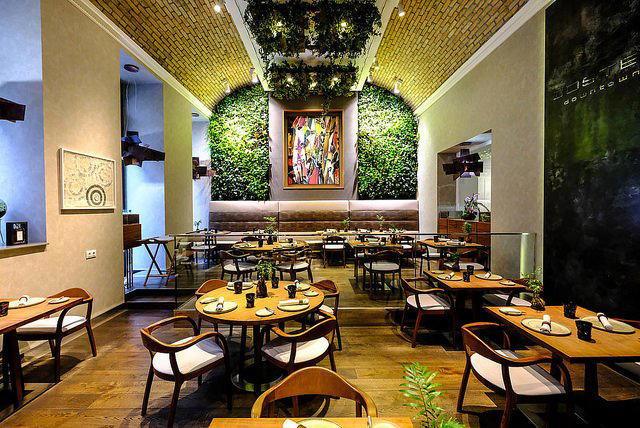
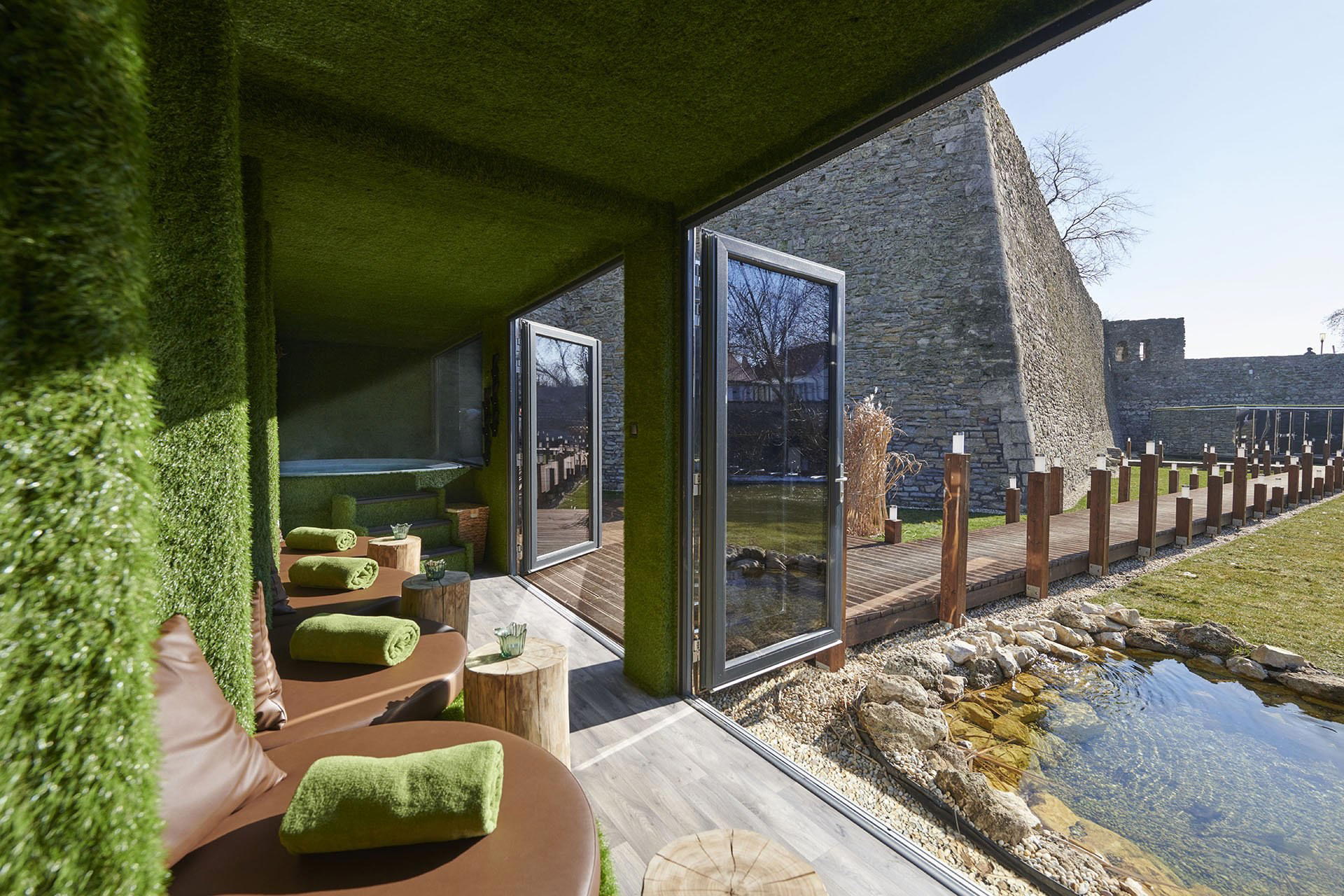
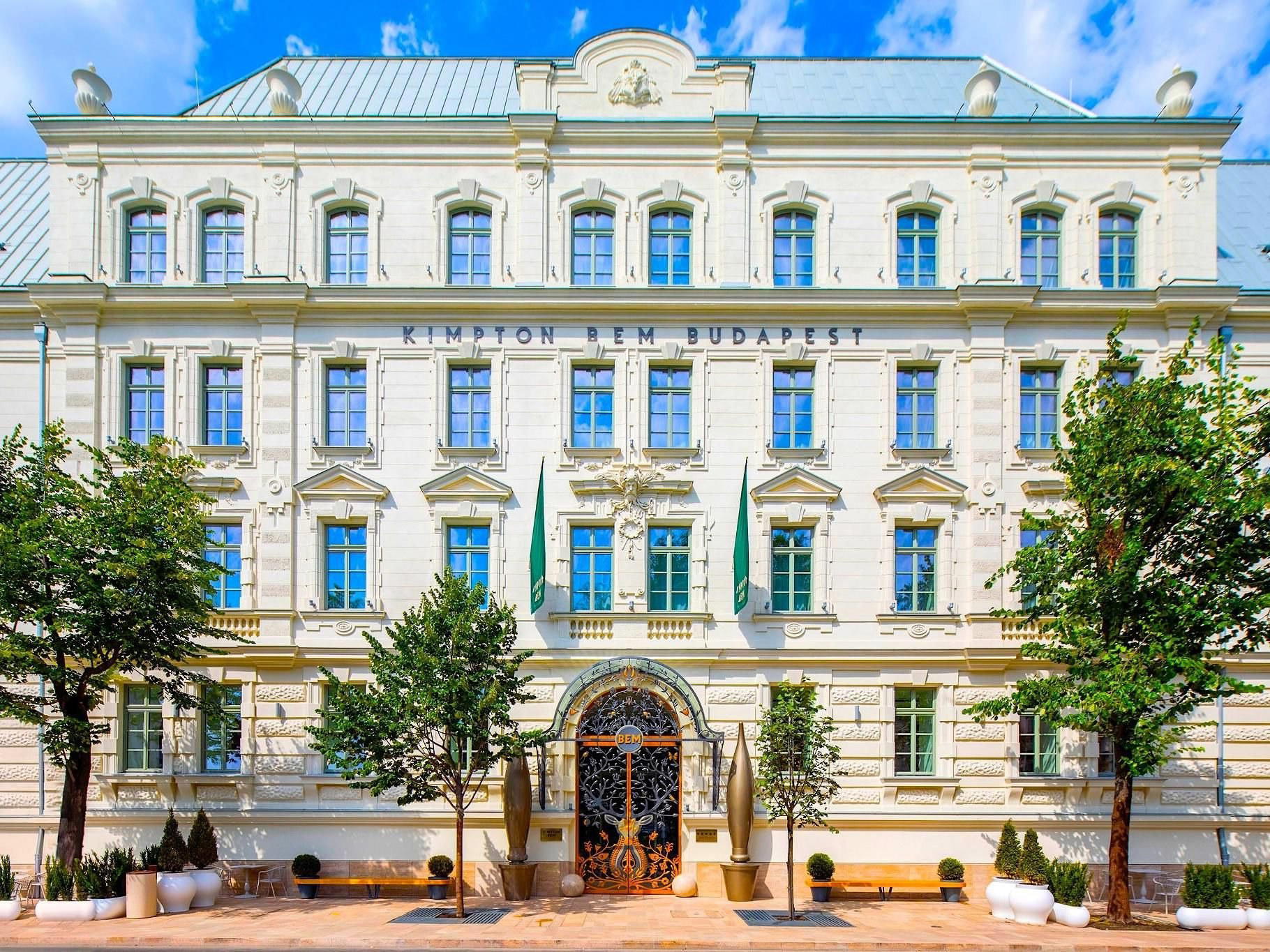
Details
- Romantic
- Quiet
- Scenic
- Elegant
- Historic
- Sophisticated
- Romantic Getaway
- Celebration
- Family
- Corporate Event
- Special Occasion
- Group Outing
- Estate Grounds
- Garden
- Historic Building
- Vineyard Tour
- Private Tasting
- Sustainable
- Vineyard
- Garden
- Riesling
- Gruner Veltliner
- Breslava
- Cabernet Sauvignon
- Still White
- Still Red
- Dessert
- Guided Tasting
- Sommelier Led Tasting
- Estate Wine Tasting
- English
- Slovak
Refined, tranquil, and historic, with a luxurious country-estate feel, landscaped parkland, and a serene atmosphere for relaxed stays and tastings.