
One of Milan's most historically significant distilling addresses, Fratelli Branca Distillerie on Via Resegone has produced amaro at industrial scale since the mid-nineteenth century. Awarded Pearl 3 Star Prestige in 2025, it sits in a different tier from the city's boutique spirits producers, trading instead on heritage infrastructure, category-defining output, and a production legacy that shaped how bittersweet Italian liqueurs are understood globally.
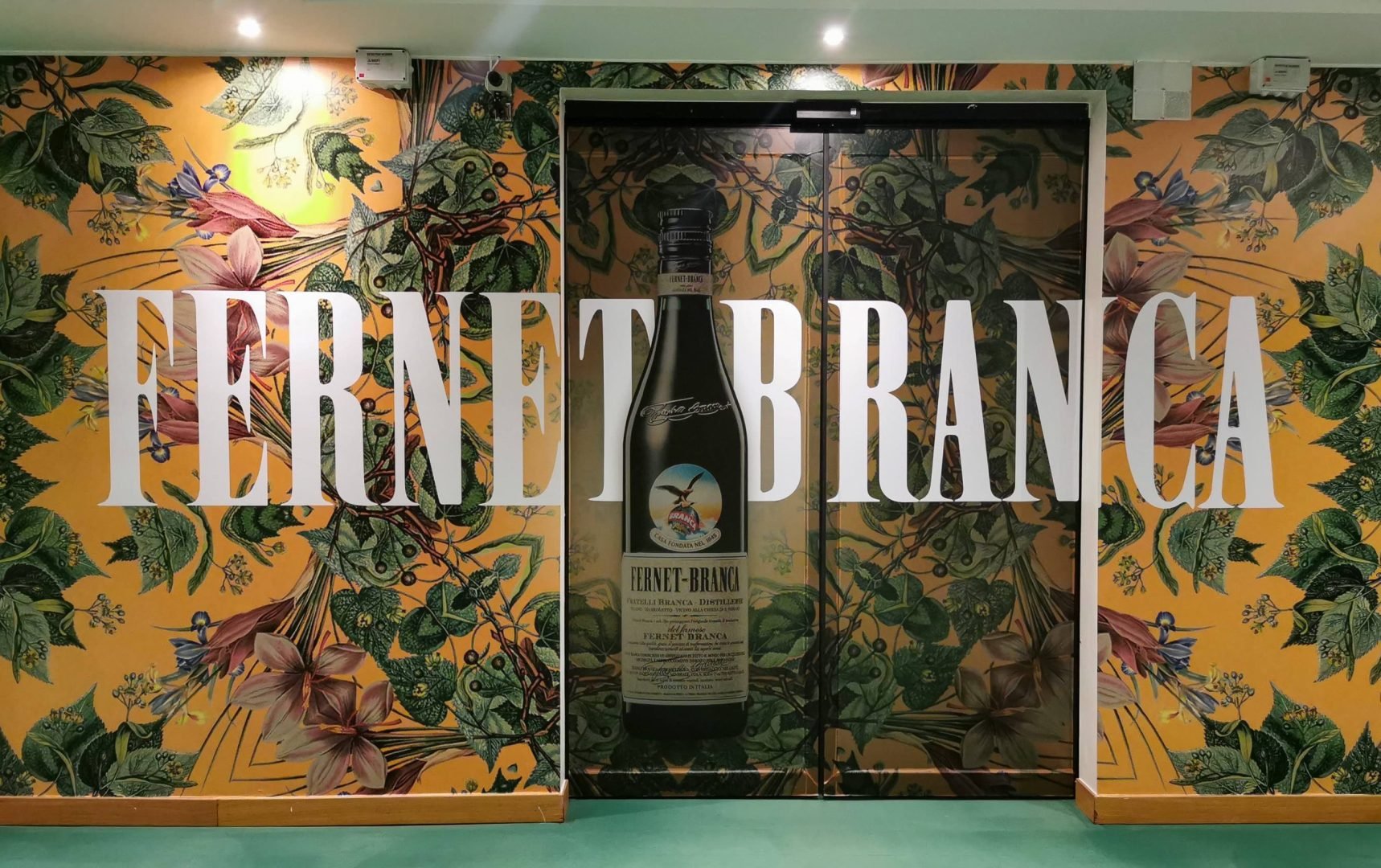
Via Resegone and the Industrial Poetry of Milan's Distilling Heritage
There is a particular category of industrial building that earns its place in a city's identity not through elegance but through persistence. The Fratelli Branca Distillerie complex on Via Resegone, in Milan's working northern quarter, belongs to that category. The address sits well outside the aperitivo-bar circuit of Brera and Navigli, and that distance is part of the point. This is a production facility in the fullest sense: the kind of place where the smell of botanicals reaches you before the gate does, where warehouse scale and heritage signage coexist, and where the gap between what is made here and how it is consumed across the world becomes briefly, usefully visible.
Milan's spirits tradition is largely invisible to the visitor who limits their attention to restaurants and hotel bars. The city is the administrative and commercial centre of an industry that includes some of the most-recognised amaro and bitters labels in global distribution. Campari, Fernet-Branca, Amaro Ramazzotti, and the wider Gruppo Campari portfolio all trace production or headquarters to the greater Milan area. Fratelli Branca operates independently within that landscape, and its longevity as a family-controlled operation distinguishes it from the consolidation that has absorbed many of its peers.
The Amaro Tradition and Where Branca Sits Within It
Italian amaro is not a single thing. The category runs from light, citrus-forward digestifs to intensely bitter, herb-dense formulas that require some commitment from the drinker. Fernet-style amaro, the register in which Branca has made its name, sits at the demanding end of that spectrum. The formula involves a large number of botanicals, a pronounced bitterness, and a menthol quality that makes the category immediately recognisable even to drinkers who have only encountered it once. This is not a style that courts casual adoption; it builds loyalty through repetition and context.
The nineteenth-century origins of Italian amaro formulas reflect a pharmaceutical logic: these were products positioned as digestive aids, often containing ingredients sourced from trading networks that extended well beyond Italy. The botanical complexity of a Fernet-style product, with roots, barks, and herbs drawn from multiple continents, was part of the original marketing claim, not an accident of recipe development. Branca's formula, maintained across generations, sits inside that tradition. The longevity of the recipe is itself a form of credential in a category where stability and authenticity are primary brand signals.
Comparable Italian producers with deep heritage roots include Antinori nel Chianti Classico in Tuscany and Biondi-Santi Tenuta Greppo in Montalcino, both of which have maintained family control and formula consistency across multiple generations in wine. The parallel is not exact, but the structural commitment to a fixed product identity over a very long time horizon is a recognisable Italian institutional trait, whether the product is Sangiovese or saffron-tinged bitters.
Pearl 3 Star Prestige: What the 2025 Rating Signals
The Pearl 3 Star Prestige designation awarded to Fratelli Branca Distillerie in 2025 places it in the upper tier of EP Club's recognition framework. In the context of a distillery rather than a winery or restaurant, this kind of recognition reflects the scale of the operation's contribution to its category, the depth of the production heritage, and the consistency with which the output meets a standard over time. It is not a discovery rating; it is a confirmation of sustained standing.
For comparison, the EP Club also recognises wine estates like Aldo Conterno in Monforte d'Alba and Bruno Giacosa in Neive within the same framework, producers whose reputations rest on decades of consistent quality in tightly defined categories. Branca occupies a different segment, volume-scale spirits production rather than small-lot viticulture, but the rating logic is similar: sustained output at a level that defines rather than merely follows category standards.
The distillery sits in a peer set that includes destination-grade heritage producers beyond Italy. Aberlour in Aberlour and Abadía Retuerta in Sardón de Duero represent the same category of historically grounded production addresses that reward visits from serious drink enthusiasts rather than casual tourists.
The Physical Experience: What You Are Actually Visiting
Visiting a working distillery is a different proposition from visiting a winery with manicured terraces or a restaurant with a considered room. The appeal here is industrial and historical rather than sensory in the conventional hospitality sense. What Via Resegone offers is access to a production environment that has operated on the same site for generations, within a city that has largely redeveloped its manufacturing heritage into residential and commercial space. The survival of an active distillery at this scale within Milan's urban fabric is unusual, and that specificity is the visit's primary value.
The botanical character of Fernet production means the site has a sensory register that no winery or brewery can replicate: the combination of dried herbs, alcohol, and storage creates an olfactory environment that is immediately, distinctively its own. This is the kind of detail that does not survive transit to a tasting room in another city. It belongs to the site, and the site is in Milan's northern quarter, not in a hospitality-optimised agriturismo setting.
For visitors structuring a broader Milan programme, the distillery sits outside the central hotel and restaurant belt. Those planning visits should cross-reference our full Milan experiences guide for context on how to sequence a day that includes production sites alongside the city's more conventional cultural draws. The full Milan wineries guide covers the broader spirits and wine production context across the city, and our full Milan bars guide maps where these products appear in their finished, served form.
Planning Your Visit
Via Resegone, 2 places the distillery in the Zona 9 district, north of the Stazione Centrale axis. The address is accessible by public transport, though visitors combining this stop with central Milan dining or hotel stays should allow transit time accordingly. Specific visiting hours, tour formats, and booking requirements are not published in EP Club's current data set; contacting the distillery directly before planning a visit is advisable. Those building a wider spirits-focused Milan itinerary will find useful context in our full Milan restaurants guide and our full Milan hotels guide for accommodation positioned conveniently relative to the northern districts.
Frequently Asked Questions
- What is the signature bottle at Fratelli Branca Distillerie?
- The distillery's defining product is Fernet-Branca, the herb-and-botanical bitters that established the Fernet category at scale and remains the reference point for this style of Italian amaro. The formula's combination of saffron, myrrh, chamomile, and a range of additional botanicals has remained consistent across the brand's history, and the product's global distribution makes it one of the most-recognised Italian spirits outside the wine category. The 2025 Pearl 3 Star Prestige rating from EP Club reflects the standing of the overall Branca portfolio within its peer set.
- Why do people visit Fratelli Branca Distillerie?
- The primary draw is historical and industrial: this is one of the few large-scale heritage distilleries operating within Milan's city limits, and a visit provides direct access to a production environment that shaped a globally distributed category. For drinks professionals, spirits writers, and enthusiasts with a serious interest in Italian amaro, the site offers context that cannot be replicated through product alone. The 2025 EP Club Pearl 3 Star Prestige award places it among the city's recognised prestige addresses. Specific tour or visitor experience formats are not confirmed in current EP Club data, so direct contact with the distillery is recommended to establish what access is available.
- Should I book Fratelli Branca Distillerie in advance?
- Given that this is an active production facility rather than a purpose-built visitor attraction, advance planning is advisable. EP Club's current data does not include published opening hours, booking systems, or tour availability details. The most reliable approach is to contact the distillery directly via their official address at Via Resegone, 2, Milan, before building any visit into a fixed itinerary. For broader Milan programme planning, our full Milan experiences guide covers the wider field of bookable visits and production-site experiences in the city.
Access the Cellar?
Our members enjoy exclusive access to private tastings and priority allocations from the world's most sought-after producers.
Access the Concierge