
Falstaff Winery - 2 Stars
Finca Sobreño belongs to the modern Toro story: old-vine Tinta de Toro, Rioja-influenced technical discipline, and a red-wine portfolio built around structure rather than fashion. Founded in 1998, the estate works with 80 hectares of its own vineyards and additional old-vine parcels, giving its Crianza, Organic Toro, Reserva and Ildefonso bottlings a clear regional spine.

Pearl is the En Primeur Club membership app — saves, bookings, and concierge access live there. Same editors, same standards.
- Address
- Toro, Castilla y León, Spanien
- Directions
- Get directions
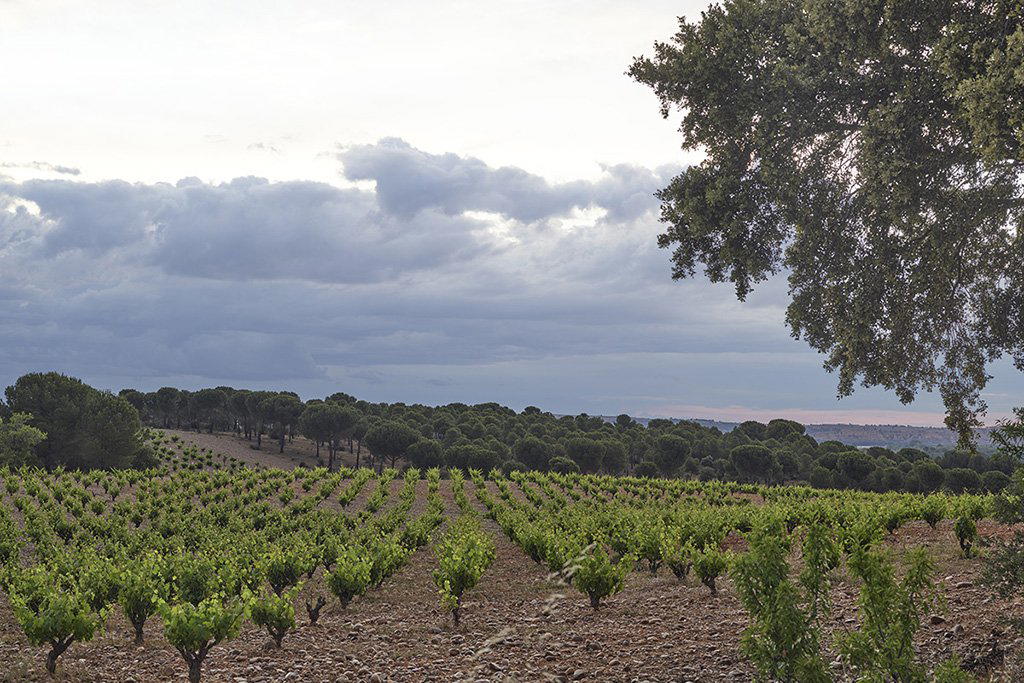
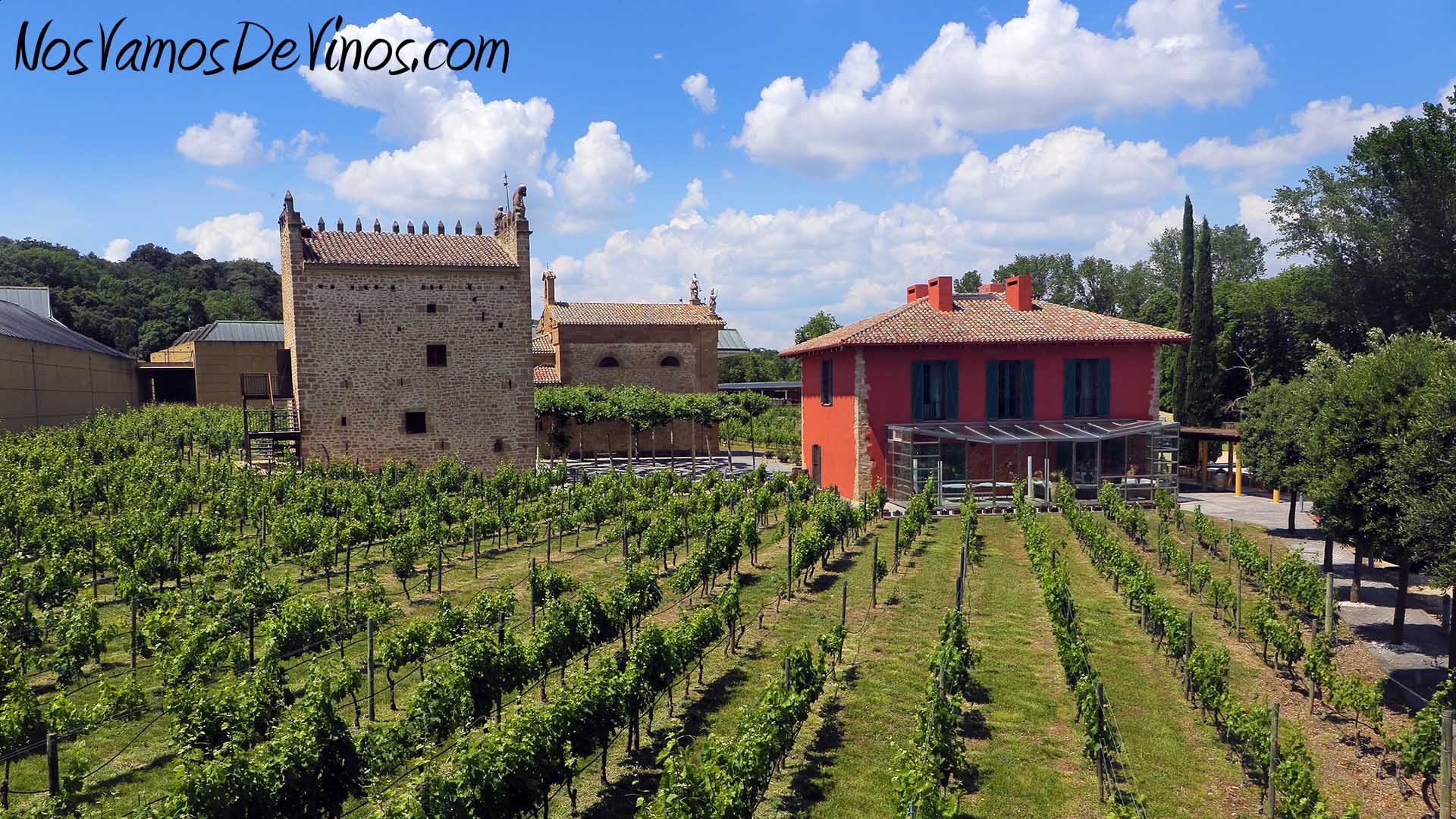
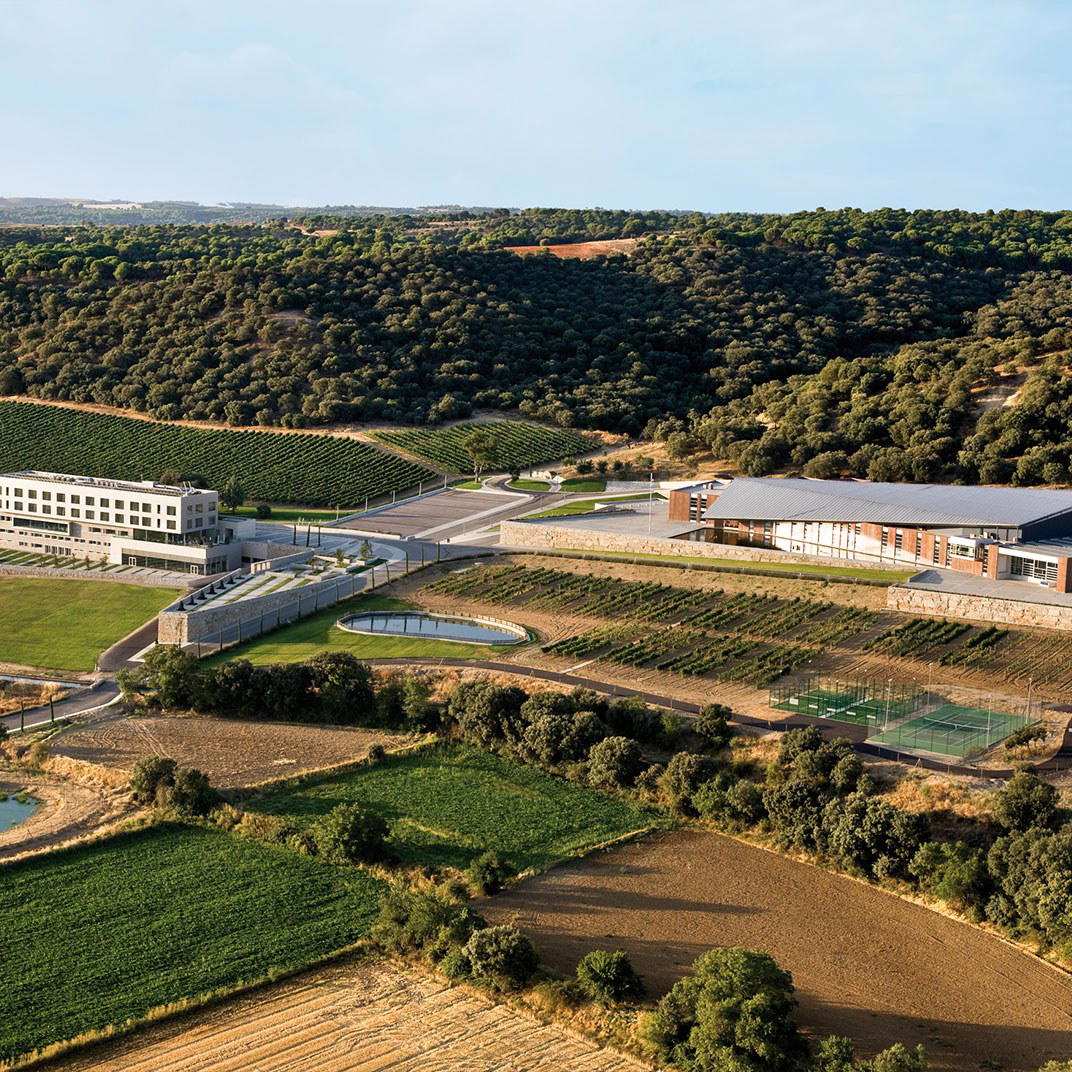
Finca Sobreño is a rural estate winery in Toro focused on Tempranillo. The picture is direct and easy to understand: a rustic, classic and scenic winery setting, with a red-wine identity built around traditional vine growing and modern cellar technology. Rather than treating the estate as a restaurant, bar or general tasting venue, it is best understood as a Toro winery whose appeal rests on vineyard work, oak aging and powerful but balanced red wines. That distinction matters, because the strongest reading of the venue comes not from a dining concept or hospitality format, but from its place in a wine region known for serious red-wine expression. Finca Sobreño’s identity is therefore most convincing when viewed through the essentials: place, grape variety, cellar approach and the rural character of an estate winery.
Tempranillo gives the estate its center of gravity
Toro is strongly associated with structured red wines, and Finca Sobreño fits that context through its focus on Tempranillo. The description emphasizes careful vineyard management, traditional vine growing and a modern approach to production. That combination places the estate within the contemporary Toro story: wines with power, oak influence and an effort toward balance rather than force alone. In practical terms, Tempranillo is not just a grape named on the page; it is the organizing idea that helps explain the estate’s personality. The wine identity described here is red, grounded and shaped by the tension between rustic vineyard character and a more controlled cellar sensibility.
Specific claims about vineyard size, vine age, soil composition, founders, production numbers, individual cuvées, awards or technical winemaking steps are not confirmed here. What can be said with confidence is narrower but still useful: Finca Sobreño is a Tempranillo-focused estate winery in Toro, with a rural setting and a classic winery character. That narrower description is still meaningful, because it avoids turning the venue into something more elaborate than the confirmed information supports. The dependable profile is one of focus rather than breadth, and of wine production rather than a wider hospitality program.
For visitors or readers comparing options in Toro, the most reliable reason to focus on Finca Sobreño is its clear identity. It is not presented here as a dining room with a defined cuisine or service format; it is a winery centered on red wines, oak aging and vineyard-led production. That makes it especially easy to place for anyone building a wine-oriented route: the estate reads as a stop for understanding Toro through Tempranillo, rather than as a venue to evaluate by menu, cocktails, nightlife or lodging. Its appeal is tied to the landscape, the cellar and the expectation of structured wines with a classic regional feel.
A cellar identity built around oak aging and balance
The information supports a general reading of the style: Finca Sobreño combines traditional vine growing with modern technology to produce powerful yet balanced red wines. The important nuance is that power is not described as the only objective. The estate’s profile is framed around balance as well, suggesting a wine identity where oak aging, structure and ripeness are intended to sit within a more composed whole. That is a useful way to understand the venue without overreaching into unconfirmed technical detail.
This makes the estate easier to describe in broad, grounded terms. Expect a classic Toro winery profile rather than a page built around rankings, vintage-by-vintage scores or detailed production claims. The most dependable hook is the estate’s focus on Tempranillo and its balance between rustic vineyard character and modern winemaking discipline. In editorial terms, that gives Finca Sobreño a clear lane: not flashy, not defined here by a restaurant program, and not dependent on a list of accolades, but anchored in the recognizable language of Toro red wine. The rural estate setting reinforces that impression, giving the winery a scenic and traditional frame while the modern production reference keeps the profile from feeling purely old-fashioned.
The confirmed price indicator is $$.
How to place it within a Toro wine itinerary
Finca Sobreño belongs naturally in a Toro wine itinerary for travelers interested in Tempranillo-focused red wines and estate-winery settings. Its strengths are the rural winery atmosphere, the classic and scenic character, and the emphasis on careful vineyard management, modern technology and oak-aged red wines. It is the kind of listing that should be approached with a wine-first mindset: the reason to pay attention is not a long catalog of amenities, but the clarity of the estate’s red-wine identity and its connection to the broader Toro style.
For broader planning, compare it with other Toro dining, lodging, bar and experience options generically, and confirm any practical visit details directly before going. That approach keeps expectations accurate. The page works well as a directional guide to what the estate represents rather than as a complete operational brief.
Within Toro, Finca Sobreño is best framed as a focused winery stop rather than as part of a broader list of named comparison venues. Its value lies in a clear, grounded identity: Tempranillo, Toro, oak aging and a rural estate setting. For a traveler or reader trying to understand why it matters, that combination is enough to establish its role. It speaks to the core image of Toro wine: structured reds, a strong sense of place, and a winery environment where vineyard work and cellar aging define the experience more than any unrelated hospitality theme.
Recognition history
Dated appearances from independent guides and award organizations, with the underlying list record or original source where available.
Falstaff Winery - 2 Stars
Falstaff
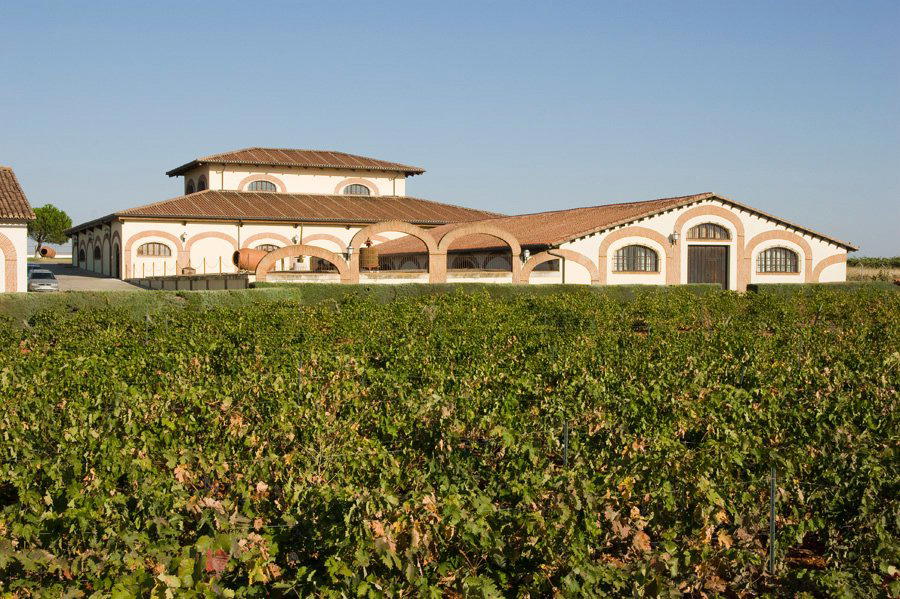
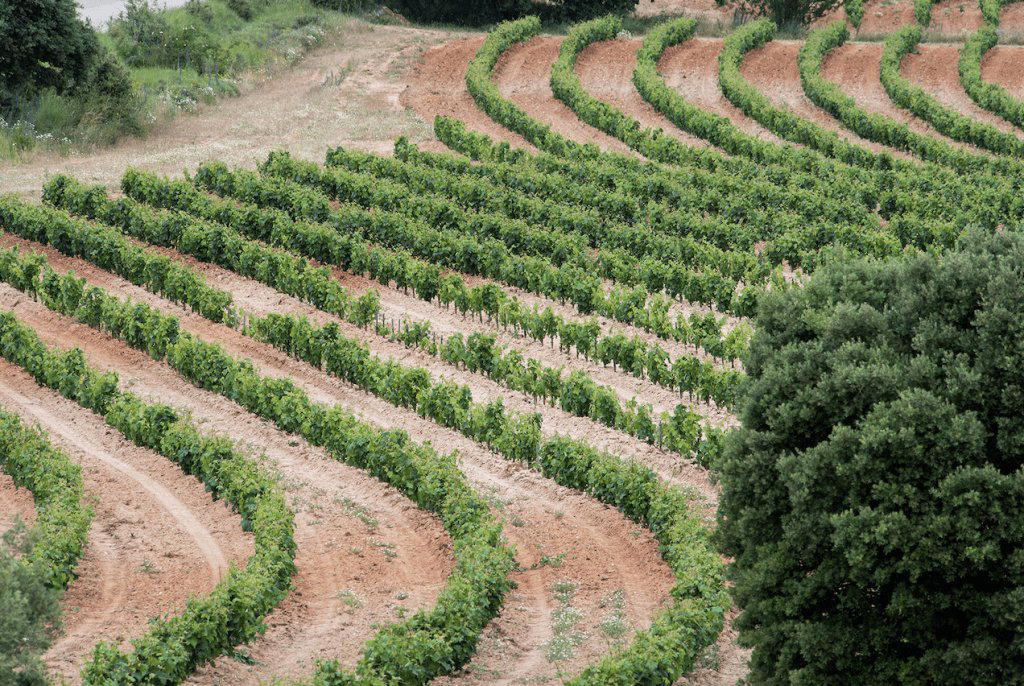
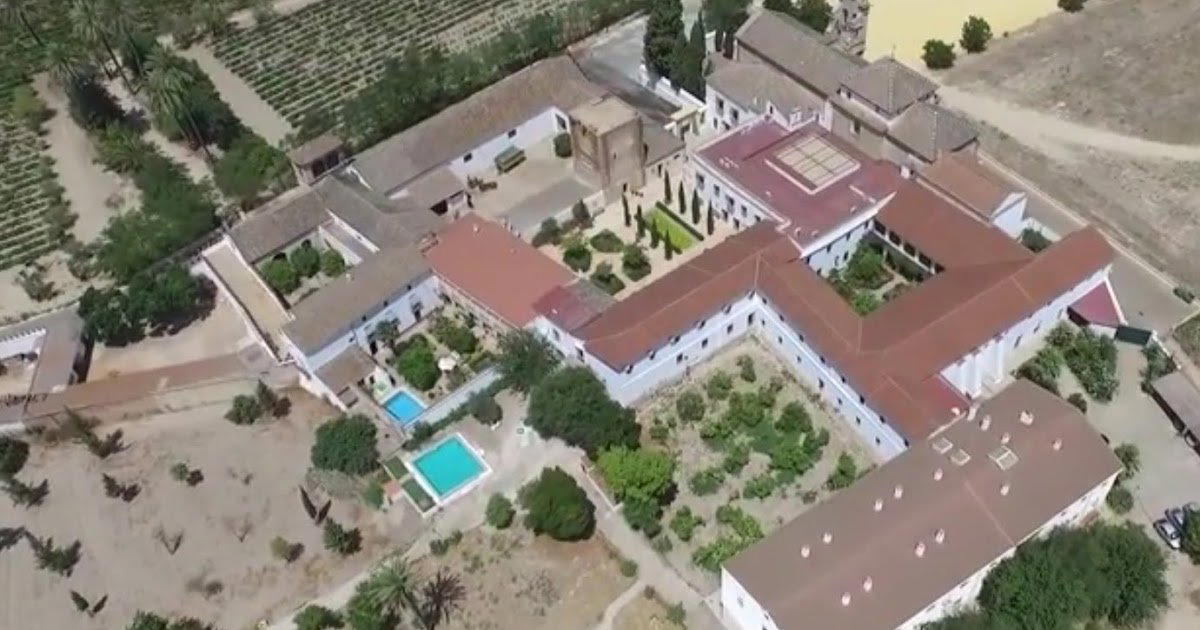


Details
- Rustic
- Classic
- Scenic
- Elegant
- Group Outing
- Wine Education
- Special Occasion
- Romantic Getaway
- Estate Grounds
- Vineyard Tour
- Organic
- Vineyard
- Tinta De Toro (tempranillo)
- Still Red
Rural estate winery in Toro focused on Tempranillo, combining traditional vine growing with modern technology to produce powerful yet balanced red wines, with an emphasis on careful vineyard management and oak aging.