Fattoria di Castelvecchi

Fattoria di Castelvecchi is a historic Chianti Classico estate in Radda in Chianti, built around high-altitude Sangiovese, galestro and alberese soils, and a cellar tradition traced to 1043. The draw is not spectacle but place: eleven crus, estate-grown fruit, guided tastings, and a fortified hamlet setting that keeps the focus on terroir rather than hospitality theatre.
Pearl is the En Primeur Club membership app — saves, bookings, and concierge access live there. Same editors, same standards.
- Address
- Radda in Chianti, Tuscany, Italien
 Saves & bookings on Pearl
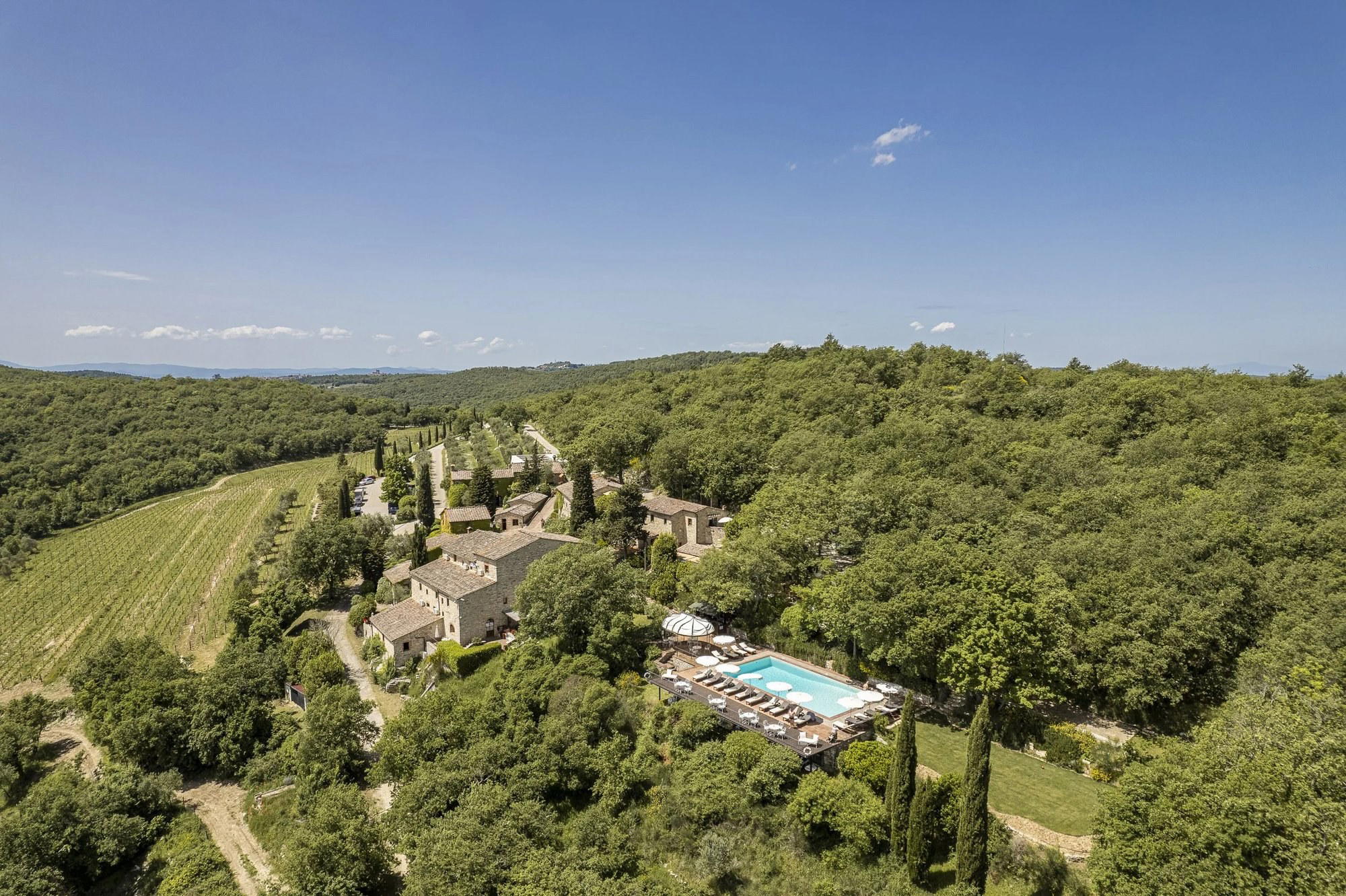
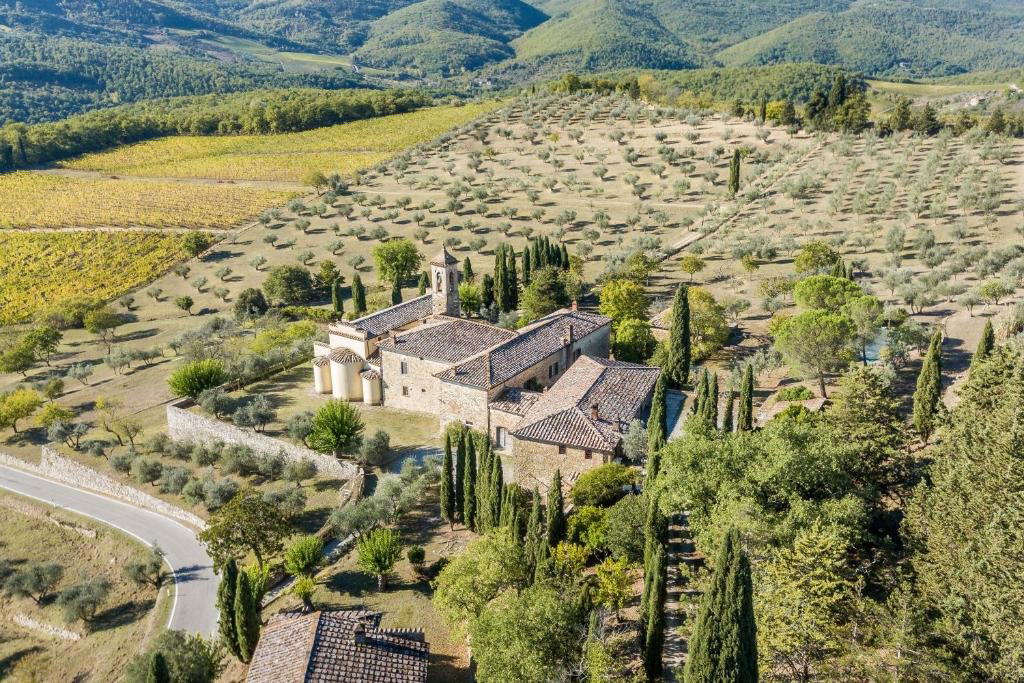
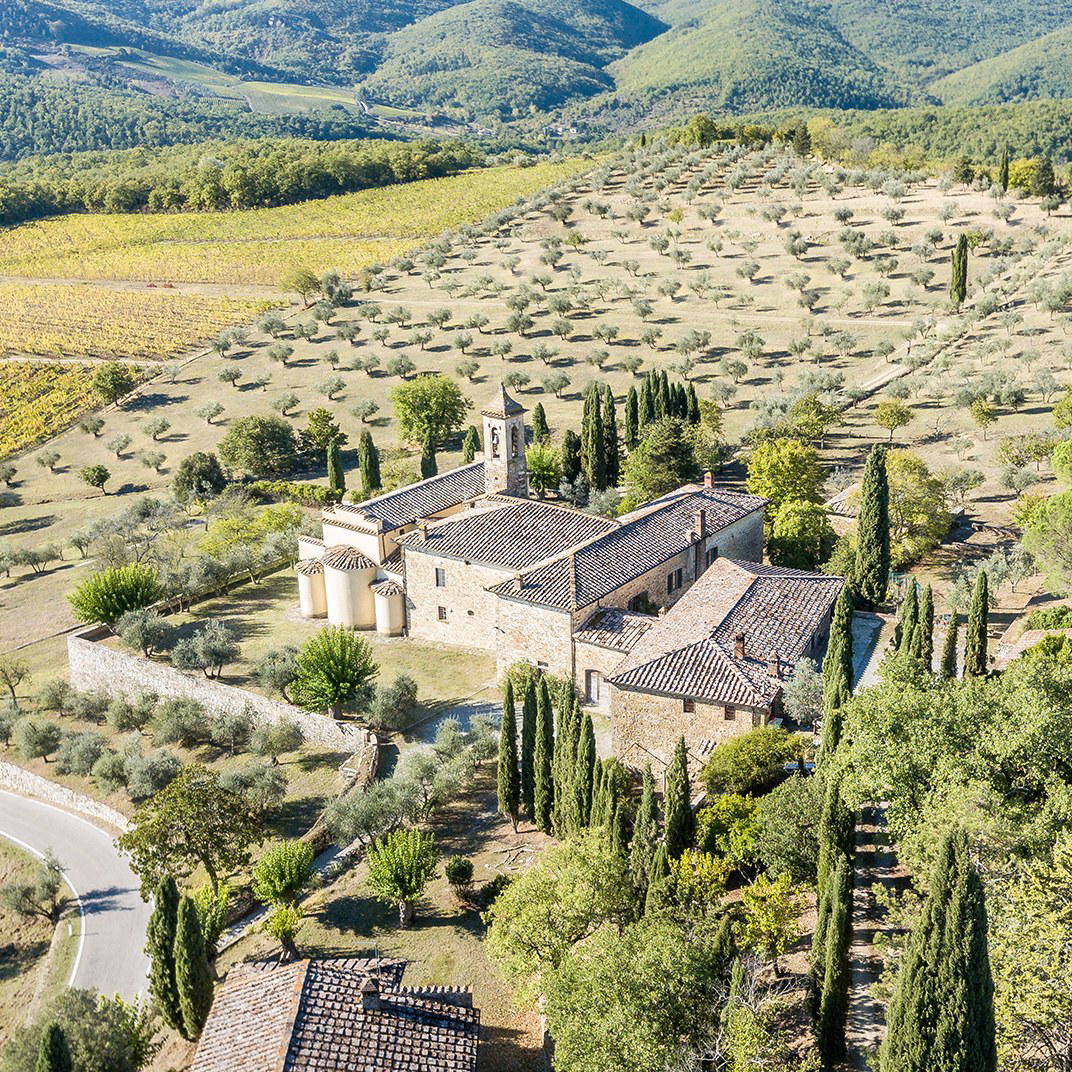
Approaching a fortified hamlet in the hills of Radda in Chianti changes the tempo before the first glass is poured. Woods, olive groves and vineyards frame the estate, and the atmosphere is quiet enough to make the old Tuscan argument for patience feel less like romance than agricultural logic. In Chianti Classico, where Sangiovese can be stretched between rusticity, polish and cellar ambition, Fattoria di Castelvecchi is at its strongest when read through altitude, soil and time.
The estate traces its history to 1043, a date that matters because Chianti Classico is often sold through shorthand images of villas and cypress roads. Here the more interesting story is continuity: a working cellar tradition, high hill vineyards and a portfolio built around Sangiovese rather than broad Tuscan lifestyle cues. The setting is scenic, but the serious signal is viticultural. Around 22 to 24 hectares are divided across eleven crus, an unusually granular structure for visitors trying to understand how Radda’s cooler heights shape red wine.
High-altitude Sangiovese, read through galestro and alberese
Radda in Chianti sits in a part of the appellation where elevation can tighten Sangiovese’s frame. Castelvecchi works vineyards at roughly 500 to 600 metres above sea level, with galestro and alberese forming the geological backbone. Those two soils are not decorative facts. Galestro, the friable schistous clay common across serious Chianti Classico sites, tends to support tension and structure; alberese, the limestone component, is associated with line, restraint and ageing capacity. The estate’s work makes sense when judged against that hill-country grammar.
The varietal map is disciplined. Sangiovese leads, with Canaiolo in the traditional Chianti Classico register and Merlot and Syrah appearing in Toscana IGP territory. Madonnino della Pieve is the purist statement, 100% Sangiovese from the Madonnino vineyard and positioned as Chianti Classico Gran Selezione. Lodolaio sits in the Riserva lane, tied to Sangiovese propagated by mass selection from ancient vines. Capotondo keeps closer to the regional conversation between Sangiovese and Canaiolo, while Solana uses Sangiovese with Merlot and Syrah in a broader Tuscan frame.
The more compelling technical details are not about novelty. Lodolaio spends 35 to 40 days in concrete during maceration, followed by 12 months in new French oak barrique, then steel before bottling. Madonnino della Pieve follows the Gran Selezione requirement of at least 30 months of ageing, including bottle time. These numbers give the wines their context: extraction and oak are present, but the estate’s identity depends on whether Radda’s altitude and Sangiovese genetics remain legible.
A medieval cellar format with a modern tasting brief
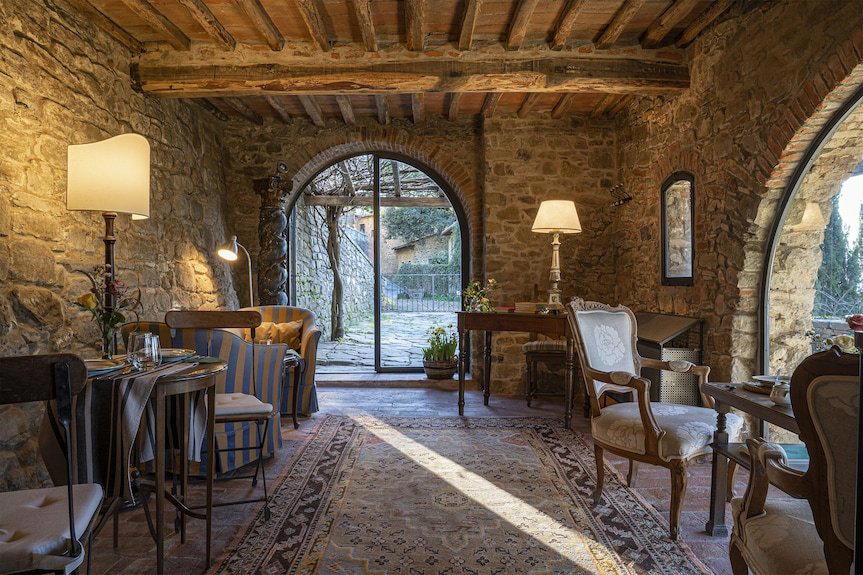
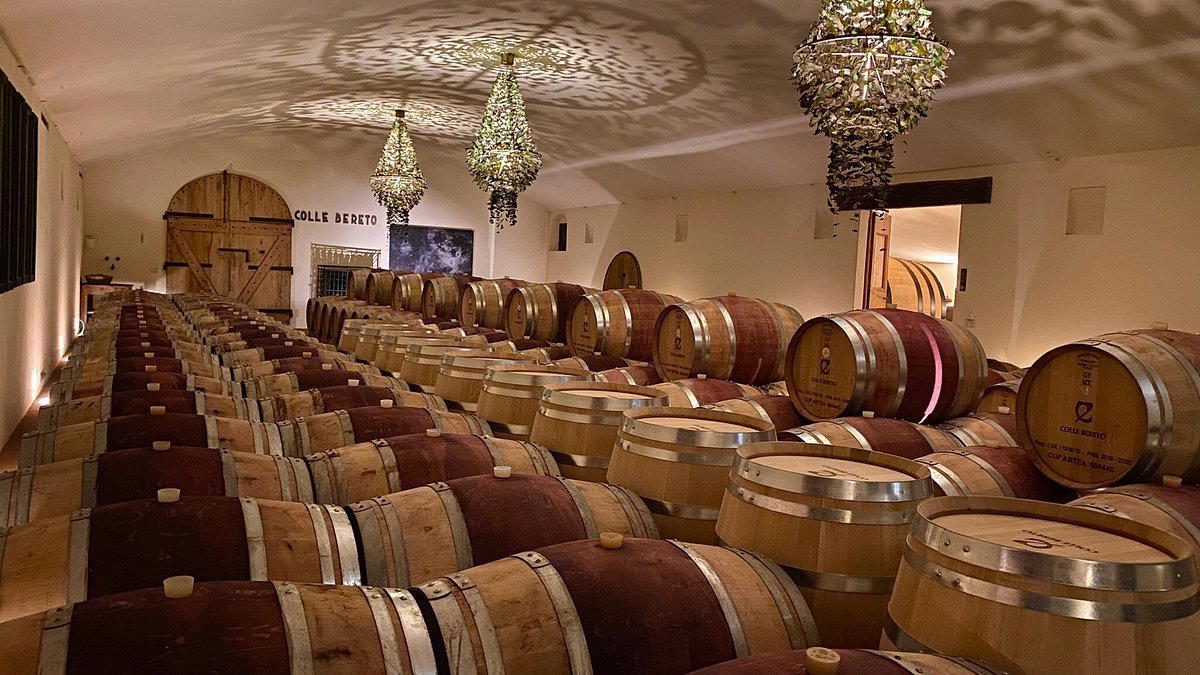
Many Tuscan winery visits drift toward the picturesque; Castelvecchi has a better reason to slow the visitor down. Its thousand-year-old vaulted cellar is central to the experience, and the estate’s fortified setting gives the tasting a strong sense of historical scale without needing costume drama. The format is guided, with estate tours, tastings, educational sessions and sensory tastings available. English and Italian are listed, which matters in a region where wine explanations can otherwise flatten into generic notes about cherry, leather and tradition.
Food pairing is part of the hospitality offer, and the experience is better approached as a structured lesson in Chianti Classico than as a casual drop-in. The estate is appointment-only, dog-friendly, has on-site parking, accepts major payment types and lists shipping availability. Those details make it workable for travellers building a full Radda day around wineries, lunch and a quiet hill-town return rather than trying to improvise between cellar doors.
Recognition here is more about historical and critical signals than trophy-chasing. Decanter has reviewed the 2013 Madonnino della Pieve Gran Selezione, listed at 15% alcohol, medium-bodied and oaked. A production figure around 150,000 bottles a year places it in a middle zone: not a tiny garagiste address, not an industrial stop designed only for buses.
How to place it inside a Radda wine day
For travellers using Radda in Chianti as a base, Castelvecchi suits a terroir-led itinerary. It is less about chasing a famous label and more about reading Chianti Classico through elevation, old-vine selection and cellar continuity. First-time visitors get the fundamentals: Sangiovese, the Gran Selezione tier, Riserva ageing and the difference between Chianti Classico DOCG and Toscana IGP. Repeat visitors may get more from the cru structure, the Le Madri project around old Sangiovese genetics, and the distinction between a Radda wine shaped by cool hill sites and a warmer, broader Tuscan red.
To build context around the area, use Our full Radda in Chianti wineries guide alongside nearby winery pages such as Arillo in Terrabianca, Azienda Agricola Colle Bereto, Azienda Agricola Il Barlettaio, Azienda Agricola Livernano and Borgo La Stella. For the rest of the day, pair the wine route with Our full Radda in Chianti restaurants guide, Our full Radda in Chianti hotels guide, Our full Radda in Chianti bars guide and Our full Radda in Chianti experiences guide.
Travellers extending the Italian wine map beyond Tuscany can compare regional styles through 3GP SRL in Treviso, 47 Anno Domini in Trebaseleghe and A Mano Wine in Noci. For a wider European lens, »der Steiner« Hans Steiner in Podersdorf am See and & Handwein in Mannheim show how different regions frame estate identity around grape, climate and visitor format.
Recognition history
Dated appearances from independent guides and award organizations, with the underlying list record or original source where available.
Falstaff Winery - Listed
Falstaff
Continue exploring
More in Radda in Chianti
Wineries in Radda in Chianti
Browse all →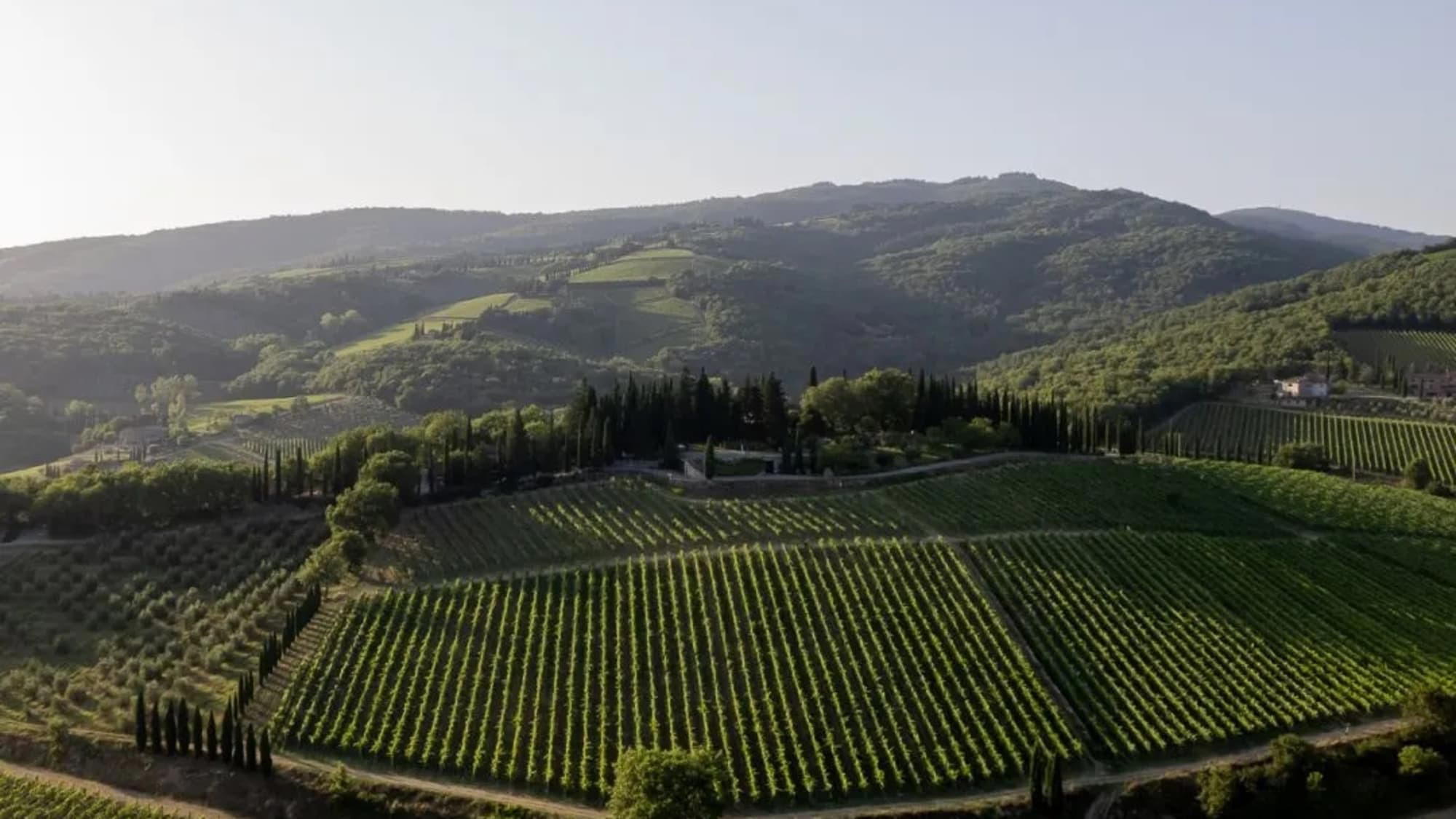
Restaurants in Radda in Chianti
Browse all →
At a Glance
- Scenic
- Classic
- Romantic
- Rustic
- Well Known
- Intimate
- Romantic Getaway
- Group Outing
- Wine Education
- Special Occasion
- Solo Exploration
- Historic Building
- Estate Grounds
- Panoramic View
- Private Tasting
- Vineyard Tour
- Barrel Room
- Sustainable
- Vineyard
- Garden
- Mountain
- Chianti Classico DOCG
- Sangiovese
- Canaiolo
- Merlot
- Syrah
- Still Red
- Guided Tasting
- Estate Tour Plus Tasting
- Vertical/educational Tasting
- Sensory Tasting
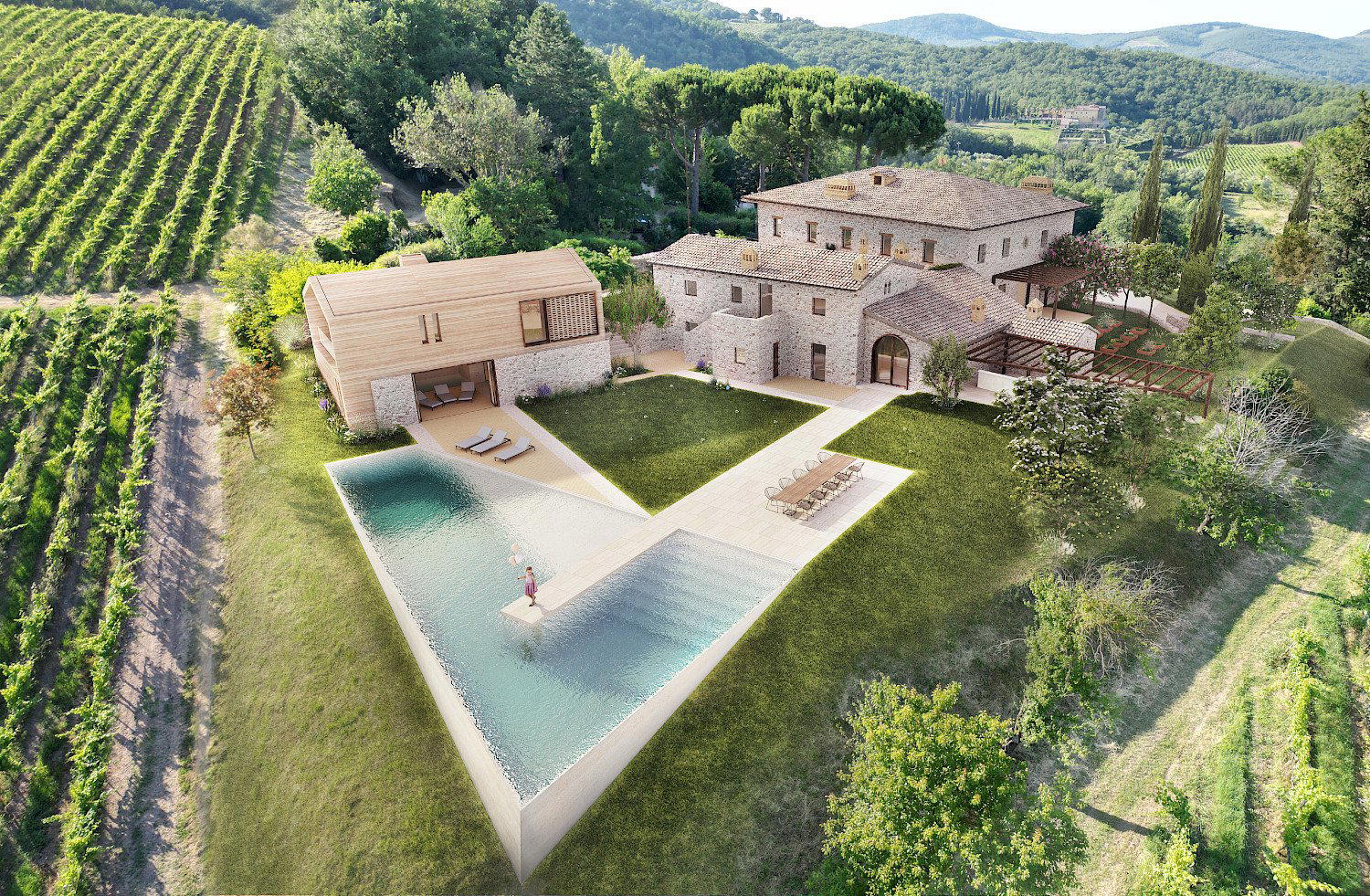
Historic and tranquil estate winery set in a silent medieval hamlet, with a thousand-year-old vaulted cellar and surrounding woods, olive groves, and vineyards creating a classic, scenic Chianti Classico atmosphere.