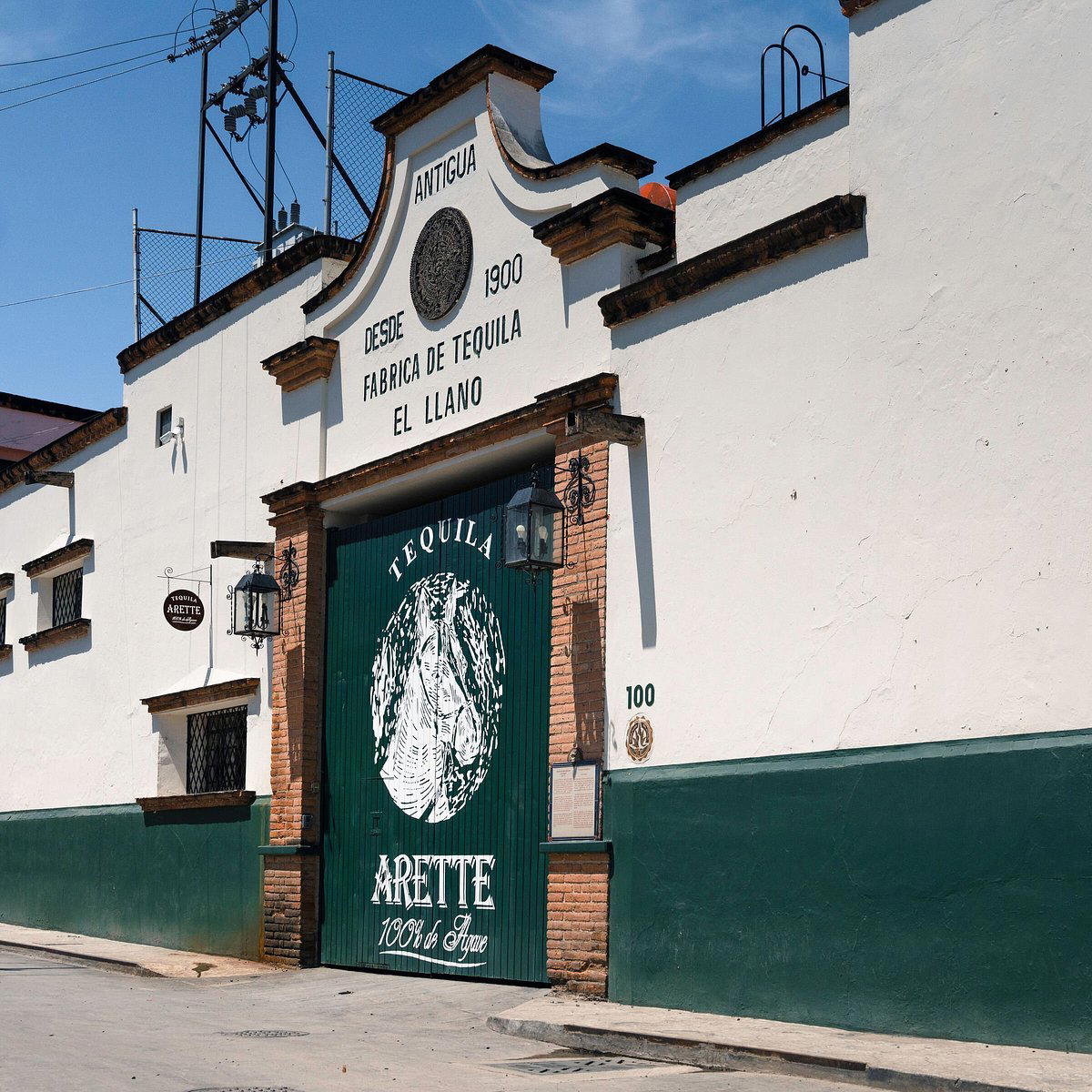
El Llano is a historic working tequila distillery in Tequila, tied to Hacienda Mexicana El Llano, the Orendain family and the Arette name. Its interest lies less in polished visitor theatre than in old-format production context: a traditional Jalisco facility with Silver, Reposado, Añejo and Extra Añejo expressions that show how age categories shape tequila’s identity.

Pearl is the En Primeur Club membership app — saves, bookings, and concierge access live there. Same editors, same standards.

El Llano in Tequila is best understood as a working historic tequila distillery rather than a polished hospitality set piece. The picture is intentionally spare but useful: this is a production-focused address in Tequila’s centro, with an old-school, traditional and rustic feel tied to the Orendain family and the Arette brand. That combination is the core reason to pay attention. El Llano is not being presented here as a restaurant, bar, hotel or tasting lounge; it is a historic distillery whose character comes from production context and local continuity.
For travellers researching Tequila, that distinction matters. Some venues in a spirits town are built around visitor comfort, designed rooms and a clear tourism script. El Llano’s appeal is different. The available information points to a classic and well-known working environment, where the value is less about polish and more about the sense of a traditional distillery still connected to the town’s industrial fabric. The safest expectation is therefore modest and production-led: a place to understand a historic tequila setting in Tequila, not a venue to judge by restaurant-style service, luxury design or a long list of visitor amenities.
A valley tequila house where age categories carry the argument
One defensible way to frame the winery is through heritage, setting and identity rather than unsupported product detail. Specific claims about bottle ranges, age categories, single-barrel releases, production methods, scores or rankings should not be treated as here. What is is broader but still meaningful: the winery is a working historic tequila distillery in Tequila’s centro with a classic, rustic profile and a connection to the Orendain family and Arette.
That makes the venue especially relevant for readers who care about Tequila as a production town. Even without asserting technical details, the setting says something important. A working distillery has a different rhythm from a hospitality-first venue. It suggests practical movement, production purpose and a traditional environment where the distillery’s identity is tied to making tequila rather than simply staging tequila culture for visitors.
That restraint is deliberate. The winery should not be oversold as a transparency-led modern producer, a luxury tasting destination or an award-driven stop unless those facts are independently confirmed. Its grounded appeal is simpler: historic character, production focus, Tequila location, and the Orendain/Arette association.
Seen that way, the winery belongs on a shortlist for travellers who prefer context over spectacle. It is the sort of venue where the surrounding town, the working nature of the site and the old-school feel are part of the reason to go. If your priority is a highly curated tasting format, detailed technical explanation or a dining component, those specifics should be confirmed directly before planning around them.
Tequila's centro rewards production texture over visitor polish
In Tequila, the winery’s centro setting is part of its identity. The description places it within a historic, production-first environment rather than a detached showpiece. That is a useful planning cue: approach it as a classic working distillery with rustic character, not as a venue whose main promise is design, comfort or a full hospitality programme.
The format should also be kept distinct from dining. It also does not confirm specific tour lengths, languages, reservation rules or opening hours.
For the broader Tequila itinerary, the winery is best used as a historic production reference point. Other dining, drinking and lodging plans in Tequila should be researched separately, because a working distillery function like a restaurant, bar or hotel. Keeping those categories separate helps set the right expectations: the winery is compelling for its old-school distillery atmosphere and local heritage, not for extras.
How to place El Llano on a Mexico spirits itinerary
The winery suits travellers who want to see Tequila through a traditional production lens. The facts support a clear but narrow profile: a historic working distillery in Tequila’s centro, rustic and classic in feel, tied to the Orendain family and Arette. That is enough to give the venue a distinct place in a spirits-focused itinerary without adding unsupported claims about founding dates, production scale, exact visitor formats or critical recognition.
The Orendain and Arette connection gives the winery its strongest editorial anchor. For many visitors, family names and long-running brand associations are part of how Tequila’s identity is understood. The winery fits that frame as a production-first site with traditional character. It is not necessary to inflate the case with awards, scores or rankings; the venue’s value is already legible as part of Tequila’s historic distillery fabric.
Compared with more polished tourism experiences in Tequila, the winery’s appeal is likely to be quieter and more contextual. It is for travellers who appreciate classic industrial atmosphere, a rustic setting and the sense of a distillery rooted in place. If a trip depends on a specific tasting structure, a guided visit, bilingual interpretation, food service or a particular product lineup, those details should be confirmed through official channels rather than assumed.
The editorial verdict is measured: the winery is a strong fit for visitors who want Tequila as an active production town rather than a stage set. Its grounded signals are its historic working-distillery character, centro location, old-school feel and ties to the Orendain family and Arette brand. Go for context, tradition and atmosphere, while checking practical details before making it the anchor of a tightly scheduled day.
Continue exploring
More in Tequila
Wineries in Tequila
Browse all →
Bars in Tequila
Browse all →
Restaurants in Tequila
Browse all →
Hotels in Tequila
Browse all →
At a Glance
- Classic
- Well Known
- Rustic
- Solo Exploration
- Group Outing
- Wine Education
- Historic Building
- Estate Grounds
- Street Scene
- Tequila (jalisco), Mexico
- Distillery Tour
Working historic tequila distillery in Tequila’s centro, focused on production rather than polished tourism, with an old-school, traditional feel tied to the Orendain family and the Arette brand.