
Falstaff Winery - Listed
Domaines de Moncets reads as modern Right Bank Bordeaux rather than museum-piece château tourism: a historic Néac estate founded in 1770, now shaped around Lalande de Pomerol reds, Bordeaux blanc and rosé, guided cellar visits, and a fruit-forward house style. The strongest reason to go is terroir literacy: clay-gravel soils, barrel-cellar context, and vertical tasting formats make the land easier to understand in the glass.

Pearl is the En Primeur Club membership app — saves, bookings, and concierge access live there. Same editors, same standards.
- Address
- Néac, Libournais, Nouvelle-Aquitaine, Frankreich
- Directions
- Get directions

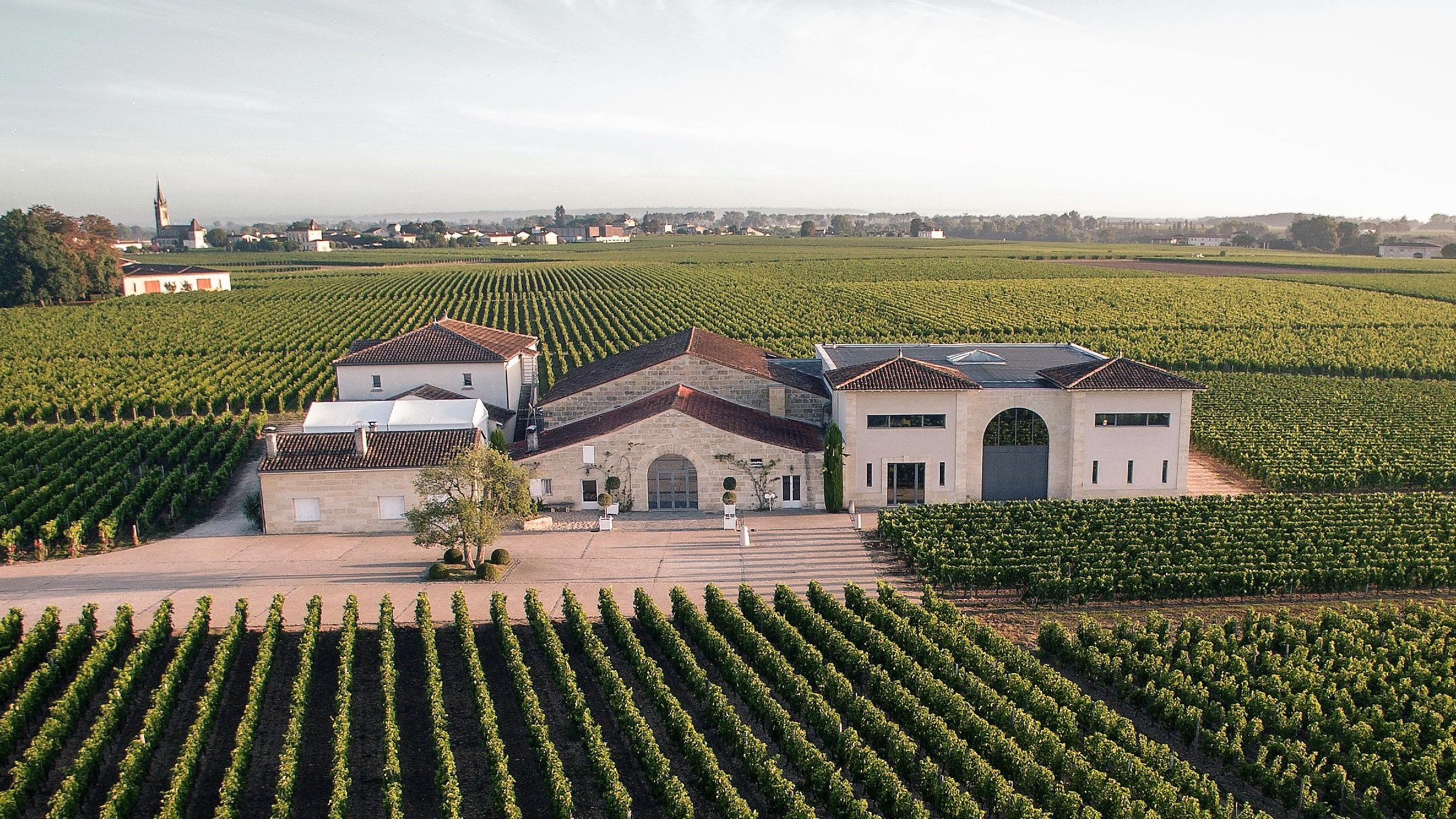
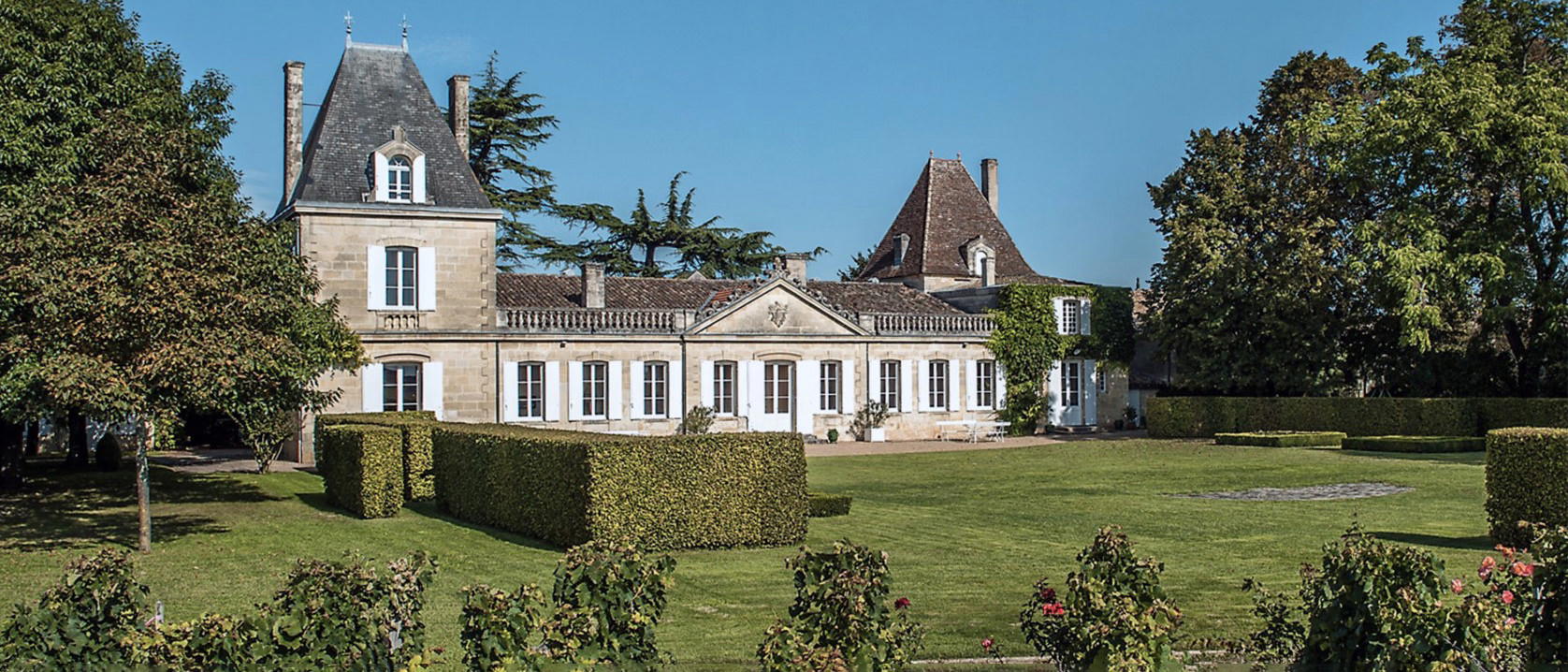
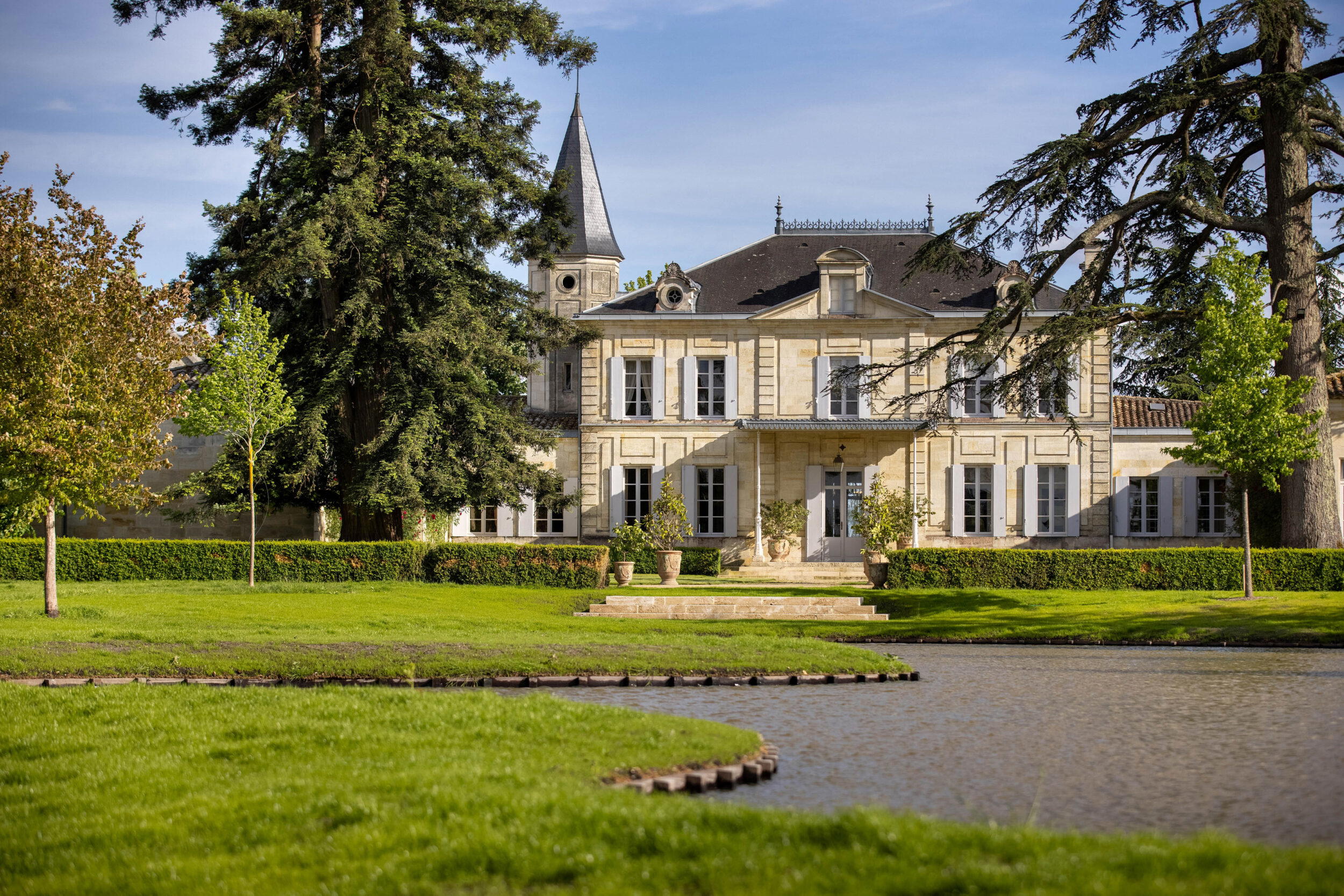
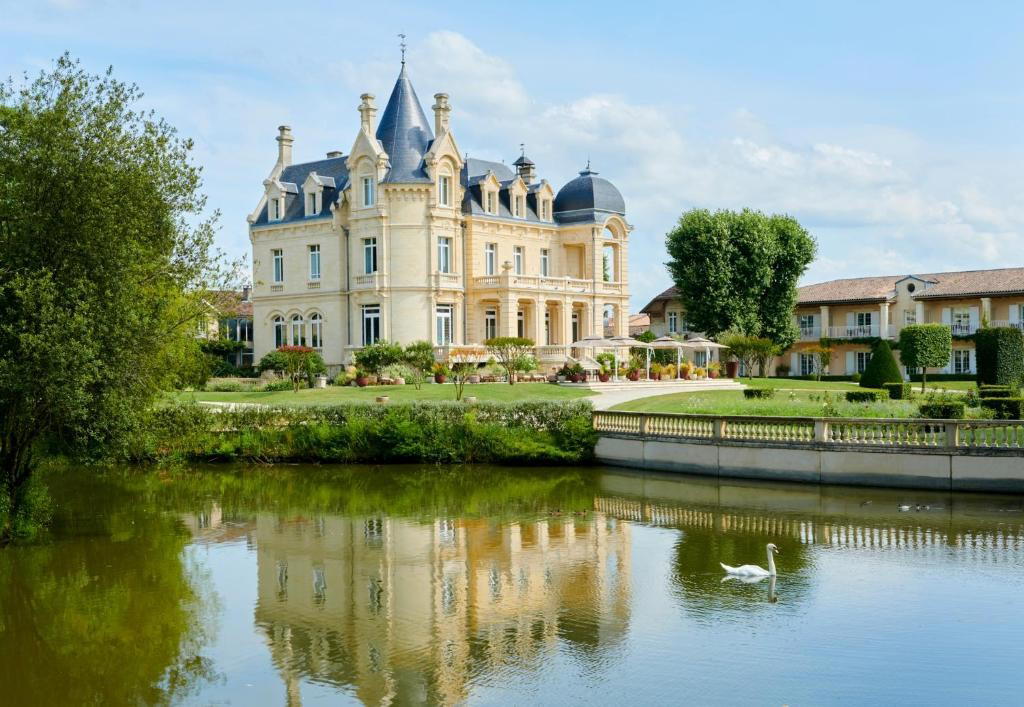
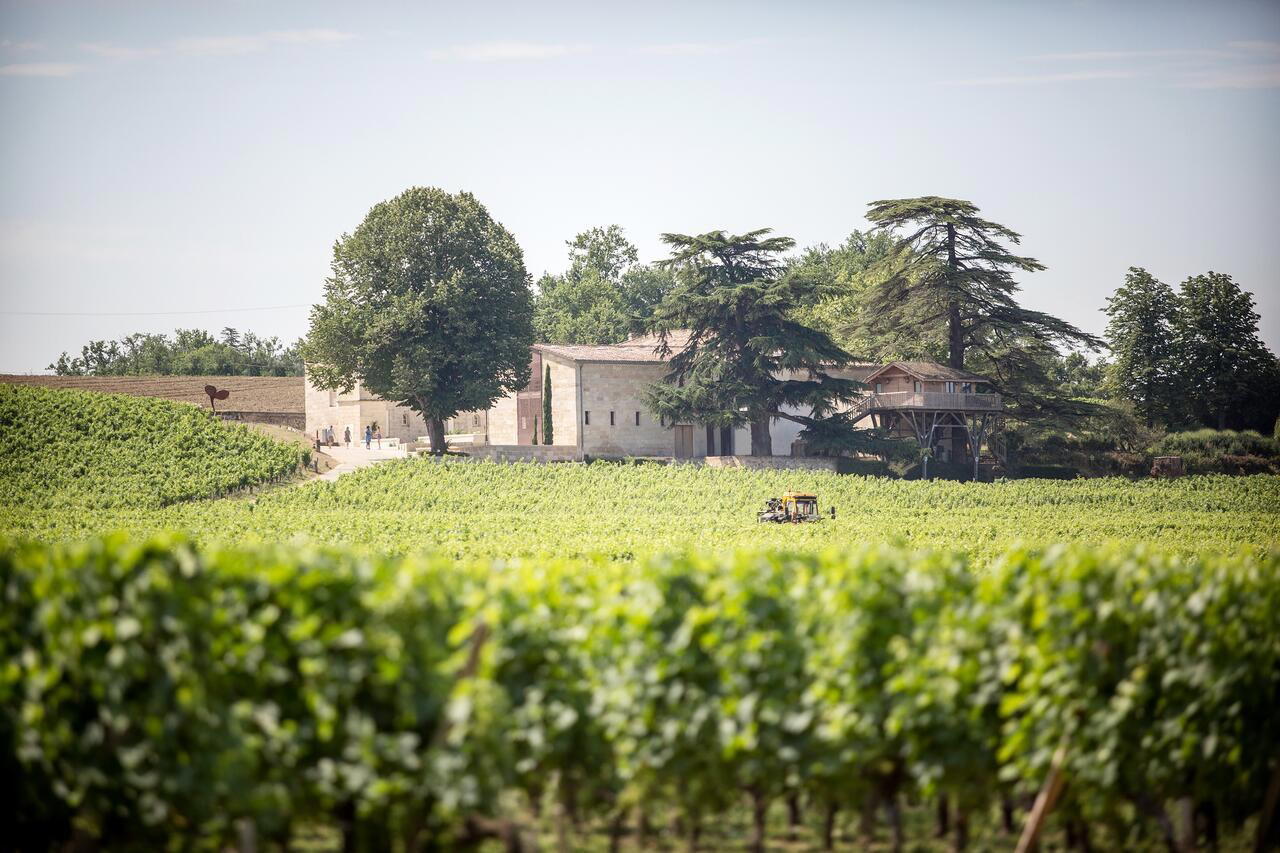
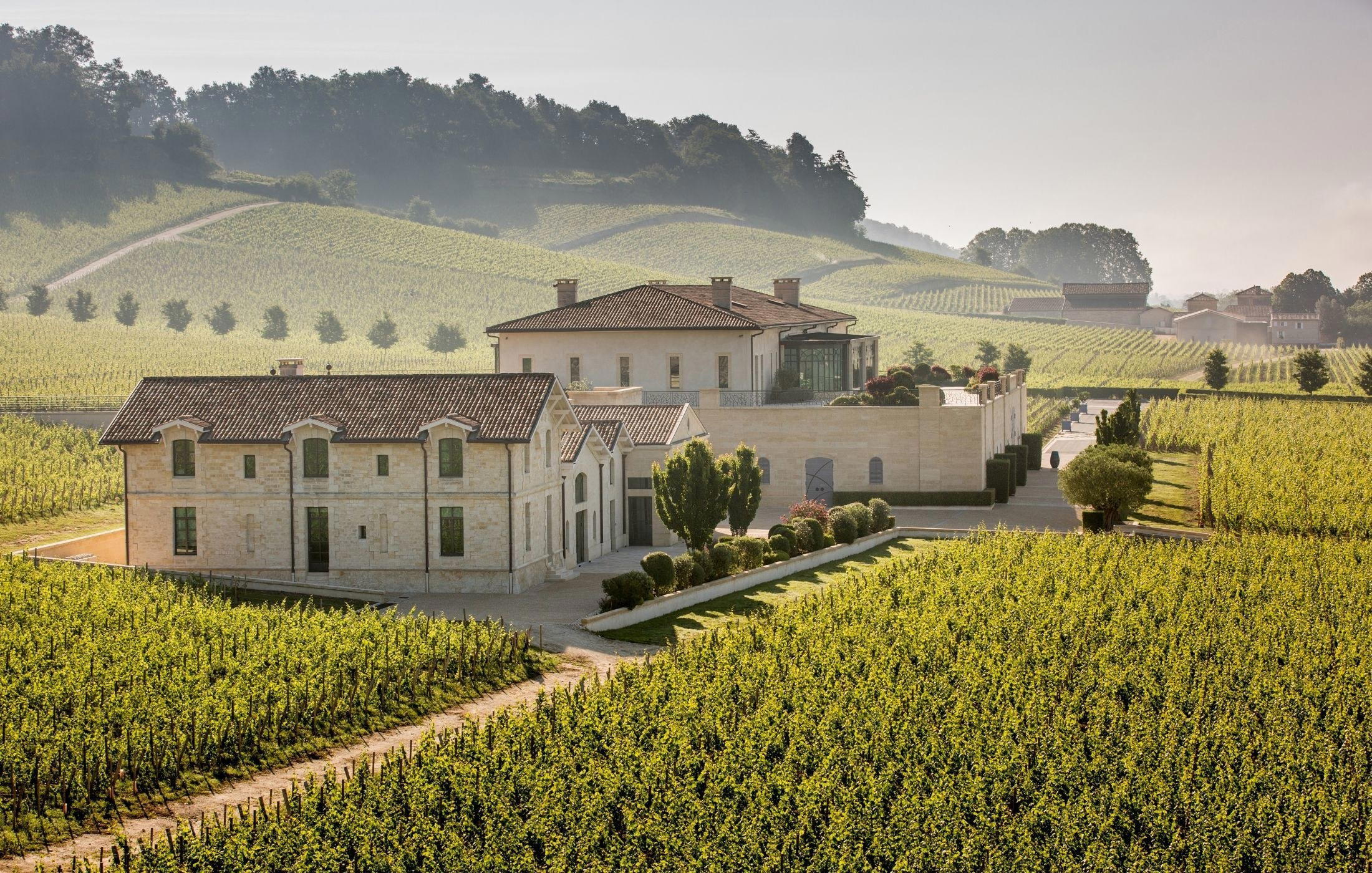
Approaching a Bordeaux estate in Néac, the first signal is agricultural order rather than grandeur: vineyard rows, château stone, working winery spaces, and the quiet grammar of barrels. Domaines de Moncets belongs to the Right Bank category where a visit is strongest when it explains why Lalande de Pomerol tastes different from better-known neighbours. The estate dates to 1770, but the current experience is not nostalgia. It is a vineyard-to-cellar format for drinkers who want to connect soil, appellation, élevage, and glass without turning the afternoon into a lecture.
The house style sits on a contemporary Bordeaux fault line. Older regional stereotypes favour dense reds and heavy oak; this address works fresher, emphasising fruit expression, aromatic lift, and smoother tannic shape. That matters because Lalande de Pomerol is often misunderstood by travelers arriving with only Saint-Émilion and Pomerol in mind. Here, the estate’s clay-gravel base and red-wine focus create a clear subject: how Merlot-led Right Bank structure can carry polish without excess weight.
Clay-gravel Lalande de Pomerol, explained through the tasting format
The more useful Bordeaux visits do not simply pour a flight and recite appellations. They make the vineyard legible. Domaines de Moncets works across AOC Lalande de Pomerol reds, AOC Montagne Saint-Émilion reds, Bordeaux Blanc, and Bordeaux Rosé, so tastings can move between regional breadth and a focused Right Bank argument. The estate’s key red identity is clay-gravel terroir, the soil conversation that defines this part of Bordeaux more than hospitality theatrics.
Portfolio gives the visit a practical arc. Blanc de Moncets and Rosé de Chambrun introduce the broader range, while Château Moncets and Château de Chambrun return the discussion to Lalande de Pomerol. For cellar-minded drinkers, the vertical format around Château de Chambrun is sharper: tasting multiple vintages of the same cuvée makes vintage variation less abstract. It also separates this visit from a quick souvenir tasting, where terroir, vintage, and oak blur into generic Bordeaux language.
Château de Chambrun “Le Bourg” is the estate’s more serious signal, linked to a small clay-and-gravel hill and aged in new oak. The wine sits in a more ambitious register, though the better lens is structure rather than luxury coding: fruit, barrel influence, tannin, and ageability become easier to read as the tasting moves from entry expressions to more concentrated cuvées. The Grand Cru format broadens that frame with Château La Voûte from Saint-Émilion Grand Cru, giving visitors a useful cross-appellation comparison without leaving the estate’s orbit.
A historic château visit with a modern-renewal edge
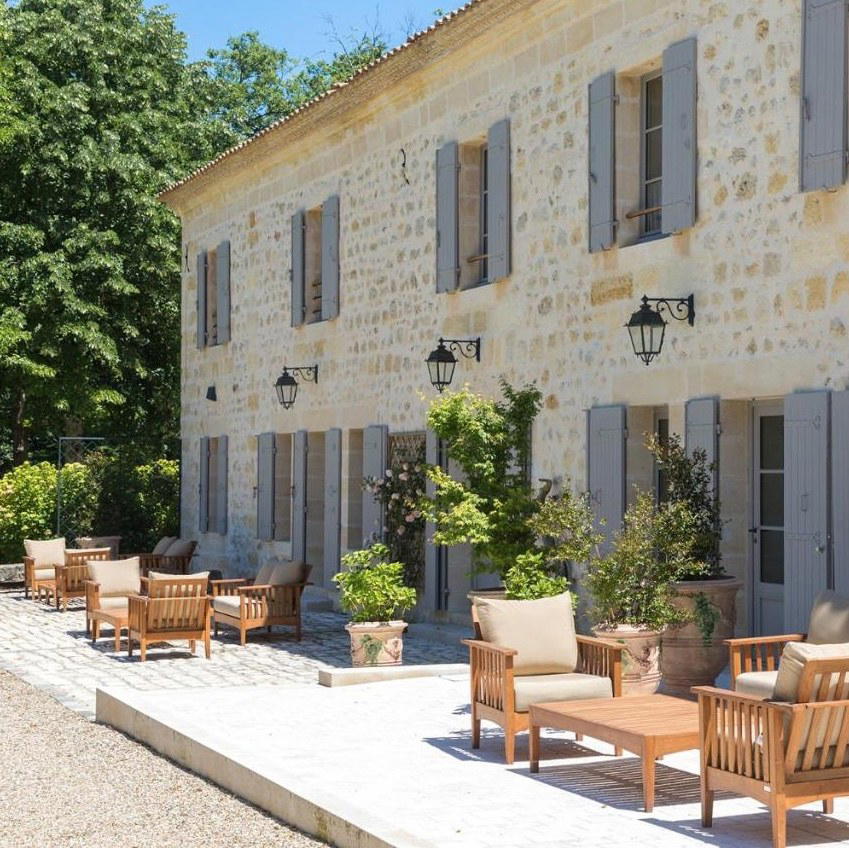
Bordeaux château hospitality can tip into pageantry; the better version keeps production visible. This estate’s format is strongest because it includes vines, winery, oak barrel cellar, and grounds rather than isolating tasting from production. The educational farm and park also change the rhythm, making the address viable for mixed groups, including visitors who care about place and agriculture as much as finished bottles.
The modern-renewal story has substance. Ownership changed in 2012, and new equipment followed in 2015, placing the estate within a broader Bordeaux pattern: historic properties refitted for cleaner cellar work, more precise fermentations, and hospitality formats that speak to international visitors without flattening regional specificity. Julien Noel is a key manager, but the editorial point is structural rather than biographical. The estate represents the newer Bordeaux playbook, where heritage, sustainability language, and sharper visitor programming are expected to work together.
Sustainability is part of that positioning. The vineyards are described as in conversion to organic and biodynamic farming, and the production philosophy is sustainable. In Bordeaux, those commitments are not decorative; they shape how estates discuss soil life, vineyard resilience, and long-term identity in a climate pressured by warmer seasons and shifting consumer expectations. For visitors, the value is not a label alone but hearing farming choices tied directly to wine style.
Recognition here is quieter than trophy-led. There are no public Michelin-style equivalents to lean on in the winery category, but Domaines de Moncets has stronger local credibility for this format: a long founding date, a defined appellation, named cuvées, guided tasting structures, and editorial attention from Bordeaux Tourism & Conventions, Saint-Émilion Tourisme, and Oenotourisme. Those are not substitutes for critic scores, but they mark the estate as part of the region’s active wine-tourism circuit rather than a passive cellar door.
How it fits into a Néac wine day
Néac is small enough that a good wine day depends on pacing, not volume. Domaines de Moncets works better as an anchored visit than a rushed stop, especially if the goal is understanding Lalande de Pomerol through soil and cellar context. The setting is quiet and polished, with casual dress appropriate, and the mood suits wine education, groups, families, and special-occasion travelers who prefer structure over spectacle.
For a wider Néac itinerary, the local winery map can include nearby EP Club listings such as Château Altimar, Château Haut-Chaigneau, Château Haut-Surget, Château L'Archange, and Château La Fleur de Boüard. City-level planning pages help pair tastings with meals, stays, or a second activity: Our full Neac wineries guide, Our full Neac restaurants guide, Our full Neac hotels guide, Our full Neac bars guide, and Our full Neac experiences guide.
Travelers comparing French wine regions beyond Bordeaux can also look at A. Margaine in Villers-Marmery, Abbaye de Fontfroide in Narbonne, and Abbotts & Delaunay in Marseillette. For a broader European contrast, »der Steiner« Hans Steiner in Podersdorf am See and & Handwein in Mannheim show how differently winery visits read once Bordeaux château culture is removed from the equation.
Recognition history
Dated appearances from independent guides and award organizations, with the underlying list record or original source where available.
Falstaff Winery - Listed
Falstaff
Continue exploring
More in Neac
Wineries in Neac
Browse all →
Bars in Neac
Browse all →
Restaurants in Neac
Browse all →
Details
- Classic
- Scenic
- Rustic
- Quiet
- Sophisticated
- Wine Education
- Group Outing
- Family
- Special Occasion
- Vineyard Tour
- Historic Building
- Barrel Room
- Private Tasting
- Estate Grounds
- Sustainable
- Vineyard
- Garden
- Blanc
- Rosé
- Red
- Still Red
- Still White
- Still Rosé
- Guided Tasting
- Vertical Tasting
- Private Tasting
A historic Bordeaux wine estate with a polished, modern-renewal feel; visits emphasize vineyards, winery spaces, and barrel cellars, with a focus on fresh, fruit-forward wines.