
Falstaff Winery - 3 Stars
Domaine Matassa is a small natural-wine estate in Montner shaped by old vines, organic farming, and the Catalan edge of Roussillon. Its appeal is less about polished hospitality than terroir literacy: schist, marl, black slate, traditional grapes, and a low-intervention cellar guided by Tom Lubbe since 2003.

Pearl is the En Primeur Club membership app — saves, bookings, and concierge access live there. Same editors, same standards.
- Address
- 350 chemin rural n° 13, Lô Ferriol lieu dit, 66600 Espira-de-l'Agly, France
- Phone
- +33 4 68 64 10 13
- Directions
- Get directions

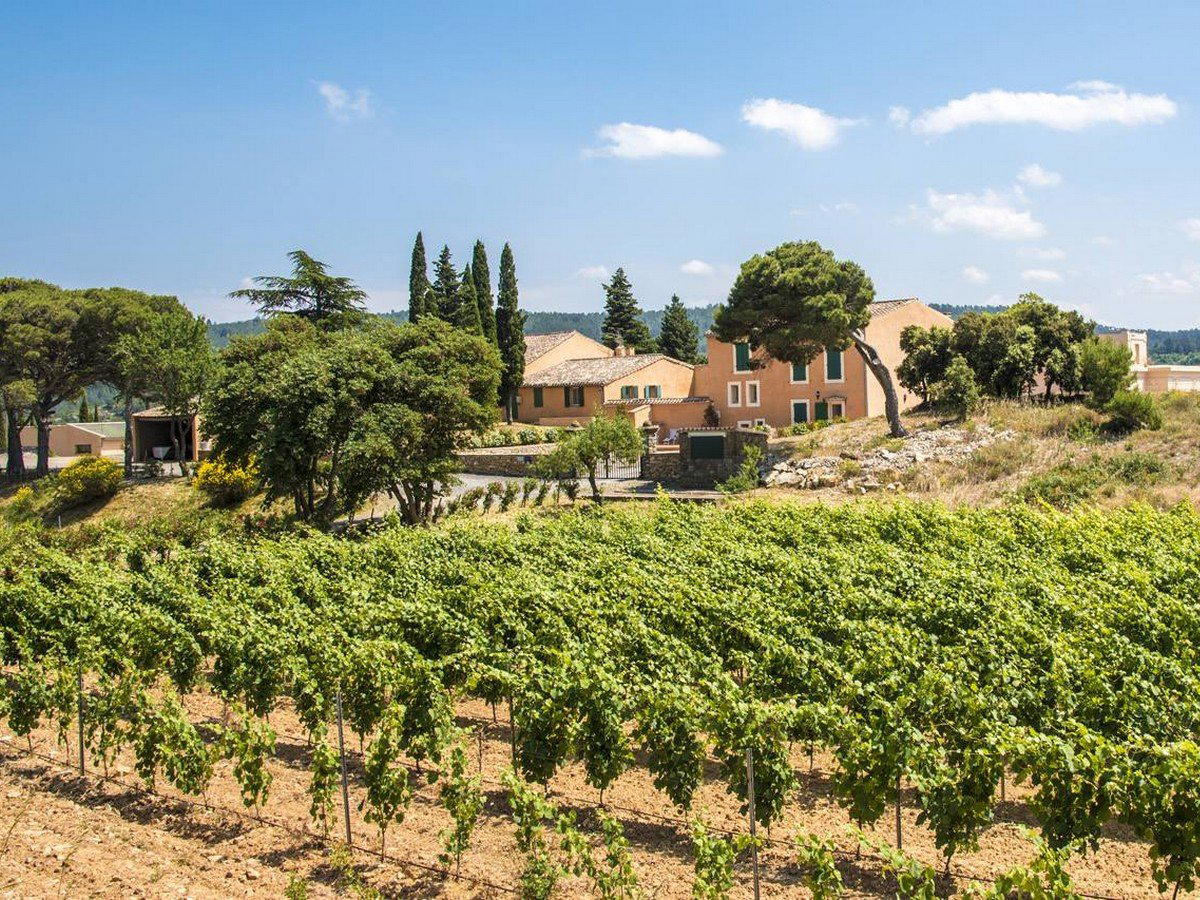
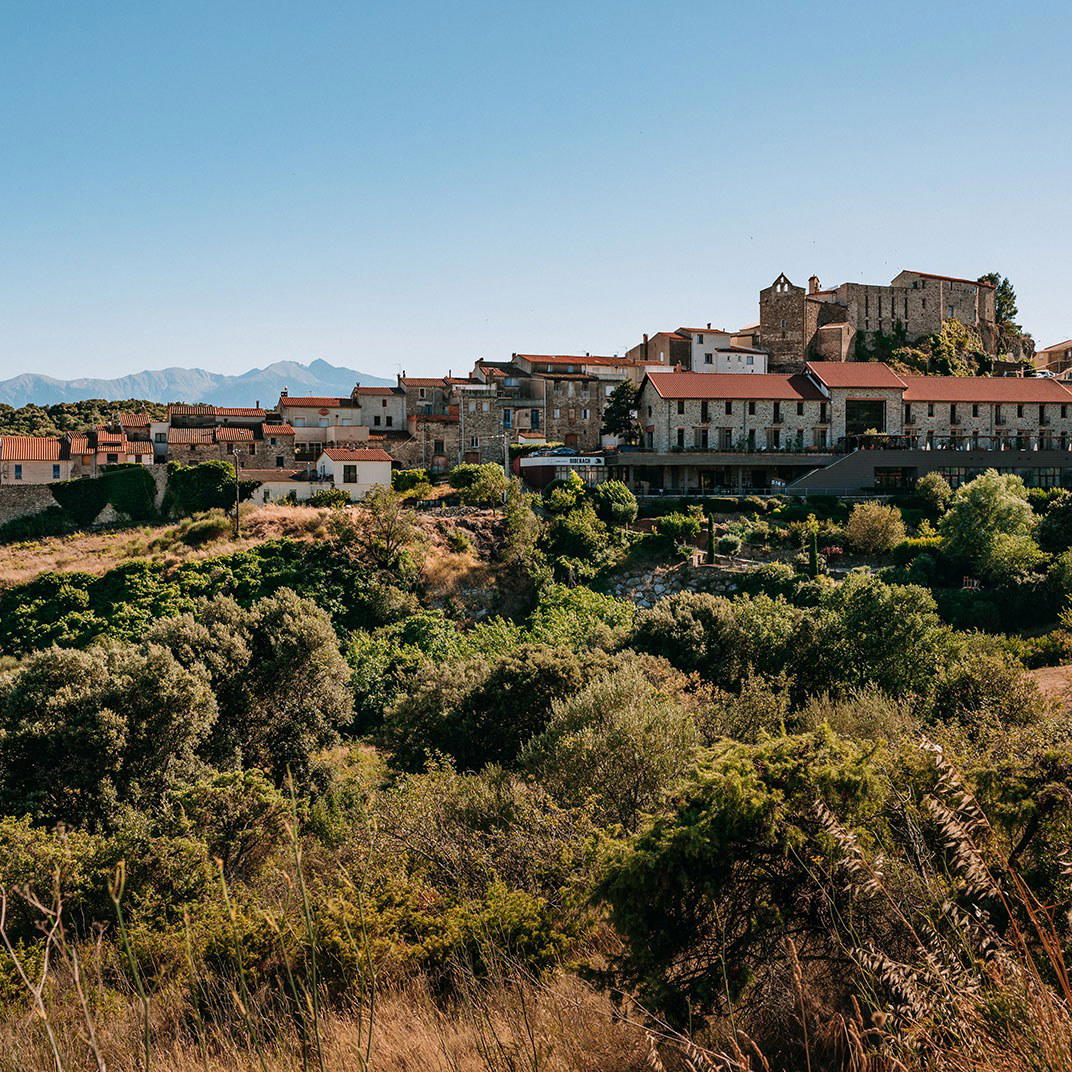
Approaching the Roussillon hills around Montner, the mood shifts from coastal France to Catalan hinterland: dry light, scrubby slopes, old parcels, and the mineral severity of schist and black marl. This is not the grand château model of French wine tourism. The interest here is smaller, rougher, and more instructive: old vines in a warm Mediterranean zone being farmed for freshness rather than weight.
That context matters because Roussillon has long been associated with sun, concentration, and fortified-wine history, while its current natural-wine reputation depends on a different reading of the same land. Domaine Matassa belongs to that newer Roussillon argument. The estate works with traditional Northern Catalan varieties, organic viticulture, indigenous yeasts, and low-intervention cellar practice, turning a region often simplified as hot and generous into a study of acidity, texture, and soil imprint.
Old vines and Catalan grapes make the case for a different Roussillon
The estate was founded in 2003 and is led by winemaker Tom Lubbe, whose background includes work in South Africa and cellar experience in Calce before establishing Matassa. The biographical detail is useful mainly because it explains the house grammar: Mediterranean grapes handled with the instincts of natural farming, not the extraction-first style that once defined much of the wider region.
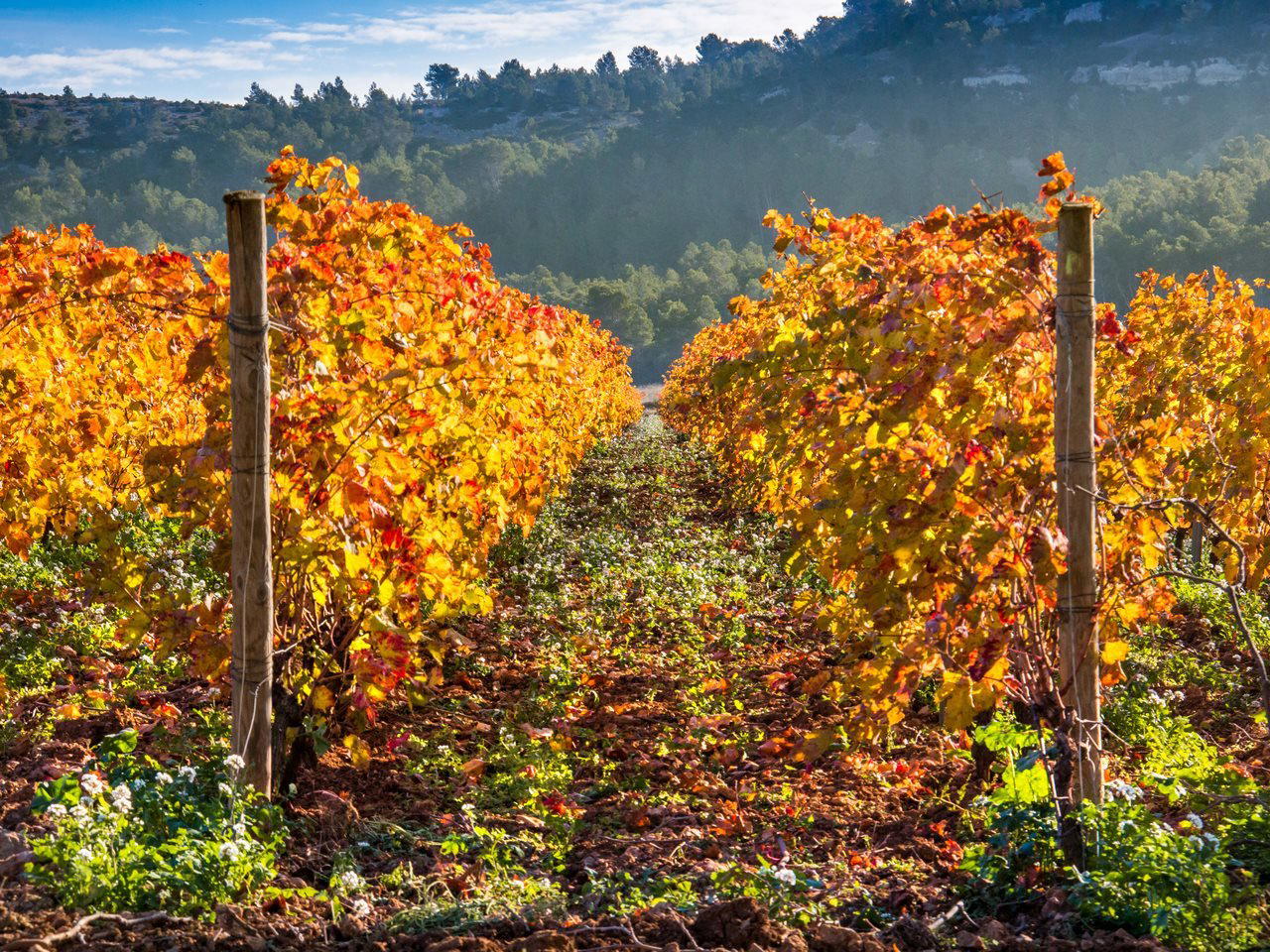
The vineyard base runs to 20 hectares of certified organic vines, with parcels ranging from 30 to 115 years old. That age range is not decorative. In Roussillon, where heat can flatten lesser wines, older vines and low yields help preserve shape and concentration without forcing cellar correction. The soils add another layer: schist, marl, black slate, and black marl give the wines their structural tension, particularly when paired with varieties that have deep local roots.
Grape list reads like a Northern Catalan syllabus: Carignan, Mourvèdre, Grenache Gris, Macabeu, Muscat d’Alexandrie, Muscat Petits Grains, and Lladoner Pelut. The latter, an old Catalan strain of Grenache, says much about the estate’s orientation. This is not a cellar chasing international familiarity. It works from regional memory, especially through co-planted old vines and field-blend logic, where balance begins in the parcel rather than at a blending bench.
Matassa’s range covers still white, still red, orange, and sparkling wines. That breadth fits the modern natural-wine conversation, but the more serious point is how the categories read through place. White and orange wines from Grenache Gris, Macabeu, and Muscat families can carry phenolic grip as well as freshness; reds based on Carignan, Mourvèdre, and Lladoner Pelut show why Roussillon’s heat does not have to mean blunt power. The through-line is not polish. It is energy drawn from old material and careful farming.
Natural farming here is a soil position, not a slogan
Low-intervention wine can become a vague label when detached from agriculture. At this estate, the agricultural facts are the persuasive part. Organic certification by Ecocert gives the farming a formal baseline, while the long use of biodynamic-influenced preparations and a strong emphasis on cover crops point to soil management rather than aesthetic branding. In a dry Mediterranean climate, cover crops are not a romantic detail; they affect soil structure, water retention, biodiversity, and the way vines handle stress.
The cellar approach follows the vineyard. Indigenous yeasts and minimal intervention are not presented as tricks for novelty; they are consistent with a region where old vines, mixed plantings, and fractured stone already provide enough character. The better way to read these wines is as an argument against over-making: let Catalan varieties, low yields, and Roussillon geology speak, then avoid burying them under technique.
That does not make the experience conventional. The estate’s scale is small, the feel is artisanal, and the tone is quiet rather than visitor-center driven. Travellers who approach Montner expecting a broad hospitality circuit may find the rhythm slower and more specific. Those interested in wine education, natural farming, and the connection between soil type and bottle character will find the format more rewarding.
How to place Matassa in a Montner wine itinerary
Montner is a useful base for travellers treating wine as the main subject rather than a side activity. For broader local planning, EP Club’s city guides can frame the surrounding trip: Our full Montner wineries guide, Our full Montner restaurants guide, Our full Montner hotels guide, Our full Montner bars guide, and Our full Montner experiences guide help set the practical frame without turning the winery visit into an isolated stop.
Within a wider French wine itinerary, the useful comparison is not stylistic parity but contrast: Roussillon’s dry Catalan edge reads differently from Champagne, Burgundy, Alsace, or Languedoc estates with larger regional identities. Travellers building a cellar-minded route might also look at A. Margaine in Villers-Marmery, Agrapart & Fils in Avize, Alain Gras in Saint-Romain, Albert Boxler in Niedermorschwihr, Abbaye de Fontfroide in Narbonne, Abbotts & Delaunay in Marseillette, Advini in Saint Felix De Lodez, and Alain Brumont in Castelnau Riviere Basse. For a cross-border natural-wine lens, add »der Steiner« Hans Steiner in Podersdorf am See and & Handwein in Mannheim.
The editorial reason to prioritize Domaine Matassa is clear: it shows how Roussillon’s old vines and Catalan varieties can produce wines of lift and grain rather than simple warmth. The estate rewards drinkers who care about the route from soil to glass, especially those who want natural wine grounded in agricultural detail rather than fashion.
Recognition history
Dated appearances from independent guides and award organizations, with the underlying list record or original source where available.
Falstaff Winery - 3 Stars
Falstaff
Continue exploring
More in Montner
Wineries in Montner
Browse all →
Bars in Montner
Browse all →
Restaurants in Montner
Browse all →
Details
- Rustic
- Well Known
- Quiet
- Wine Education
- Solo Exploration
- Special Occasion
- Estate Grounds
- Vineyard Tour
- Private Tasting
- Organic
- Vineyard
Natural, low-intervention winery with an iconoclastic, artisanal feel shaped by old vines, biodynamic-influenced farming, and a rugged Roussillon terroir.