
Falstaff Winery - Listed
Domaine Jones gives Tuchan’s old-vine country a focused, small-scale reading: hand-worked parcels, Fitou AOC reds, rare local varieties, and a working winery inside a renovated 1905 train shed. The draw is terroir rather than spectacle, with limestone, schist, steep slopes, and the Tramontane wind shaping a portfolio built around low-yield Carignan, Grenache, Lledoner Pelut, Syrah, and southern white grapes.

Pearl is the En Primeur Club membership app — saves, bookings, and concierge access live there. Same editors, same standards.
- Address
- Tuchan, Occitanie, Frankreich
- Directions
- Get directions

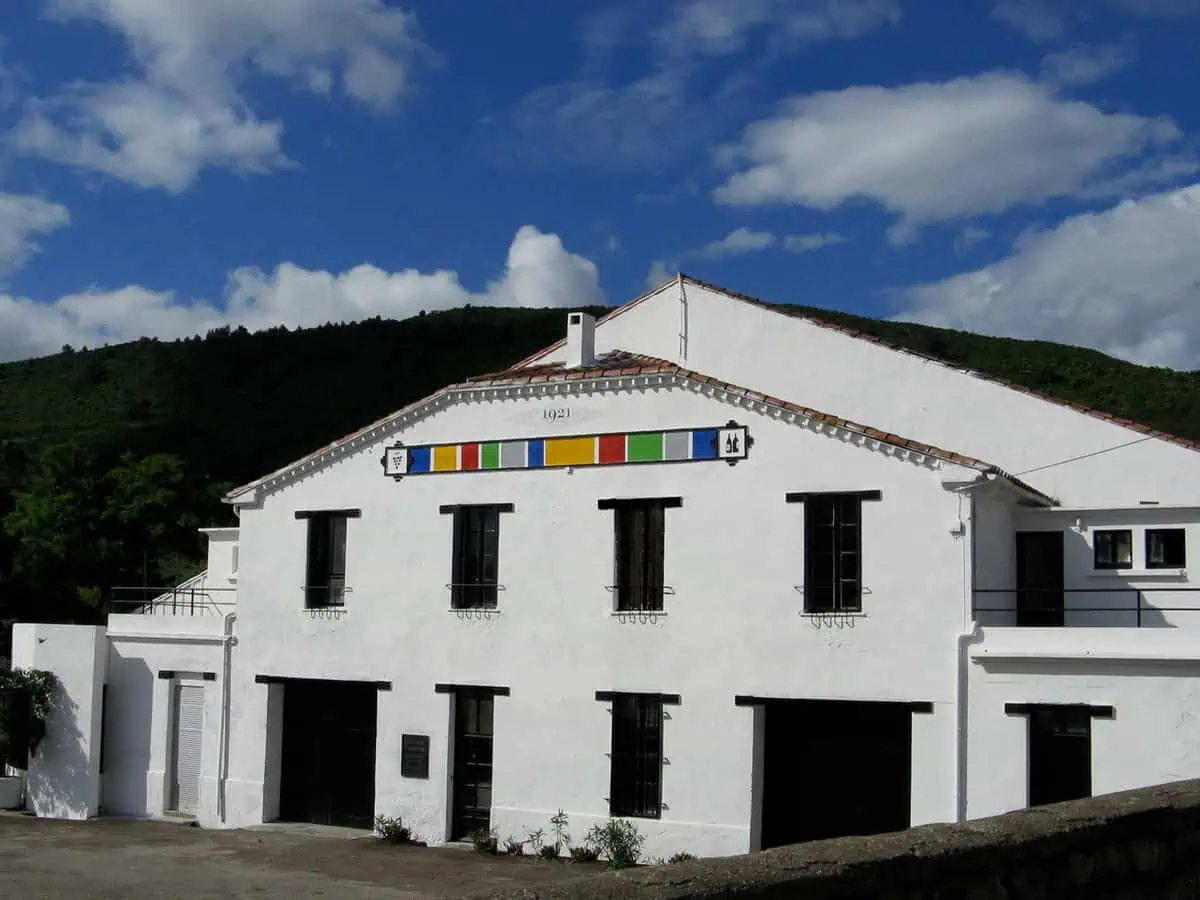
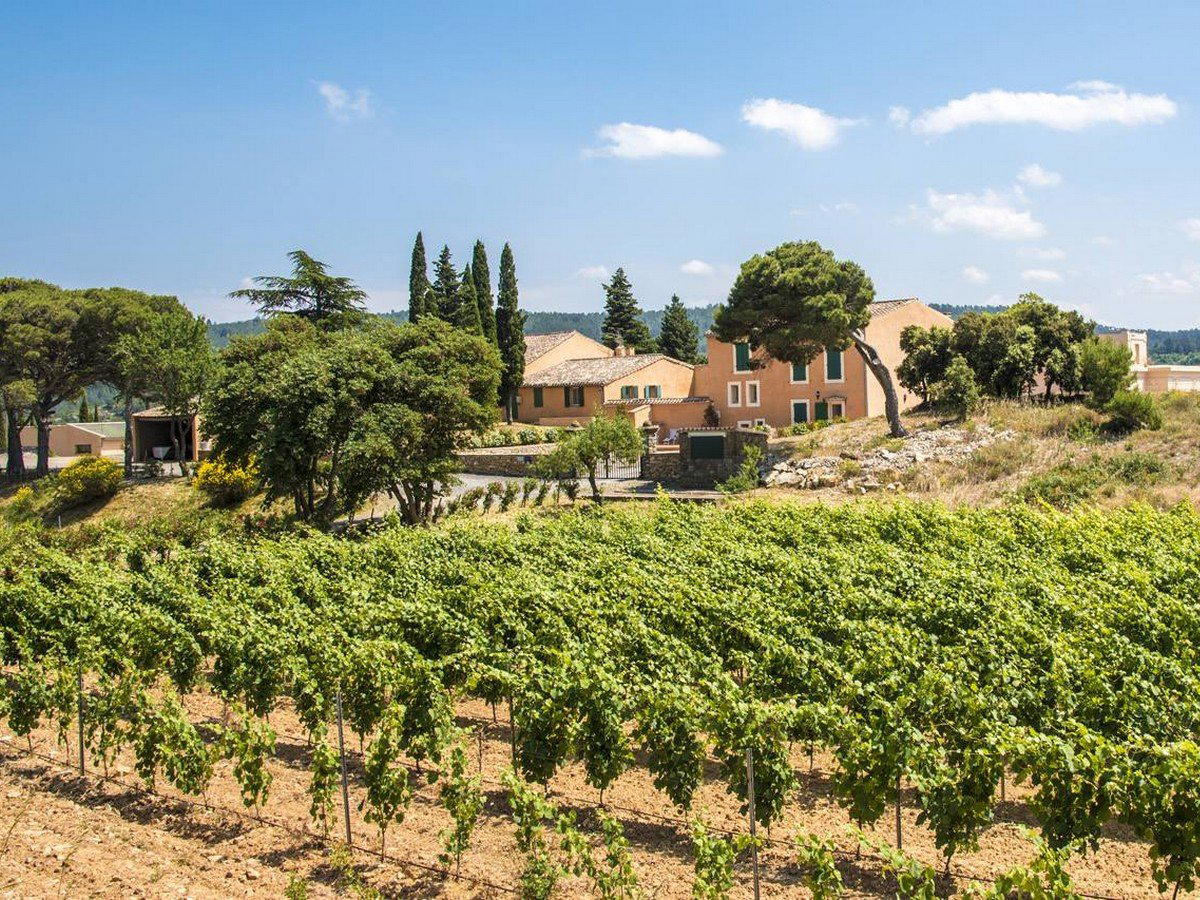
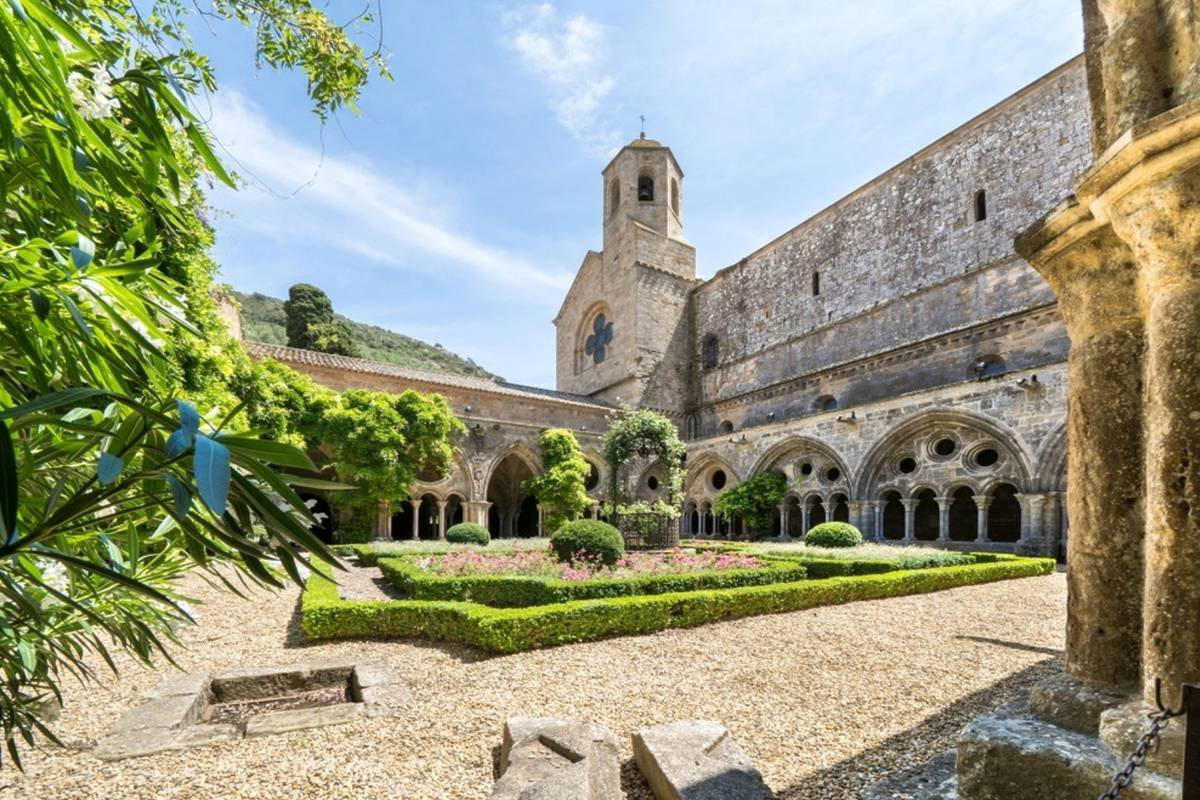
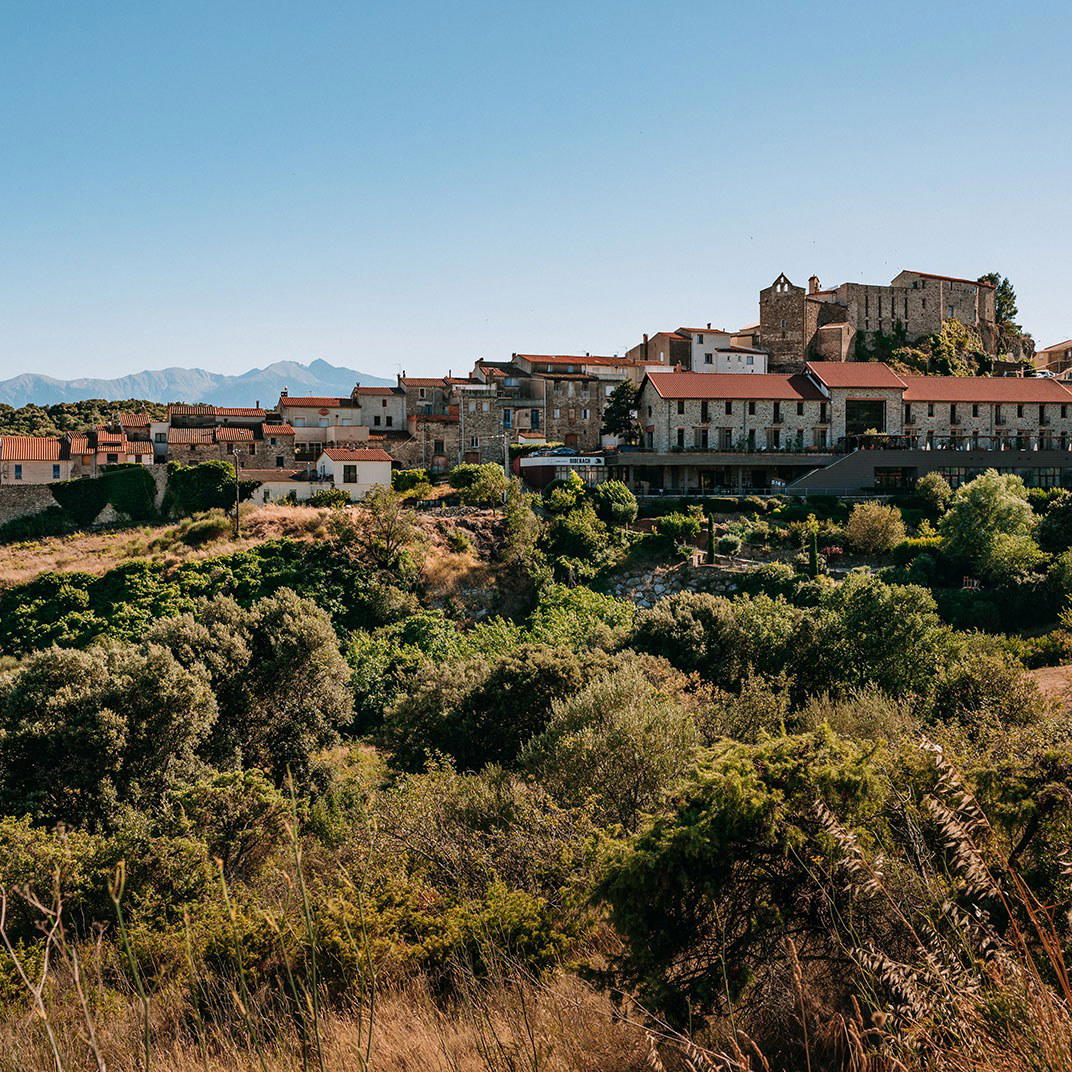
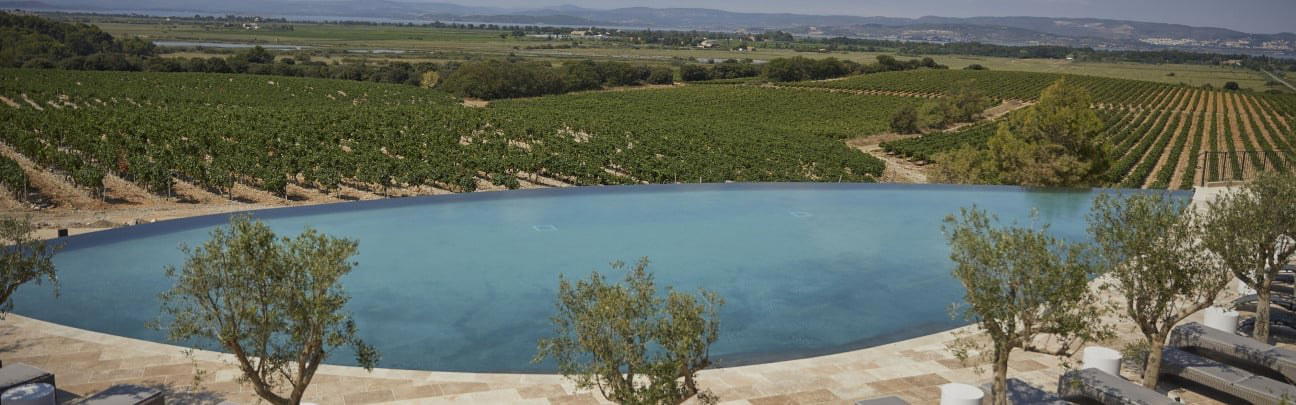
Domaine Jones is a small, hands-on artisanal winery in Tuchan, set in a renovated 1905 train shed and surrounded by remote, low-yield old-vine parcels in the hills around the village. The appeal is not built around scale or polish. It is a rustic, intimate place where the setting, the old vines, and the surrounding landscape carry the story.
For EP Club readers, the important frame is simple: Domaine Jones is best understood as a terroir-focused winery rather than a broad hospitality complex. The atmosphere is scenic and rural, with a strong sense of work being done close to the land. Its premium price tier is listed as $$$, but the proposition is less about luxury display than about old vines, small production, and a tactile connection to Tuchan’s surrounding hills.
Old vines as the centre of the visit
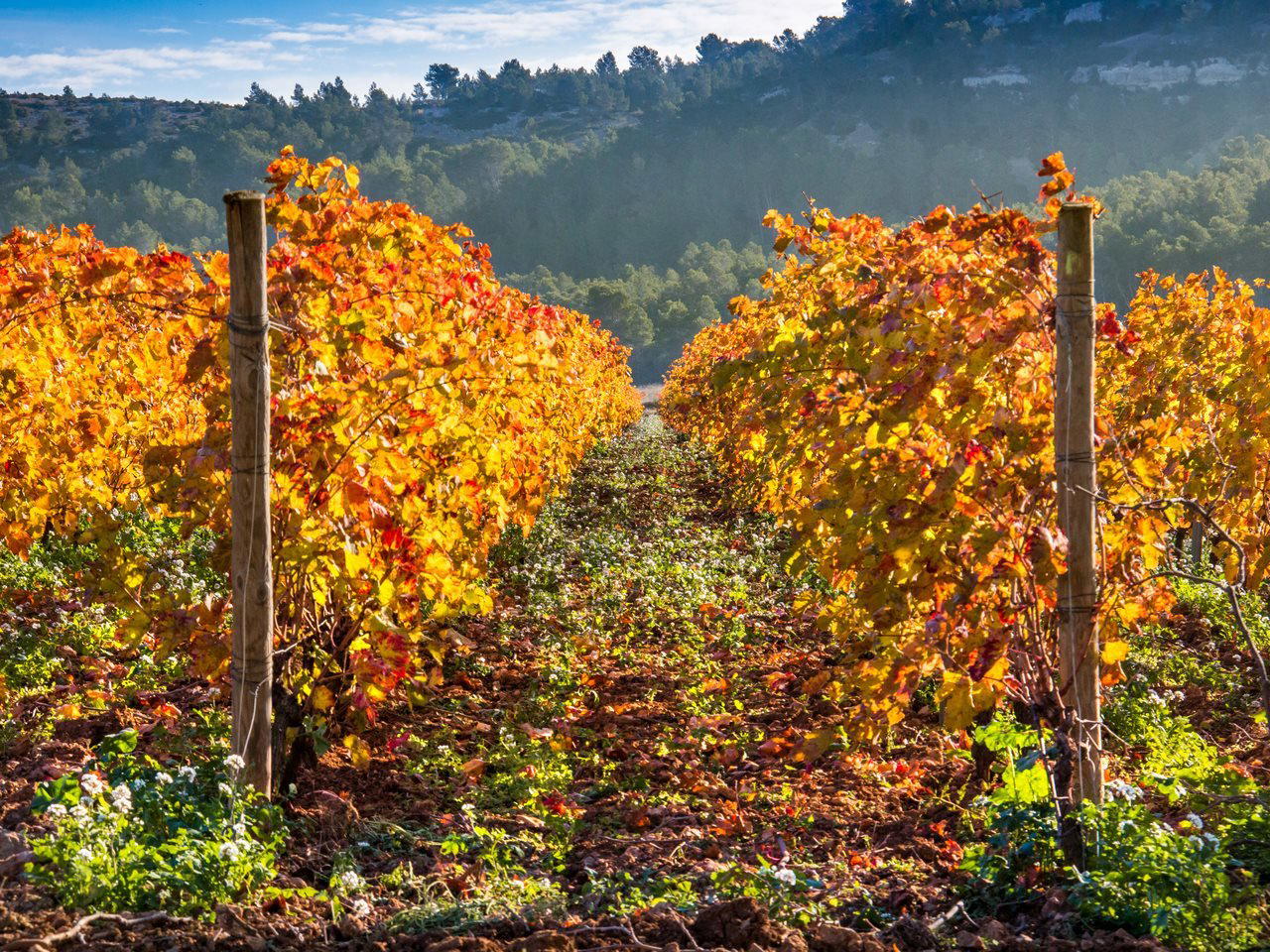
The defining feature of Domaine Jones is its relationship with old-vine parcels around Tuchan. The picture is of remote, low-yield vineyards rather than a large, easy-to-read estate campus. That matters because it shapes the way the winery should be approached: not as a quick tick-box stop, but as a place for visitors who want to think about how location, vine age, and small-scale work affect the character of a wine estate.
What can be said confidently is that Domaine Jones presents itself through old vines, low-yield parcels, and a hands-on artisanal identity in the hills around Tuchan. That is enough to distinguish it from more anonymous wine tourism stops, even without leaning on technical claims.
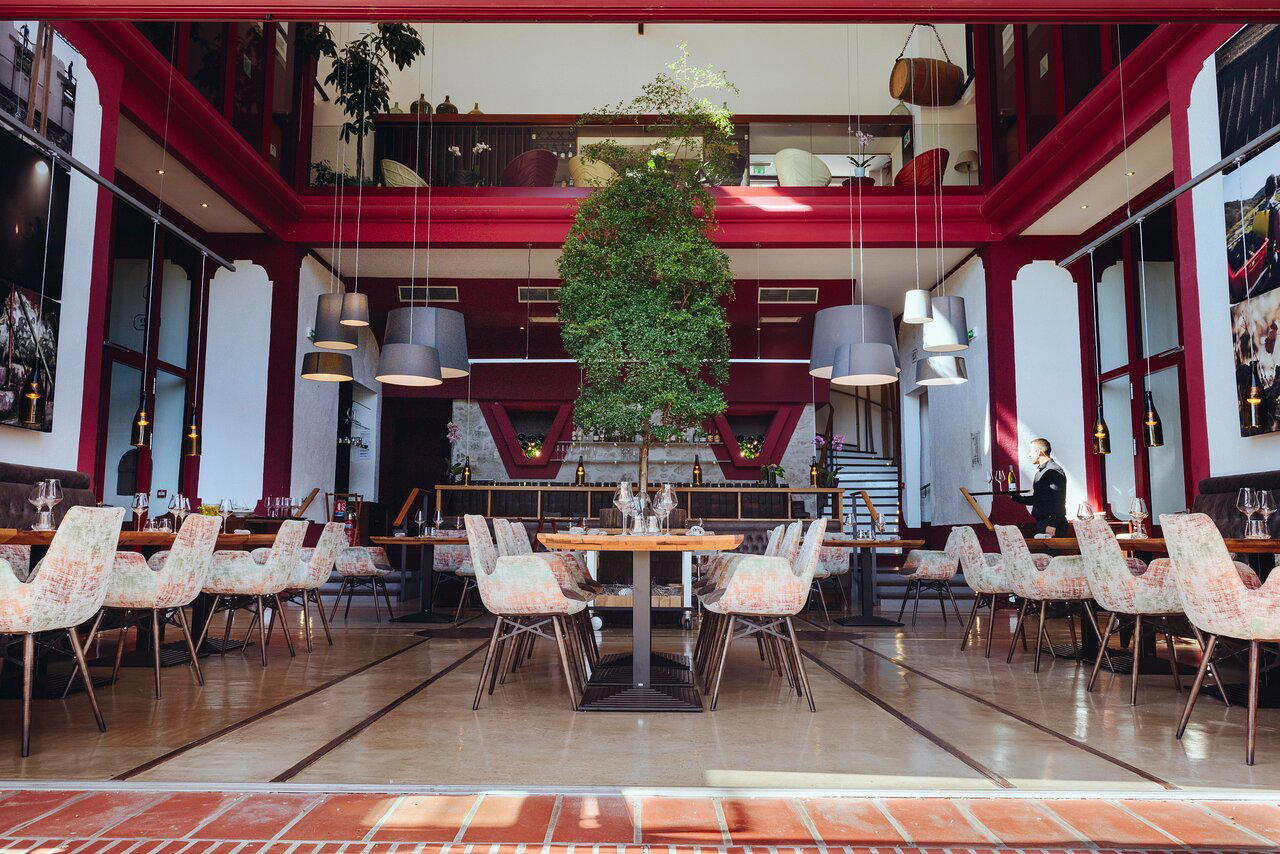
The renovated 1905 train shed is also central to the character of the place. It gives the winery a practical, grounded setting rather than the formality of a grand château-style address. The building’s appeal lies in how it supports the broader mood: rustic, compact, and close to the working reality of a small producer. In a region where the landscape can feel dry, open, and exposed, that kind of setting makes the winery feel rooted rather than theatrical.
Manual, intimate, and focused on place
The description of Domaine Jones emphasizes a hands-on artisanal approach. That does not justify adding unsupported details about specific cellar techniques, tasting formats, languages, appointment rules, or vineyard-walk programming. It does, however, support a clear editorial read: this is a winery where the human scale matters. The experience is best framed around the feel of a small producer working with old vines in a remote landscape.
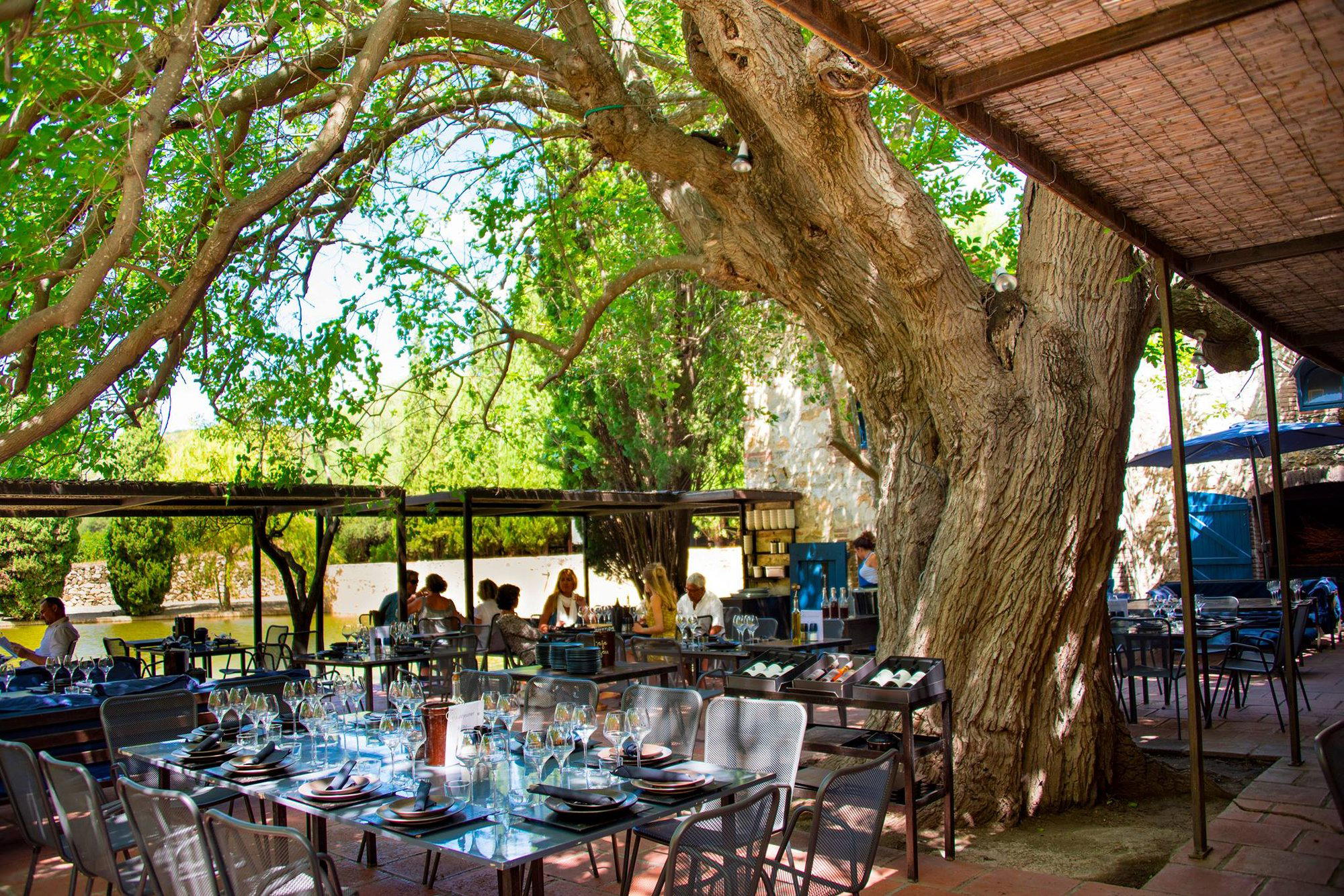
That intimacy is part of the value. Domaine Jones is not described here as a high-capacity venue, and the available facts do not support claims about formal service style, seating, food pairings, lunch, delivery, or special dietary accommodations. Visitors should therefore treat it as a wine-focused stop and check directly with the winery before planning around specific services. The grounded facts point to a rustic, scenic atmosphere and a deep focus on terroir and old vines.
The distinction is useful for travellers. The old train shed, the low-yield vines, and the remote hills around Tuchan give the venue its identity. The pleasure is in the sense of place: a working winery shaped by land, age, and scale.
How to place it within a Tuchan wine itinerary
For travellers building time in Tuchan around wine, Domaine Jones fits the slower and more reflective part of the day. It suits readers who are interested in old vines, rural landscapes, and a small artisanal winery rather than those looking for a heavily programmed hospitality destination. The setting is scenic, but the substance is the connection between the winery and the old-vine parcels around it.
Those may be useful details to confirm directly, but they are not treated here as established facts. What remains is still a coherent reason to visit: Domaine Jones offers a premium, rustic, terroir-focused winery experience in Tuchan, housed in a renovated 1905 train shed and connected to remote, low-yield old vines.
Readers comparing options in town can place Domaine Jones alongside other dining, wine, hotel, bar, and experience choices in Tuchan generically, while keeping the winery’s own identity clear. The critical read is direct: Domaine Jones is for people who value old vines, rural atmosphere, and small-scale artisanal work over spectacle. Its $$$ positioning belongs to a venue whose appeal is grounded in place rather than in excess.
Recognition history
Dated appearances from independent guides and award organizations, with the underlying list record or original source where available.
Falstaff Winery - Listed
Falstaff

Details
- Rustic
- Scenic
- Intimate
- Classic
- Wine Education
- Solo Exploration
- Group Outing
- Romantic Getaway
- Vineyard Tour
- Historic Building
- Estate Grounds
- Panoramic View
- Dry Farmed
- Sustainable
- Vineyard
- Mountain
- Carignan
- Grenache Noir
- Lledoner Pelut
- Syrah
- Grenache Gris
- Grenache Blanc
- Macabeu
- Muscat
- Carignan Gris
- Still Red
- Still White
- Estate Tasting
- Vineyard Walk
- Educational Tasting
- English
- French
Small, hands-on artisanal winery housed in a renovated 1905 train shed, surrounded by remote, low-yield old-vine parcels in the hills around Tuchan; atmosphere is rustic, intimate, and deeply focused on terroir and old vines.