
Falstaff Winery - Listed
Domaine Belle is a family-run Northern Rhône estate in Larnage, shaped by kaolin clay-limestone soils and a focused portfolio across Crozes-Hermitage, Hermitage, and Saint-Joseph. Its strength is terroir clarity rather than spectacle: Syrah for the reds, Marsanne and Roussanne for the whites, organic farming, and a modern cellar working within a long regional tradition.

Pearl is the En Primeur Club membership app — saves, bookings, and concierge access live there. Same editors, same standards.
- Address
- Larnage, Auvergne-Rhône-Alpes, Frankreich
- Directions
- Get directions
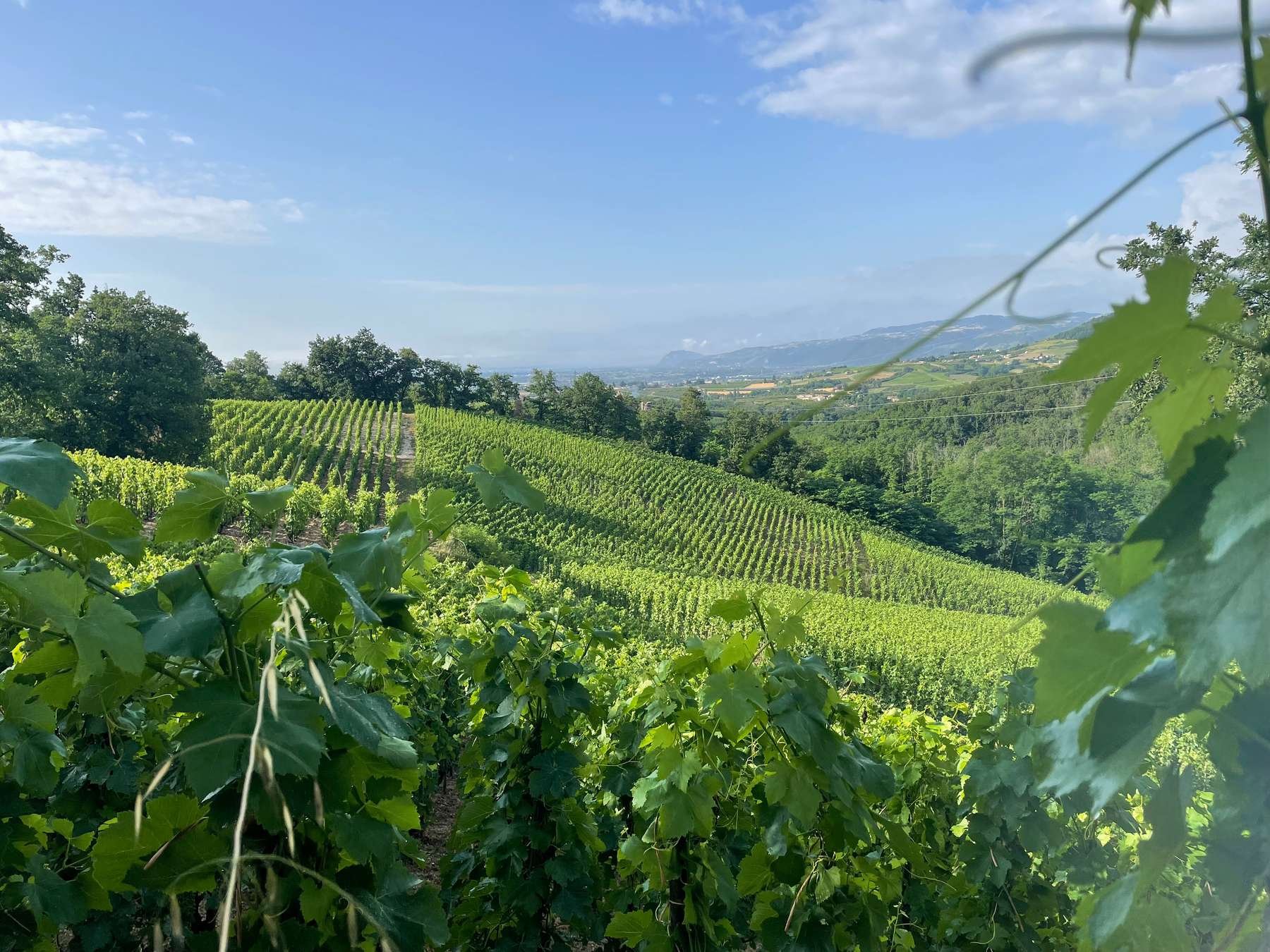
Domaine Belle is a family-run Northern Rhône estate in Larnage with a traditional, terroir-driven identity and a modern winery setting. It is best understood first as a wine estate rather than as a broad leisure venue: the useful facts are concise, and they point toward a place whose character is tied to Larnage, family stewardship, and a classic Rhône sense of place.
For planning around Larnage, treat Domaine Belle as a focused winery stop. Use other Larnage dining, lodging, bar, and experience resources generically for surrounding logistics, but keep the venue itself understood as a Northern Rhône estate in Larnage. That framing helps avoid turning a clear, grounded listing into a speculative itinerary: Domaine Belle can anchor a wine-focused pause, while the rest of the day can be shaped around whatever nearby practical options best suit the traveler.
A traditional Northern Rhône estate in Larnage
Domaine Belle’s profile is deliberately simple: it is a family-run estate in Larnage, positioned within the Northern Rhône and defined by a terroir-driven identity. That gives the page a clear center of gravity without needing to add claims about specific soils, parcels, appellations, production methods, varieties, cellar choices, or founding history. The restraint is part of the usefulness here. Rather than building a long checklist of unsupported details, the venue can be presented through the facts that are firm: family-run, Northern Rhône, Larnage, traditional, and place-led.
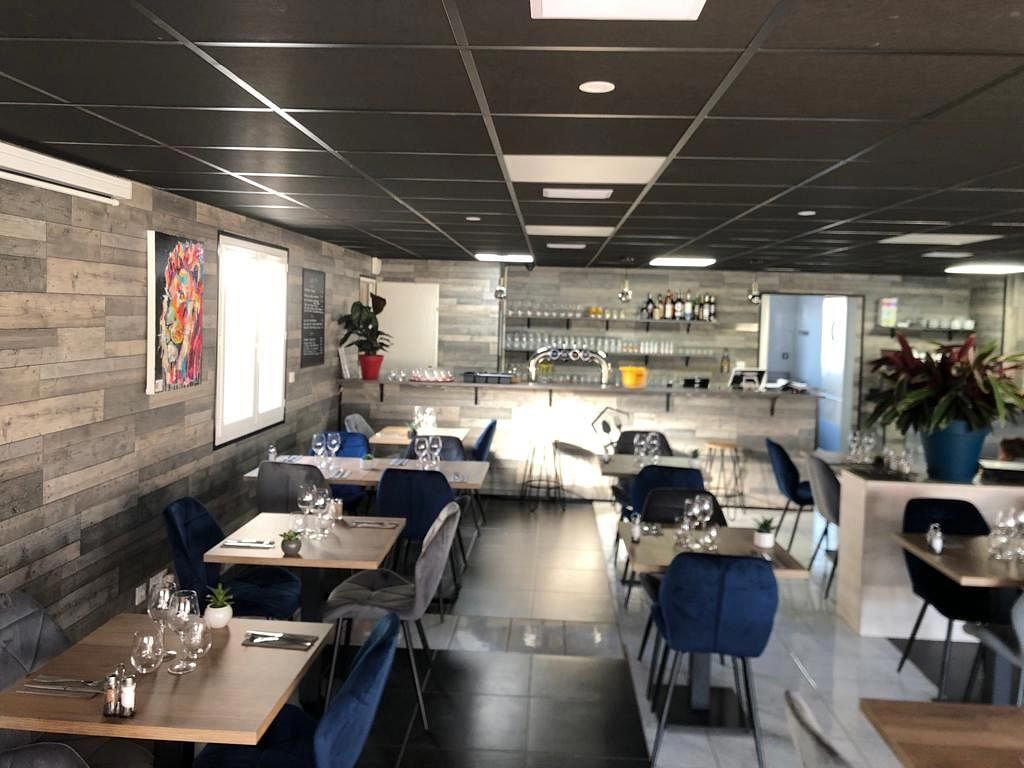
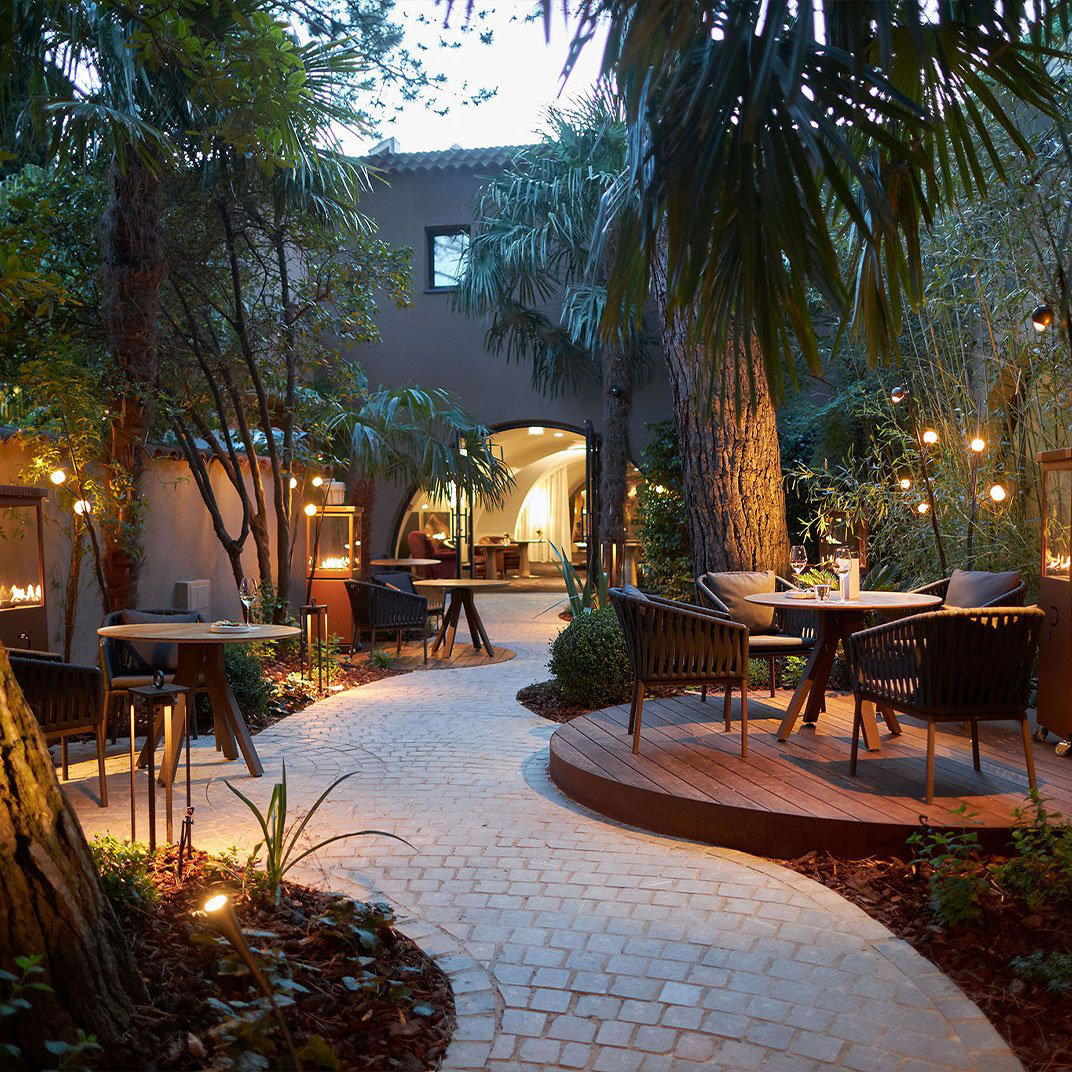
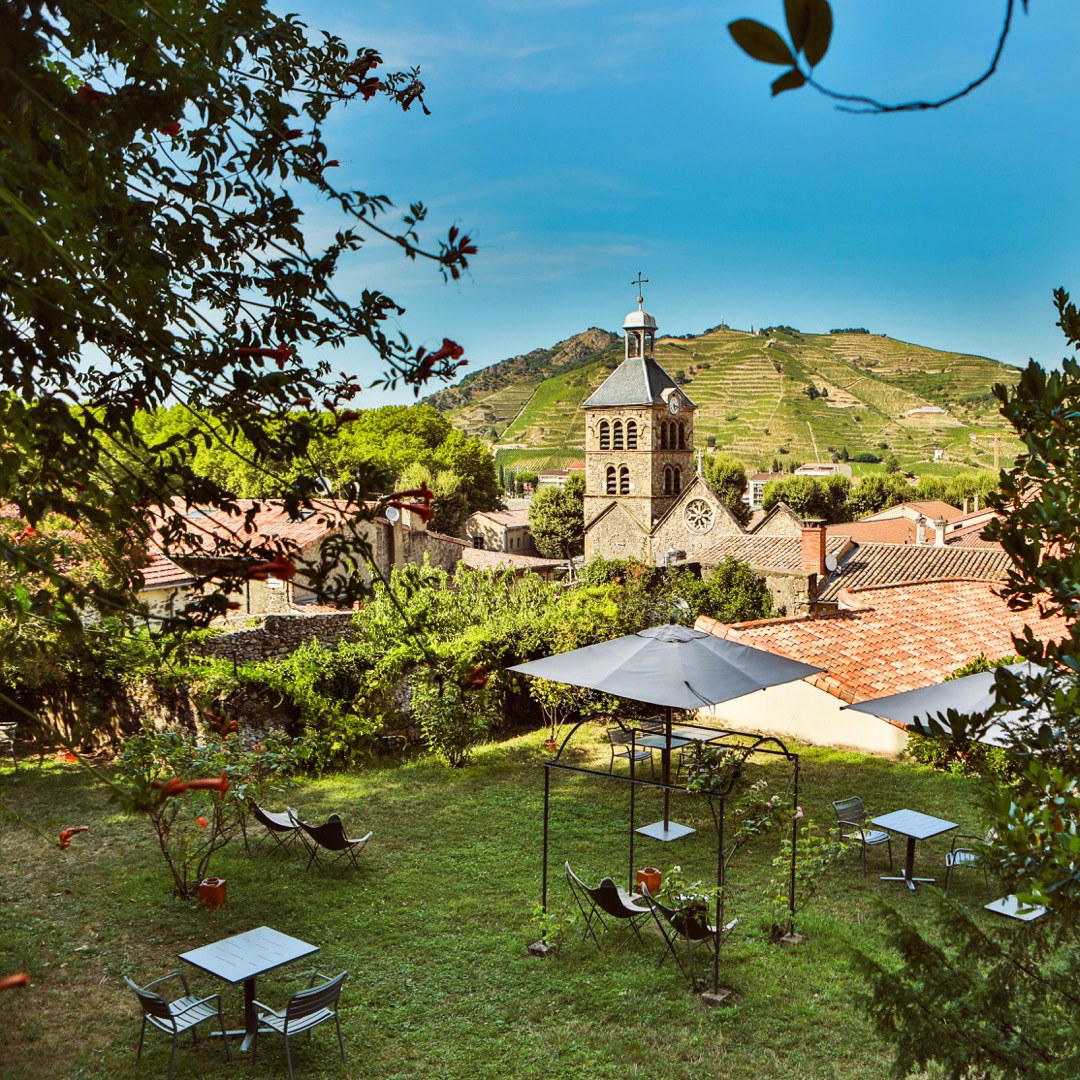
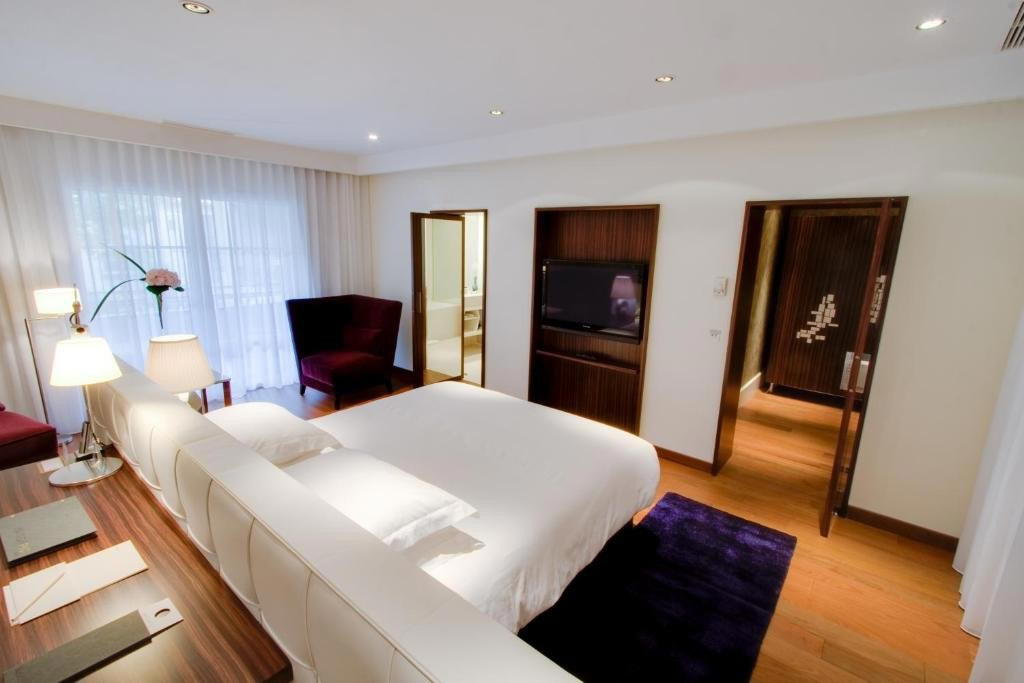
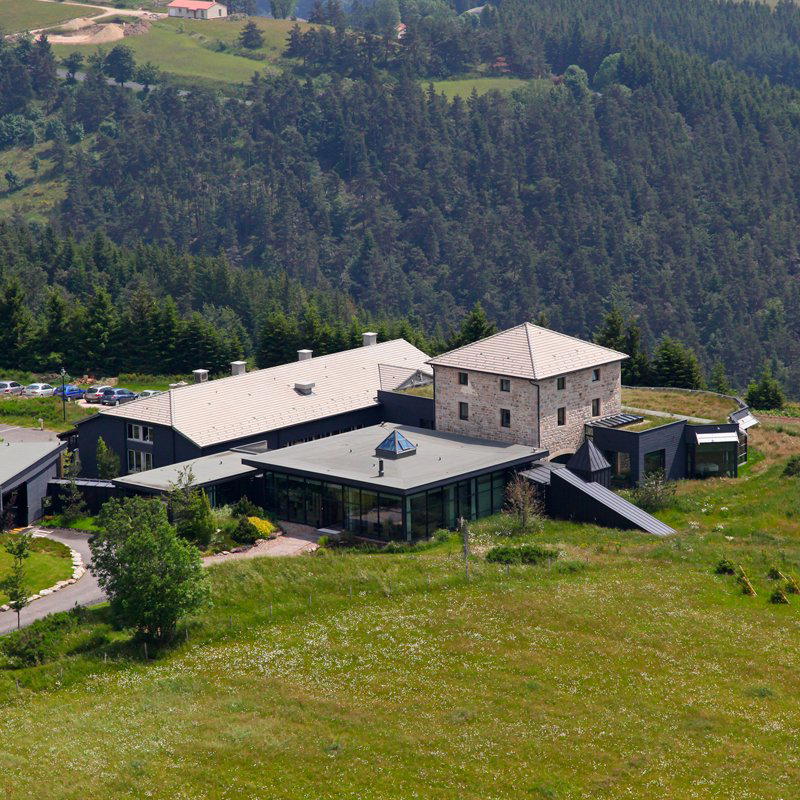
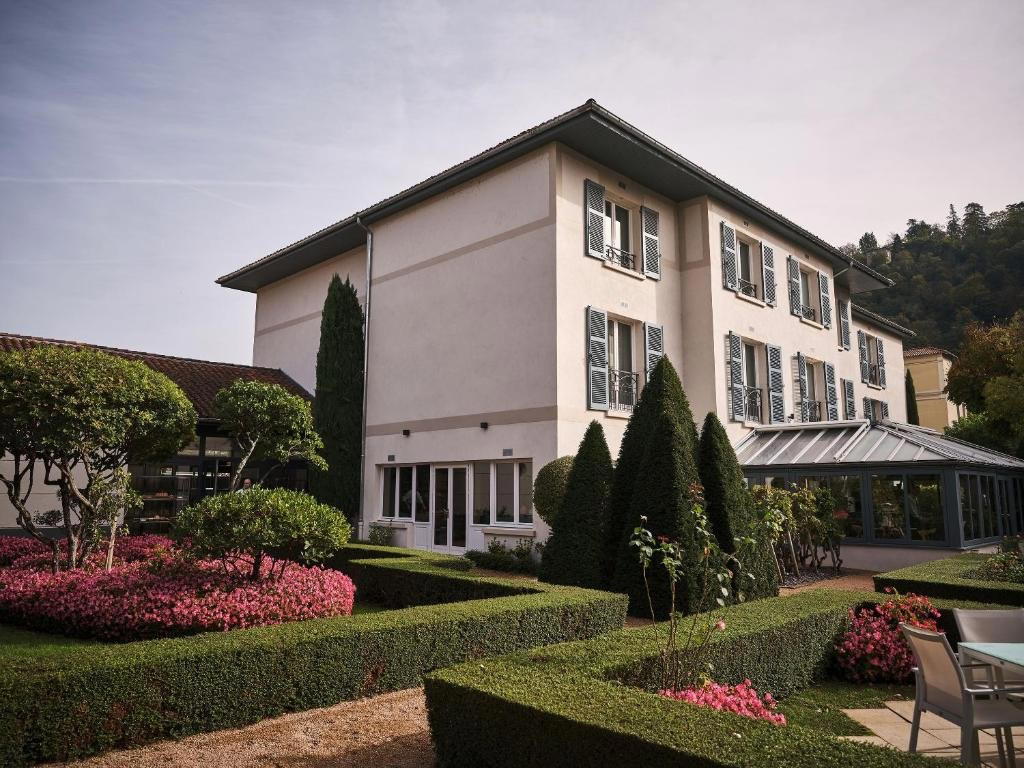
The confirmed atmosphere is classic, rustic, quiet, and sophisticated. Those qualities matter for travelers deciding whether the venue fits their plans: Domaine Belle reads as a serious, place-led estate rather than a high-energy hospitality venue. The setting is modern as a winery, but the identity remains traditional and rooted in the land. In practical terms, that combination suggests a venue with a clean contemporary frame around a more old-world sensibility. It is not being described as flashy, nightlife-oriented, or experience-heavy; its appeal rests in a quieter kind of confidence.
This is also why the Larnage context matters. The venue is not just a generic winery listing that is detached from its surroundings. Its identity, as described, depends on being a Northern Rhône estate in Larnage, with terroir as the organizing idea. For a traveler, that means the stop should be approached with attention to place rather than with expectations shaped by unrelated wine regions or more commercial visitor formats.
Visitors should confirm practical arrangements directly before planning around Domaine Belle. Because the strongest available description is about the estate’s identity and atmosphere, not a detailed visitor-service program, it is especially sensible to verify the basics before making it the fixed point of a day.
A terroir-driven identity rather than a fabricated checklist
The strongest grounded description of Domaine Belle is that it is a family-run Northern Rhône estate with a traditional, terroir-driven identity. That is enough to distinguish it from more generic travel listings without inventing unsupported details about bottles, grapes, cellar techniques, critic ratings, organic status, or visitor experiences. For EP Club readers, that matters: a shorter accurate profile is more valuable than a longer one padded with assumptions. The estate’s character can be conveyed clearly without pretending to know more than the confirmed information allows.
That should be read only as a broad guide category, not as a substitute for current pricing or arrangements. The useful takeaway is that Domaine Belle sits in the middle of the guide’s price language rather than being framed at the extremes. Travelers should still treat all practical details as something to check directly, especially when planning a focused winery visit.
For readers building a wider Larnage itinerary, Domaine Belle can be considered alongside other dining or travel options in Larnage generically. No other named venue is needed to explain its role: the estate’s own identity is the relevant point. It can function as the wine-centered element of a day in the area, while meals, lodging, bars, or additional experiences can be organized around it according to individual needs. Keeping those surrounding logistics generic preserves the clarity of the listing and avoids suggesting partnerships, proximity claims, or specific pairings that are not part of the confirmed profile.
The editorial discipline here is intentional. Domaine Belle does not need a fabricated narrative to feel distinctive. Its confirmed attributes already give it shape: family-run, traditional, terroir-driven, quiet, rustic, sophisticated, modern in setting, and located in Larnage within the Northern Rhône. That is a coherent profile, and it is the right level of detail for travelers who value accuracy.
For travelers who prefer quiet, place-led estates
Domaine Belle is best framed for visitors who appreciate a quiet, rustic, sophisticated winery setting and a traditional Northern Rhône identity. It will make the most sense to travelers who are drawn to atmosphere, restraint, and a clear connection to place, rather than to those looking for an expansive entertainment format. The emphasis is on the estate as an expression of Larnage and the Northern Rhône, not on a long list of visitor-facing amenities.
The critical lens is simple: Domaine Belle is a Larnage estate with a family-run, terroir-driven character and a modern winery setting. That grounded description is more useful than an overbuilt profile based on unsupported specifics. For travelers interested in Larnage and the Northern Rhône, it offers a classic and quiet point of reference. Approach it as a focused, place-led winery stop, confirm the practical details directly, and let its value rest on the confirmed character of the estate rather than on invented extras.
Recognition history
Dated appearances from independent guides and award organizations, with the underlying list record or original source where available.
Falstaff Winery - Listed
Falstaff
Continue exploring
More in Larnage
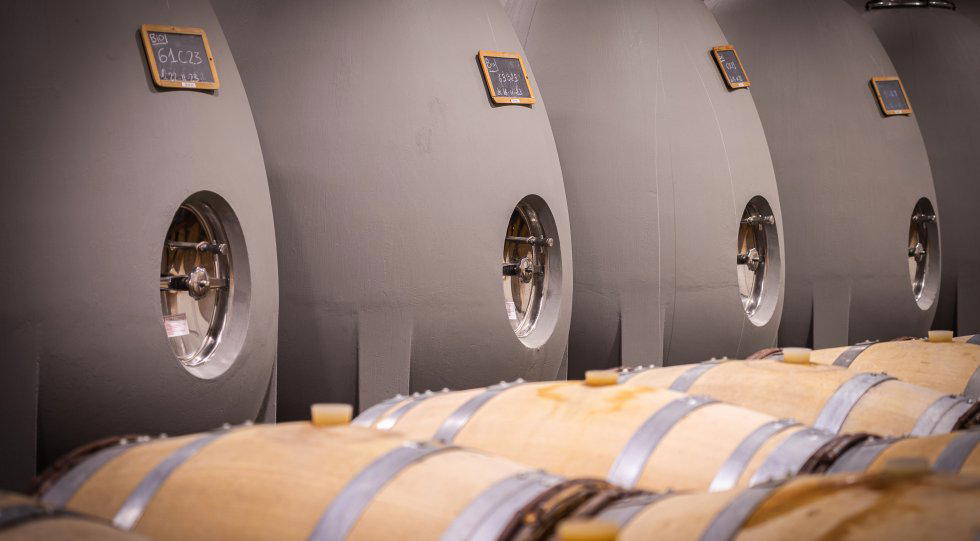
Wineries in Larnage
Browse all →
Bars in Larnage
Browse all →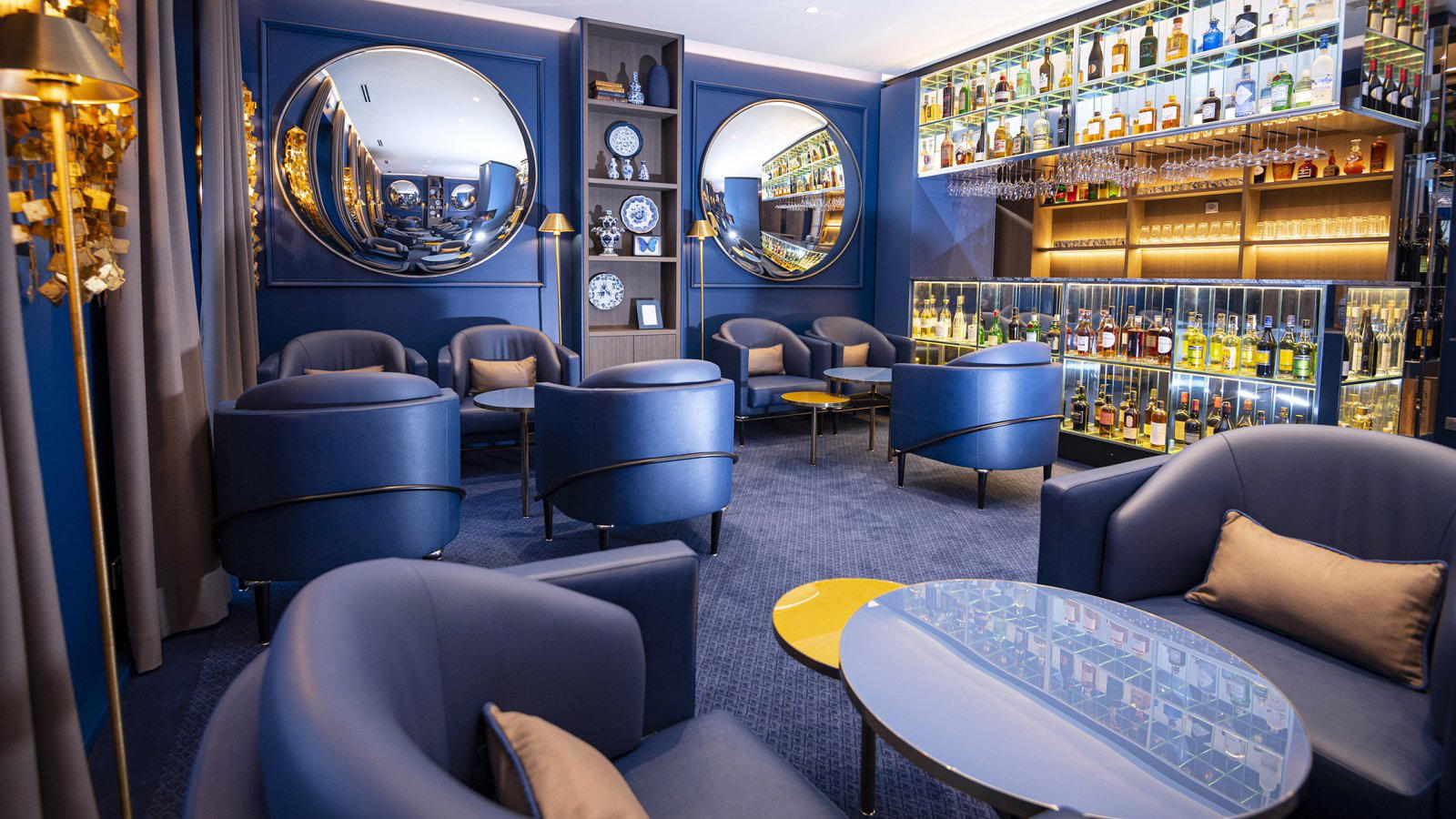
Restaurants in Larnage
Browse all →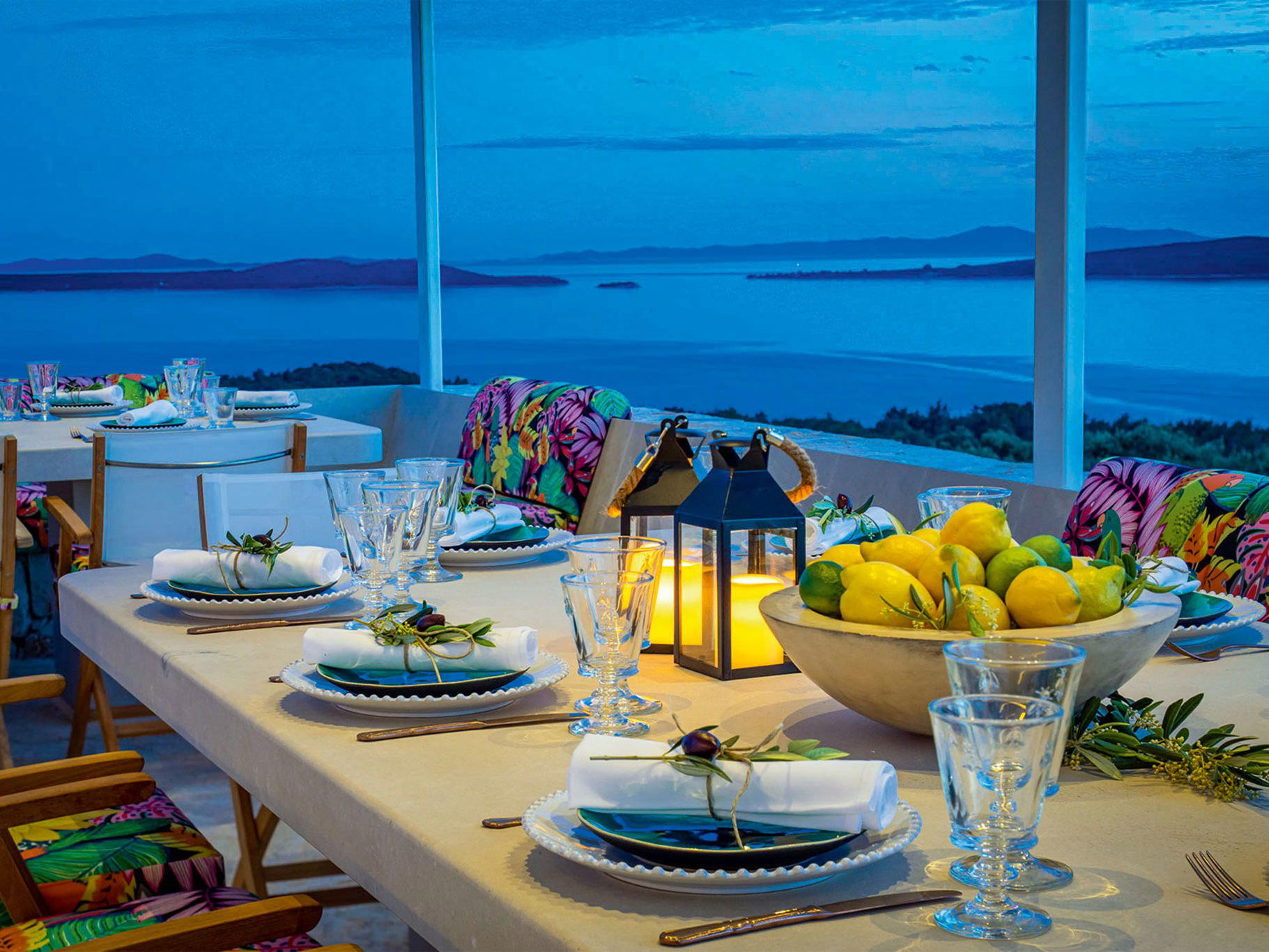
Details
- Classic
- Rustic
- Quiet
- Sophisticated
- Solo Exploration
- Special Occasion
- Wine Education
- Estate Grounds
- Historic Building
- Organic
- Vineyard
- Syrah
- Marsanne
- Roussanne
- Still Red
- Still White
- Private Tasting
- Cave Tasting
Family-run Northern Rhône estate with a traditional, terroir-driven identity and a modern winery setting.