Domäne Vincendeau

Domäne Vincendeau gives Rochefort-sur-Loire a small-scale Anjou counterpoint to larger Loire estates: organic farming, Chenin Blanc, schist soils and a farmhouse-cellar setting rather than polished château theatre. The draw is terroir clarity, with still whites, sparkling wines, rosé and light reds shaped by low-intervention cellar work and owner-led viticulture.
Pearl is the En Primeur Club membership app — saves, bookings, and concierge access live there. Same editors, same standards.
- Address
- Rochefort sur Loire, Center-Val de Loire, Frankreich
- Directions
- Get directions
 Saves & bookings on Pearl
Approaching the vineyards above Rochefort-sur-Loire, the Loire does not announce itself with grandeur so much as texture: hillside parcels, rocky schist, a working farmhouse rhythm and the quiet of a small Anjou wine village. This is not the Loire of manicured reception rooms and choreographed estate tourism. Domäne Vincendeau belongs to the more intimate side of the region, where the experience is tied to land underfoot, cellar scale and the practical decisions that turn Chenin Blanc into a clear expression of place.
Anjou has long carried a split identity. It is a historic home for Chenin Blanc and Crémant de Loire, but it also allows growers to work across still whites, sparkling wines, rosé and lighter reds without the monocultural pressure found in regions built around a single luxury grape. In Rochefort-sur-Loire, that flexibility matters. The soils are schist-rich, the climate is cool to moderate, and autumn humidity can influence ripening decisions. For a small organic estate, those conditions reward precision more than spectacle.
Schist, Chenin and the Anjou habit of restraint
The estate’s most persuasive argument is geological. Schist stores daytime heat and releases it slowly, useful in a Loire climate where ripeness and acidity need to remain in tension. Chenin Blanc dominates the parcels, with vine ages running from 10 to 80 years, and that range gives the wines a frame that is more mineral and structural than cosmetic. The point is not lavish fruit or cellar polish; the point is how a hillside site above the village can make Chenin feel linear, charged and age-capable without losing its rural directness.
Domäne Vincendeau was founded in 2014 by Liv Vincendeau, who had arrived in the Loire in 2000 to study winemaking. Her role matters less as biography than as a credential for the style: owner-winemaker control, organic conversion from the outset, and cellar work that avoids masking site. Natural yeast fermentation, minimal sulfur use and large-format vessels place the wines inside the contemporary Loire conversation around low-intervention production, but the better lens is older and simpler. Anjou Chenin has always been most compelling when acidity, extract and soil character are allowed to carry the wine.
The estate works beyond Chenin Blanc as well, with Grolleau Noir, Cabernet Franc and Gamay in the mix. That is typical of this part of the Loire, where red varieties can support rosé and lighter reds without forcing the domaine into a single prestige lane. Cabernet Franc receives long maceration without active extraction, a useful detail because Loire Cabernet can tip green when handled bluntly. Here the stated aim is fruit preservation rather than tannic insistence.
A farmhouse-scale tasting rather than château theatre
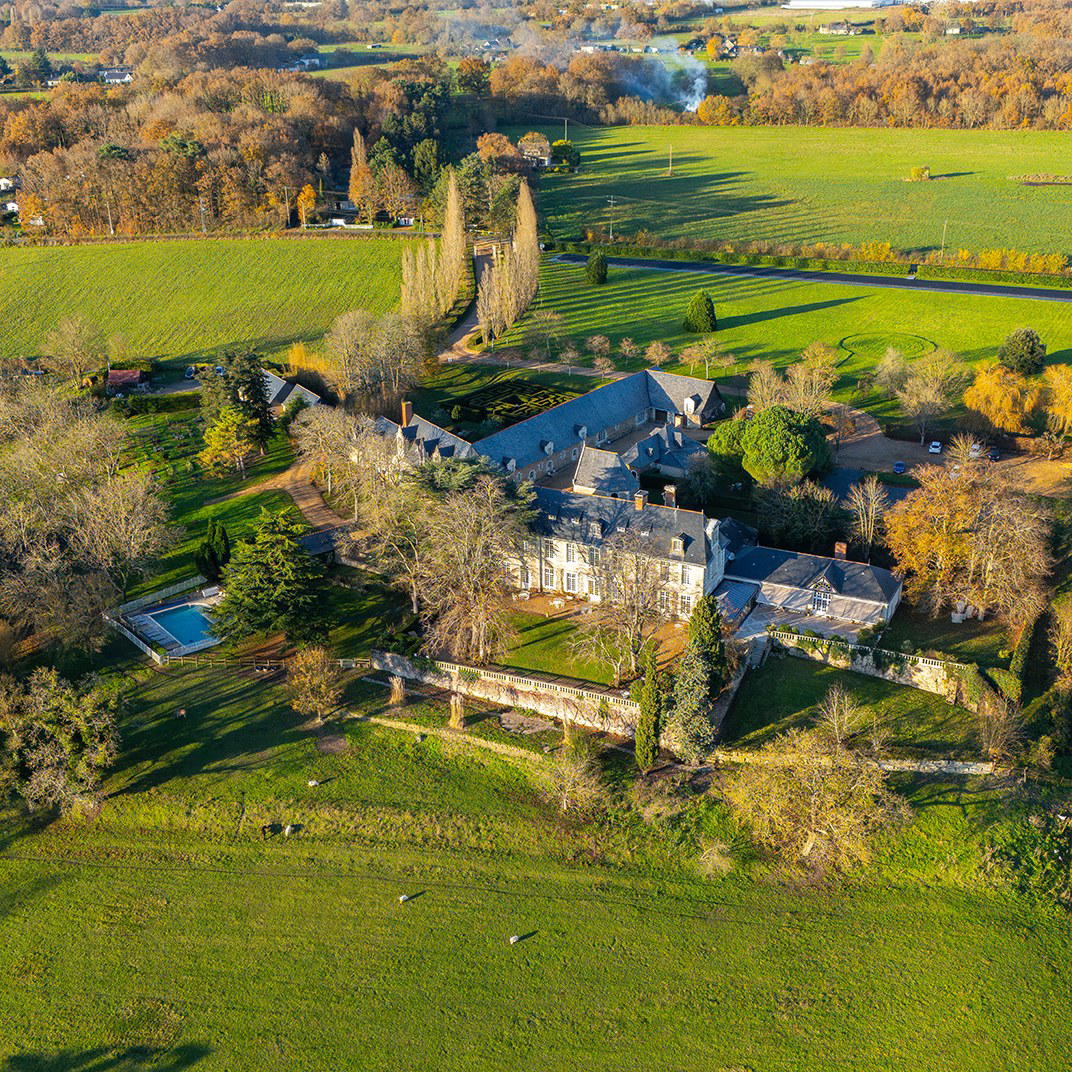
The setting reinforces the wine style. The cellar sits in a hamlet by the Loire, while the vineyards rise on the corniche angevine, giving the visit a split perspective between river and hillside. The atmosphere is quiet, rustic and small-capacity, with vineyard tours and standard tastings offered in French, English and German. That multilingual layer reflects the estate’s cross-border identity without turning the visit into a formal performance.
Hospitality here is better understood as a grower encounter than a luxury appointment. The format is walk-in friendly, the visit type is informal, and the typical tour runs 60 to 90 minutes. Outdoor space, vineyard views and estate grounds make the experience stronger for travellers who want to connect the glass to the slope. There is no food-pairing program listed, which is not a weakness in this context; the logic is wine, soil and cellar rather than a staged lunch.
The portfolio gives enough range for both first-time Loire drinkers and more technical tasters. Crémant de Loire is central, including zero-dosage and late-disgorged expressions, while still Chenin bottlings such as Loire Gold, Zeitlos, Le Carré du Puits and Le Raguenet show the estate’s interest in site, aging and texture. Rosa, made from Grolleau Noir and Chenin Blanc, points to the region’s less formal side. The small production scale means the visit is not about breadth for its own sake; it is about seeing how one estate interprets Anjou through a few connected threads.
How to place it in a Rochefort-sur-Loire wine day
Rochefort-sur-Loire rewards travellers who build a day around wine rather than treating the village as a quick stop between larger Loire names. Domäne Vincendeau is suited to a slow itinerary: arrive with time for the vineyard context, expect a quiet rural pace, and focus on Chenin Blanc and Crémant de Loire rather than chasing trophy labels. On-site parking and wheelchair-accessibility tags make planning easier, while the absence of a wine club and the open allocation status keep the experience grounded in direct tasting rather than scarcity theatre.
For readers mapping the area, EP Club’s local pages are useful companions: Our full Rochefort Sur Loire wineries guide, Our full Rochefort Sur Loire restaurants guide, Our full Rochefort Sur Loire hotels guide, Our full Rochefort Sur Loire bars guide and Our full Rochefort Sur Loire experiences guide. Nearby wine planning can also include Domaine des Baumard.
For a broader French and European wine frame, EP Club also covers estates and producers including A. Margaine in Villers-Marmery, Abbaye de Fontfroide in Narbonne, Abbotts & Delaunay in Marseillette, Advini in Saint Felix De Lodez, Agrapart & Fils in Avize, Alain Brumont in Castelnau Riviere Basse, Alain Gras in Saint-Romain, »der Steiner« Hans Steiner in Podersdorf am See and & Handwein in Mannheim.
Recognition history
Dated appearances from independent guides and award organizations, with the underlying list record or original source where available.
Falstaff Winery - Listed
Falstaff
Continue exploring
More in Rochefort Sur Loire
Wineries in Rochefort Sur Loire
Browse all →Bars in Rochefort Sur Loire
Browse all →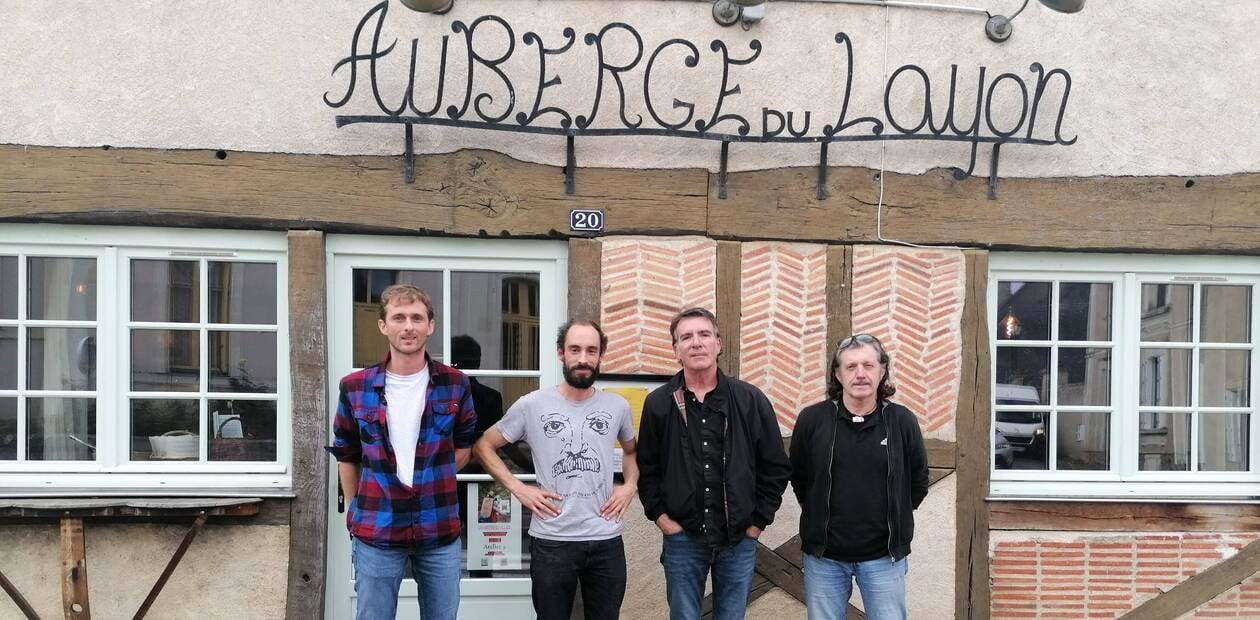
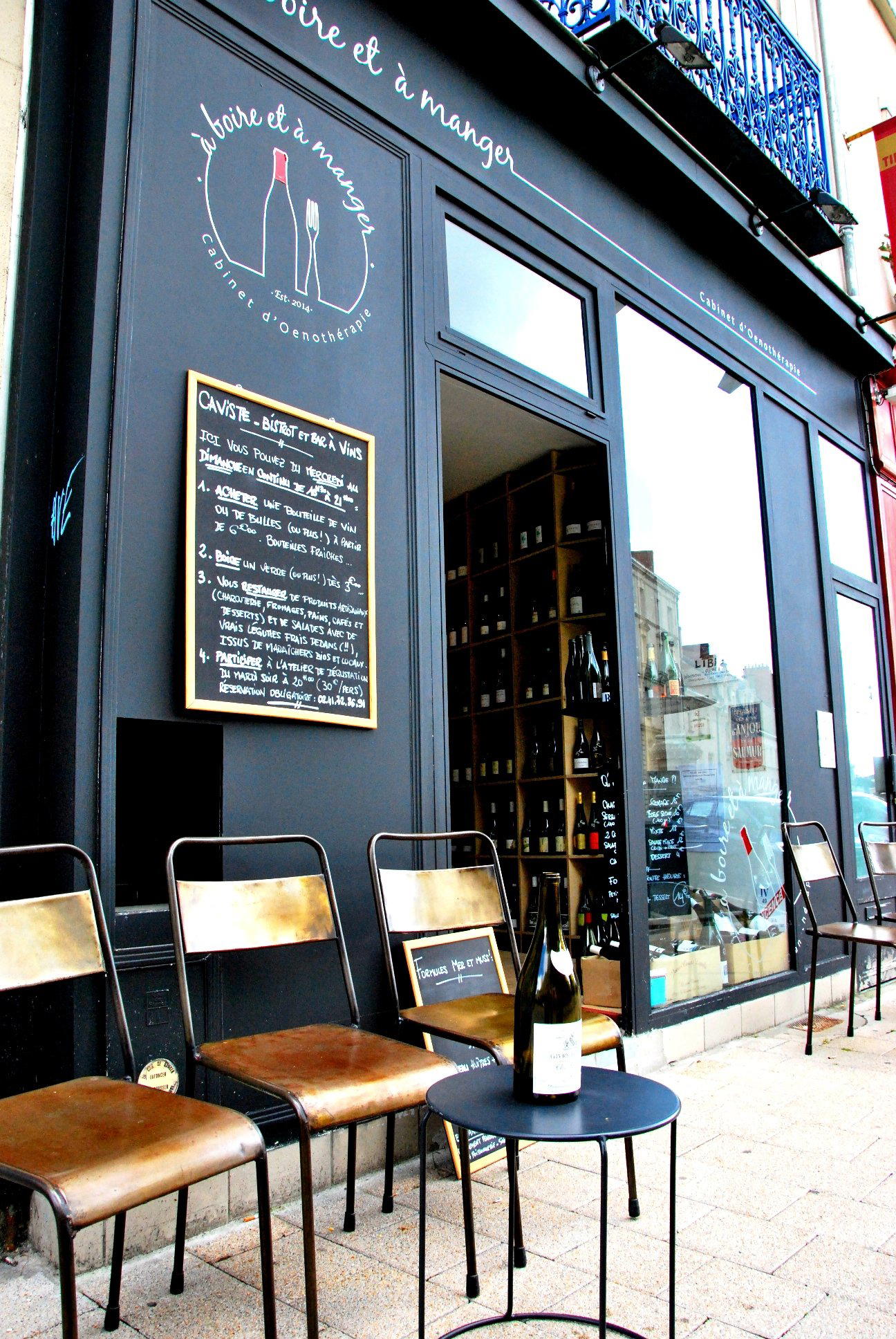
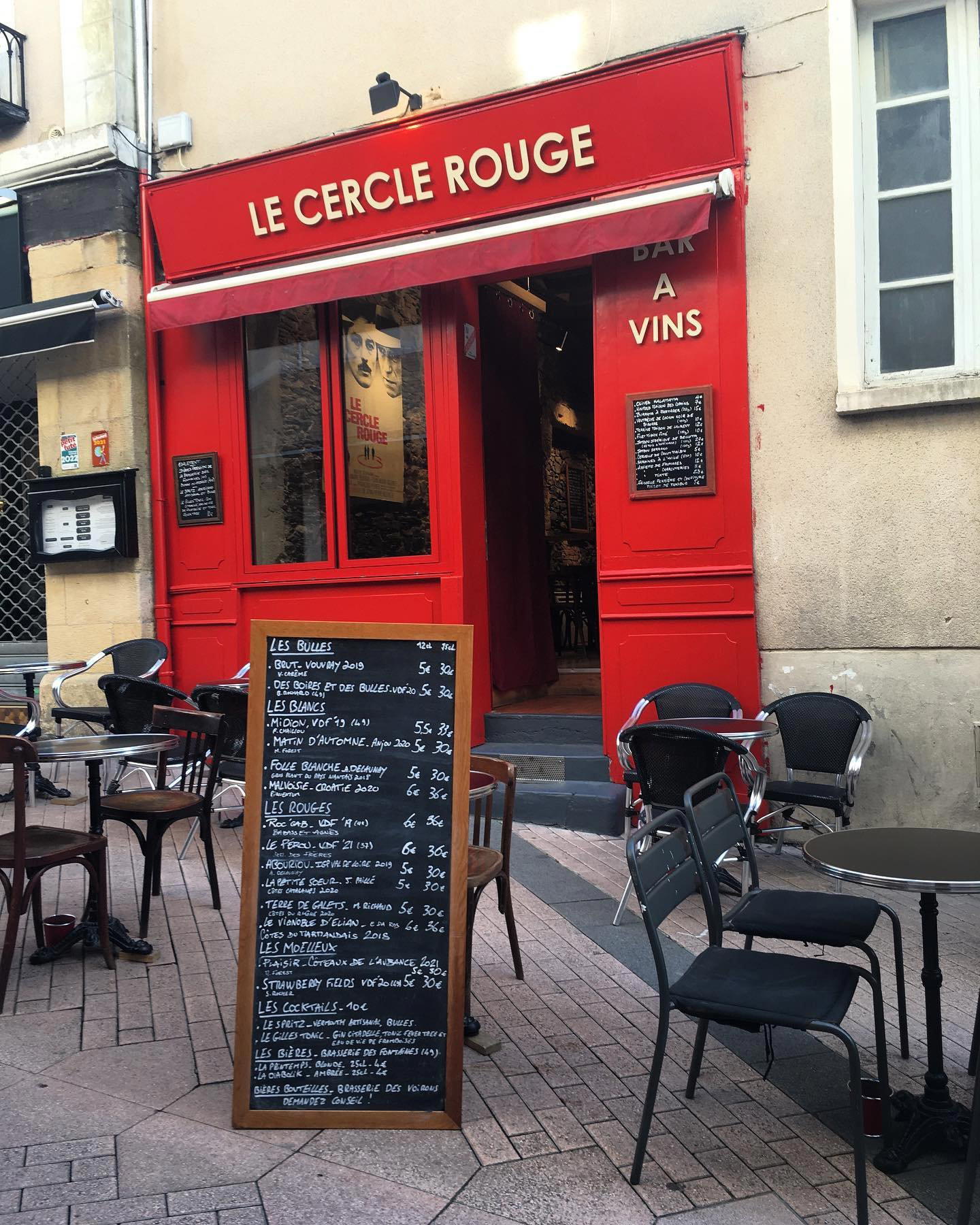
Restaurants in Rochefort Sur Loire
Browse all →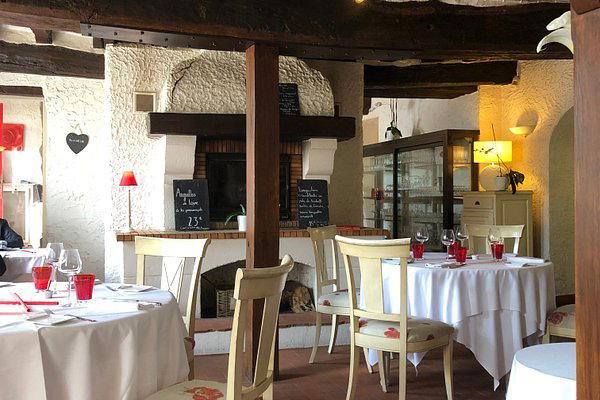
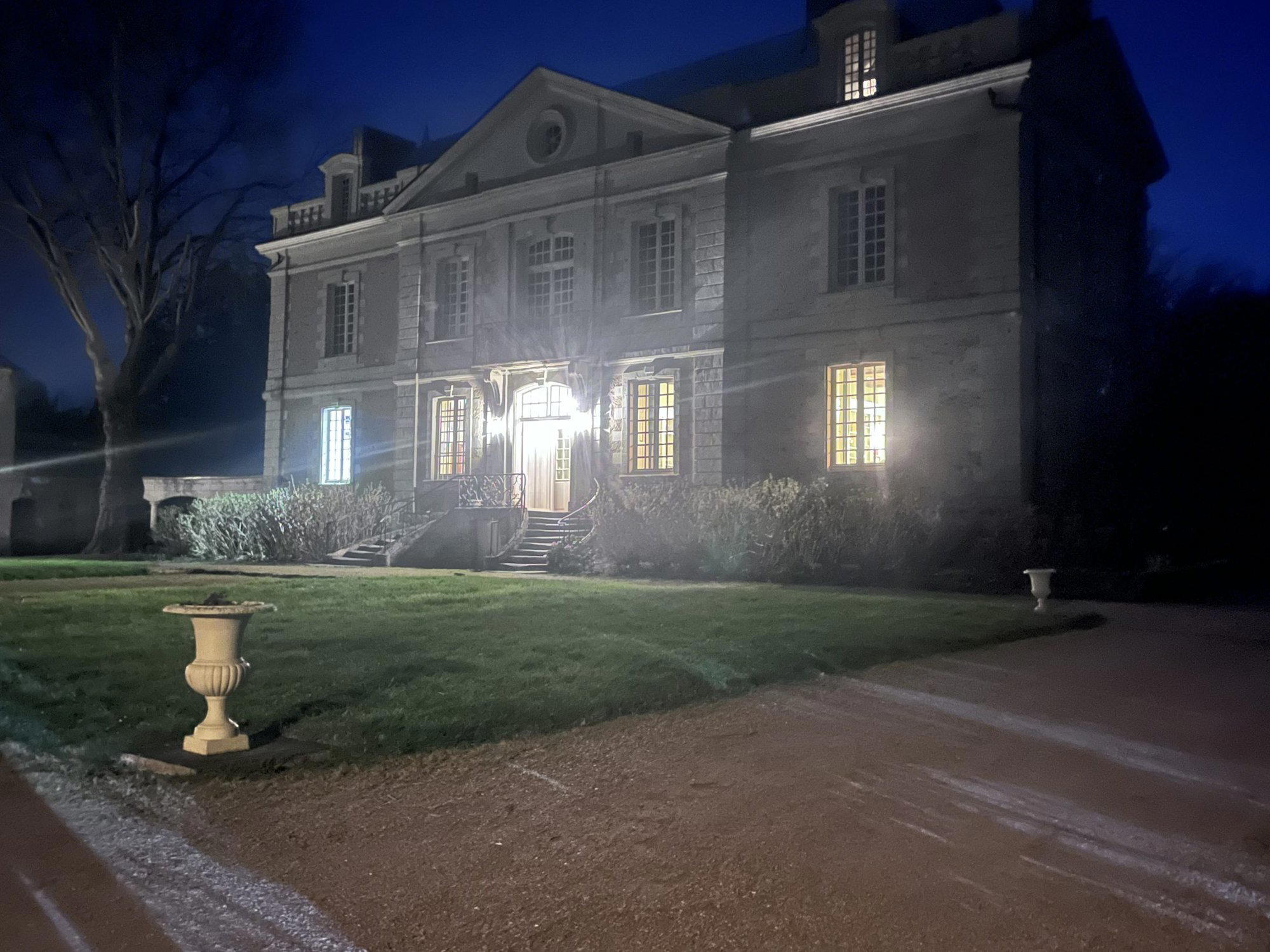
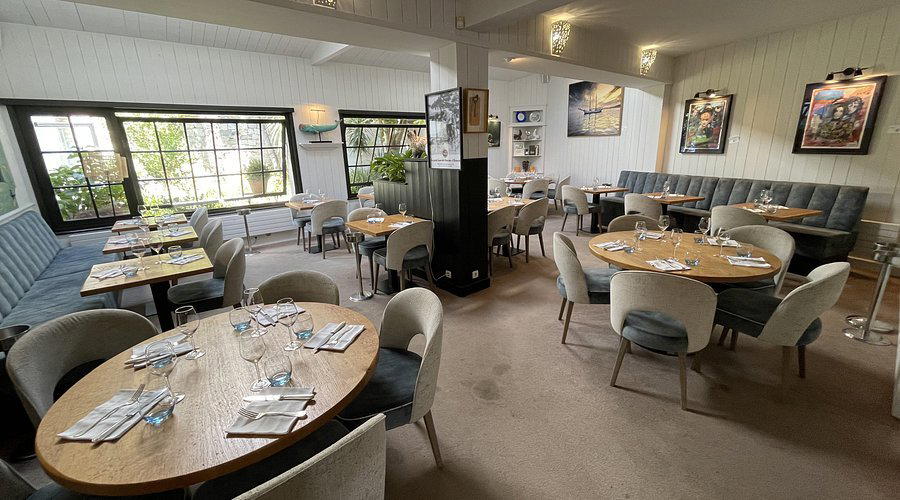
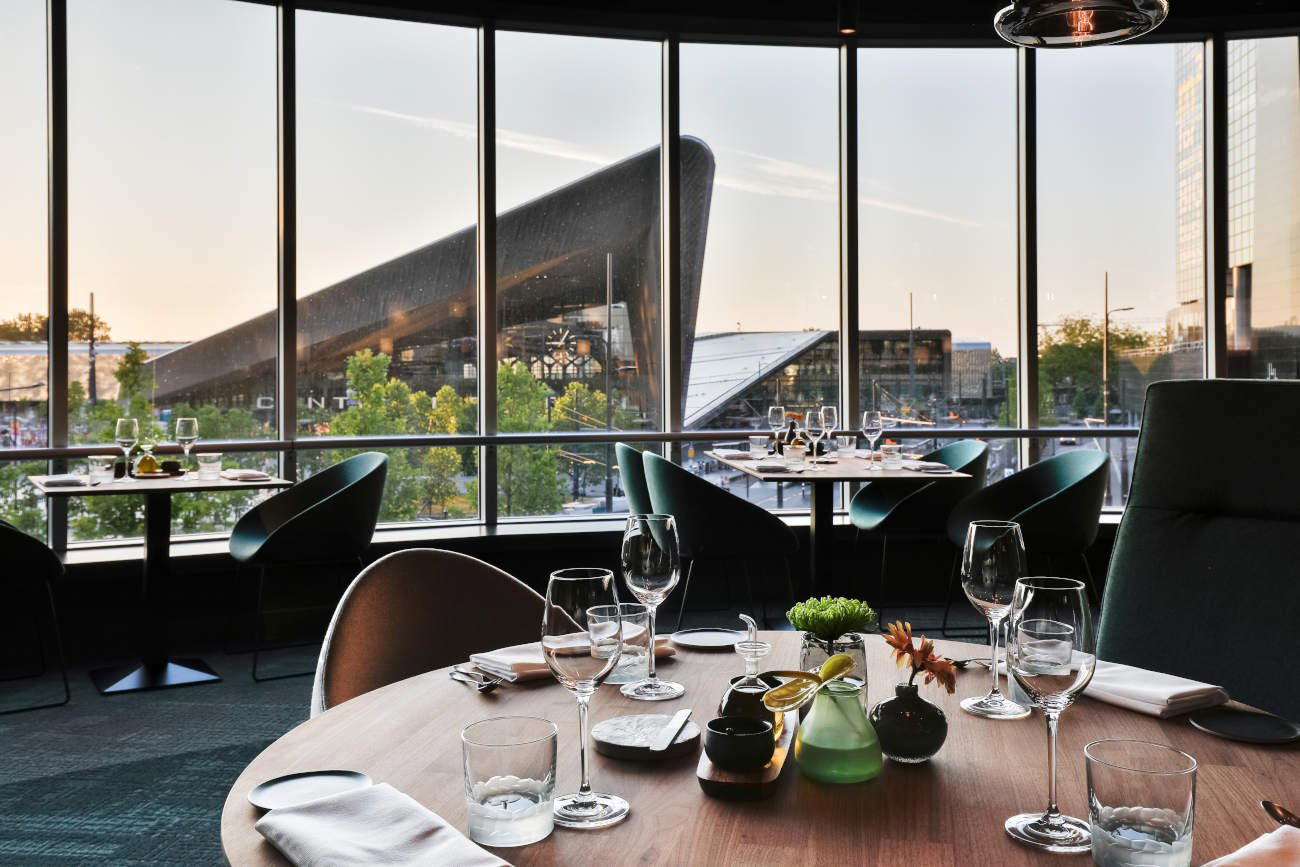
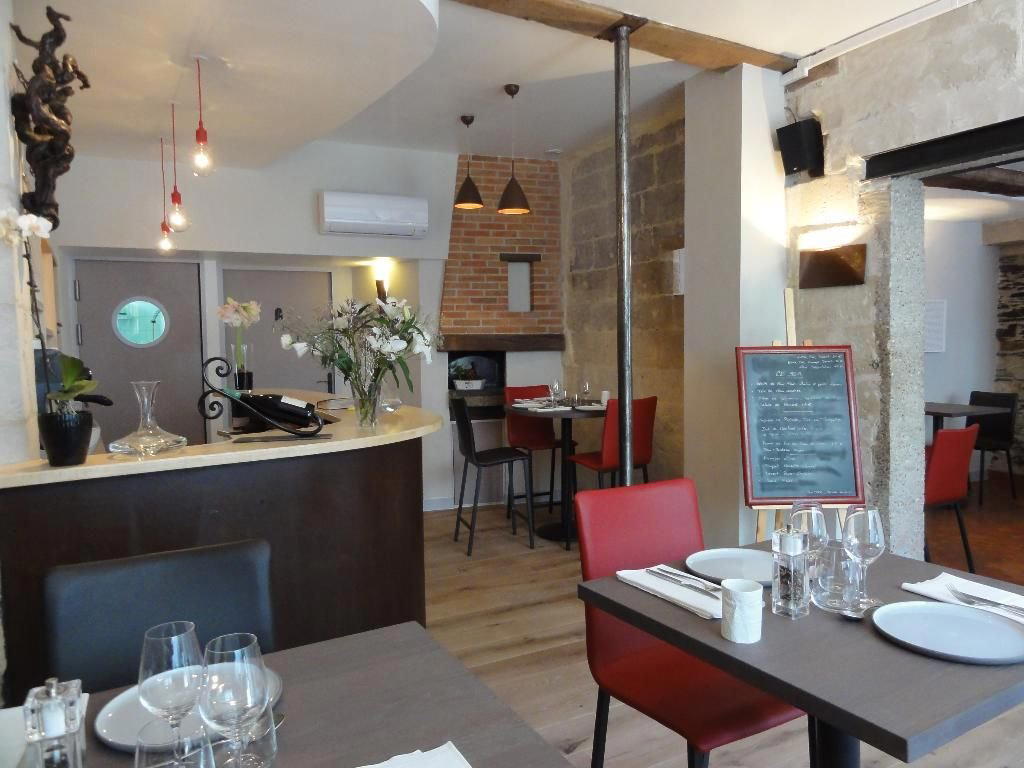
At a Glance
- Scenic
- Rustic
- Cozy
- Intimate
- Romantic Getaway
- Group Outing
- Solo Exploration
- Wine Education
- Vineyard Tour
- Estate Grounds
- Historic Building
- Panoramic View
- Organic
- Vineyard
- Waterfront
- Anjou AOC
- Chenin Blanc
- Grolleau Noir
- Cabernet Franc
- Gamay
- Still White
- Still Rosé
- Pet Nat
- Sparkling
- Standard Tasting
- Vineyard Tour
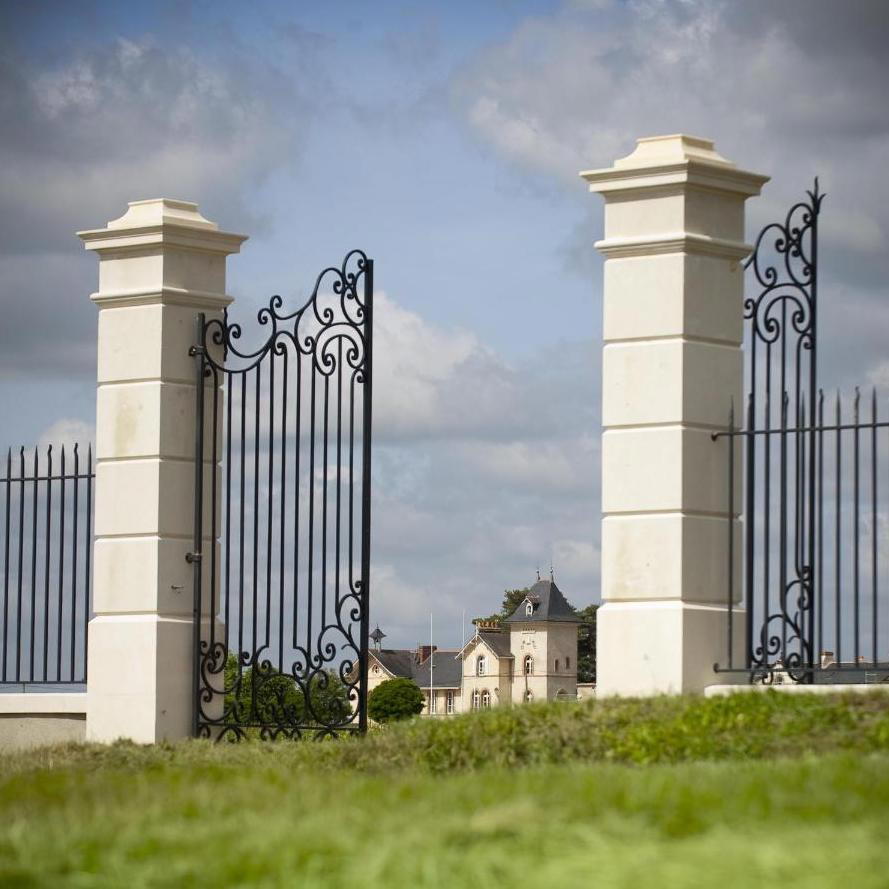
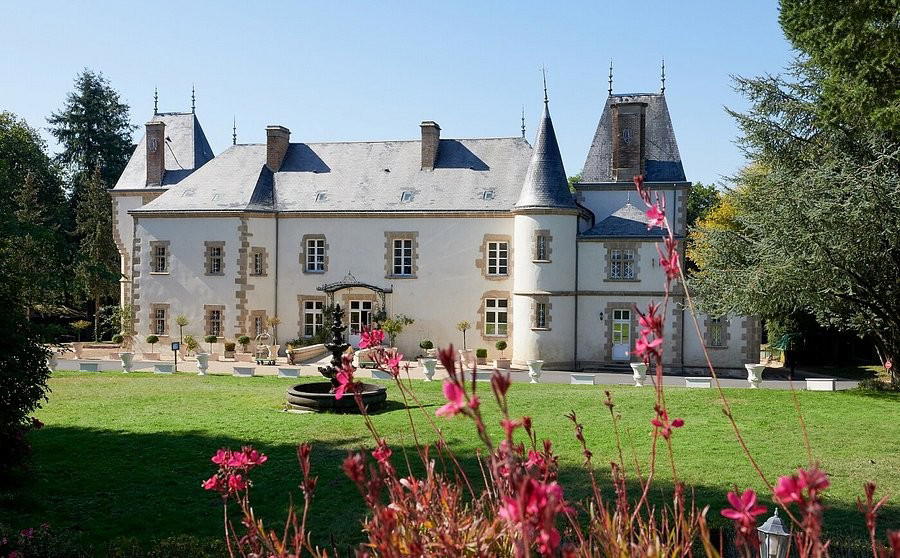
Small organic Loire estate with a working farmhouse feel, combining a charming hamlet cellar by the Loire with hillside vineyards on the corniche angevine; atmosphere is relaxed, rural and authentic rather than polished, with a focus on intimate, owner-led encounters with the vines and wines.