Di Giovanna

Falstaff Winery - Listed
Di Giovanna puts western Sicily’s mountain viticulture in focus: organic vineyards, olive groves and wheat fields spread across the Monte Genuardo Nature Reserve and nearby Contessa Entellina sites. The estate is strongest for travelers interested in terroir rather than cellar-door theatre, with high-altitude parcels, native varieties and fifth-generation family stewardship shaping the experience.

Pearl is the En Primeur Club membership app — saves, bookings, and concierge access live there. Same editors, same standards.
- Address
- Sambuca di Sicilia, Sicily, Italien
- Directions
- Get directions

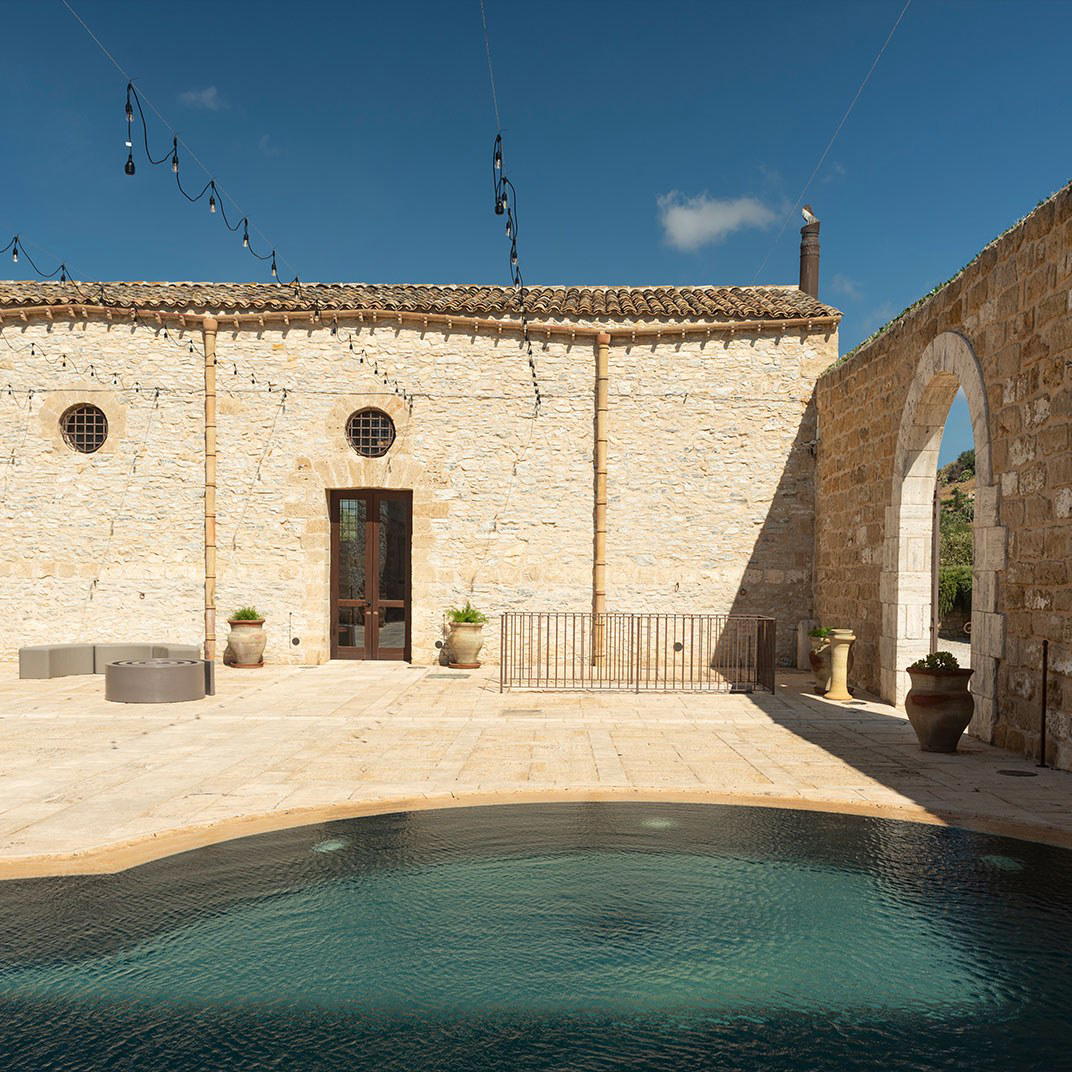
Approach the high vineyards around Sambuca di Sicilia and the logic of western Sicilian wine becomes physical: altitude, limestone, clay, mountain air and agricultural quiet. This is not the coastal postcard version of the island. Around Monte Genuardo, vineyards share space with olive groves, wheat fields and protected land, and the wines are better understood through that mixed farming context than through a polished tasting-room script.
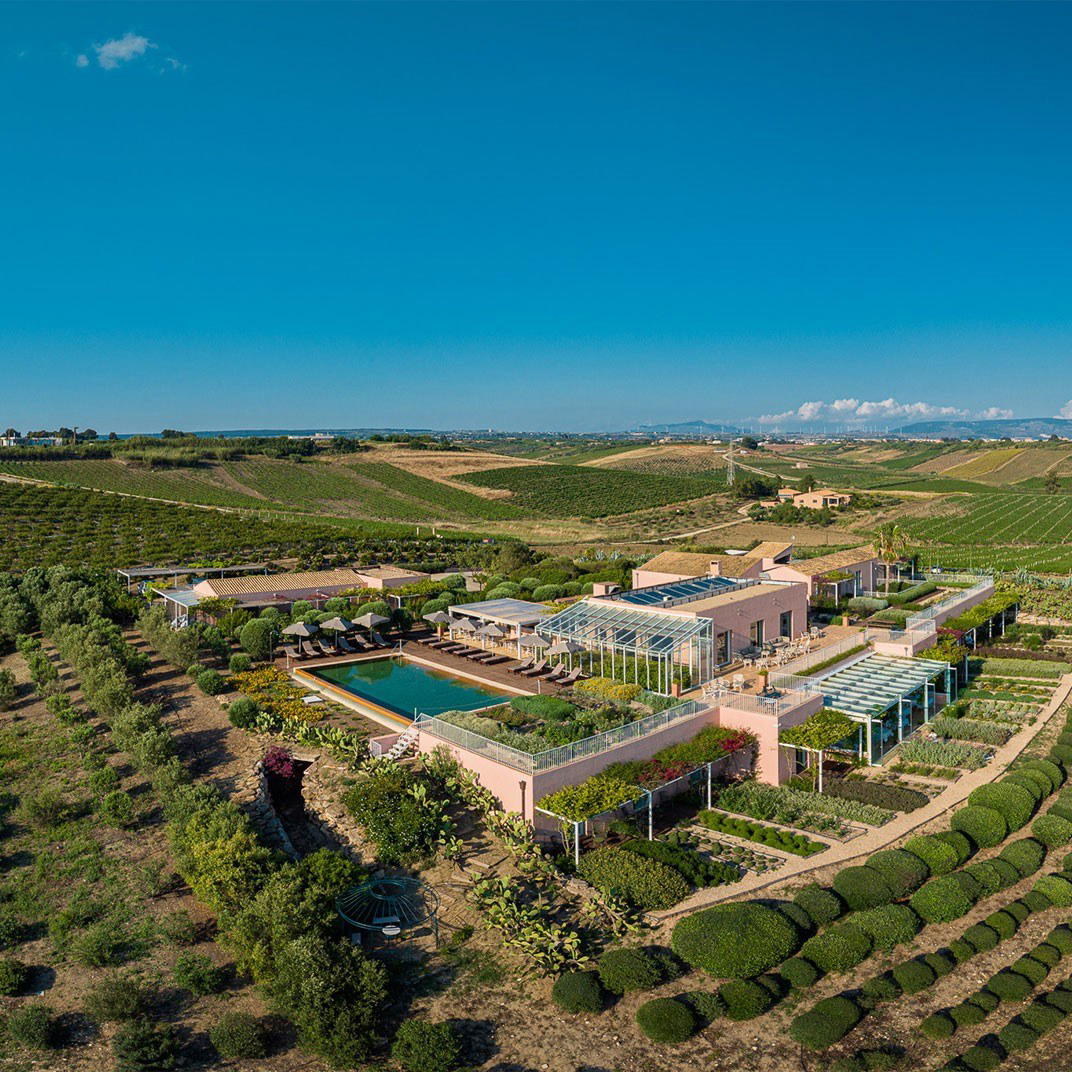
Di Giovanna belongs to the strand of Sicilian producers that makes terroir legible without reducing the island to Nero d’Avola alone. Its estate farming covers about 100 hectares, including 65 hectares of vineyard, 14 hectares of olive groves and 21 hectares of wheat fields and forest. That spread matters: the wines come from a landscape where viticulture is part of a broader agricultural system, not a monoculture built for visitor traffic.
Mountain vineyards give western Sicily a cooler register
Sicily’s wine identity is often discussed through heat, ripeness and sun. The higher parts of Sambuca di Sicilia complicate that shorthand. Di Giovanna’s San Giacomo and Fiuminello vineyards sit within the Monte Genuardo Nature Reserve at roughly 650 to 820 metres, while Gerbino, Paradiso and Miccina in Contessa Entellina range from about 350 to 480 metres. The result is a portfolio shaped by altitude shifts rather than a single estate block.
That altitude range gives the estate a useful internal contrast. Higher sites slow ripening and help preserve acidity; lower parcels can suit varieties that benefit from earlier maturity. The soils add another layer: calcareous clay, stony ground, volcanic tuff, chalk and limestone all appear across the holdings. For drinkers, the point is not to memorize every parcel name, but to understand why this part of Sicily can produce wines with structure and freshness alongside Mediterranean fruit.
The variety mix also says something about the region’s current direction. Native grapes such as Nero d’Avola, Nerello Mascalese, Grillo and Catarratto sit alongside Chardonnay, Syrah, Merlot and Cabernet Sauvignon. That combination reflects a Sicilian pattern: indigenous grapes now carry the cultural argument, while international varieties remain part of the estate toolkit. The more interesting story is the confidence of western Sicily in its own grapes, especially when altitude and organic farming give them definition.
Organic farming is the framework, not a decorative claim
Organic certification since 1997 gives the estate one of its clearest credentials. In Sicily, where climate can make organic viticulture more viable than in wetter regions, the distinction still depends on execution: cover crops, compost, biodiversity and careful work across parcels with different exposure and soil. Here, organic farming extends beyond vines to olive groves and the wider estate, which makes the agricultural philosophy easier to take seriously.
Production sits in the medium-sized family-estate category, large enough to support a broad range but small enough for site distinctions to remain visible. The fifth-generation family structure, with Gunther and Klaus Di Giovanna named as winemakers, provides continuity without needing to turn the page into a family portrait. The more useful reading is generational: western Sicily’s stronger producers have moved from bulk associations toward estate identity, organic credentials and a clearer articulation of place.
The portfolio follows that shift. Still reds, whites and rosé are joined by orange wine and pét-nat, giving the estate a range that speaks to contemporary drinkers without abandoning regional anchors. Nero d’Avola remains central, Grillo and Catarratto carry the white-wine argument, and Nerello Mascalese brings a different register from the variety’s more familiar eastern Sicilian associations. The estate also produces organic extra virgin olive oil from Biancolilla and Nocellara del Belice, a useful reminder that wine here is part of a Mediterranean farm economy.
Recognition has come through wine media rather than spectacle. Wine Enthusiast highlighted three Di Giovanna Nero d’Avola wines under $25 in 2023, and Wine Folly included the producer in its Sicily coverage in 2022. The estate also received recognition at the 2021 TEXSOM International Wine Awards. Those signals matter because they place the wines in a drinking context beyond the property itself: accessible, organic, Sicilian and export-visible without losing the mountain-estate identity.
Use the visit as a lesson in Sambuca's wine geography
The tasting format is strongest when approached as wine education. Estate tastings, guided tastings and vineyard tours make sense here because the land explains the bottles better than a list of cuvées alone. The nature-reserve setting, mountain views and quiet grounds give context to the altitude figures, while the vineyard spread between Sambuca di Sicilia and Contessa Entellina shows why western Sicily resists easy generalization.
For travelers mapping the area, it helps to treat Sambuca di Sicilia as more than a single stop. The local wine circuit can be read alongside Cantine Cellaro and Giovinco, then widened through our full Sambuca Di Sicilia wineries guide. Food, lodging and after-dark planning sit separately in our full Sambuca Di Sicilia restaurants guide, our full Sambuca Di Sicilia hotels guide, our full Sambuca Di Sicilia bars guide and our full Sambuca Di Sicilia experiences guide.
As a reference point within a wider European wine itinerary, the estate also belongs in the same planning universe as producers such as 3GP SRL in Treviso, 47 Anno Domini in Trebaseleghe, A Mano Wine in Noci, a6mani in Fragagnano, Abbadia Ardenga in Torrenieri, Abbazia di Crapolla in Neapel, »der Steiner« Hans Steiner in Podersdorf am See and & Handwein in Mannheim. The common thread is not style, but the usefulness of estate visits that explain how farming decisions become wine decisions.
The editorial case for Di Giovanna is clear: go for the relationship between land and bottle. The estate’s interest lies in high-altitude Sicilian viticulture, certified organic farming, a multi-parcel structure and a portfolio broad enough to show how western Sicily handles both native and international grapes. Travelers seeking grand hospitality theatre may find the tone restrained; those who want the vineyard to do the talking are in the right place.
Recognition history
Dated appearances from independent guides and award organizations, with the underlying list record or original source where available.
Falstaff Winery - Listed
Falstaff
Continue exploring
More in Sambuca Di Sicilia
Wineries in Sambuca Di Sicilia
Browse all →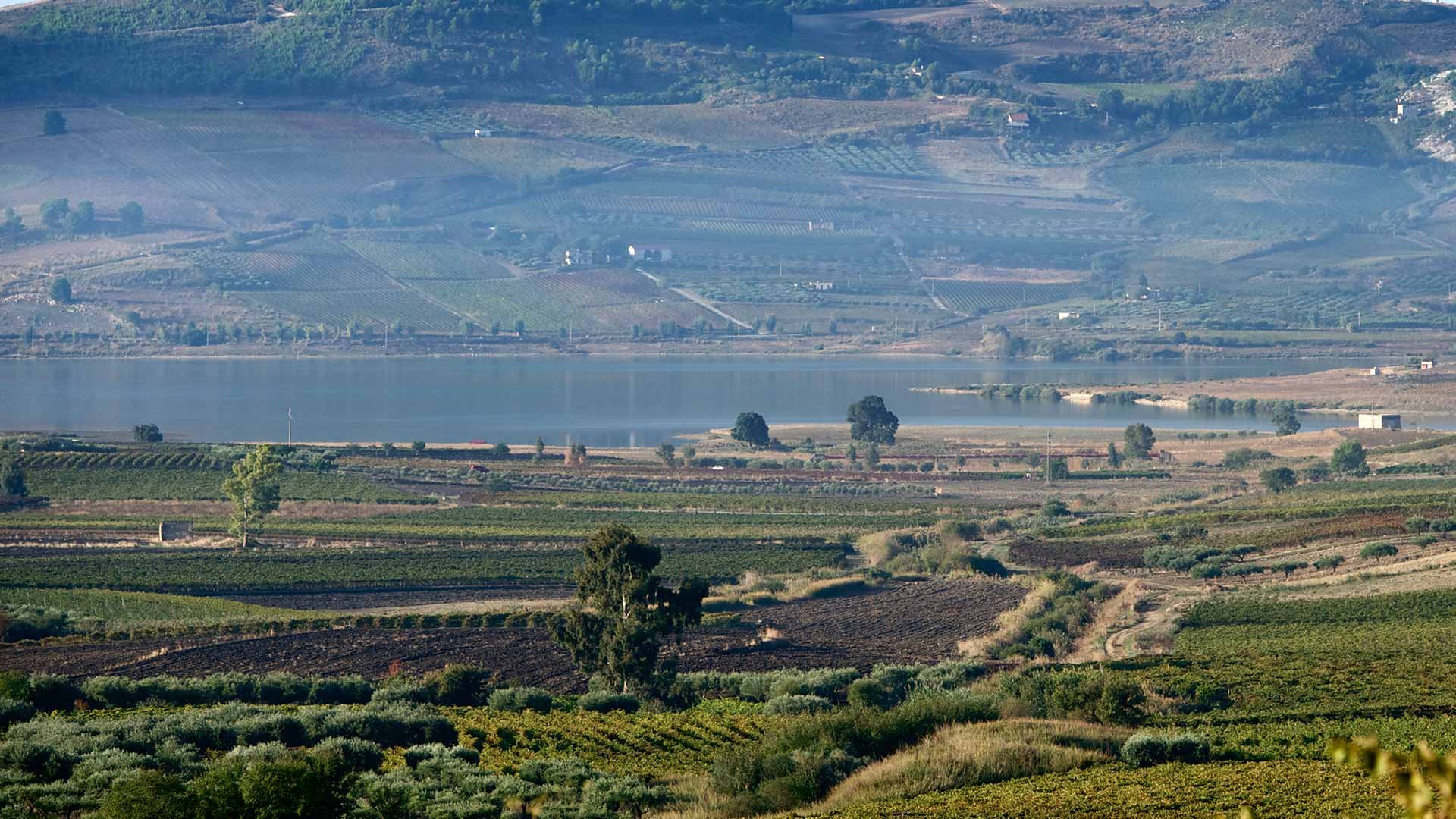

Bars in Sambuca Di Sicilia
Browse all →
Restaurants in Sambuca Di Sicilia
Browse all →
Details
- Scenic
- Rustic
- Classic
- Intimate
- Group Outing
- Romantic Getaway
- Wine Education
- Solo Exploration
- Special Occasion
- Vineyard Tour
- Estate Grounds
- Panoramic View
- Private Tasting
- Organic
- Sustainable
- Mountain
- Vineyard
- Garden
- Nero D'avola
- Nerello Mascalese
- Grillo
- Catarratto
- Chardonnay
- Syrah
- Merlot
- Still Red
- Still White
- Still Rosé
- Orange
- Pet Nat
- Estate Tasting
- Guided Tasting
- Vineyard Tour
Family-run organic estate in a protected nature reserve, with a quiet, scenic mountain and vineyard setting and a relaxed, welcoming atmosphere noted by visitors as dramatic and peaceful.