Cantine Cellaro

Falstaff Winery - Listed
Cantine Cellaro gives Sambuca di Sicilia’s cooperative wine culture a large-scale, technically minded expression. The draw is terroir rather than theatre: hillside vineyards, marine sedimentary clay, indigenous Sicilian varieties, and wind-powered production feeding a portfolio built around Nero d’Avola, Nerello Mascalese, Grillo, Chardonnay and Syrah.
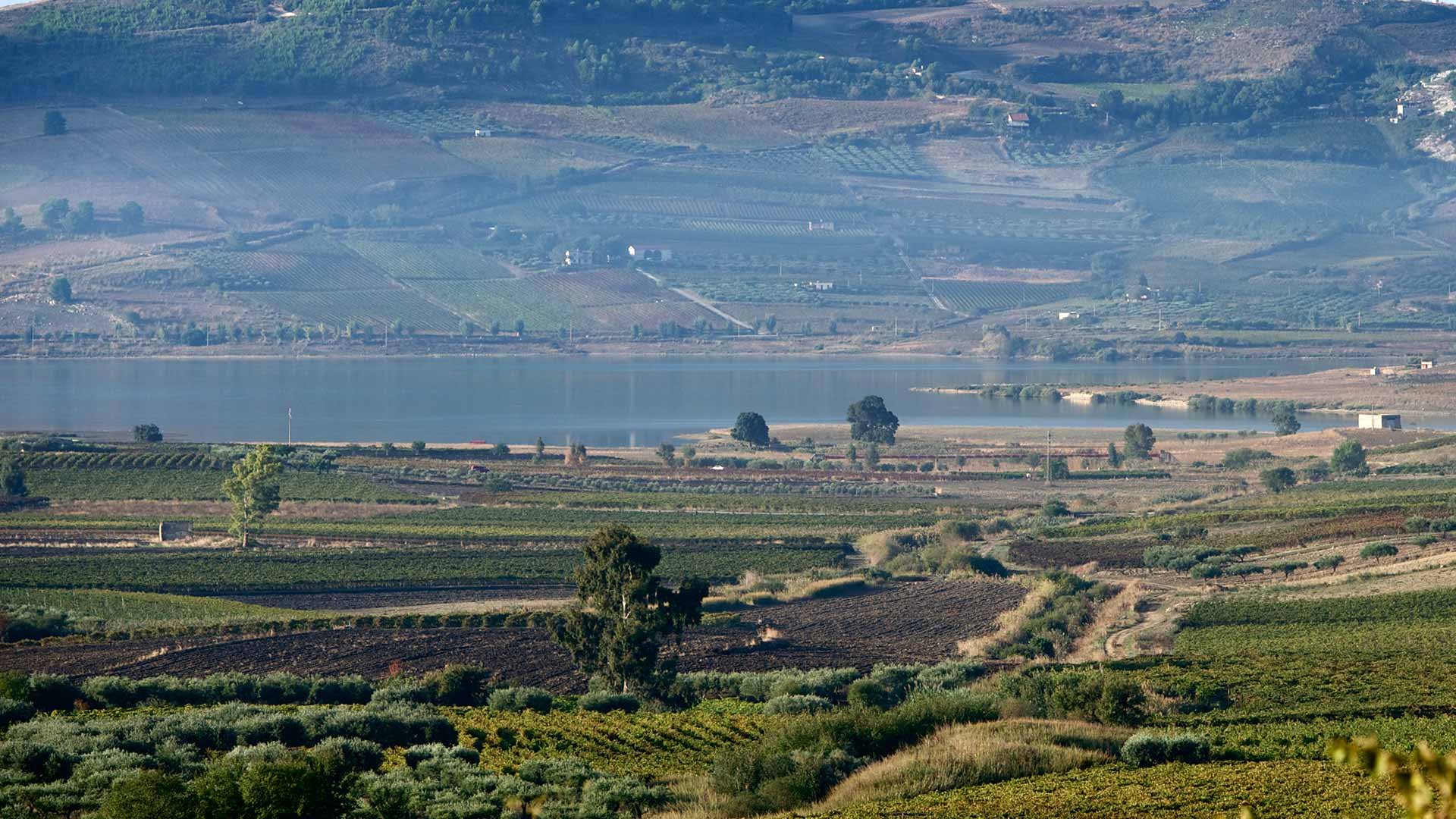
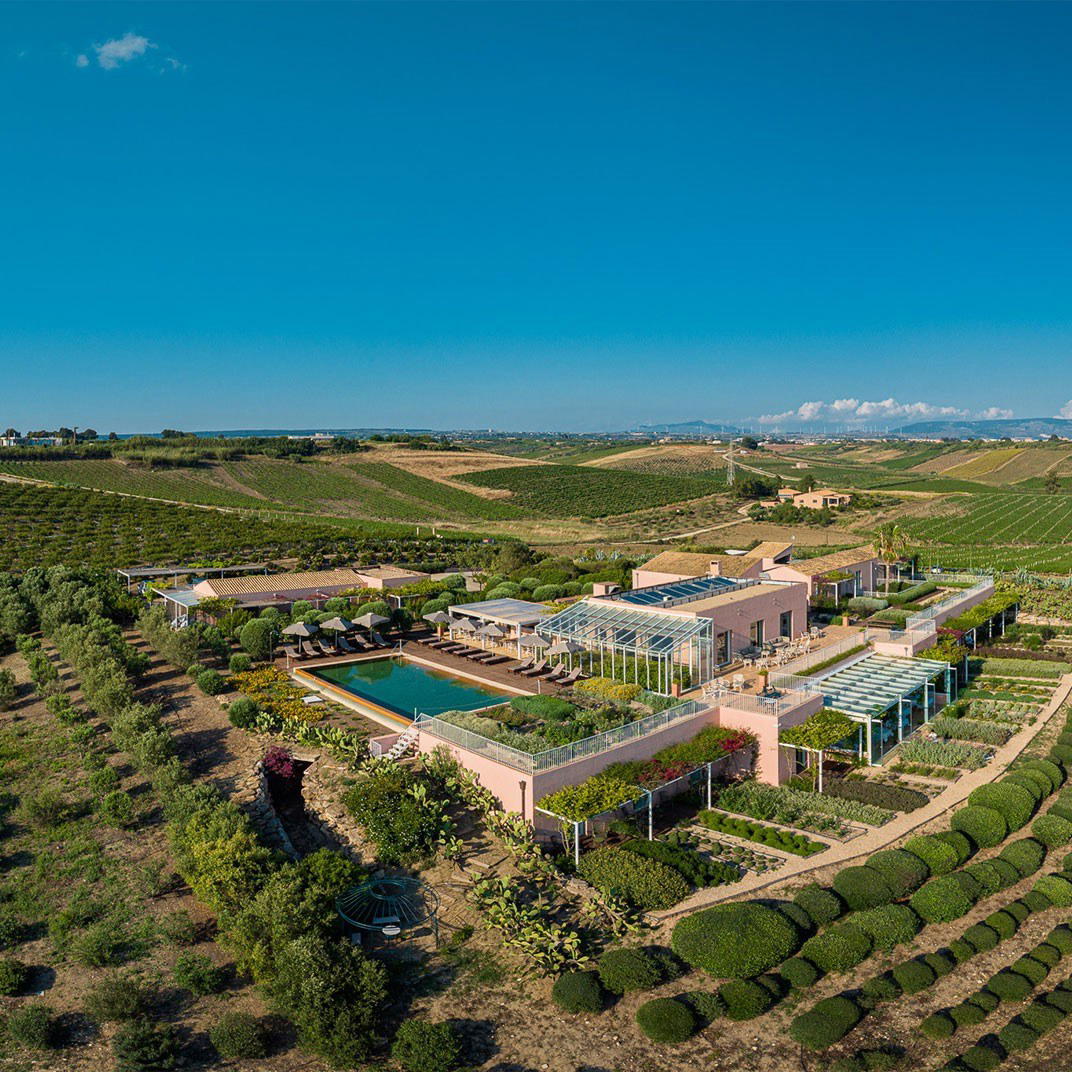
Approaching the vineyards around Sambuca di Sicilia, the first signal is scale: rolling agricultural hills, broad sky, and wind turbines cutting the horizon above the vines. Cantine Cellaro is best understood as a large cooperative Sicilian winery in a rural setting rather than as a small cellar-door estate. That distinction matters, because it shapes the expectations around the place: the landscape feels expansive, agricultural, and productive, with the winery sitting inside a wider pattern of cultivated hills rather than apart from it.
The picture is broad but useful: Cantine Cellaro works from vineyards spread across the hills around Sambuca di Sicilia, with a modern, technically driven production ethos focused on expressing its Sicilian setting. For travellers, the draw is the sense of place as much as any single detail of service or format. The value is in reading the winery through its surroundings and its cooperative character, rather than forcing it into the language of a small, intimate tasting room.
Hillside vineyards and the cooperative scale of Sambuca di Sicilia
The surrounding landscape is central to the identity of Cantine Cellaro. Rolling hills frame the vineyards, while wind turbines on the highest hills give the setting a distinctive rural-industrial silhouette. The scale is part of the story: this is a cooperative winery, so the experience should be read through agricultural breadth and production structure rather than boutique scarcity. In that sense, the setting does a lot of interpretive work before any specific wine or visitor format enters the picture.
Because the public details are limited, it is better not to overstate specific soils, grape varieties, vineyard measurements, or cellar practices. What can be said with confidence is that Cantine Cellaro represents a large cooperative model in Sambuca di Sicilia, with a modern approach to Sicilian wine production and a landscape-driven identity. The language around the winery is strongest when it stays close to those known elements: place, scale, countryside, and production.
That makes the winery most persuasive as an example of how a sizeable Sicilian producer can connect countryside, cooperative structure, and technical production. The appeal is not a fabricated cult narrative, but the clearer reality of a working winery rooted in the hills around Sambuca di Sicilia. It is an identity built less on romance for its own sake and more on the visible relationship between vineyards, terrain, and organised production.
A Sicilian winery shaped by setting and scale
Cantine Cellaro’s identity rests on its role as a cooperative winery in Sambuca di Sicilia. Without details on individual labels, varieties, or tasting formats, the safest way to read it is through its setting: broad hills, vineyards, and a production culture that appears more technical and structured than rustic or ornamental. The emphasis, therefore, should remain on what the winery clearly represents within the area, not on assumptions about the visitor experience.
The rural scenery matters because it gives context to the winery’s scale. Wind turbines on the higher hills are part of the visual language of the area, and the vineyards sit within a working agricultural landscape rather than a staged hospitality backdrop. This is an important distinction for travellers who want to understand where the wine comes from: the surrounding countryside is not decoration, but part of the winery’s basic frame.
For visitors researching the area, Cantine Cellaro is a useful reference point for the cooperative side of Sicilian wine. Specific claims about menus, tours, food pairings, reservation rules, or individual wines should be confirmed directly with the winery before planning around them. That approach keeps expectations realistic while still allowing the setting and scale of the producer to carry their own interest.
How to read the visit: production culture over cellar-door theatre
The most grounded expectation is a large rural winery environment in Sambuca di Sicilia, shaped by hillside vineyards and modern production. It should not be presented as offering a specific tasting format, tour type, food program, or visitor service unless those details are confirmed directly. The more reliable reading is to approach Cantine Cellaro as part of the agricultural fabric of the area, where production culture is central.
That makes Cantine Cellaro a good subject for travellers interested in the agricultural and cooperative side of Sicilian wine. The practical appeal lies in understanding the scale and setting of a working producer, rather than relying on promises about hospitality formats or amenities. Its interest is broad rather than theatrical: a view into how a cooperative winery can be embedded in a hillside landscape and a modern production model.
For broader context in Sambuca di Sicilia, compare Cantine Cellaro with other local options generically when planning a trip. Where details matter, confirm current visitor arrangements, availability, and pricing directly with the venue. That keeps planning anchored in confirmed information while still recognising the winery’s clear role as a sizeable, landscape-linked Sicilian producer.
Frequently asked questions
What's the atmosphere like at Cantine Cellaro?
It has a rural feel, set among rolling hillside vineyards around Sambuca di Sicilia. The setting is large-scale and working, with wind turbines visible on the higher hills.
What's the pricing like at Cantine Cellaro?
Pricing at Cantine Cellaro is listed as $$.
What part of town is Cantine Cellaro in?
Cantine Cellaro is in Sambuca Di Sicilia.
What's Cantine Cellaro best at?
Cantine Cellaro is strongest as a large cooperative Sicilian winery with vineyards across the rolling hills around Sambuca di Sicilia and a modern, technically driven production ethos.
Do I need a reservation for Cantine Cellaro?
Confirm current visitor arrangements directly with Cantine Cellaro before planning a visit.
What's Cantine Cellaro a good pick for?
It is a good reference point for travellers interested in the cooperative side of Sicilian wine, rural vineyard scenery, and the agricultural landscape around Sambuca di Sicilia.
Recognition history
Dated appearances from independent guides and award organizations, with the underlying list record or original source where available.
Falstaff Winery - Listed
Falstaff
Request a visit to Cantine Cellaro
Tell us when you would like to go and how many people, and we put the request to the estate and reply to you by email.
Continue exploring
More in Sambuca Di Sicilia
Wineries in Sambuca Di Sicilia
All wineries in Sambuca Di Sicilia →
Bars in Sambuca Di Sicilia
Browse all →
Restaurants in Sambuca Di Sicilia
Browse all →

Details
- Scenic
- Rustic
- Classic
- Group Outing
- Wine Education
- Solo Exploration
- Romantic Getaway
- Estate Grounds
- Panoramic View
- Vineyard Tour
- Sustainable
- Vineyard
- Mountain
- Nero D’avola
- Nerello Mascalese
- Syrah
- Grillo
- Chardonnay
- Still Red
- Still White
- Still Rosé
- Standard Tasting
- Vineyard Tour
Large cooperative Sicilian winery whose vineyards span rolling hills around Sambuca di Sicilia, with a scenic rural setting marked by wind turbines on the highest hills and a modern, technically driven production ethos focused on expressing the local terroir.