A Palermo pasticceria on Via Ernesto Basile operating within the city's deep tradition of Sicilian pastry and bar culture. The address places it in a residential quarter south of the historic centre, where neighbourhood regulars and passing visitors share the same counter. For anyone tracing Palermo's sweet-and-bitter morning ritual, it belongs on the itinerary alongside the city's better-known confectionery institutions.
Pearl is the En Primeur Club membership app — saves, bookings, and concierge access live there. Same editors, same standards.
- Address
- Via Ernesto Basile, 24/26, 90128 Palermo PA, Italy
- Phone
- +39 091 489922
- Website
- m.facebook.com
- Directions
- Get directions
 Saves & bookings on Pearl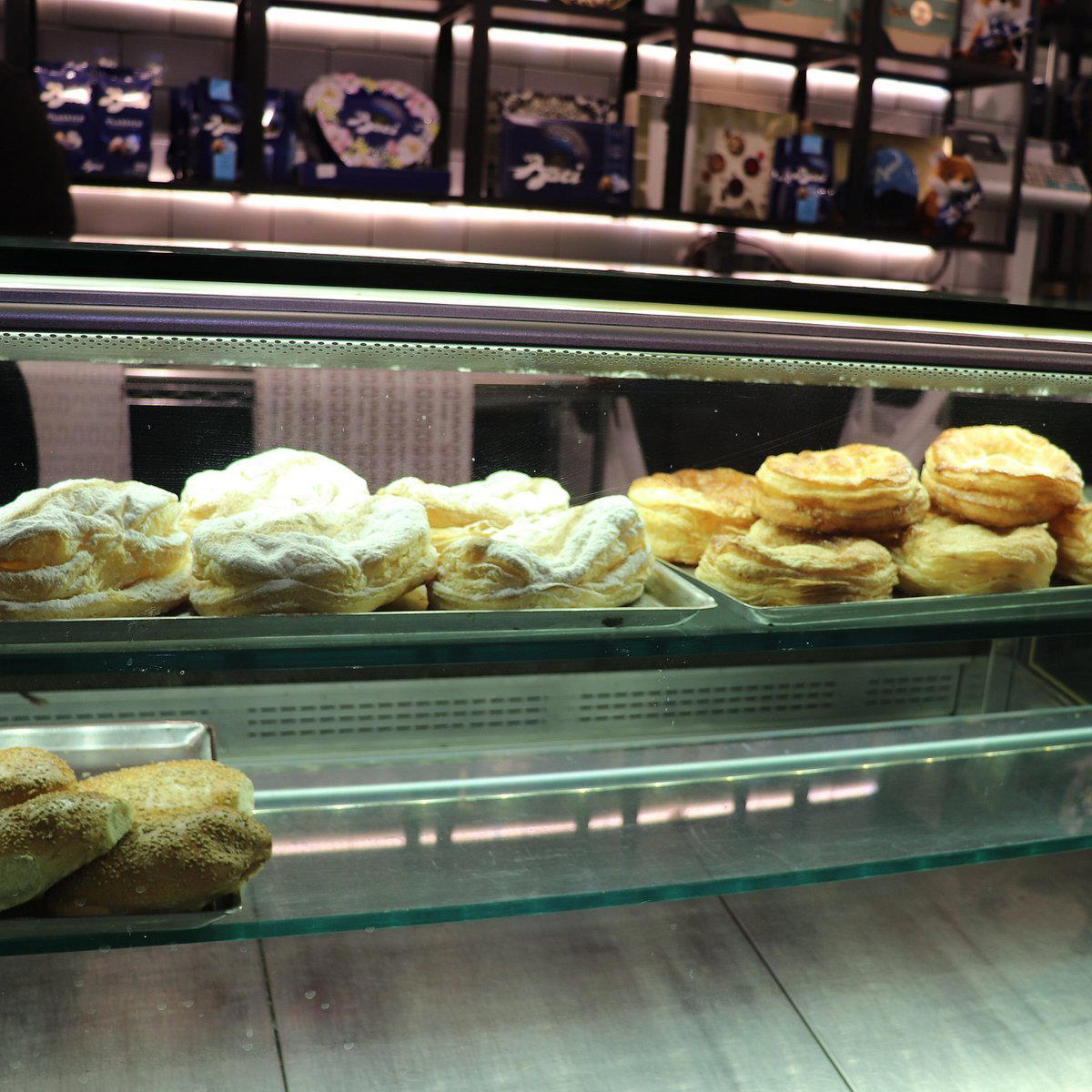
Where the Morning Counter Tells You Everything
Palermo's pasticceria culture runs deeper than most Italian cities care to admit. The Sicilian capital has historically occupied a separate lane from the espresso-bar shorthand of the north, shaped by Arab sugar traditions, Baroque excess, and a street-food economy that treats the morning counter as the day's most serious meal. Via Ernesto Basile, where Pasticceria Massaro operates at numbers 24 and 26, sits in the Libertà-adjacent southern belt of the city, a stretch that tends toward residential regularity rather than tourist concentration. That geography matters: a pasticceria in this part of Palermo answers to a local clientele with long memories and established loyalties, which tends to sharpen standards in ways that high-footfall tourist zones do not.
The physical approach to a Palermo pasticceria of this type follows a pattern immediately legible to anyone who has spent time in the city. Glass cases arranged along a narrow counter, the colour and geometry of the pastry selection doing most of the architectural work, espresso machines steaming at one end, and a small social choreography of standing customers, quick exchanges, and decisive orders. There is rarely ceremony. The transaction is fast, the product is the point, and the room fills with the specific warm density of almonds and citrus that defines Sicilian confectionery at its most concentrated.
The Sicilian Pasticceria in Its Competitive Frame
Within Palermo's pasticceria scene, addresses split broadly between the historic-centre institutions and the neighbourhood stalwarts outside it. The former attract the majority of editorial attention: places like Bar Pasticceria Alba carry the weight of generational reputation and appear consistently in city round-ups. The latter, of which Massaro is an example, operate with lower visibility but often with stronger local fidelity. Neither tier is automatically superior; they serve different moments and different versions of the same city.
The comparison group in this part of Palermo also includes Casa Stagnitta, which leans into a more curated aperitivo and spirits dimension, and the Ancient Saint Francis Focaccia Shop, which anchors the savoury side of the same morning-ritual economy. Massaro's positioning, as a pasticceria operating from a double address on a named street, suggests a level of establishment that goes beyond the smallest neighbourhood bar format, though the specifics of its current programme are not publicly documented in detail.
For those building a broader picture of where Palermo's bar and pasticceria culture sits nationally, the contrast with Italy's cocktail-forward addresses is instructive. Bars like Drink Kong in Rome or 1930 in Milan represent the northern tier of the Italian spirits conversation, operating with formal back bars, technique-led menus, and international recognition. Palermo's leading addresses work from a different premise entirely, where the tradition is older and the format less mediated by contemporary cocktail culture. The Enoteca Picone in Palermo itself provides a useful reference point for what a curated beverage programme looks like when it emerges from the Sicilian wine and aperitivo tradition rather than from bartending competition circuits.
The Spirits and Amaro Dimension
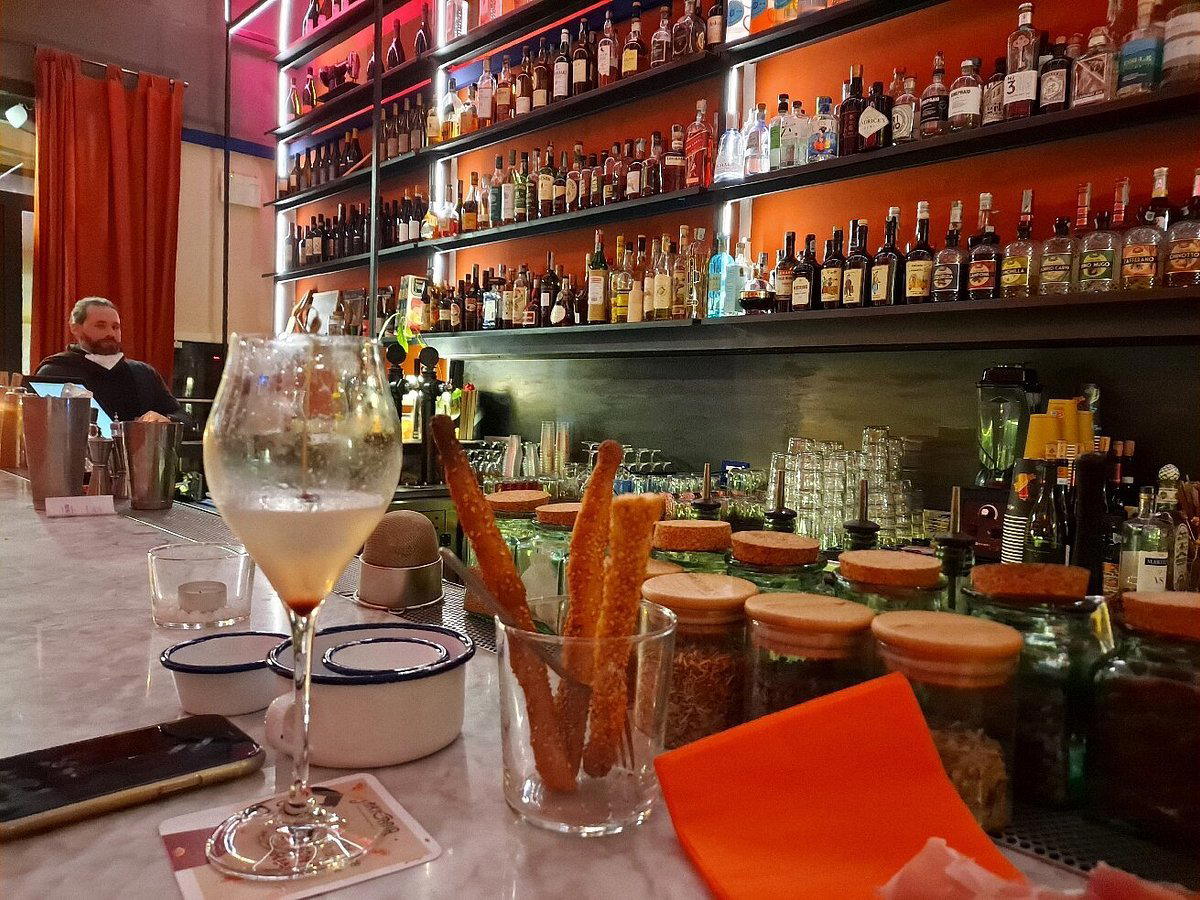
Sicily's relationship with bitter liqueurs and digestivi adds a specific layer to any serious Palermo pasticceria. The island's amaro tradition, drawing on its citrus, herb, and carob agriculture, produces a category of local bottles that rarely appear on the international radar but hold substantial cultural weight in the places that make them. A neighbourhood pasticceria with ambitions beyond the purely sweet counter will often maintain a selection of Sicilian amari alongside the standard grappa and limoncello register. This is the spirits dimension least likely to appear in international press coverage and most likely to reward a conversation with whoever is working behind the counter.
The back-bar logic at addresses like Massaro differs from what you would find at a cocktail-programme bar. There is no emphasis on obscure Japanese whisky or small-batch American rye. The curation, where it exists, tends toward the regional and the generational: bottles that have been on the shelf for years because they belong to the local occasion structure, not because they were selected to signal technical sophistication. In that sense, the comparison is less with Gucci Giardino in Florence or L'Antiquario in Naples and more with the kind of institution that has never needed to explain itself to a visiting journalist. The bottles are there because they are always there.
For international reference points outside the Italian frame, the contrast is equally telling. Bars such as Bar Leather Apron in Honolulu or Lost and Found in Nicosia operate inside the global cocktail conversation with deliberate programme architecture. A Palermo pasticceria occupies different territory: the authority here derives from continuity and local specificity, not from formal bar design or competition recognition.
Planning Your Visit
Pasticceria Massaro is located at Via Ernesto Basile 24/26 in the 90128 postal district of Palermo, south of the Politeama and Libertà areas. The address is reachable on foot from the central hotel belt, though it sits outside the densest tourist circuit, which is part of its character as a neighbourhood address. As with most Palermo pasticcerie, the morning hours carry the greatest concentration of activity and the freshest pastry output; afternoon visits tend toward a quieter register. Booking is not a relevant consideration for a counter-service format of this kind. Current hours, contact details, and any seasonal schedule adjustments are best confirmed directly, as this information is not publicly documented in a form that can be verified here. For a broader orientation to eating and drinking across the city, the EP Club Palermo guide maps the full range of the city's relevant addresses. Those spending time in the eastern Mediterranean region may also find Al Covino in Venice a useful counterpoint for understanding how different Italian cities frame their bar and wine traditions.
Price and Recognition
| Venue | Price |
|---|---|
| Pasticceria MassaroThis venue — the venue you are viewing | This venue |
Continue exploring
More in Palermo
Bars in Palermo
Browse all →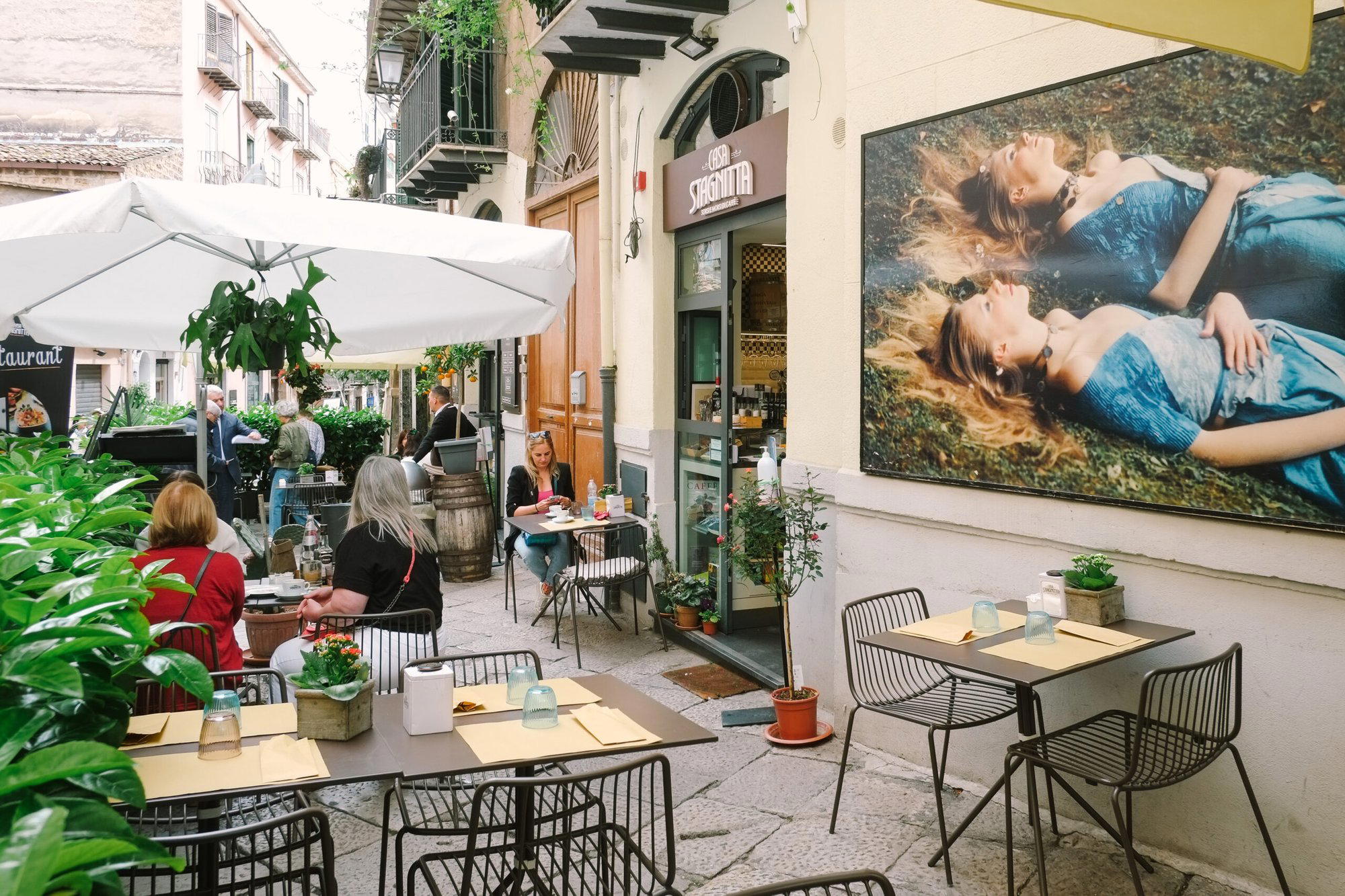
Restaurants in Palermo
Browse all →
Hotels in Palermo
Browse all →
At a Glance
- Modern
- Classic
- Trendy
- Casual Hangout
- After Work
- Group Outing
- Standalone
- Historic Building
- Counter Only
- Standing Room
- Seated Bar
- Conventional Wine
Current opening hours
- Monday
- 6 AM–10 PM
- Tuesday
- 6 AM–10 PM
- Wednesday
- 6 AM–10 PM
- Thursday
- 6 AM–10 PM
- Friday
- 6 AM–10 PM
- Saturday
- 6 AM–10 PM
- Sunday
- 6 AM–10 PM
Hours can change for holidays and private events. Last verified .
Bright, casual, and always full of people; a lively neighborhood spot with a contemporary take on traditional Sicilian pastry shop aesthetics.
Know Before You Go
- Getting there
- Via Ernesto Basile, 24/26, 90128 Palermo PA, Italy