
Falstaff Winery - Listed
Danese is a production-focused family winery in Roncà, shaped by Veneto’s volcanic soils and a portfolio that reaches beyond the region into Puglia and sparkling wine. The interest here is less boutique cellar-door romance than the mechanics of a three-generation Italian producer built around DOC/IGT discipline, export scale, and terroir-led white and red styles.

Pearl is the En Primeur Club membership app — saves, bookings, and concierge access live there. Same editors, same standards.
- Address
- Roncà, Veneto, Italien
- Directions
- Get directions

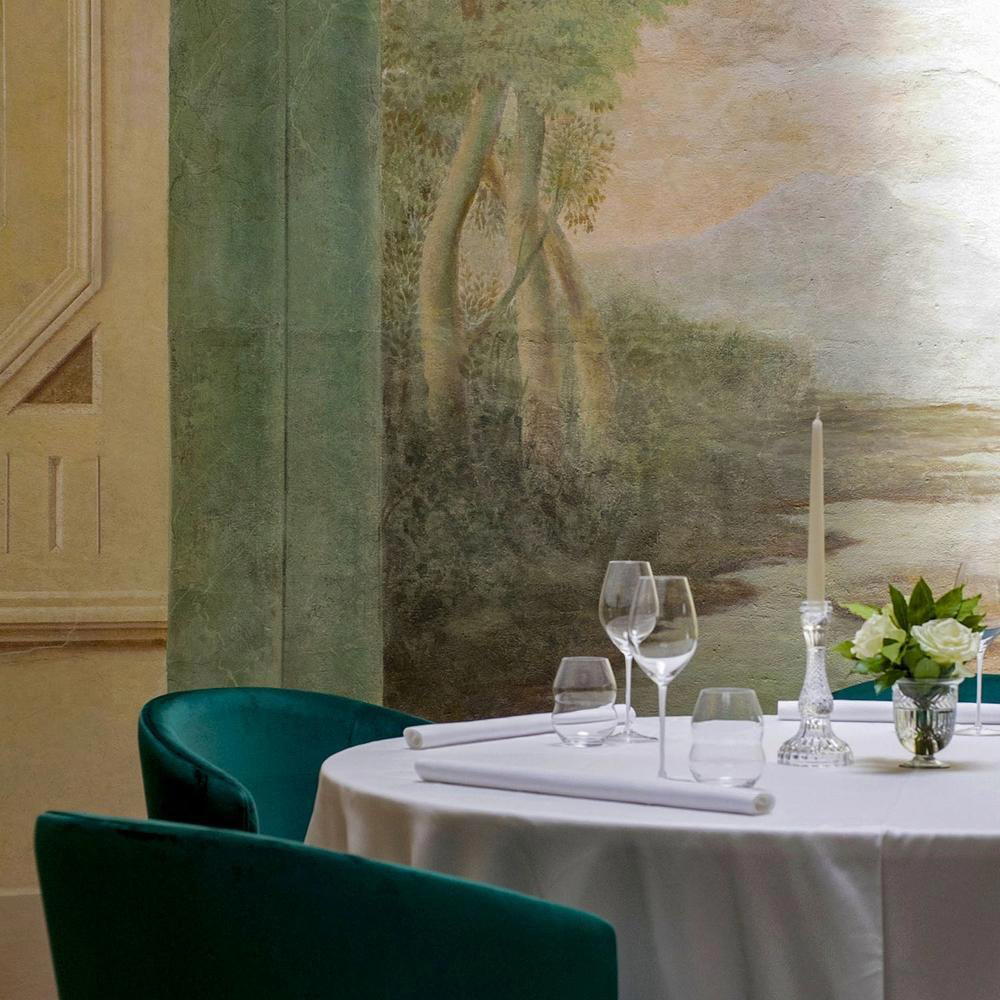
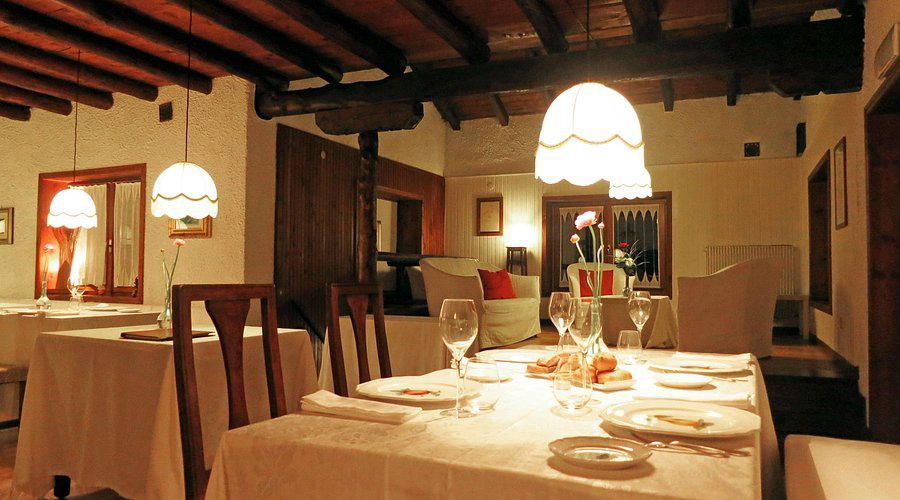
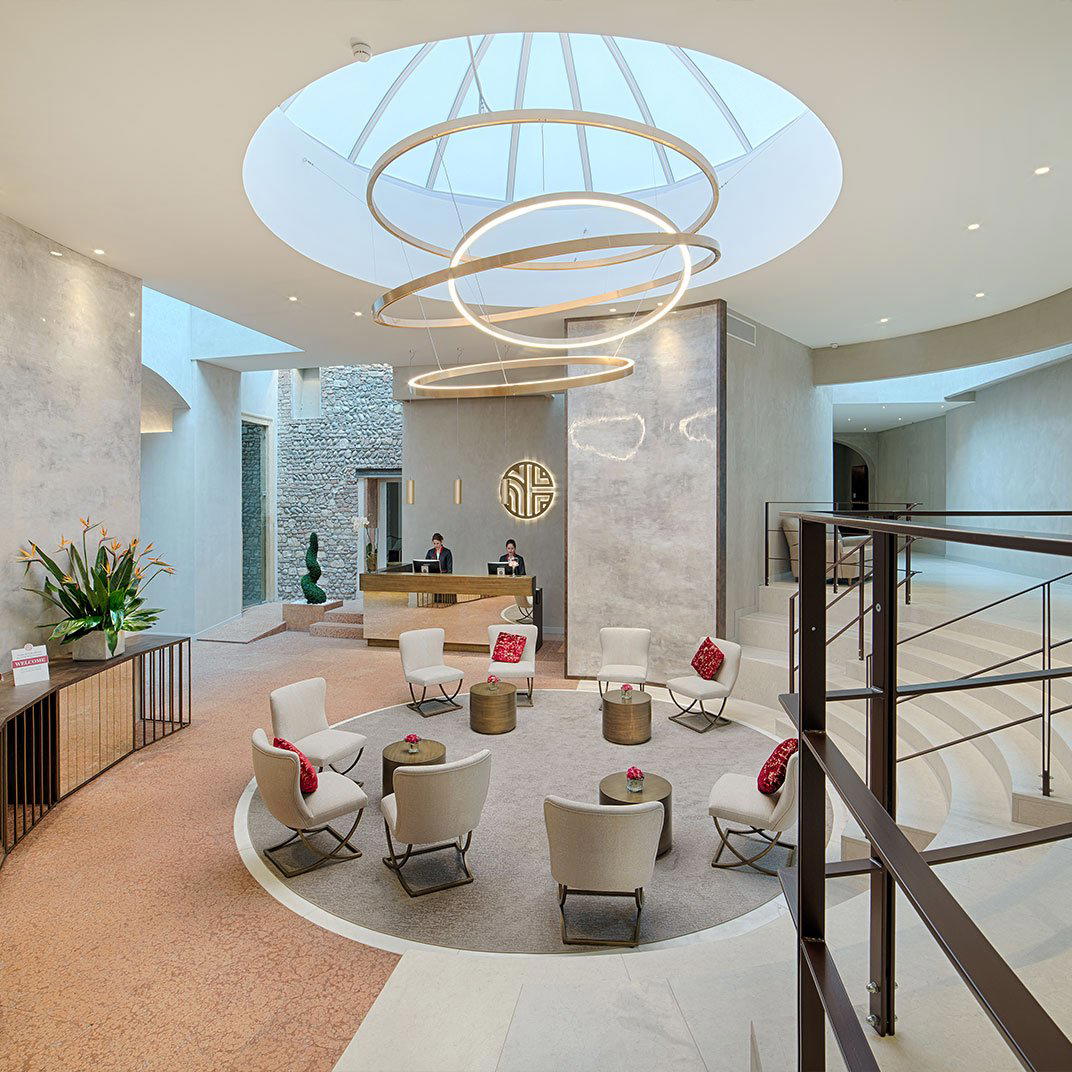
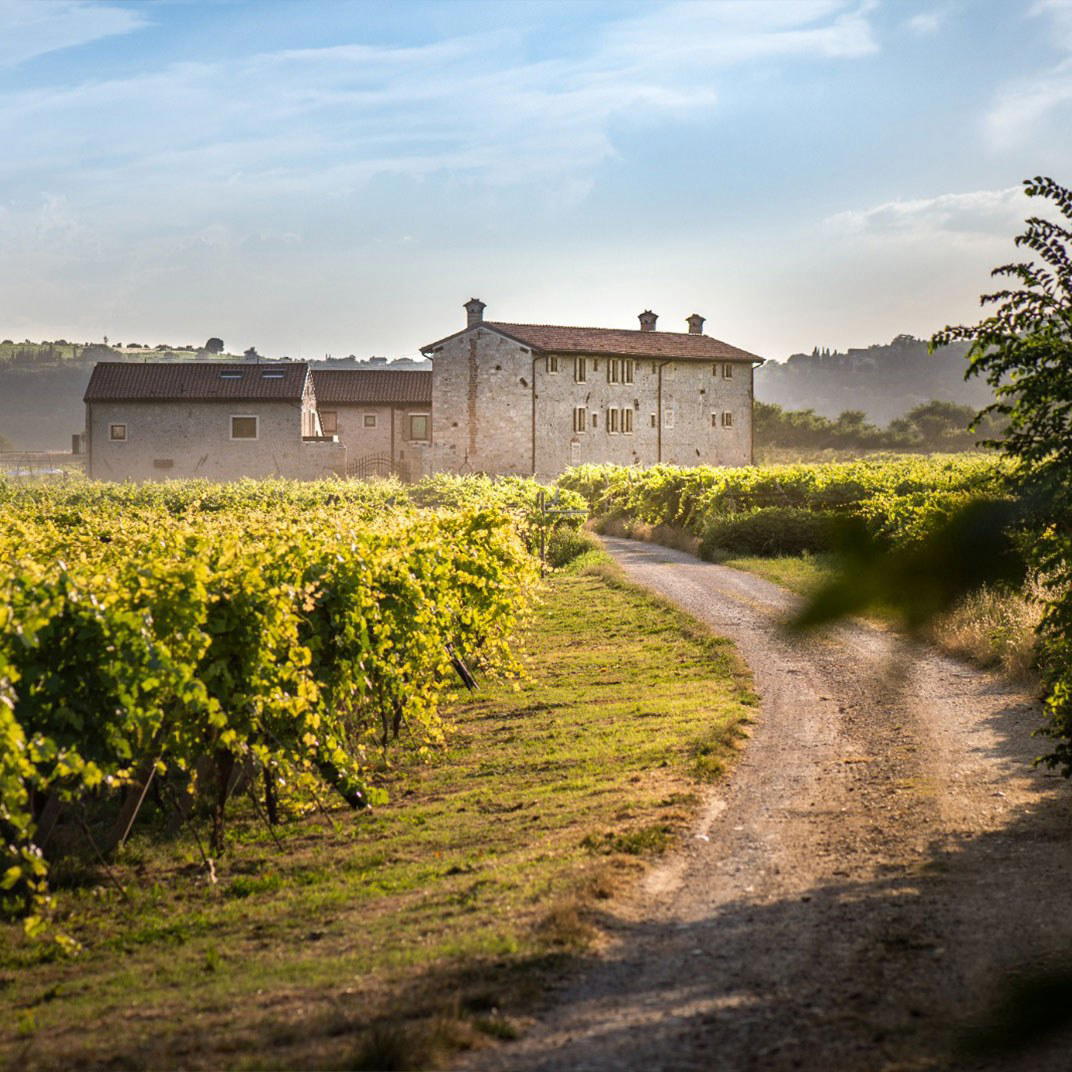
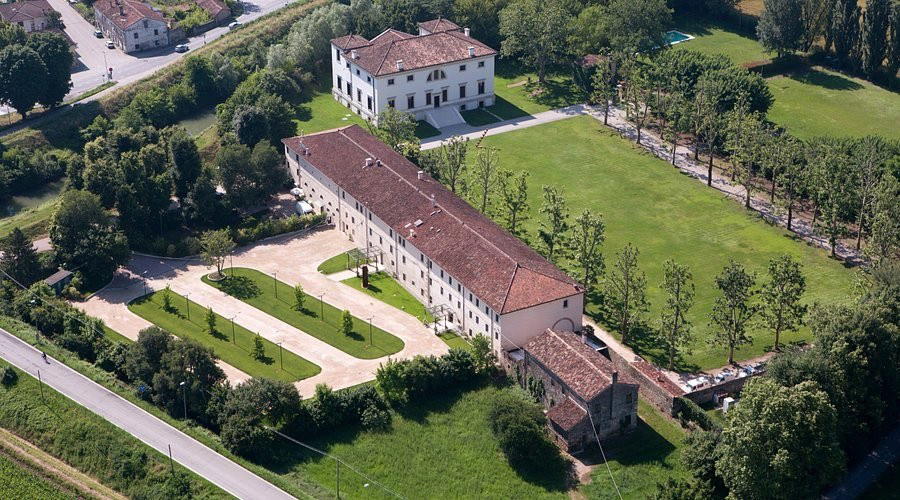
Danese in Ronca is best understood as a family-run commercial winery rather than a boutique tasting-room destination. The picture is practical and production-focused: a modern environment centered on quality Italian wines and export, with a classic, contemporary feel rather than a highly staged visitor experience. That makes it a venue to read through the lens of wine production and business identity, not through the more romantic language often used for small visitor-led estates.
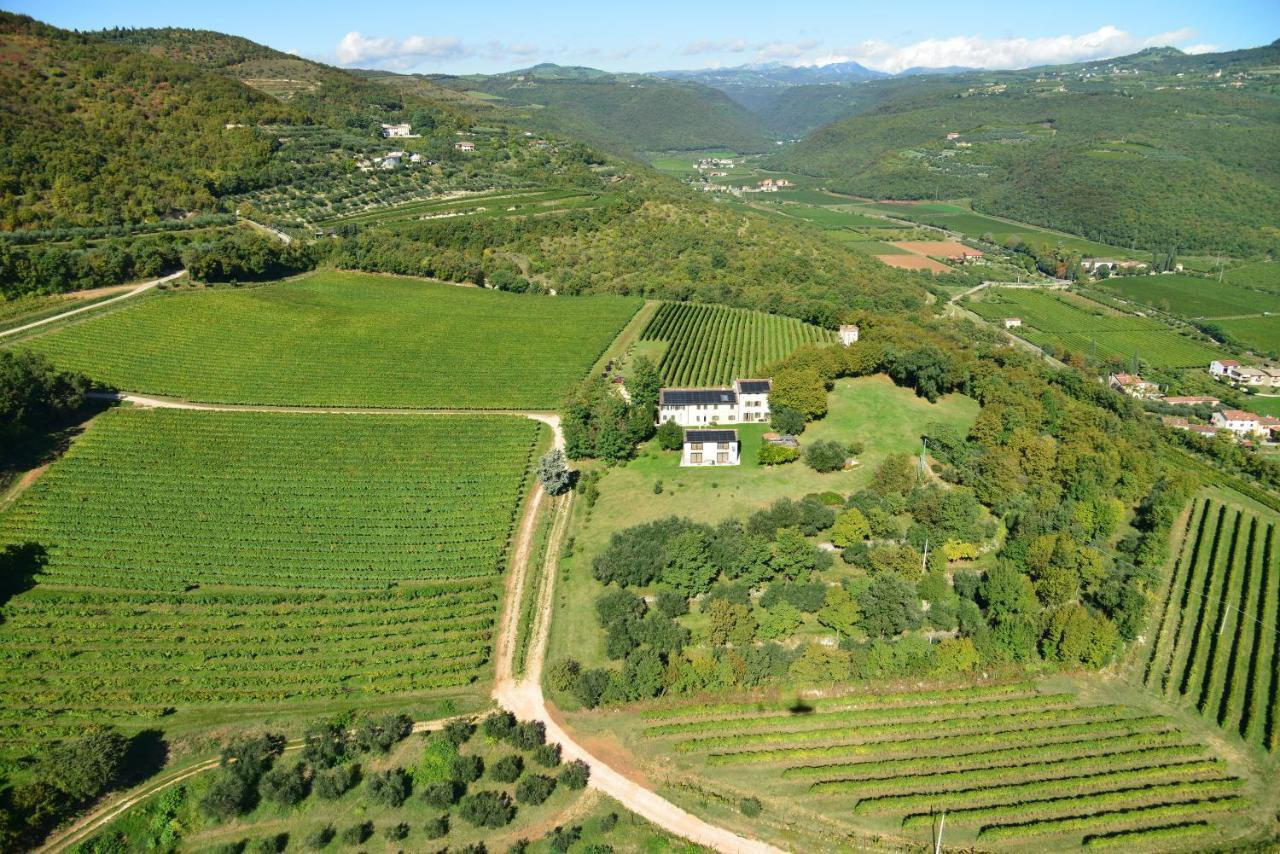
That distinction matters for travelers and planners. Danese is not best framed through claims about a specific appellation, founding date, vineyard setting, menu-style tasting format, or visitor capacity. The grounded profile is simpler: a working Italian wine producer in Ronca, priced at $$, with an export-minded commercial identity.
A practical winery profile
The core appeal of Danese is its production-led character. Instead of presenting it as a small cellar-door fantasy, it is more accurate to describe it as a modern, family-run winery focused on quality Italian wines and commercial distribution. The atmosphere is practical, modern, and classic, with the emphasis on wine production rather than luxury hospitality. In editorial terms, that gives Danese a clean, direct profile: not sparse or anonymous, but defined by function, continuity, and the commercial life of wine.
What can be said with confidence is that Danese belongs in a guide for readers interested in Italian wine businesses that operate beyond a purely boutique setting. Its place is especially clear when the focus is on how a family-run winery can also present itself as modern, export-minded, and commercially organized.
For budget expectations, the price level is $$. That makes the venue easier to place in planning terms without inventing details about bottle prices, tasting fees, lunch service, or special packages. The price marker is best used as a broad planning cue rather than as a promise of any particular format or spend.
A working cantina, not a boutique cellar-door fantasy
The most useful way to understand Danese is as a family-run commercial winery with a practical, modern production environment. It is not presented here as a venue defined by elaborate hospitality, a chef-led food program, or a confirmed tasting-room format. The available facts support a more direct reading: Danese is focused on quality Italian wines and export. That emphasis gives the winery a different kind of relevance from places built primarily around atmosphere, leisure, or highly curated visitor rituals.
This makes the venue relevant for visitors who are curious about the business and production side of Italian wine. Rather than building the story around heritage dates, named leadership, certification systems, or technical cellar practices, the clearer editorial angle is the contrast between a modern commercial wine operation and a boutique visitor-focused estate. For some readers, that contrast may be precisely the point: Danese represents the practical side of Italian wine, where family ownership, production, and wider distribution sit at the center of the identity.
Within that frame, Danese’s style is best described as modern and classic. It is a practical Ronca winery profile for readers who value production context, family-run continuity, and export-oriented Italian wine over decorative luxury. The language should stay measured, because the strength of the listing is its clarity rather than embellishment.
How to place it within a Ronca wine day
Danese can be included in a Ronca plan for travelers interested in a production-minded winery rather than a purely leisure-focused stop. It works well in an itinerary when expectations are shaped around a commercial winery identity and a modern, practical environment, rather than around a long, descriptive tasting sequence or a hospitality experience that has not been established here.
For a broader Ronca plan, compare Danese with other Ronca dining or wine-related options generically rather than relying on unsupported named comparisons. The useful planning question is simple: whether you want a practical, modern, family-run commercial winery focused on Italian wines and export, or a more hospitality-led venue elsewhere in the area. Framed that way, Danese helps clarify the tone of a day: more production-aware and grounded, less dependent on scenic or luxury cues.
Travelers building a wider itinerary can use Danese as a reference point for the production side of Italian wine. Its confirmed strengths are modest but clear: Ronca location, $$ price level, family-run commercial winery identity, quality Italian wines, export focus, and a practical modern environment.
Recognition history
Dated appearances from independent guides and award organizations, with the underlying list record or original source where available.
Falstaff Winery - Listed
Falstaff
Continue exploring
More in Ronca
Wineries in Ronca
Browse all →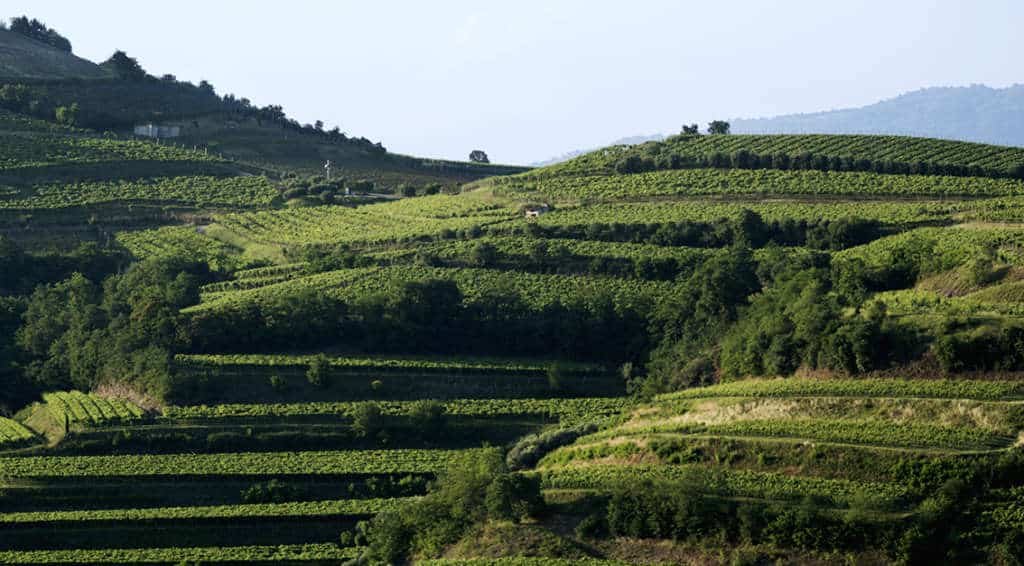
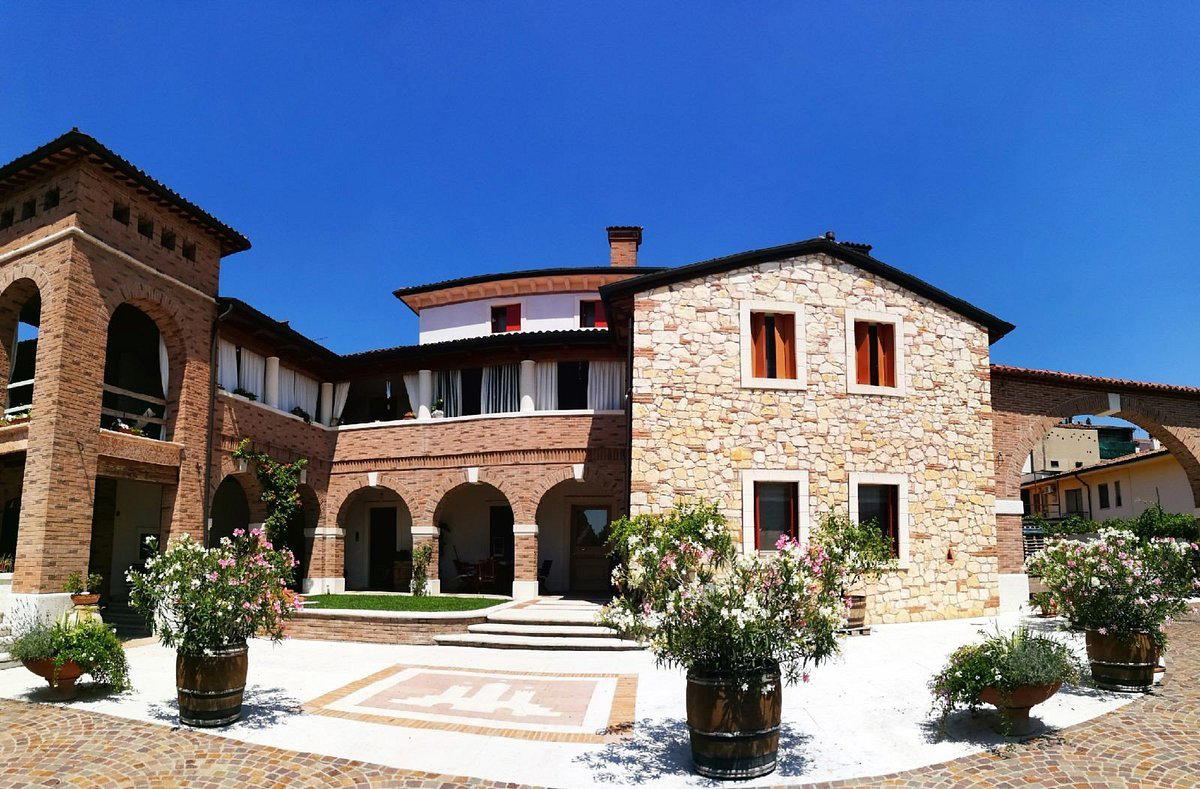
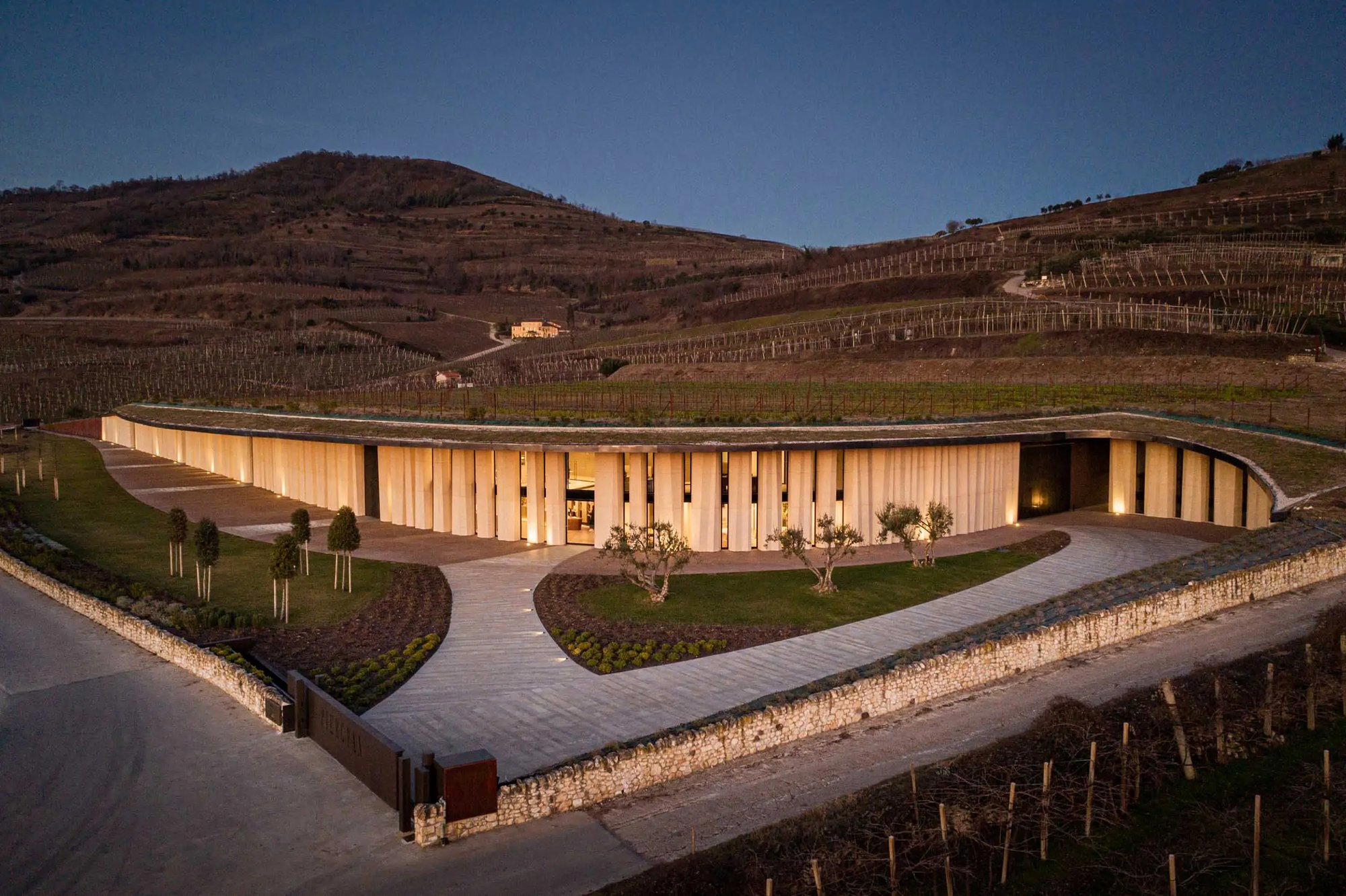
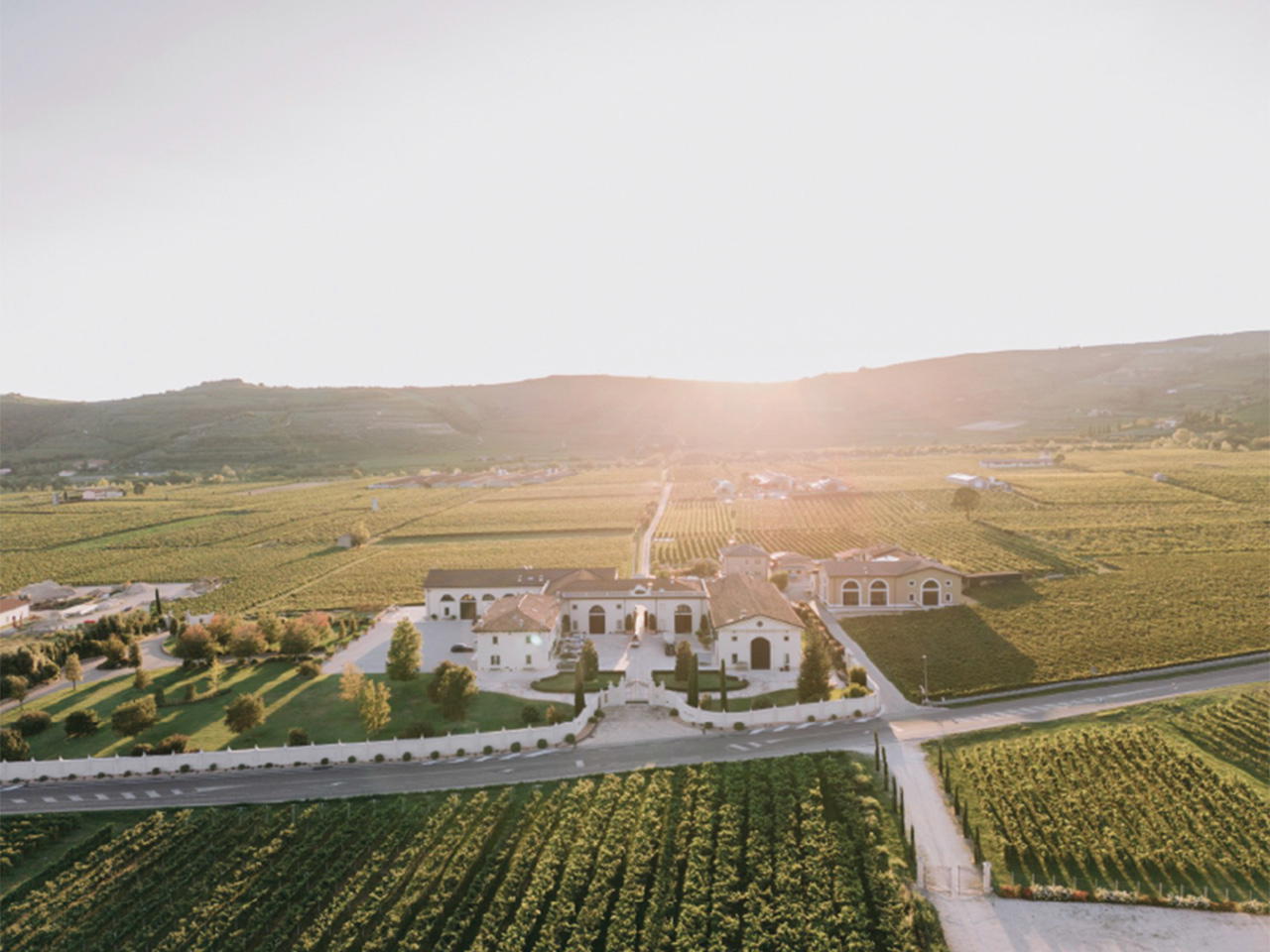
Bars in Ronca
Browse all →
Restaurants in Ronca
Browse all →
Details
- Modern
- Classic
- Corporate Event
- Group Outing
- Wine Education
- Vineyard
- Mountain
- Durella
- Soave (garganega Based)
- Primitivo
- Nero D’avola
- Amarone Blends
- Still Red
- Still White
- Sparkling
Family-run commercial winery focused on quality Italian wines and export, with a practical, modern production environment rather than a boutique tasting-room setting.