
CVNE is a historic Rioja DOCa winery in Haro, built around the train-station quarter that helped shape the region’s export age. The draw is not only the scale of the operation, but the way Rioja Alta’s clay-limestone soils, Atlantic influence and long barrel culture are made legible through cellar architecture, guided tasting formats and a portfolio anchored by Tempranillo, Viura and classic reserva styles.

Pearl is the En Primeur Club membership app — saves, bookings, and concierge access live there. Same editors, same standards.

Arriving in Haro, Compañía Vinícola del Norte de España is best understood as a historic but still working winery environment rather than a purely decorative stop. The draw is architectural and atmospheric: courtyards and barrel rooms form a compact “wine village,” where traditional Rioja architecture sits beside industrial steel structures and modern winemaking spaces. That contrast is the point of the visit as presented here, because the place reads as both inherited and practical, shaped by wine culture but still connected to the physical work of production.
Specific claims about founding dates, vineyard holdings, grape varieties, labels, awards, tour formats, or tasting options are not stated here unless separately confirmed.
Rioja atmosphere through architecture and working-winery scale
The strongest confirmed lens is the environment itself. Compañía Vinícola del Norte de España presents a historic yet active winery setting, with courtyards, barrel rooms, and a sense of movement between traditional masonry and more industrial structures. It is not just a static heritage interior; the description points to a place where older Rioja forms and modern winemaking coexist, so the appeal comes from observing the built fabric of a winery rather than treating it only as a backdrop.
That makes the venue especially relevant for travelers who are interested in how wine culture is expressed through buildings as much as through bottles. The “wine village” character gives the estate a layered feel: exterior spaces, production-oriented rooms, and the famous cellar combine into a broader picture of Haro’s winery identity. The scale matters, too, because a cluster of courtyards and rooms can suggest how a winery becomes a small internal world, with circulation, storage, atmosphere, and architecture all contributing to the visit.
Beyond that, the details should be kept general. The page therefore focuses on the confirmed physical and atmospheric character of Compañía Vinícola del Norte de España in Haro, without stretching into claims about what a specific visit will include.
The Eiffel cellar makes industrial Rioja visible
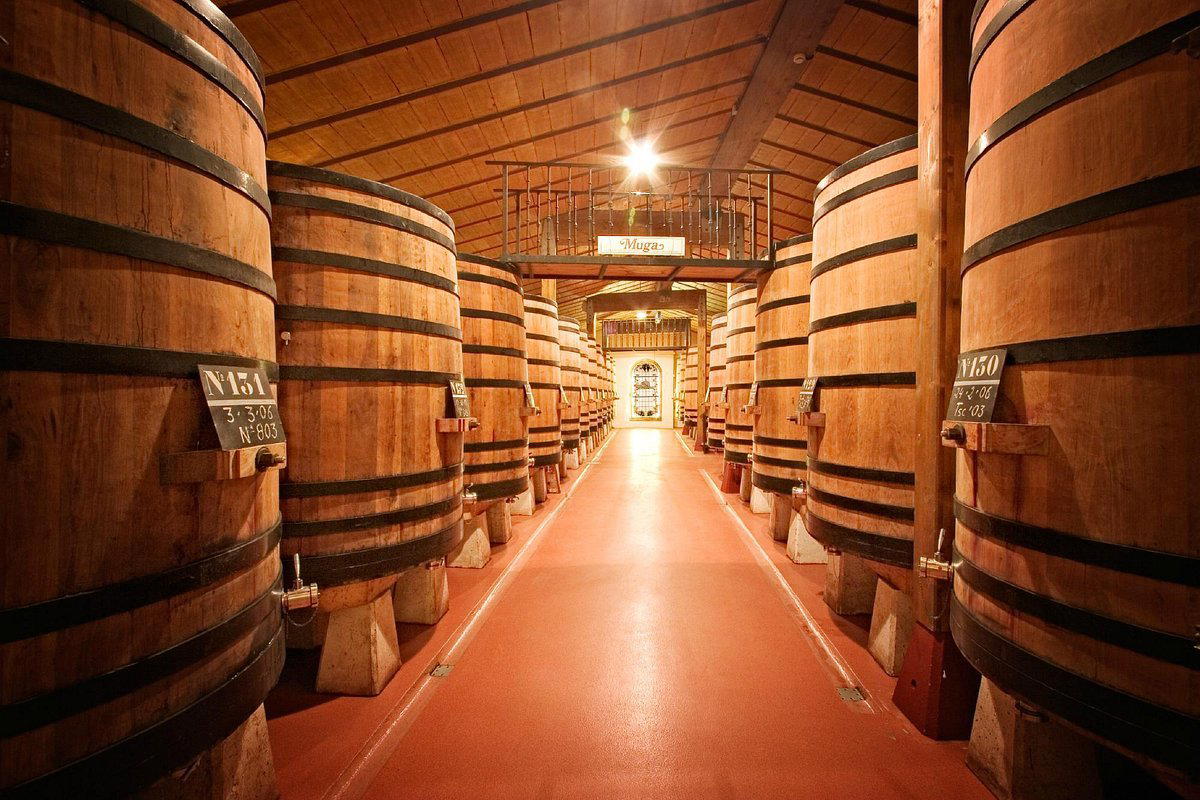
The architectural anchor is the well-known column-free Eiffel cellar. Its importance is not just visual: the absence of columns gives the space a distinctive industrial clarity, turning the cellar into the defining feature of the venue’s identity. For visitors, it is the confirmed centerpiece of the experience, and it gives the winery’s historic atmosphere a sharper structural focus.
The broader setting reinforces that impression. Courtyards and barrel rooms create the feeling of a small wine village, while the mix of traditional Rioja architecture and industrial steel structures shows how heritage and production can occupy the same site. The result is a winery environment that feels historic without being detached from work. Instead of presenting tradition as something sealed off, the site’s character depends on the visible relationship between older architectural language and the practical demands of winemaking space.
Grounded story is simpler and stronger: the winery is a Haro winery whose character rests on the Eiffel cellar, barrel-room atmosphere, courtyards, and the blend of old Rioja architecture with modern winemaking infrastructure. Those elements are enough to define the visit without relying on unsupported lists of labels, accolades, or tasting details.
How to place the visit within Haro
Within Haro, the winery is best positioned as an architectural and winery-culture stop. Rather than ranking it against other unnamed local options, place it in an itinerary as a way to understand how a historic working winery can feel both traditional and industrial. It suits a day planned around atmosphere, structure, and the physical setting of Rioja wine, especially for travelers who like to read a destination through its buildings.
The available price is $25 per person. That caution is important, because the reliable information here supports the case for the place, but not the fine print of how every visit operates.
For the rest of a Haro itinerary, keep dining, lodging, and after-hours planning flexible and verify current details separately. Other dining in Haro can round out the day, but this venue’s own confirmed appeal is the winery setting: courtyards, barrel rooms, the column-free Eiffel cellar, and the meeting point between Rioja tradition and industrial structure. Those features make it most useful as a contextual visit, one that helps frame Haro as a place where wine is experienced through spaces as well as through service.
The editorial case for the winery is clearest for travelers who want Haro explained through place and architecture. The reason to go is not an award, menu, or tasting format, but the grounded experience of a historic working winery built around one of the area’s most distinctive cellar spaces. Approach it with that expectation, and the visit’s value is in the textures already named: the courtyards, barrel rooms, steel, masonry, and cellar volume that together make the winery’s identity legible.
Recognition history
Dated appearances from independent guides and award organizations, with the underlying list record or original source where available.
Falstaff Winery - Listed
Falstaff
Continue exploring
More in Haro
Wineries in Haro
Browse all →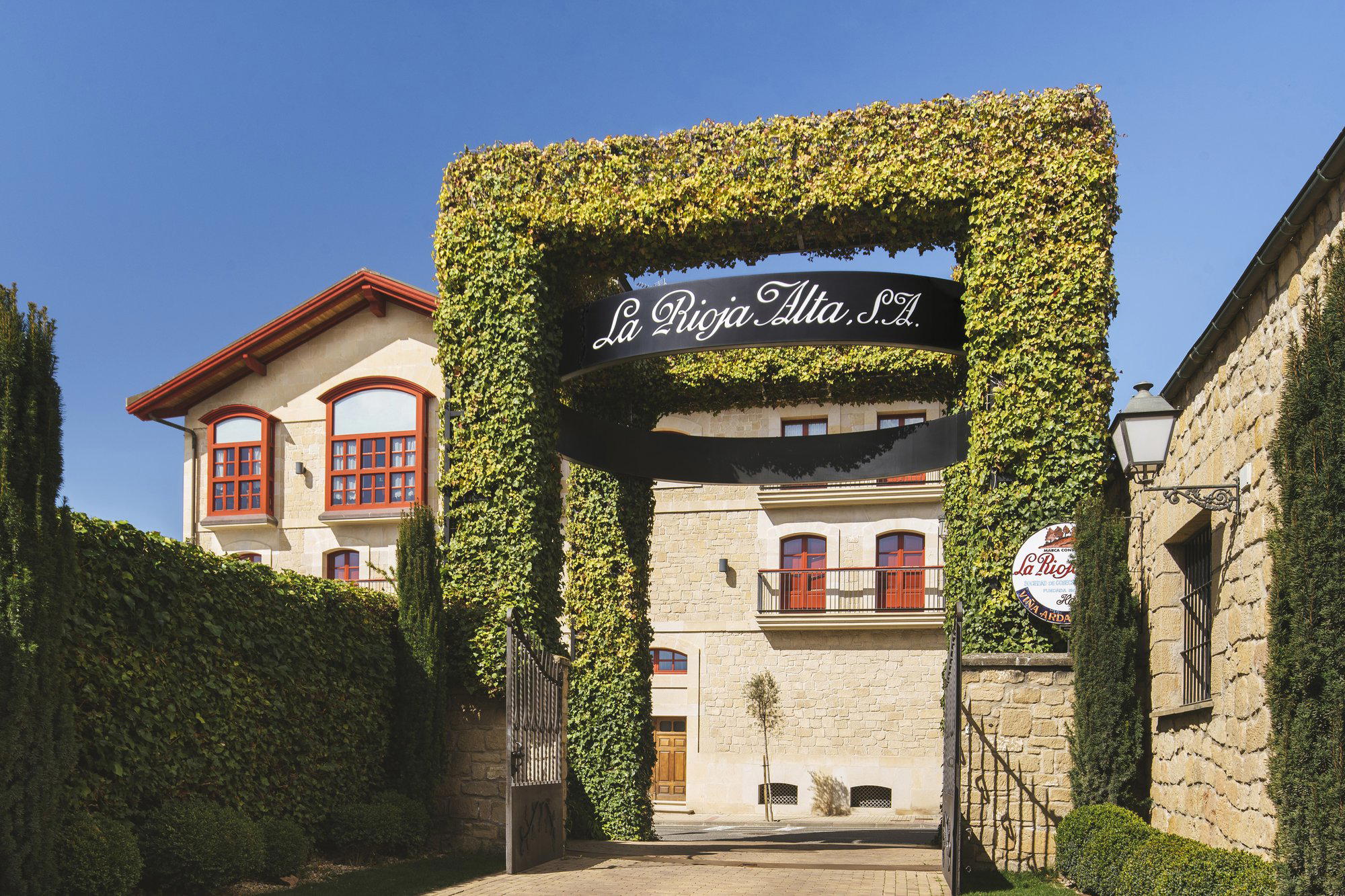
Restaurants in Haro
Browse all →
Hotels in Haro
Browse all →
At a Glance
- Well Known
- Classic
- Scenic
- Industrial
- Sophisticated
- Group Outing
- Wine Education
- Special Occasion
- Romantic Getaway
- Corporate Event
- Solo Exploration
- Barrel Room
- Historic Building
- Estate Grounds
- Panoramic View
- Design Destination
- Sustainable
- Vineyard
- Street Scene
- Rioja Doca
- Tempranillo
- Garnacha
- Graciano
- Mazuelo
- Viura
- Still Red
- Still White
- Sparkling
- Still Rosé
- Dessert
- Guided Tour With Tasting
- Standard Tasting Flight
- Wine And Cheese Pairing
- Cellar Visit
Historic yet working winery environment centered around the well-known column-free Eiffel cellar and a "wine village" of courtyards and barrel rooms, blending traditional Rioja architecture with industrial steel structures and modern winemaking facilities.