
Falstaff Winery - 3 Stars
Clos L’Eglise is a small Pomerol estate for drinkers who read the Right Bank through soil rather than ceremony. Its 5.89 hectares of Merlot and Cabernet Franc sit on clay, gravel, and iron-rich subsoil, yielding structured, age-worthy red wine in a quiet estate format rather than a high-volume tasting-room setting.

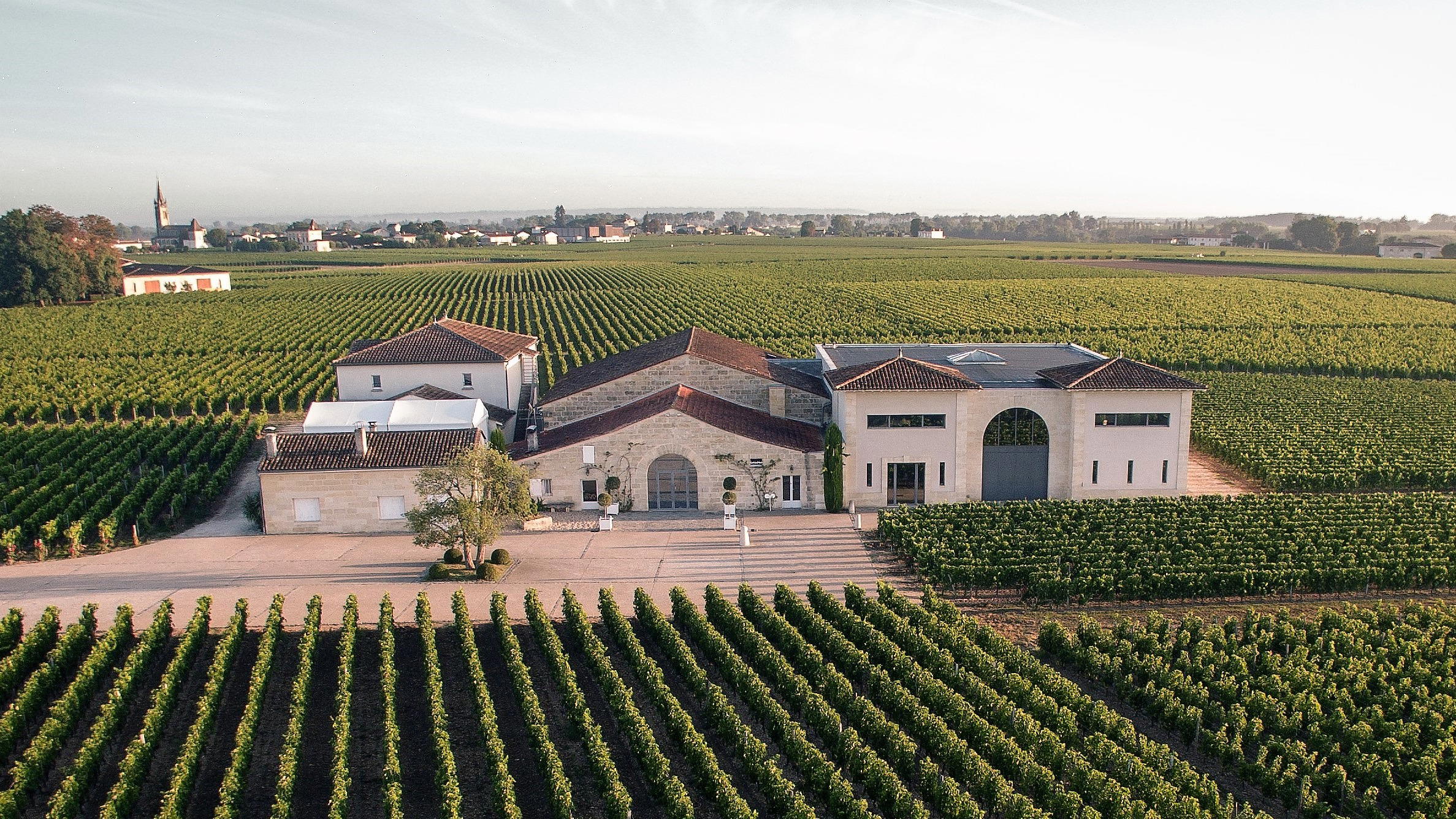
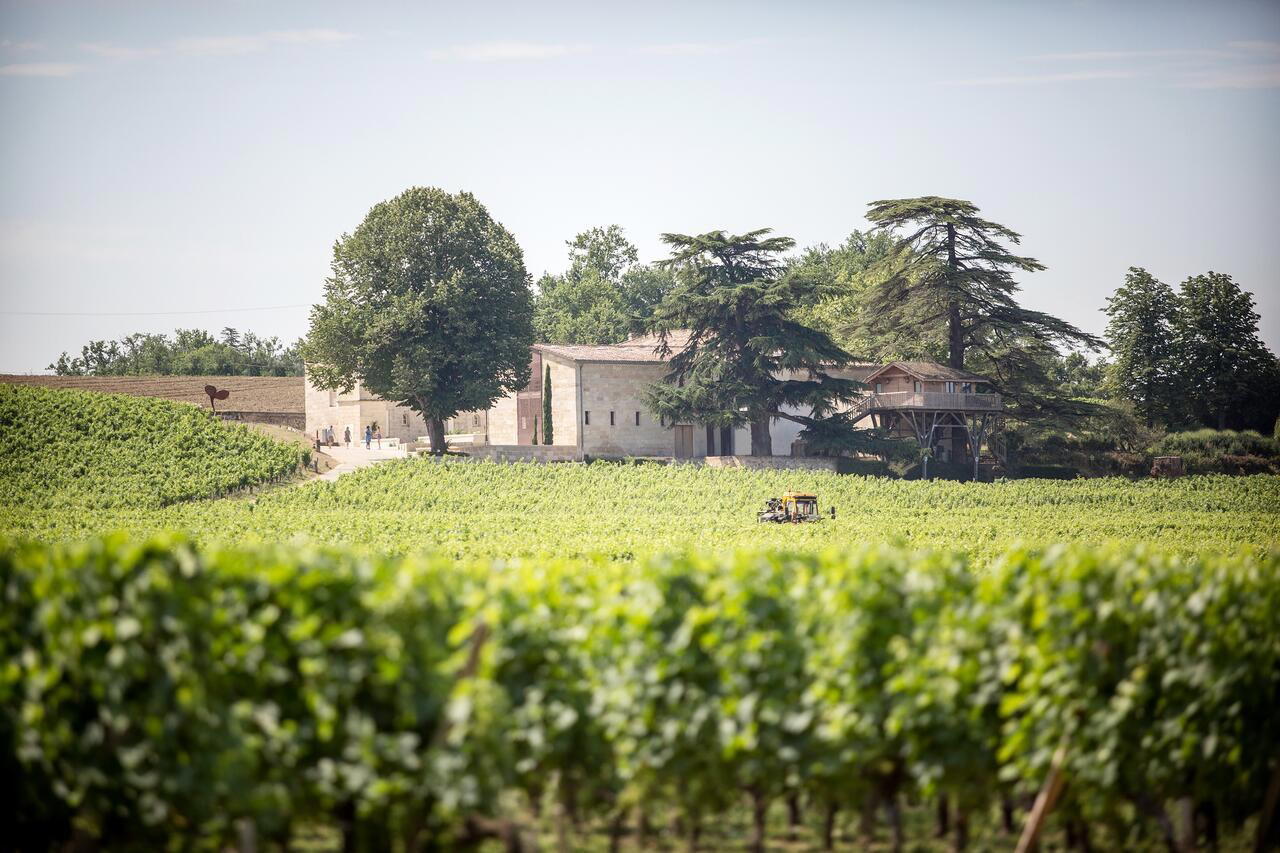
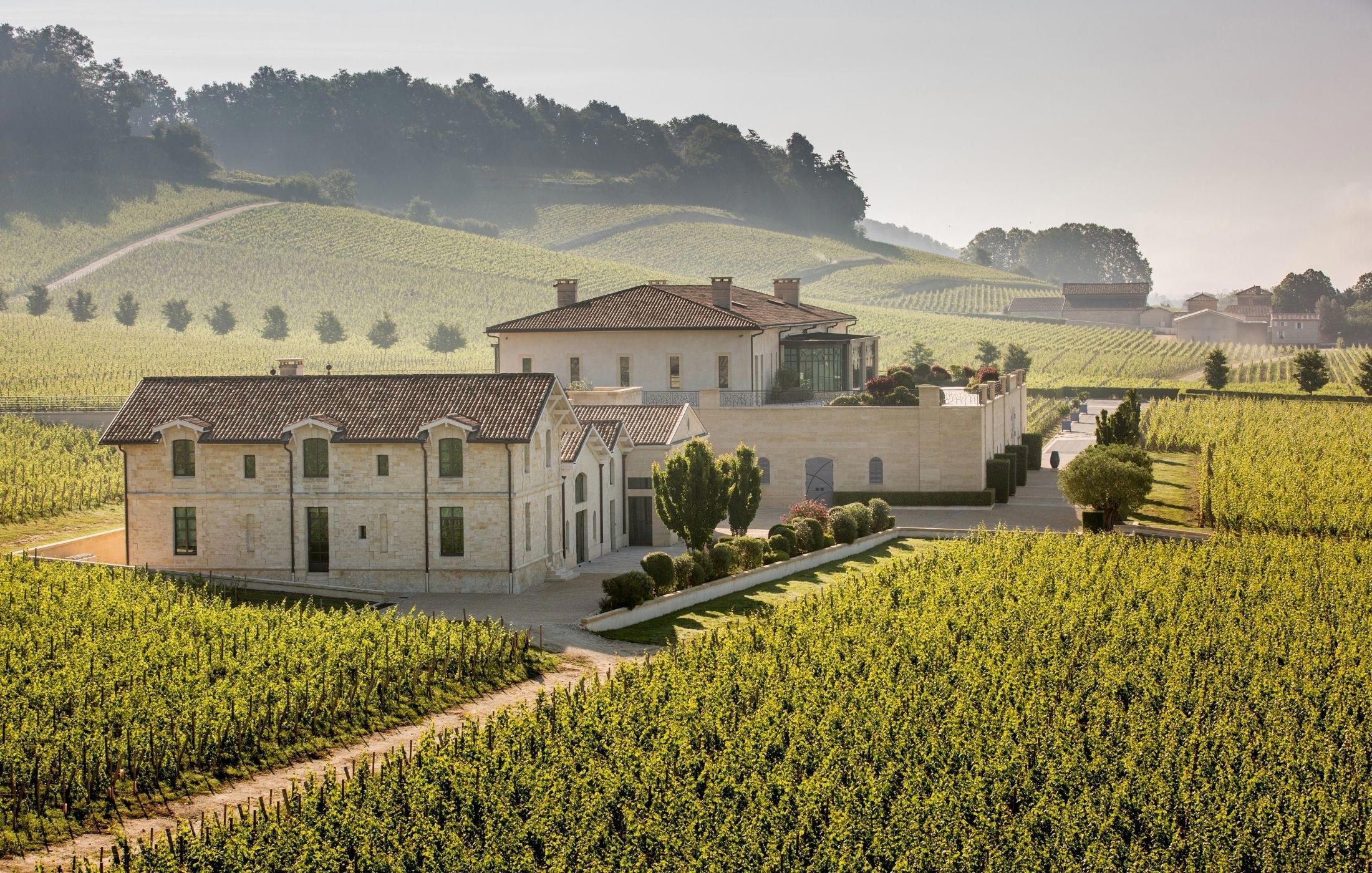
Approaching serious Pomerol is less about spectacle than compression: low buildings, close-planted vines, and a plateau whose reputation rests on what happens underground. Clos L’Eglise belongs to that register. The estate’s character comes from a small 5.89-hectare vineyard planted to 70% Merlot and 30% Cabernet Franc, with clay, gravel, and iron deposits doing the work that limestone performs elsewhere on the Right Bank. This is not a casual cellar-door proposition; it is a vineyard-led address for understanding why Pomerol can make Merlot feel architectural rather than merely generous.
The wider appellation matters here because Pomerol has no formal classification ladder to do the sorting for the drinker. Status is built through parcels, vintages, cellar decisions, critic response, and the long memory of collectors. That makes estates such as Clos L’Eglise useful reference points: small production, clear varietal identity, and a style that asks for bottle age rather than immediate charm. For broader trip planning, pair the estate context with Our full Pomerol wineries guide, then map meals, hotels, and evening options through Our full Pomerol restaurants guide, Our full Pomerol hotels guide, and Our full Pomerol bars guide.
Clay, gravel, and iron give the wine its Pomerol frame
Pomerol’s force comes from Merlot grown on heavier soils, and Clos L’Eglise sits firmly inside that grammar. The vineyard is divided into eight main parcels, with vines planted at 7,150 vines per hectare, a density that pushes competition between plants and supports lower yields. Average vine age is about 35 years, with an older Cabernet Franc parcel dating from the 1940s. Those details matter because they explain the wine’s shape: concentration from the planting density, plush fruit from Merlot, and aromatic lift and line from Cabernet Franc.
The estate’s modern cellar choices reinforce that density rather than soften it into early-drinking gloss. Vinification takes place in eight 55-hectoliter insulated stainless-steel tanks, followed by malolactic fermentation in barrel and 18 to 24 months in 100% new 300-liter French oak barrels. The point is not lightness. Clos L’Eglise sits in the age-worthy Pomerol camp, with its flagship wine generally better after 8 to 10 years in bottle and capable of developing across 10 to 30 years depending on vintage and storage. Esprit de L’Eglise, the second wine, gives the estate a broader register without changing the underlying Merlot-Cabernet Franc identity.
A historic estate shaped by modern Right Bank precision
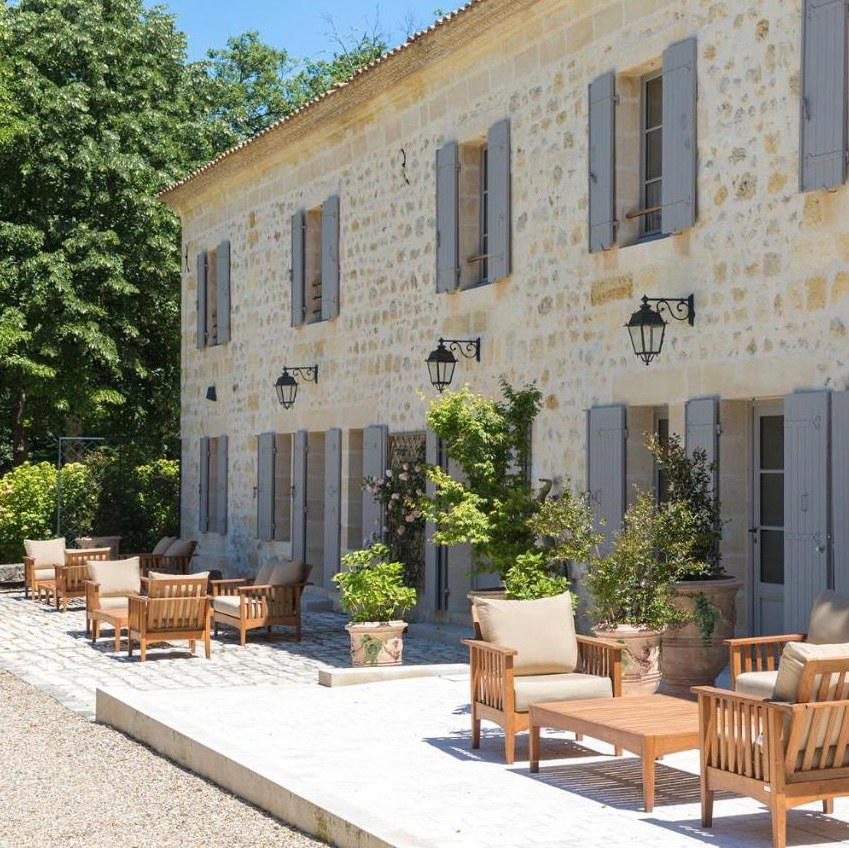
The property’s roots reach back to the 18th century, when the original farmhouse formed part of the larger Gombaude Guillot estate. Its name carries a Pomerol curiosity: “clos” traditionally implies a walled vineyard, yet this estate is among the châteaux using the term without an enclosing wall. The modern inflection arrived in stages: facility redesign under the Moreau family from 1975, then the 1997 purchase by Sylviane Garcin-Cathiard for €12 million, a benchmark transaction for Pomerol at the time. Today the estate sits within Vignobles Garcin, with Hélène Garcin Lévèque associated with the winemaking direction and a history of consulting input from Michel Rolland, Alain Raynaud, and Thomas Duclos.
Critic response places the recent wines in a serious but not inflated frame. Jeb Dunnuck rated the 2021 vintage 92/100, while William Kelley for Robert Parker’s Wine Advocate rated the same vintage 91–93/100. The estate’s production scale, around 2,400 to 2,800 cases of grand vin per year, also matters. In Pomerol, where many properties are small by Bordeaux standards, scarcity is not a decorative claim; it is built into the size of the holdings.
Sustainability is part of the estate’s contemporary identity rather than a side note. The vineyard is farmed organically and holds High Environmental Value Certification Level 3, a French standard tied to environmental performance in agriculture. In a clay-heavy appellation where soil condition and water behavior have direct consequences for ripeness and tannin, farming practice is inseparable from taste. The result is a wine address that suits visitors interested in how viticulture, cellar protocol, and bottle age intersect.
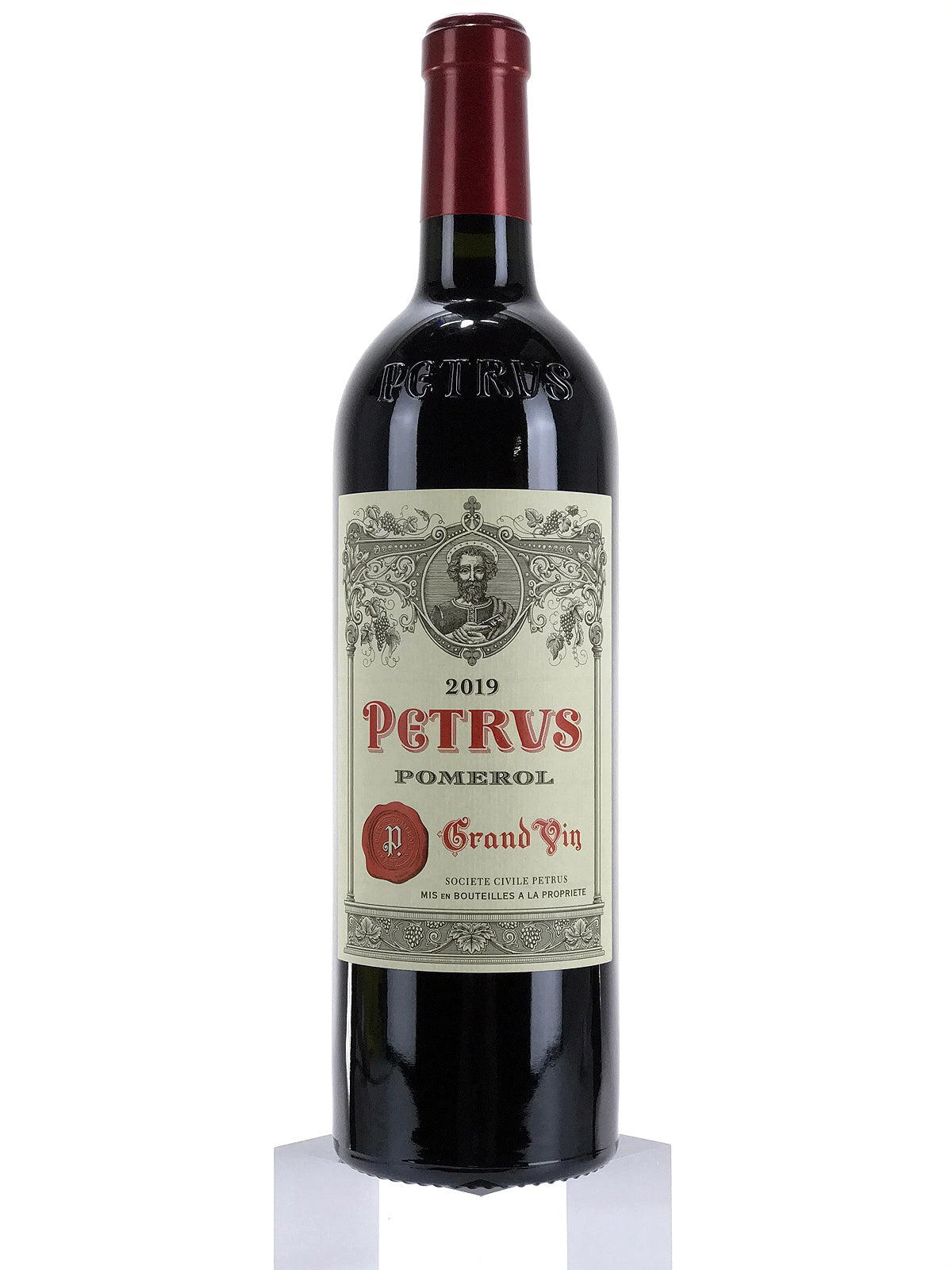
Planning in Pomerol works better when the winery visit is treated as one part of a compact regional itinerary. The estate format is quiet and appointment-led, so travelers should build the day around fewer stops and more context rather than stacking visits. For a wider French wine route beyond Bordeaux, compare the feel of Pomerol with Champagne via A. Margaine in Villers-Marmery, the Languedoc through Abbaye de Fontfroide in Narbonne and Abbotts & Delaunay in Marseillette, or broader European cellar culture at »der Steiner« Hans Steiner in Podersdorf am See and & Handwein in Mannheim. Within Pomerol’s own orbit, itinerary research often begins with names such as Chateau La Croix du Casse, Chateau Petrus, Château Beau Soleil, Château Beauregard, and Château Bel-Air. For non-cellar time, use Our full Pomerol experiences guide.
Frequently asked questions
Is Clos L'Eglise more low-key or high-energy?
It is low-key. Clos L'Eglise in Pomerol is appointment only, set on a quiet historic estate, with a small-capacity format rather than a public-facing tasting room. The mood suits visitors who prefer a measured visit over a crowded stop.
How much does Clos L'Eglise cost?
Pricing at Clos L'Eglise is listed as $$$$.
Where do I go for Clos L'Eglise?
Clos L'Eglise is located at Pomerol, Nouvelle-Aquitaine, Frankreich, Pomerol.
What should I know about Clos L'Eglise before I go?
Clos L'Eglise is a historic family-run Bordeaux estate in Pomerol, with origins in 1700 and vines on clay and gravel soils with iron-rich subsoil. It produces around 2,400 to 2,800 cases of grand vin per year, so the scale stays tight. The address is listed as Pomerol, Nouvelle-Aquitaine, Frankreich.
How hard is it to get in to Clos L'Eglise?
Access is by appointment only, and the estate is small, which makes planning ahead sensible. The production scale of roughly 2,400 to 2,800 cases a year suggests limited availability rather than walk-in traffic. That places it in the more controlled tier of Pomerol visits.
Who tends to like Clos L'Eglise most?
It suits visitors drawn to wine education, special occasions, and solo exploration, especially those interested in Merlot from Pomerol. The estate's quiet setting and historic farmhouse appeal to people who value context as much as the tasting. At $$$$, it sits in a premium bracket.
How should I plan for Clos L'Eglise?
Plan ahead and treat it as an appointment-led visit in Pomerol, not a casual drop-in. The estate has on-site parking, and payment options include credit card. For a smoother visit, allow time for the vineyard-focused setting rather than a quick tasting stop.
Recognition history
Dated appearances from independent guides and award organizations, with the underlying list record or original source where available.
Falstaff Winery - 3 Stars
Falstaff
Enquire about visiting Clos L'Eglise or buying its wine
Visits to Clos L'Eglise are usually kept for the estate's regular buyers and the wine trade. Tell us when you would like to go and a little about how you buy, and we put the request to the estate and reply to you by email. For buying, we source directly from the producer or from a licensed seller we know and vouch for, and tell you the route before you pay.
Continue exploring
More in Pomerol
Wineries in Pomerol
All wineries in Pomerol →
Bars in Pomerol
Browse all →

Details
- Classic
- Elegant
- Well Known
- Intimate
- Sophisticated
- Romantic Getaway
- Special Occasion
- Solo Exploration
- Wine Education
- Estate Grounds
- Vineyard Tour
- Historic Building
- Organic
- Sustainable
- Vineyard
- Merlot
- Cabernet Franc
- Still Red
Current opening hours
- Monday
- 9 AM–12 PM, 2–6 PM
- Tuesday
- 9 AM–12 PM, 2–6 PM
- Wednesday
- 9 AM–12 PM, 2–6 PM
- Thursday
- 9 AM–12 PM, 2–6 PM
- Friday
- 9 AM–12 PM, 2–6 PM
- Saturday
- Closed
- Sunday
- Closed
Hours can change for holidays and private events. Hours as of .
Historic Right Bank Pomerol estate with a classic, vineyard-focused atmosphere; the style of the wines is rich, full-bodied and ornate with ripe plum, chocolate and floral notes, reflecting a serious, age-worthy character rather than a casual tourist venue.