
Champagne Piollot belongs to the grower-Champagne side of the Côte des Bar: rural, small-scale, and driven by vineyard work rather than hospitality theatre. The Polisot estate farms 8.5 hectares organically and biodynamically, with old massal selections, rare Pinot Blanc, mostly undosed bottlings, and a cellar language shaped by Kimmeridgian clay-chalk soils.
Pearl is the En Primeur Club membership app — saves, bookings, and concierge access live there. Same editors, same standards.
- Address
- Polisot, Grand Est, Frankreich
- Website
- piollot.com
- Directions
- Get directions
 Saves & bookings on Pearl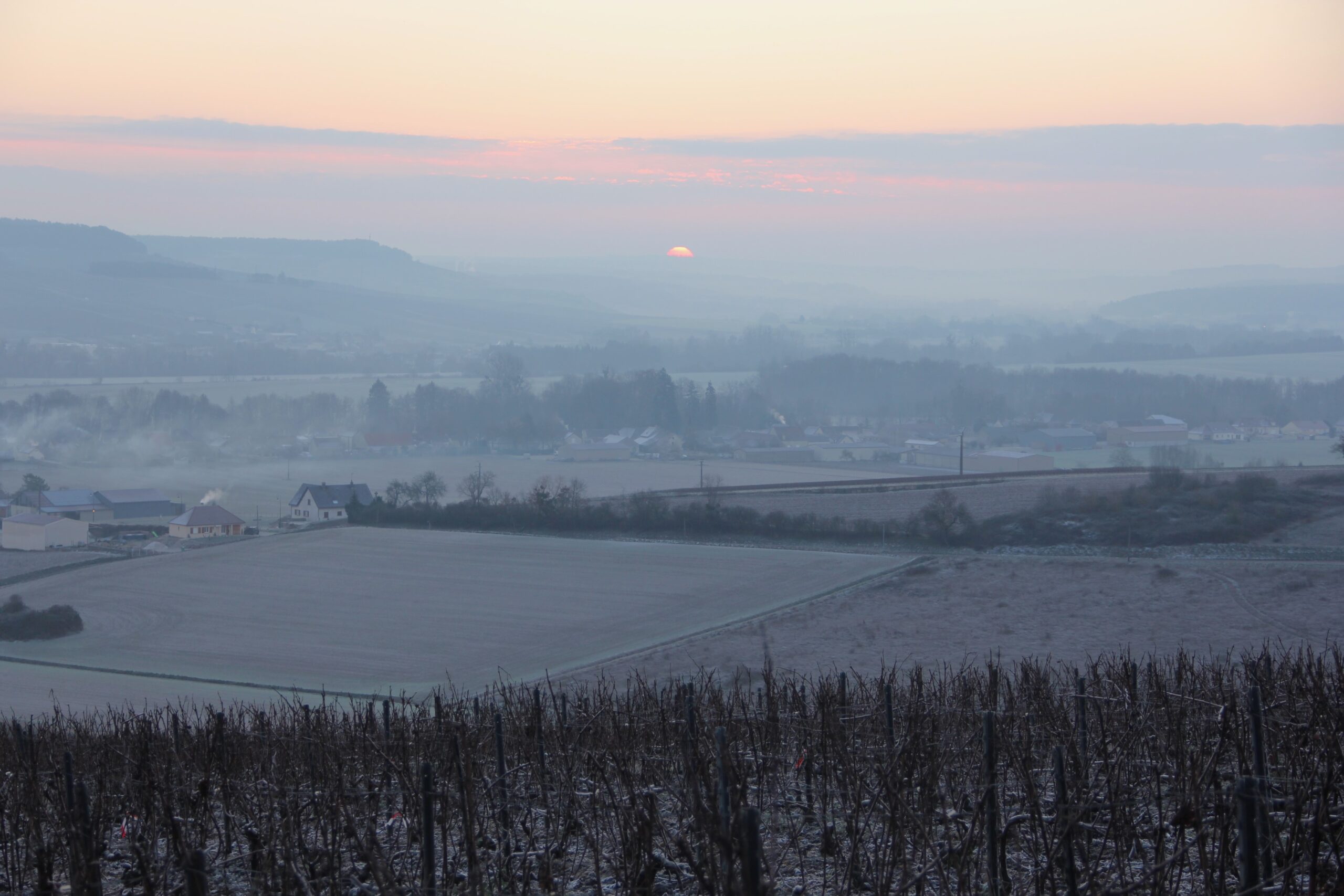
Champagne Piollot is best understood as a small, family-run grower Champagne estate in Polisot. The appeal is not a polished visitor-facing luxury experience, but a quiet village setting shaped by vineyard and cellar work. Its atmosphere is authentic, rural and terroir-driven, with the estate’s identity tied to organic and biodynamic practice. In that sense, it belongs to the more intimate side of Champagne, where the character of the place is read through scale, farming choices and the steady rhythm of a working estate rather than through overt display.
What can be stated clearly is that this is a $$$ grower estate in Polisot whose character is grounded in farming, cellar work and a family-run scale. That narrow description is also its strength: Champagne Piollot does not need to be inflated into something broader than it is. Its value lies in the clarity of that identity, and in the way it points visitors toward a quieter, more agricultural understanding of Champagne.
A rural grower estate in Polisot
Champagne Piollot sits apart from the image of Champagne built around grand houses, branded salons and highly choreographed hospitality. The picture is quieter: a village estate where the work of the vineyard and cellar matters more than polished facilities. That makes it a fit for visitors who value a grounded, agricultural sense of place. The setting should be approached less as a stage-managed stop and more as a working rural address, where the interest comes from proximity to the source of the wine and to the family-run structure behind it.
The estate’s organic and biodynamic orientation is central to how it should be read. Rather than treating Champagne only as a finished luxury product, the winery’s profile points back to the land and the practical work behind the wine. For travellers looking specifically for a rural grower Champagne setting in Polisot, that is the core reason to pay attention. The emphasis is not on adding spectacle, but on understanding that farming choices, cellar work and small-scale continuity form the basis of the estate’s appeal.
Terroir-driven rather than facility-driven
A reliable way to frame the winery is through atmosphere and intent, not through technical claims. The estate is described by its small, family-run scale, its village setting, and its focus on vineyard and cellar work. Those details support a terroir-driven reading without needing to invent figures, varieties, cellar methods or tasting formats. The point is that the available information already gives a coherent impression: this is a place where the vineyard and the work around it are the main lens.
This is also why the winery should not be approached as a general hospitality venue first. The draw is the authenticity of the place: rural, work-focused and connected to organic and biodynamic viticulture. Visitors should expect the experience to feel closer to a working estate than to a highly polished tourism stop. That distinction matters, because it sets the tone correctly. The estate is best appreciated by people who are comfortable with a quieter register, where the lack of overt luxury is not a weakness but part of the character.
Seen this way, the winery is less about a checklist of amenities and more about a particular kind of Champagne identity. The small, family-run scale gives the place a defined personality, while the rural Polisot setting keeps the focus on origin and practice. For some visitors, that may be more compelling than a heavily designed visitor route, because it allows the estate to remain legible as a place of production rather than only a place of presentation.
How to read a visit here
Plan around the fact that the information is intentionally narrow: the winery is a small grower Champagne estate in Polisot, with a $$$ price level and a rural, terroir-led character. Confirm any practical details directly before making plans, including availability, timing, visitor arrangements, languages, payment options or food service. That caution is important because the estate should not be assumed to operate like a broad public hospitality venue. Treat practical planning as something to verify, while keeping the larger reason for interest clear.
For context, one natural comparison is the winery itself rather than a broader set of named venues. If you are building time in Polisot around wine and dining, consider other dining in Polisot generically, but keep the winery in mind as the village’s grower-estate reference point. It is the sort of address that helps frame the surrounding area through wine, farming and family scale, rather than through a long list of separate attractions.
The editorial case for the winery is simple: it offers a quiet, family-run and terroir-driven Champagne estate experience in Polisot, shaped by organic and biodynamic work rather than by polished visitor facilities. Go for the rural authenticity of the place, not for spectacle. Especially satisfying reading among the estate is therefore restrained but clear: the winery stands for a grounded grower Champagne experience, where the appeal comes from place, practice and a sense of working continuity.
Recognition history
Dated appearances from independent guides and award organizations, with the underlying list record or original source where available.
Falstaff Winery - Listed
Falstaff
Continue exploring
More in Polisot
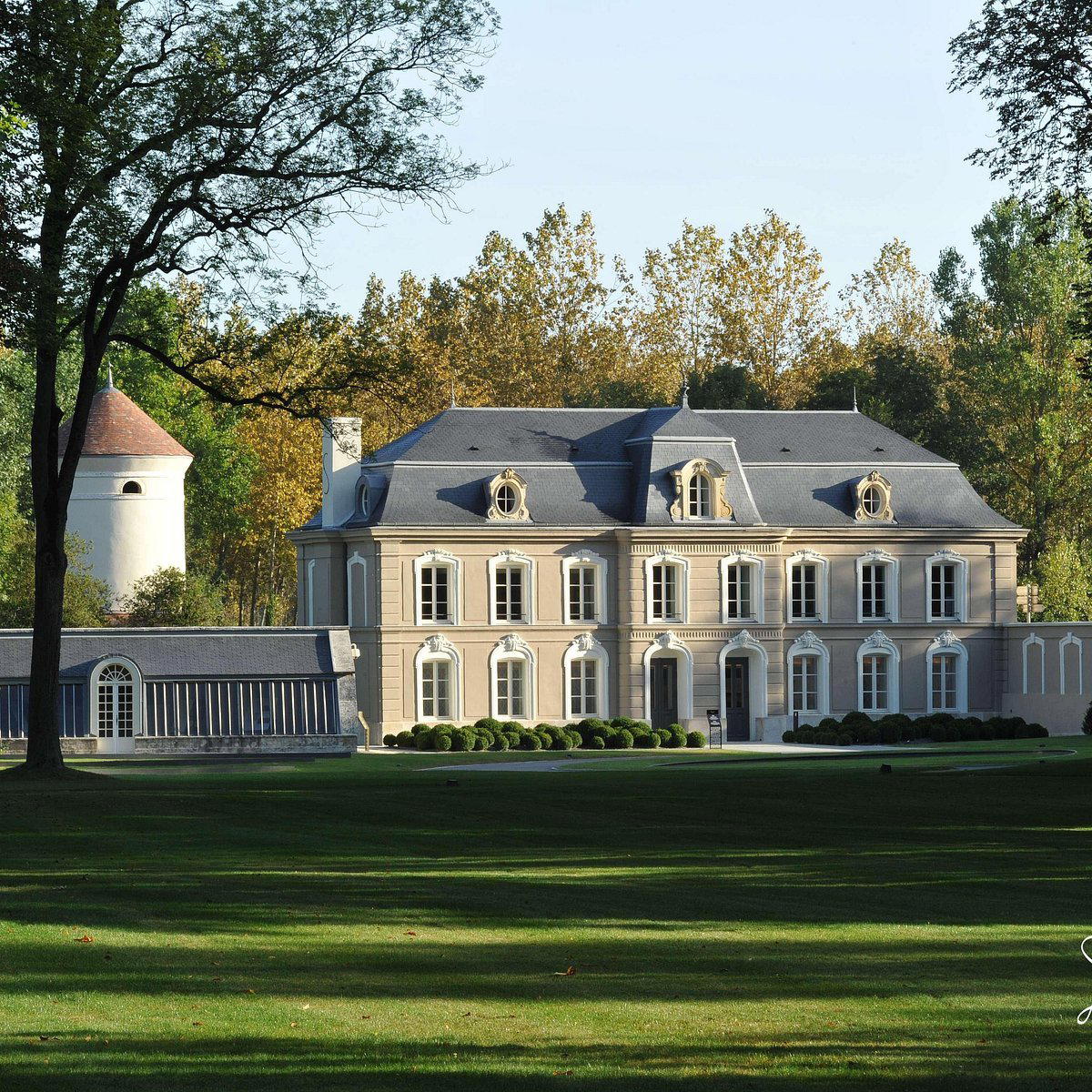
Wineries in Polisot
Browse all →

Bars in Polisot
Browse all →
Restaurants in Polisot
Browse all →
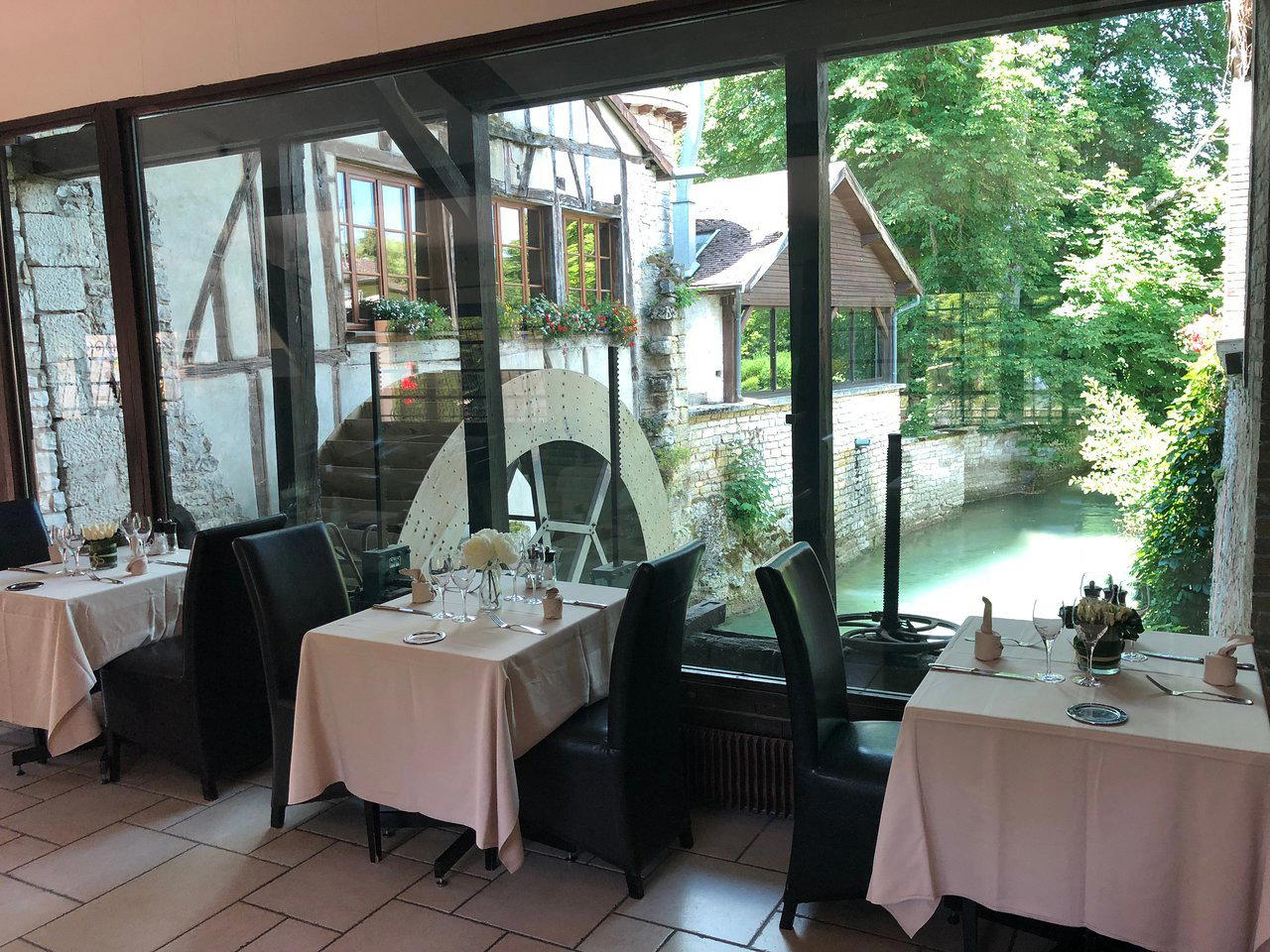
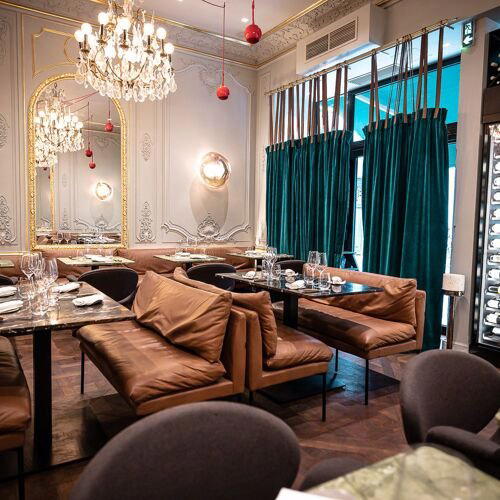
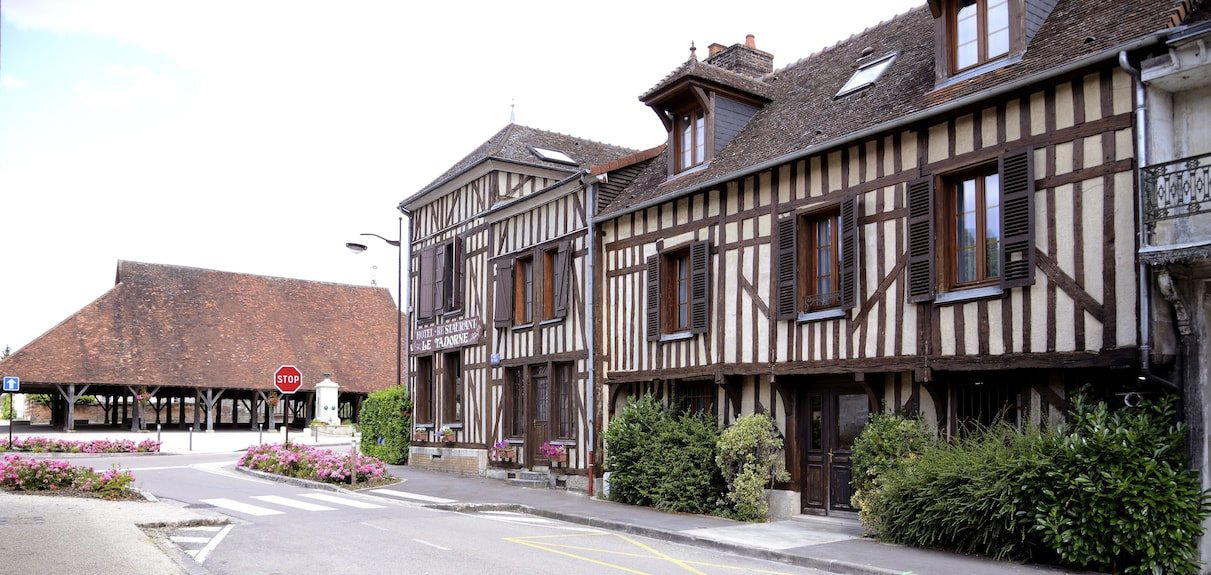
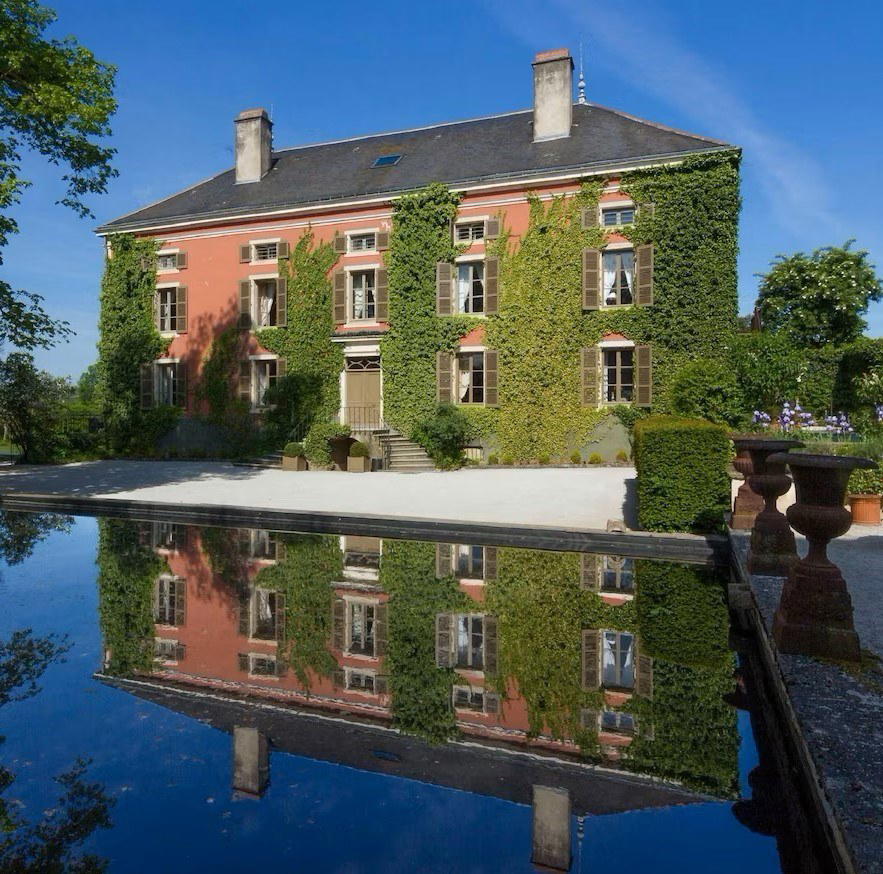
At a Glance
- Scenic
- Rustic
- Classic
- Intimate
- Sophisticated
- Romantic Getaway
- Wine Education
- Solo Exploration
- Group Outing
- Estate Grounds
- Vineyard Tour
- Panoramic View
- Organic
- Biodynamic
- Sustainable
- Vineyard
- Champagne AOC
- Pinot Noir
- Chardonnay
- Pinot Blanc
- Pinot Meunier
- Arbanne
- Sparkling
- Still Red
- Still White
- Estate Tasting
- Vineyard Visit
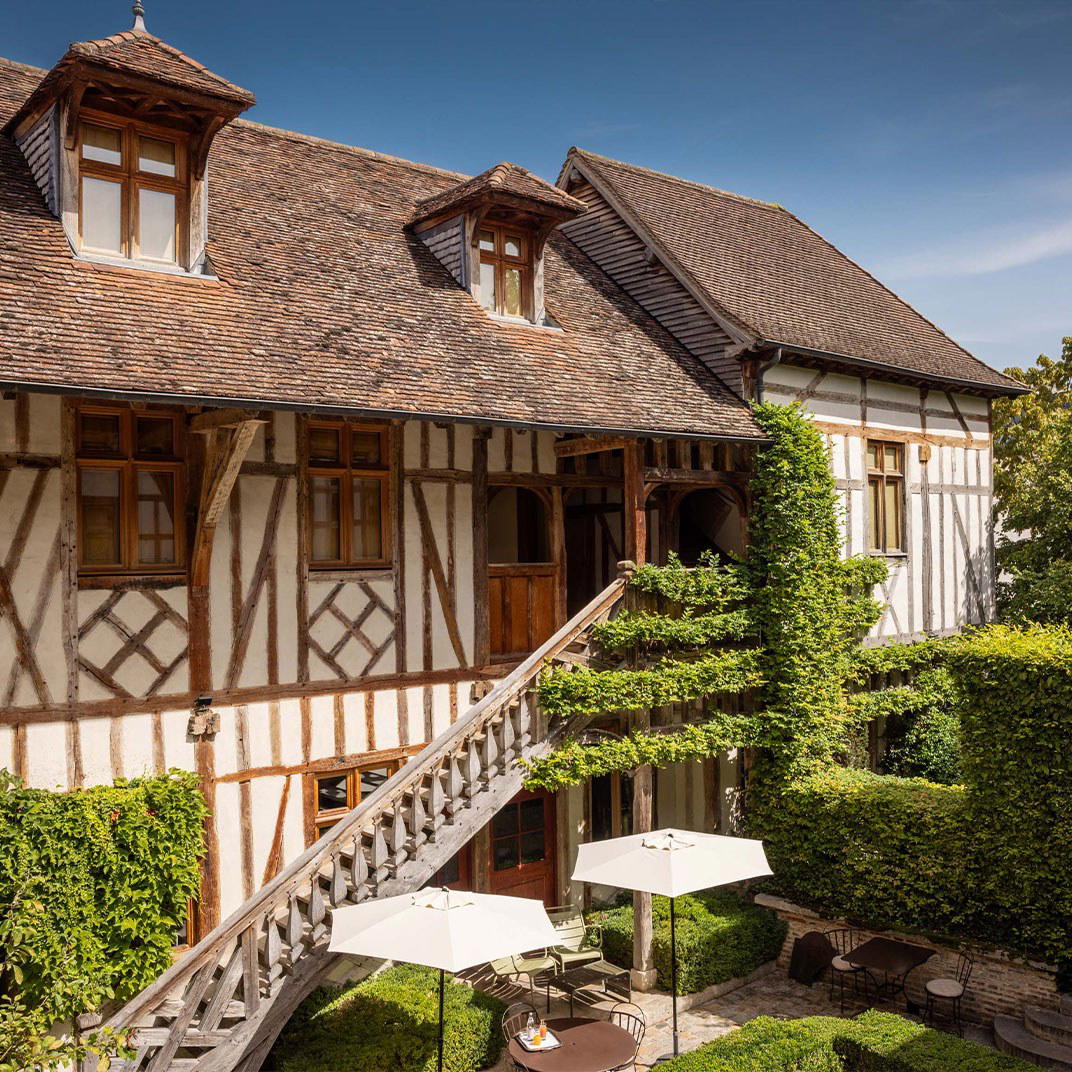
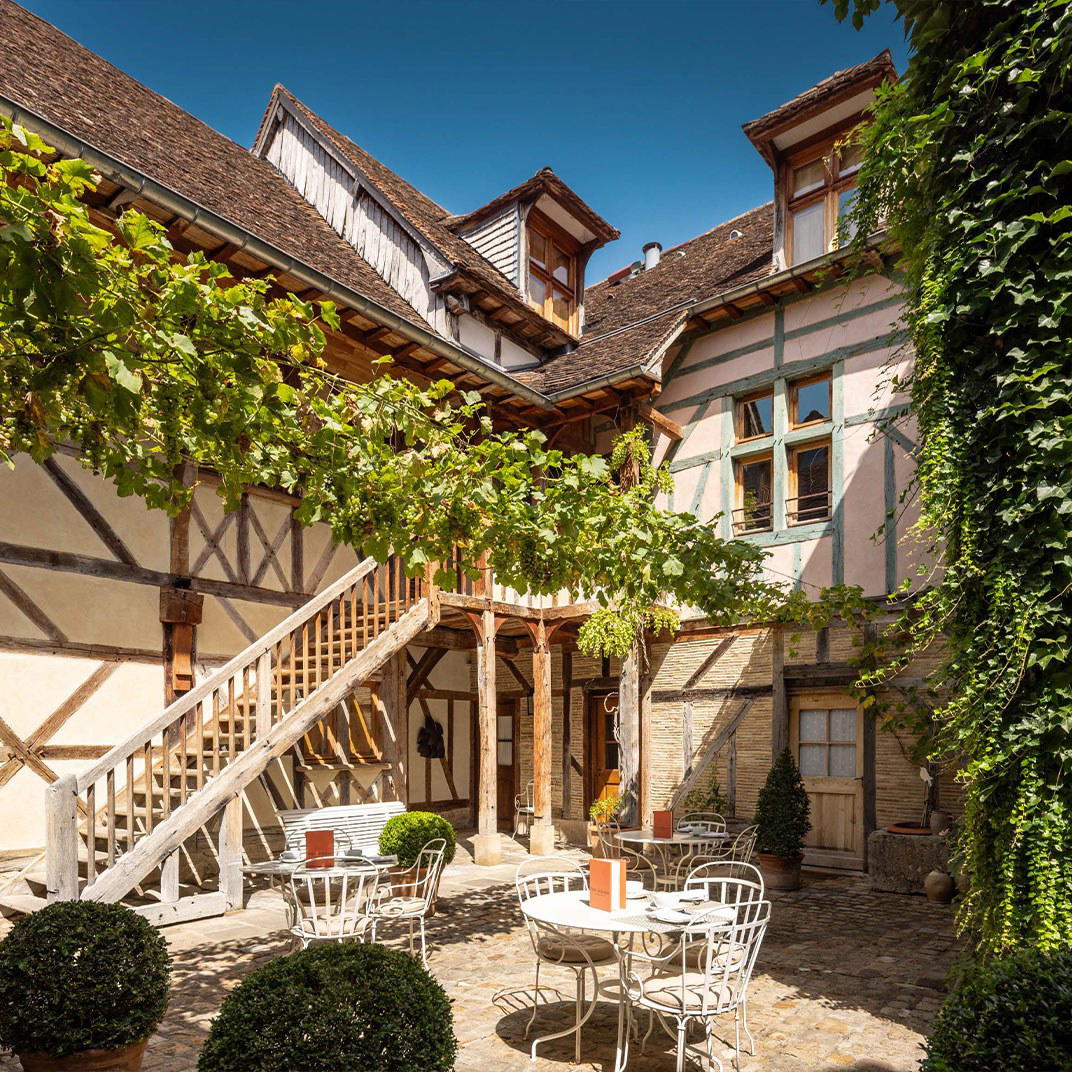
Small, family-run grower Champagne estate in a quiet village setting, with a focus on vineyard and cellar work rather than polished visitor facilities; the atmosphere is authentic, rural and terroir-driven, reflecting organic and biodynamic farming and minimal-intervention winemaking.