Château Saint-Robert Poncet-Deville

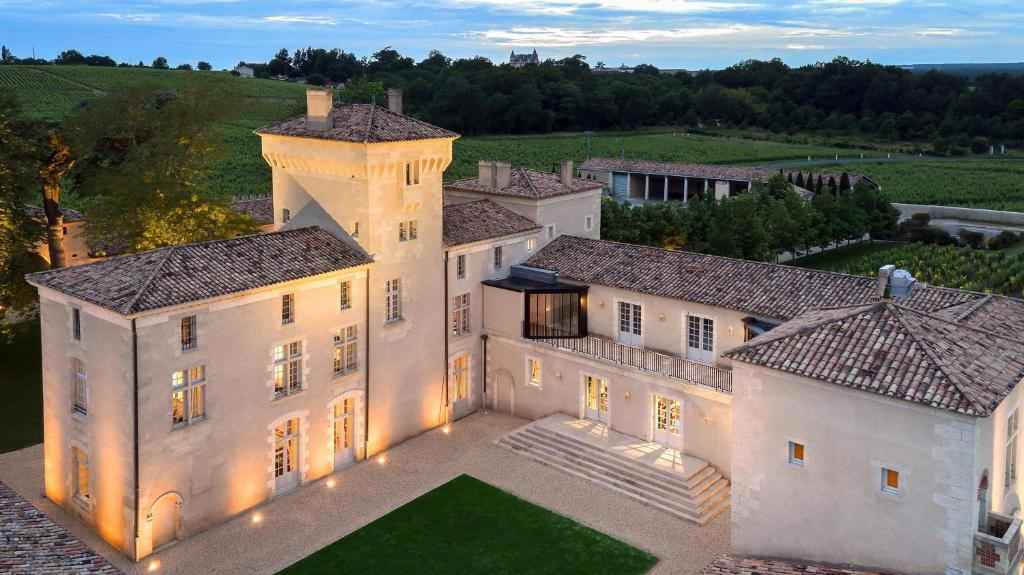
Château Saint-Robert Poncet-Deville sits in Pujols-sur-Ciron, where Graves gravel, the Ciron River influence, and the edge of Barsac shape a Bordeaux estate focused on still red and white wines. Its appeal is terroir-led rather than hospitality-led: organic production, a vineyard setting, and Cuvée Poncet-Deville in both red and white styles give the visit its substance.
Pearl is the En Primeur Club membership app — saves, bookings, and concierge access live there. Same editors, same standards.
- Address
- Pujols-sur-Ciron, Nouvelle-Aquitaine, Frankreich
- Directions
- Get directions
 Saves & bookings on Pearl
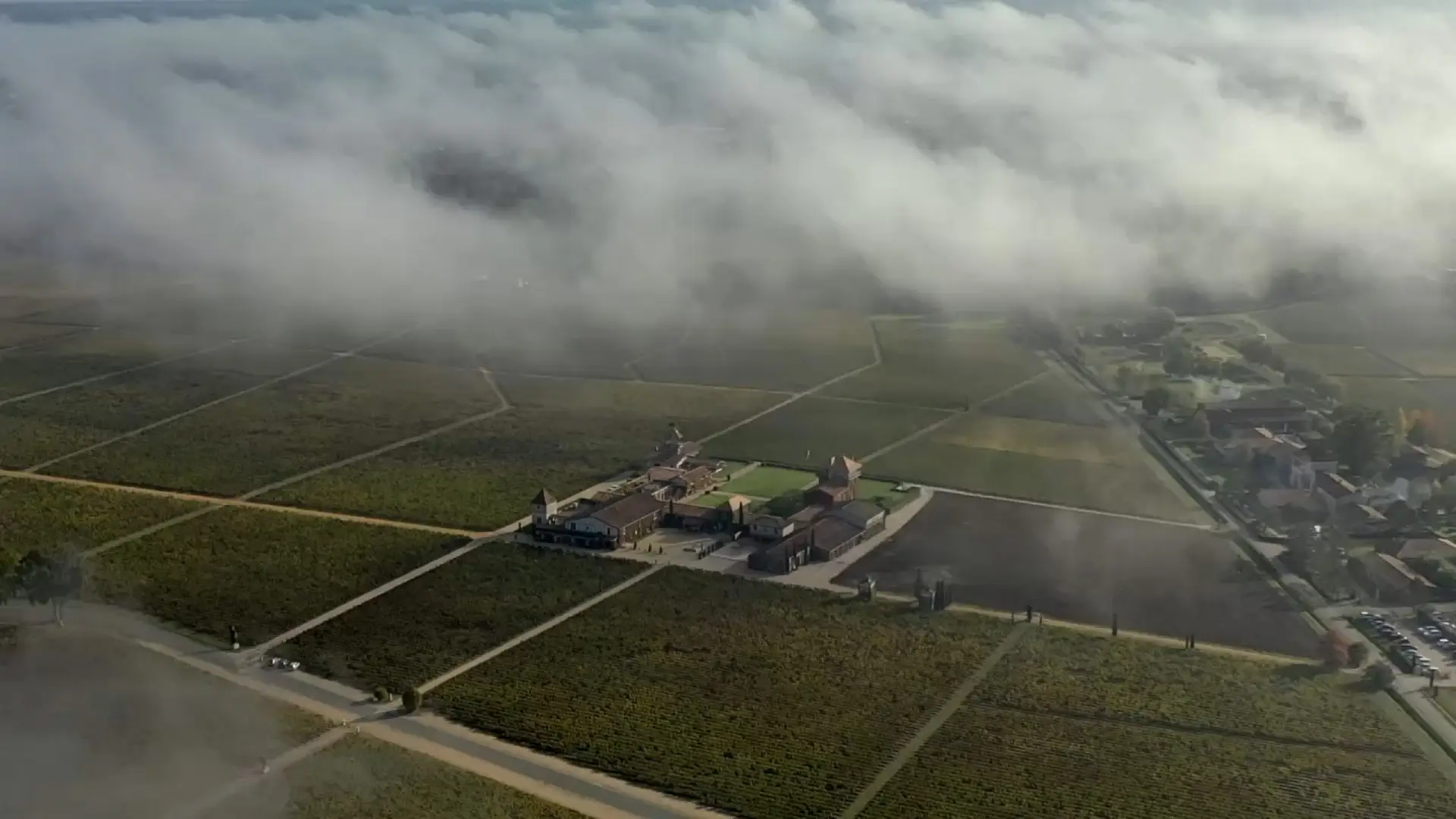
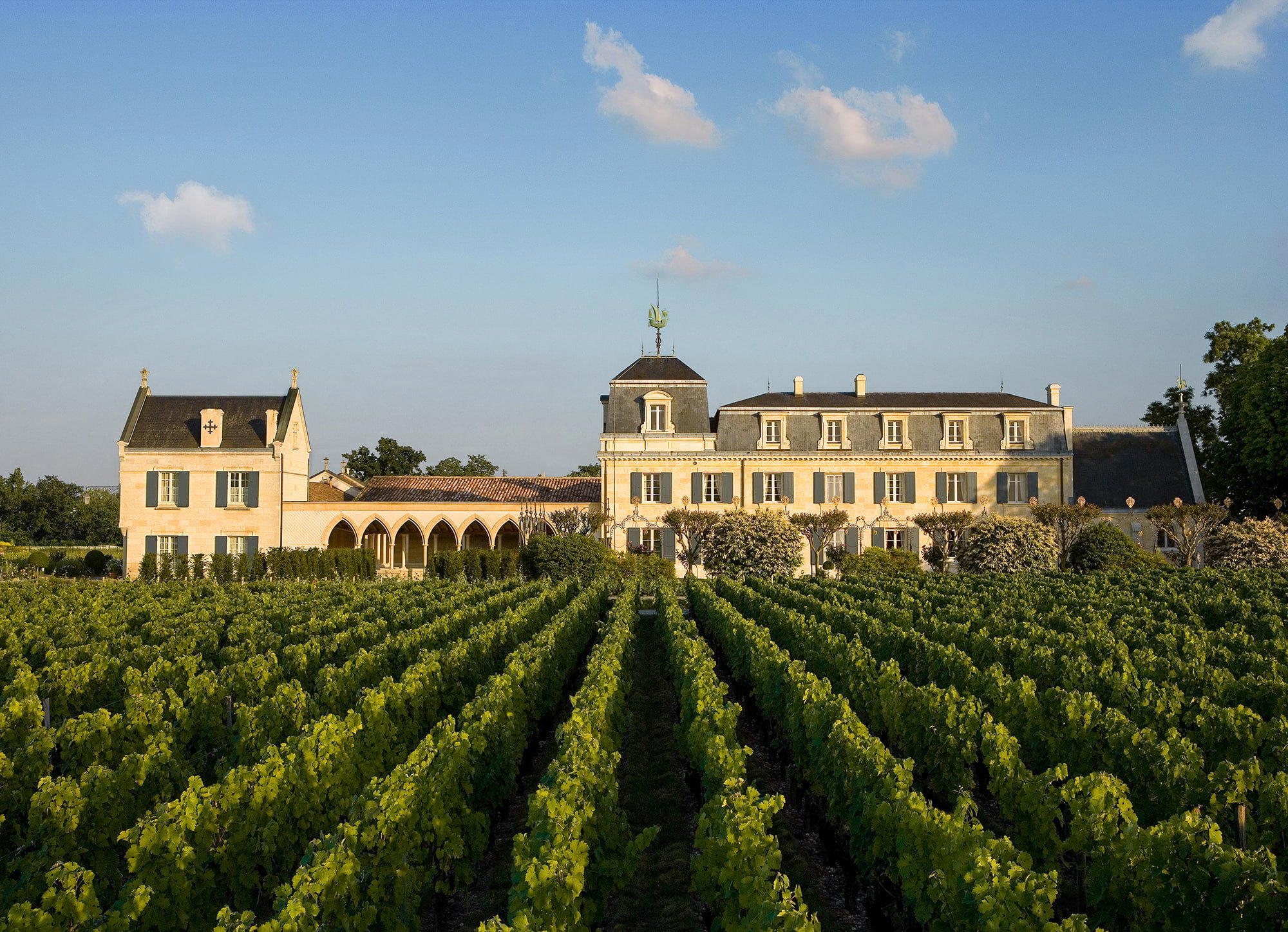
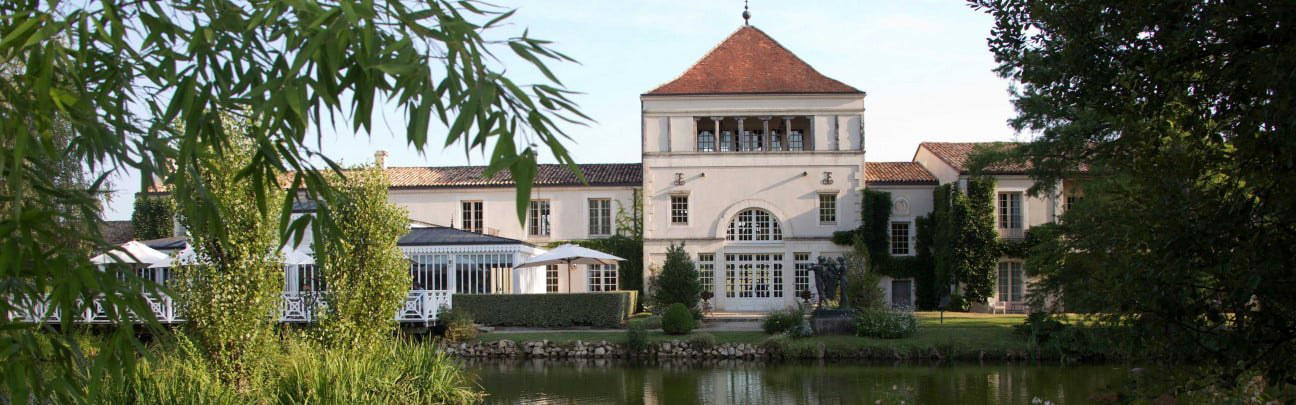
Approaching the wine country around Pujols-sur-Ciron, the mood changes from city Bordeaux to a lower, quieter register: vines, river humidity, gravel underfoot, and the agricultural plain that defines this southern stretch of Graves. Château Saint-Robert Poncet-Deville belongs to that context. The estate’s setting is not a theatrical tasting-room story; it is a Graves story, with the Ciron River nearby and Barsac at the border, where water, mist, gravel, and clay shape both dry whites and structured reds.
For broader trip planning around the area, keep the local guide rails separate: Our full Pujols Sur Ciron wineries guide is the relevant starting point, while dining, hotels, bars, and activities sit in Our full Pujols Sur Ciron restaurants guide, Our full Pujols Sur Ciron hotels guide, Our full Pujols Sur Ciron bars guide, and Our full Pujols Sur Ciron experiences guide.
Graves seen through Ciron humidity and vineyard gravel
Graves is often explained through its soils, and that is the correct starting point here. The appellation takes its name from gravel, a practical advantage in Bordeaux: drainage, retained warmth, and a structure that helps Merlot, Cabernet Sauvignon, and Cabernet Franc ripen without losing the region’s naturally firm line. In Pujols-sur-Ciron, the nearby river adds another register. The Ciron is better known for the humid conditions that help sweet-wine country nearby, but for a dry Graves estate it also reinforces the contrast between freshness and ripeness.
The estate works within Graves AOC and follows an organic production philosophy. Its red and white focus is narrower than the broad Bordeaux shelf can suggest: still red, still white, vineyard expression, and a classic rather than experimental tone. Cuvée Poncet-Deville is the name to look for across both colors. The red side sits in the Graves tradition of blended Bordeaux varieties, while the white program is tied to Sauvignon Blanc and Sémillon, the two grapes that give dry white Graves its citrus, herbal, textural, and barrel-compatible range.
Cuvée Poncet-Deville and the value argument in Bordeaux
Bordeaux can make price its loudest signal, but Graves often rewards drinkers who understand appellation hierarchy rather than label spectacle. This estate sits in the more accessible price band, marked as $$, and that matters: the appeal is not trophy collecting, but a grounded Graves profile with estate character and enough recognition to separate it from anonymous regional bottlings. Cuvée Poncet-Deville has been noted in both red and white styles, and past recognition includes two stars in wine guides and multiple coups de cœur for the 2009 red, plus a 90-point rating from Wine Chronicles for the 2015 red.
The more interesting reading is stylistic. Dry white Graves has always occupied a different lane from the leaner, stainless-steel Sauvignon Blanc model associated with other regions. Here, oak can be part of the grammar rather than an accessory, adding breadth to the acidity and giving the wine a more architectural shape. The red side speaks the more familiar language of Bordeaux blend structure: Merlot for volume, Cabernet Sauvignon for spine, Cabernet Franc for aromatic detail. The point is not novelty. The point is whether the estate can make the gravel, river influence, and traditional blend feel coherent in the glass.
A rural Graves stop, not a spectacle format
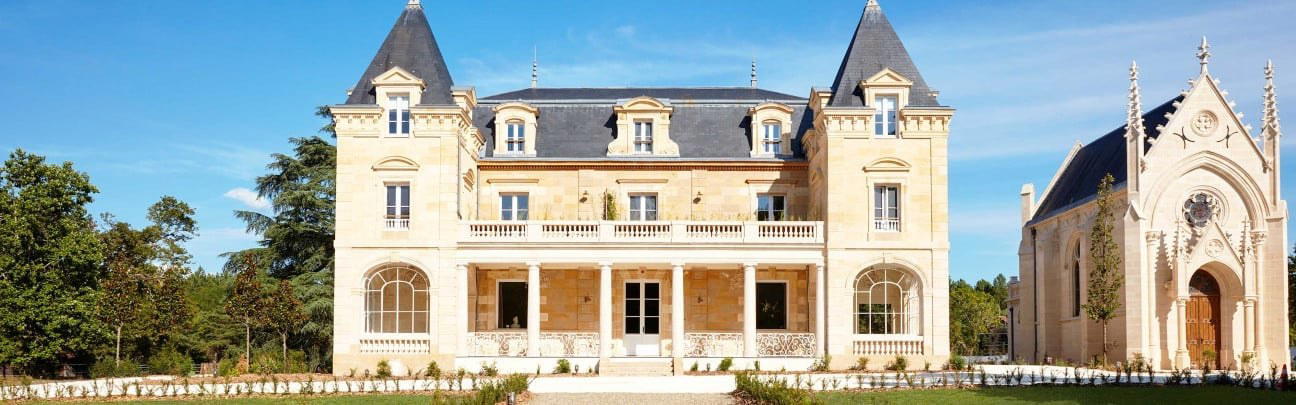
The visitor format is restrained: a standard tasting on estate grounds, with the vineyard view carrying more weight than staged luxury. That suits the category. Graves estates in this register tend to reward visitors who arrive with appellation context, because the distinctions are not always obvious from a quick pour. Ask less about a single flagship bottle and more about how the red and white expressions divide the property’s identity. The answer is usually more revealing than a long hospitality script.
As part of a wider French wine itinerary, this is a southern Bordeaux counterpoint to other regional styles rather than a substitute for them. Champagne addresses chalk, acidity, and cellar time through a different lens at A. Margaine in Villers-Marmery and Agrapart & Fils in Avize. Languedoc and southern French scale read differently at Abbaye de Fontfroide in Narbonne, Abbotts & Delaunay in Marseillette, and Advini in Saint Felix De Lodez. Southwest concentration takes another form at Alain Brumont in Castelnau Riviere Basse, while Burgundy and Alsace sharpen the conversation through Alain Gras in Saint-Romain and Albert Boxler in Niedermorschwihr. For travelers extending beyond France, »der Steiner« Hans Steiner in Podersdorf am See and & Handwein in Mannheim make useful contrasts in Central European context.
Recognition history
Dated appearances from independent guides and award organizations, with the underlying list record or original source where available.
Falstaff Winery - Listed
Falstaff
Continue exploring
More in Pujols Sur Ciron
Wineries in Pujols Sur Ciron
Browse all →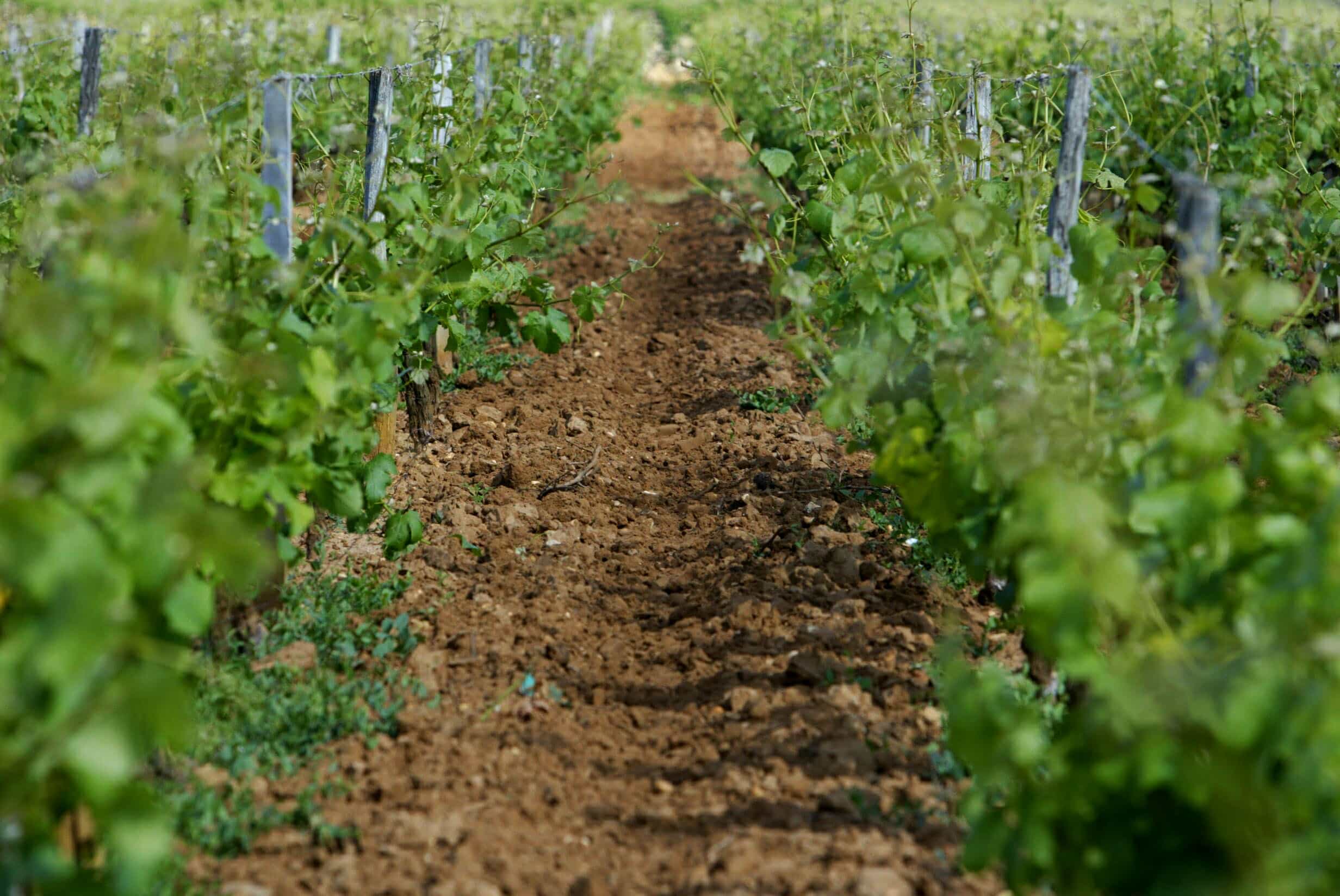
Bars in Pujols Sur Ciron
Browse all →
Restaurants in Pujols Sur Ciron
Browse all →
At a Glance
- Classic
- Scenic
- Rustic
- Romantic
- Romantic Getaway
- Group Outing
- Wine Education
- Special Occasion
- Solo Exploration
- Estate Grounds
- Organic
- Vineyard
- Graves AOC
- Sauvignon Blanc
- Sémillon
- Still White
- Still Red
- Standard Tasting