
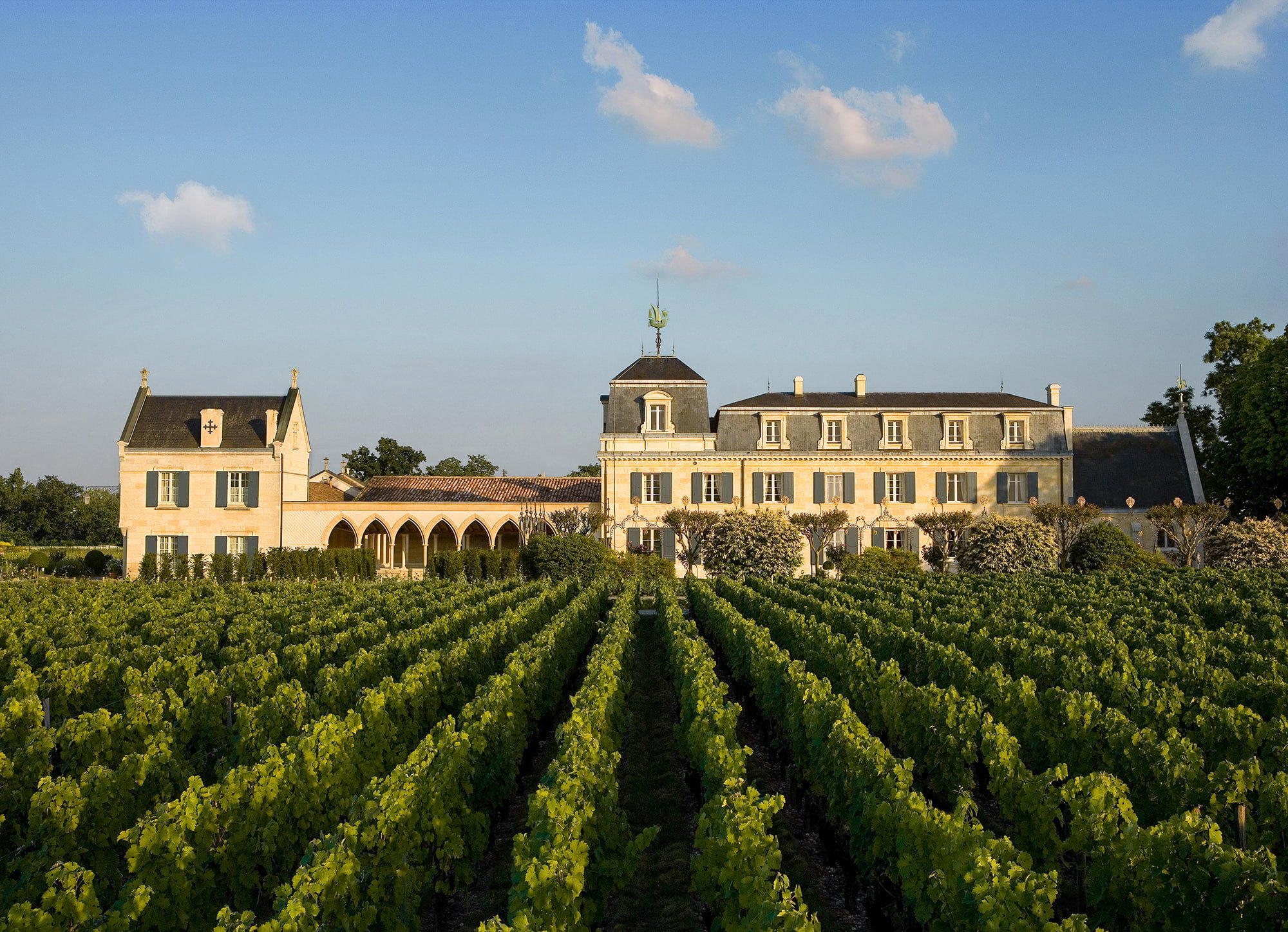
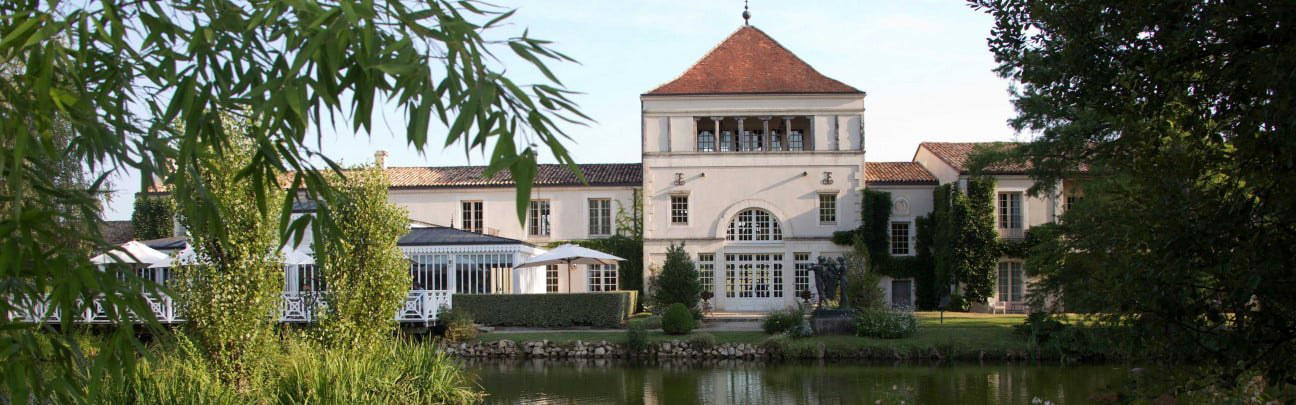
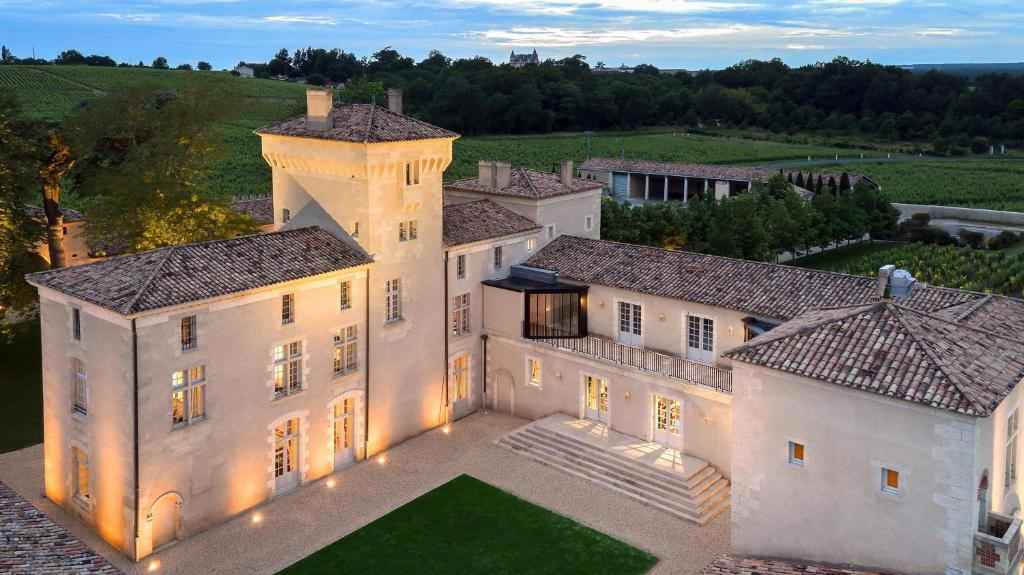
Château Rahoul is a historic Graves estate in Portets, built around a 17th-century chartreuse and a vineyard spread across sandy-gravel and clay-gravel parcels. Its interest lies in the Graves duality: red Bordeaux structure on one side, barrel-shaped white wine on the other, with UGCB membership and sustainable viticulture giving the estate more substance than its quiet manner suggests.
Pearl is the En Primeur Club membership app — saves, bookings, and concierge access live there. Same editors, same standards.
- Address
- Portets, Graves, Nouvelle-Aquitaine, Frankreich
- Directions
- Get directions
 Saves & bookings on Pearl
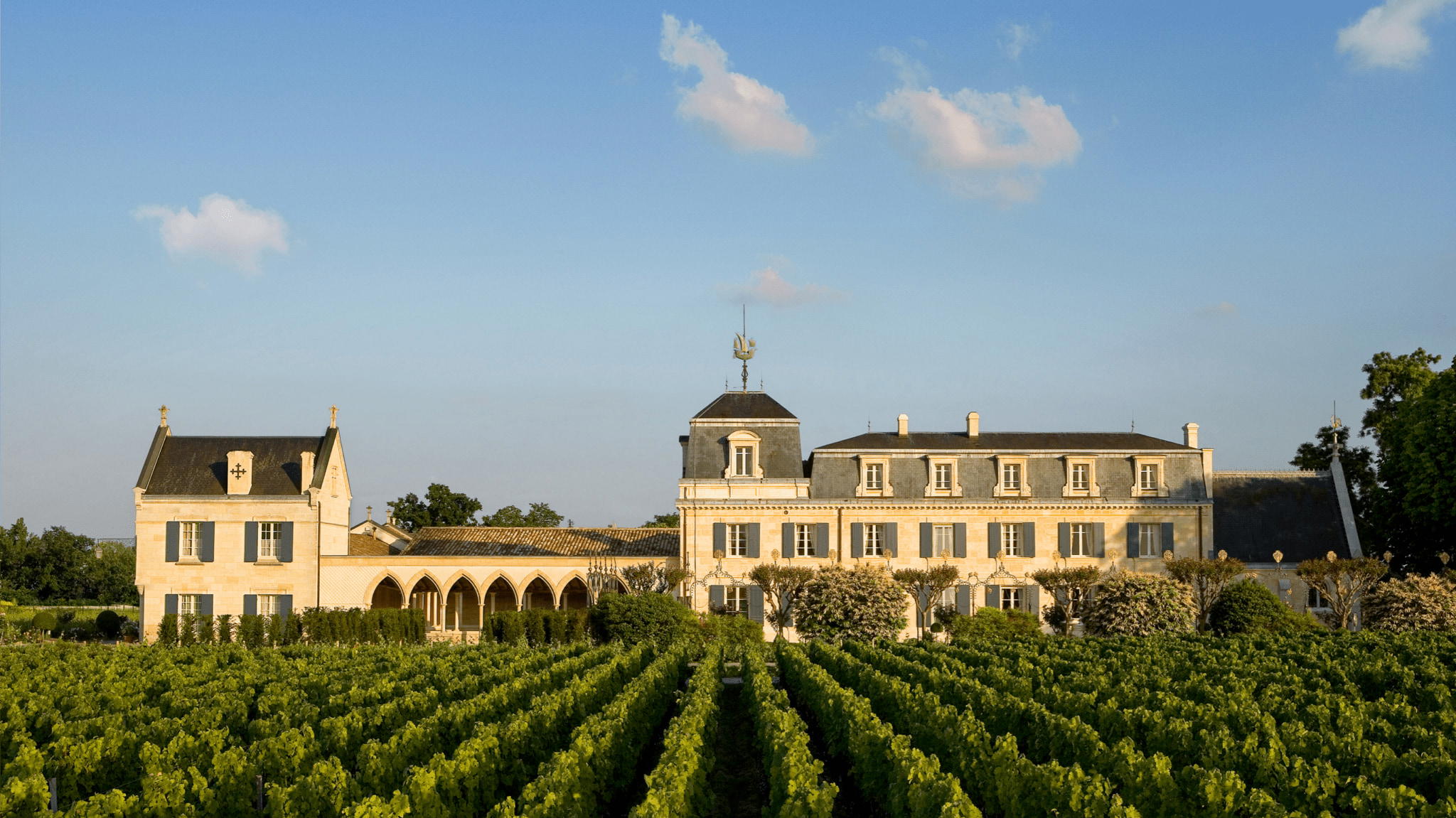
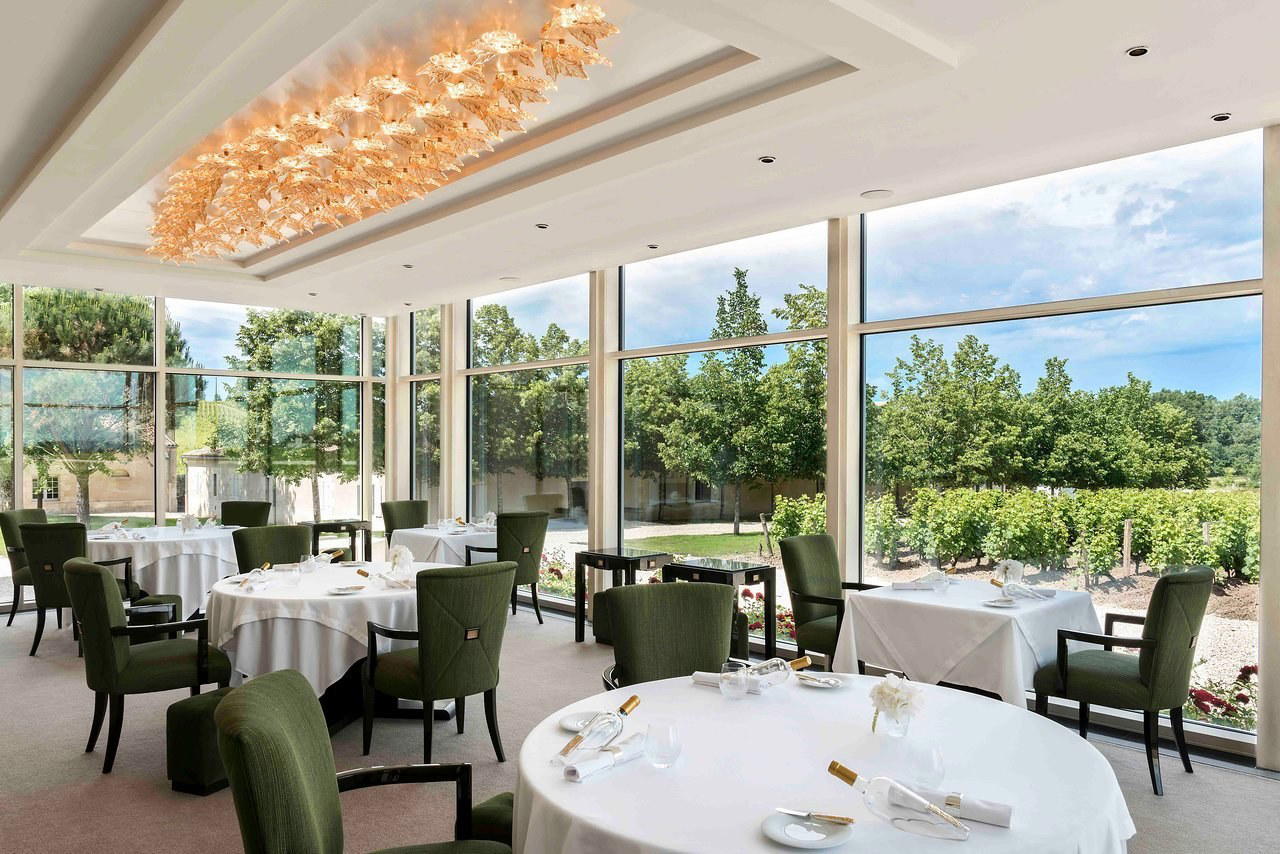
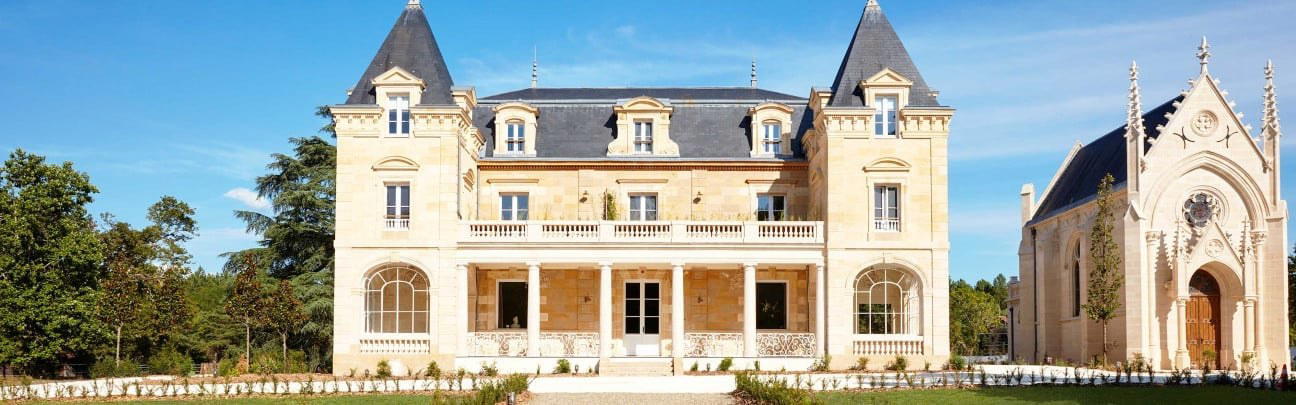
Approaching Château Rahoul means entering the quieter register of Graves: a chartreuse manor, vineyard parcels around Portets and neighbouring communes, and cellar work that belongs to the older Bordeaux rhythm of gravel, barrels and patient blending. The estate is not built around spectacle. Its appeal is the opposite: a country-house setting where the land does the talking, especially through the appellation’s unusual strength in both red and white wine.
Graves character in red and white, not just château theatre
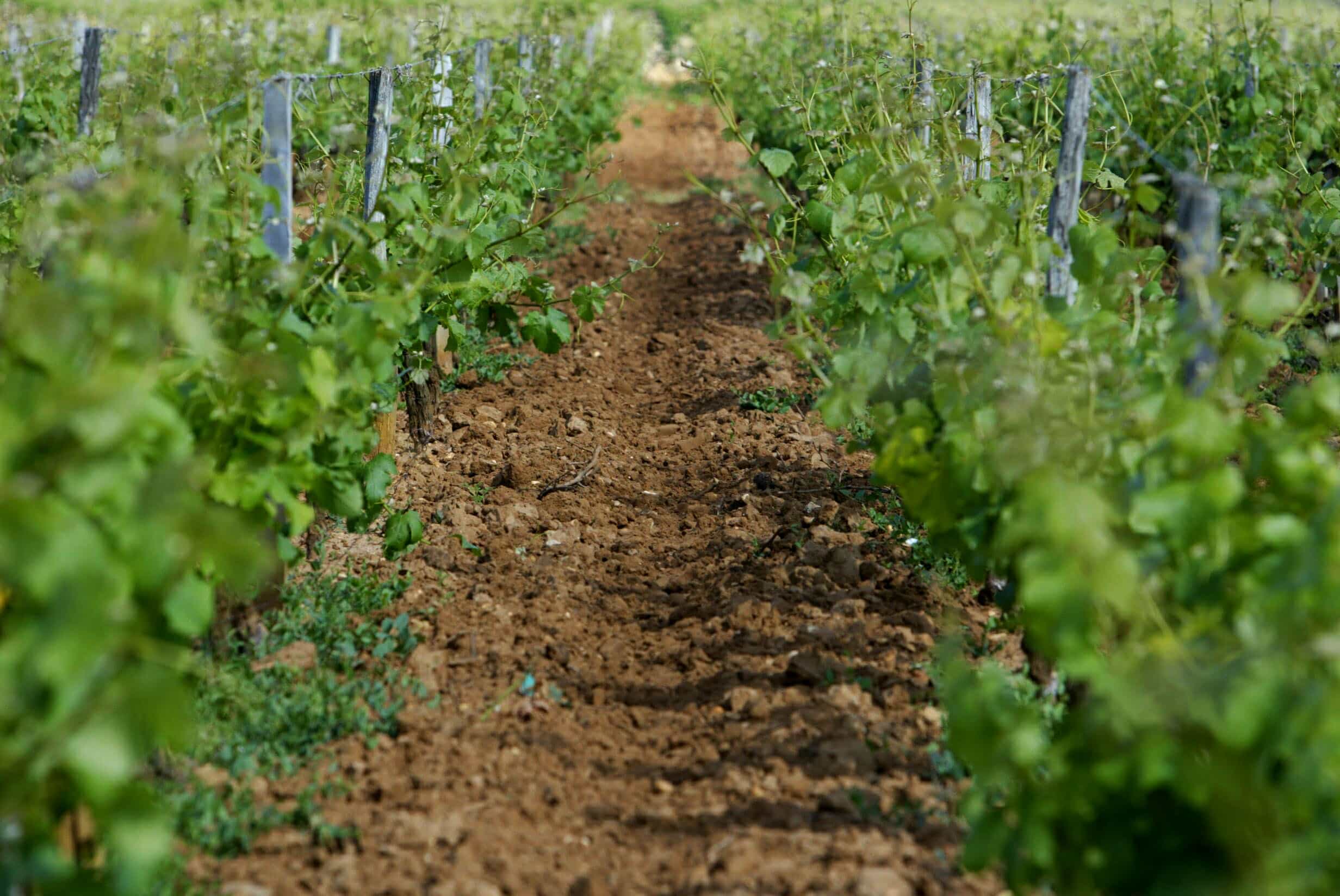
Graves is Bordeaux’s oldest vineyard area, named for the gravel soils that shape its drainage, heat retention and tannin profile. Château Rahoul fits that tradition with a roughly 35–40 hectare vineyard footprint spread across Portets, Illats, Podensac and Saint-Selve. That spread matters. Merlot is matched to sandy-gravel and clay-gravel parcels, Cabernet Sauvignon and Sauvignon Blanc work on selected Saint-Selve plots, and Sémillon finds its place on sandy-gravel soils around Portets and Podensac.
The result is a Bordeaux estate whose editorial interest is not scale but range. The red blend is led by Merlot, supported by Cabernet Sauvignon and Petit Verdot, with 12 months in oak barriques and a measured 33 percent new oak component. The white Graves, built from Sémillon and Sauvignon Blanc, spends 8–9 months in barrel with lees contact, using a lower 10 percent new oak share. In a region often flattened in outsiders’ minds into red-wine shorthand, that white program is an important signal.
Recognition gives the estate a firmer footing than its low-key mood might suggest. Château Rahoul joined the Union des Grands Crus de Bordeaux in 1984, and Decanter has rated its white wine at 93/100. Tastingbook has scored the 2015 Blanc at 93 points and the 2022 red at 92 points. Those numbers are not the whole story, but they confirm that the Graves identity here is not decorative branding.
The land is managed with precision rather than noise
The production story is unusually useful for understanding the wines. Sustainable practices have been part of the estate’s work since 1995, with Terra Vitis certification achieved in 2016 and HVE 3 certification also in place. Vineyard work includes mechanical ploughing, mechanical weeding, biological control agents, cover planting and parcel-by-parcel harvesting. White grapes are harvested by hand in slatted crates, while optical sorting is used before vinification.
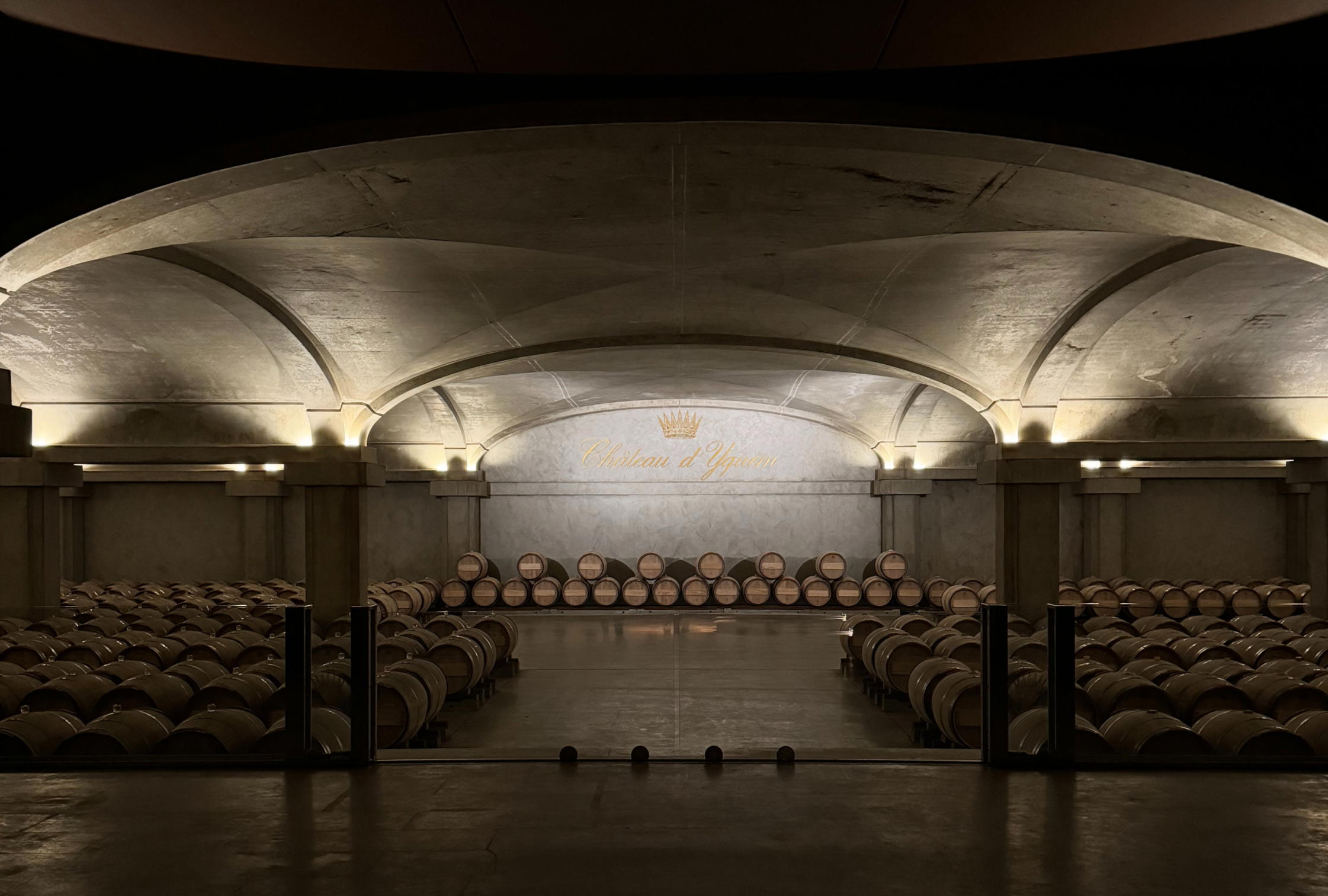
The cellar follows the same logic. Reds are vinified in temperature-controlled stainless-steel tanks of varying capacity so individual batches can be kept separate before blending. Whites are pressed under inert gas and fermented in barrel, helped by the estate’s renovated orangerie cellar, updated in 2012 for white-wine vinification. Frédéric Bonnaffous, chief winemaker for Vignobles Dourthe, oversees the winemaking, while Dourthe’s management since 2007 places the estate inside a broader Bordeaux technical culture rather than the personality-led boutique model.
History adds context without needing nostalgia. The chartreuse dates to 1646, and the vineyard was expanded in the late 18th century before a modern phase of reinvestment under Alain Thiénot from 1986. The estate’s international ownership period in the 1970s gave it the nickname “United Nations,” a useful footnote in a region that often presents continuity as if it were uninterrupted. Here, continuity has been edited by reinvestment, environmental certification and a sharper white-wine program.
How to place it in a Portets wine itinerary
The winery works for travellers who want Graves without the high-gloss performance of more heavily trafficked château circuits. The atmosphere is quiet, the setting is historic, and the strongest reason to pay attention is the way sandy-gravel and clay-gravel parcels are translated into two classic Graves categories. It is especially suited to wine education, small groups and travellers interested in the mechanics of viticulture rather than a generic tasting-room stop.
For wider local planning, EP Club’s Portets coverage can be useful around the wine visit: see Our full Portets wineries guide, Our full Portets restaurants guide, Our full Portets hotels guide, Our full Portets bars guide and Our full Portets experiences guide. Nearby Portets winery pages include Château Crabitey and Château de Portets. For broader French and European wine reading, continue with A. Margaine in Villers-Marmery, Abbaye de Fontfroide in Narbonne, Abbotts & Delaunay in Marseillette, Advini in Saint Felix De Lodez, Agrapart & Fils in Avize, Alain Brumont in Castelnau Riviere Basse, »der Steiner« Hans Steiner in Podersdorf am See and & Handwein in Mannheim.
Recognition history
Dated appearances from independent guides and award organizations, with the underlying list record or original source where available.
Falstaff Winery - 1 Stars
Falstaff
Continue exploring
More in Portets
Wineries in Portets
Browse all →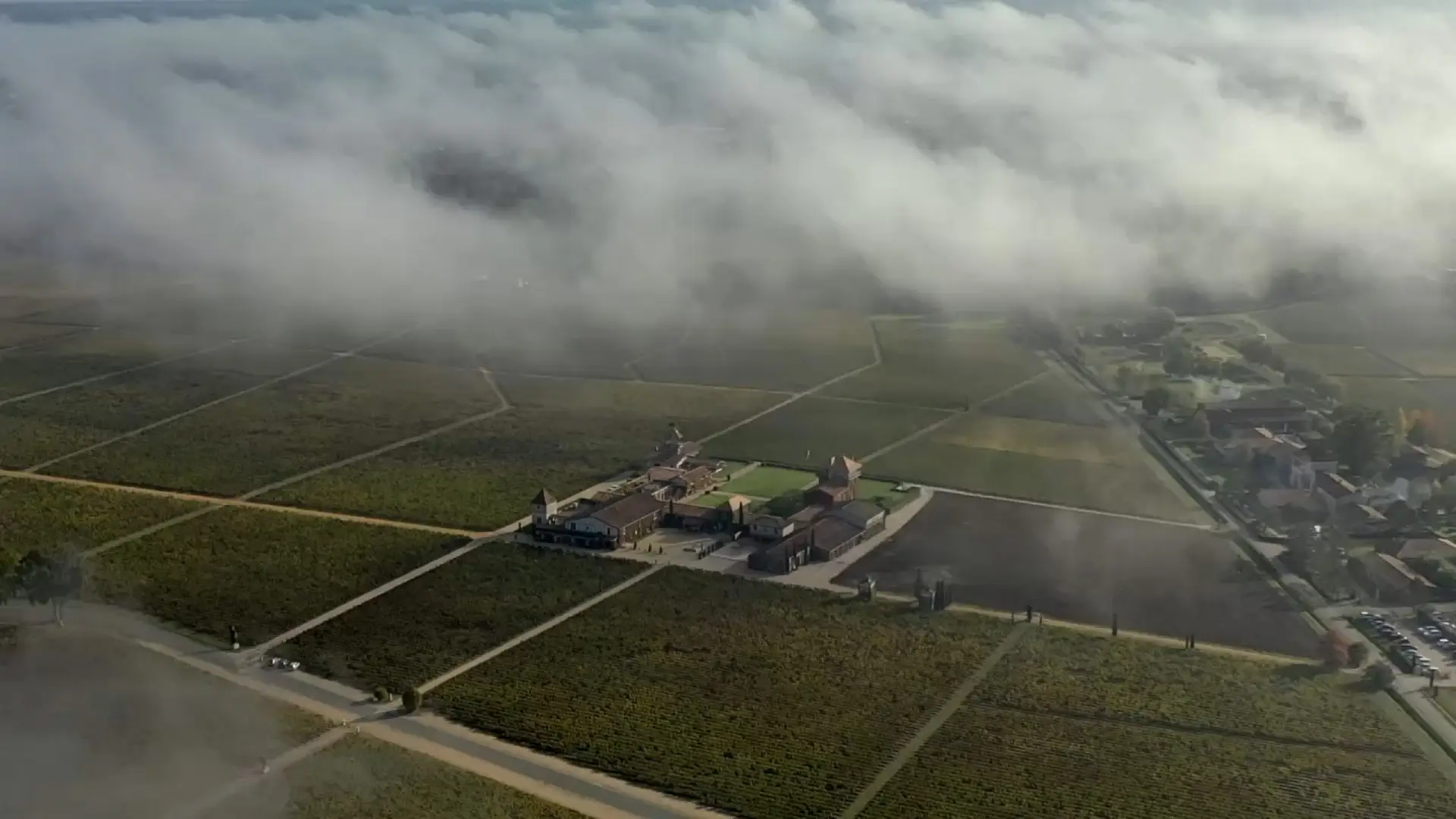
Bars in Portets
Browse all →
Restaurants in Portets
Browse all →
At a Glance
- Classic
- Scenic
- Elegant
- Sophisticated
- Romantic Getaway
- Group Outing
- Wine Education
- Special Occasion
- Solo Exploration
- Estate Grounds
- Vineyard Tour
- Historic Building
- Sustainable
- Vineyard
- Garden
- Graves AOC
- Merlot
- Cabernet Sauvignon
- Petit Verdot
- Sémillon
- Sauvignon Blanc
- Still Red
- Still White
Historic Graves estate centered around a 17th‑century chartreuse manor and renovated orangerie cellar, with a classic Bordeaux château feel and a focus on quiet, meticulous viticulture and cellar work rather than tourist bustle.