
Falstaff Winery - Listed
Château Mayne du Hayot belongs to the Barsac side of Sauternes, where mist, limestone, clay, gravel, Sémillon and Sauvignon Blanc define the argument in the glass. The estate sits within Vignobles du Hayot and focuses on traditional sweet white wine rather than polished destination-winery theatre.

Pearl is the En Primeur Club membership app — saves, bookings, and concierge access live there. Same editors, same standards.
- Address
- Barsac, Sauternes, Nouvelle-Aquitaine, Frankreich

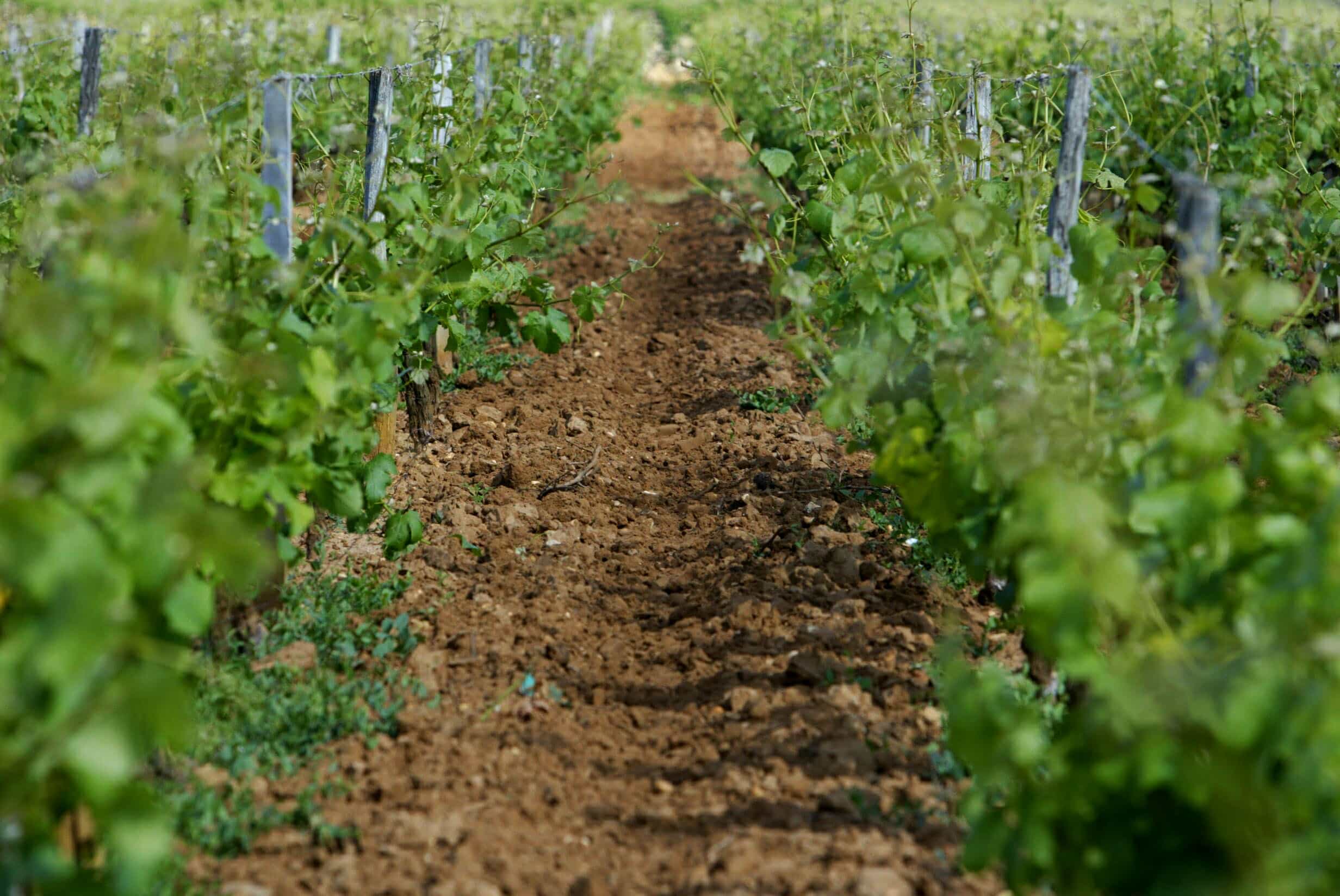
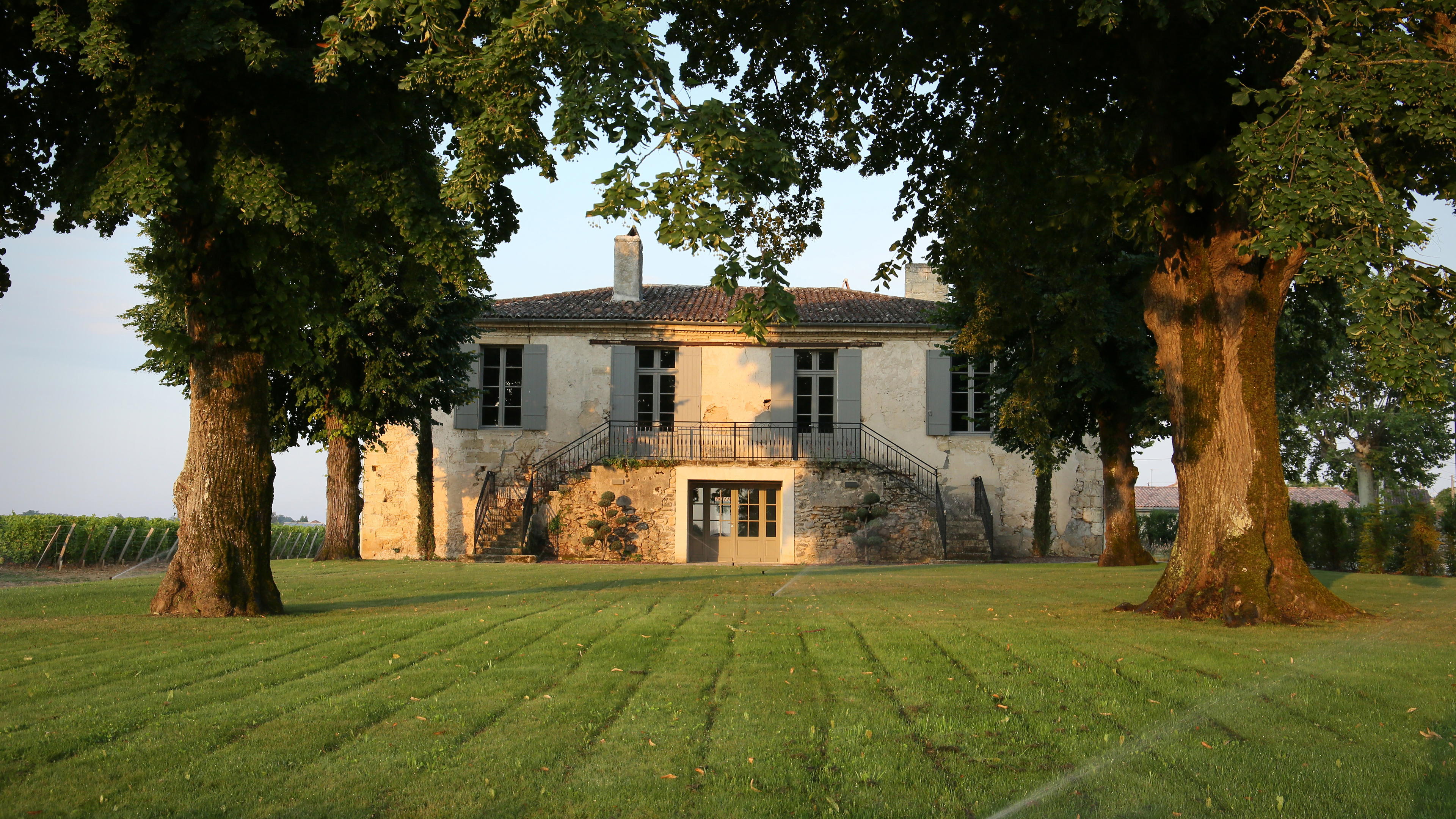
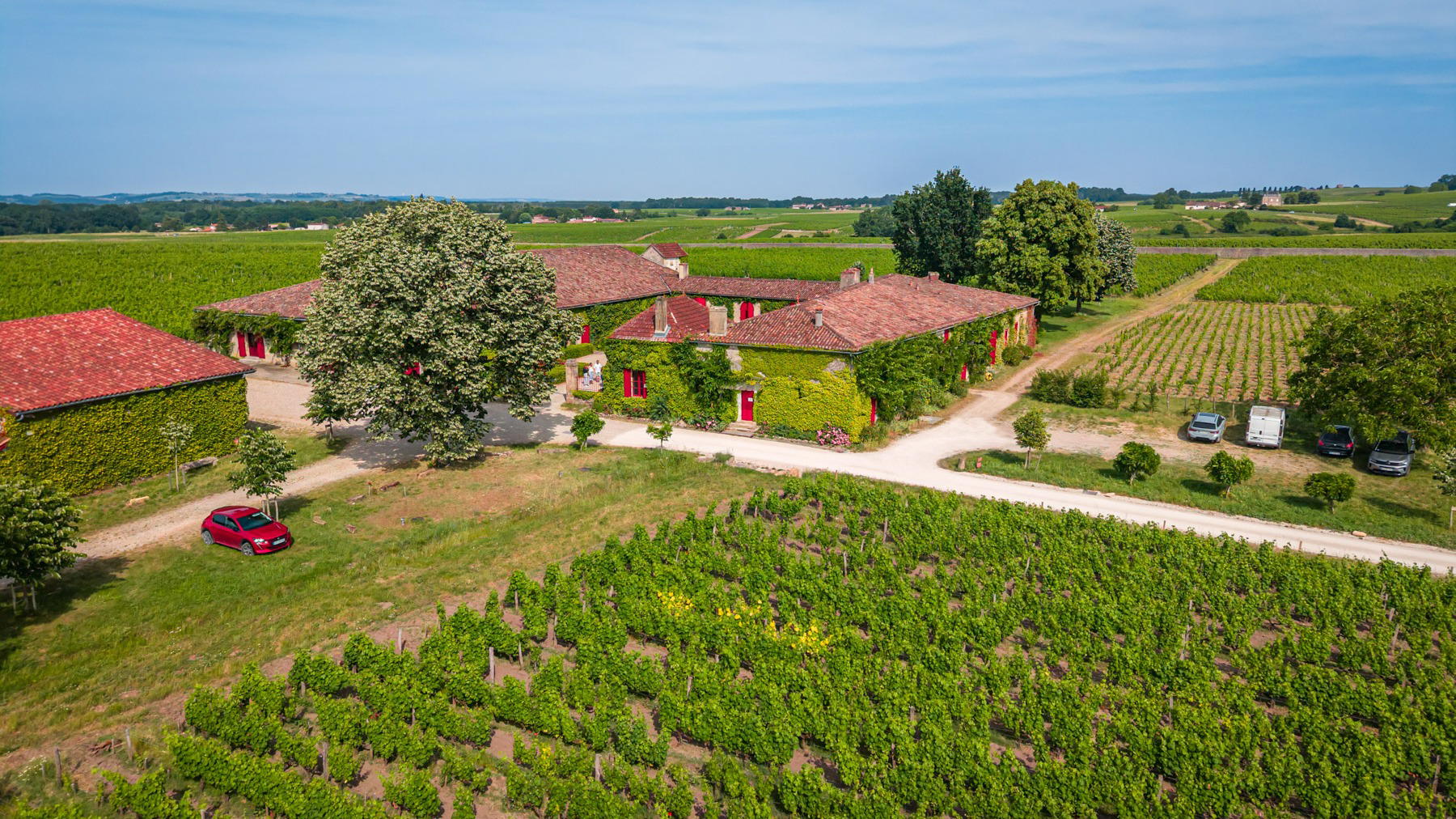
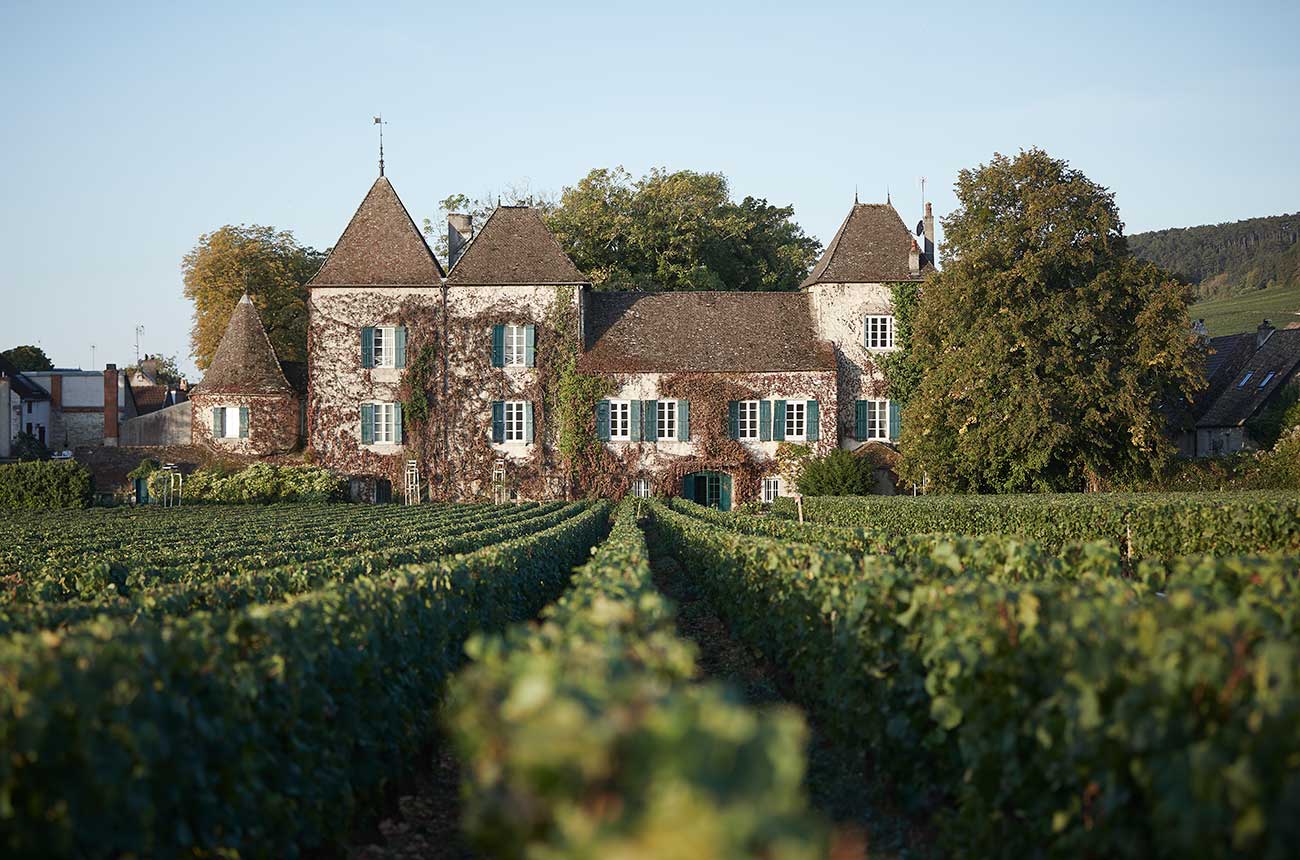
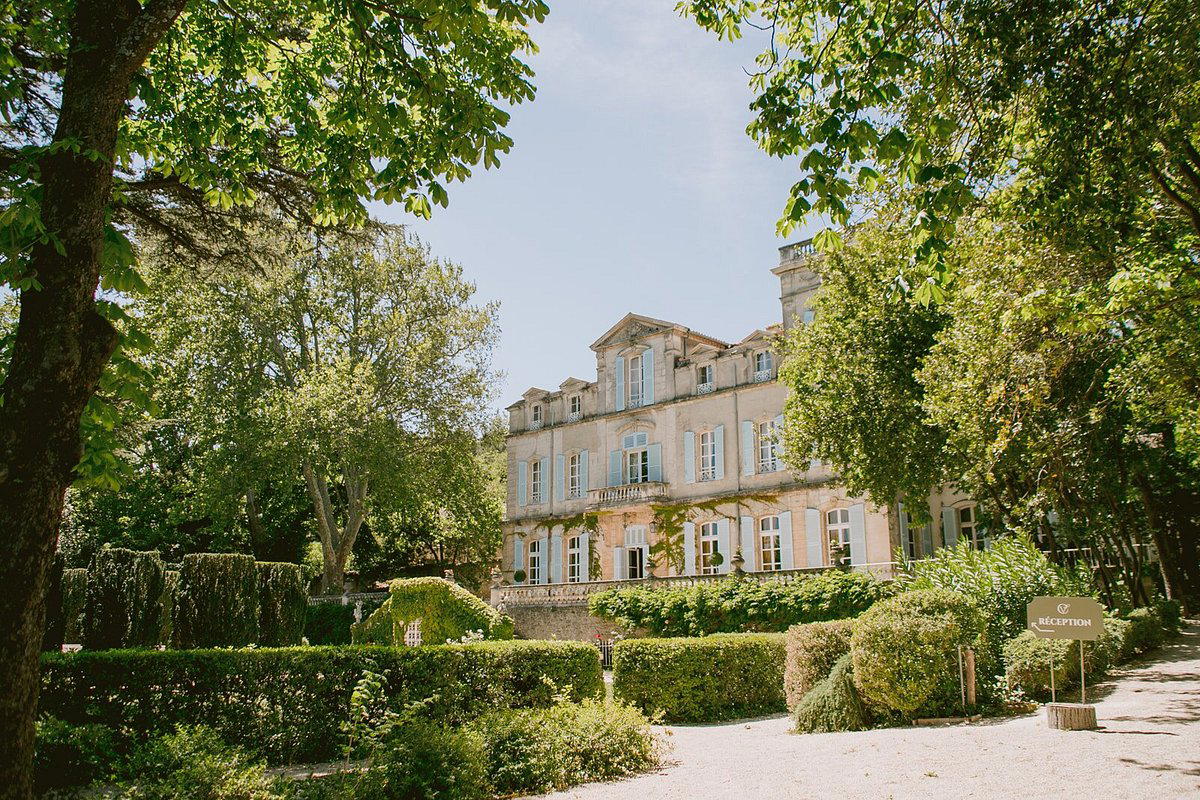
Château Mayne du Hayot is a Barsac Sauternes estate focused on sweet white wines. The useful expectation is not a design-driven visitor center or a polished hospitality complex, but a traditional, rural and vineyard-oriented working-winery atmosphere. In that sense, the estate reads less like a staged destination and more like a place whose main point is its connection to the surrounding wine landscape.
That makes the estate best understood through its Barsac context: a sweet-white-wine address where the setting and production identity matter more than spectacle. For anyone comparing options in the area, the draw is the chance to consider a classic local Sauternes estate rather than a broad restaurant, bar or hotel-style experience. The emphasis should stay on the wine estate itself: its place in Barsac, its sweet-wine focus and the quieter agricultural character implied by a working property.
Barsac's sweet-wine context
Barsac is closely associated here with Sauternes and sweet white wines, and Château Mayne du Hayot sits within that tradition. The value of the listing is therefore contextual rather than encyclopedic: it helps place the estate in the local sweet-wine landscape without overstating what is confirmed.
Because only limited information is available here, the most reliable description is also the simplest: Château Mayne du Hayot is a traditional Barsac Sauternes estate focused on sweet white wines, with a rural vineyard feel and a working-winery character. That simplicity is useful. It keeps the focus on the parts that are clear, and it avoids turning a restrained estate note into a promise of amenities, formats or experiences that may not be current or may not exist in the way a traveller imagines.
For planning, keep the emphasis on Barsac and on the estate’s sweet-wine identity. Details such as exact visit format, opening hours, parking, bottle availability, grape composition or specific tasting notes should be confirmed directly before relying on them. This is especially important for anyone building a day around several stops, where even small practical uncertainties can affect timing, route choices and expectations on arrival.
A working estate in the Sauternes tradition
The production identity is clear at a high level: Château Mayne du Hayot belongs to the Barsac Sauternes world and is focused on sweet white wines. Its atmosphere is best framed as traditional and agricultural rather than architecture-led. That framing is important because it directs attention away from surface polish and toward the more grounded experience of a rural wine estate associated with a specific local style.
That distinction matters for expectations. This is not presented here as a food-led venue, a destination dining room or a broad hospitality campus. It is better approached as a classic working-winery setting in Barsac, with the wine style at the center of the listing. Visitors looking for a neatly packaged leisure stop may need to verify the practical details carefully; visitors interested in the identity of Barsac sweet wine may find the simpler framing more relevant.
For travellers building a wine-focused day in Barsac, Château Mayne du Hayot can be considered alongside other local dining and wine options in a general sense, while keeping practical plans flexible until current details are confirmed. The estate’s role in such an itinerary is best understood as part of the broader Sauternes landscape rather than as a self-contained hospitality product. In practical terms, that means treating it as a wine address first and making any wider plans around confirmed information.
Who this style is for
Château Mayne du Hayot is a stronger fit for drinkers who want a traditional Barsac Sauternes context than for travellers seeking architectural drama, an elaborate food program or a highly designed visitor experience. The picture is quiet, rural, vineyard-oriented and centered on sweet white wine. That clarity helps set the tone: the appeal is not novelty or performance, but a direct connection to a local wine tradition.
It is also a reminder that a useful wine itinerary does not always depend on highly publicized names or heavily staged hospitality. In Barsac, the appeal can be simpler: a classic estate setting, a working-winery feel and a focus on the sweet white wines associated with the area. For the right visitor, that restraint is part of the point. The estate is best approached with measured expectations, attention to confirmed practical details and an interest in the quieter side of the Barsac Sauternes world.
Recognition history
Dated appearances from independent guides and award organizations, with the underlying list record or original source where available.
Falstaff Winery - Listed
Falstaff
Continue exploring
More in Barsac
Details
- Classic
- Scenic
- Rustic
- Romantic Getaway
- Wine Education
- Solo Exploration
- Estate Grounds
- Vineyard
- Semillon
- Sauvignon Blanc
- Dessert
Traditional Barsac Sauternes estate focused on sweet white wines; atmosphere is likely rural and vineyard-oriented rather than architectural design-driven, with a classic working-winery feel rather than a polished visitor center.