
Château Lespault-Martillac gives Martillac a compact, terroir-led counterpoint to grander Bordeaux estates: old Merlot vines, gravel over cool clay-gravel subsoil, and a cellar regime shaped by Domaine de Chevalier since 2009. The interest here is not scale, but precision, especially the red-and-white dialogue that Pessac-Léognan handles better than much of Bordeaux.
Pearl is the En Primeur Club membership app — saves, bookings, and concierge access live there. Same editors, same standards.
- Address
- Lespault, 33650 Martillac, France
- Phone
- +33 5 56 64 16 16
- Website
- lespault-martillac.com
- Directions
- Get directions
 Saves & bookings on Pearl
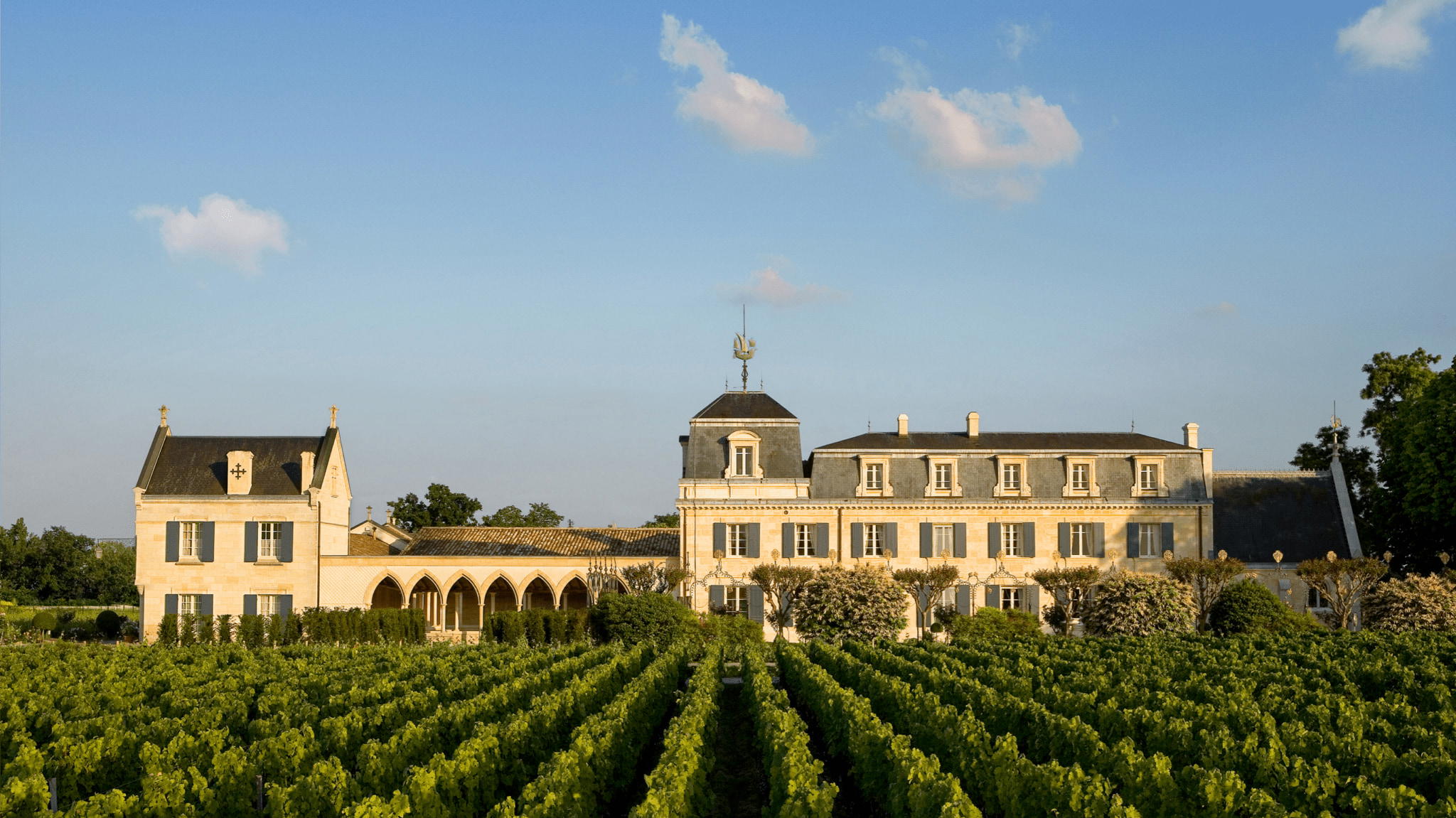
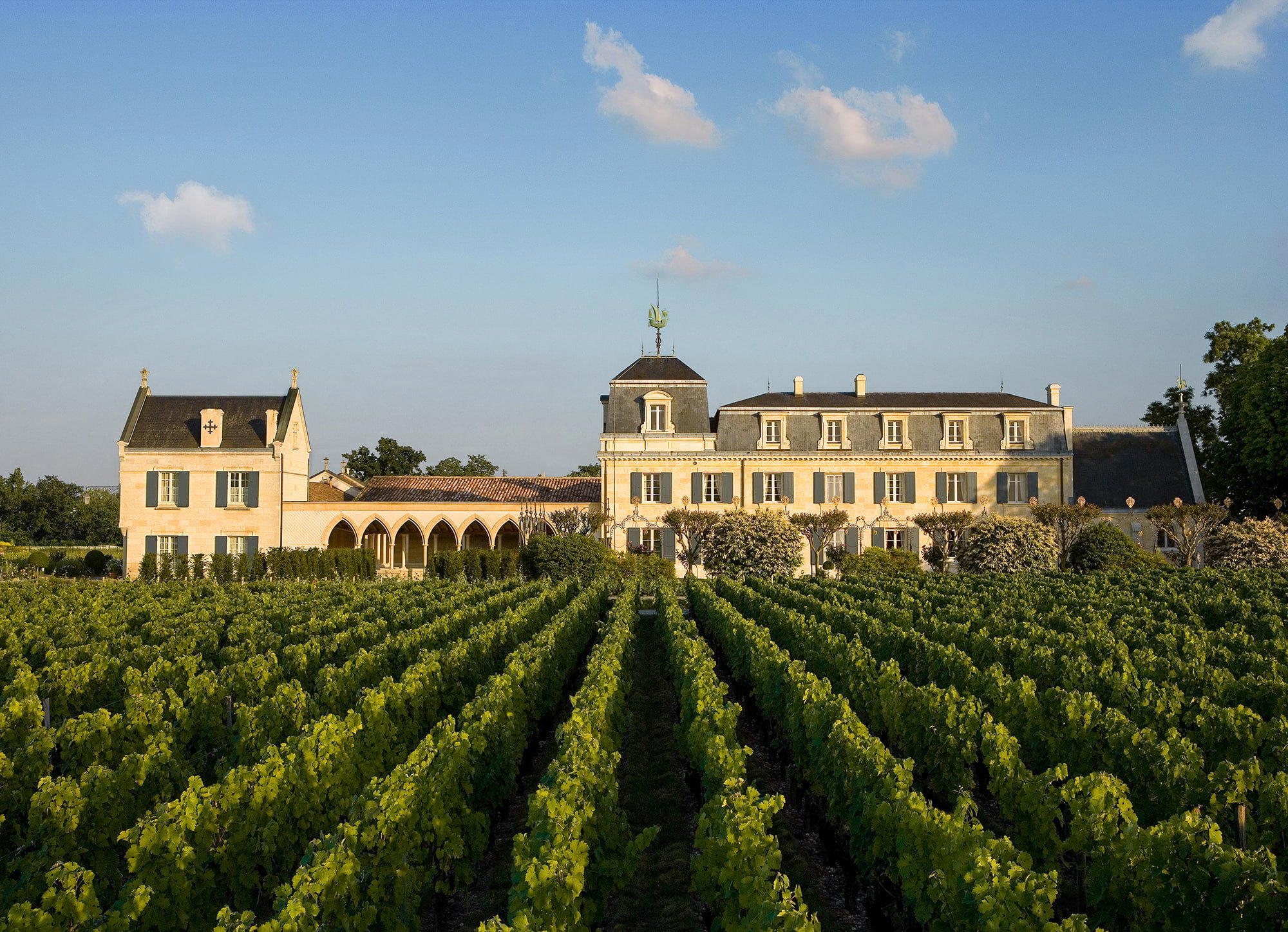
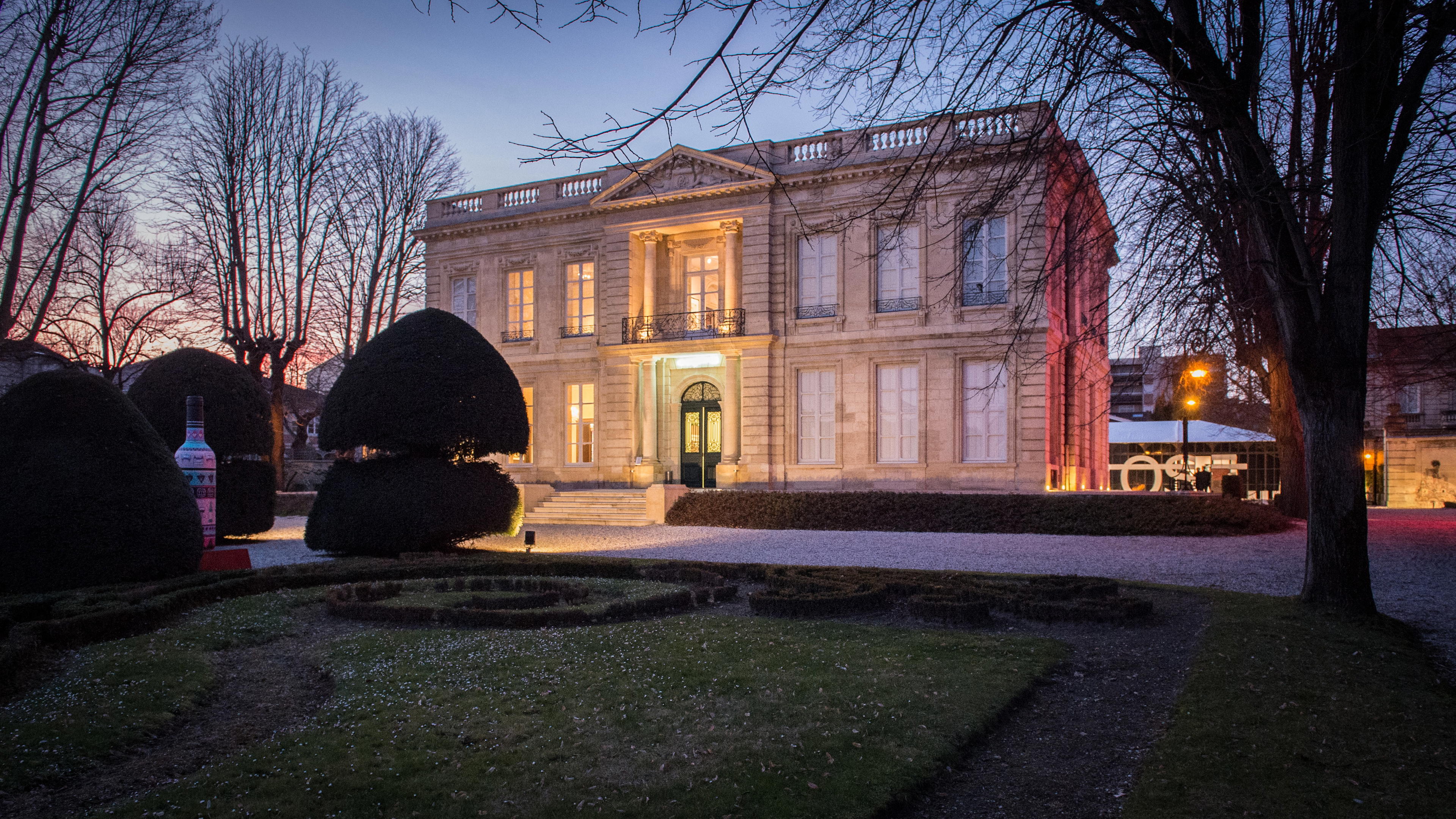
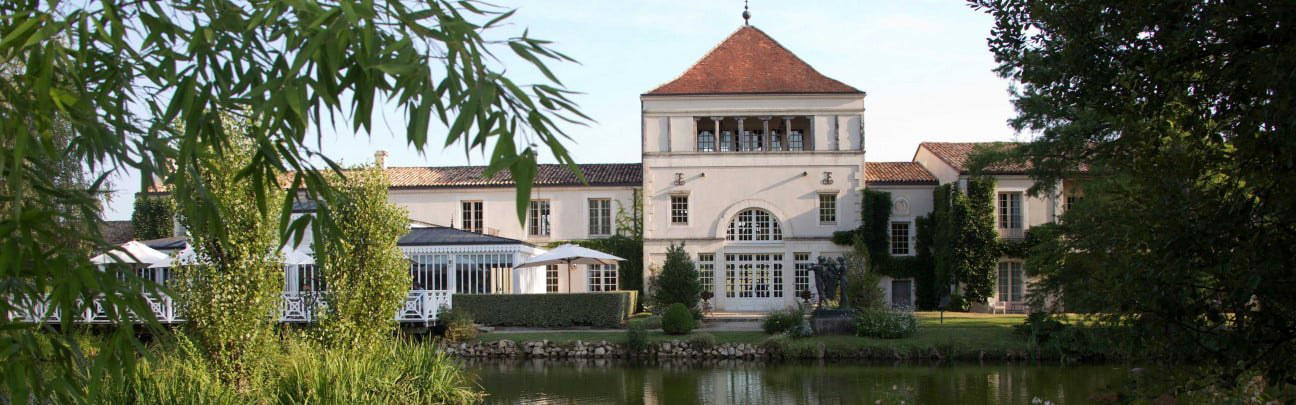
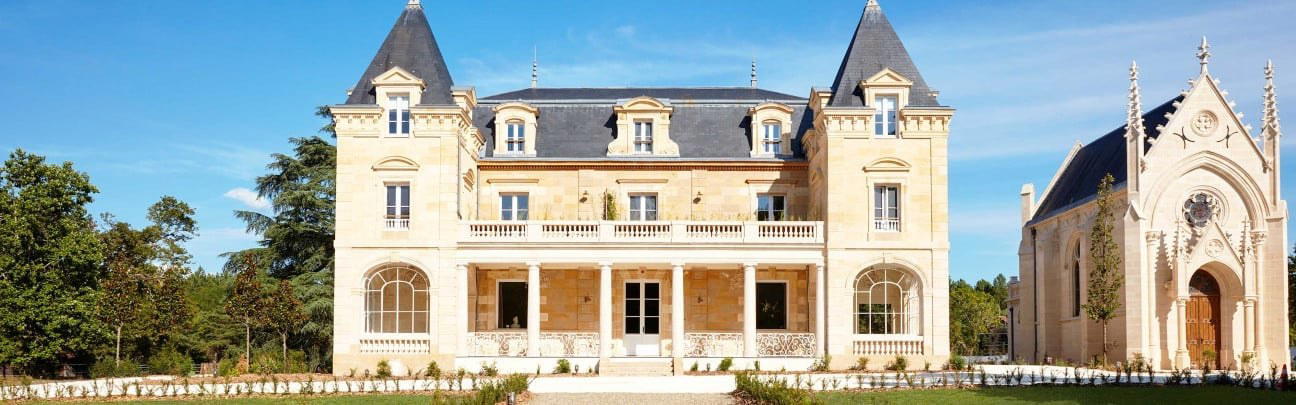
Approach Martillac through the language Bordeaux understands best: gravel, drainage and restraint. At Château Lespault-Martillac, an 18th-century manor house and renovated cellar sit within a small estate, but the key detail is underfoot: a gravel layer reported at roughly 80 cm to 1.50 m over clay and gravel subsoil, creating the water balance that matters in Pessac-Léognan when hot, dry seasons test whether a vineyard has depth or merely polish.
That is the useful frame for the estate. Martillac belongs to Bordeaux’s Graves family, where soils often give red and white wines a more mineral, structured register than the region’s softer clichés. Château Lespault-Martillac works in that tradition with small-estate grammar: old Merlot vines for red, Sauvignon Blanc and Sémillon for white, manual harvesting, parcel selection and barrel work guided by serious Pessac-Léognan rather than volume production.
Gravel, Merlot and the Pessac-Léognan argument
Pessac-Léognan is one of Bordeaux’s most persuasive appellations because it is not only a red-wine address. Reds can carry Cabernet structure, Merlot flesh and the smoky tension of Graves soils; whites, largely Sauvignon Blanc and Sémillon, can age with texture rather than simple citrus brightness. Château Lespault-Martillac sits in that dual identity, with 8 hectares of red vineyard and 1.5 hectares of white vineyard, keeping the conversation close to parcels rather than brand.
The red program is predominantly Merlot, supported by Cabernet Sauvignon and Petit Verdot. In Martillac, Merlot on well-drained gravel can deliver density without losing line when yields are low. The estate’s focus on old Merlot vines and intra-parcel selection puts it in a precise lane: not a broad-shouldered Bordeaux caricature, but a closely edited expression where fruit weight must answer to soil, sorting and élevage.
The white wine is the sharper clue to the estate’s ambitions. Sauvignon Blanc and Sémillon form a classic Pessac-Léognan blend, with estate material noting roughly 65 percent Sauvignon Blanc and 35 percent Sémillon. Fermentation and aging in barrel on the lees, with bâtonnage, place it in the textural school of Graves blanc. That is not casual. It asks the fruit to carry oak, lees and time without becoming heavy, making the site’s water balance more than a vineyard note.
A small estate shaped by Domaine de Chevalier discipline
Modern chapter began in 2009, when the Bolleau family entrusted operations to Domaine de Chevalier, a Grand Cru Classé of Graves. That connection is the clearest trust signal, not because it makes Lespault-Martillac a satellite of a grand name, but because it explains the discipline now attached to a modest vineyard. Soil plowing, mechanical weeding, manual harvest in small crates and parcel-level selection show a culture where vineyard choices are the first act of winemaking.
Olivier Bernard is listed as winemaker, with the estate under the Domaine de Chevalier umbrella. Read that credential through method rather than personality. Red grapes are sorted in the vineyard and again at the cellar; white grapes may be picked across several passes depending on ripeness. For reds, malolactic fermentation in barrel and extended aging frame texture and integration. For whites, direct pressing, cold settling, barrel fermentation and lees aging emphasize breadth, grip and aromatic length.
Critic scoring has given the estate a measurable foothold beyond local reputation. Tastingbook scores include 95 Tb for the 2019 red and 95 Tb for the 2022 Blanc, with additional high-scoring references across 2009, 2020, 2022 and 2023. Scores are never the whole Bordeaux story, but here they locate the estate: small production, serious technical backing and a profile easier to discuss in collector terms since the Domaine de Chevalier handover.
The 2022 vintage shows why the site deserves attention. A hot, dry Bordeaux summer exposed the difference between shallow sites and vineyards with reliable subsoil reserves. Lespault-Martillac’s gravel over cool clay-gravel subsoil is central: drainage alone is not enough; vines also need stored water when heat persists. In that context, the 2022 red and 2022 white are not merely vintage entries, but evidence of how the site handles stress.
How to place it within Martillac
Martillac is better understood as a wine village than a single-estate destination. The value of a visit is seeing how different addresses interpret the same appellation grammar. For a broader local map, the full Martillac wineries guide is the clearest next step, while nearby estate pages such as Château Cantelys, Château de Rochemorin, Château Haut Nouchet, Château Lafont Menaut and Château Latour-Martillac show the commune’s range without forcing false equivalence.
For travelers building a fuller itinerary, Martillac works when wine is the anchor rather than the only activity. The Martillac restaurants guide, Martillac hotels guide, Martillac bars guide and Martillac experiences guide fill in hospitality around cellar visits. For wider French and European wine context, contrast Bordeaux structure with Champagne at A. Margaine in Villers-Marmery, Languedoc monastic scale at Abbaye de Fontfroide in Narbonne, southern French blending at Abbotts & Delaunay in Marseillette, Austrian lake-country wine culture at »der Steiner« Hans Steiner in Podersdorf am See, and urban German wine retail at & Handwein in Mannheim.
The editorial case for the winery is concise: a small Pessac-Léognan estate where terroir detail, white-wine seriousness and post-2009 technical discipline make the wines more interesting than its size suggests. It suits visitors who care how gravel, subsoil, manual sorting and barrel choices translate into Bordeaux style, not those seeking spectacle or broad hospitality programming.
Recognition history
Dated appearances from independent guides and award organizations, with the underlying list record or original source where available.
Falstaff Winery - Listed
Falstaff
Continue exploring
More in Martillac
Wineries in Martillac
Browse all →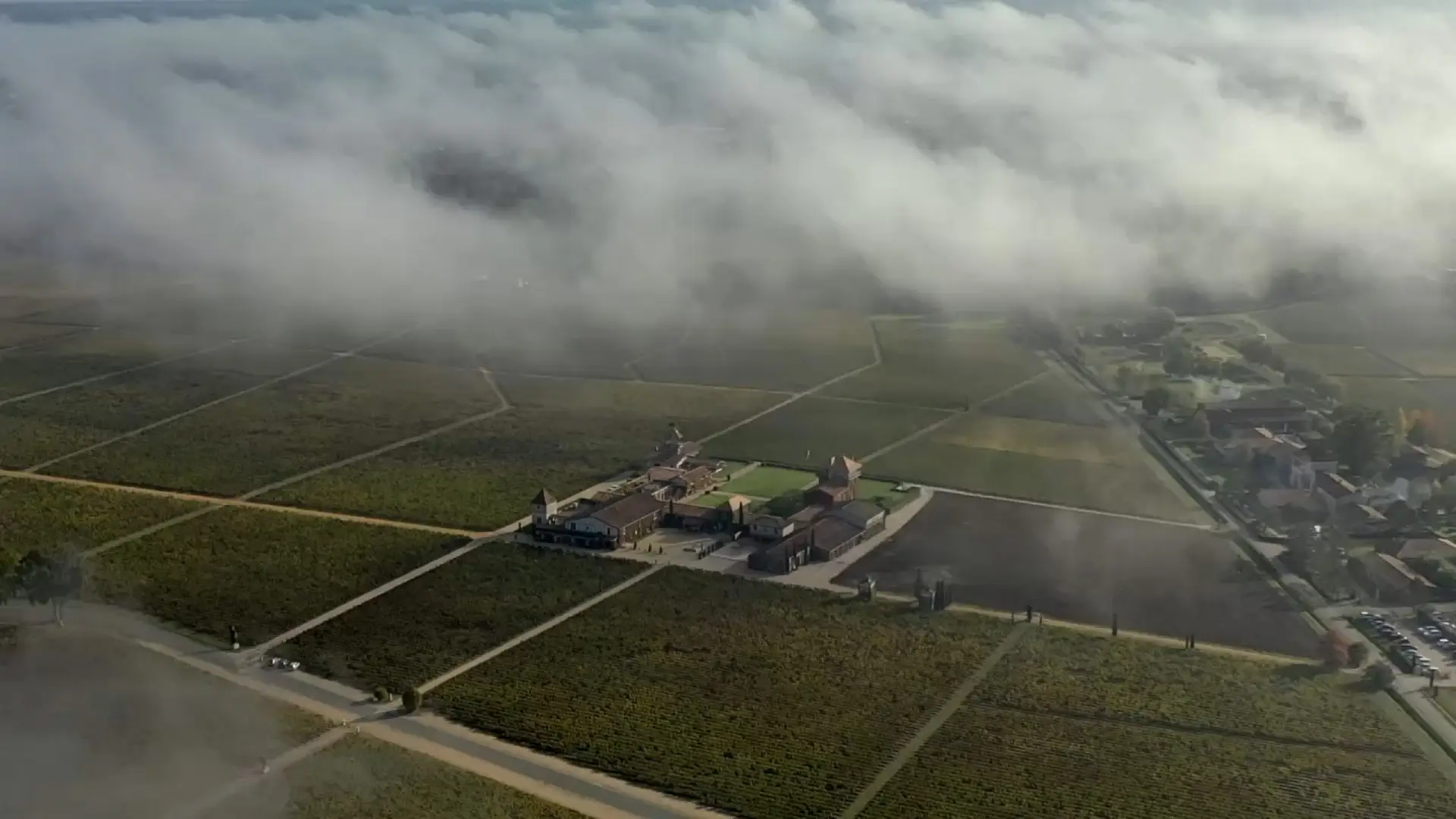
Bars in Martillac
Browse all →
Restaurants in Martillac
Browse all →
At a Glance
- Classic
- Elegant
- Quiet
- Sophisticated
- Wine Education
- Special Occasion
- Corporate Event
- Group Outing
- Historic Building
- Design Destination
- Private Tasting
- Vineyard Tour
- Estate Grounds
- Sustainable
- Vineyard
- Pessac Léognan AOC
- Merlot
- Cabernet Sauvignon
- Sauvignon Blanc
- Petit Verdot
- Sémillon
- Still Red
- Still White
- Private Tasting
- Cellar Tasting
Elegant and terroir-focused, with a renovated cellar and an 18th-century manor house setting that suggests a classic Bordeaux estate atmosphere.