
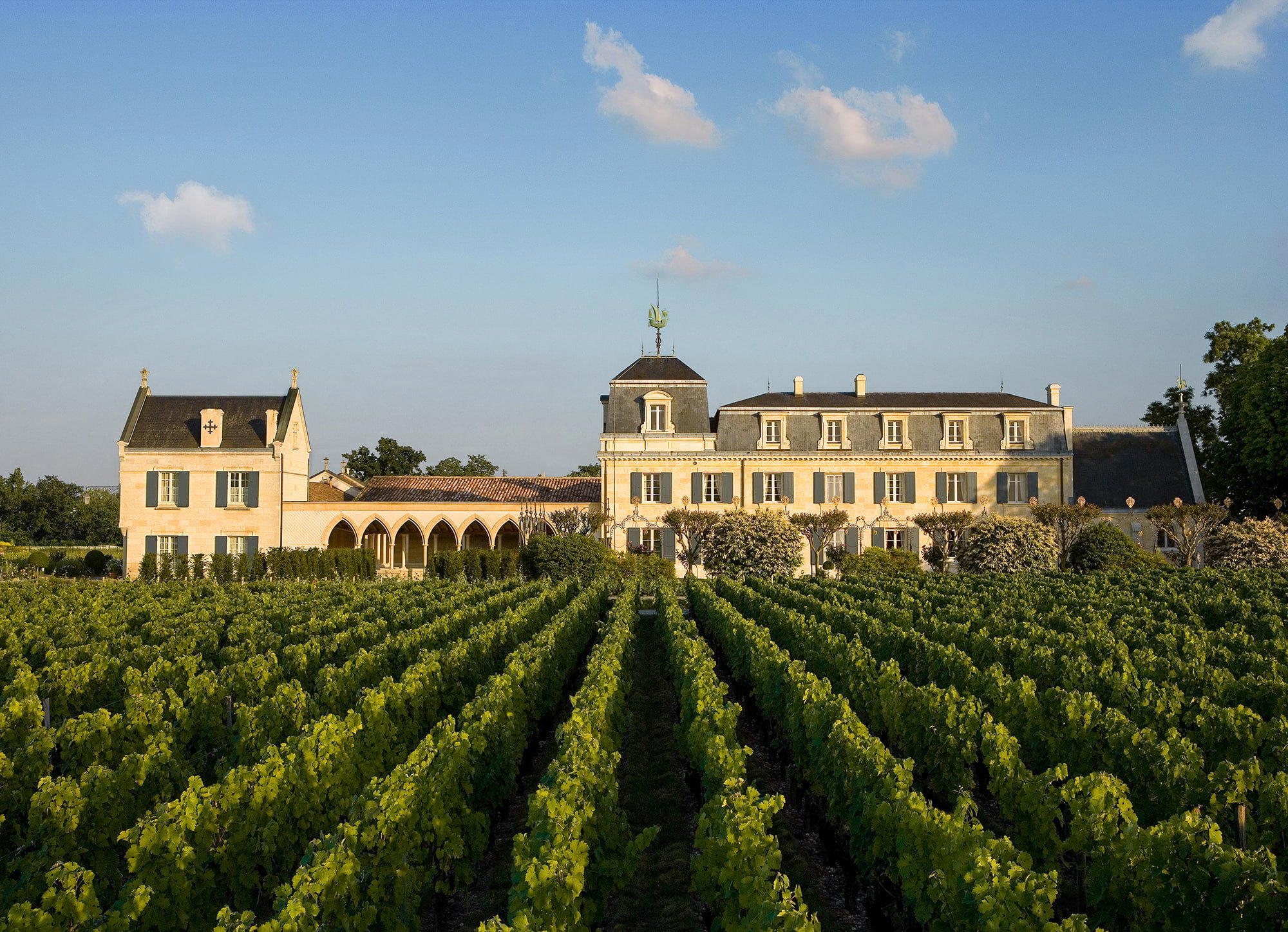
Château Le Coteau gives Margaux a quieter reading: family-owned, Cabernet-led, biodynamic in philosophy, and rooted in the gravel soils of Arsac. Its appeal is not spectacle but terroir discipline, with estate-grown fruit, a stable Left Bank blend, and critical recognition across recent vintages.
Pearl is the En Primeur Club membership app — saves, bookings, and concierge access live there. Same editors, same standards.
- Address
- Arsac, Margaux, Nouvelle-Aquitaine, Frankreich
- Directions
- Get directions
 Saves & bookings on Pearl
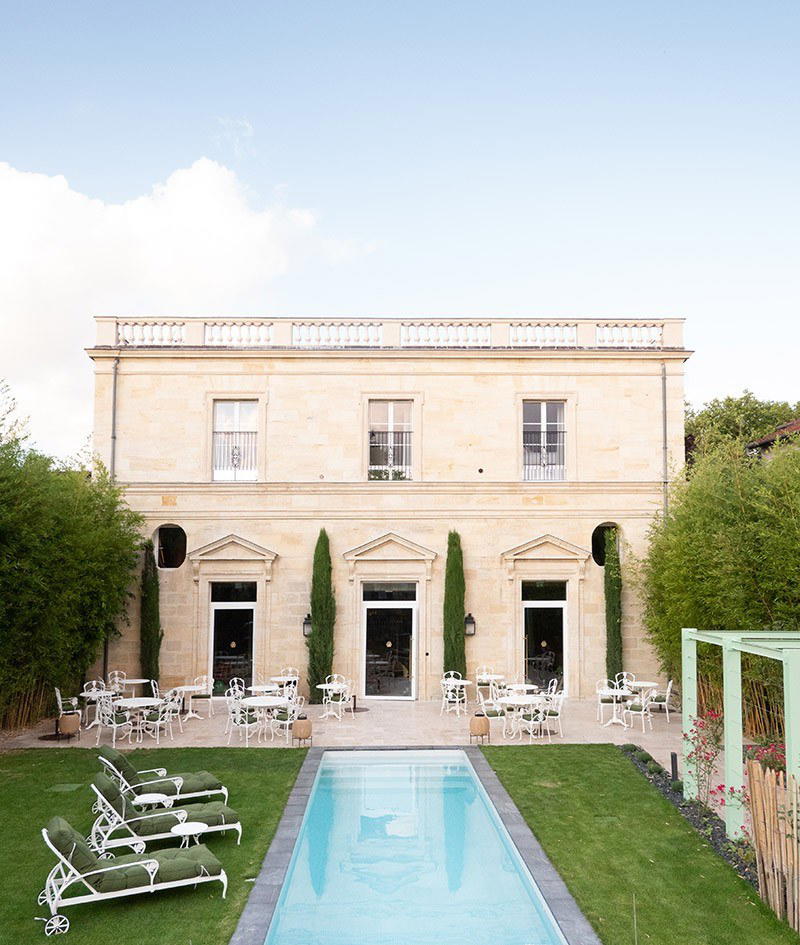
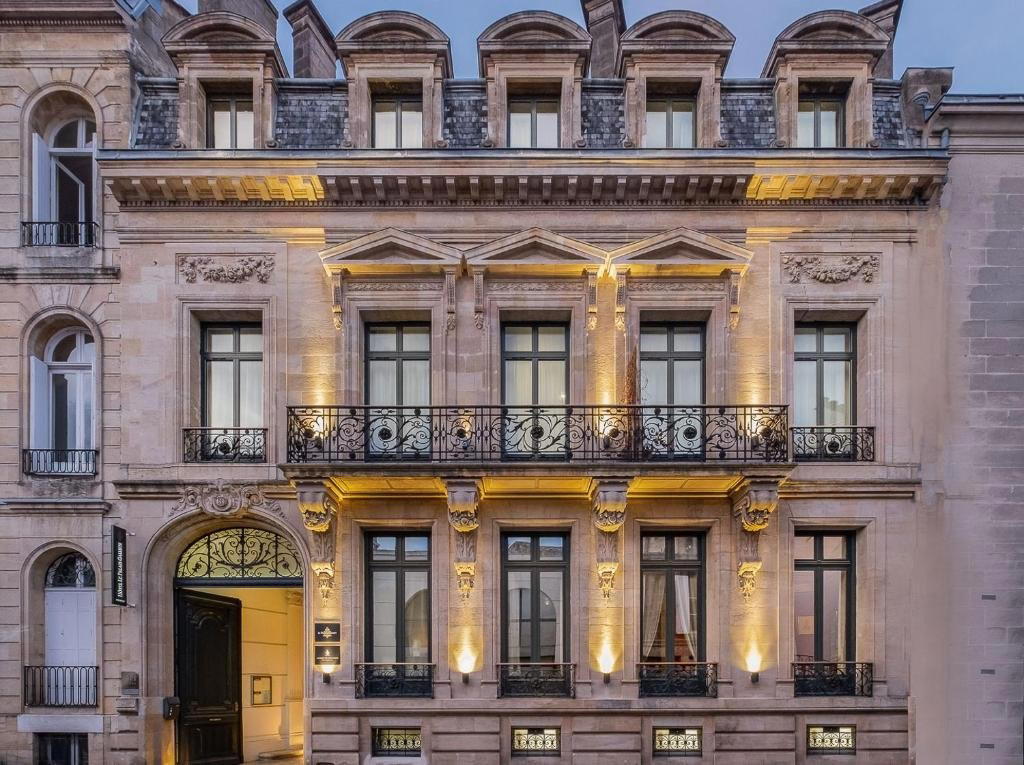
Arsac has a quieter tempo than the grand Bordeaux image many visitors have in mind. In that setting, Château Le Coteau is best presented simply: a family-owned Margaux estate in Arsac, associated with gravel soils, traditional methods, and a classic, elegant atmosphere. The picture is not one of spectacle or invented detail, but of a discreet Bordeaux identity built around structure, restraint, and a velvety wine style. It is an address that benefits from being described with care, because its appeal lies less in dramatic claims than in the steady language of place, tradition, and proportion.
Gravel soils and a classic Arsac reading of Margaux
Château Le Coteau belongs to the Margaux context of Arsac, where gravel soils are central to how the estate is described. That point matters because it gives the property a grounded sense of origin without needing to overreach into unsupported technical detail. Rather than relying on claims about exact blends, vintages, ratings, or vineyard measurements, the safest way to frame the property is through its confirmed character: traditional methods, a family-owned identity, and a structured Bordeaux style that favors elegance over display.
The estate’s appeal is quiet and sophisticated. It is the kind of address that suits visitors or collectors looking for a more understated Margaux reference point, especially if they value a classic Bordeaux atmosphere and a sense of continuity. In a region often discussed through prestige and comparison, Château Le Coteau is better understood as part of a more measured vocabulary: gravel, family ownership, tradition, structure, and elegance. Specific operational details, visit formats, tasting options, and production data should be checked directly before planning around them.
Within Arsac, the winery reads as a quiet reference rather than a highly publicized stop. The notes point to gravel, tradition, and a family estate identity; they do not support more specific claims about certification, awards, named personnel, exact cellar practices, or published scores. That limitation is not a weakness for an editorial profile. It simply asks for a more exacting kind of description, one that respects what is known and avoids turning a discreet estate into a larger story than the evidence allows.
A restrained estate profile rather than a trophy narrative
The grounded profile of the winery is strongest when kept focused on what is known: a classic, elegant Bordeaux estate atmosphere and a structured, velvety wine style. That makes it useful for readers who want a Margaux reference that feels quiet, traditional, and estate-led. The language around the property should stay close to those qualities, because they provide enough texture on their own. Structure suggests seriousness and shape; elegance suggests balance; a velvety style points toward softness and polish without requiring invented tasting notes.
For that reason, the estate should not be presented through critical ratings, biodynamic claims, barrel-sample experiences, or detailed production figures. The more accurate framing is simpler and more durable: the winery is a family-owned Margaux estate in Arsac with a sophisticated, traditional character. Readers looking for firm planning information should verify practical details directly, while readers seeking a sense of the estate can rely on the core descriptors already supported.
That restraint is part of the appeal. Instead of building the page around unsupported hooks, the reason to consider the winery is its confirmed sense of place: Arsac, gravel soils, Margaux identity, and a classic Bordeaux mood. In editorial terms, the estate works well when allowed to remain understated. Its profile does not need embellishment to be useful; it offers a concise way to understand one facet of Arsac through a Bordeaux lens that values continuity, proportion, and quiet sophistication.
How to place it in an Arsac wine itinerary
For visitors building an Arsac itinerary, the winery fits best as a quiet, elegant estate reference. It should be positioned as part of a broader understanding of the area rather than as a stop defined by a long checklist of confirmed visitor experiences. That approach keeps expectations realistic and makes the estate useful as a point of comparison for the classic, restrained side of the Margaux setting in Arsac.
To understand the surrounding context, use local Arsac wine, dining, hotel, bar, and experience resources generically, then compare how different Arsac addresses express the area’s Bordeaux identity. Within that broader planning, the winery is distinctive for its confirmed family-owned Margaux profile, traditional methods, gravel-soil emphasis, and classic, sophisticated atmosphere. It is especially well placed in an itinerary for readers who want to think about texture and tone as much as headline status: the quieter rhythm of Arsac, the importance of gravel in the estate description, and the appeal of a structured, velvety style.
For readers building a wider France and Europe cellar itinerary, the winery can serve as the Arsac reference point: a restrained Bordeaux estate profile rather than a venue defined by scores, formats, or production claims. The point is not to overstate the public record, but to keep the focus on the essentials of place, style, and atmosphere. In that role, the estate adds balance to a broader route, offering a reminder that some Bordeaux addresses are most accurately appreciated through discretion, traditional character, and a carefully limited set of confirmed facts.
Recognition history
Dated appearances from independent guides and award organizations, with the underlying list record or original source where available.
Falstaff Winery - Listed
Falstaff
Continue exploring
More in Arsac
Wineries in Arsac
Browse all →
Bars in Arsac
Browse all →

Restaurants in Arsac
Browse all →


At a Glance
- Classic
- Elegant
- Quiet
- Sophisticated
- Special Occasion
- Solo Exploration
- Wine Education
- Historic Building
- Vineyard Tour
- Private Tasting
- Vineyard
- Margaux AOC
- Cabernet Sauvignon
- Merlot
- Cabernet Franc
- Petit Verdot
- Still Red
- Barrel Tasting
- Guided Tasting
- Private Tasting
Classic, elegant Bordeaux estate atmosphere with a structured, velvety wine style; sources emphasize traditional methods, gravel soils, and a family-owned Margaux identity.