Château L’Arrosée

Falstaff Winery - Listed
Château L’Arrosée belongs to the quieter side of Saint-Émilion: limestone, clay, Merlot-led blends, and a restrained Right Bank register rather than sheer extraction. Its final vintage under the L’Arrosée name was 2012, after the estate was acquired by Domaine Clarence Dillon and folded into Château Quintus, giving surviving bottles a defined historical endpoint.

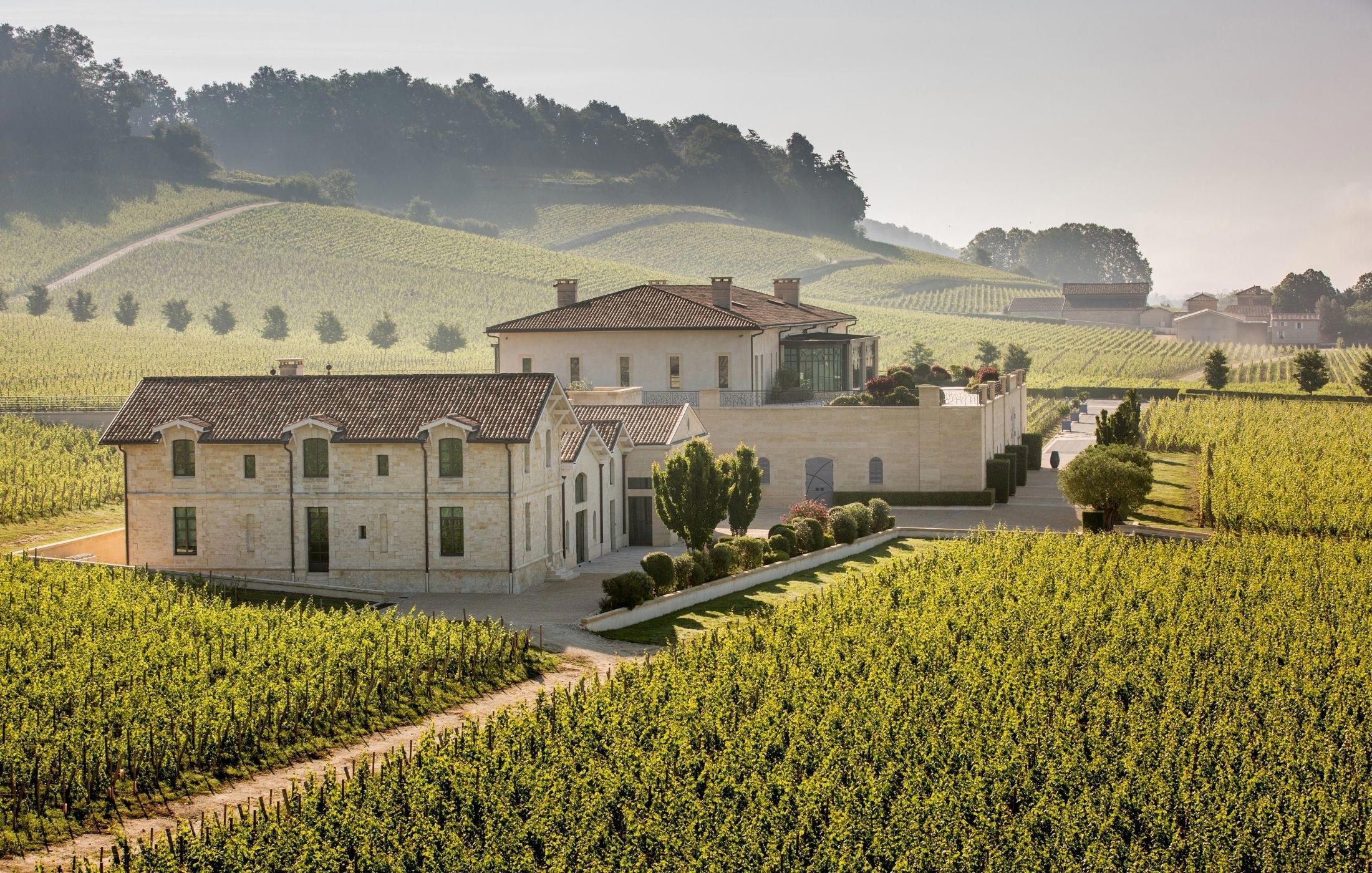
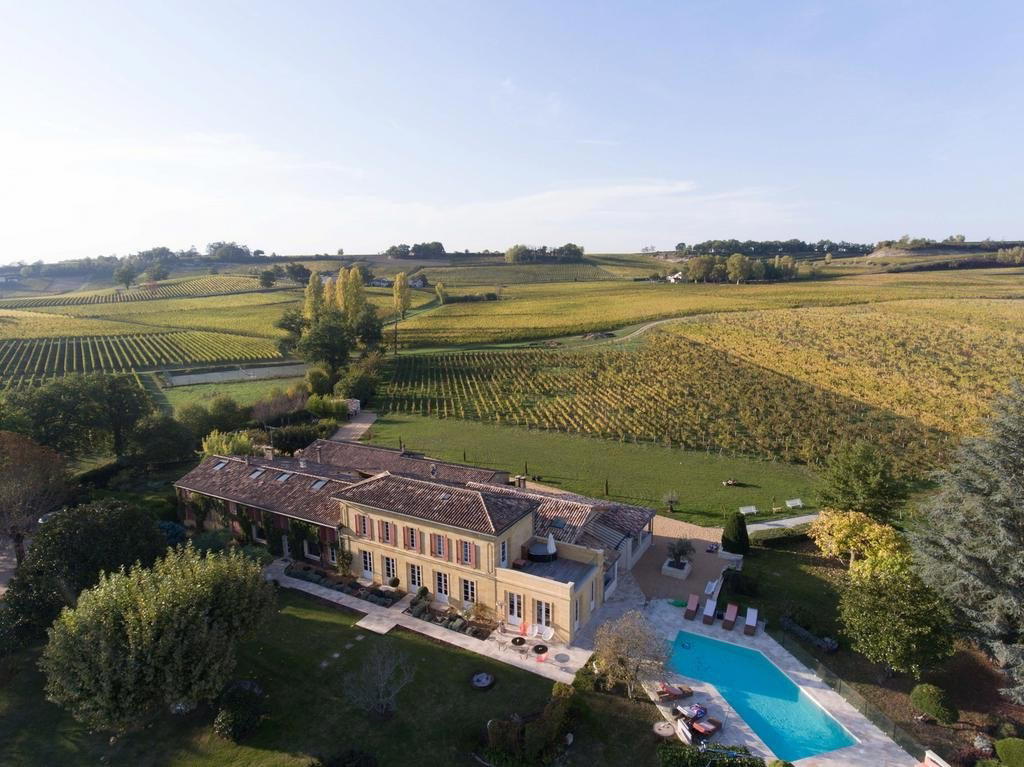
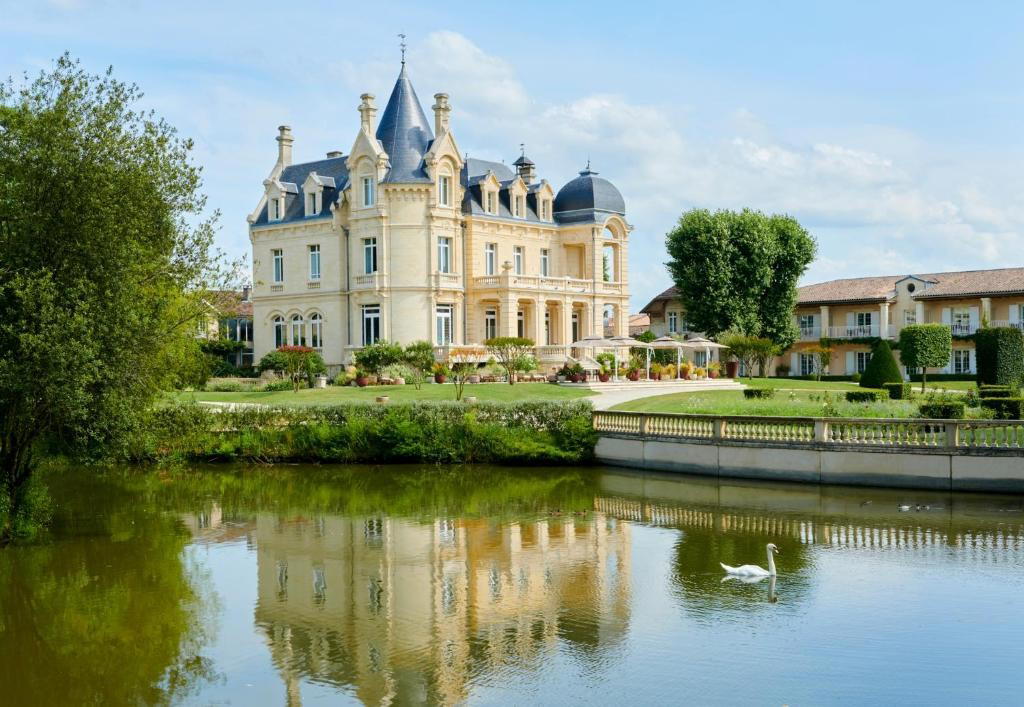
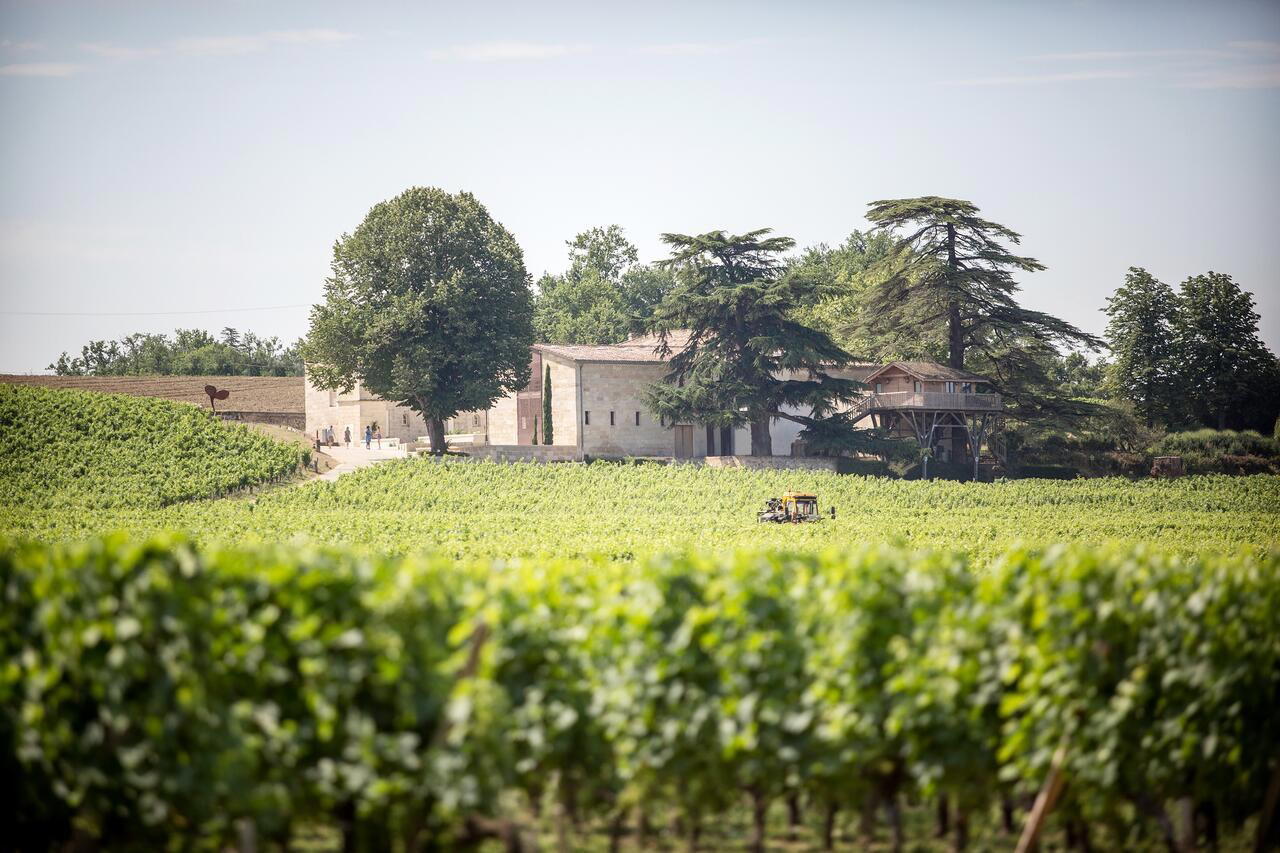
Château L’Arrosée in Saint-Émilion is best approached as a historic Right Bank Bordeaux estate with a clearly defined personality: classic, elegant, and understated. It is about a Saint-Émilion name associated with traditionally styled wines, soft textures, purity of fruit, and a refined sense of balance.
Specific claims about vineyard composition, production methods, rankings, appointment rules, exact location, or named ownership history are not included in the record here and should not be treated as confirmed. What can be said is simpler and more useful: this is a historic Right Bank Bordeaux estate whose reputation sits on elegance, restraint, and a classic Saint-Émilion identity.
Limestone, clay and the restrained side of Saint-Émilion
Saint-Émilion is often discussed through terroir, classification, collecting, and village history, but for Château L’Arrosée the grounded point is stylistic rather than technical. The estate is known for wines that emphasize softness, purity of fruit, and a refined personality. That makes it a useful reference for readers who want a calmer expression of Right Bank Bordeaux rather than a profile built around overt power.
The words that matter here are classic, elegant, and historic. They describe the tone of the estate without overreaching into unconfirmed details. Château L’Arrosée belongs in the conversation for drinkers who value traditional Saint-Émilion character: supple texture, composure, and an understated finish. It should not be presented as a venue with confirmed visitor services, a specific tasting format, or a documented modern hospitality program unless those details are separately verified.
For EP Club readers, that restraint is part of the appeal. Château L’Arrosée is not framed here as a trend-driven stop or as a place defined by a contemporary experience package. It is better understood as a historic estate name within Saint-Émilion, one whose reputation centers on elegant Right Bank Bordeaux and a quiet, traditional style.
A historic Right Bank Bordeaux reference point
The profile of Château L’Arrosée is concise but meaningful. It is a historic Saint-Émilion estate associated with refined wines rather than maximum force. That distinction matters because Saint-Émilion can be interpreted in many ways: some visitors and collectors look for density, prestige signals, or dramatic cellar narratives, while others look for balance, softness, and continuity with a more classical Bordeaux grammar.
Château L’Arrosée falls into the latter reading. Its personality is described as refined and understated, with soft textures and purity of fruit. Those are not minor descriptors; they define the reason to keep the estate in mind when comparing different expressions of Saint-Émilion. The estate’s interest lies in its composure and historic identity, not in unsupported specifics about exact vineyard makeup, production volume, ratings, or formal accolades.
The price indicator is $$$, which places Château L’Arrosée in a premium frame without requiring invented pricing claims. Readers should treat that marker as a broad guide rather than a promise of any particular bottle price, tasting fee, or service format.
How to place L'Arrosée in a Saint-Émilion itinerary
For readers planning time in Saint-Émilion, Château L’Arrosée works well as a historic wine reference rather than as a page of logistical promises. The information supports a narrow but useful recommendation: understand it as a classic Right Bank Bordeaux estate known for elegant, traditionally styled Saint-Émilion wines with soft textures, fruit purity, and a refined, understated character.
That makes it especially relevant for visitors who want to think about Saint-Émilion beyond surface-level prestige. Instead of building an itinerary around claims about access, seating, cellar visits, or specific tastings, use Château L’Arrosée as a stylistic anchor. It represents the quieter side of the appellation: polished, historic, and restrained.
Other dining, lodging, bar, and experience choices in Saint-Émilion can frame the broader trip, but the Château L’Arrosée entry itself should stay focused on what is confirmed. It is a historic estate in Saint-Émilion, positioned at a $$$ level, with a classic and elegant identity. Its appeal is strongest for readers who appreciate Right Bank Bordeaux when it favors softness, purity, and understatement over force.
Frequently asked questions
Is Château L’Arrosée more low-key or high-energy?
Château L’Arrosée is best described as refined and understated. Its profile points to a classic, elegant Saint-Émilion estate rather than a high-energy venue.
Where is Château L’Arrosée located?
Château L’Arrosée is located in Saint-Émilion.
What's the price range for Château L’Arrosée?
Pricing at Château L’Arrosée is listed as $$$.
What is Château L’Arrosée known for?
Château L’Arrosée is known as a historic Right Bank Bordeaux estate associated with elegant, traditionally styled Saint-Émilion wines, soft textures, purity of fruit, and a refined, understated personality.
Do I need a reservation for Château L’Arrosée?
Confirm current access details directly before planning a visit.
Who is Château L’Arrosée best for?
It suits readers interested in classic Saint-Émilion character, historic Right Bank Bordeaux estates, and wines known for elegance and restraint rather than overt power.
Recognition history
Dated appearances from independent guides and award organizations, with the underlying list record or original source where available.
Falstaff Winery - Listed
Falstaff
Request a visit to Château L’Arrosée
Tell us when you would like to go and how many people, and we put the request to the estate and reply to you by email.
Continue exploring
More in Saint-Émilion
Wineries in Saint-Émilion
All wineries in Saint-Émilion →
Bars in Saint-Émilion
Browse all →
Details
- Classic
- Elegant
- Historic
- Well Known
- Quiet
- Romantic Getaway
- Solo Exploration
- Wine Education
- Special Occasion
- Estate Grounds
- Historic Building
- Vineyard
- Merlot
- Cabernet Franc
- Cabernet Sauvignon
- Still Red
- Bottle Tasting
- Vertical Tasting
Historic Right Bank Bordeaux estate known for producing elegant, traditionally styled Saint-Emilion wines with soft textures, purity of fruit, and a refined, understated personality rather than overt power.