
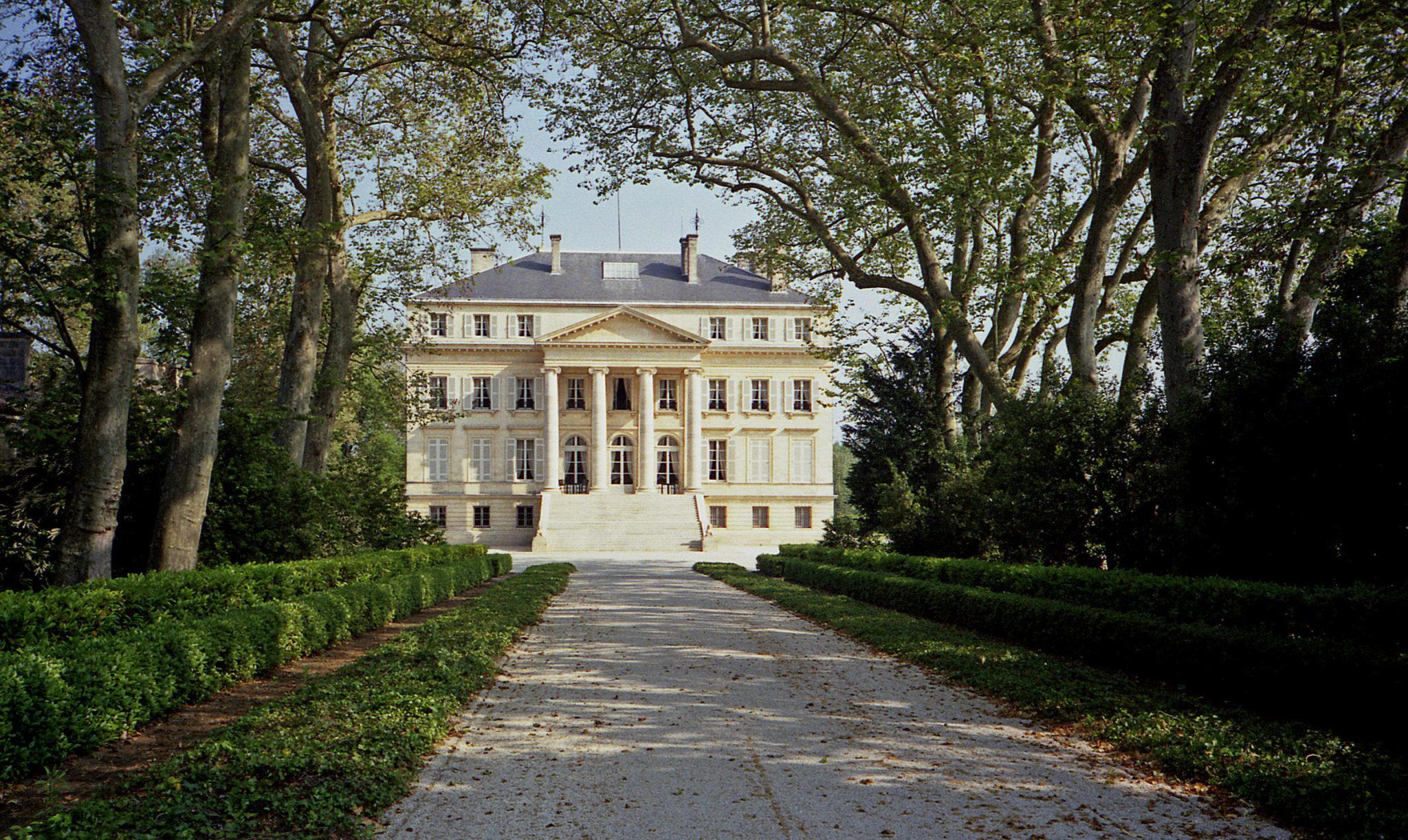
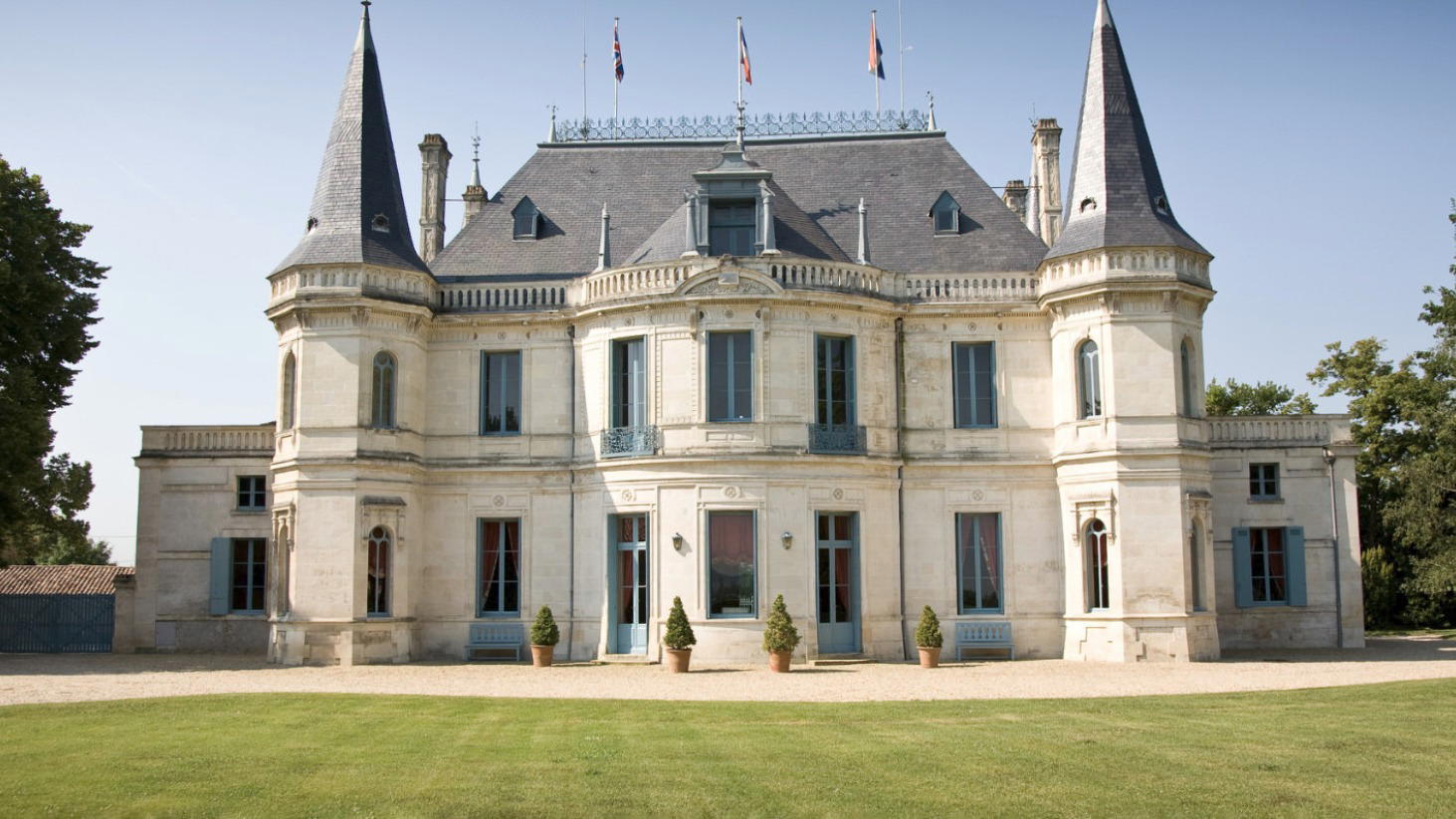
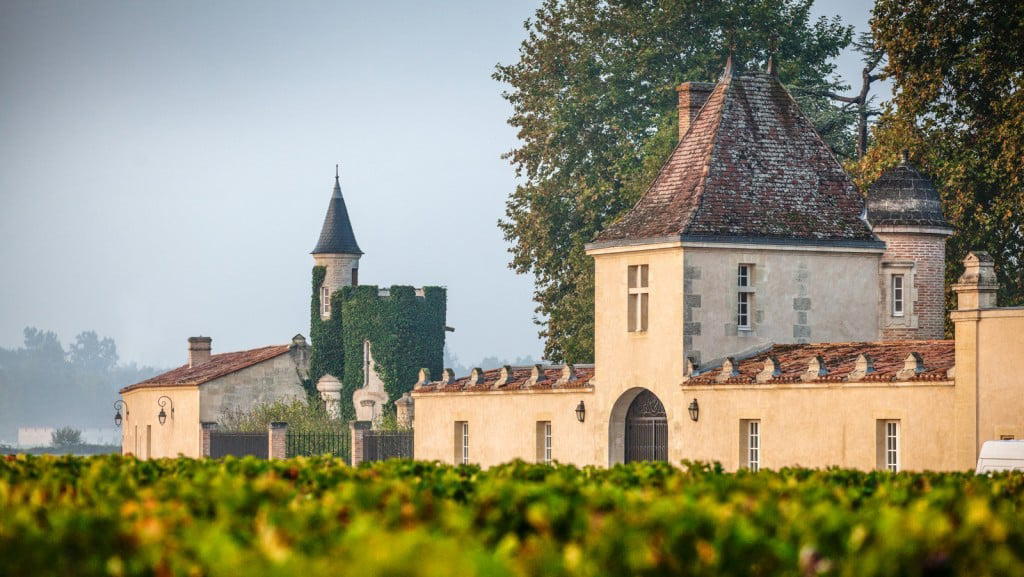
Château La Fortune is a small Margaux Cru Bourgeois estate shaped around gravel-grown Cabernet Sauvignon and Merlot rather than château spectacle. Revived in 2014 by the Helfrich family with Michel Rolland consulting, its interest lies in how a 2.5-hectare site can produce structured, polished Médoc reds within a historically classified appellation.
Pearl is the En Primeur Club membership app — saves, bookings, and concierge access live there. Same editors, same standards.
- Address
- Margaux, Nouvelle-Aquitaine, Frankreich
 Saves & bookings on Pearl
Château La Fortune in Margaux is presented here with only a limited profile, and that limitation matters. The grounded picture is a Margaux venue with a $$$ price level and a classic Médoc character: elegant, gracious, structured and refined, with wines described through ripe red and black fruits, floral notes and well-integrated oak. Rather than filling the gaps with unsupported detail, particularly useful reading is to stay close to what is known and let the available style markers do the work. In that frame, Château La Fortune belongs to the more composed side of Margaux: a place understood through balance, aromatic lift and proportion rather than through scale, spectacle or excess.
Margaux character and the argument for finesse
Margaux is closely associated here with a sense of finesse, structure and aromatic detail. For Château La Fortune, the style language points in that direction: a classic Médoc expression focused on elegance rather than excess weight. This is an important distinction, because the profile does not ask to be read as broad, forceful or heavily built. Its vocabulary is more measured. The emphasis falls on grace, shape and a refined line, all of which sit comfortably within a Margaux context.
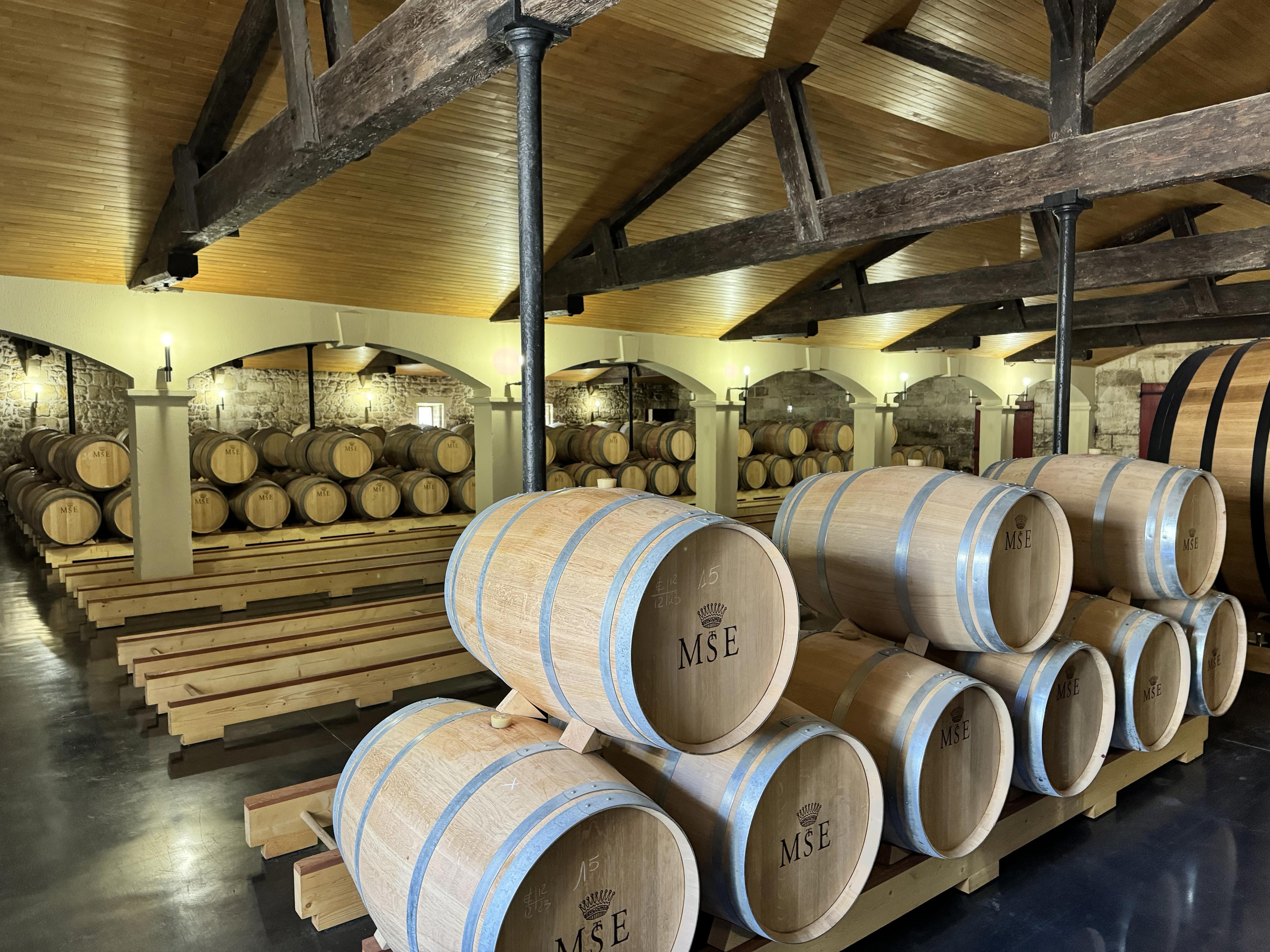
The wine profile is described as gracious and refined, with structure, complex bouquets of ripe red and black fruits, floral notes and oak that is integrated rather than dominant. Those descriptors suggest a wine identity built from several elements working together: fruit with ripeness but not heaviness, florality that adds lift and detail, and oak that supports the whole without taking over the impression. That is one useful way to understand the venue from the available information: through balance, polish and Margaux character. The point is not to overstate what is known, but to read the available language carefully. Elegance, structure and integration are the core ideas, and they give the profile its shape.
Specific claims about ownership, consultants, production methods, vineyard size, grape composition, vintages, awards or visiting arrangements are not included here because they are not part of the available information. That restraint is part of the profile’s value. It keeps the description aligned with what can be supported, and it avoids turning a concise venue note into a speculative estate history. Readers looking for technical depth should treat those subjects as unconfirmed unless they are from a direct source.
A narrow, serious brief
What can be stated is narrower: the winery is a Margaux venue positioned at $$$, with a classic, elegant Médoc identity. That brief is compact, but it is not empty. The $$$ positioning gives a broad sense of where the venue sits in the guide’s pricing language, while the Médoc and Margaux references place the experience within a recognizable regional frame. The stylistic notes then complete the picture by emphasizing refinement, structure and aromatic complexity.
Its appeal is therefore best framed around style rather than operational detail. Expect the guide profile to emphasize refinement, structure, red and black fruit, floral nuance and well-integrated oak, all within a Margaux context. This is not a page built around practical promises or a long checklist of services. It is better approached as a concise orientation: a way to understand the tone of the winery before comparing it with other Margaux entries. The profile points toward a wine character that is polished and composed, with its interest coming from harmony and detail rather than from any single dominant feature.
How to place it in a Margaux itinerary
The winery suits readers looking to understand a classic Margaux expression centered on elegance and finesse. Within a Margaux itinerary, it can be considered alongside other dining, lodging, bar and experience options in the area without assuming any specific visit format that has not been verified. In practical terms, that means it works well as a point of reference in a broader Margaux plan: a name to situate within the appellation’s wider language of structure, perfume, ripe fruit and restraint.
For planning, treat the winery as a Margaux point of interest with a $$$ positioning and a refined Médoc wine character. Details such as opening arrangements, tastings, visitor access and specific services should be confirmed directly before making plans. That final step is especially important here because the available profile is intentionally limited. The reliable takeaway is stylistic rather than logistical: the winery is presented as elegant, gracious and structured, with ripe red and black fruits, floral notes and well-integrated oak shaping its Margaux identity.
Recognition history
Dated appearances from independent guides and award organizations, with the underlying list record or original source where available.
Falstaff Winery - Listed
Falstaff
At a Glance
- Classic
- Elegant
- Romantic
- Scenic
- Sophisticated
- Romantic Getaway
- Special Occasion
- Wine Education
- Solo Exploration
- Vineyard
- Margaux AOP
- Cabernet Sauvignon
- Merlot
- Still Red
- Bottle Tasting
- Red Wine Vertical
Classic Medoc Margaux character focused on elegance and finesse, with wines described as gracious, structured and refined, showing complex bouquets of ripe red and black fruits, floral notes and well-integrated oak.