
Falstaff Winery - Listed
Château Haut-Bergeron is a family-run Sauternes estate in Preignac where the interest lies in land, patience and noble rot rather than architectural theatre. Its 28 hectares span Sauternes, Preignac, Bommes and Barsac, with old Sémillon vines, a Ciron island parcel and more than a century of Lamothe family stewardship shaping a quietly serious sweet-wine address.

Pearl is the En Primeur Club membership app — saves, bookings, and concierge access live there. Same editors, same standards.
- Address
- 427 Le Haire, 33210 Preignac, France
- Phone
- +33 5 56 63 24 76
- Hours
- Mon–Fri 8:30 AM–12 PM, 2–5:30 PMSat–Sun Closed
- Website
- chateauhautbergeron.com
- Directions
- Get directions
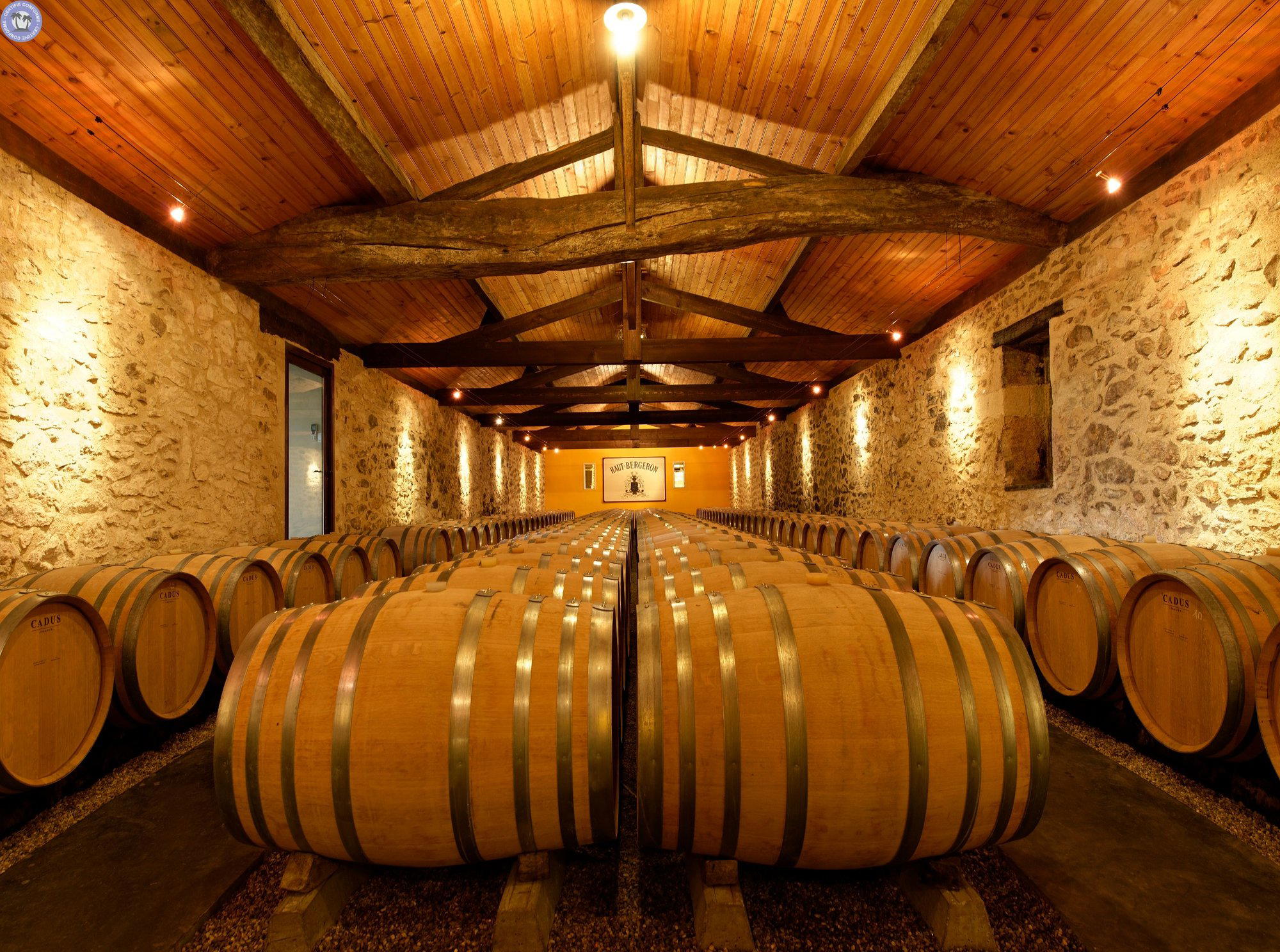
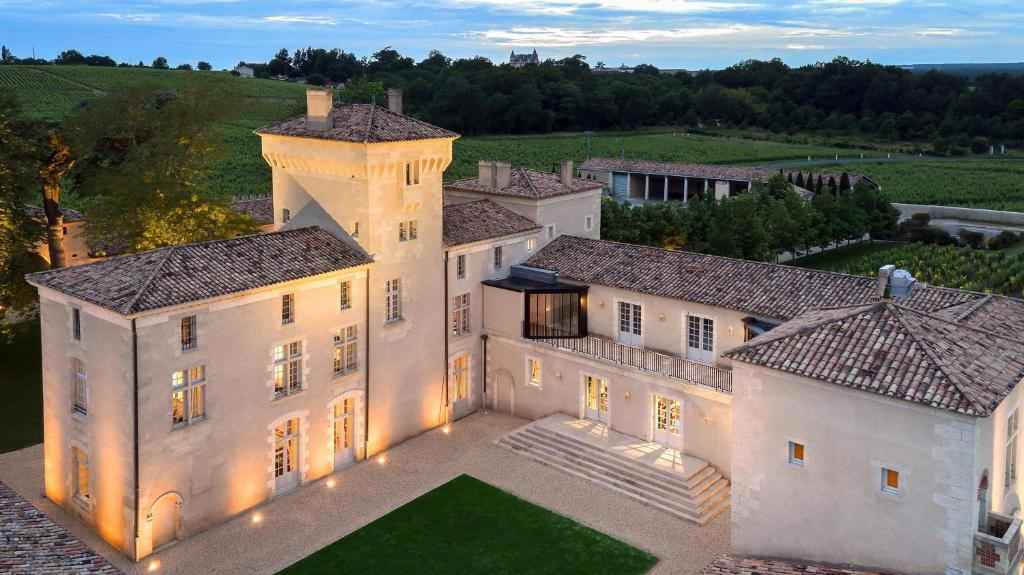
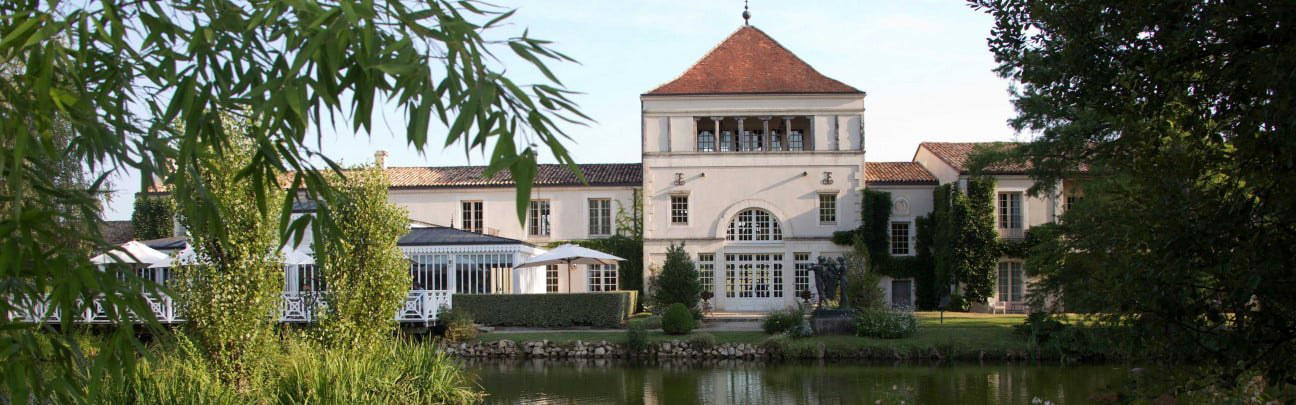
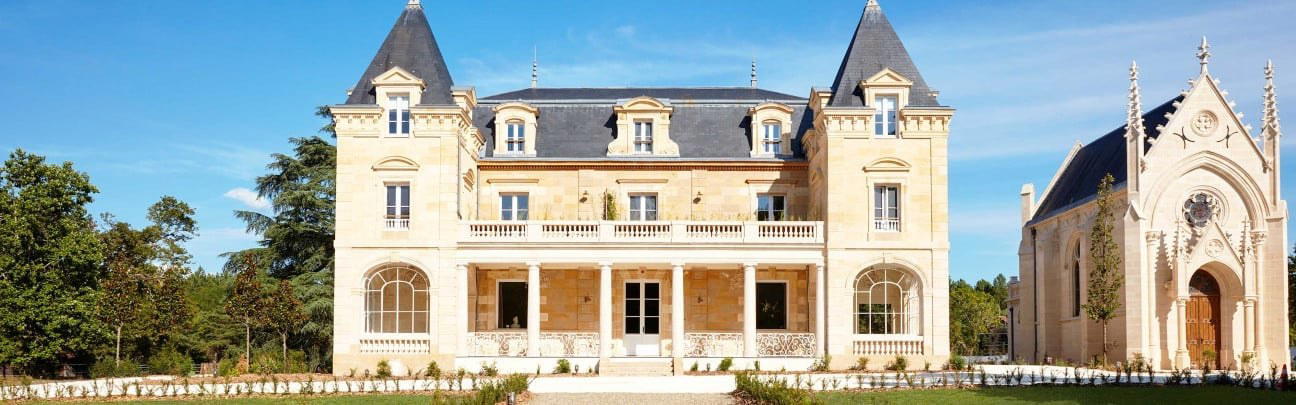
Château Haut-Bergeron in Preignac is best approached as a historic Sauternes family estate rather than a showpiece stop. Its appeal is rooted in a modest, traditional château atmosphere, venerable old vines and a focus on craftsmanship. The mood is intimate, authentic and quietly elegant, with the sense of a working place shaped by continuity rather than spectacle. In that sense, the estate reads less as a destination built around performance and more as a place where the surrounding wine culture can be felt through restraint, setting and accumulated tradition.
For travellers, that makes Château Haut-Bergeron a useful counterpoint to more performative wine tourism. It offers a way to think about Sauternes through atmosphere as much as through labels or technical detail: the historic family-estate frame, the old-vine character and the modest château setting together create a quieter impression. Visitors who are drawn to places with a lived-in sense of purpose, rather than a heavily staged experience, are likely to understand its appeal most clearly.
Old vines, tradition and a quiet estate atmosphere
The strongest confirmed reason to pay attention to Château Haut-Bergeron is its atmosphere. It presents the feel of a historic Sauternes family estate, with venerable old vines and a traditional château character. That gives the visit an intimate, authentic quality rather than a glossy or tourist-heavy one. The emphasis is on a sense of continuity: vines, estate, craft and place combining into an impression that feels grounded rather than manufactured.
This matters because old-vine and family-estate language can sometimes be treated as shorthand, but here it is best understood as part of the broader mood. Château Haut-Bergeron’s identity, as described here, is not about excess or grand staging. It is about the quieter confidence of a property associated with Sauternes heritage, where the traditional château setting and the idea of careful craft carry much of the experience. The result is a more understated kind of interest, suited to travellers who like to read the character of a place slowly.
Specific claims about vineyard size, grape percentages, cellar methods, cuvées, founding dates, awards, scores or visit formats should be treated cautiously unless confirmed directly by the estate. What can be said with confidence is that Château Haut-Bergeron fits the quieter, craftsmanship-led side of the Preignac wine landscape. That restraint is important: it keeps the portrait accurate and prevents the estate from being forced into a more commercial or spectacle-driven category than the information supports.
The estate’s appeal is therefore less about a checklist of amenities and more about setting: Preignac, Sauternes heritage, old vines, a modest château and a traditional sense of place. Those elements are enough to establish its character. They suggest a stop whose value lies in proportion, texture and authenticity, rather than in a long list of named features or experiences.
A historic Sauternes family estate without unnecessary spectacle
Château Haut-Bergeron is best framed as a historic family estate in the Sauternes tradition. The tone is modest and quietly elegant, with a focus on craftsmanship. That makes it especially relevant for travellers who value context, authenticity and a sense of agricultural continuity. It belongs to the kind of wine-country visit where the surroundings, the estate identity and the sense of ongoing work are as important as any single headline claim.
The absence of unnecessary spectacle is part of the point. Rather than leaning on a resort-style image, the estate is presented through a narrower and more convincing lens: a traditional château in Preignac, connected to Sauternes, shaped by old vines and craft. That framing gives the place a calm dignity. It does not need to be inflated with unconfirmed details to be worth noting; its strength is precisely that it can be appreciated through modesty and continuity.
Those details may matter in a wine discussion, but they are not part of the confirmed data here. The grounded portrait is simpler: a traditional château estate in Preignac with old-vine character and a restrained, intimate atmosphere. Keeping the description to that foundation makes the recommendation more useful, especially for travellers trying to distinguish between confirmed character and promotional embellishment.
For visitors comparing options in the area, Château Haut-Bergeron stands out for this understated identity. It is not presented here as a luxury resort-style experience, but as a quietly elegant Sauternes estate where craftsmanship and heritage are central to the impression. Its place in a trip is therefore defined by tone: calm, traditional, authentic and closely tied to the surrounding wine landscape.
How to place it in a Preignac wine itinerary
Preignac rewards travellers who are interested in Sauternes as a place as much as a wine category. Château Haut-Bergeron fits that kind of itinerary: traditional, modest, intimate and grounded in old vines and estate craft. It is the sort of stop that can help balance an itinerary by adding a quieter, more heritage-led perspective, especially when the goal is to understand the texture of the local wine landscape rather than simply move between major names.
Use it as a focused stop for understanding the quieter side of local wine culture. For the rest of a trip, compare Château Haut-Bergeron with other dining, lodging, bar and experience options in Preignac generically, rather than assuming specific services or formats that have not been verified. That approach keeps expectations sensible while allowing the estate’s confirmed strengths to come through: a historic family-estate atmosphere, old-vine character, modest château setting and a restrained sense of craftsmanship.
Recognition history
Dated appearances from independent guides and award organizations, with the underlying list record or original source where available.
Falstaff Winery - Listed
Falstaff
Continue exploring
More in Preignac
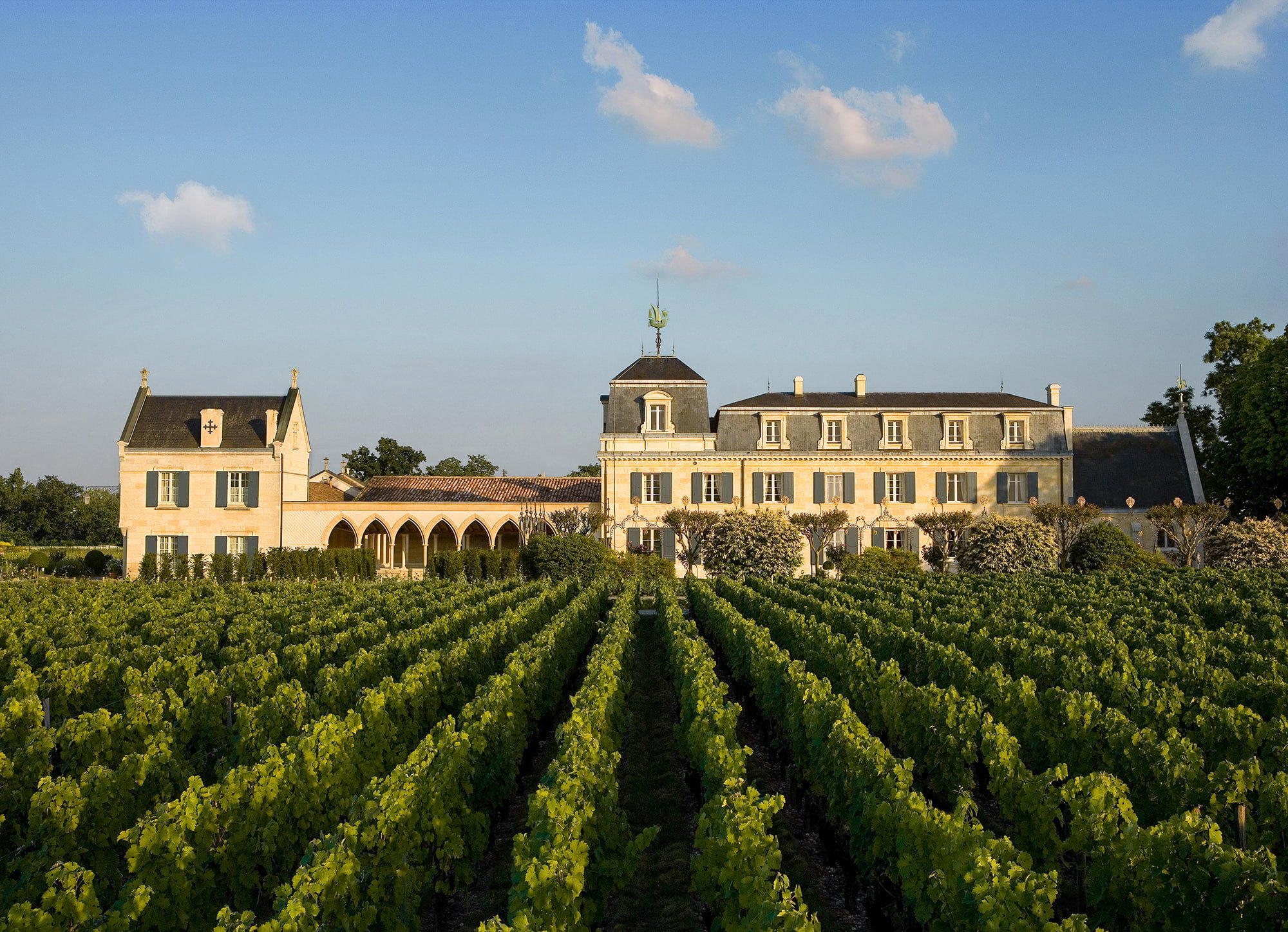
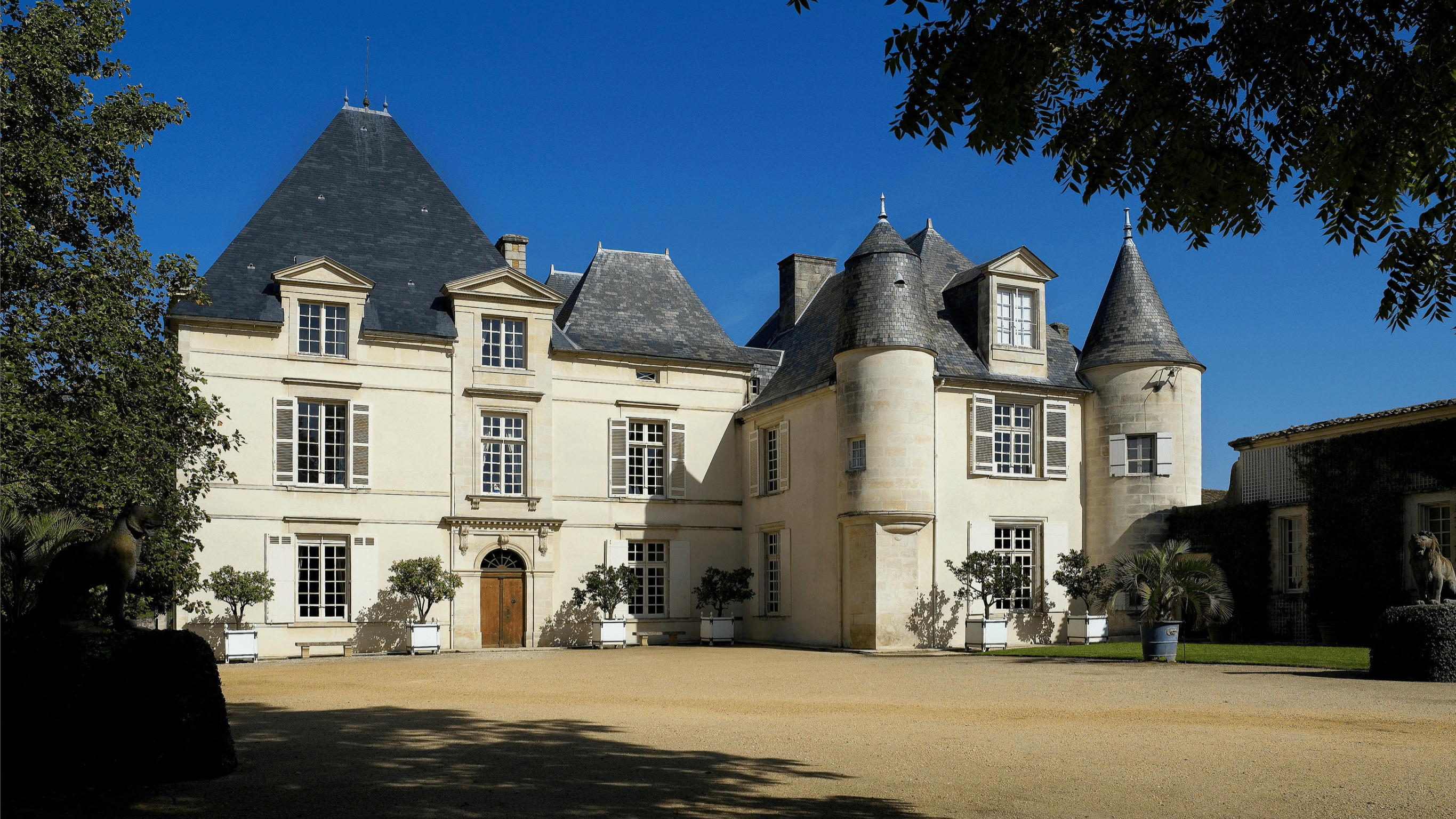
Wineries in Preignac
Browse all →
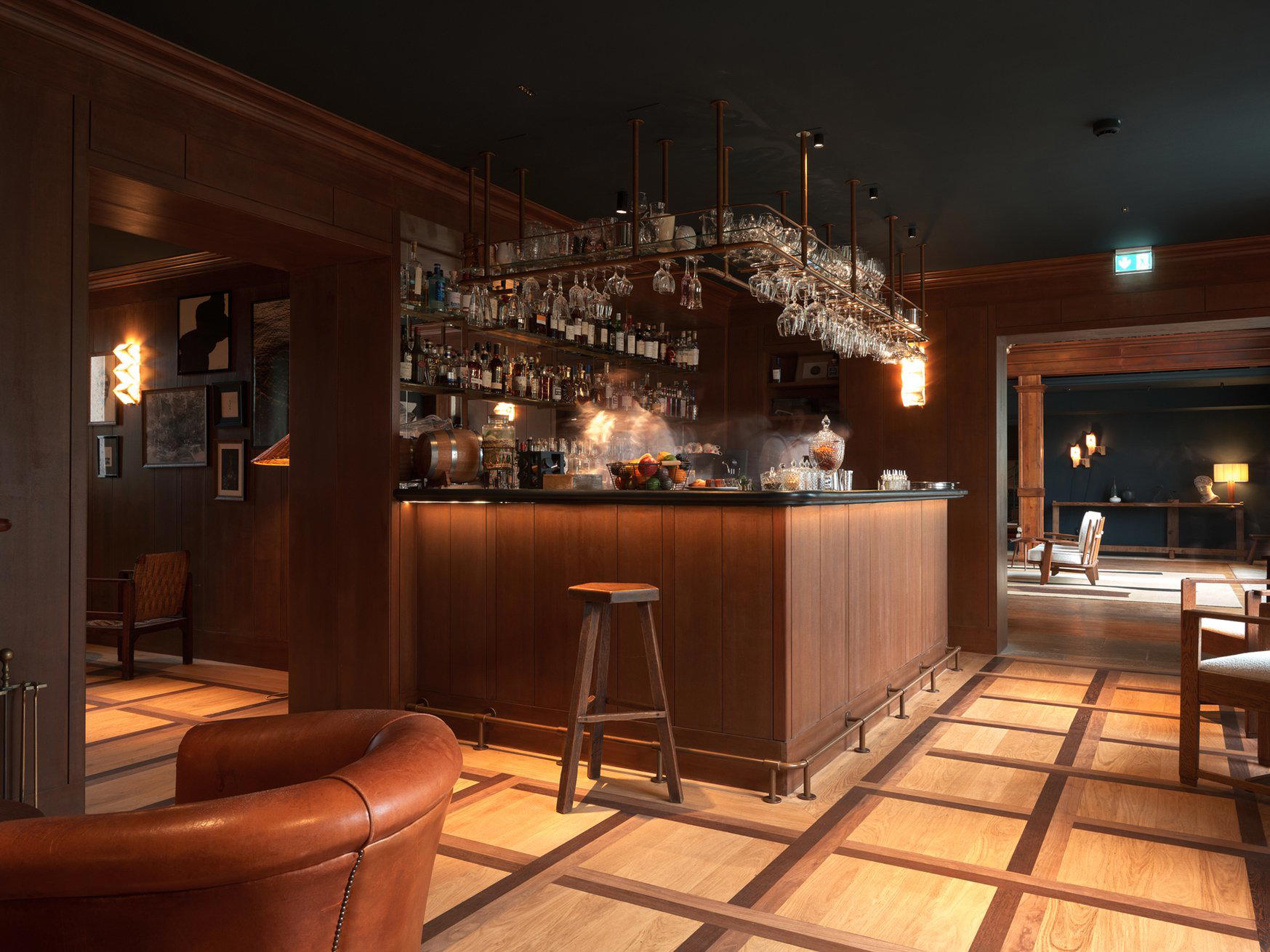
Bars in Preignac
Browse all →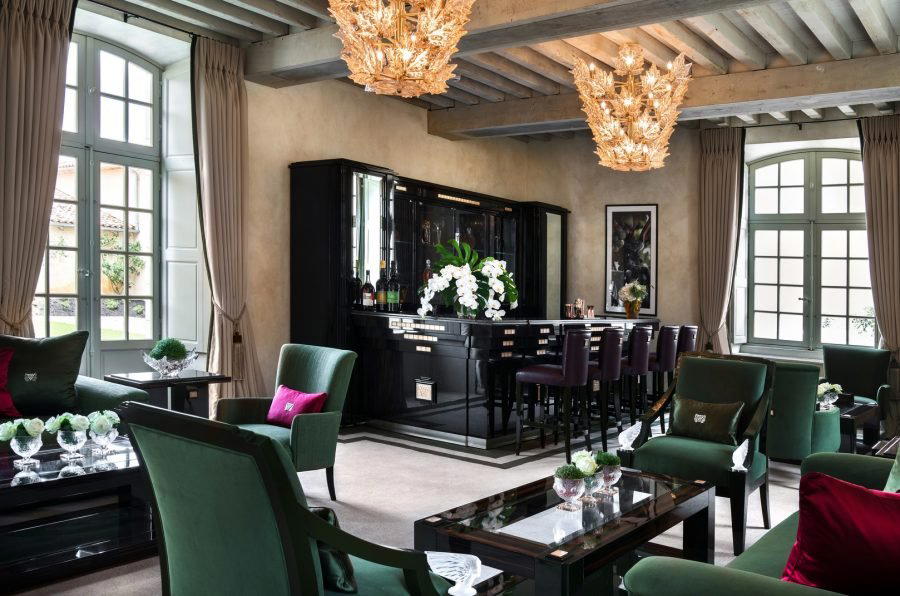
Restaurants in Preignac
Browse all →
Details
- Classic
- Scenic
- Elegant
- Romantic
- Intimate
- Romantic Getaway
- Group Outing
- Wine Education
- Special Occasion
- Solo Exploration
- Estate Grounds
- Vineyard Tour
- Private Tasting
- Historic Building
- Sustainable
- Vineyard
- Sémillon
- Sauvignon Blanc
- Dessert
- Still White
- Cellar Tasting
- Estate Tour With Tasting
- Guided Educational Tasting
- By Appointment Private Visit
- French
- English
Current opening hours
- Monday
- 8:30 AM–12 PM, 2–5:30 PM
- Tuesday
- 8:30 AM–12 PM, 2–5:30 PM
- Wednesday
- 8:30 AM–12 PM, 2–5:30 PM
- Thursday
- 8:30 AM–12 PM, 2–5:30 PM
- Friday
- 8:30 AM–12 PM, 2–5:30 PM
- Saturday
- Closed
- Sunday
- Closed
Hours can change for holidays and private events. Last verified .
Historic Sauternes family estate atmosphere with a modest, traditional château, venerable old vines and a focus on craftsmanship, giving visits an intimate, authentic and quietly elegant feel rather than a showy, touristy one.