
Falstaff Winery - Listed
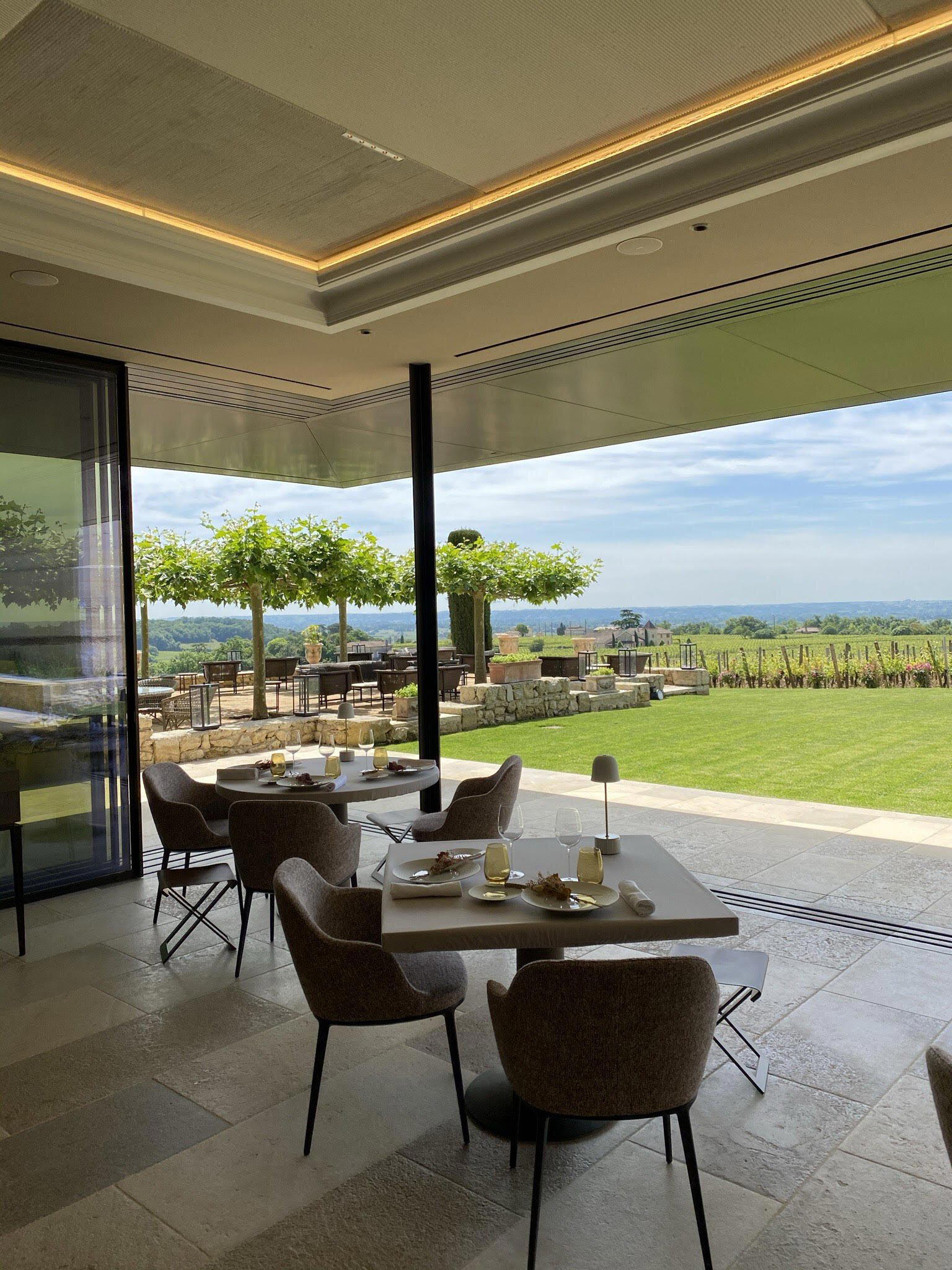
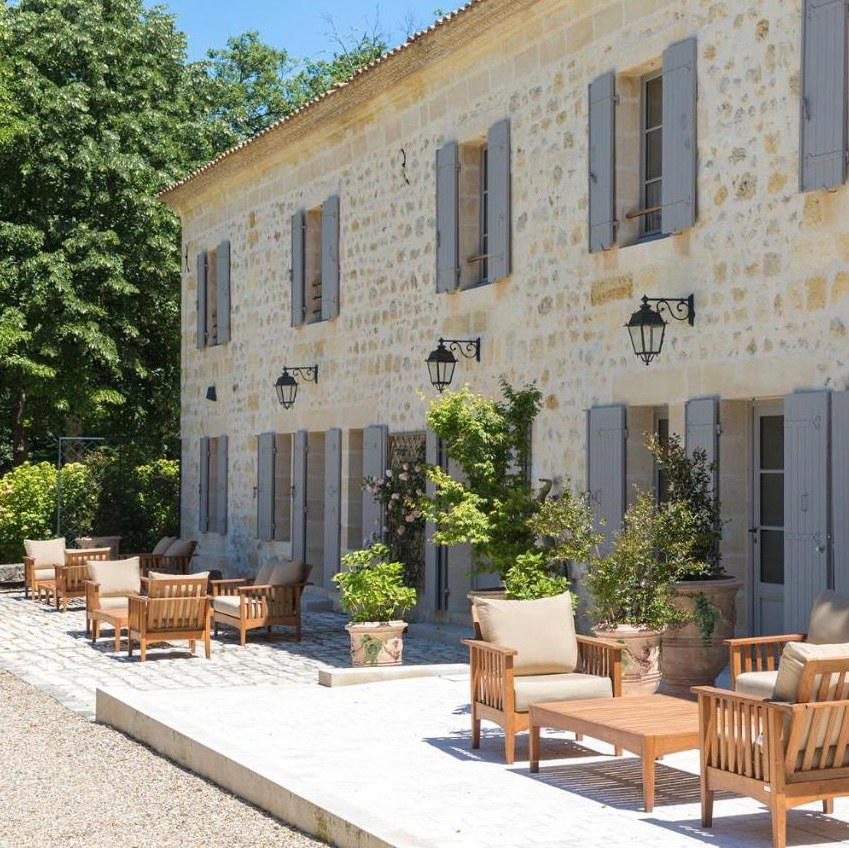
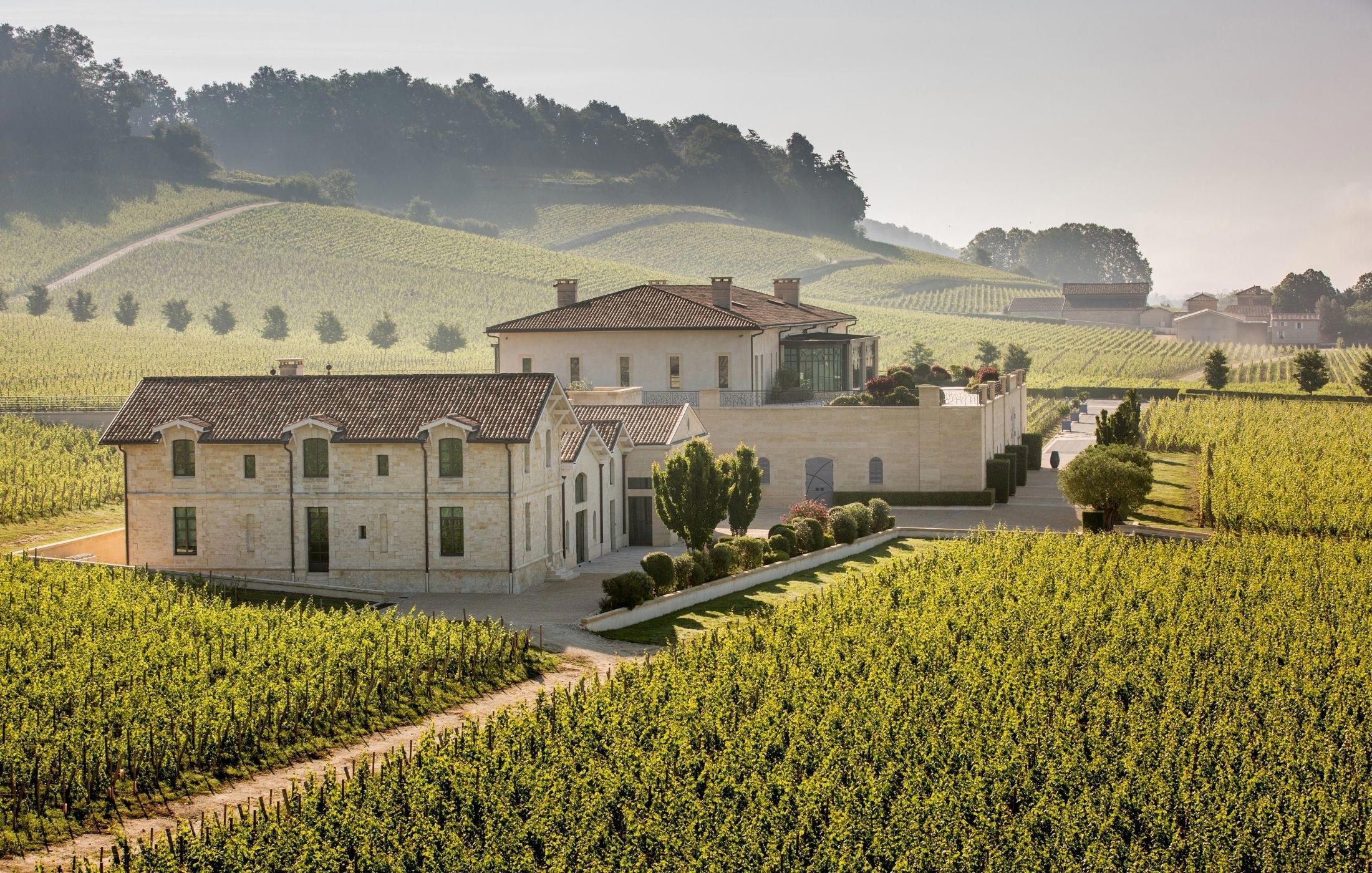
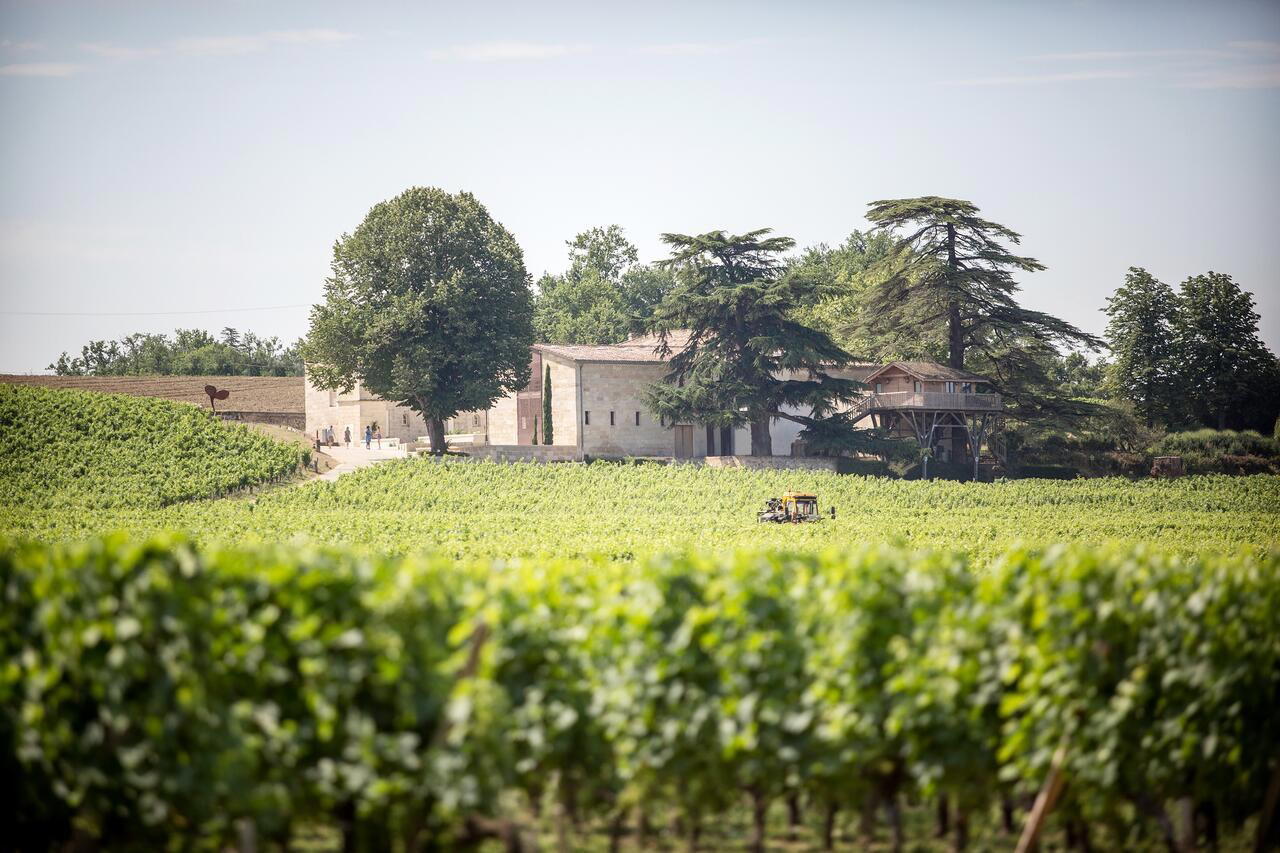
Château Franc-Baudron is a family-run organic estate in Montagne, working across Montagne Saint-Émilion AOC and Bordeaux appellations. The draw is not polished château theatre but a rural vineyard format: guided tastings, cellar context, sheep grazing, herbal treatments and a production story shaped by clay-limestone soils, Merlot, Cabernet Franc and Malbec.

Approaching a working estate in Montagne changes the register of a Bordeaux visit. The drama is not marble steps or collectible labels lined up for display; it is vineyard ground, cellar air and the practical rhythm of a family property. Château Franc-Baudron belongs to a quieter category of Bordeaux estate, where the visit is shaped by vines, cellar context and tasting rather than spectacle. That quieter frame is part of its usefulness: it lets the place speak through its agricultural setting instead of asking visitors to read it through grandeur.
The draw is direct: this is a family-run organic Bordeaux estate with a rural, working-vineyard feel. Its appeal is not built on a formal restaurant-style experience or a heavily staged tourism format. It is best understood as a place to read wine through farming, biodiversity and the atmosphere of a quiet property in Montagne. In that sense, the visit is less about being impressed from a distance and more about paying attention to the systems and choices that sit behind a glass of Bordeaux.
Organic Bordeaux without the château theatre
Château Franc-Baudron is presented as a family-run organic estate, and that matters because the visit is grounded in agricultural practice. The emphasis is on the vines and the cellar rather than on luxury signals or invented ceremony. For travelers who want Bordeaux to feel practical and close to the land, that is the central reason to come. The estate’s interest lies in its restraint: the experience does not need theatrical framing when the vineyard itself remains the main subject.
The page does not need to overstate the wine program to make the estate interesting. What is clear is the broader Bordeaux identity and the working-vineyard setting in Montagne. The experience is better framed around place, farming and tasting than around grape lists, bottle counts, scores or awards. That keeps expectations in the right place and makes the stop feel more honest: visitors are coming for context, texture and an encounter with a functioning estate, not for a catalogue of claims.
Organic farming is part of the estate’s identity, with an emphasis on biodiversity, sheep grazing and herbal treatments. Those details give the visit its clearest texture: a quiet rural atmosphere where the conversation can move from vines to cellar to glass without losing sight of the farming behind the wine. They also give the property a natural rhythm, because the vineyard is not just scenery around the tasting; it is the starting point for understanding what is being poured.
A visit built around vines, cellar and tasting
The hospitality experience at Château Franc-Baudron is best described simply: visits focus on the vines, the cellar and tastings. That makes it a good fit for travelers who prefer a grounded estate visit over a more polished or theatrical stop. The mood is authentic, quiet and rustic, with the working vineyard remaining central to the experience. The simplicity is a strength, because it keeps the visit legible: see the land, understand the cellar context, then taste with that information in mind.
Because only limited practical details are here, planning should stay flexible. The confirmed picture is of a family-run organic Bordeaux estate in Montagne with a rural feel, not a page built around claims about seating, specific tour formats, lunch service, picnic facilities, parking, shipping or reservation rules. That distinction is important for an accurate itinerary: the estate should be treated as a focused wine stop whose appeal rests on atmosphere and agricultural context, not on amenities that have not been established here.
For a broader Montagne wine day, keep the focus tight rather than overloading the route. Other dining and wine stops in Montagne can be considered generically, but Château Franc-Baudron is the relevant named estate here. Its role in the day is clearest when it is given enough space to feel rural and unhurried, rather than being reduced to one more rushed appointment on a crowded list.
Where it sits in a French winery itinerary
Château Franc-Baudron is strongest as a terroir-minded estate stop, not a trophy stop. Its value is the way a family-run organic Bordeaux property can make Montagne feel tactile: vines, cellar, tastings, biodiversity, sheep grazing and herbal treatments are the anchors of the experience. Those anchors are modest but meaningful, because they connect the tasting to a visible sense of place and to choices made in the vineyard.
Travellers building a broader France wine route can use the estate as a quiet Bordeaux counterpoint to more formal or urban wine experiences elsewhere. The reason to include it is not a claimed award, a specific score or a detailed production story; it is the chance to spend time at a rustic working vineyard in Montagne. In an itinerary that may otherwise lean toward polished rooms or city-based tastings, that rural contrast can make Bordeaux feel more varied and more immediate.
The editorial case for Franc-Baudron is simple: it gives Montagne a grounded reading. The visit ties organic farming, biodiversity, sheep grazing, herbal treatments, cellar context and tasting into one coherent explanation of wine as agriculture first and product second. That is the most persuasive way to approach the estate: not as a grand performance of Bordeaux, but as a calm, practical reminder that wine begins in a specific landscape, under specific farming choices, before it becomes something poured in the glass.
Frequently asked questions
What's the general vibe of Château Franc-Baudron?
It is a family-run organic Bordeaux estate in Montagne, with a quiet rural setting and a working-vineyard feel. The experience is about the vines, cellar and tastings rather than a formal or theatrical setting.
Where do I go for Château Franc-Baudron?
Château Franc-Baudron is in Montagne.
What's the pricing like at Château Franc-Baudron?
Pricing at Château Franc-Baudron is listed as $$.
Why do people go to Château Franc-Baudron?
People come for a grounded organic Bordeaux estate experience in Montagne. The draw is the focus on vines, cellar and tastings, along with biodiversity, sheep grazing and herbal treatments.
Do I need a reservation for Château Franc-Baudron?
Plan around the confirmed experience: a family-run organic Bordeaux estate in Montagne where visits focus on the vines, cellar and tastings.
What kind of traveler is Château Franc-Baudron a good fit for?
It suits travelers who want a quiet countryside wine estate in Montagne rather than a city tasting bar. It is especially relevant for visitors interested in organic farming, biodiversity and a rustic working-vineyard atmosphere.
Recognition history
Dated appearances from independent guides and award organizations, with the underlying list record or original source where available.
Falstaff Winery - Listed
Falstaff
Request a visit to Château Franc-Baudron
Tell us when you would like to go and how many people, and we put the request to the estate and reply to you by email.
Continue exploring
More in Montagne
Wineries in Montagne
All wineries in Montagne →
Bars in Montagne
Browse all →
Restaurants in Montagne
All restaurants in Montagne →
Details
- Rustic
- Scenic
- Classic
- Cozy
- Romantic
- Group Outing
- Family
- Wine Education
- Romantic Getaway
- Celebration
- Vineyard Tour
- Estate Grounds
- Picnic Area
- Private Tasting
- Organic
- Sustainable
- Vineyard
- Garden
Current opening hours
- Monday
- 9 AM–12 PM, 1:30–5:30 PM
- Tuesday
- 9 AM–12 PM, 1:30–5:30 PM
- Wednesday
- 9 AM–12 PM, 1:30–5:30 PM
- Thursday
- 9 AM–12 PM, 1:30–5:30 PM
- Friday
- 9 AM–12 PM, 1:30–5:30 PM
- Saturday
- Closed
- Sunday
- Closed
Hours can change for holidays and private events. Hours as of .
Family-run organic Bordeaux estate with a rural, working-vineyard feel: visits focus on the vines, cellar and tastings, with an emphasis on biodiversity, sheep grazing and herbal treatments that create an authentic, quiet and rustic atmosphere.